Brasserie Amelie occupies a address on Linnankatu in central Turku, positioning itself within the city's French-influenced dining tier. The brasserie format, relatively rare in Finland's restaurant scene, offers a middle register between casual café culture and tasting-menu formality. For visitors to Turku seeking a European dining reference point, it sits alongside the city's broader wave of ambitious independent restaurants.
Pearl is the En Primeur Club membership app — saves, bookings, and concierge access live there. Same editors, same standards.
- Address
- Linnankatu 3, 20100 Turku, Finland
- Phone
- +358300472392
- Website
- amelie.fi
- Directions
- Get directions
 Saves & bookings on Pearl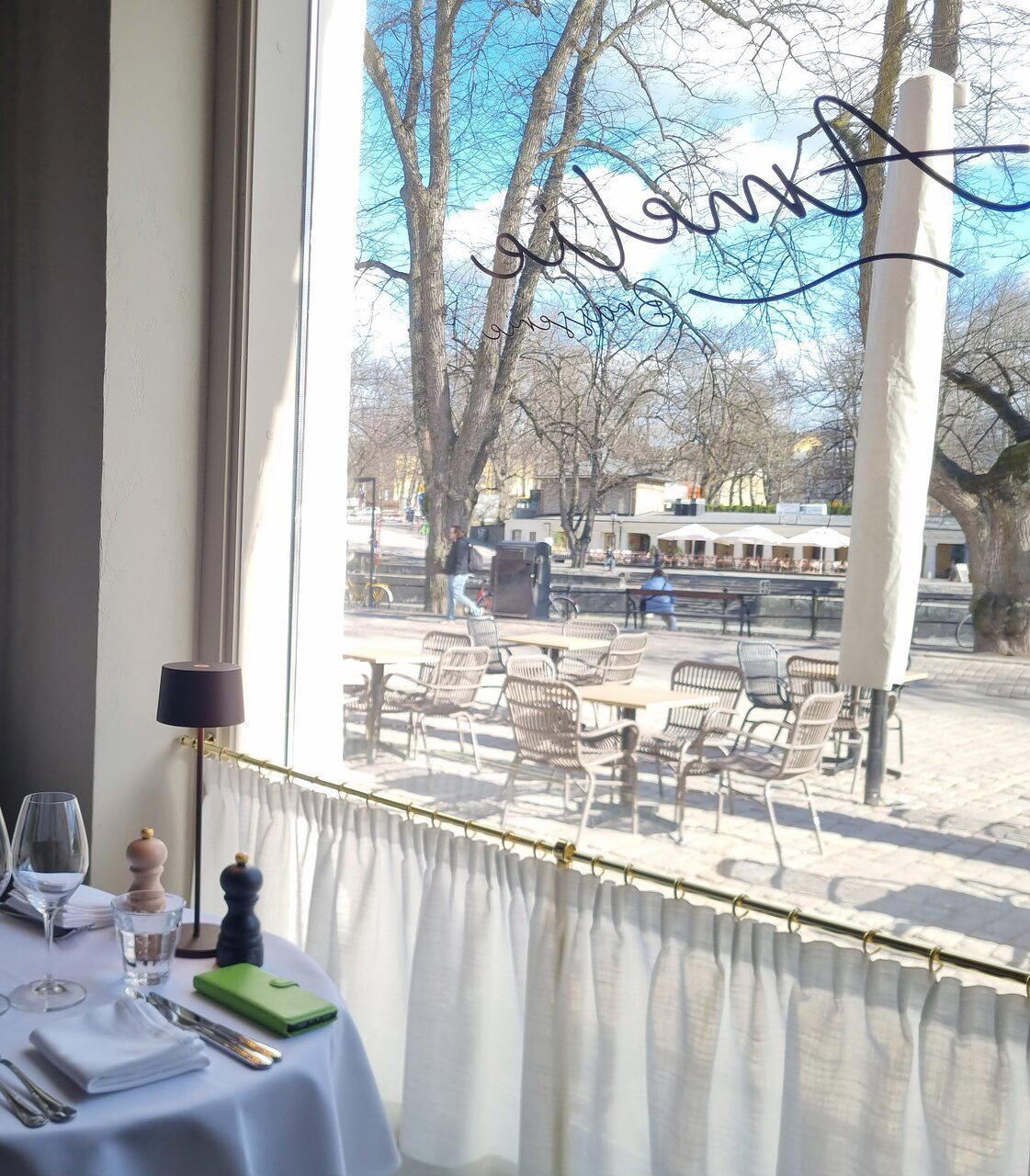
Where the Brasserie Tradition Lands in Finland
The brasserie as a dining format has always occupied an interesting middle ground in European food culture: less ceremonial than a grand restaurant, more serious than a bistro, and defined above all by a kind of confident informality that lets the food speak without theatrical scaffolding. In France, the category produced particularly enduring dining rooms of the twentieth century. In Finland, the format has been slower to take root, partly because the local restaurant tradition has tended to bifurcate between casual everyday eating and the more ambitious Nordic tasting-menu model that venues like Kaskis (New Nordic, Modern Cuisine) in Turku represent at their most polished end.
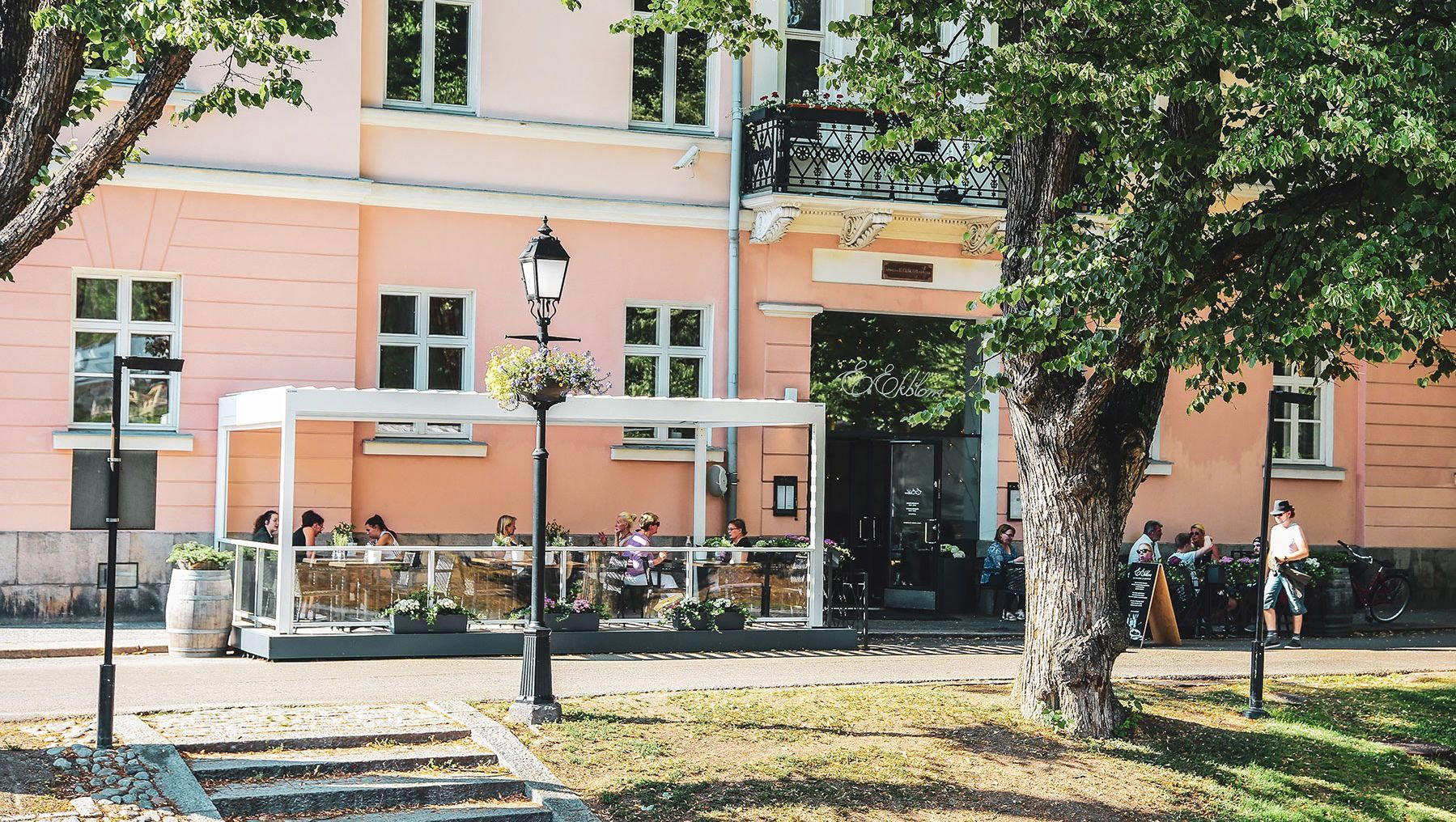
Brasserie Amelie, at Linnankatu 3 in central Turku, sits within that space between registers. The address places it in the older, river-adjacent part of the city, where Turku's architectural character is most legible and where the density of independent restaurants is highest. That geography matters: Linnankatu connects the harbour area to the cathedral quarter, and restaurants along its length benefit from foot traffic that mixes locals with visitors arriving by ferry from Stockholm and Tallinn. The Turku dining scene has, over the past decade, developed enough depth that a French-influenced brasserie can find a coherent comparable set rather than operating in isolation.
The Brasserie Format and What It Demands
A brasserie succeeds or fails on consistency more than on ambition. Unlike the tasting-menu format, where a single strong meal can define a restaurant's reputation, the brasserie model requires that classics be executed well every service: a properly made steak tartare, a credible sole preparation, a wine list that supports rather than competes with the food. The format originated in Alsace, where brasseries served beer alongside hearty dishes, and evolved through Parisian dining culture into the broadly French-European register most people associate with the word today.
In Scandinavia, that French influence has filtered through local ingredient traditions in ways that often produce something more interesting than a direct import. The leading examples across the region draw on local producers for the raw material while maintaining the structural logic of French technique: classical sauces, proper mise en place, respect for the arc of a meal from aperitif to digestif. Whether Brasserie Amelie operates in that hybrid register or closer to a more classical French template is shaped by the brasserie category itself, which carries those expectations.
Across Finland's restaurant scene, the brasserie and European bistro format occupies a smaller share of the market than in France or Belgium. Turku's dining identity has been shaped partly by its proximity to Sweden, with Swedish and Nordic influences sitting alongside more recent waves of international cooking. Restaurants like E. Ekblom and Kakolanruusu reflect different angles of that local evolution, while Bar4 and Mami represent other points in the city's independent dining spectrum.
Turku as a Dining City: Context for the Visitor
Turku is Finland's oldest city and its former capital, a status that has left a layered urban character that distinguishes it from Helsinki's more cosmopolitan scale. The restaurant scene reflects that: there is serious cooking here, but the reference points are often more local and the pace less frenetic than in the capital. Helsinki's leading end, represented by venues like Palace in Helsinki, operates at a different competitive altitude. Turku's strength is in a coherent mid-to-upper tier where independent operators have built genuine identities over time.
The Finnish brasserie category also sits in a broader Nordic context worth understanding. Across the region, European classical dining formats have been absorbed and reinterpreted at different speeds and with different fidelities. In Norway and Sweden, French-influenced restaurants have a longer establishment history in major cities. In Finland, the trajectory has been different, with Nordic and New Nordic formats dominating the aspirational dining conversation since the early 2010s. A venue maintaining a recognisably French brasserie identity in that environment is making a considered positioning choice, one that aligns it with a European rather than specifically Nordic comparable set.
For visitors touring Finland's restaurant scene more broadly, the contrast is instructive. Gastropub Tuulensuu in Tampere and Pöllöwaari in Jyväskylä show how other Finnish cities have developed their own distinct dining personalities, while VÅR in Porvoo illustrates the small-city Nordic fine dining model at a different scale. Further afield, Musta lammas in Kuopio, Popot in Lahti, Lucy in the sky in Espoo, Viinitupa Vuorenmaja in Mänttä, Aurora Restaurant in Luosto, and DeLorean in Jyvaskyla each occupy a distinct regional niche. On an international reference scale, the precision of French-influenced cooking at venues like Le Bernardin in New York City or the collaborative American format of Lazy Bear in San Francisco illustrates how broadly the French culinary inheritance has traveled and how differently it has been interpreted.
Planning a Visit
Brasserie Amelie's address on Linnankatu 3 places it within walking distance of Turku's central transport connections, including the main bus terminal and the short route from the Market Square. The river runs parallel to Linnankatu, and the surrounding neighbourhood is compact enough that pre- or post-dinner movement is easy. The restaurant recommends reservations. It is closed Mondays and Sundays, serves Tuesday through Thursday from 12 PM to 10 PM, and Friday and Saturday from 12 PM to midnight. For broader planning across the city's dining options, the full Turku restaurants guide provides the necessary comparative context.
Pricing, Compared
Comparable venues nearby, for context on price, style, and recognition.
| Venue | Cuisine | Price | Notes |
|---|---|---|---|
| Brasserie AmelieThis venue — the venue you are viewing | riverside, Modern French Brasserie | $$$ | Not listed |
| Mami | Not listed | $$$ | Old Town, Nordic Bistro with French Influences |
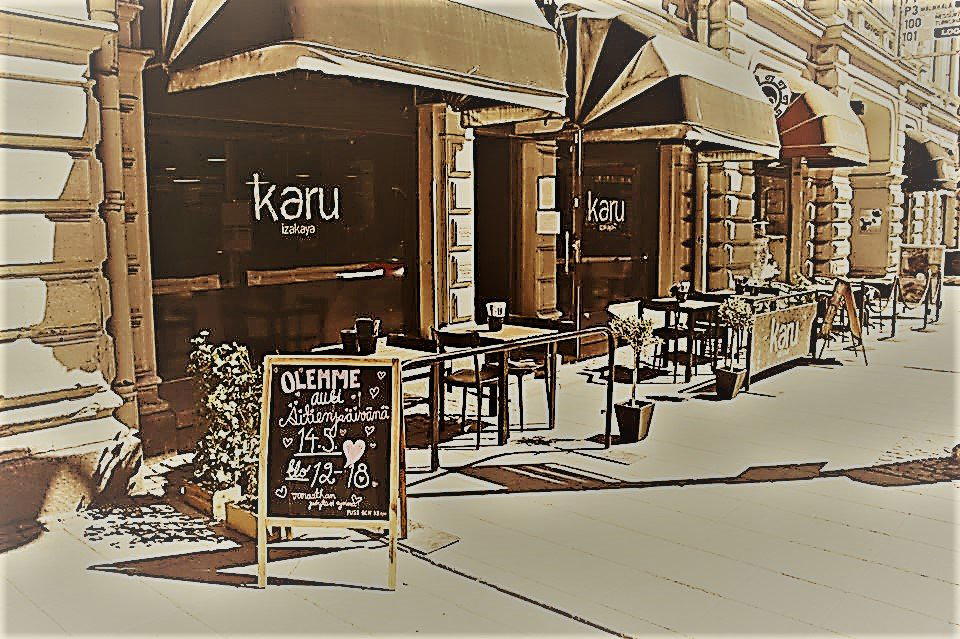
| Ravintola Karu Izakaya | Not listed | $$$ | Turku city centre, Modern Japanese Izakaya |
| Kakolanruusu | Not listed | $$$ | Kakolanmäki, Open-fire Nordic Fine Dining |
| Ravintola Kuori | central Turku, Modern Vegetarian Fusion | $$$ | Not listed |
| Sergio's | Not listed | $$ | Aurajoki, Authentic Italian Pizza and Pasta |
At a Glance
- Elegant
- Sophisticated
- Date Night
- Special Occasion
- Waterfront
- Craft Cocktails
- Local Sourcing
- Waterfront
Current opening hours
- Monday
- Closed
- Tuesday
- 12–10 PM
- Wednesday
- 12–10 PM
- Thursday
- 12–10 PM
- Friday
- 12 PM–12 AM
- Saturday
- 12 PM–12 AM
- Sunday
- Closed
Hours can change for holidays and private events. Last verified .
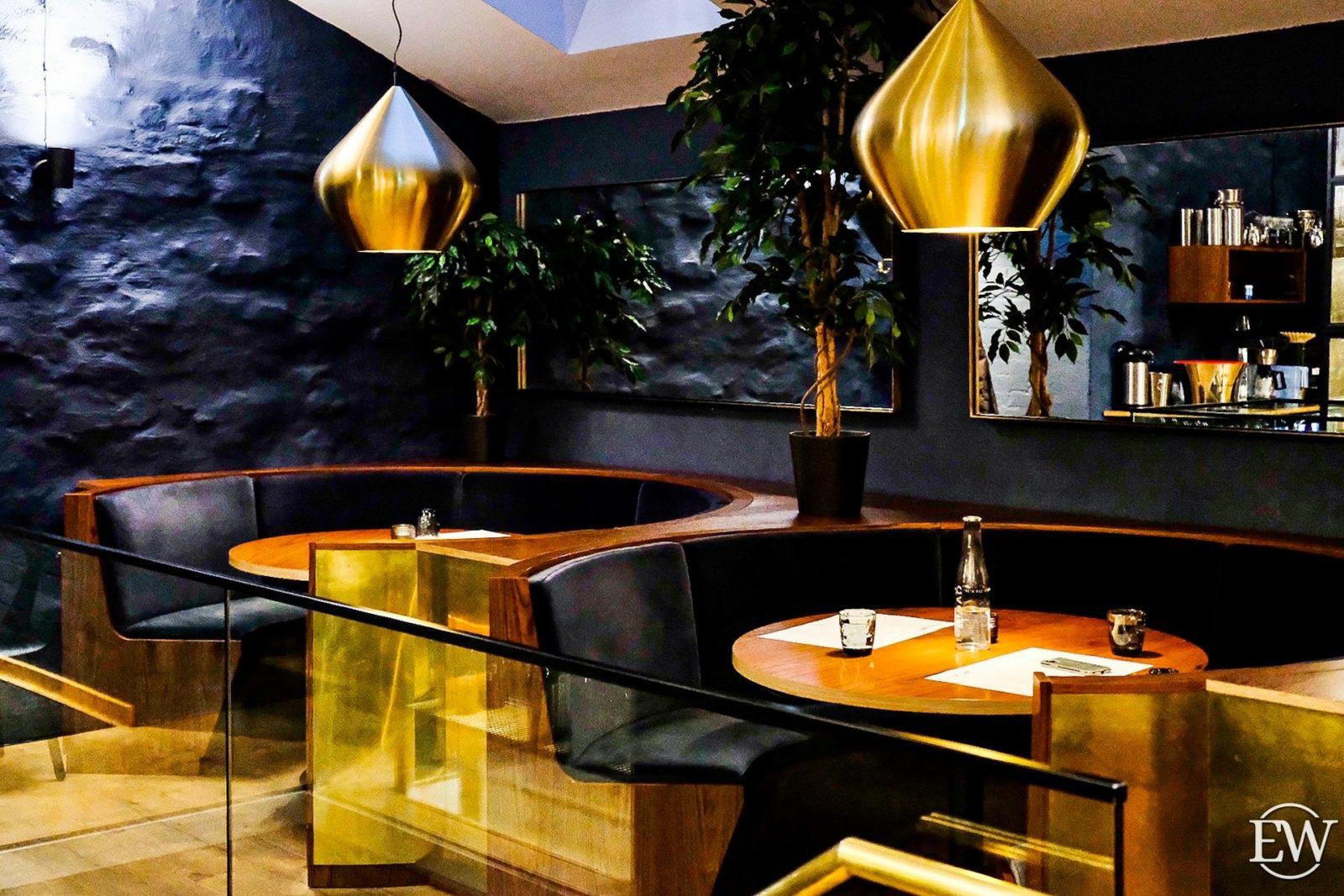
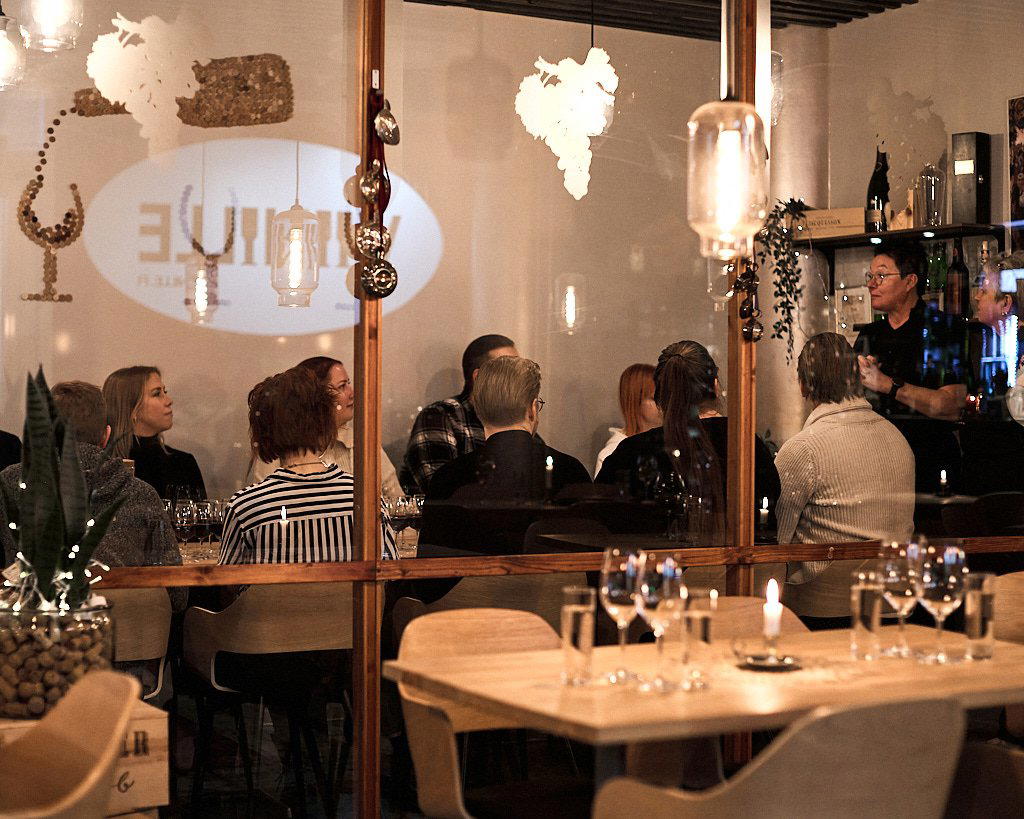
Relaxed chic ambience with white tablecloths, dainty chairs, café curtains overlooking the river, and a youthful atmosphere.