Our verdict
On Camden Street Lower, Mama Yo occupies a stretch of Dublin's most densely contested dining corridor, where neighbourhood restaurants compete on specificity rather than scale. The address places it squarely in the Saint Kevin's quarter, a pocket of the city where casual formats and serious cooking increasingly overlap. Whether the kitchen here matches that ambition is the question the room asks you to answer.

Pearl is the En Primeur Club membership app — saves, bookings, and concierge access live there. Same editors, same standards.
- Address
- 76 Camden Street Lower, Saint Kevin's, Dublin, D02 X788, Ireland
- Phone
- +35312248856
- Hours
- Mon–Wed 5–9 PMThu–Fri 5–10 PMSat 1–10 PMSun 1–9 PM
- Website
- mamayo.ie
- Directions
- Get directions
- Booking
- Book on OpenTable
Camden Street and the Question of Format
Dublin's Camden Street corridor has, over the past decade, shifted from late-night pub territory into one of the city's most concentrated strips of independent restaurants. The transformation wasn't driven by any single opening but by a gradual pressure on operators to commit to a point of view: the area rewards specificity and punishes the middle. Mama Yo, at 76 Camden Street Lower in the Saint Kevin's quarter, sits inside that competitive logic. The address itself signals something — this is not a destination neighbourhood in the way that the city centre is, which means footfall is earned rather than assumed, and the kitchen has to give the immediate community a reason to return.
That dynamic shapes how restaurants in this part of Dublin tend to operate. Formats lean neighbourhood-scaled rather than occasion-driven. The contrast with the formal dining tier — venues like Patrick Guilbaud or Glovers Alley, which are built around singular evening occasions, is deliberate rather than incidental. Camden Street restaurants tend to function more like the city's working dining rooms: less ceremony, more frequency, the kind of places people use rather than merely visit.
Reading the Room Before the Menu Arrives
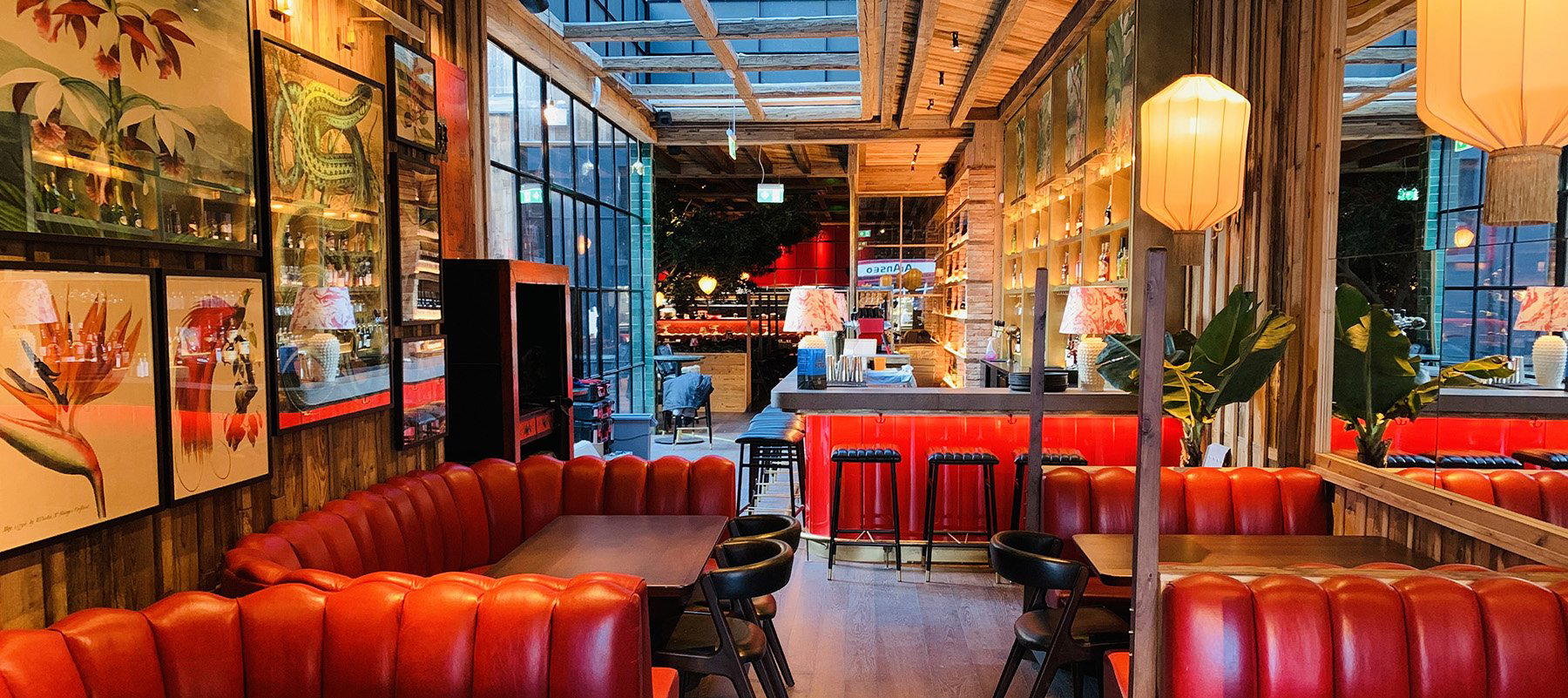
The physical environment of a Camden Street address carries its own context. The street runs south from the Grand Canal through a dense residential and commercial mix, and the buildings along it tend toward the compact and low-ceilinged. Restaurants here work with what they have, and the better ones make constraint feel intentional. The question, when approaching any relatively new or lightly documented addition to this stretch, is whether the interior reads as considered or simply inherited.
At Mama Yo, the address at D02 X788 places it in a section of Camden Street Lower that sees consistent foot traffic across lunch and evening hours, the kind of location where a well-placed window seat becomes part of the pitch. Dublin's neighbourhood restaurant culture has increasingly borrowed from the European model, rooms that feel inhabited rather than designed, where the energy comes from the tables rather than from any particular design gesture. That model rewards a certain informality, and it changes the nature of the meal from the first moment.
The Arc of the Meal: How a Neighbourhood Kitchen Structures an Evening
In Dublin's current mid-market, the most interesting question isn't what a kitchen serves but how it sequences the meal. The city's better neighbourhood restaurants have largely moved past the era of direct à la carte lists toward menus with some internal logic, a progression through textures, temperatures, or culinary references that gives the evening a shape. This approach, common at places like Bastible on Leonard's Corner and D'Olier Street in the city centre, reflects a broader shift in how Dublin kitchens think about the tasting progression even within casual formats.
What the Camden Street context does suggest is that kitchens here tend to operate with relatively tight menus that change with supply rather than season-long fixed lists. The economics of an independent neighbourhood restaurant in Dublin's current cost environment push toward disciplined purchasing and daily flexibility, which tends to produce menus that feel more immediate and less committee-authored than those of larger operations.
For comparative reference, the tasting-progression model has been handled at different price and ambition levels across Ireland: Aniar in Galway applies it at Michelin level with a strict local-ingredient filter, Liath in Blackrock brings a more personal intensity to the format, and Chestnut in Ballydehob uses it within a rural West Cork context. The format itself is not the differentiator, the discipline of execution is. That applies at Camden Street prices as much as it does at destination-restaurant prices.
Dublin's Neighbourhood Tier: Where Mama Yo Sits
Dublin's restaurant map has stratified more clearly in the past five years. At the leading, two-Michelin-star operations like Chapter One by Mickael Viljanen operate in a different category entirely, competing internationally rather than locally. Below that, a mid-tier of serious neighbourhood restaurants has consolidated, with enough critical mass now to constitute a scene rather than a collection of individual outliers. Camden Street is part of that mid-tier geography, and Mama Yo operates in that competitive band.
Ireland's broader dining story in this format has parallel examples worth knowing. Bastion in Kinsale, Campagne in Kilkenny, and Homestead Cottage in Doolin all demonstrate that serious cooking in Ireland no longer requires a capital city address or a formal occasion format. The trend runs in the other direction: some of the country's most consistent cooking is happening in smaller rooms and lower-pressure formats. Mama Yo's placement on Camden Street puts it inside Dublin's version of that argument.
For international context, the neighbourhood-restaurant model that Dublin is now refining has precedents in cities with mature dining cultures. Le Bernardin in New York City represents the formal ceiling of what serious urban dining can look like; Atomix, also in New York, shows how the tasting-progression format can operate at high ambition without traditional fine-dining trappings. Neither is a direct peer of a Camden Street neighbourhood restaurant, but they illustrate the range of formats within which the progression-driven meal now operates globally. The question for any new Dublin opening is where it positions itself on that spectrum.
For a fuller picture of where Dublin's dining sits right now, the EP Club Dublin restaurants guide covers the city's current tier structure across formats and price points. Beyond the capital, dede in Baltimore, Terre in Castlemartyr, House in Ardmore, and Lady Helen in Thomastown represent the spread of serious Irish cooking outside Dublin's immediate orbit.
Planning a Visit
Mama Yo is at 76 Camden Street Lower, Saint Kevin's, Dublin D02 X788. Camden Street is well served by Dublin Bus routes running south from the city centre, and the area is walkable from Harcourt Street Luas stop in around ten minutes. The Camden Street area generally fills quickly on Thursday through Saturday evenings, so advance contact is advisable for those nights regardless of format.
Frequently asked questions
Can I bring kids to Mama Yo?How would you describe the vibe at Mama Yo?
What should I order at Mama Yo?
What's the ideal way to book Mama Yo?
Is Mama Yo the kind of restaurant worth travelling across Dublin for, or is it primarily a neighbourhood local?
Cuisine and Awards Snapshot
Comparable venues nearby, for context on price, style, and recognition.
| Venue | Cuisine | Price | Notes |
|---|---|---|---|
| Mama YoThis venue — the venue you are viewing | Modern Chinese | $30–50 | Not listed |
| Ka Shing | Chinese Dim Sum | $20–30 | Royal Exchange A |
| Hang Dai Chinese | Contemporary Chinese Fusion with Music Venue | $30–50 | Saint Kevin'S |
| Nan Chinese Restaurant | Authentic Huaiyang Chinese | $30–50 | Royal Exchange A |
| Little Dumpling | Authentic Chinese Dumpling House | $20–30 | Royal Exchange B |
| The Mongolian BBQ | Mongolian BBQ Stir-Fry | $20–30 | Royal Exchange A |
Continue exploring
More in Dublin
Restaurants in Dublin
Browse all →
Bars in Dublin
Browse all →
Hotels in Dublin
Browse all →
Wineries in Dublin
Browse all →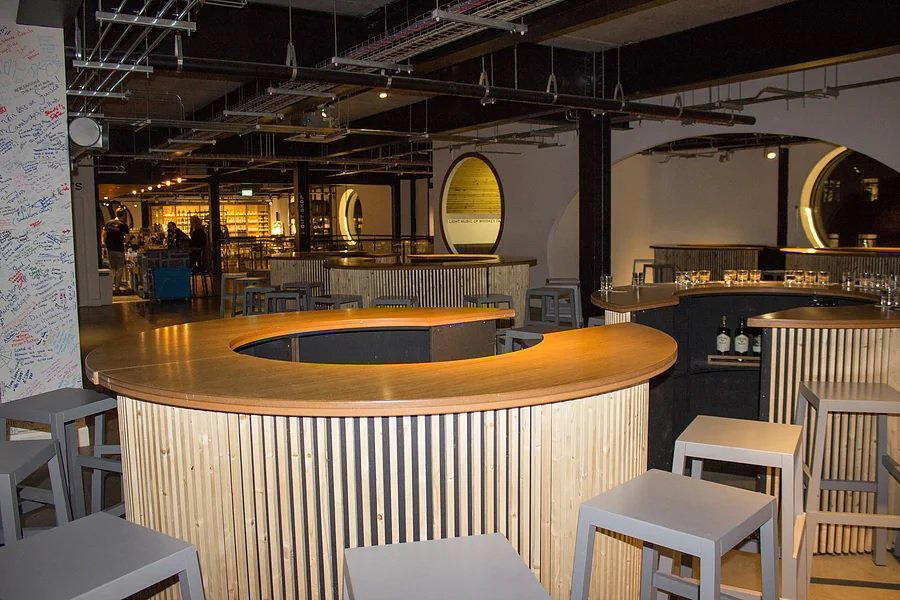
Details
- Trendy
- Modern
- Elegant
- Group Dining
- Date Night
- Casual Hangout
- Open Kitchen
- Craft Cocktails
- Small Plates
- A La Carte
- Family Style
- Cocktails
- Vegetarian Friendly
- Gluten Free Options
- Vegan Options
Current opening hours
- Monday
- 5–9 PM
- Tuesday
- 5–9 PM
- Wednesday
- 5–9 PM
- Thursday
- 5–10 PM
- Friday
- 5–10 PM
- Saturday
- 1–10 PM
- Sunday
- 1–9 PM
Hours can change for holidays and private events. Last verified .
Rich red tones softened by wood panelling, with booths, banquette seating, and artfully lit large trees creating an immersive and beautifully designed space.