
White Guide Sweden Restaurants - Recommended
Our verdict
Malmö Foodhall at Gibraltargatan 6 brings together multiple vendors and food concepts under one roof, reflecting the broader shift in Scandinavian cities toward collective dining formats where variety and informality sit alongside genuine culinary craft. For visitors working through Malmö's food scene, it offers a practical and sociable entry point into the city's appetite for locally sourced, producer-led eating.

Pearl is the En Primeur Club membership app, where members save venues, book tables and use the concierge.
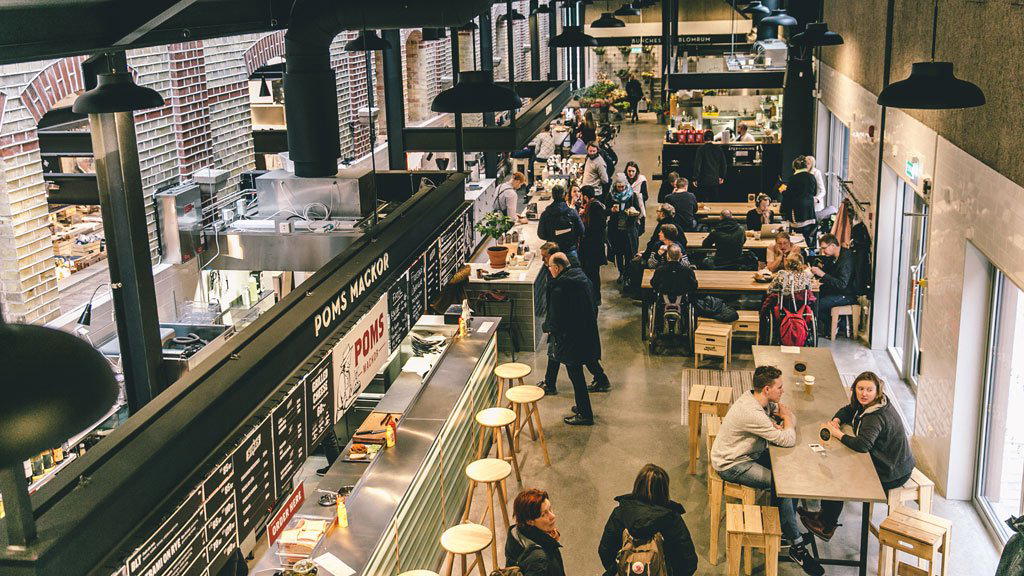
The Collective Format and What It Reveals
Across Scandinavia, the food hall model has become one of the more honest expressions of how cities actually want to eat. Rather than committing to a single chef's vision across three courses, the collective format distributes decision-making to the diner, letting individual vendors develop depth within a narrower range. Malmö Foodhall, at Gibraltargatan 6 in central Malmö, operates within this tradition, assembling multiple food concepts in a shared space where the architecture of choice is itself the menu. The format tells you something about Malmö's food culture before you've tasted anything: this is a city that takes its ingredients seriously but wears that seriousness without formality.
The food hall model also functions as a low-barrier pressure test for vendors. Stalls that survive in a shared-space environment, where foot traffic rather than reservation lists drive revenue, tend to develop leaner, more focused offerings than standalone restaurants. The result, in halls, is a concentration of specialists rather than generalists. Whether any given vendor at Malmö Foodhall fits that description is something only the visit will confirm, but the structural logic of the format points that direction.
Malmö's Position in the Southern Swedish Food Scene
Malmö sits at an interesting point in Sweden's culinary geography. Stockholm anchors the country's Michelin conversation, with Frantzén in Stockholm representing the extreme upper end of that city's ambitions. But Scania, the southernmost province, has developed its own distinct food identity rooted in agricultural proximity and a shorter, more direct supply chain from farm to plate. Vollmers in Malmö demonstrates what that proximity can produce at the fine dining end; Sydkustens at Pillehill in Skivarp shows how the same philosophy operates further out along the Scanian coast.
The food hall format sits at a different point on that spectrum, more democratic and higher-volume, but drawing from the same regional pantry. Scania's access to quality produce, its proximity to Denmark across the Øresund strait, and the influence of a densely networked food culture that runs from Malmö up through Hoze in Gothenburg and across to destinations like VYN in Simrishamn all feed into what the city expects from its casual eating. A food hall in this context is not a fallback option; it is a deliberate format choice.
Within Malmö itself, the casual-to-mid-range dining field includes addresses like Atrium, BASTA, Brogatan, Care of, and Casual, each representing different points on the formality and format spectrum. Malmö Foodhall operates as a complement to rather than a substitute for these options, offering breadth where those venues offer depth.
Menu Architecture in a Multi-Vendor Space
The editorial angle on any food hall is necessarily structural. Unlike a restaurant, where a single kitchen controls the menu's internal logic, a food hall distributes that logic across vendors who may or may not share a coherent philosophy. The most successful halls develop curation as a discipline: they select vendors whose ranges complement rather than duplicate each other, and they pay attention to price distribution so that the hall functions across multiple spending levels without feeling incoherent.
In this respect, the food hall format has more in common with the tasting menu than it might appear. Both formats ask the diner to commit to a sequence of decisions shaped by someone else's architecture. The difference is that in a food hall, the architecture is spatial and vendor-based rather than course-based. At formats like Lazy Bear in San Francisco, the menu is a tightly controlled editorial statement from a single kitchen. At a food hall, the equivalent editorial statement is the selection of who gets a stall and what they're expected to do with it.
Malmö Foodhall's address on Gibraltargatan places it within reach of the city centre, which affects the type of diner it draws and, by extension, the vendors it needs to satisfy. City-centre food halls in Scandinavian cities have tended to skew toward lunch and early evening use, with the social dimension of the shared table functioning as a draw in its own right.
Comparing the Format Across the Region
The food hall has become a reliable format across Northern Europe precisely because it resolves a tension that single-concept restaurants cannot: it allows a group of people with different appetites and price tolerances to eat together without anyone compromising significantly. That social utility is not trivial, particularly in a city like Malmö where the dining culture spans a wide range of backgrounds and preferences.
Elsewhere in Sweden and the wider region, the format has produced some genuinely strong specialist vendors. ÄNG in Tvååker and Knystaforsen in Rydöbruk represent the single-destination, high-commitment end of Swedish food travel. The food hall sits at the opposite pole: accessible, repeat-visit-friendly, and structured to reward exploration over a series of visits rather than a single definitive meal. Signum in Mölnlycke and PM & Vänner in Växjö similarly show what the region produces at the tighter, chef-led end. Bistro Jarlen in Halmstad occupies a mid-register that shares some DNA with the food hall's approachability, if not its format.
For a broader map of where Malmö Foodhall fits within the city's eating options, the full Malmo restaurants guide covers the range from tasting menu formats to neighbourhood bistros and casual venues. And for a sense of what a city-level fish-focused commitment looks like at the high end, Le Bernardin in New York City serves as a useful reference point for how much a single-category focus can achieve when the format is built entirely around it.
Planning a Visit
Malmö Foodhall is located at Gibraltargatan 6, 211 18 Malmö. Current hours, pricing, and booking details are best confirmed directly via the venue, as the multi-vendor format means operational information can vary by stall. The food hall format generally supports walk-in visits more readily than reservation-based restaurants, which makes it a practical choice for flexible itineraries. Reaching the venue from central Malmö is direct by foot or by public transport, given the address's position within the city's compact centre.
Frequently asked questions
Where is Malmö foodhall in Malmo?
Malmö foodhall is located at Gibraltargatan 6, 211 18 Malmö, Sweden, Malmo.
How does Malmö Foodhall compare to other food halls in southern Sweden?
Malmö Foodhall sits in Scania, the southernmost region of Sweden, which places it geographically closer to Copenhagen's food hall circuit, Torvehallerne in particular, than to Stockholm's market venues. That cross-Øresund proximity shapes what a food hall in Malmö competes with culturally and commercially. No comparative rankings or awards are currently documented for Malmö Foodhall specifically, but its address at Gibraltargatan 6 puts it within the city's central dining corridor.
What's the must-try dish at Malmö foodhall?
Because Malmö Foodhall operates as a multi-vendor space at Gibraltargatan 6, there is no single kitchen driving one signature dish. The range shifts depending on which vendors are active, so the practical move is to arrive, survey what each stall is producing that day, and commit based on what looks freshest. No specific dishes are documented in current editorial records.
Do they take walk-ins at Malmö foodhall?
The food hall format at Gibraltargatan 6 is structurally built for walk-in traffic, that is the defining operational logic of the multi-vendor model. Seating arrangements vary by vendor, and peak weekend hours in a city the size of Malmö will test capacity. Confirm current hours directly with the venue before visiting.
What do critics highlight about Malmö foodhall?
What the format tends to attract in the broader Scandinavian context is attention to vendor curation and the shift away from single-concept dining, a pattern Malmö shares with food halls in Copenhagen and Gothenburg. The venue holds no documented Michelin or major award recognition at this time.
Do they accommodate allergies at Malmö foodhall?
In a multi-vendor space like Malmö Foodhall, allergen handling is vendor-specific rather than managed by a single kitchen. That means dietary requirements need to be raised with each individual stall. Contact the venue at Gibraltargatan 6, Malmö directly to understand which vendors have allergen documentation available before your visit.
Reputation First
A quick peer reference to anchor this venue in its category.
| Venue | Cuisine | Price | Awards |
|---|---|---|---|
| Malmö foodhallThis venue (the venue you are viewing) | Diverse Street Food Market | $20–30 | White Guide Sweden Restaurants - Recommended |
| Claesgatan 8 | Swedish Steakhouse & Bar | $20–30 | Not listed |
| Atrium | Organic Scandinavian Café | $10–20 | Not listed |
| Kanji Sushi | Sushi Restaurant | Not listed | Not listed |
| Restaurang Nyhavn | European Pub Fare | Not listed | Not listed |
| BASTA | Italian Trattoria with Neapolitan Pizza | $20–30 | Not listed |
Recognition history
Dated appearances from independent guides and award organizations, with the underlying list record or original source where available.
White Guide Sweden Restaurants - Recommended
White Guide
Continue exploring
More in Malmö
Restaurants in Malmö
All restaurants in Malmö →
Bars in Malmö
All bars in Malmö →

Details
- Lively
- Trendy
- Industrial
- Casual Hangout
- Family
- Group Dining
- Open Kitchen
- Local Sourcing
- Small Plates
- A La Carte
- Vegetarian Friendly
Current opening hours
- Monday
- 11 AM–8 PM
- Tuesday
- 11 AM–8 PM
- Wednesday
- 11 AM–8 PM
- Thursday
- 11 AM–8 PM
- Friday
- 11 AM–9 PM
- Saturday
- 11 AM–9 PM
- Sunday
- 11 AM–5 PM
Hours can change for holidays and private events. Last verified .
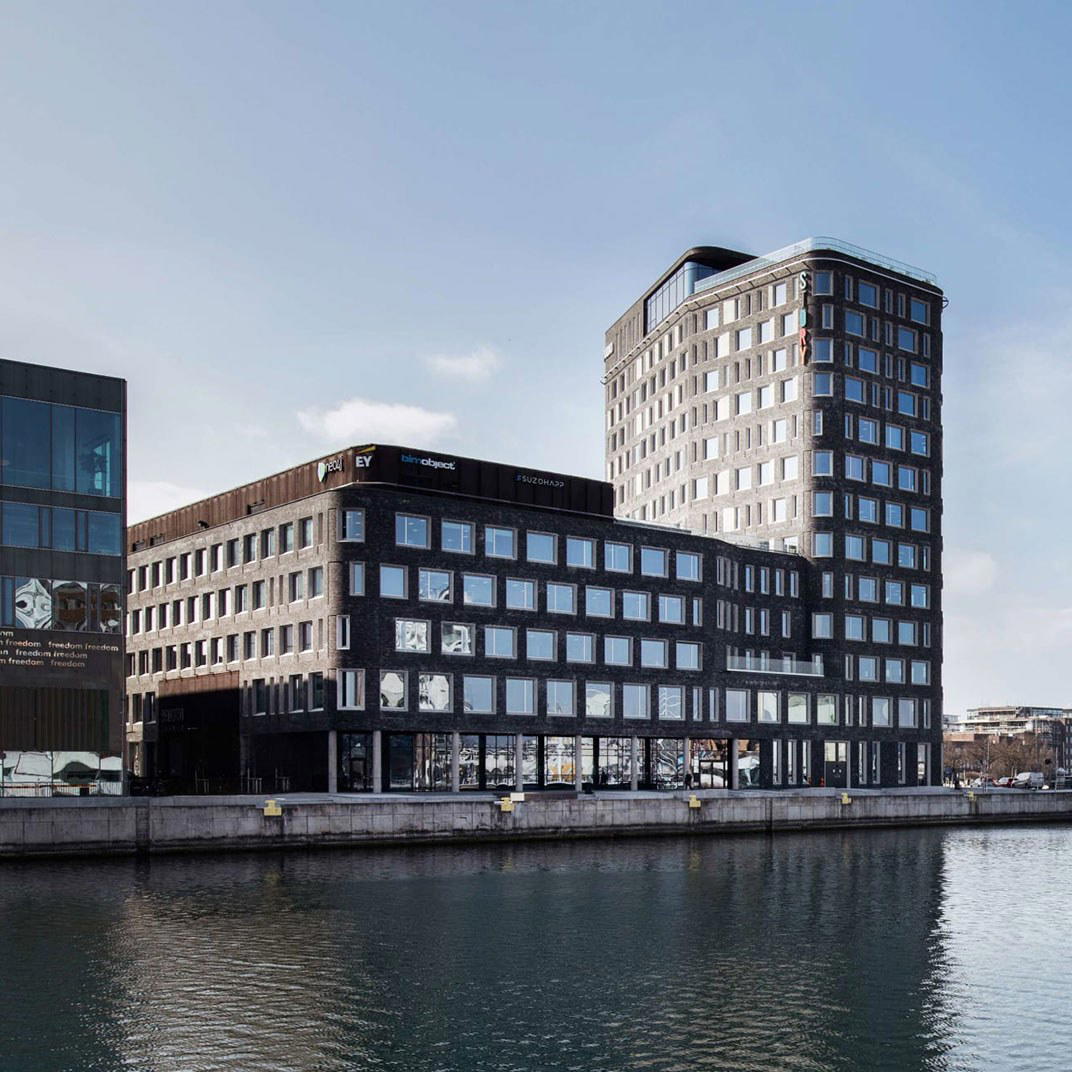
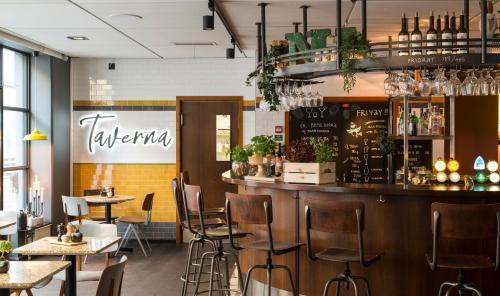
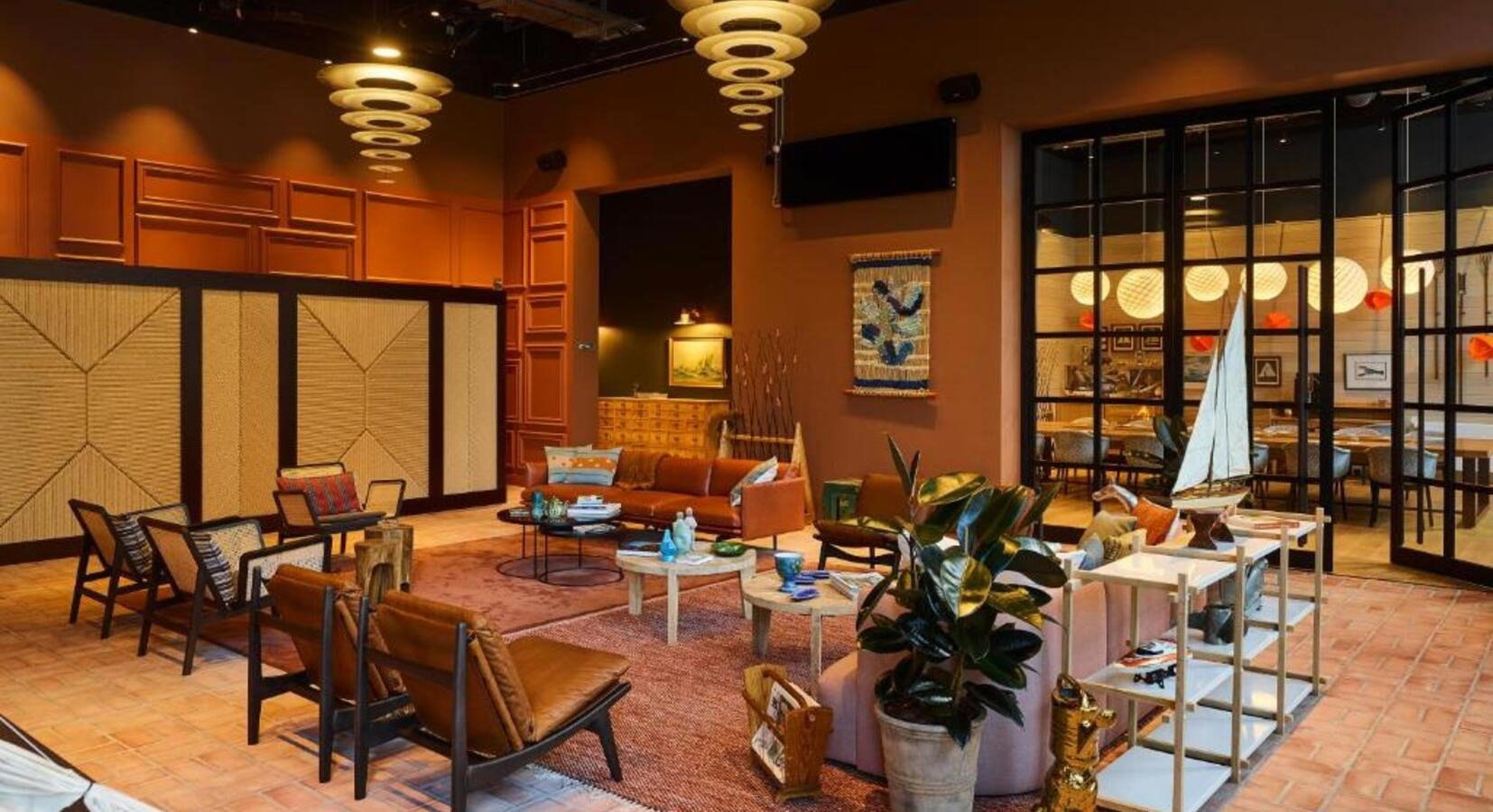
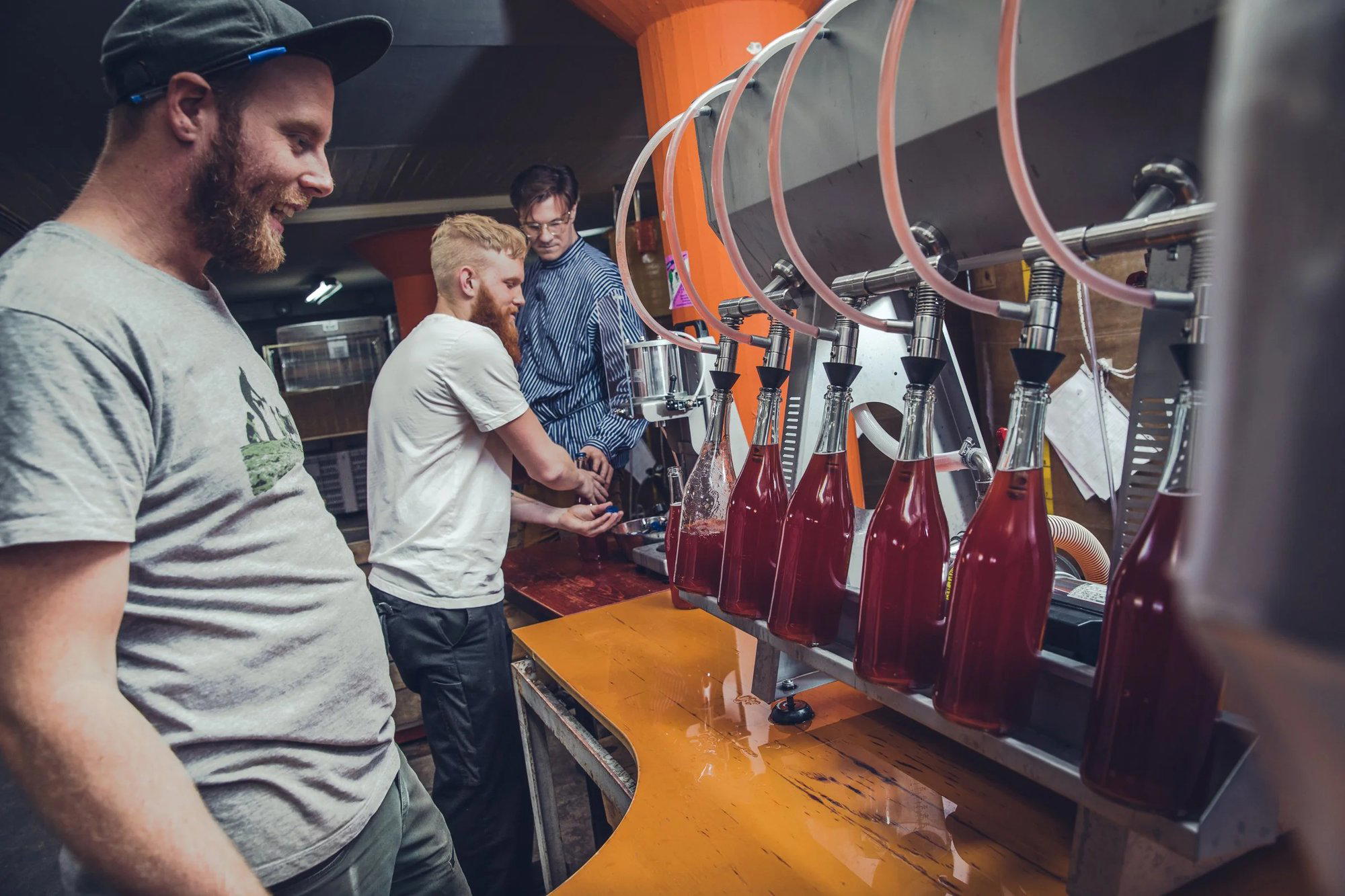
Bustling and lively atmosphere in an industrial setting with a mix of culture, creativity, and fun suitable for all ages.