Our verdict
Sushi at Regementsgatan 64 sits at the quieter, residential edge of Malmö's dining scene, where the Japanese counter tradition meets a Swedish city still building its fine-dining vocabulary. Kanji Sushi occupies that intersection: a neighbourhood address with a format that rewards patience and attention rather than spectacle. For visitors cross-referencing Malmö against Stockholm or Copenhagen, this is where local commitment to the craft becomes the story.
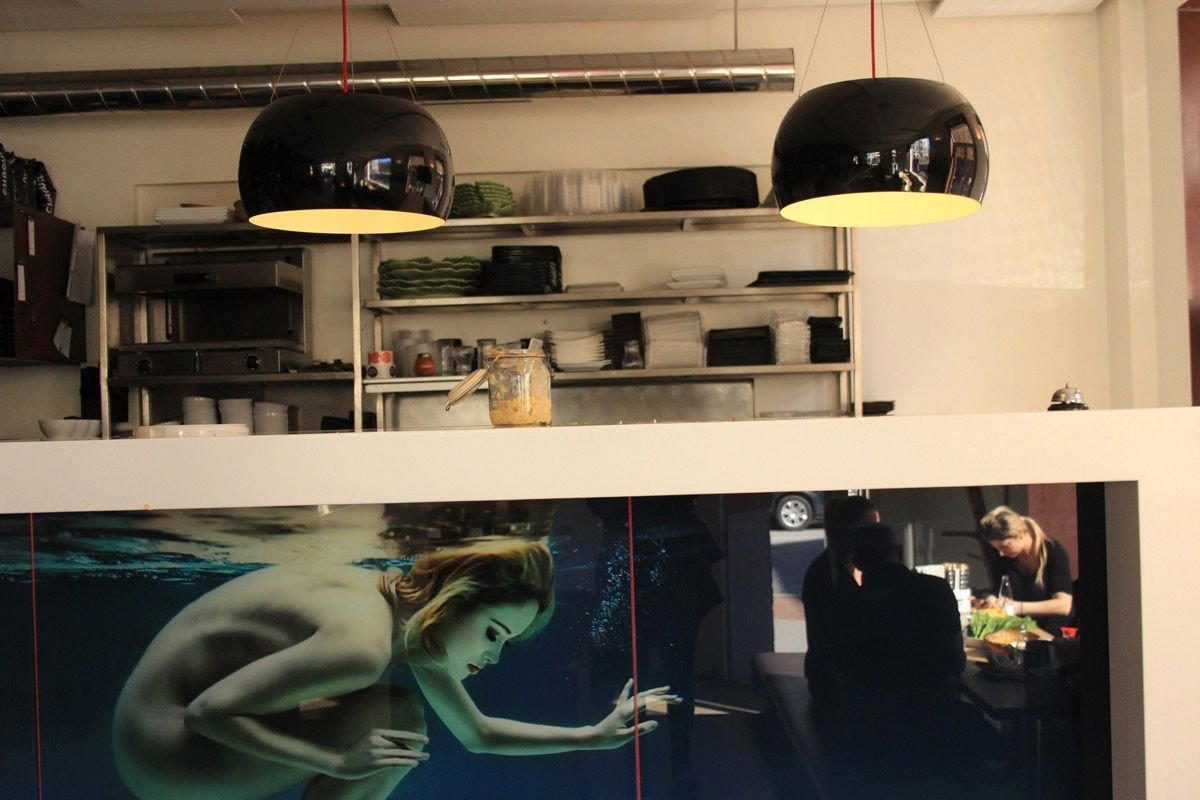
The Street Before You Enter
Regementsgatan is not one of Malmö's marquee dining streets. It runs through a residential stretch of the city, away from the waterfront development around Västra Hamnen and the concentrated restaurant blocks closer to Möllevångstorget. Arriving here by foot or tram, the neighbourhood reads as lived-in rather than curated, which is precisely the context that gives a sushi address meaning in a Scandinavian city. The leading Japanese counter experiences in Europe's northern capitals have rarely colonised the obvious tourist corridors; the serious ones tend to anchor themselves where rents are lower and clientele more deliberate.
Malmö's dining identity has been shaped partly by its proximity to Copenhagen, a city with a far larger pool of Michelin recognition and international press attention, and partly by the presence of Swedish fine-dining ambition in venues like Vollmers in Malmö, which represents the city's most decorated table. Kanji Sushi operates in a different register, drawing on a Japanese culinary tradition that is newer to the Swedish south coast but increasingly embedded in Malmö's mid-tier and specialist dining circuit.
The Ritual of the Japanese Counter in a Swedish Context
Sushi, at its most considered, is a meal structured around time. The pacing is not negotiated between diner and kitchen in the way it might be at a European tasting menu restaurant; it is set by the chef and followed. Each piece arrives when it is ready, at the temperature it should be, and is eaten immediately. The customs are clear even if they are rarely stated: handle nigiri with your fingers, eat in one or two bites, do not drown the fish in soy sauce if the chef has already seasoned the rice. These rituals are not arbitrary, they exist because the gap between fish at its correct temperature and fish that has sat for ninety seconds on a plate is a gap you can taste.
In Scandinavian cities, the adoption of this format has been uneven. Stockholm carries the most developed Japanese counter scene in Sweden, with several omakase addresses that price against European fine dining rather than casual Japanese restaurants. Further south, in Malmö and Gothenburg, the category is thinner. Hoze in Gothenburg demonstrates what a serious Japanese-influenced kitchen can do in a second-tier Swedish city. Kanji Sushi at Regementsgatan 64 holds a comparable position in Malmö: a specialist address in a market that does not yet have a crowded field in this format.
For reference points outside Sweden, the discipline of the Japanese counter meal becomes clearer when set against global benchmarks. Le Bernardin in New York City and Lazy Bear in San Francisco each demonstrate, in their own formats, what happens when a kitchen commits fully to a singular culinary logic and builds its service around that commitment. The sushi counter operates on similar principles: the format is the philosophy.
Where Kanji Sits in Malmö's Current Scene
Malmö's restaurant circuit in the 2020s has been building out in multiple directions simultaneously. The Scania region more broadly has attracted attention through destination restaurants like Sydkustens at Pillehill in Skivarp, which places Swedish south-coast produce at the centre of its proposition. Within the city itself, the range runs from neighbourhood-anchored venues such as Brogatan and Care of to more relaxed formats like Casual and the Italian-leaning BASTA. Atrium represents yet another register. See our full Malmo restaurants guide for a broader map of where the city's dining is heading.
A Japanese counter in this mix occupies a distinct niche. The cuisine asks something different of both kitchen and diner than the New Nordic or Mediterranean-inflected cooking that dominates Malmö's more-discussed addresses. The sourcing logic is different, the fish supply chain that feeds a serious sushi kitchen runs through very specific channels, from Japanese auction markets to specialist importers operating across Scandinavia. The service logic is different. And the ritual expectations are different, particularly for a city whose dining public has grown up primarily with European table customs.
Swedish cities have shown they can absorb this format with genuine seriousness. Frantzén in Stockholm demonstrates, at the three-Michelin-star level, what Swedish fine dining looks like when it synthesises Japanese technique with Nordic produce. That model has influenced how the next tier of Swedish Japanese restaurants has developed. Closer to Malmö, the southern Swedish fine-dining circuit represented by VYN in Simrishamn, Signum in Mölnlycke, ÄNG in Tvååker, Knystaforsen in Rydöbruk, Bistro Jarlen in Halmstad, and PM & Vänner in Växjö shows the ambition concentrated in this part of Sweden. Kanji Sushi is a different kind of entry into that regional conversation: not Nordic-leaning, but Japanese-rooted, in a city ready for the discipline the format demands.
Planning Your Visit
For visitors building a broader Malmö itinerary, the city is accessible from Copenhagen in under forty minutes by train across the Øresund bridge, which makes it a realistic day-trip extension or overnight destination for those already in Denmark. The combination of Malmö's more affordable dining prices relative to Copenhagen and its growing specialist restaurant circuit makes the crossing worth considering for food-focused travellers.
Frequently asked questions
Is Kanji Sushi okay with children?
Japanese counter dining in Malmö venues like Kanji Sushi typically follows a structured, paced format where silence and attention to the meal are part of the experience. That format tends to suit adults or older children who can sit for an extended service without disruption. The Regementsgatan 64 address, away from tourist-facing streets, also signals a local, focused clientele rather than a casual family outing. check the venue's official channels to confirm any age-specific policies before booking.
Is Kanji Sushi better for a quiet night or a lively one?
Kanji Sushi sits on Regementsgatan, a residential stretch of Malmö well clear of the waterfront bars and city-centre foot traffic. That location alone sets the tone: this is a venue for focused dining, not background noise. Japanese counter formats, by their nature, prioritise the rhythm between kitchen and diner over ambient energy, which makes Kanji a better call for a quiet, intentional evening than a celebratory group dinner.
Does Kanji Sushi offer an omakase-style menu, and how does that format work in a Malmö context?
Kanji Sushi operates within the Japanese counter dining tradition, where the kitchen sets the pace and sequence of the meal rather than the diner selecting individual courses. In Malmö's restaurant scene, that format remains relatively rare outside of a handful of specialist venues, which positions Kanji as one of the few places in Scania approaching the meal this way. Whether a full omakase structure is offered or a modified counter menu, the address at Regementsgatan 64 is the place to confirm current format and reservation availability directly.
What's the signature dish at Kanji Sushi?
At structured Japanese sushi counters, the kitchen typically drives the selection rather than a fixed à la carte list, meaning the most representative experience is the counter course itself rather than any single dish. For current offerings, reaching out to the venue at Regementsgatan 64 in Malmö is the most reliable approach.
Cuisine and Awards Snapshot
| Venue | Cuisine | Price | Awards |
|---|---|---|---|
| Kanji SushiThis venue (the venue you are viewing) | Sushi Restaurant | Not listed | Not listed |
| Claesgatan 8 | Swedish Steakhouse & Bar | $20–30 | Not listed |
| Atrium | Organic Scandinavian Café | $10–20 | Not listed |
| Restaurang Nyhavn | European Pub Fare | Not listed | Not listed |
| Malmö foodhall | Diverse Street Food Market | $20–30 | White Guide Sweden Restaurants - Recommended |
| BASTA | Italian Trattoria with Neapolitan Pizza | $20–30 | Not listed |
Continue exploring
More in Malmö
Restaurants in Malmö
All restaurants in Malmö →
Bars in Malmö
All bars in Malmö →

Details
- Cozy
- Casual Hangout
- A La Carte
Relaxed atmosphere.