Google: 4.3 · 1,377 reviews

Malis brings Cambodian cooking to Siem Reap's dining circuit with the seriousness it deserves, ranked #150 in Asia by Opinionated About Dining in 2023 and holding a position in the top 409 as of 2025. Chef Luu Meng frames the menu around the country's agricultural and foraging traditions, placing produce and technique in a formal-restaurant context that has made this address a reference point for the cuisine regionally.
 Discover on Pearl
Pearl is the En Primeur Club membership app — saves, bookings, and concierge access live there. Same editors, same standards.
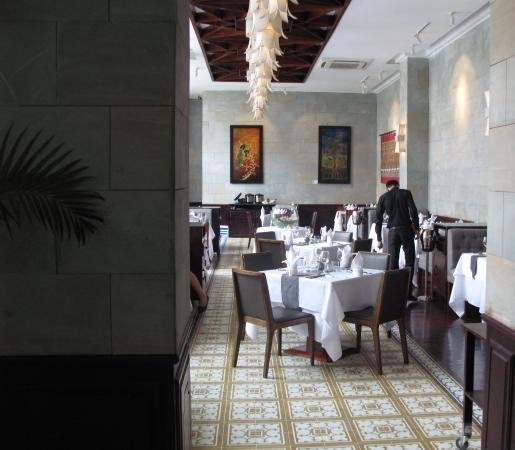
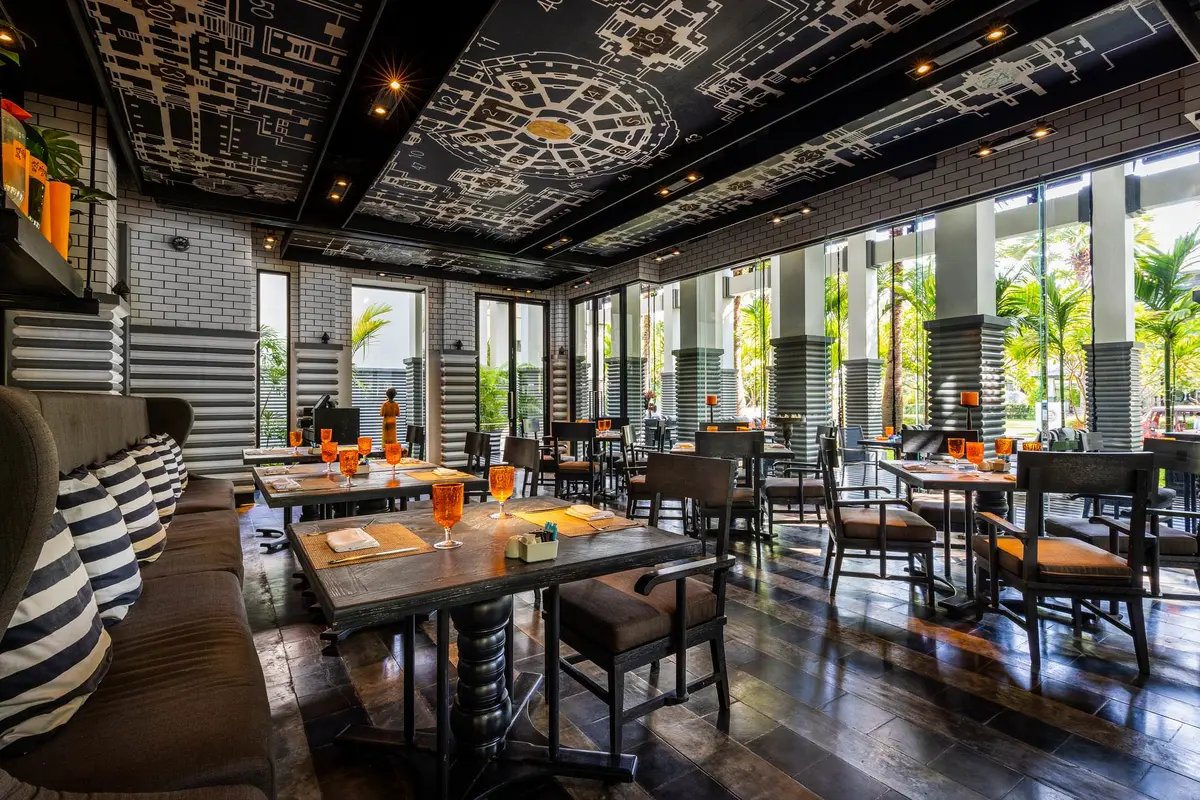
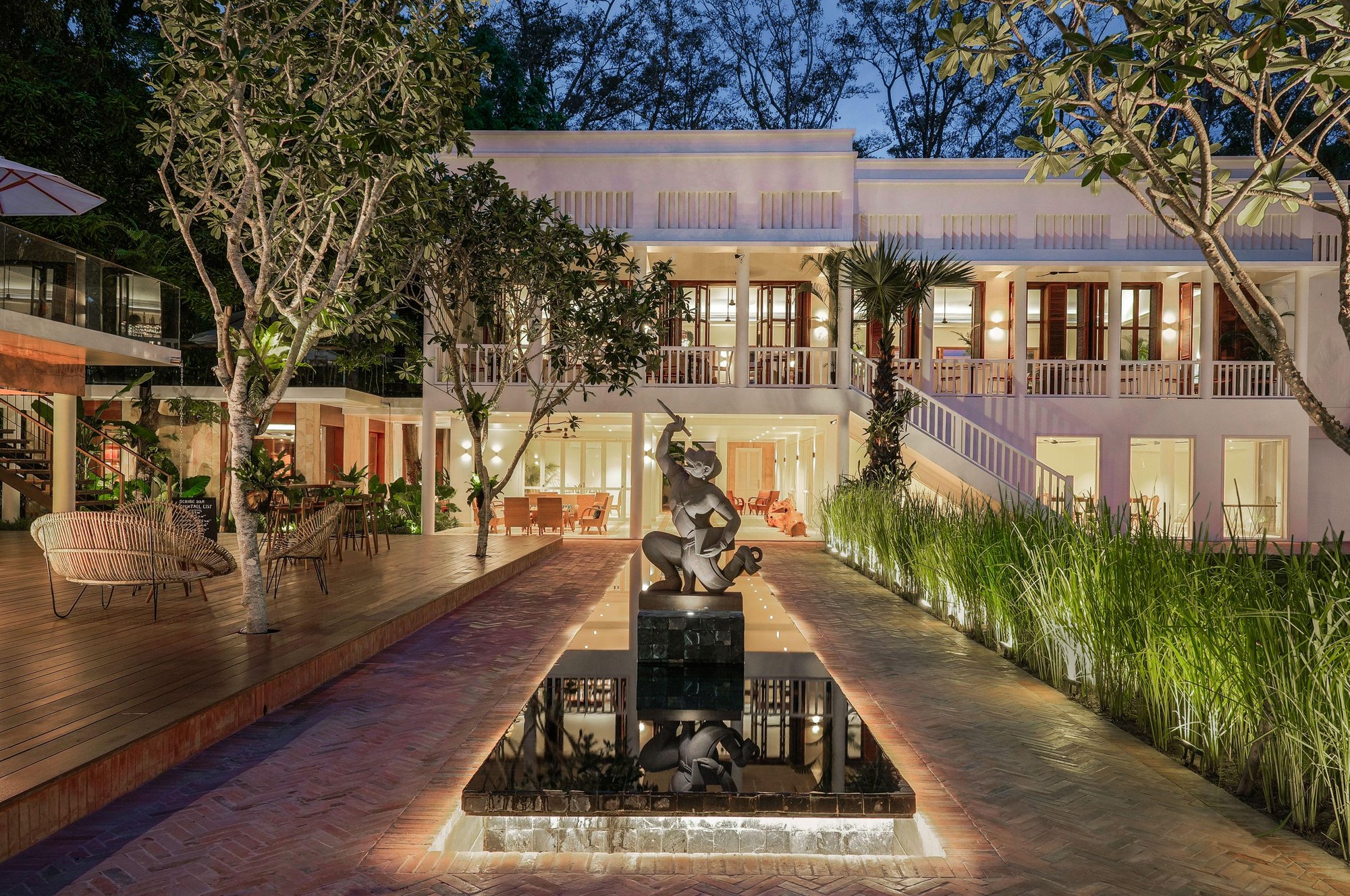
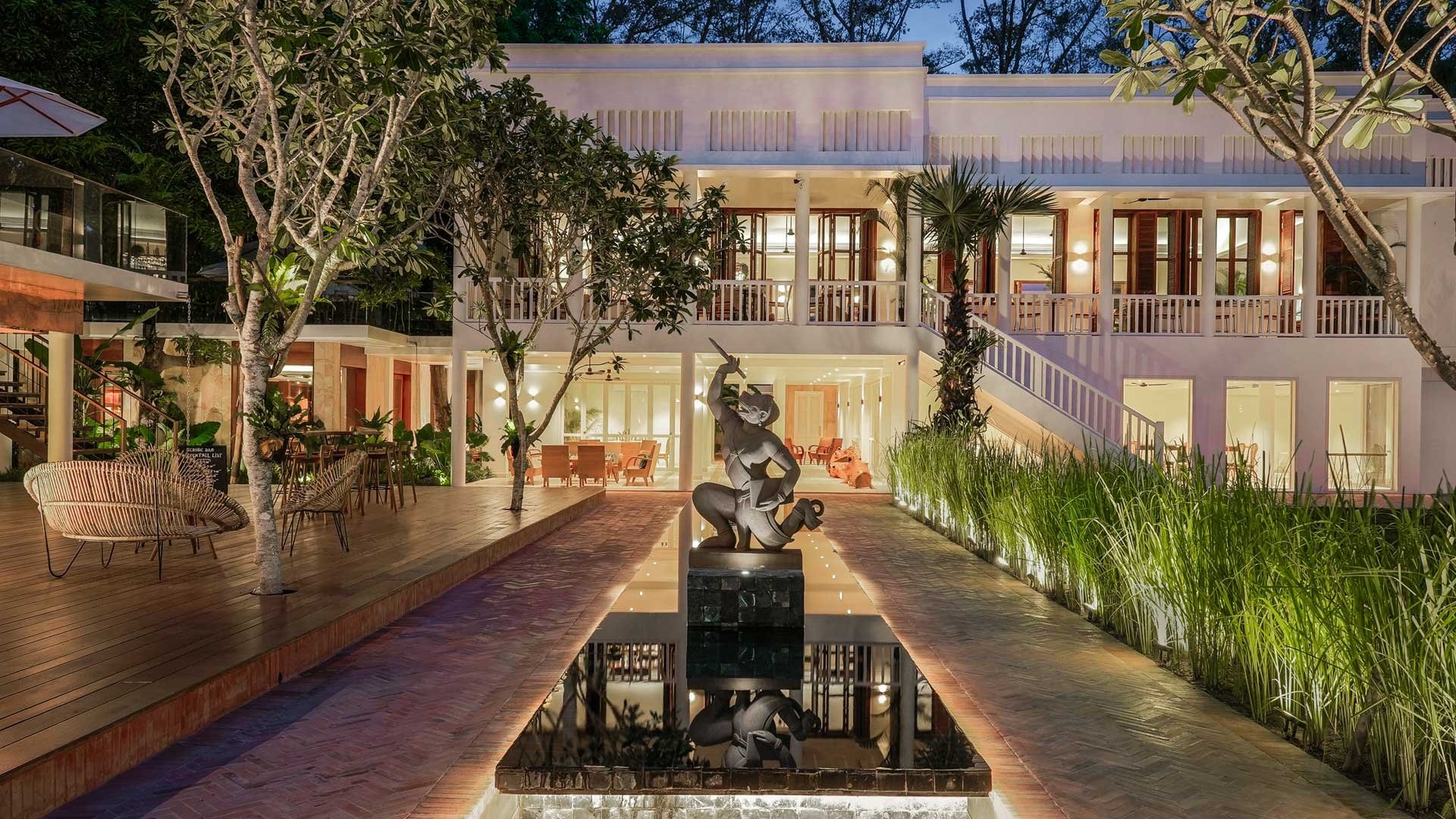
Pokambor Avenue is one of Siem Reap's more composed dining addresses, running close to the old French quarter and carrying a quieter register than the tourist-dense lanes closer to Pub Street. Approaching Malis in the evening, the open-air layout reads as deliberate: the architecture breathes, ceiling fans move warm air through the space, and the ambient sound sits at a level that allows conversation. This is not the street-food immediacy of a market stall, nor the international-hotel neutrality that defines much of the region's upscale dining. It occupies a particular middle register that Cambodian fine dining is still working out how to occupy with confidence.
Cambodian Cuisine and the Question of Sourcing
Khmer cooking draws from one of Southeast Asia's most distinctive agricultural systems. The Tonle Sap lake, one of the largest freshwater bodies in Asia, supplies freshwater fish that underpin the cuisine's protein base. Prahok, the fermented fish paste that functions as a seasoning backbone across the cuisine, comes from that same system. The rice paddies of the surrounding provinces produce varieties that behave differently at table than the jasmine rice familiar from Thai or Vietnamese contexts. Kampot, in the south, grows black pepper that has achieved enough global recognition to command a protected geographic designation. Kampot pepper and the wild herbs gathered from Cambodia's forests represent the kind of provenance story that high-end restaurants in London or New York spend considerable effort constructing. Cambodian kitchens have it as a baseline condition.
What Malis does with that material is apply structure. The kitchen, under Chef Luu Meng, works within traditional Khmer flavour logic while presenting it in a format that a diner arriving from a tasting counter in Seoul or a formal room in Monte Carlo would recognise as a full-service dining experience. The sourcing is not a bolt-on sustainability narrative; it is simply how Cambodian cooking works when it is operating at this level. The fermented, the foraged, and the freshwater-caught ingredients arrive at table because that is what the cuisine is made of.
Where Malis Sits in the Regional Hierarchy
Opinionated About Dining, the critic-aggregated ranking platform that covers Asia's restaurant scene at granular depth, ranked Malis at #150 across Asia in 2023. By 2024 the ranking had moved to #375, and by 2025 it sat at #409. That three-year arc is worth reading carefully. A drop in aggregate ranking does not necessarily signal a decline in kitchen quality; OAD rankings shift as coverage expands, new entries appear, and the critic base changes in composition. What the 2023 #150 position confirms is that at its highest point of recognition, Malis was drawing serious attention from the region's most active restaurant critics, placing it in the same conversation as significant rooms in Bangkok, Tokyo, and Hong Kong.
Within Siem Reap itself, the competitive set is narrower. Cuisine Wat Damnak operates at a similar level of ambition for Cambodian ingredients, framed through a tasting-menu format with European structural discipline. Together, these two addresses define the upper tier of the city's restaurant scene. Below them sits a substantial mid-market of local restaurants that handle Khmer cooking with genuine skill but without the formal-dining architecture. The tourist-facing end of the market is large but largely separate from what either of these kitchens is doing.
For context on what formal Cambodian cooking looks like outside Cambodia, Bayon in New York City and Hermosa in Chicago represent the diaspora end of the spectrum. Malis operates from inside the source cuisine, with access to the ingredients those restaurants are working to approximate. That geographic and supply-chain proximity is not a minor detail.
The Broader Siem Reap Dining Context
Siem Reap's restaurant scene is structured around the Angkor Wat visitor economy, which creates unusual dynamics. The city draws large volumes of international visitors for short stays, which pushes much of the market toward accessible, quick-turn formats. The restaurants operating at higher ambition levels, Malis among them, are therefore catering partly to a transit audience that is not returning weekly. That commercial reality sits differently than it would in a city with a larger residential dining culture, like Phnom Penh, where Le Royal at The Raffles operates within a more established expatriate and business-travel food economy.
What it means in practice is that a restaurant like Malis has to make a strong impression on a single visit rather than building over repeated returns. The menu construction, service pacing, and ingredient storytelling all work harder than they might in a city where regulars absorb the context over time. This is one reason why the OAD recognition carries weight here: it is critic-driven, not repeat-visitor driven, and it measures kitchen performance against a broad Asian reference set.
For a full account of where Malis fits within Siem Reap's wider food options, see our full Siem Reap restaurants guide. The city's other categories are covered in our Siem Reap hotels guide, our bars guide, our wineries guide, and our experiences guide.
Planning Your Visit
Malis is located on Pokambor Avenue in central Siem Reap, close enough to the main temple-visit circuit that an evening dinner here fits naturally into a two- or three-day itinerary. The open-air design means the experience is weather-dependent to a degree; the dry season months from November through March offer the most comfortable evening temperatures. Siem Reap's high season for Angkor visitors peaks in those same months, which increases demand across the city's better restaurants. Booking ahead is advisable, particularly for groups of four or more, or if you are arriving during the December-January peak. The restaurant's Google rating sits at 4.3 across more than 1,300 reviews, a sample size large enough to indicate consistent performance rather than a handful of outlier opinions.
Pricing, Compared
A fast peer set for context, pulled from similar venues in our database.
| Venue | Price | Awards | Notes |
|---|---|---|---|
| Malis | Opinionated About Dining Top Restaurants in Asia Ranked #409 (2025); Opinionated… | This venue | |
| Cuisine Wat Damnak | Cambodian | ||
| Le Royal at The Raffles | French Cambodian |
Continue exploring
More in Siem Reap
Restaurants in Siem Reap
Browse all →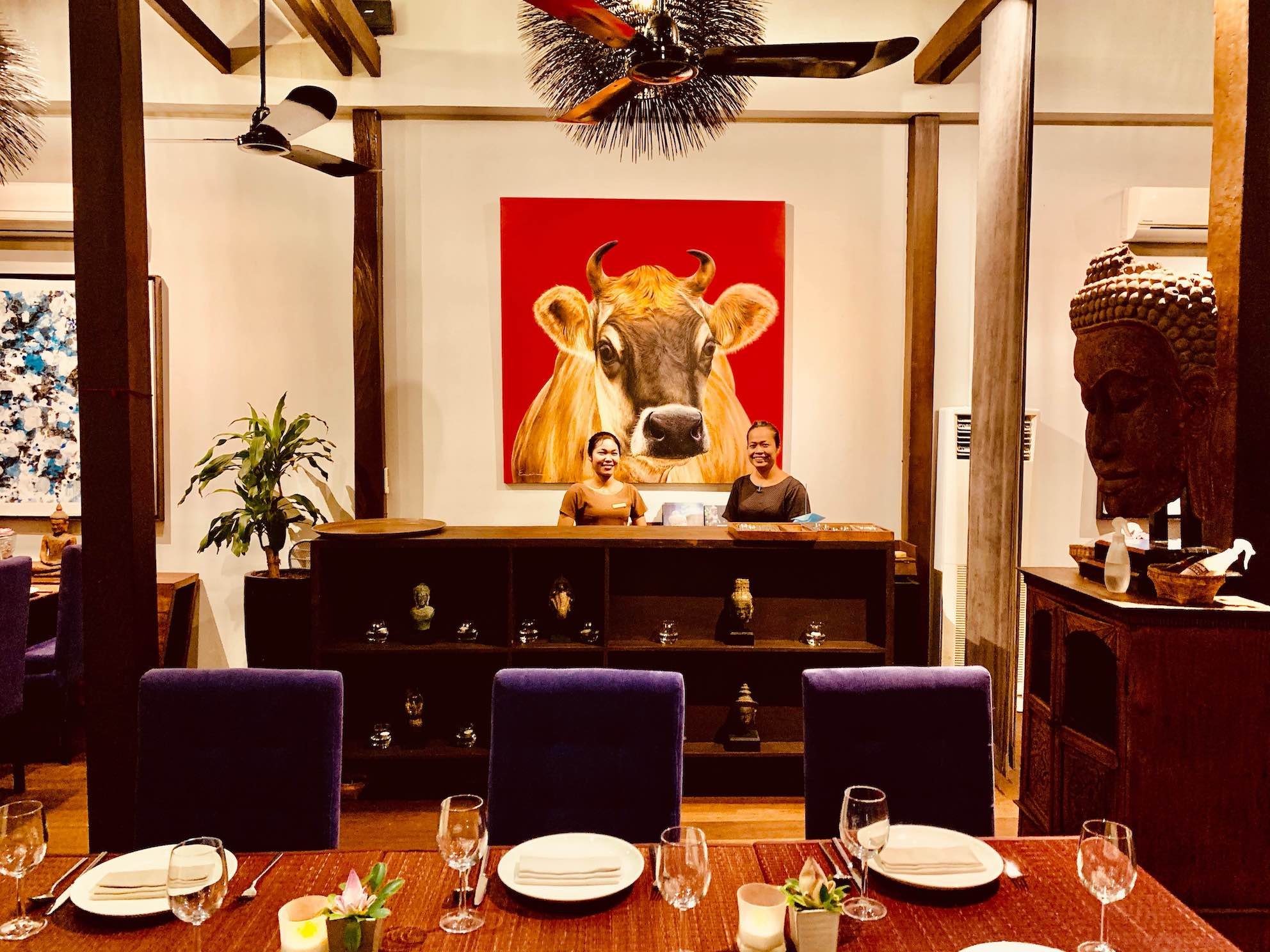
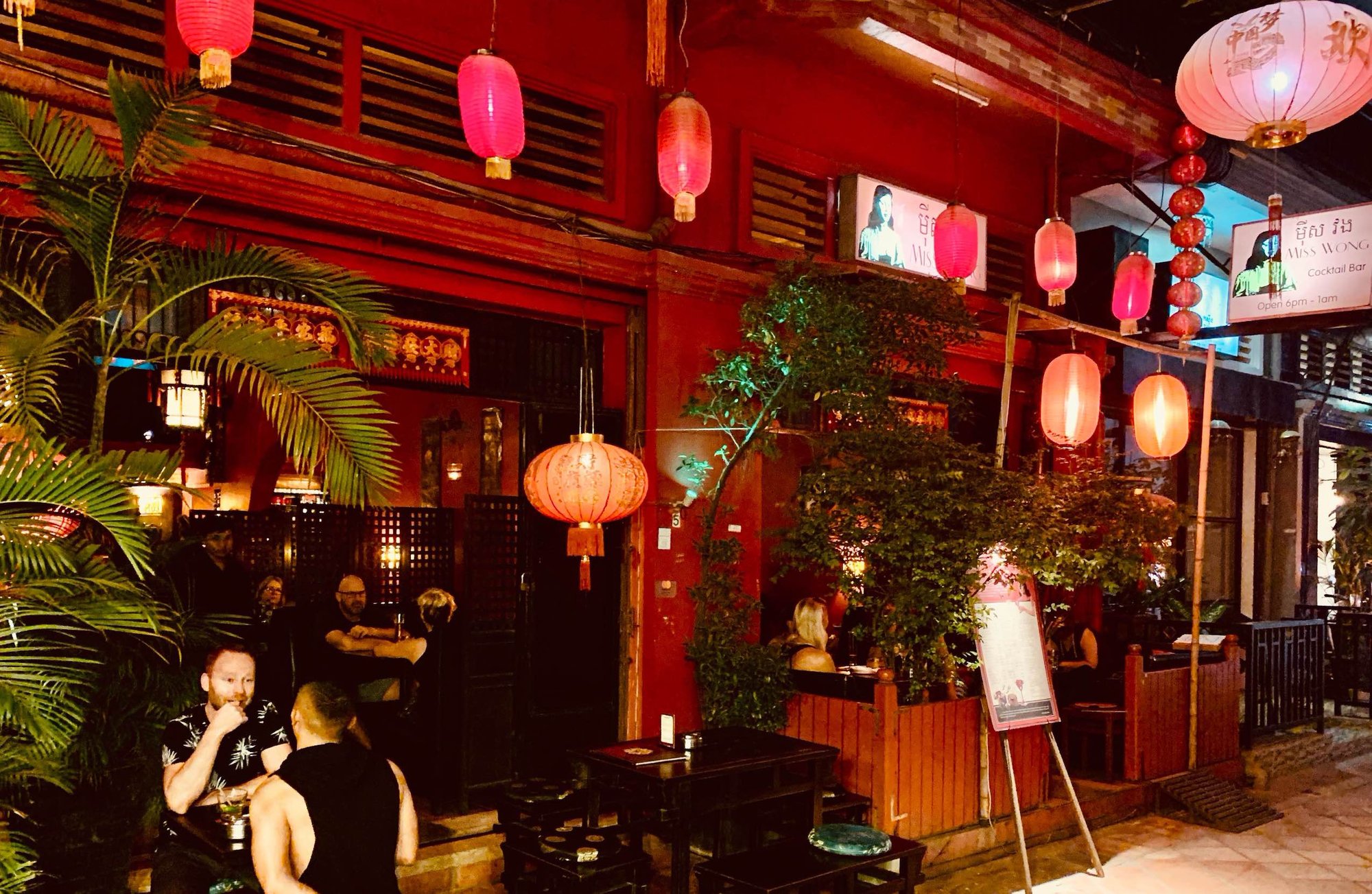

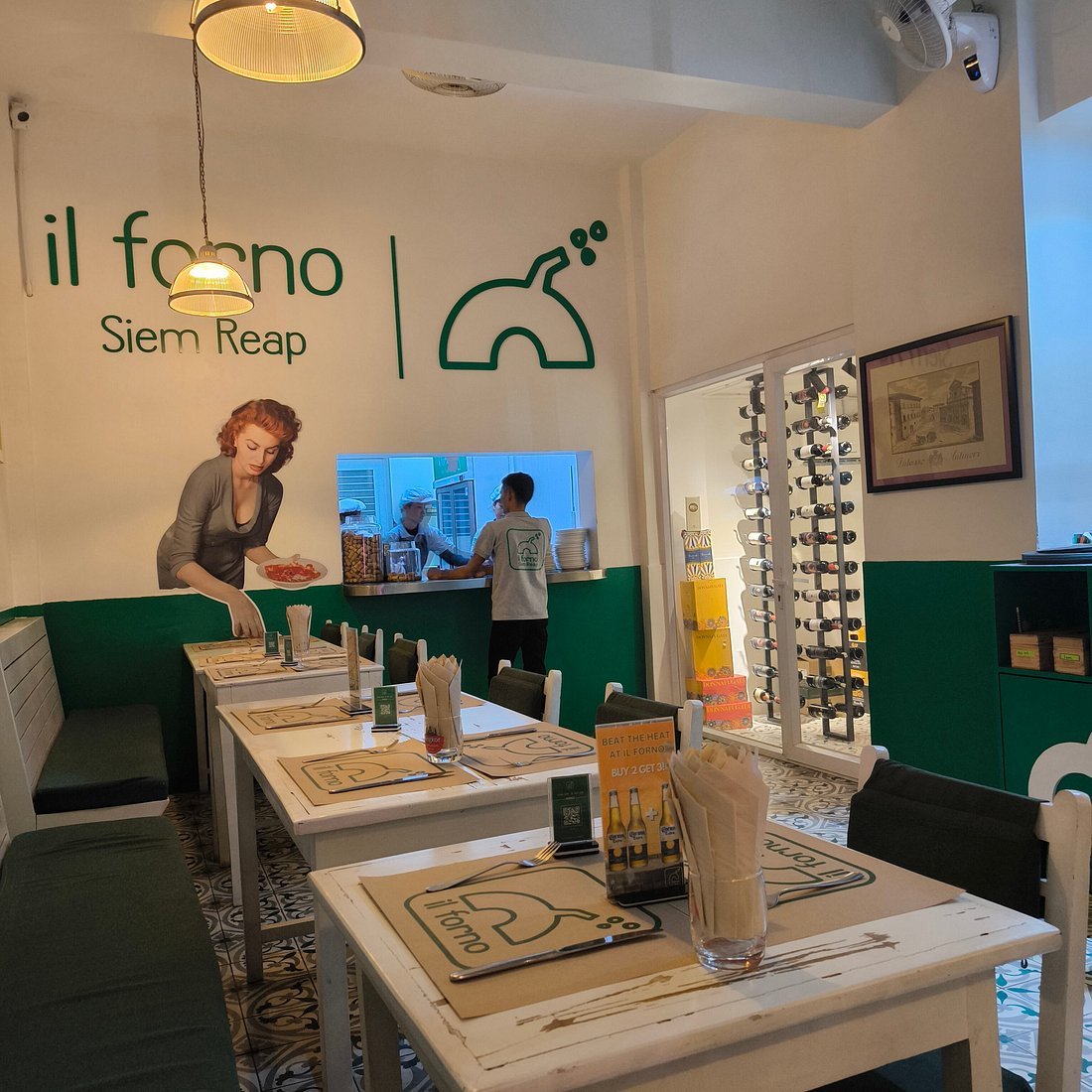
Bars in Siem Reap
Browse all →


At a Glance
- Elegant
- Sophisticated
- Cozy
- Date Night
- Special Occasion
- Family
- Celebration
- Live Music
- Private Dining
- Open Kitchen
- Local Sourcing
- Garden
- Street Scene
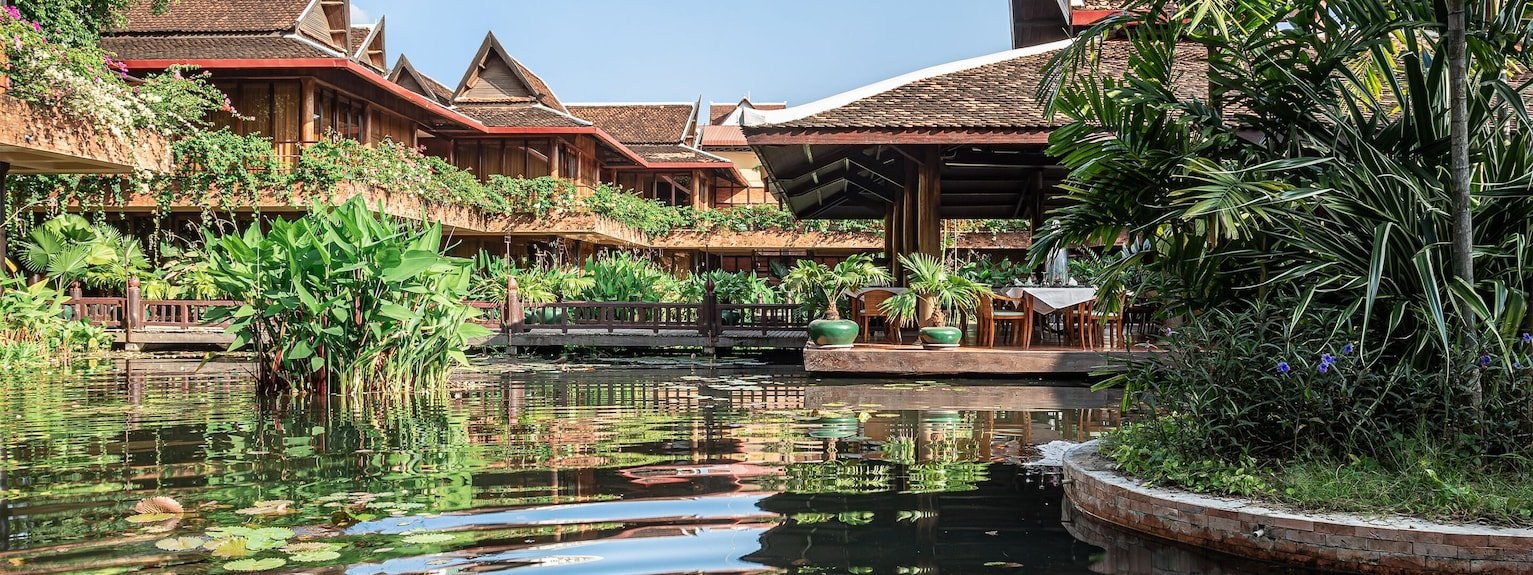
Elegant and sophisticated with traditional Cambodian decor, lush greenery, water features, and a warm inviting atmosphere.