Our verdict
Malavida sits within Bordeaux's serious modern dining tier, where the city's wine-country heritage meets contemporary kitchen ambition. The restaurant draws guests looking for a meal that moves at the pace of the region: deliberate, produce-led, and paired with a cellar that reflects the surrounding appellations.

Pearl is the En Primeur Club membership app — saves, bookings, and concierge access live there. Same editors, same standards.
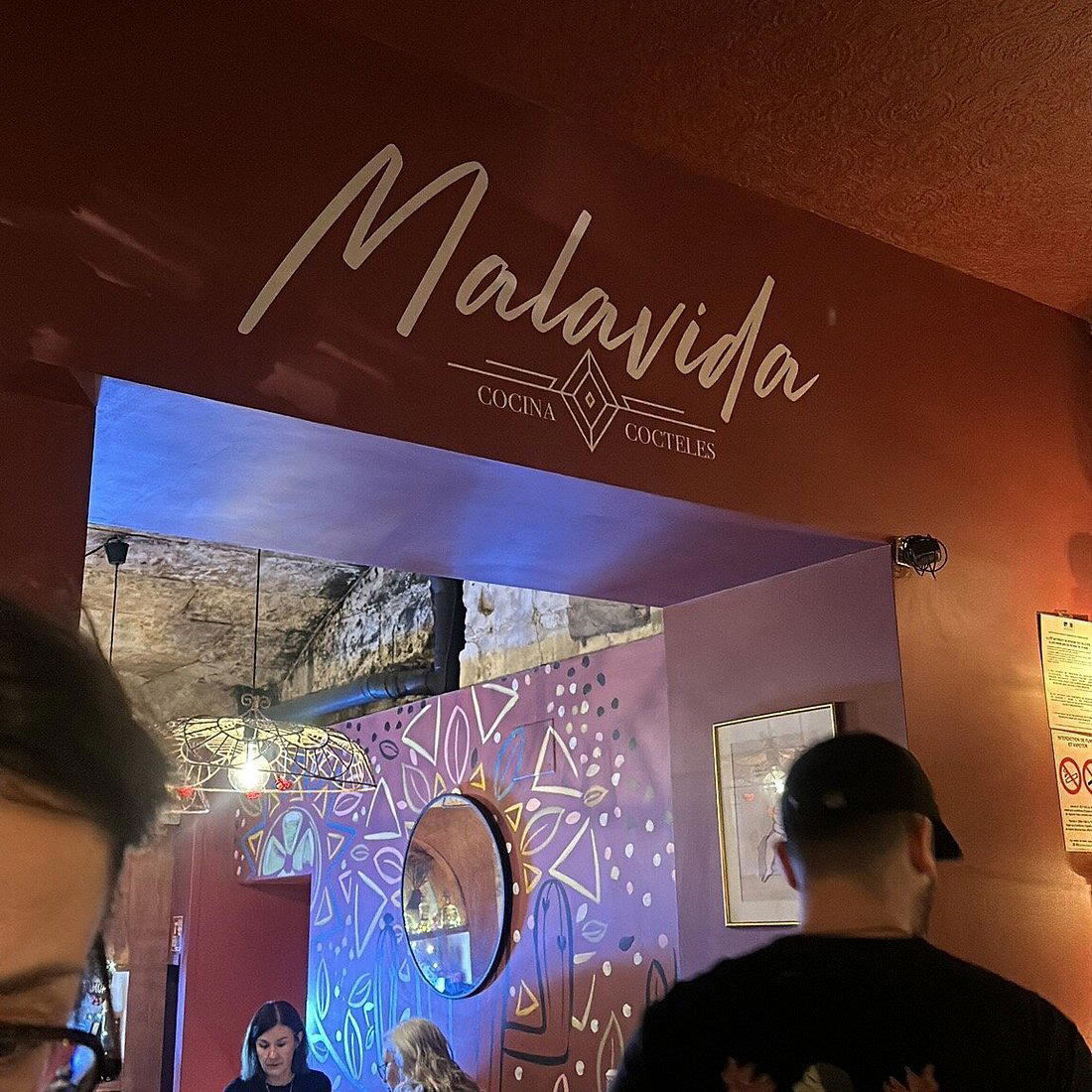
The Rhythm of a Bordeaux Table
There is a particular cadence to dining in Bordeaux that separates it from Paris and from the Mediterranean south. Meals here tend to move slowly, not from inattention but from intention. The city sits inside one of the world's most consequential wine regions, and its serious restaurants have historically organized themselves around that fact: the glass arrives before the menu decisions are fully made, and the food follows the wine's logic as much as the reverse. Malavida operates inside that tradition, in a city where the dining ritual carries the weight of Médoc harvests, century-old négociant culture, and a mercantile bourgeoisie that took its table manners seriously long before restaurant criticism existed as a profession.
Bordeaux's restaurant scene has restructured noticeably over the past decade. The old guard of formal French service, heavy saucing, and rigid prix-fixe menus has given ground to a cohort of younger, more format-flexible rooms. That shift hasn't erased the city's preference for a considered, multi-course experience — it has refined it. The venues that have gained traction, places like Maison Nouvelle and L'Oiseau Bleu, tend to hold onto the structural discipline of a long meal while updating its textures and reference points. Malavida belongs to this broader movement.
Where Malavida Sits in the City's Dining Order
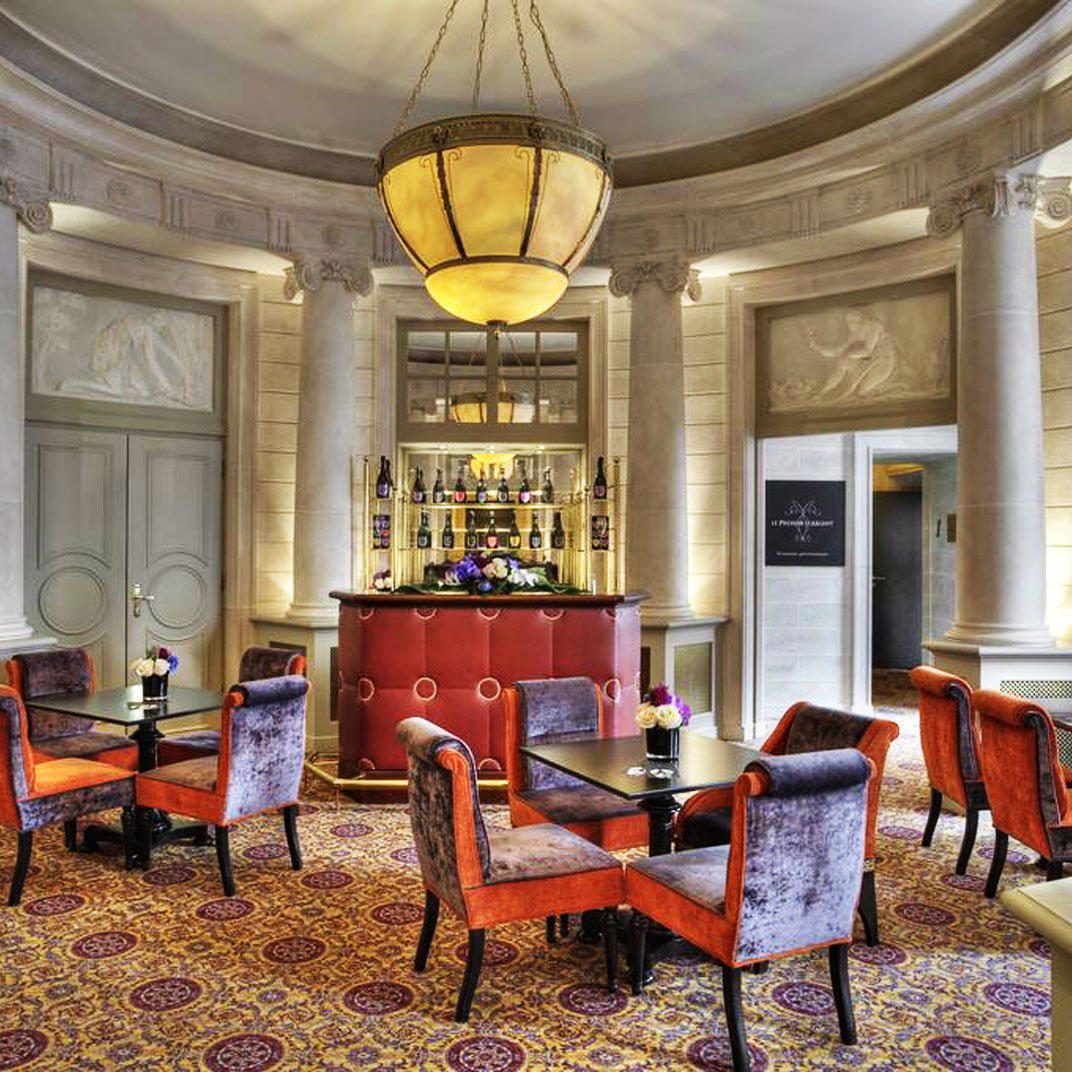
Bordeaux's higher-end restaurants currently sort into a few distinct tiers. At the top of the price range, hotel-anchored operations like Le Pressoir d'Argent - Gordon Ramsay compete on international brand recognition and grand-room theatre. A step below in formality but not necessarily in ambition, independent rooms trade on tighter menus, closer chef-to-table ratios, and a more calibrated relationship with local producers. Creative formats like Amicis occupy a lateral niche, pushing further from convention. Malavida positions itself within the serious independent tier, where the meal's pacing and the quality of sourcing carry the argument rather than a global name above the door.
That competitive context matters because it sets the reader's expectations correctly. Bordeaux is not short of places to eat well — our full Bordeaux restaurants guide covers the range in detail, but the city rewards guests who understand what kind of experience they are booking. Malavida is for the visit where you want the meal to be the event, not the precursor to one.
The Architecture of the Meal
French regional dining at this level tends to follow a recognizable ritual structure, even when individual kitchens vary the details. The meal opens with smaller, ingredient-forward preparations that signal the kitchen's sourcing priorities and set the sensory register for what follows. The middle courses carry the most weight: proteins treated with care rather than spectacle, vegetables given structural roles rather than garnish status, sauces built from reduction rather than enriched from a base. Cheese, when it appears, is treated as a course in its own right rather than an afterthought before dessert. This is the grammar Malavida writes in, a grammar shared by the most serious independent rooms across France, from Bras in Laguiole to Auberge de l'Ill in Illhaeusern.
What distinguishes Bordeaux-based expressions of this ritual from their counterparts elsewhere in France is the wine's structural role. Diners here are expected, at minimum, to engage with the cellar as an equal partner in the meal's construction. The Gironde appellations alone offer enough range to pair across a full menu without leaving the region, and kitchens that know their local producers tend to organize the meal around that possibility. The food arrives in relation to the wine's progression, not as a separate track.
For comparison, the multi-course ritual at Assiette Champenoise in Reims organizes itself around Champagne in much the same way: the beverage program is not supplementary but structural. Malavida operates on that same principle applied to Bordeaux's own cellar depth.
Bordeaux in the French Fine Dining Conversation
France's most discussed restaurant destinations remain Paris, Lyon, and a handful of destination rooms scattered through the provinces. The Paris scene, anchored by operations like Alléno Paris au Pavillon Ledoyen, and the alpine rooms like Flocons de Sel in Megève, capture most of the international press. Bordeaux's own serious dining rooms have historically flown lower on that radar despite the city's global wine profile. That gap has been narrowing, with renewed critical attention and a generation of kitchens now working with the same rigour found at Mirazur in Menton or AM par Alexandre Mazzia in Marseille.
The legacy rooms, Paul Bocuse - L'Auberge du Pont de Collonges, Troisgros - Le Bois sans Feuilles, Au Crocodile in Strasbourg, set the standard against which French provincial dining still measures itself. Bordeaux's current independent kitchens, Malavida included, inherit that framework and inflect it with the city's particular terroir-consciousness.
Planning Your Visit
Bordeaux's premium independent rooms at this level typically require advance booking, particularly for dinner on weekends during the autumn harvest season, when the city draws négociants, buyers, and wine tourists alongside its regular clientele. For broader context on how Malavida compares with the city's other serious rooms, L'Observatoire du Gabriel represents another anchor point in the modern cuisine tier worth considering when planning a Bordeaux dining itinerary.
For guests accustomed to high-discipline multi-course formats in other cities, the structured counter experiences at Atomix in New York City or the classically organized progressions at Le Bernardin, Malavida offers a Bordeaux-specific version of that commitment: a meal built around the region's produce and cellar, taken at the pace the tradition demands.
Frequently asked questions
How does Malavida compare to other independent fine dining options in Bordeaux?
Bordeaux's independent restaurant tier sits in deliberate contrast to the hotel-anchored operations that dominate the city's top price bracket. Malavida's positioning within that independent segment in Bordeaux makes it relevant for diners who prefer a room without a corporate hospitality infrastructure behind it. Confirming the current format and menu focus directly with the restaurant will clarify where it sits relative to peers like Le Chapon Fin, Bordeaux's most historically documented independent address.
What do people recommend at Malavida?
Specific menu data for Malavida is not currently published, so confirmed dish recommendations require contacting the restaurant directly. What is consistent with Bordeaux dining at this tier is a structure built around regional French technique, with the kitchen's strengths typically emerging mid-course. Ask staff on booking what the kitchen is currently leading with.
How hard is it to get a table at Malavida?
No booking lead-time data is publicly documented for Malavida, but Bordeaux's upper dining tier routinely fills weekend covers two to four weeks in advance, particularly during the late-spring and harvest-season periods when the city draws international wine trade visitors. Contacting the restaurant directly for current availability is the most reliable approach.
What is Malavida known for?
Malavida operates within Bordeaux's higher-end restaurant segment, a city whose dining identity is shaped as much by the rhythm of slow, formal meals as by any single technique. The name itself signals a certain counter-cultural positioning within that otherwise convention-driven scene, suggesting a kitchen that is not simply replicating the hotel-dining formula dominant at the top of the market.
Is Malavida allergy-friendly?
No allergy or dietary accommodation policy is documented in publicly available data for Malavida. French fine dining kitchens at this level typically handle requests when flagged at the time of booking, but confirmation directly with the restaurant before arrival is essential.
Is a meal at Malavida worth the investment?
Current pricing data for Malavida is not published, which places it outside the bracket of Bordeaux venues with transparent tasting-menu pricing. For a city where hotel-anchored fine dining commands €120 and above per head, context-checking the current format and price point directly before booking is a practical step rather than an optional one.
Cost and Credentials
Comparable venues nearby, for context on price, style, and recognition.
| Venue | Cuisine | Price | Awards | Notes |
|---|---|---|---|---|
| MalavidaThis venue — the venue you are viewing | Contemporary Latin American Peruvian | $30–50 | Not listed | Not listed |
| Le Comptoir de Sèze | Modern French Bistronomic | $30–50 | Not listed | Chartrons - Grand Parc - Jardin Public, Modern French Bistronomic |
| Bistrot Cul Sec | Modern French Bistro | $50–100 | Michelin Plate · Star Wine List | Centre ville, Modern French Bistro |
| Au Bonheur du Palais | Authentic Sichuan and Cantonese | $30–50 | Not listed | Saint Augustin - Tauzin - Alphonse Dupeux, Authentic Sichuan and Cantonese |
| Le Bistro du Musée | Traditional French Bistro | $30–50 | Not listed | Centre ville, Traditional French Bistro |
| L'Originel | Contemporary French Bistro | $50–100 | Not listed | Centre ville, Contemporary French Bistro |