Our verdict
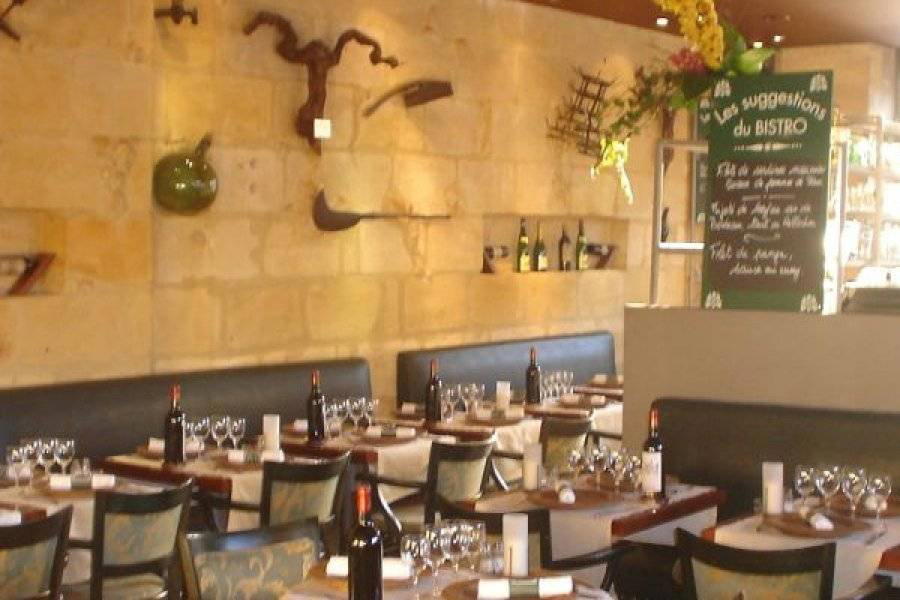
Le Bistro du Musée occupies a prominent address on Place Pey-Berland, one of Bordeaux's most architecturally significant squares, within sight of the Gothic spires of Saint-André Cathedral. As a neighbourhood bistro positioned at the civic heart of the city, it draws both residents and visitors into the particular rhythm of Bordeaux's midday dining culture. The square itself frames the experience as much as the kitchen does.

Pearl is the En Primeur Club membership app — saves, bookings, and concierge access live there. Same editors, same standards.
- Address
- 37 Pl. Pey Berland, 33000 Bordeaux, France
- Phone
- +33556529969
- Hours
- Mon–Thu 8 AM–9:30 PMFri 8 AM–10 PMSat 12–10 PMSun Closed
- Website
- lebistrodumusee.com
- Directions
- Get directions
- Booking
- Book on TheFork
The menu
What to order
- Seven-hour lamb shank
- Braised calf sweetbreads
- Cannelé profiteroles
Where the Cathedral Square Sets the Tone
Place Pey-Berland is one of the most compositionally arresting public spaces in southwestern France. The Gothic bulk of Saint-André Cathedral dominates one edge; the free-standing Pey-Berland Tower rises beside it; and the Hôtel de Ville closes the square with its neoclassical restraint. Sitting at a table within view of all three is not incidental to the experience at Le Bistro du Musée — it is, in many ways, the experience. Bordeaux's bistro culture has long understood that the room extends beyond four walls, and on a square like this one, the exterior architecture functions as a fifth element of atmosphere that no interior designer could replicate or purchase.
This is the part of Bordeaux that predates the wine trade's grand ambitions. The neighbourhood around the cathedral and the adjacent Musée des Beaux-Arts belongs to a civic and ecclesiastical Bordeaux that existed long before the négociants built their limestone warehouses along the Quai des Chartrons. Dining here, particularly at midday when the square clears of morning foot traffic and the light settles into the stone, connects a visitor to a different register of the city's identity.
The Bistro Format in Its Natural Habitat
France's bistro tradition sits at a specific point in the restaurant spectrum: more structured than a café, less ceremonious than a brasserie, and governed by a rhythm tied to the two-hour lunch rather than the extended tasting menu. The format rewards familiarity. Regulars know which tables catch the afternoon light, which days the fish arrives fresh, and how long the kitchen will hold the door open after the last order. For visitors, reading these codes takes a meal or two — which is, arguably, the point.
In Bordeaux specifically, the bistro occupies a different cultural role than it does in Lyon or Paris. The city's dining identity has historically been shaped by the demands of the wine trade: long lunches for négociants, substantial plates to hold against a second glass of Pomerol, an expectation that food accompanies wine rather than competes with it. The bistros that survive around the historic centre have adapted to a more mixed clientele, tourists arriving from the Cité du Vin, museum-goers from the Musée des Beaux-Arts a few steps away, and local professionals on abbreviated lunch windows, but the underlying rhythm remains recognisably Bordelais.
Le Bistro du Musée's address at 37 Place Pey-Berland places it at the intersection of these different Bordeaux constituencies. The square generates its own foot traffic independent of the restaurant trade: school groups, city workers crossing between the town hall and the prefecture, pilgrims on the Camino de Santiago route that passes through the city. A bistro on this square operates in a more public mode than one tucked into the backstreets of Saint-Pierre or Saint-Michel.
How This Address Fits Bordeaux's Broader Dining Map
Bordeaux's restaurant scene has sorted itself into reasonably distinct tiers over the past decade. At the leading, a small number of destination restaurants compete on a national and international stage: Le Pressoir d'Argent - Gordon Ramsay operates in the grand-hotel register at the InterContinental, while L'Observatoire du Gabriel occupies a neoclassical pavilion on the Place de la Bourse with a correspondingly formal proposition. Creative mid-tier venues like Amicis and Maison Nouvelle have built loyal followings in the €€€ bracket, while L'Oiseau Bleu holds its place as one of the city's more consistent addresses for French cooking with a modern edit.
The bistro tier, La Tupina being the most cited reference point for traditional Gascon-Bordelais cooking, operates by different logic. Price and prestige are secondary to the question of whether the room feels like it belongs to the city rather than to a category of restaurant. On Place Pey-Berland, that question answers itself. For a fuller survey of where Le Bistro du Musée fits within Bordeaux's dining options, the EP Club Bordeaux restaurants guide maps the city tier by tier.
France's broader restaurant hierarchy, anchored by institutions like Auberge de l'Ill in Alsace, Troisgros - Le Bois sans Feuilles in the Loire, and Bras in the Aubrac, is built on the assumption that formal dining excellence radiates outward from these high-prestige nodes. But the bistro format has never been subordinate to that hierarchy, it operates in parallel, serving different needs with different tools. Mirazur in Menton, AM par Alexandre Mazzia in Marseille, and Assiette Champenoise in Reims represent one end of French ambition; a well-run bistro on a cathedral square represents something equally French, and considerably older.
Seasonal Rhythms and When to Visit
The square reads differently across the year, and those differences shape the dining experience in ways that matter. Summer brings outdoor seating into play along Place Pey-Berland, when the late-evening light lingers past nine o'clock and the cathedral's stonework shifts from grey to amber. Autumn shifts the dynamic indoors, as Bordeaux's wine harvest season brings a different crowd through the city, châteaux visitors, négociants, and wine trade professionals who tend to take lunch more seriously and linger longer over it. Spring, before the main tourist surge, offers the square at its most local.
Midday remains the strongest window for bistro dining in this part of France. The two-course formule at lunch is a format the French have refined over generations, and it operates on a tighter clock than dinner service, arrive by 12:30 to secure a table without a wait. Bordeaux's visitors often default to dinner, which means the most atmospheric service at a bistro like this one is frequently the least crowded.
Planning Your Visit
Le Bistro du Musée sits at 37 Place Pey-Berland, 33000 Bordeaux, within a short walk of the Hôtel de Ville tram stop on lines B and D. The Musée des Beaux-Arts is directly adjacent, making a combined museum-and-lunch visit a natural pairing for an afternoon in the historic centre. For those building a broader Bordeaux itinerary that balances high-end dining with neighbourhood character, our full Bordeaux restaurants guide provides the comparative context needed to calibrate expectations across price tiers.
Frequently asked questions
What part of town is Le Bistro du Musée in?
Le Bistro du Musée is located at 37 Pl. Pey Berland, 33000 Bordeaux, France, Bordeaux.
Is Le Bistro du Musée a convenient dining option when visiting the Bordeaux city centre on foot?
The address at 37 Place Pey-Berland places the restaurant at the geographic and pedestrian heart of Bordeaux's historic centre, close to the Hôtel de Ville tram stop on lines B and D. Saint-André Cathedral and the Musée des Beaux-Arts are both on the same square, making it a practical midday stop between sights without retracing steps across the city.
What dish is Le Bistro du Musée famous for?
The bistro format in Bordeaux's historic centre typically centres on regional southwestern French cooking, with menus shifting by season.
Do I need a reservation for Le Bistro du Musée?
Place Pey-Berland draws consistent foot traffic from visitors to Saint-André Cathedral and the Musée des Beaux-Arts, and restaurants on the square fill at midday during summer and the autumn wine harvest period. Booking ahead for lunch is a reasonable precaution, particularly on weekends. check the venue's official channels to confirm current reservation policy, as table availability varies by season.
Peers You’d Cross-Shop
Comparable venues nearby, for context on price, style, and recognition.
| Venue | Cuisine | Price | Notes |
|---|---|---|---|
| Le Bistro du MuséeThis venue — the venue you are viewing | Traditional French Bistro | $30–50 | Not listed |
| 585 | Modern French Bistronomic | $30–50 | Centre ville |
| La Belle Saison | Seasonal French Bistronomic | $30–50 | La Bastide |
| Mina | Modern French-Mediterranean | Not listed | Centre ville |
| L'Originel | Contemporary French Bistro | $50–100 | Centre ville |
| Le Bordeaux | Southwestern French Brasserie | $50–100 | Centre ville |
Continue exploring
More in Bordeaux
Restaurants in Bordeaux
Browse all →
Bars in Bordeaux
Browse all →
Hotels in Bordeaux
Browse all →
Details
- Classic
- Cozy
- Elegant
- Date Night
- Casual Hangout
- Group Dining
- Terrace
- Historic Building
- Extensive Wine List
- Local Sourcing
- Street Scene
- A La Carte
- Local Wine
- Vegetarian Friendly
Current opening hours
- Monday
- 8 AM–9:30 PM
- Tuesday
- 8 AM–9:30 PM
- Wednesday
- 8 AM–9:30 PM
- Thursday
- 8 AM–9:30 PM
- Friday
- 8 AM–10 PM
- Saturday
- 12–10 PM
- Sunday
- Closed
Hours can change for holidays and private events. Last verified .
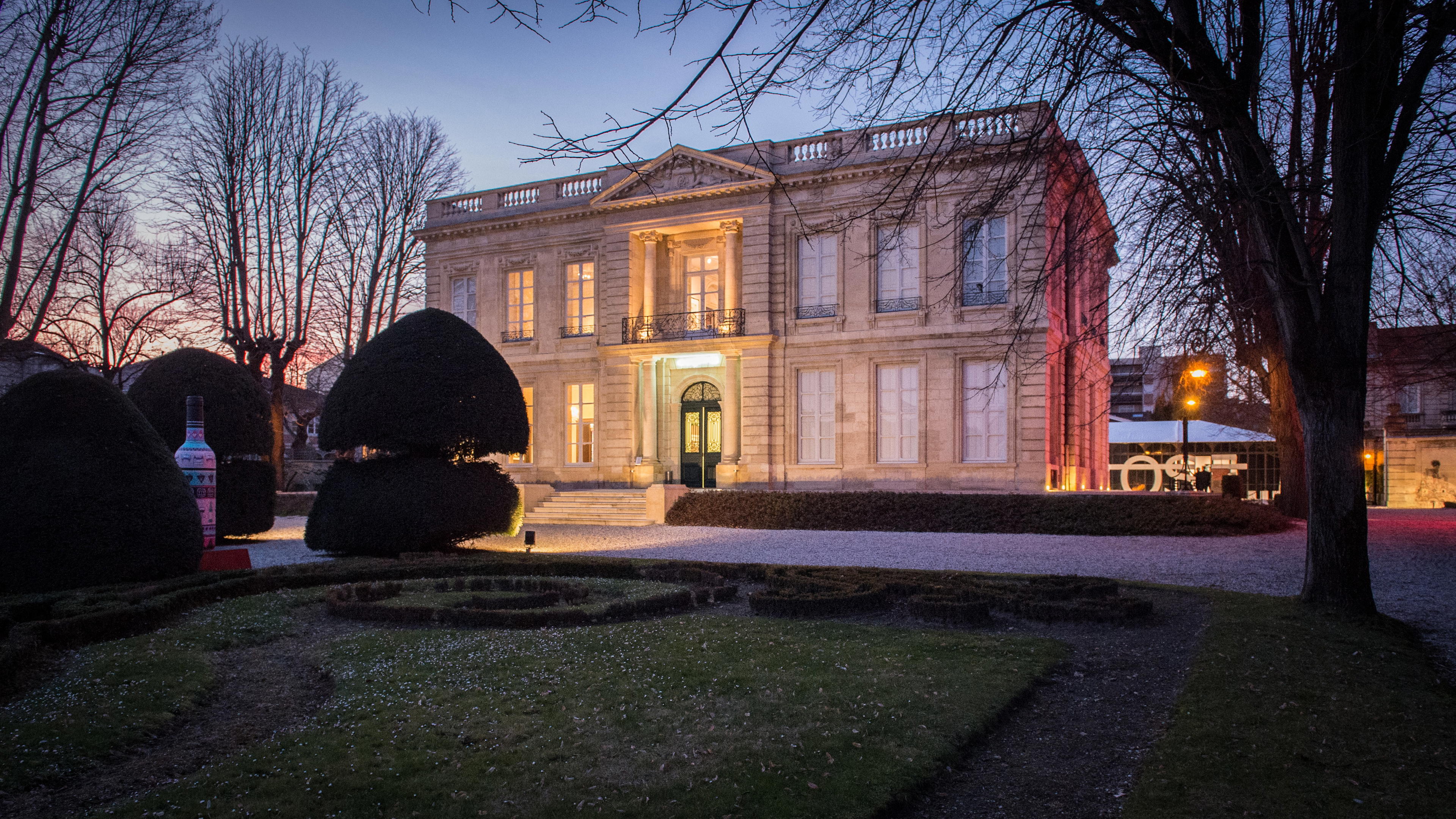
Authentic classic setting in a handsome building with pleasant terrace and air-conditioned room, featuring energetic service.