

Michelin Plate · Star Wine List
Our verdict
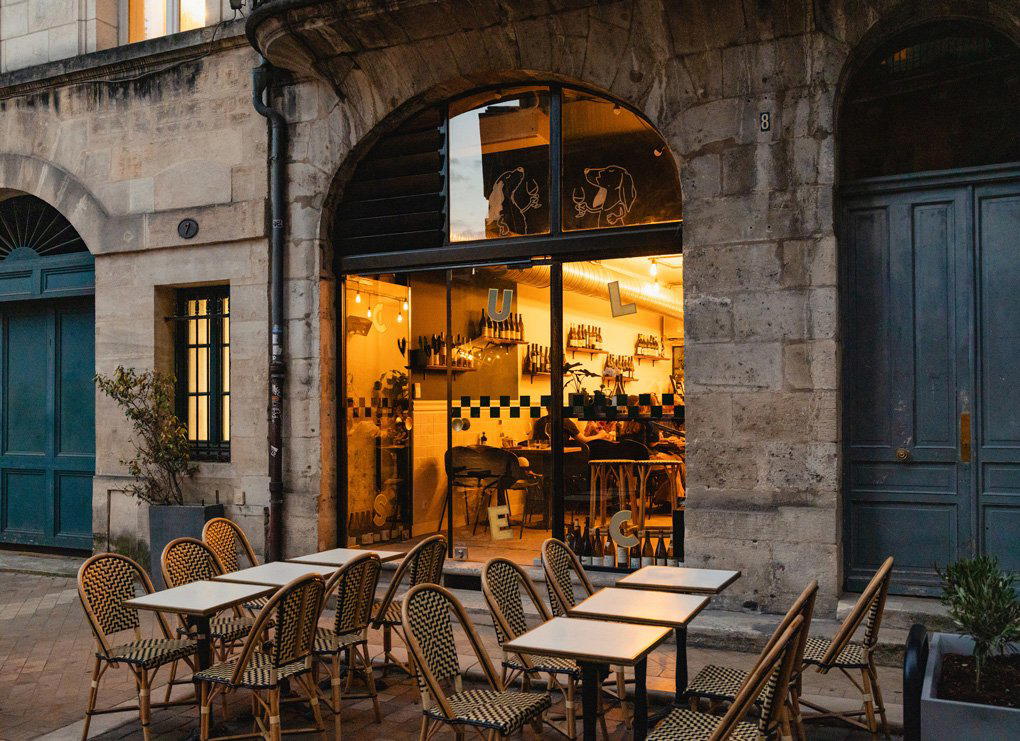
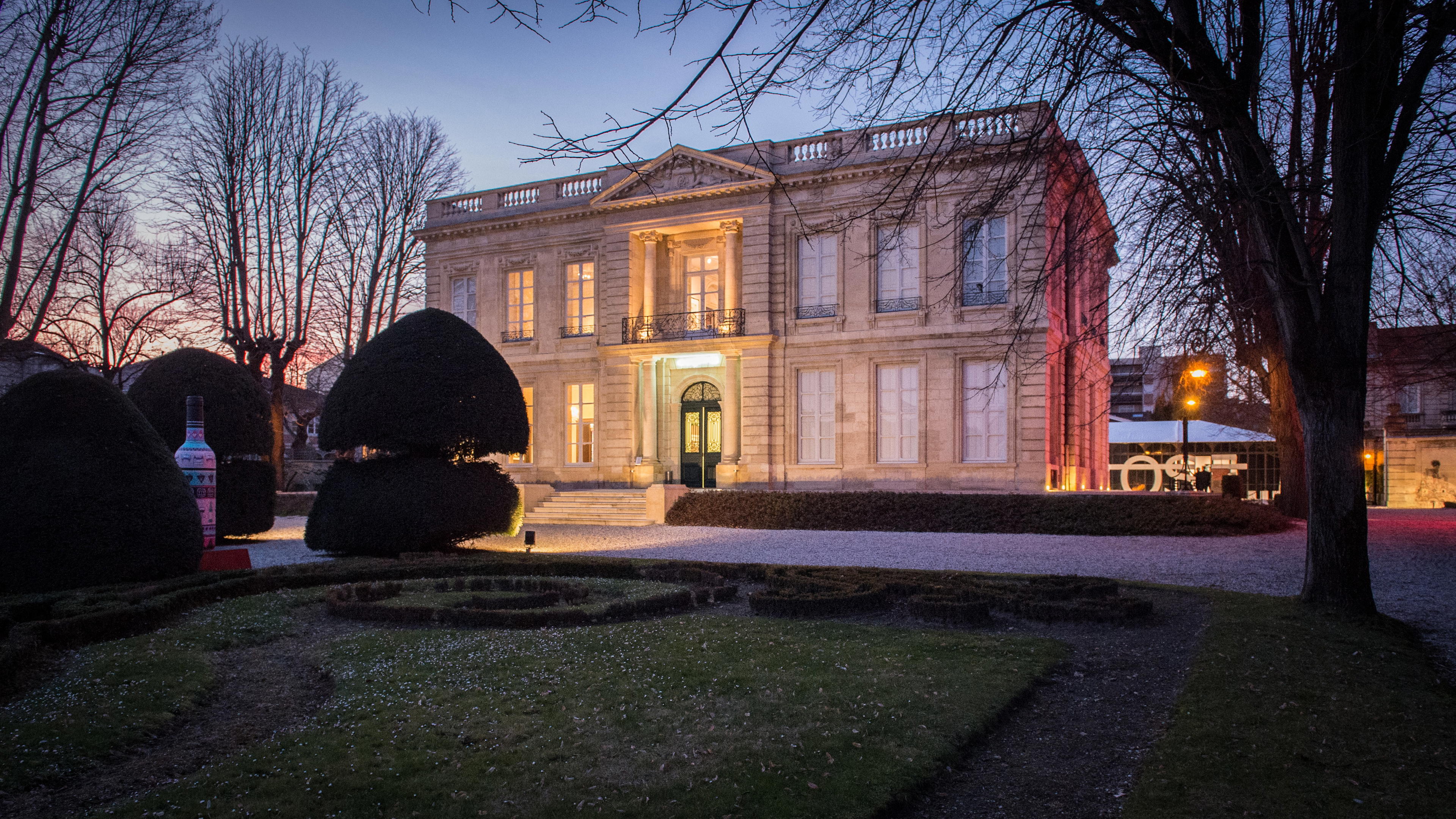
A wine-bar bistrot on Place du Palais awarded a White Star by Star Wine List in early 2026, Bistrot Cul Sec sits at the intersection of Bordeaux's serious wine culture and the city's growing appetite for bistrot-format dining that takes the glass as seriously as the plate. The address places it within walking distance of the Garonne quays and the city's historic core.

Pearl is the En Primeur Club membership app — saves, bookings, and concierge access live there. Same editors, same standards.
- Address
- 8 Pl. du Palais, 33000 Bordeaux, France
- Phone
- +33 6 88 00 37 92
- Hours
- Mon–Sat 7–10 PMSun Closed
- Website
- bistrot-culsec.fr
- Directions
- Get directions
The menu
What to order
- Mushroom and crispy sweetbreads
- Oysters poached
- Duck smoked and lacquered
- Grilled leeks with tamarind vinaigrette
- Sea bass with fennel purée and cardamom emulsion
Place du Palais and the Bistrot Format
Bordeaux's dining scene has spent the better part of a decade recalibrating away from the formal register its wine reputation once demanded. The city that trained the world to associate the region with ceremony, long tastings, and multi-course rituals now sustains a parallel track: bistrot and wine-bar formats where the sourcing rigour remains but the presentation loosens. Bistrot Cul Sec, at 8 Place du Palais in the city's historic core, occupies that second track. The address itself frames expectations. Place du Palais sits a short walk from the Garonne riverfront and the Porte Cailhau, one of the medieval gates that defined the old commercial city. The neighbourhood is neither the tourist-facing quays nor the residential calm of Saint-Pierre; it occupies a middle register, dense with foot traffic but anchored by civic architecture that gives it weight.
In a city where the high-end tier is well represented by addresses like Le Pressoir d'Argent - Gordon Ramsay and L'Observatoire du Gabriel, the bistrot register offers something those rooms are not designed to deliver: informality that does not sacrifice wine seriousness. That is the particular promise of places operating in this mode.
The White Star Signal and What Wine-Forward Recognition Means
Star Wine List's White Star, awarded to Bistrot Cul Sec and published in February 2026, is a specific kind of recognition. Star Wine List evaluates wine programmes rather than kitchen output, and its tiered star system is applied after assessment by a specialist panel. A White Star in that framework places Bistrot Cul Sec in a peer group defined by wine list quality: depth of selection, pricing approach, or list construction. For a bistrot format, which typically operates on tighter margins and smaller storage than a full-service restaurant, earning that recognition signals a deliberate investment in the wine programme rather than a cursory house-selection approach.
In Bordeaux, that distinction carries additional weight. The city is surrounded by appellations that produce some of the world's most scrutinised wines, and diners here arrive with calibrated expectations. A bistrot that earns wine-specific recognition from an independent evaluator is signalling something about how it competes. It is not pitching against Amicis or Maison Nouvelle on kitchen ambition; it is staking its identity on the relationship between glass and plate in a more immediate, less ceremonial register.
Across France, the bistrot and wine-bar tier has produced some of the most interesting dining in recent years, precisely because it operates free of the structural constraints of the tasting-menu format. The kitchen at addresses in this mode tends to work around what is available rather than what is planned. That sourcing flexibility, cooking to the market and the season rather than a fixed programme, is the foundational argument for the format. For context on how seriously France takes this at the leading end, restaurants like Mirazur in Menton, Bras in Laguiole, and Flocons de Sel in Megève have built their reputations on exactly that seasonal, territory-rooted sourcing logic. Bistrot Cul Sec operates in a different register, but the underlying discipline, letting what arrives from the market dictate the menu, connects the formats.
Ingredient Sourcing and the Bistrot Argument
The bistrot model's credibility rests almost entirely on sourcing. Without the technical armature of a high-end tasting menu and without the nostalgia buffer of a traditional brasserie, a bistrot has to earn its place on the strength of what it puts on the plate and in the glass. In Bordeaux, the immediate geography makes that argument relatively tractable. The Gironde estuary produces lampreys and shad that appear on local menus seasonally. The Landes, to the south, supplies duck and poultry. Seasonal vegetables from the Médoc and the Entre-Deux-Mers fill out a produce calendar that changes meaningfully across the year.
Wine-bar bistrots that take their glass programme seriously, as the Star Wine List recognition implies Bistrot Cul Sec does, tend to use the wine list as an active argument for the same sourcing logic applied to food. The selection will often lean into smaller producers, regional appellations beyond the grands châteaux, and vintages chosen for their relationship to the food being served rather than their status in the broader market. That approach separates a wine-forward bistrot from a restaurant that happens to have wine on the menu.
The broader French bistrot tradition is worth holding in mind here. Addresses like Troisgros - Le Bois sans Feuilles in Ouches and Auberge de l'Ill in Illhaeusern represent how deeply territory-rooted sourcing can embed itself into a restaurant's identity over decades. The bistrot format reaches for the same principle with less ceremony and more frequency of change.
Where Bistrot Cul Sec Sits in the Bordeaux Dining Map
Bordeaux's restaurant scene in 2025 and 2026 spans a wider range of formats than it did a decade ago. At the formal end, kitchens like L'Oiseau Bleu and the city's handful of starred addresses hold a tier defined by tasting menus and wine pairings matched course by course. The middle tier, where Bistrot Cul Sec operates, is increasingly where Bordeaux locals and knowledgeable visitors spend their regular dining time. This is not a compromise position; in cities with serious food cultures, the bistrot tier frequently generates the most precise cooking per euro because the operators are often cooking what they know leading rather than reaching toward a style.
For visitors building a Bordeaux itinerary, the practical question is where each format fits. A meal at Bistrot Cul Sec makes sense as a wine-focused evening where the glass leads and the food keeps pace, rather than a reverse construction. Explore the broader picture through our full Bordeaux restaurants guide, and consider pairing your visit with context from our full Bordeaux bars guide, our full Bordeaux wineries guide, our full Bordeaux hotels guide, and our full Bordeaux experiences guide.
Planning Your Visit
Bistrot Cul Sec is located at 8 Place du Palais, within the historic centre of Bordeaux, a walkable distance from the tram network and the main tourist infrastructure along the quays. As a bistrot format with wine-programme recognition, it will draw a mix of locals and wine-focused visitors; arriving without a booking on a Friday or Saturday evening is likely to be unreliable. Booking ahead by at least a few days is the sensible approach. For comparable dining at a different price register, Alléno Paris au Pavillon Ledoyen and Le Bernardin in New York City illustrate how the wine-serious end of the spectrum operates at scale, though the bistrot model Bistrot Cul Sec operates within has its own internal logic that those rooms do not replicate.
Frequently asked questions
Is Bistrot Cul Sec Michelin-listed?
Bistrot Cul Sec has received recognition including: Bistrot Cul Sec is a restaurant in Bordeaux, France. It was published on Star Wine List on February 3, 2026 and is a White Star..
What part of town is Bistrot Cul Sec in?
Bistrot Cul Sec is located at 8 Pl. du Palais, 33000 Bordeaux, France, Bordeaux.
What should I order at Bistrot Cul Sec?
No menu details are published in the record available to us, but Bistrot Cul Sec's White Star recognition from Star Wine List, awarded in February 2026, signals that the wine selection is the anchor of any visit. In a bistrot format at Place du Palais, the food programme typically runs alongside the wine rather than competing with it — the list is worth treating as the primary decision point when you arrive.
How far ahead should I plan for Bistrot Cul Sec?
That said, Bistrot Cul Sec sits at 8 Place du Palais in central Bordeaux, within a cluster of dining options that draws both locals and visitors year-round. Securing a table a week or more in advance, particularly for weekend evenings, is a reasonable baseline for any well-regarded bistrot in this part of the city.
What's Bistrot Cul Sec best at?
The White Star awarded by Star Wine List in February 2026 is the clearest signal: this is a wine-led operation. Star Wine List applies specific evaluative criteria to wine programmes rather than food, so that credential speaks directly to the depth and curation of the list rather than kitchen ambition. Among Bordeaux's bistrot formats, that focus on wine over formal gastronomy is the defining positioning.
Do they accommodate allergies at Bistrot Cul Sec?
No allergy or dietary policy is published in the available record for Bistrot Cul Sec.
Comparable Venues
Comparable venues nearby, for context on price, style, and recognition.
| Venue | Cuisine | Price | Awards | Notes |
|---|---|---|---|---|
| Bistrot Cul SecThis venue — the venue you are viewing | Modern French Bistro | $50–100 | Michelin Plate · Star Wine List | Not listed |
| Mina | Modern French-Mediterranean | Not listed | Not listed | Centre ville |
| La Brasserie des Chartrons | Traditional French Brasserie | $30–50 | Not listed | Bordeaux Maritime |
| L'Originel | Contemporary French Bistro | $50–100 | Not listed | Centre ville |
| Le Bordeaux | Southwestern French Brasserie | $50–100 | Not listed | Centre ville |
Recognition history
Dated appearances from independent guides and award organizations, with the underlying list record or original source where available.
Michelin Plate
Michelin · 2026 Michelin Plate
Star Wine List
Star Wine List
Continue exploring
More in Bordeaux
Restaurants in Bordeaux
Browse all →
Bars in Bordeaux
Browse all →
Hotels in Bordeaux
Browse all →
Details
- Intimate
- Cozy
- Elegant
- Sophisticated
- Date Night
- Special Occasion
- Terrace
- Standalone
- Extensive Wine List
- Sommelier Led
- Local Sourcing
- Farm To Table
- A La Carte
- Small Plates
- French Wine
- Natural Wine
Current opening hours
- Monday
- 7–10 PM
- Tuesday
- 7–10 PM
- Wednesday
- 7–10 PM
- Thursday
- 7–10 PM
- Friday
- 7–10 PM
- Saturday
- 7–10 PM
- Sunday
- Closed
Hours can change for holidays and private events. Last verified .
Small, cozy interior with character and charm, filled with warmth and intimate atmosphere; terrace available for warmer months.