
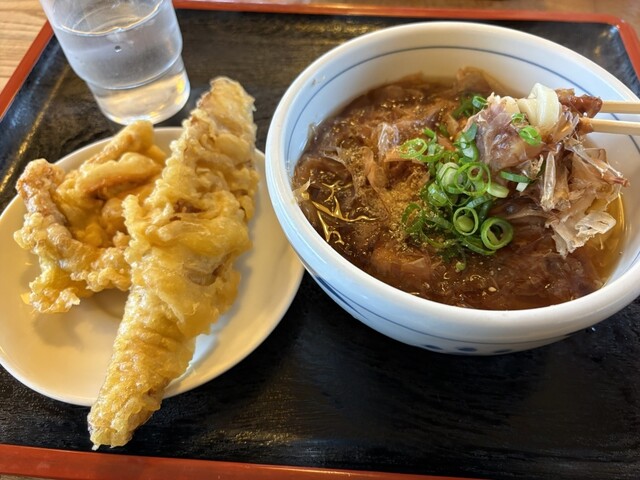
Makoto Udon belongs to Takamatsu’s deeply local Sanuki udon culture, where small rooms and low-friction service matter as much as reputation. Its Tabelog 100 Udon Kagawa 2024 selection places it among the prefecture’s noted noodle addresses, while the house-restaurant format keeps the experience close to the everyday rhythm that defines Kagawa udon.
Pearl is the En Primeur Club membership app — saves, bookings, and concierge access live there. Same editors, same standards.
- Address
- 17-14 Kameokacho, Takamatsu, Kagawa 760-0006, Japan
- Phone
- +81 87-861-5251
- Website
- tabelog.com
 Saves & bookings on Pearl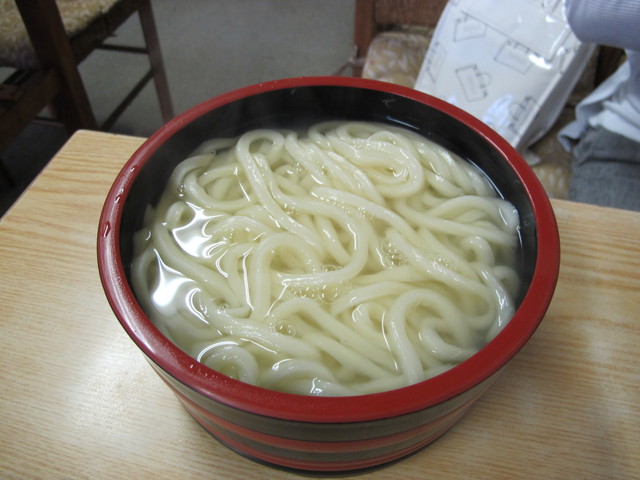
On the quieter side of Takamatsu’s udon map, the first impression is domestic rather than theatrical: a house-restaurant setting, counter seating, a handful of tables, and the functional pace of a Kagawa noodle shop. That matters. Sanuki udon is not a cuisine built around long tasting menus or chef performance; it is a regional habit shaped by wheat, broth, speed, texture, and repetition. Makoto Udon fits that grammar closely, with a small-capacity room and a take-out option that keep the format closer to local routine than destination dining ceremony.
Kagawa’s udon culture rewards precision without asking for luxury cues. The prefecture’s serious shops compete on noodle character, turnover, and the confidence to keep the proposition narrow. In that setting, recognition on Tabelog’s 2024 Udon Kagawa 100 list is a meaningful signal, because the category is dense with specialists and long-running local loyalty. Makoto Udon is not competing with the multi-course dining tier represented elsewhere in Takamatsu; it belongs to the everyday specialist tier where a short meal can carry as much cultural weight as a formal reservation.
Sanuki udon as daily infrastructure, not dining theatre
Takamatsu is one of Japan’s clearest examples of a city where a single regional dish shapes travel behavior. Visitors often build mornings and afternoons around udon rather than treating it as a casual fallback, and locals read shops by details that would seem minor elsewhere: the firmness of the noodle, the temperature of service, the rhythm of ordering, and the way a room handles queues. Makoto Udon’s 25-seat layout, split between counter seats and four-seat tables, puts it in the compact-shop tradition rather than the cafeteria-style end of the spectrum.
The comparison set in Takamatsu is unusually tight. Chikusei Honten, Matsushita Seimensho, Menya Shichifuku Honten, and Udon Sakaeda all sit in the same low-spend udon bracket, which tells the useful story: price is not the differentiator in this category. The decision is about format, timing, neighbourhood, and how much friction the diner accepts. By contrast, a place such as Renge Ryori Ten occupies a higher dinner-spend bracket, showing how sharply Takamatsu separates udon culture from conventional restaurant dining.
That split is part of the city’s appeal. A traveler can eat seriously at lunch without entering the codes of fine dining, then move toward other local comfort formats such as Fumiya Okonomiyaki Honten or compare noodle-shop personalities at Azuma, Furukawa Udon, and Furusato Udon. The pleasure is cumulative. One bowl rarely explains Sanuki udon; several shops, each with its own room and pace, begin to show why Kagawa treats noodles as civic identity.
A small-room format with real local signals
The house-restaurant setting gives the restaurant a different register from larger self-service rooms. A 25-seat capacity keeps the experience intimate by udon standards, and the presence of counter seating makes it workable for solo diners, a useful detail in a city where many noodle runs are done alone and quickly. The Tabelog score of 3.64 is another contextual marker: in Japan’s user-rating culture, especially in heavily contested everyday categories, scores in this range can indicate sustained approval rather than novelty attention.
There are also practical realities that shape the editorial verdict. Reservations are unavailable, orders are handled on a first-come, first-served basis rather than by order of entry, and opening can shift toward the early afternoon. This is not a venue to squeeze between train connections. The better reading is to treat it as part of a loose Takamatsu food day, allowing enough slack for the room’s own tempo. One parking space is available next to the restaurant, but the rail approach from Ritsurinkoen Kitaguchi Station keeps it accessible without building the meal around a car.
Smoking is permitted, which will matter for some travelers, and the room has a plainly local character rather than a polished hospitality shell. The notes about cats at foot level are not incidental color; they signal a restaurant environment with the quirks of a lived-in space. For diners with severe cat allergies, that detail changes the decision. For others, it simply reinforces the fact that Kagawa udon culture is not standardized for outside expectations. The value lies in accepting the format on its own terms.
Where it fits in a Takamatsu food itinerary
The restaurant works strongest as one stop in a wider reading of Takamatsu rather than as a standalone pilgrimage meal. Pairing it with another udon address on a different day gives a clearer sense of the prefecture’s range, while keeping room for non-noodle meals prevents fatigue. EP Club’s broader city coverage is useful for that kind of planning: start with Our full Takamatsu restaurants guide, then map the rest of the trip through Our full Takamatsu hotels guide, Our full Takamatsu bars guide, Our full Takamatsu wineries guide, and Our full Takamatsu experiences guide.
The larger Japan file also helps frame why Takamatsu feels different from the country’s metropolitan dining centers. A sukiyaki specialist such as -Grilled beef Sukiyaki- KAMAKURA TANUKIAN 鎌倉 たぬき庵 in Kamakura, an urban izakaya-grill format like. 鮪と炭火焼き うお炭 秋葉原店 in Tokyo, or cafe-led stops such as.cafe in Osaka and.know in Kumamoto operate with different expectations around dwell time and occasion. Takamatsu’s udon rooms compress the meal into something faster, cheaper, and more culturally specific.
That specificity is the reason to go. The draw is not a grand room or a chef biography; it is the chance to see how a regional staple functions when it has not been separated from daily life. For travelers extending the theme abroad, Japanese casual-food culture takes other forms at (Shoku) Vietnam in Kawasaki, [Curry Senmon Ten] Maruyama Kyoju. in Sapporo, Jōdo Saké Bar in Los Angeles, and Onigiri Time in Pasadena. In Takamatsu, however, the lesson is narrower and sharper: udon is not a side note to the city’s food culture. It is the point of entry.
Price and Recognition
Nearby venues at a similar price tier for orientation.
| Venue | Cuisine | Price | Notes |
|---|---|---|---|
| Makoto UdonThis venue — the venue you are viewing | Not listed | $ | Not listed |
| Mensho Kusugami | Not listed | $ | Takamatsu, Creative Sanuki udon & chuka soba |
| Gyoza Ya | Takamatsu, Gyoza specialty shop | $ | Not listed |
| Udon no Den | Takamatsu, Traditional Sanuki udon shop | $ | Not listed |
| Teuchi Udon Santoku | Takamatsu, Sanuki hand-made udon | $ | Not listed |
| Oudon Setobare | Takamatsu, Modern Sanuki Udon | $ | Not listed |
Recognition history
Dated appearances from independent guides and award organizations, with the underlying list record or original source where available.
Tabelog 100 #21 · No. 21
Tabelog · Tabelog 100 - Udon - KAGAWA - 2024
Continue exploring
More in Takamatsu
Restaurants in Takamatsu
Browse all →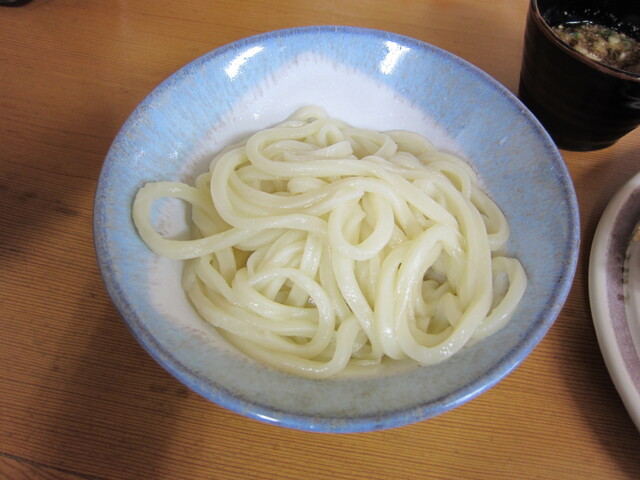
At a Glance
- Cozy
- Classic
- Solo
- Casual Hangout
- Standalone
Current opening hours
- Monday
- 1–7 PM
- Tuesday
- 1–7 PM
- Wednesday
- 1–7 PM
- Thursday
- 1–7 PM
- Friday
- 1–7 PM
- Saturday
- 1–7 PM
- Sunday
- Closed
Hours can change for holidays and private events. Last verified .