
Mensho Kusugami sits in Takamatsu’s Sanuki udon culture rather than the polished tasting-menu economy. Its Tabelog 100 Udon Kagawa 2024 selection, modest price band, and mixed seating format make it useful for travelers trying to understand why Kagawa treats udon as daily craft, not novelty dining.
Pearl is the En Primeur Club membership app — saves, bookings, and concierge access live there. Same editors, same standards.
- Address
- 2-chome-6-36 Kusugamicho, Takamatsu, Kagawa 760-0075, Japan
- Phone
- +81 87-880-5496
- Website
- shikoku-np.co.jp
 Saves & bookings on Pearl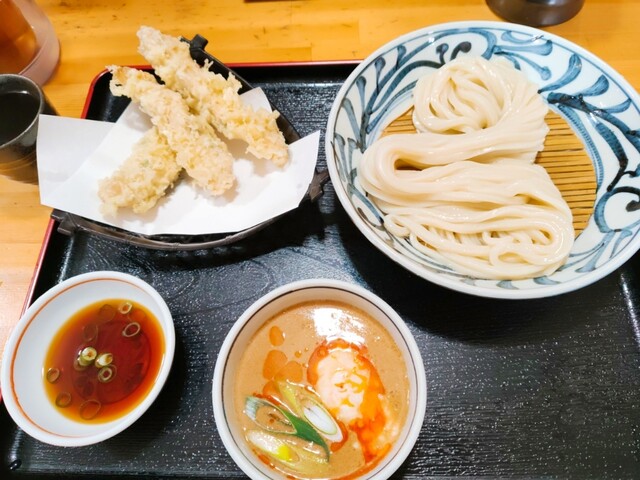
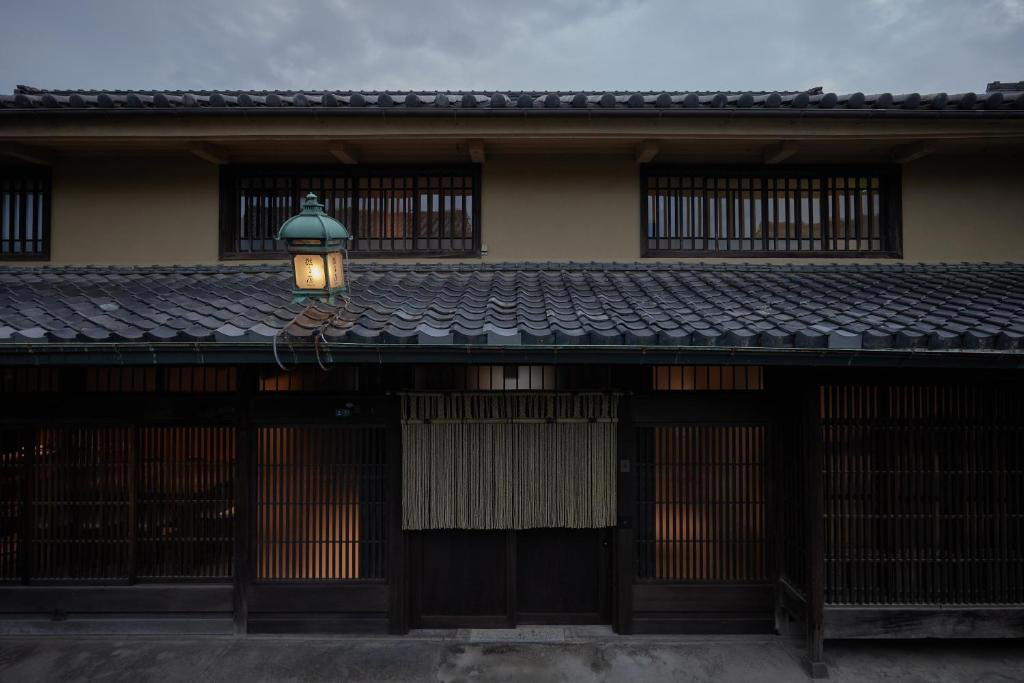
Approaching a serious udon shop in Takamatsu rarely feels ceremonial. The grammar is functional: a low building, a short daytime rhythm, a room arranged for solo bowls, families, and locals who know exactly what they want. Mensho Kusugami belongs to that Kagawa idiom, where the drama is not table theater but repetition, speed, wheat, broth, and the quiet discipline of a noodle culture that has shaped the prefecture’s eating habits for generations.
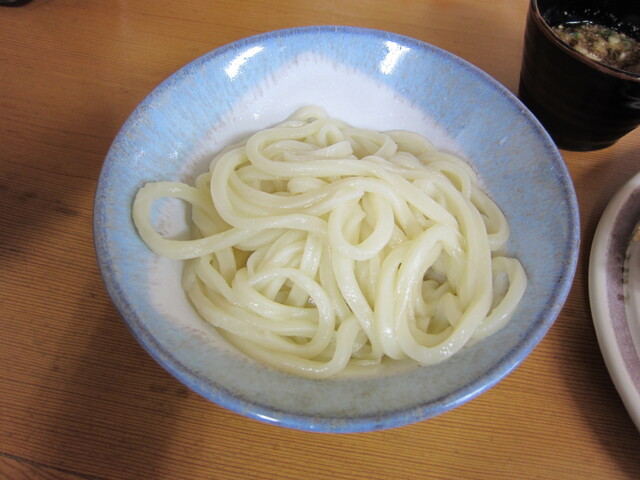
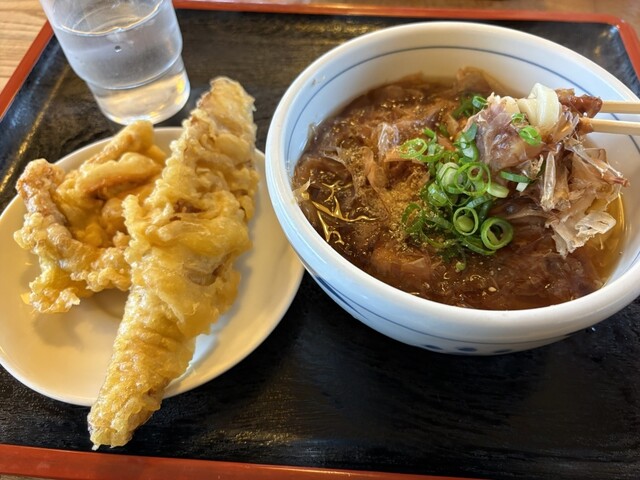
Sanuki udon is often misunderstood by visitors as a single dish. In Kagawa, it is closer to a civic language. Shops differ by noodle firmness, broth style, ordering system, tempura habits, and how much self-service they expect from the customer. That range explains why Takamatsu can support famous old-school counters, canteen-like institutions, and smaller full-service rooms without turning udon into a souvenir performance. Mensho Kusugami’s selection for Tabelog 100 Udon Kagawa 2024 places it inside that competitive local conversation, where recognition depends less on luxury signals than on consistency in a category residents know intimately.
Sanuki udon as daily craft, not destination dining theatre
Kagawa’s udon culture rewards precision at everyday prices. That matters for travelers because the local standard is unforgiving: a bowl can be inexpensive and still be judged against decades of muscle memory. Mensho Kusugami operates in the same broad category as Takamatsu peers such as Sanuki Udon Ueharaya Honten, Teuchi Judan Udon Baka Ichidai, and Teuchi Udon Okura, but its full-service format gives it a different rhythm from the faster self-directed shops that define many first encounters with Sanuki udon.
The menu identity sits across udon and ramen, a pairing that reads naturally in contemporary Japan but has a sharper implication in Kagawa. Udon here is not a side category; it is the local measure. A shop that enters the prefecture’s recognized udon tier while also carrying ramen has to satisfy diners who may be tolerant of experimentation but not of slack noodles or vague broth. The point is not fusion for its own sake. It is the way Takamatsu’s noodle culture can absorb adjacent forms while keeping udon as the reference point.
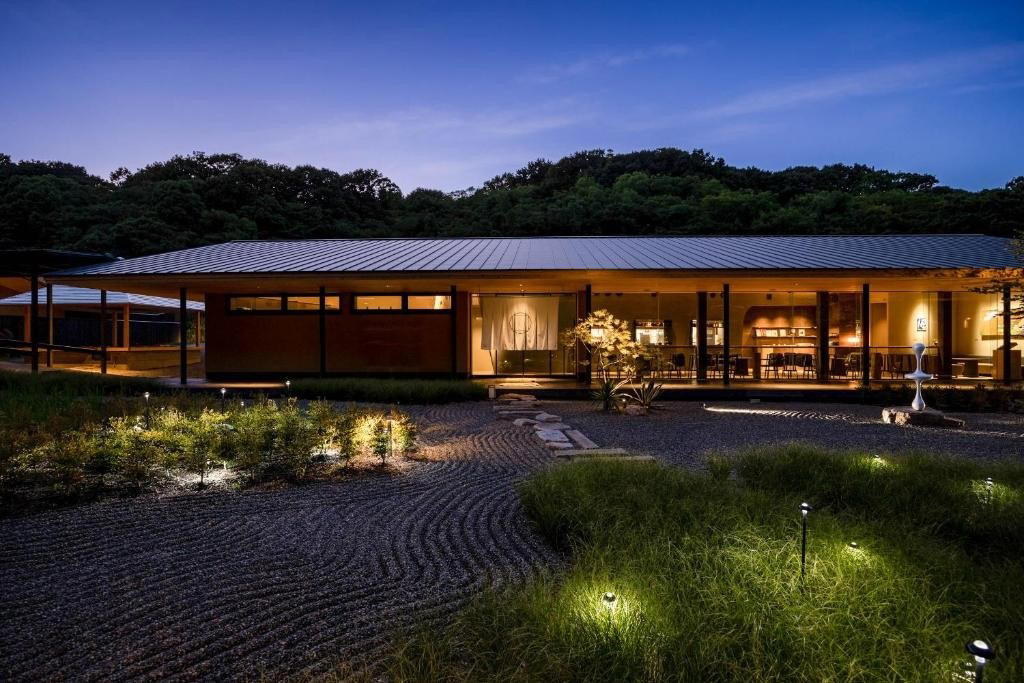
The room’s structure reinforces that range of use. Counter seating supports the solitary luncher, tables handle small groups, and horigotatsu-style tatami seating makes the experience workable for families. That mix says something about the city’s udon habits: this is not dining reserved for special-occasion planning. It is a daytime meal format with enough flexibility to serve office workers, neighborhood regulars, and travelers building a food itinerary around Ritsurin Koen rather than a reservation book.
Where recognition matters in a city crowded with udon choices
Tabelog’s Hyakumeiten lists carry particular weight in Japan because they signal category strength rather than imported luxury hierarchy. For udon in Kagawa, that distinction is useful. Michelin-style language can flatten the subject, while a regional udon list acknowledges the local density of competition. The restaurant’s 2024 Tabelog 100 inclusion and 3.65 score place it in a recognized bracket, but the wiser reading is comparative: this is a vetted stop in a prefecture where a casual-looking noodle shop may be held to a stricter standard than a formal restaurant elsewhere.
That also explains why price alone is a poor guide. Several Takamatsu udon names operate in lower spending bands, while the restaurant sits slightly above one stripped-down category. The difference should be read through format rather than prestige. Full-service shops, broader seating, and a slightly more composed room change the pace. For travelers, that can be useful when the aim is to understand Sanuki udon without treating lunch as a queue-management exercise.
The city’s broader dining map helps frame the decision. For another Takamatsu udon reference point, Azuma, Chikusei Honten, Furukawa Udon, and Furusato Udon show how broad the local field becomes once a visitor moves beyond a single famous stop. Fumiya Okonomiyaki Honten gives a separate view of Takamatsu’s casual dining culture, useful if the day needs something outside noodles.
How to fit it into a Takamatsu food itinerary
The restaurant works well as part of a daytime plan rather than an evening dining anchor. The practical appeal is its position in the city’s ordinary eating pattern: a focused noodle meal, no ceremony, and enough seating variety to avoid the feeling of a specialist counter built only for devotees. Ritsurin Koen access makes the area especially logical for travelers who want cultural sightseeing and regional food in the same half-day, without turning the meal into a separate expedition.
The editorial case is clear: come for an intelligible version of Kagawa’s noodle seriousness, not for luxury cues. The service format is accessible, children are explicitly accommodated, and the non-smoking room helps international travelers who are mapping family logistics as carefully as food priorities. Payment is another reminder that Japan’s casual dining tier can be technologically uneven in specific ways: cards are not accepted, while electronic money and QR payments are accepted.
For broader planning, start with Our full Takamatsu restaurants guide, then pair the meal with Our full Takamatsu hotels guide, Our full Takamatsu bars guide, Our full Takamatsu wineries guide, and Our full Takamatsu experiences guide. Readers comparing Japan’s casual regional formats more widely can also look at -Grilled beef Sukiyaki- KAMAKURA TANUKIAN 鎌倉 たぬき庵 in Kamakura. 鮪と炭火焼き うお炭 秋葉原店 in Tokyo.cafe in Osaka.know in Kumamoto, (Shoku) Vietnam in Kawasaki, [Curry Senmon Ten] Maruyama Kyoju. in Sapporo, Jōdo Saké Bar in Los Angeles, and Onigiri Time in Pasadena.
The measure of the place is restraint. In a city where udon is both staple and point of pride, the valuable shops are not those that explain themselves loudly. They give visitors a way into the local standard. The restaurant does that through recognized category standing, a room built for ordinary use, and a format that keeps Sanuki udon in its proper context: everyday food treated with unusual seriousness.
- ホルモンのつけうどん (hormone dipping udon)
- ねぎねぎ肉うどん
- 鶏ささみ天ぷらうどん
- ほろほろ牛すじのカレーうどん
- Sanuki chuka soba
- tsukemen-style dipping udon
Price and Positioning
Nearby venues at a similar price tier for orientation.
| Venue | Cuisine | Price |
|---|---|---|
| Mensho KusugamiThis venue — the venue you are viewing | Not listed | $ |
| Udon Ippuku | Takamatsu, Traditional Sanuki Udon Shop | $ |
| Teuchi Udon Shimizuya | Takamatsu, Sanuki udon & tempura | $ |
| Marutani Seimen | Takamatsu, Traditional Sanuki udon shop | $ |
| Shinpei Udon | Takamatsu, Sanuki udon noodle shop | $ |
| Udonya Matsuhama | Takamatsu, Sanuki Udon | $ |
Recognition history
Dated appearances from independent guides and award organizations, with the underlying list record or original source where available.
Tabelog 100 #89 · No. 89
Tabelog · Tabelog 100 - Udon - KAGAWA - 2024
Continue exploring
More in Takamatsu
Restaurants in Takamatsu
Browse all →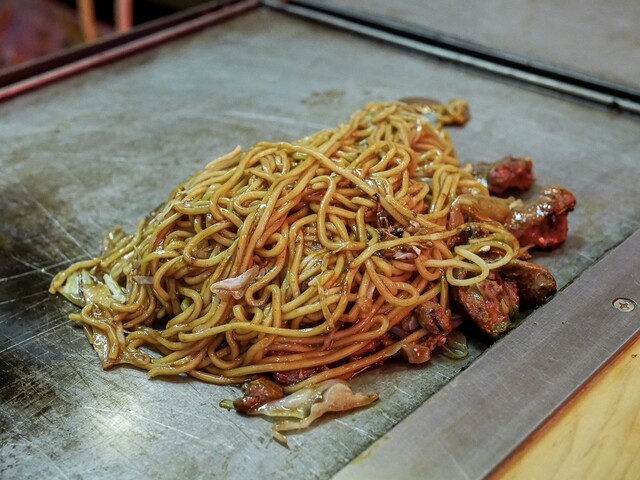

At a Glance
- Modern
- Cozy
- Solo
- Family
- Casual Hangout
- Group Dining
- After Work
- Standalone
Current opening hours
- Monday
- 10 AM–2:30 PM
- Tuesday
- Closed
- Wednesday
- 10 AM–2:30 PM
- Thursday
- 10 AM–2:30 PM
- Friday
- 10 AM–2:30 PM
- Saturday
- 10 AM–2:30 PM
- Sunday
- 10 AM–2:30 PM
Hours can change for holidays and private events. Last verified .