
Kagawa’s udon culture is built on speed, texture, and local routine rather than ceremony, and Oudon Setobare fits that grammar from a house-style setting in Murecho Mure. Its Tabelog 100 Udon Kagawa 2024 selection and low-cost format place it in the serious everyday tier of Takamatsu dining, where noodles are judged by execution rather than luxury signals.
Pearl is the En Primeur Club membership app — saves, bookings, and concierge access live there. Same editors, same standards.
- Address
- 2694-1 Murecho Mure, Takamatsu, Kagawa 761-0121, Japan
- Phone
- +81 87-813-6988
- Website
- setobare.jp
 Saves & bookings on Pearl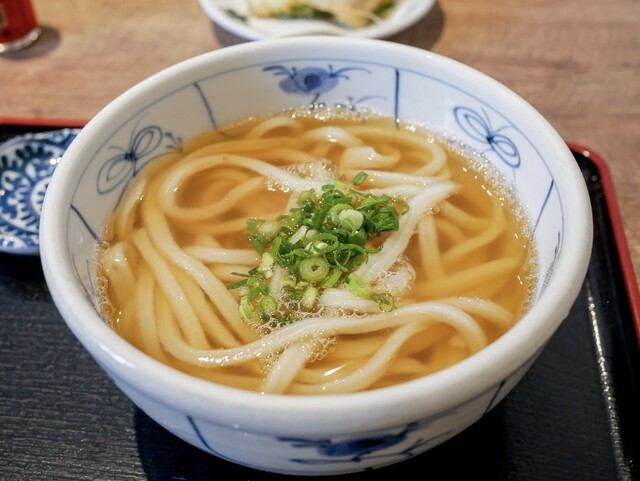
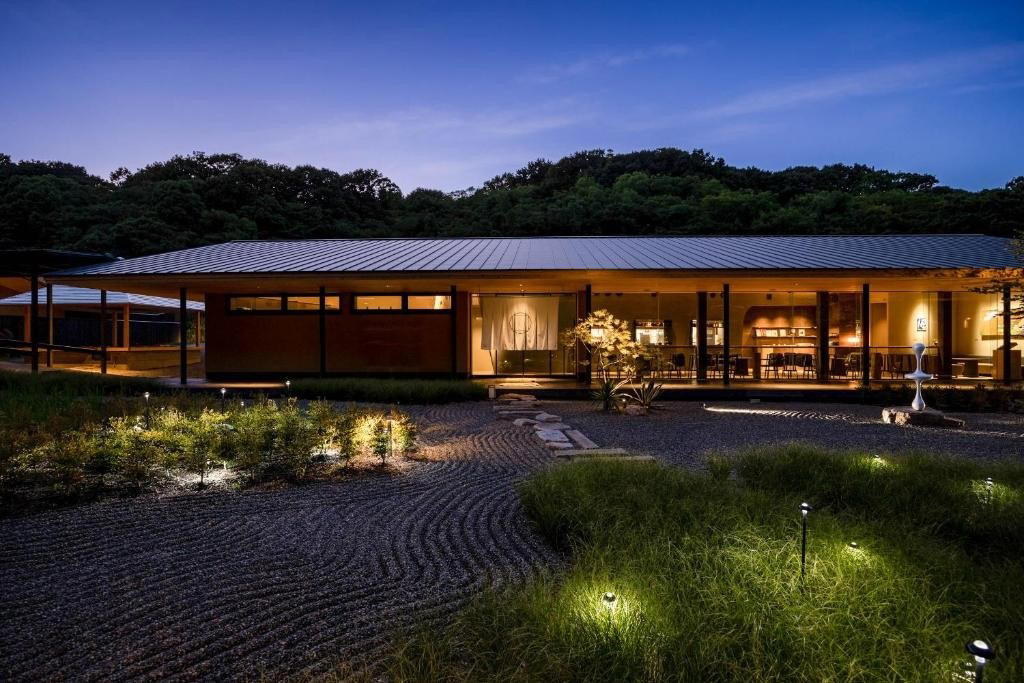
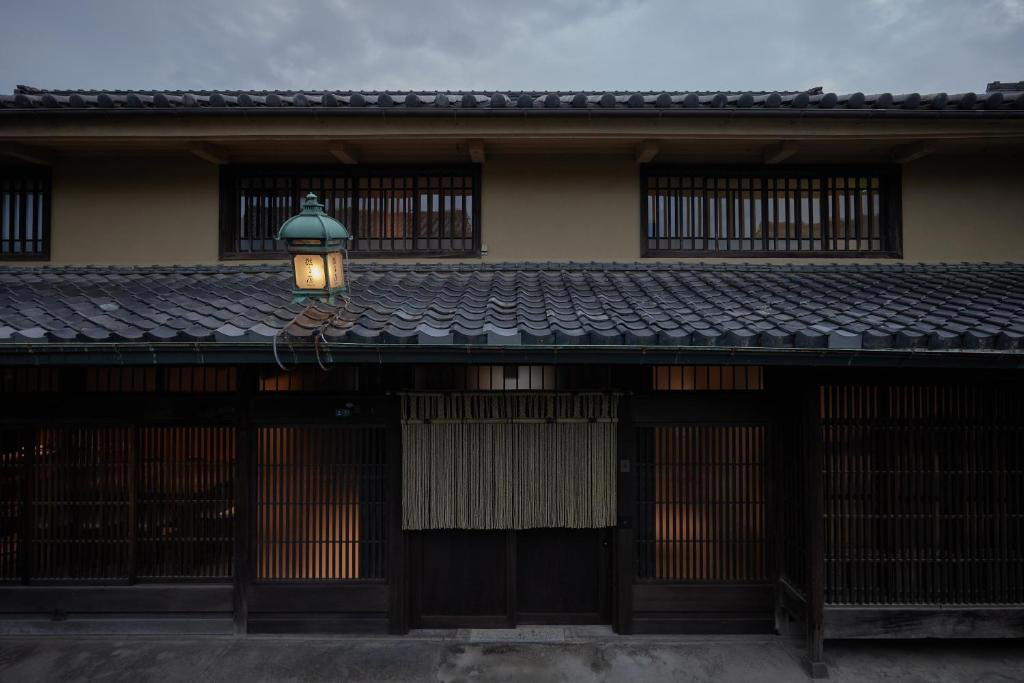
Approaching eastern Takamatsu, the city settles into a quieter Kagawa rhythm: low houses, local roads, and udon shops that feel less like destination restaurants than civic infrastructure. In Murecho Mure, Oudon Setobare fits that pattern. It is a house restaurant with table and tatami mat seating, not counter-theatre polish, and that matters in Kagawa. Sanuki udon is not built around long meals or decorative service; it is built around wheat, timing, and serving a bowl before the noodle loses its point.
Kagawa’s udon reputation can be hard for visitors because serious shops rarely speak the language of luxury dining. A low price ceiling, family use, and daytime rhythm do not signal weak casualness here. They signal a local food culture where the benchmark is repetition. Oudon Setobare’s selection for Tabelog 100 Udon Kagawa 2024 places it in a highly competitive prefectural category, alongside shops judged by noodle craft, broth clarity, turnover, and consistency rather than tasting-menu architecture.
Murecho Mure gives the bowl a different frame
Central Takamatsu offers station access and compact eating routes, but the city’s udon map becomes more revealing at residential edges and former town districts. Murecho Mure sits east of the core, closer in mood to errands than nightlife. That context changes the meal: the restaurant is not asking for an evening dressed around it, or converting udon into fine dining. It belongs to the part of Kagawa where a serious bowl can be a short stop between obligations.
That place sense separates it from grander Sanuki udon institutions with larger destination energy. Udon Honjin Yamada Ya Sanuki honten and Zaigoudon Honke Waraya occupy a more heritage-facing lane in Takamatsu’s udon imagination, while smaller shops such as Teuchi Udon Masuya and Kashimura Udon sit closer to the quick, low-cost end. Oudon Setobare reads as a neighbourhood expression of the same culture, backed by award recognition yet grounded in everyday Kagawa eating.
For travellers mapping the city through food, treat Takamatsu as a network, not a single dining district. A central route might include Chikusei Honten for a classic city udon reference, Azuma for another local noodle stop, and Fumiya Okonomiyaki Honten when the itinerary needs a wheat-based meal outside udon. The eastern side asks more intent, but that effort is part of the point: seeing how udon works away from the easy tourist grid.
The value signal is serious, not cheap theatre
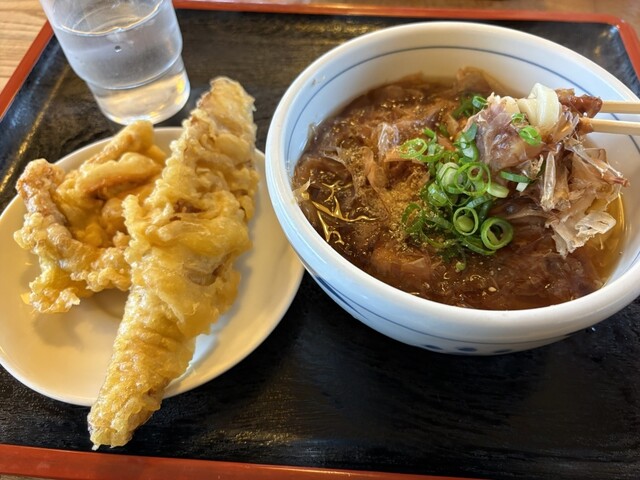
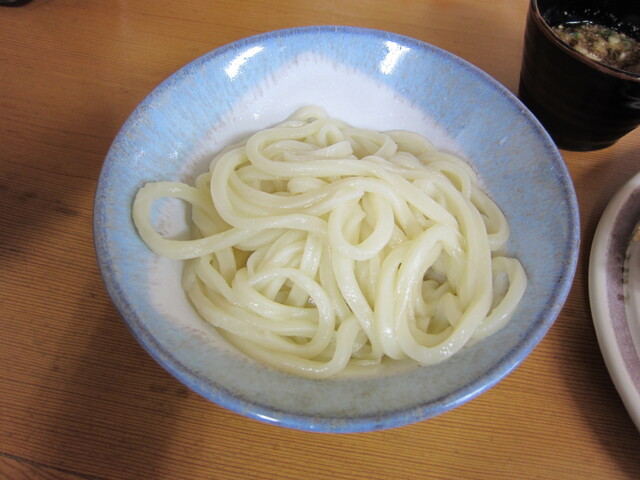
Sanuki udon is one of Japan’s clearest arguments against equating price with culinary importance. In Kagawa, a modest bill can still place the diner inside a demanding regional tradition. The noodle has to carry the meal; luxury garnish or service choreography cannot distract from technique. The restaurant’s category, Udon (wheat noodles), keeps the focus narrow. The appeal is not menu breadth, but a shop confidently working in a regional form locals already understand and judge sharply.
The Tabelog 100 Udon Kagawa 2024 selection matters because Kagawa is not a forgiving field. Udon shops are numerous, and local diners know a bowl that merely fills time from one that justifies a detour. A Tabelog score of 3.88 adds another signal, especially where small differences often reflect sustained local approval rather than international publicity. For EP Club readers used to Michelin-starred counters and reservation-only rooms, this shows Japan’s serious eating culture is not confined to expensive formats.
The room reinforces that point. Twenty-six seats, including table and tatami mat options, make the experience more domestic than theatrical. Children are welcome, private rooms are not part of the proposition, and the non-smoking policy keeps focus on the meal rather than old-school shop haze. These details describe a working local restaurant, not a curated stage set: calm by design, for quick concentration, family use, and local habit.
Within a broader Takamatsu itinerary, the restaurant pairs best with a wider reading of the city, not a checklist. Furukawa Udon and Furusato Udon show how many registers the city gives the same staple, from compact everyday meals to deliberate noodle stops. For a fuller city view, use Our full Takamatsu restaurants guide, then build the non-dining side through Our full Takamatsu hotels guide, Our full Takamatsu bars guide, Our full Takamatsu wineries guide, and Our full Takamatsu experiences guide.
How it fits into a Japan food trip
The restaurant should not be isolated from its region. It makes sense in a Kagawa sequence, where multiple bowls clarify how texture, broth, and service format shift between shops. That is why it can teach more than a single formal dinner: the meal shows how a prefecture eats when it is not performing for visitors.
Travellers beyond Shikoku can use the same logic elsewhere in Japan: compare local daily staples before chasing elaborate formats. A Kansai leg might bring in.cafe in Osaka; a Tokyo stop can swing toward. 鮪と炭火焼き うお炭 秋葉原店 in Tokyo; and a Kyushu route might add.know in Kumamoto. The comparison is not cuisine-to-cuisine equivalence, but a way to read Japan through specific local formats rather than generic dining ambition.
For longer itineraries, the contrast widens: (Shoku) Vietnam in Kawasaki, [Curry Senmon Ten] Maruyama Kyoju. in Sapporo, and -Grilled beef Sukiyaki- KAMAKURA TANUKIAN 鎌倉 たぬき庵 in Kamakura each point to a different everyday or specialist register. Outside Japan, Jōdo Saké Bar in Los Angeles and Onigiri Time in Pasadena show how Japanese drinking and staple-food formats translate abroad. In Takamatsu, though, the lesson is simpler and harder to fake: udon is judged close to home, and this Murecho Mure address has earned a place in that conversation.
At a Glance
Comparable options at the same price tier.
| Venue | Cuisine | Price | Notes |
|---|---|---|---|
| Oudon SetobareThis venue — the venue you are viewing | Takamatsu, Modern Sanuki Udon | $ | Not listed |
| Teuchi Udon Tsurumaru | Not listed | $ | Takamatsu, Late-night Sanuki & curry udon |
| Kawafuku Honten | Not listed | $ | Takamatsu, Traditional Sanuki Udon & Udon-suki |
| Sanuki Udon Ueharaya Honten | Takamatsu, Traditional Sanuki udon | $ | Not listed |
| Matsubara | Takamatsu, Japanese Udon Noodle Bar | $ | Not listed |
| Teuchi Judan Udon Baka Ichidai | Takamatsu, Sanuki udon specialist | $ | Not listed |
Recognition history
Dated appearances from independent guides and award organizations, with the underlying list record or original source where available.
Tabelog 100 #68 · No. 68
Tabelog · Tabelog 100 - Udon - KAGAWA - 2024
Continue exploring
More in Takamatsu
Restaurants in Takamatsu
Browse all →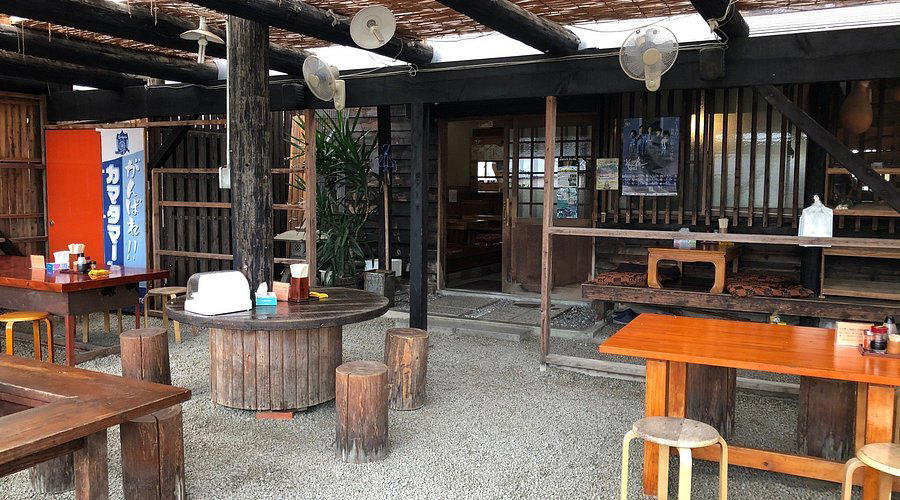

At a Glance
- Modern
- Cozy
- Solo
- Family
- Casual Hangout
- Group Dining
- Standalone
- Design Destination
- Local Sourcing
- Sustainable Seafood
Current opening hours
- Monday
- 9 AM–3 PM
- Tuesday
- 9 AM–3 PM
- Wednesday
- Closed
- Thursday
- Closed
- Friday
- Closed
- Saturday
- 9 AM–3 PM
- Sunday
- 9 AM–3 PM
Hours can change for holidays and private events. Last verified .
A small house-style udon shop with a relaxed, contemporary feel where guests take time to savor udon as a crafted dish rather than fast food, creating a calm but lively local atmosphere.