Mako


1 Michelin Star
Our verdict
Among Chicago's small-format omakase counters, Mako occupies a deliberately understated position on West Lake Street: 22 seats, a single plaque at the entrance, and a menu that earns its place on the Opinionated About Dining North America list. Chef BK Park's program runs Wednesday through Sunday, with cooked courses alongside the sushi sequence setting it apart from leaner omakase formats in the city.

Pearl is the En Primeur Club membership app, where members save venues, book tables and use the concierge.
The menu
What to order
- Miyazaki A5 wagyu nigiri
- Braised abalone
- Black cod with burnt scallion ponzu
- Chawanmushi with mushroom and crab
A Quiet Address With a Clear Point of View
West Lake Street does not announce itself as a fine-dining corridor. The stretch of Fulton Market and its western edges have accumulated serious kitchens over the past decade, but the area still moves at a working-city rhythm: trucks, foot traffic, noise. A lone brass plaque at 731 W Lake is the only signal that something deliberate is happening inside. That restraint is not an accident. In a dining culture that has largely shifted from theatrical reveal to transparent seriousness, the low-profile entrance at Mako reads less as a gimmick and more as a statement about where the kitchen's priorities lie.
Chicago's top-tier omakase scene has developed differently from those in New York or Los Angeles. The city has a smaller number of counters operating at the $$$$ price point, which means the ones that earn sustained recognition do so against a more visible competitive set. Mako holds a ranked position on the Opinionated About Dining Leading Restaurants in North America list, appearing at #420 in 2024 and as a recommended entry in 2023. For a 22-seat counter in a mid-block Fulton Market address, that kind of sustained recognition from one of the more rigorous rating systems in North American dining is a meaningful credential.
What the Format Demands of the Kitchen
The omakase format at this price point has become a particular kind of test for any kitchen running it. The absence of a written menu shifts the entire relationship between diner and cook: the sequence has to do the explaining, the pacing has to manage attention, and individual courses carry more interpretive weight than they would in an à la carte setting. Counters that survive repeated visits from serious diners tend to be the ones where the format has genuine depth rather than theatrical novelty.
Mako's approach introduces cooked courses alongside the sushi sequence, which is one meaningful structural choice. Braised abalone, black cod with burnt scallion ponzu, and chawanmushi with mushroom and crab are the kinds of preparations that require a kitchen operating outside the narrow lane of nigiri-only programs. The seasonings throughout the meal include sudachi juice and sesame-pepper soy, which are precise rather than decorative additions. Dessert is treated as part of the sequence rather than an afterthought, sweet potato with whiskey caramel is the documented example. These are the details that regulars cite when explaining why the counter holds up across multiple visits: the meal has enough range that a second or third sitting reveals different textures than the first.
Why Regulars Return
The editorial angle that matters most for a 22-seat counter is not the first visit, it is the second and third. Counters at this format and price work on a logic where the initial booking proves the concept, but repeat reservation behaviour is the actual evidence of quality.
What regulars tend to return for at counters of this type is calibration: the sense that the kitchen is reading the room and adjusting. Chef BK Park leads a team that includes itamae working the counter alongside him, which means the service model at Mako is not a solo performance but a collaborative one. That matters for repeat visitors because it distributes the expertise across the evening rather than concentrating it at one point in the sequence. The cooked courses and the dessert serve a similar function: they give the meal anchoring moments that provide emotional rhythm, not just technical precision.
Chicago's omakase options are also worth contextualising at the neighbourhood level. Omakase Yume represents the city's other notable entry in the format. The two counters operate differently enough that they are not direct substitutes, serious sushi visitors to Chicago with time for more than one meal would likely consider both. For those arriving with a single booking window, the cooked-course depth at Mako, combined with its OAD recognition, makes it the more documented choice at the current moment.
Planning Your Visit
The counter operates Wednesday through Friday from 5:45 PM to 10:30 PM, and Saturday and Sunday from 4 PM to 10:30 PM. Monday and Tuesday are closed. The address is 731 W Lake St, Chicago, IL 60661. The entrance is marked only by a plaque and sits mid-block on West Lake Street, so allow time to locate it on first visit. At 22 seats, availability is limited and the counter books ahead; prospective diners should plan accordingly and check current booking channels directly. The price range is $$$$.
For broader Chicago planning, EP Club's full Chicago restaurants guide covers the city's dining scene in depth. The Chicago hotels guide, bars guide, wineries guide, and experiences guide cover the rest. For those building a broader US tasting-counter itinerary, relevant reference points include The French Laundry in Napa, Single Thread Farm in Healdsburg, Lazy Bear in San Francisco, Providence in Los Angeles, Le Bernardin in New York City, and Emeril's in New Orleans.
Know Before You Go
- Address: 731 W Lake St, Chicago, IL 60661
- Hours: Wednesday–Friday 5:45 PM–10:30 PM; Saturday–Sunday 4:00 PM–10:30 PM; Monday–Tuesday closed
- Price: $$$$
- Seats: 22
- Cuisine: Omakase, Japanese
- Entrance: Marked by a single plaque; allow time to locate on first visit
- Recognition: Opinionated About Dining Leading Restaurants in North America, #420 (2024), Recommended (2023)
Frequently asked questions
What's the must-try dish at Mako?
The documented highlight from the awards commentary is the chawanmushi with mushroom and crab, described in Opinionated About Dining's coverage as the essence of the kitchen's approach to elegance in the cooked-course sequence. Among the sushi courses, sudachi juice and sesame-pepper soy are cited as the characteristic seasonings that distinguish Mako's nigiri from the cleaner, less-adorned style of counters that work in a stricter Edomae tradition. The dessert, sweet potato with whiskey caramel, also receives explicit mention as a course that the kitchen treats with the same care as the savory sequence. On a first visit, the cooked courses are where the kitchen most visibly differentiates itself from other North American omakase counters.
The Minimal Set
A short peer table to compare basics side-by-side.
| Venue | Cuisine | Price | Awards | Notes |
|---|---|---|---|---|
| MakoThis venue (the venue you are viewing) | Modern Omakase | $150–200 | 1 Michelin Star | Not listed |
| Alinea | Avant-Garde Molecular Gastronomy | $300–500 | 2 Michelin Stars · World's 50 Best #37 | Progressive American, Creative |
| Smyth | Modern American Tasting Menu | $200–300 | 3 Michelin Stars · World's 50 Best #1 | Progressive American, Contemporary |
| Kasama | Modern Filipino | $30–50 | 2 Michelin Stars · World's 50 Best #31 | Filipino |
| Next Restaurant | Avant-Garde Themed Tasting Menus | Not listed | 1 Michelin Star · We're Smart World 2 Radishes | American Cuisine |
| Boka | Modern American Seasonal Fine Dining | $150–200 | 1 Michelin Star · La Liste Top Restaurants | New American, Contemporary |
Recognition history
Dated appearances from independent guides and award organizations, with the underlying list record or original source where available.
Michelin 1 Star
Michelin
Opinionated About Dining Top Restaurants in North America Recommended
Opinionated About Dining
Full recognition history (5 entries)
Michelin 1 Star
Michelin
Opinionated About Dining Top Restaurants in North America Ranked #420
Opinionated About Dining
Opinionated About Dining Top Restaurants in North America Recommended
Opinionated About Dining
Continue exploring
More in Chicago
Restaurants in Chicago
All restaurants in Chicago →
Bars in Chicago
All bars in Chicago →
Details
- Intimate
- Elegant
- Sophisticated
- Modern
- Date Night
- Special Occasion
- Celebration
- Chefs Counter
- Open Kitchen
- Sake Program
- Omakase
- Counter Dining
Current opening hours
- Monday
- Closed
- Tuesday
- Closed
- Wednesday
- 5:45–10:30 PM
- Thursday
- 5:45–10:30 PM
- Friday
- 5:45–10:30 PM
- Saturday
- 4–10:30 PM
- Sunday
- 4–10:30 PM
Hours can change for holidays and private events. Hours as of .
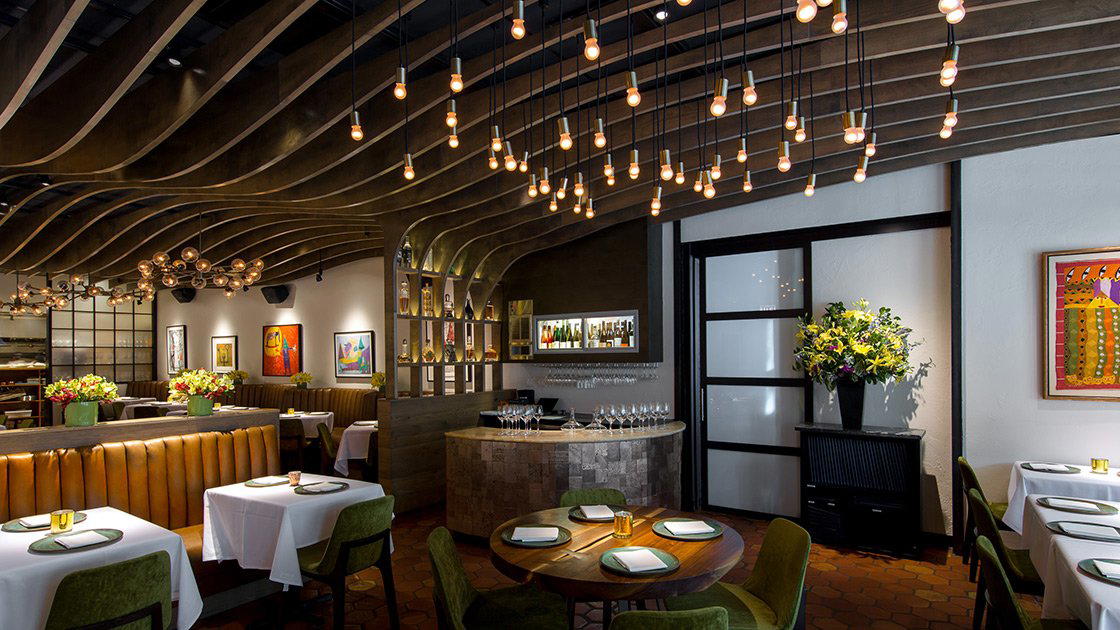
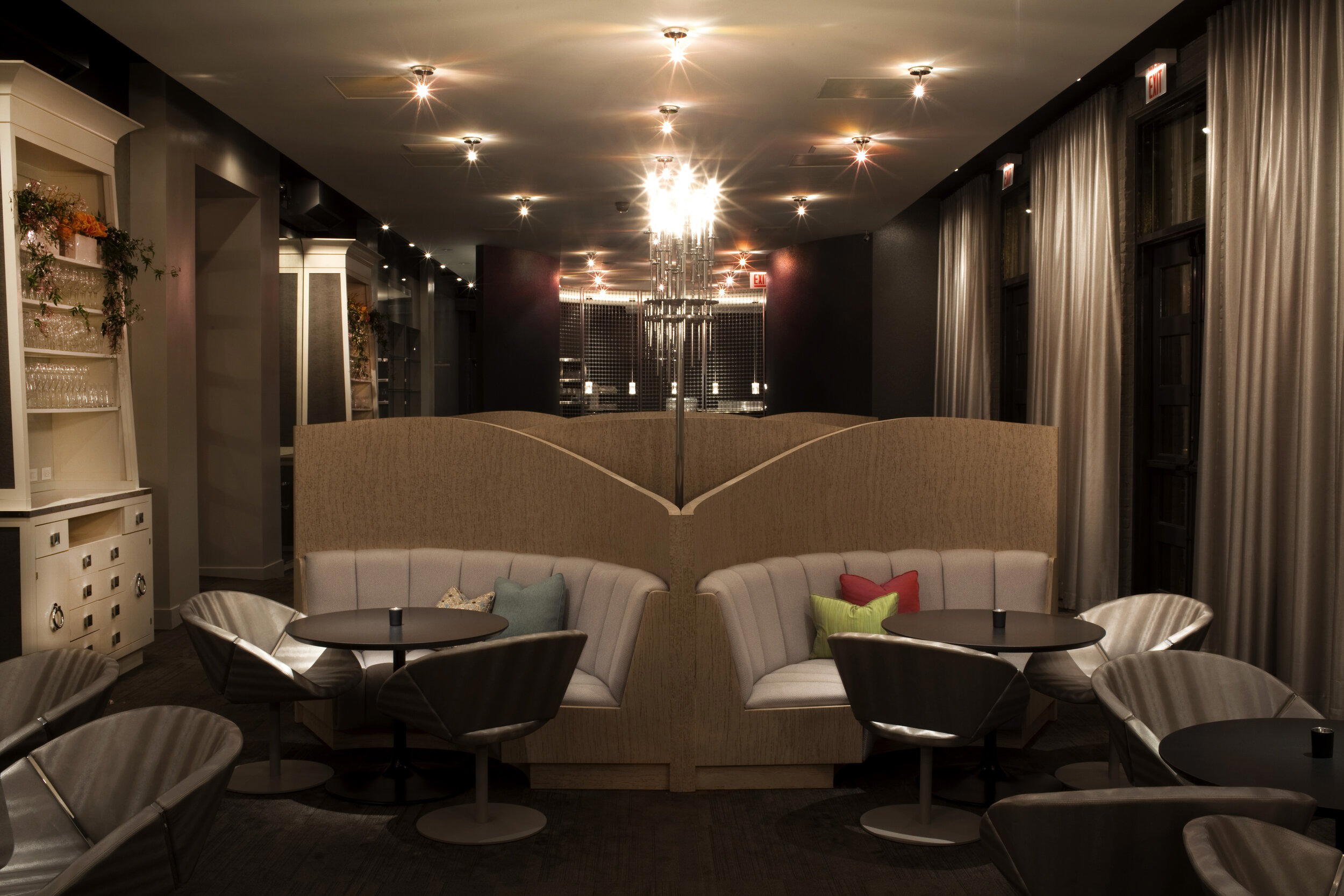
Small intimate room with warm wood accents, neutral color scheme, hints of blue and bronze tones; quiet setting where traffic din fades, focused on the sushi preparation.