Situated inside the Vancouver Art Gallery complex on Hornby Street, 1931 Gallery Bistro occupies a setting where cultural programming and daily dining converge. The room's institutional address gives it a distinct position among downtown Vancouver restaurants, drawing both gallery visitors and neighbourhood regulars. Its name references the VAG building's original opening year, anchoring the space in a particular civic history.
Pearl is the En Primeur Club membership app — saves, bookings, and concierge access live there. Same editors, same standards.
- Address
- 750 Hornby St, Vancouver, BC V6Z 2H7, Canada
- Phone
- +16046624831
- Website
- 1931gallerybistro.com
- Directions
- Get directions
 Saves & bookings on Pearl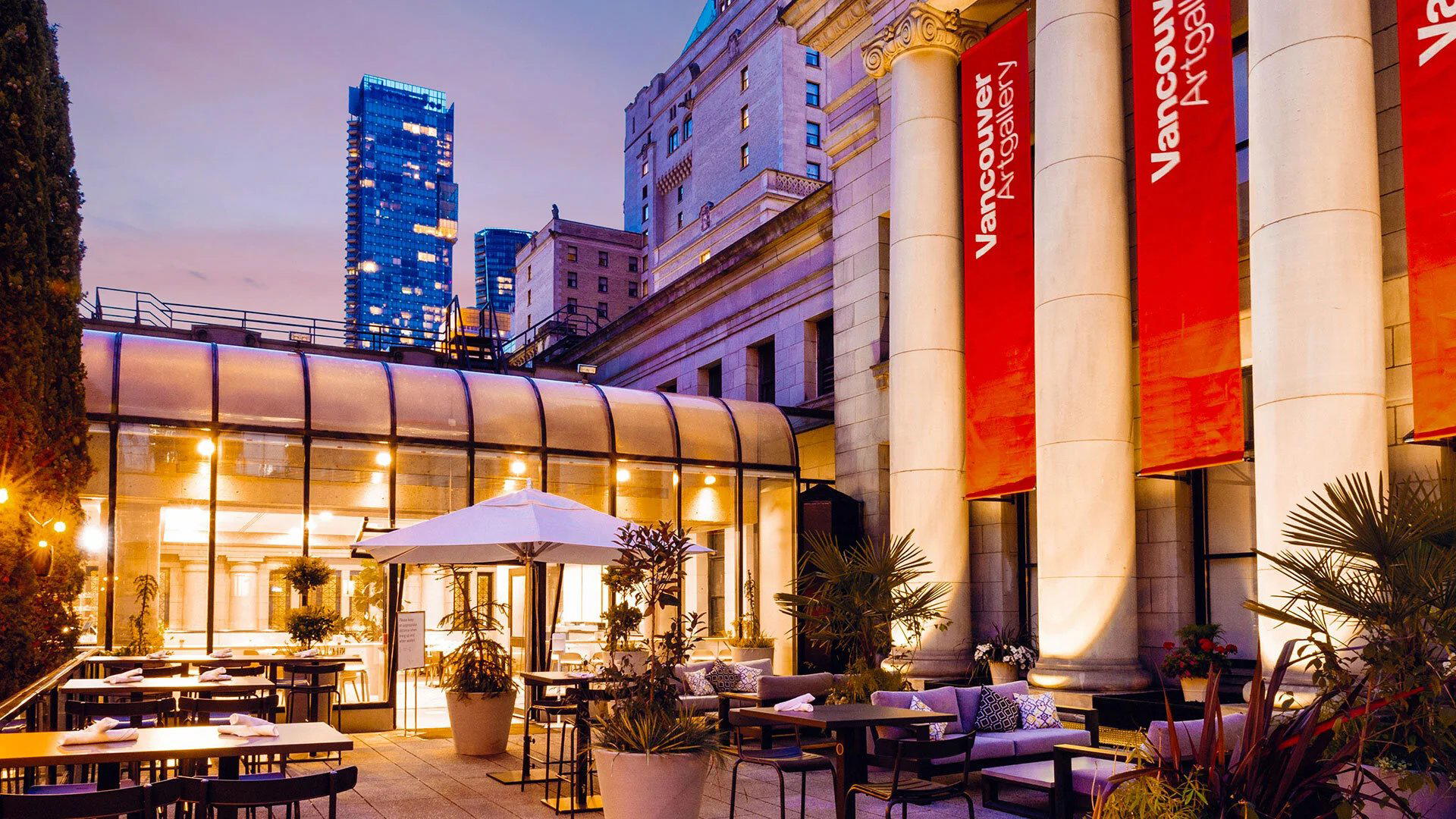
Where the Room Does the Talking
Downtown Vancouver's dining geography sorts itself into predictable clusters: the dense restaurant corridor along Alberni and Robson, the Gastown blocks where heritage brick sets the mood, and the quieter civic precinct around the Vancouver Art Gallery on Hornby Street. That last zone operates differently. Foot traffic here follows exhibition schedules and lunch breaks rather than nightlife rhythms, and the restaurants that work leading in this context tend to be places that can hold a room without relying on evening theatre. 1931 Gallery Bistro, situated at 750 Hornby St within the VAG complex, is built around exactly that kind of ambient authority. The institutional setting does a particular kind of work before a single plate arrives: the proportions, the architecture, and the cultural weight of the surrounding building establish a register that most purpose-built dining rooms spend years trying to manufacture.
The name itself is a curatorial decision. 1931 is the year the building opened as the Vancouver courthouse, a fact that grounds the space in a specific civic history rather than in a vague gesture toward heritage. That anchoring detail matters when reading what the bistro is trying to be: not a restaurant that happens to be inside a gallery, but a dining room that treats its address as primary information.
Reading the Menu as a Statement
In gallery-adjacent restaurants across North America, the menu architecture tends to fall into one of two patterns. The first is the institutional default: safe, broad, designed to offend no one and disappoint everyone. The second, rarer approach treats the restaurant as an extension of the programming around it, with a menu structure that reflects considered choices about what belongs in this room. Bistro formats occupy a useful middle ground here. The French bistro lineage, loosely interpreted, allows for a menu that is both approachable and specific, organized around a logic that diners can read without a briefing.
For a room positioned at the intersection of cultural tourism and downtown lunch, that structure has practical intelligence behind it. Gallery visitors moving through the VAG's permanent collection and rotating exhibitions arrive with variable time windows and mixed levels of appetite. A menu that can serve both a two-course lunch and a longer afternoon sitting without forcing the kitchen into two separate operational modes is not a simple thing to execute consistently. The bistro format, when it works, resolves that tension through range rather than compromise.
The broader Vancouver context is useful here. The city's restaurant tier at the leading end, represented by places like Kissa Tanto and Masayoshi in the $$$$ bracket, operates under a different set of menu obligations: tasting formats, omakase structures, or tightly edited carte that signals ambition and exclusivity. AnnaLena and Barbara similarly anchor their menus in a contemporary fine-dining logic that prioritizes the chef's editorial voice above accessibility. A gallery bistro serves a different function in the city's dining ecology, one that is no less intentional for being more open. The comparison set is not Kissa Tanto; it is the institutional dining rooms at major cultural venues in Montreal, Toronto, and London, a category where quality variance is wide and the floor is often low.
Canadian institutional dining has been raising that floor. Jérôme Ferrer's Europea in Montreal demonstrated over many years that a city's cultural institutions could anchor serious restaurant programming. More rurally framed equivalents, like Eigensinn Farm in Singhampton, show that ambitious menu architecture does not require a metropolitan address. The question for any gallery restaurant is whether it treats its institutional context as a ceiling or a brief.
The Civic Address and What It Implies
The Hornby Street address places 1931 Gallery Bistro within walking distance of the city's downtown hotel cluster, the Law Courts complex, and several of Vancouver's busiest office towers. That geography shapes the lunch demographic as much as gallery programming does: a room that draws lawyers, civic officials, visiting journalists, and art-world professionals simultaneously needs to read as serious without being formal, and as accessible without collapsing into the generic. It is a narrower needle to thread than it appears.
For visitors approaching from out of town, the VAG precinct is easy to reach from the city's main transit arteries, with Burrard and Granville SkyTrain stations both within a short walk. The positioning also makes it a logical stop when building a downtown Vancouver itinerary around cultural programming, pairing a gallery visit with a meal in a way that a restaurant in Yaletown or Mount Pleasant cannot replicate.
Across Canada, the restaurant-within-cultural-institution format has produced some genuinely strong programmes. Tanière³ in Quebec City and Alo in Toronto represent the upper ceiling of what Canadian dining can produce in rooms with strong architectural identities. The institutional bistro tier sits below that ambition level but serves a different civic purpose, one that is measured less by awards and more by whether the room functions well across the full spread of people a major public institution attracts on any given afternoon. Comparisons further afield, such as Le Bernardin in New York City or Atomix, underscore how wide the range is even within a single city's serious dining culture.
Planning Your Visit
1931 Gallery Bistro is located at 750 Hornby St, within the Vancouver Art Gallery complex in downtown Vancouver. The Hornby Street entrance is accessible from the gallery's main precinct. Given the dual audience of gallery visitors and downtown professionals, timing matters: the lunch window on weekdays tends to be the room's primary service, with gallery exhibition schedules shaping weekend patterns. Visitors combining a gallery visit with lunch should allow time for both without assuming the restaurant operates on the gallery's ticketing calendar.
Where the Accolades Land
Comparable venues nearby, for context on price, style, and recognition.
| Venue | Cuisine | Price | Notes |
|---|---|---|---|
| 1931 Gallery BistroThis venue — the venue you are viewing | Modern West Coast Bistro | $$$ | Not listed |
| Peya | French-Indian Fusion | $$$ | Grandview-Woodland |
| Notch8 | Modern Regional Canadian | $$$ | Coal Harbor |
| Central Restaurants - Vancouver Bentall | Global Fusion Casual | $$ | Coal Harbor |
| Il Nido Italian Restaurant | Authentic Italian Trattoria | $$$ | West End |
| Provence Marinaside | French Provençal with Seafood | $$$ | Downtown |
Continue exploring
More in Vancouver
Restaurants in Vancouver
Browse all →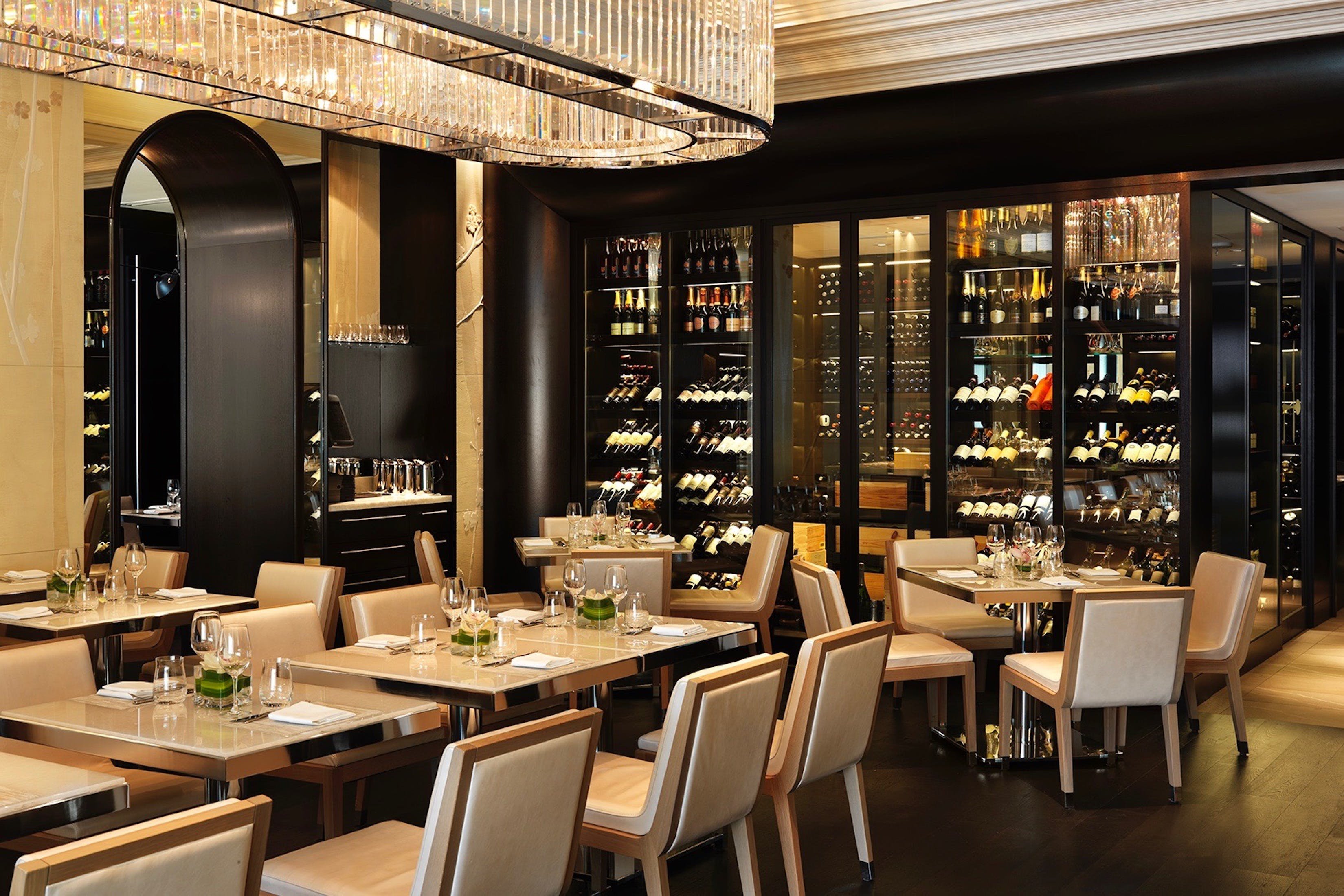
Bars in Vancouver
Browse all →
At a Glance
- Modern
- Elegant
- Cozy
- Brunch
- Date Night
- Casual Hangout
- Historic Building
- Craft Cocktails
- Local Sourcing
- Street Scene
Current opening hours
- Monday
- 11 AM–4 PM
- Tuesday
- Closed
- Wednesday
- 11 AM–4 PM
- Thursday
- 11 AM–5 PM
- Friday
- 11 AM–5 PM
- Saturday
- 11 AM–5 PM
- Sunday
- 11 AM–4 PM
Hours can change for holidays and private events. Last verified .
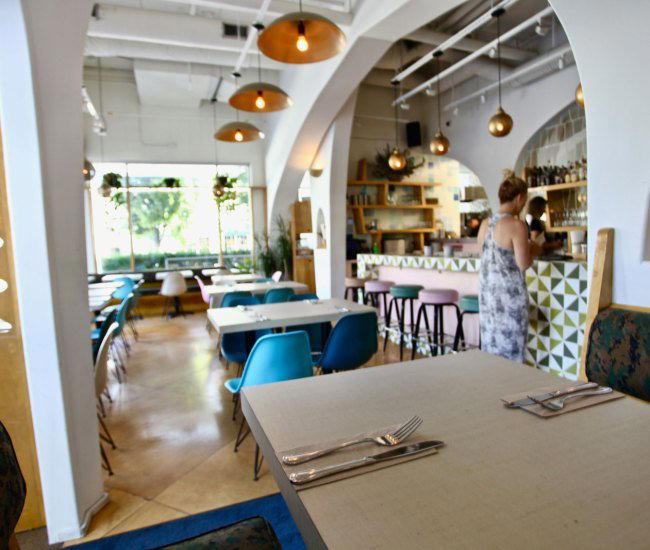
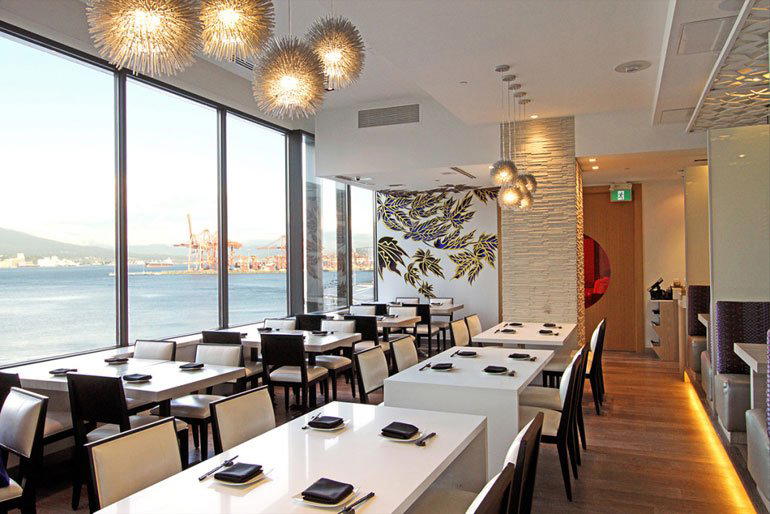
Lively interior dining room framed by concrete columns above the gallery lobby, paired with a spacious licensed outdoor patio.