Drai's Supper Club
Drai's Supper Club occupies a West Village address on West 14th Street, placing it at the intersection of Manhattan's most competitive dining corridor and a neighbourhood that has long rewarded restaurants willing to commit to a distinct format. The supper club model, equal parts dining room and social occasion, sits in a specific tier of New York hospitality that values atmosphere alongside the plate.
Pearl is the En Primeur Club membership app — saves, bookings, and concierge access live there. Same editors, same standards.
- Address
- 244 W 14th St, New York, NY 10011
- Phone
- +19143724769
- Website
- draisnyc.com
- Directions
- Get directions
 Saves & bookings on Pearl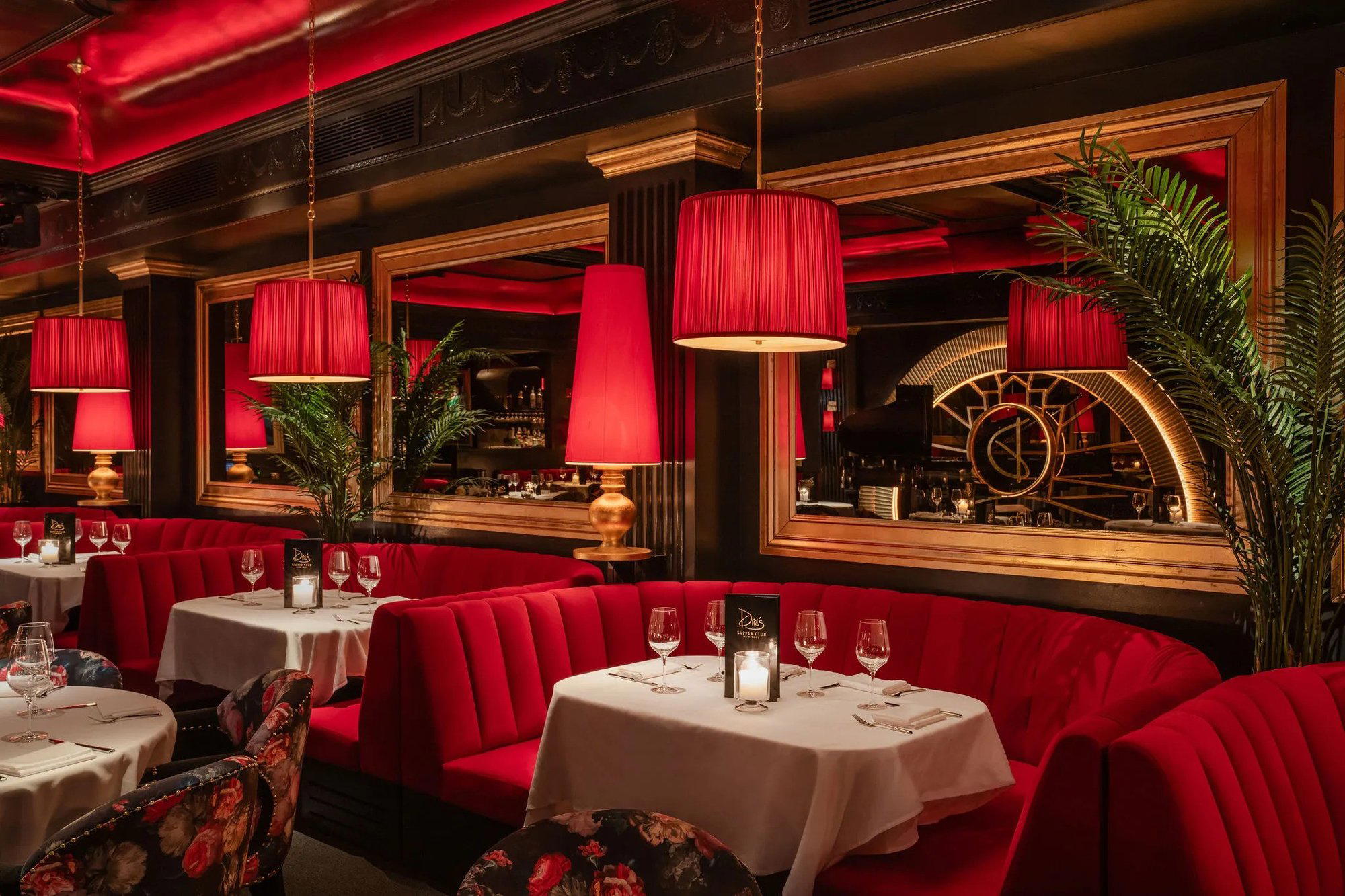
The Supper Club Format in a City That Has Tried Everything
New York's dining culture has cycled through enough formats to treat most of them with a degree of scepticism. The supper club, however, keeps returning. Not as nostalgia, but as a corrective to the stripped-back tasting counter that dominated the prestige tier for the better part of two decades. Where venues like Atomix and Masa ask guests to surrender to a single, chef-directed sequence, the supper club model proposes something older and in some ways more demanding: a menu with enough breadth that the guest has to make decisions, and a room designed to hold a full evening rather than a precisely timed sitting.
Drai's Supper Club, on West 14th Street, occupies that format at 244 W 14th St, New York, NY 10011, in the West Village, a neighbourhood that has accumulated serious restaurant density over the past fifteen years without quite resolving into a single identity. That position matters. Restaurants at this address compete for an audience that has the full range of Manhattan's dining at its disposal, which means the supper club format has to do genuine work rather than coasting on novelty.
What the Menu Architecture Says
The supper club as a format is defined by its menu logic as much as its atmosphere. Unlike the tasting menu model, where the kitchen sets the sequence and the guest follows, a supper club menu is typically structured to reward shared ordering, return visits, and a pace set by the table rather than the kitchen. At its most functional, this produces a card that moves from lighter, more shareable first courses through more substantial mains, with enough range across protein, preparation method, and price point that a table of four can collectively cover the menu's breadth without repetition.
This structure places Drai's in a different competitive conversation from the Michelin-chasing tasting counter. The comparable set here is not Per Se or Eleven Madison Park, where the menu is a fixed, authored experience priced accordingly. It is closer to the kind of room where the bill at the end reflects what the table chose to do with the evening, rather than what the kitchen decided to serve. That is a different hospitality proposition, and it suits a different kind of occasion.
The supper club format also tends to be more forgiving of dietary variation than the tasting counter, which typically builds around a single through-line. A menu with genuine range across preparations and proteins can absorb a vegetarian, a pescatarian, and someone avoiding alliums at the same table without the kitchen having to rebuild the entire sequence. This is a practical advantage that the format's more formal counterparts, venues like Le Bernardin, address through advance communication and kitchen flexibility.
West 14th Street and the Neighbourhood Context
The West Village and its immediate border with the Meatpacking District represent one of Manhattan's more complicated dining corridors. The neighbourhood has historically attracted a mix of destination restaurants and neighbourhood regulars, with real estate pressure consistently pushing out the latter in favour of the former. What remains is a concentration of rooms that have to justify their address to guests who could just as easily be at Blue Hill at Stone Barns for the weekend or working through the East Side's newer Korean-influenced tasting menus.
West 14th specifically has seen significant turnover in the restaurant tier below the leading bracket, which means the venues that persist tend to have either a loyal local following, a strong special-occasion identity, or both. The supper club format, with its emphasis on a full evening rather than a transaction, tends to build the latter more reliably than a quick-service or single-dish concept.
The Supper Club in American Fine Dining: A Wider Frame
Nationally, the supper club sits in an interesting position relative to the formats that attract critical attention. The farm-to-table counter format, exemplified by venues like Lazy Bear in San Francisco or Smyth in Chicago, built its prestige on the single-authored menu with a tight guest count. The destination inn model, seen at The Inn at Little Washington or Single Thread Farm in Healdsburg, added lodging and hyper-local sourcing to a similar format. The supper club historically sat outside both of those critical frames, which is partly why it was undervalued during the tasting menu's peak years and is now being reassessed as that peak recedes.
Venues like Emeril's in New Orleans, Providence in Los Angeles, and Frasca Food and Wine in Boulder all operate with a similar logic: the menu is broad enough to support a range of occasions, the room is designed to hold a long evening, and the hospitality proposition is about the whole experience rather than the singular dish. That is a durable model, even if it photographs less dramatically than a twelve-course counter sequence.
For reference points further afield, the same tension between authored tasting formats and broader menu structures plays out in European rooms like Atelier Moessmer Norbert Niederkofler in Brunico and the more classically structured Dal Pescatore in Runate, where the multi-generational room and deep menu have always coexisted with serious culinary ambition. The supper club format has European antecedents that predate the Michelin counter model by decades. Addison in San Diego and The French Laundry in Napa represent the tasting-counter end of the American fine dining spectrum; the supper club occupies the other pole.
Planning Your Visit
Drai's Supper Club is located at 244 West 14th Street in Manhattan's West Village.
| Venue | Format | Price Tier | Booking Lead Time |
|---|---|---|---|
| Drai's Supper Club | Supper club, à la carte | Not confirmed | Not confirmed |
| Le Bernardin | French seafood, tasting/prix fixe | $$$$ | Several weeks |
| Atomix | Modern Korean tasting counter | $$$$ | 2-3 months |
| Per Se | French contemporary, tasting | $$$$ | Several weeks |
| Eleven Madison Park | French vegan tasting | $$$$ | Several weeks |
Cuisine Context
Comparable venues nearby, for context on price, style, and recognition.
| Venue | Cuisine | Price | Notes |
|---|---|---|---|
| Drai's Supper ClubThis venue — the venue you are viewing | French-American Fine Dining | $$$$ | Not listed |
| The Ivory Peacock | French-Japanese Gastropub | $$$$ | Midtown South-Flatiron-Union Square |
| Maison Nur | Modern French-American Fine Dining | $$$$ | SoHo-Little Italy-Hudson Square |
| Barnea Bistro | Kosher French Fine Dining | $$$$ | East Midtown-Turtle Bay |
| Le Crocodile | Classic French Brasserie | $$$$ | Williamsburg |
| Supperclub @ Le Petit Parisien | Modern French Bistro | $$$$ | Upper East Side-Yorkville |
Continue exploring
More in New York City
Restaurants in New York City
Browse all →
Bars in New York City
Browse all →
Hotels in New York City
Browse all →





At a Glance
- Elegant
- Sophisticated
- Trendy
- Energetic
- Ornate
- Date Night
- Celebration
- Special Occasion
- Late Night
- Live Music
- Craft Cocktails
Current opening hours
- Monday
- Closed
- Tuesday
- Closed
- Wednesday
- Closed
- Thursday
- 6–9:30 PM
- Friday
- 6 PM–2 AM
- Saturday
- 5:30 PM–2 AM
- Sunday
- 6–9:30 PM
Hours can change for holidays and private events. Last verified .
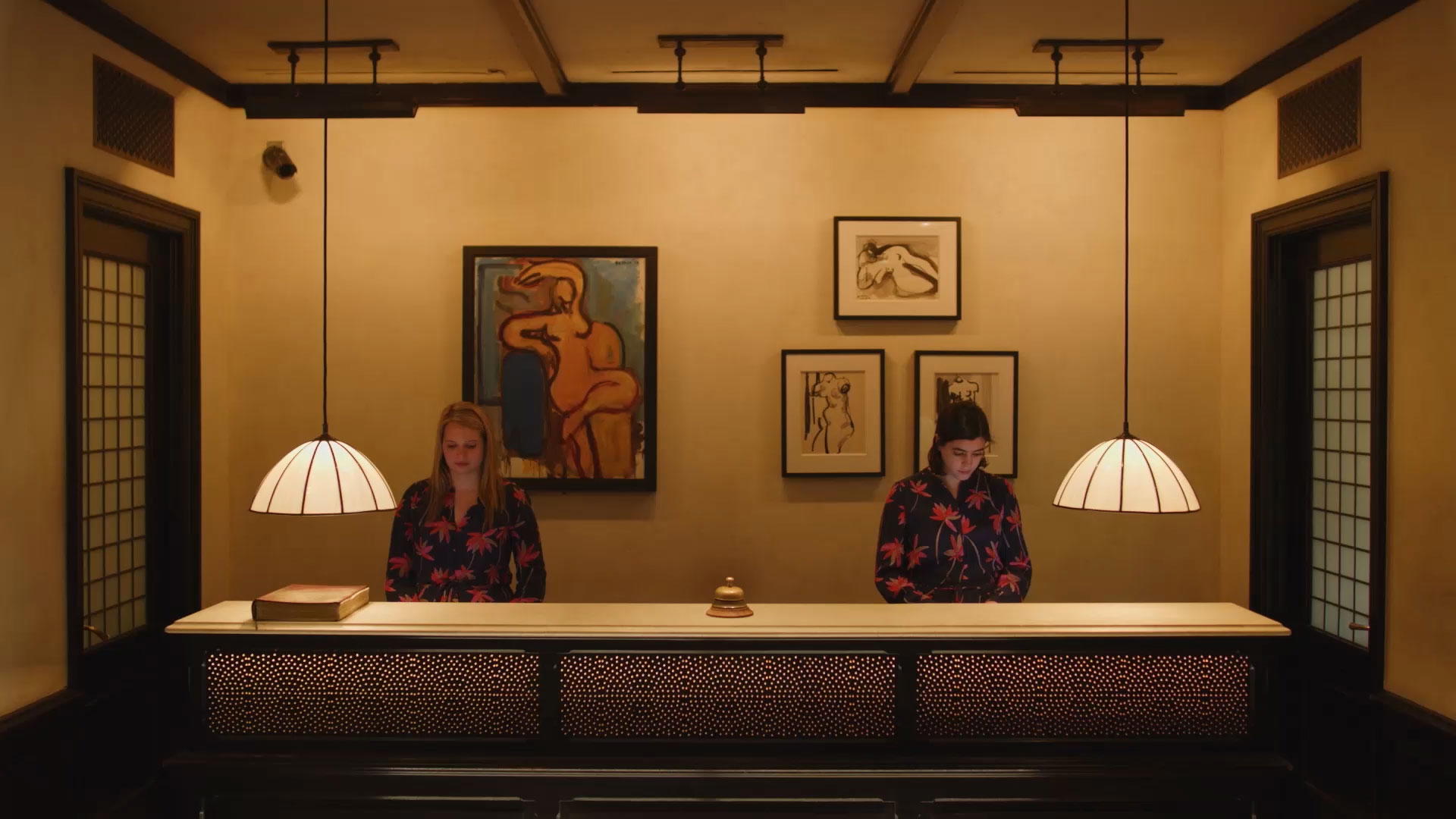
Seductive, moody atmosphere with moody lighting, live jazz, and an energetic vibe well-suited for celebrations.