Mercado del Marisco
Mercado del Marisco sits on the Cinta Costera waterfront in Panama City, where the Pacific meets the canal corridor and fresh catches arrive daily from both coasts. The market format sequences naturally from raw shellfish and ceviche counters through grilled and fried preparations, making it among the more direct expressions of Panamanian seafood culture in the capital. Arrive early for the widest selection; midday crowds thin the display quickly.
Pearl is the En Primeur Club membership app — saves, bookings, and concierge access live there. Same editors, same standards.
- Address
- Cinta Costera (Av Balboa), Ciudad de Panamá, Panamá
- Directions
- Get directions
 Saves & bookings on Pearl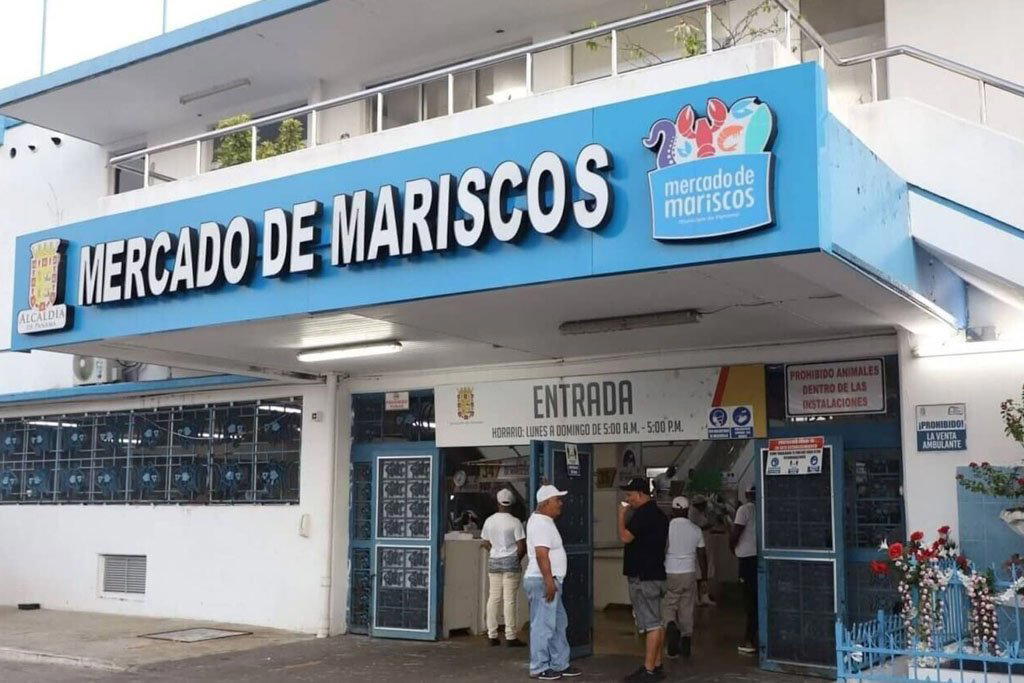
Where the Waterfront Dictates the Menu
Panama City's Cinta Costera is a reclaimed coastal boulevard that threads between the old city and the Pacific, and the logic of Mercado del Marisco follows the geography precisely. The market occupies a position on Avenida Balboa where the bay is visible from nearly every angle, and the catch on display at any given hour reflects what came in that morning from both the Pacific and Caribbean coasts, a dual-ocean access that few Central American capitals can match. Before you order anything, walk the ground floor. The progression from live shellfish tanks and iced ceviche stations to the grilled-fish counters above forms a loose but legible tasting sequence, and understanding it changes how you eat here.
The Opening Act: Raw and Cold
The natural starting point in any serious seafood market is the rawest, least-intervened material, and Mercado del Marisco follows that logic without ceremony. Corvina ceviche, the national preparation, appears at nearly every counter, the white-fleshed sea bass cured in lime with ají chombo and a short maceration that keeps the texture firm rather than cooked through. Panama's ceviche sits in a different register from Peruvian tiradito or Mexican aguachile: the acid is sharper, the onion more present, the heat arriving at the end rather than upfront. This is the dish that contextualises everything that follows, and ordering it first is less a preference than a structural decision.
Alongside ceviche, mariscos al vapor and raw shellfish from the Gulf of Chiriquí represent the cold tier of what is effectively a multi-station progression. The Pacific shellfish here carry a briny mineral quality that reflects the nutrient-rich upwelling along Panama's southern coast, a characteristic that distinguishes them from the softer, sweeter shellfish typical of the Caribbean side. At a market of this format, the comparison between the two coasts is available in a single visit, which is not something you can replicate at a conventional restaurant.
The Middle Registers: Fried and Grilled
Moving up through the market's floors, the preparation style shifts from raw and cold to fried and grilled, and the ordering logic changes accordingly. Whole fried snapper and camarones al ajillo (garlic prawns) represent the middle tier of the sequence, where the kitchen's intervention is still relatively light but the Maillard character begins to arrive. The frying here follows a coastal Central American approach: a light seasoned coat, high heat, the fish served whole with patacones (twice-fried green plantain) and a side of rice that functions as ballast rather than the point.
The patacón deserves attention as a structural element of the meal, not a garnish. Its role in Panamanian seafood culture parallels what bread does in European fish restaurants: it absorbs the cooking juices, carries the table sauces, and provides textural contrast to the soft interior of fried fish. At markets in the interior of the country, the same pairing appears with different regional sauces, but on the Cinta Costera the preparation is urban and direct, calibrated for volume and speed rather than regional specificity.
For context on how Panama City's restaurant scene treats seafood at a higher price point, Maito (Panamanian) and Caleta both work with local ingredients in tasting-menu formats. The market occupies the opposite end of that spectrum: no reservation, no progression imposed by a kitchen, just the sequence you build yourself from the counters available.
The Upper Floor and the Close
The upper level of the market functions as a more conventional restaurant tier, with table service, cooked-to-order preparations, and a broader supporting menu. This is where ceviches give way to grilled whole fish by weight, and where the meal can extend into territory closer to a sit-down experience. The view of the bay from this floor reinforces the logic of the setting: you are eating what arrived this morning from the water you can see from your seat, which is a form of provenance verification that no fine-dining tasting note can replicate.
Closing the meal here follows the same logic as opening it: keep it simple, keep it cold. Fresh fruit, particularly the intensely sweet mangoes available during the dry season (December through April), functions as the natural close, cutting through the salt and fat of the grilled preparations with the efficiency that the leading desserts manage in formal restaurants. In the wet season, other tropical fruits fill the same role, though the timing shifts with availability.
Panama City's dining scene includes formal options that handle seafood at a different register: Umi Restaurante Bar Izakaya applies Japanese technique to local fish, and Atope takes a contemporary Panamanian approach. The market sits outside that competitive set entirely, closer in spirit to the great fish markets of Portugal or coastal Japan, where the raw material is the menu and the cooking exists to reveal rather than transform. For a broader orientation to where Mercado del Marisco fits among the city's dining options, see our full Panama City restaurants guide.
Visitors to Panama often underestimate how significant the canal's geography is to the food supply. The proximity to both the Pacific and Caribbean, combined with the country's position at the biological crossroads of North and South America, makes the biodiversity in the market's fish display genuinely unusual. What you see on ice here on any given morning is a working map of that geography.
For those exploring other coastal seafood traditions in the region, Receta Michilá in Isla Carenero offers a Caribbean-side counterpoint, while internationally, Aponiente in El Puerto de Santa María represents what happens when a market's raw material reaches the highest tier of culinary ambition. Other reference points for serious seafood thinking include Le Bernardin in New York City and, for a different approach to multi-course progressions built on market sourcing, Lazy Bear in San Francisco. Closer to home, BRIO Brasserie offers a European brasserie approach within Panama City itself. Other regional and international dining options worth noting for context include Los Tarascos Mexicanos in El Carmen, Alinea in Chicago, Atomix in New York City, Emeril's in New Orleans, 8 1/2 Otto e Mezzo Bombana in Hong Kong, Alain Ducasse at Louis XV in Monte Carlo, Alléno Paris au Pavillon Ledoyen, and Amber in Hong Kong.
Planning Your Visit
Mercado del Marisco is located on the Cinta Costera (Avenida Balboa), directly on the waterfront. No reservation is required or possible; the market operates on a walk-in basis, and the practical implication is that arriving before noon on weekends gives you access to the widest selection before particularly popular preparations sell out. Weekday mornings are quieter and the display is typically at its freshest within two to three hours of opening. No phone or website is listed for advance enquiries. The market is publicly accessible and prices are set at the counter.
Accolades, Compared
Comparable venues nearby, for context on price, style, and recognition.
| Venue | Cuisine | Price | Notes |
|---|---|---|---|
| Mercado del MariscoThis venue — the venue you are viewing | Fresh Panamanian Seafood & Ceviche | $ | Not listed |
| King Pot Hot Pot & Ktv | Sichuan Hot Pot | $$ | Chinatown |
| El Trapiche | Traditional Panamanian | $$ | Vía Argentina |
| La Casa del Marisco | Spanish Seafood | $$$$ | Costa Del Este |
| BRIO Brasserie | Modern French-American Brasserie | $$$ | Bella Vista |
| Sugoi Caribbean Sushi | Caribbean Sushi Fusion | $$ | El Cangrejo |
Continue exploring
More in Panama City
Restaurants in Panama City
Browse all →
Bars in Panama City
Browse all →
At a Glance
- Lively
- Rustic
- Well Known
- Casual Hangout
- Late Night
- Group Dining
- Waterfront
- Open Kitchen
- Historic Building
- Beer Program
- Local Sourcing
- Sustainable Seafood
- Waterfront
- Street Scene
Bustling and lively with the sights, sounds, and smells of a working commercial fish market; casual plastic seating upstairs with a more relaxed dining atmosphere than the frenetic ground floor.