Mai Mai
Mai Mai occupies a considered space inside Panama City's Panamá Design Center, placing it among the capital's dining addresses where the physical container is as deliberate as what arrives at the table. Positioned within a building that draws architects, designers, and a locally rooted creative crowd, it represents a strand of Panama City dining where atmosphere and setting carry editorial weight alongside the food.
Pearl is the En Primeur Club membership app — saves, bookings, and concierge access live there. Same editors, same standards.
- Address
- Panamá Design Center (PDC, Panamá, Provincia de Panamá, Panama
- Phone
- +50769329274
- Website
- maimaipty.com
- Directions
- Get directions
 Saves & bookings on Pearl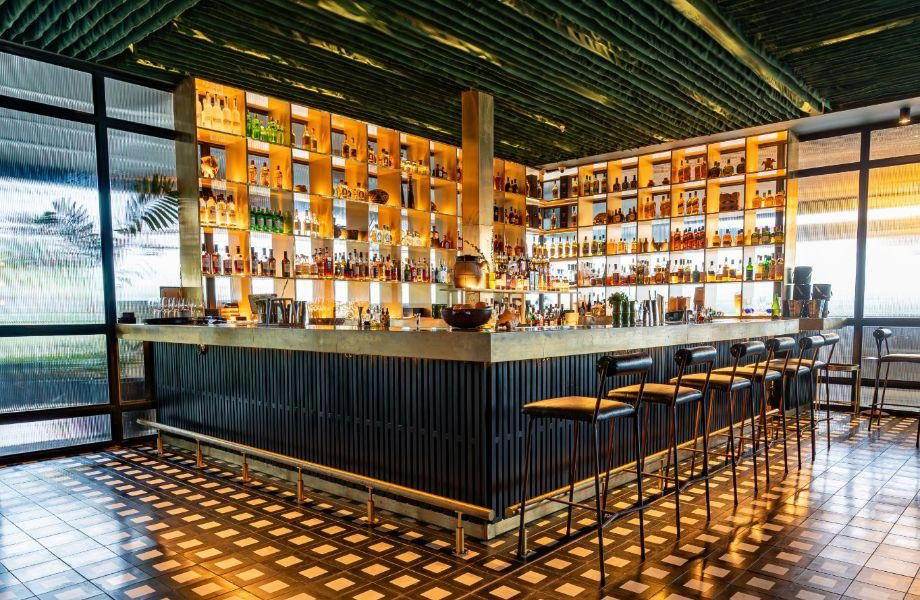
A Dining Room Inside Panama City's Design District
Mai Mai is a restaurant in Panama City, Panama, serving Peruvian-Nikkei Japanese Fusion Izakaya cuisine at a price around $50 per person. Panama City's dining scene has split along a familiar axis: one side pulls toward international hotel formats, the other toward independently operated rooms where the space itself signals intent. Mai Mai falls into the second category. Its address inside the Panamá Design Center (PDC) is not incidental, the building functions as a gathering point for Panama City's design and architecture community, and any restaurant operating within it inherits that context whether it seeks to or not. The physical surround sets expectations before the menu is opened.
The PDC as a setting places Mai Mai in a peer group that has little to do with geography and everything to do with atmosphere. Across Latin America, a wave of restaurants has chosen to anchor inside cultural or design institutions rather than on conventional high streets, a positioning that attracts a crowd already attuned to considered environments. In Panama City, that crowd is small and self-selecting, which gives venues operating in this register a built-in editorial character that purely commercial dining rooms rarely achieve.
The Space as the Argument
Restaurants that occupy design-forward buildings carry an implicit burden: the architecture raises expectations about coherence. Diners who move through a curated retail or exhibition environment and then enter a poorly considered dining room feel the discontinuity immediately. The converse is equally true, a restaurant that matches the design register of its host building achieves a sense of inevitability, as if no other location would make sense.
In cities with established design districts, this dynamic plays out at the upper end of the market. Think of the way certain rooms in São Paulo, Mexico City, or Bogotá have used museum or gallery adjacency to frame their dining programs as extensions of a cultural conversation rather than standalone commercial propositions. Panama City is a younger market for this format, and venues like Mai Mai that choose design-institution addresses are, in effect, making a bet on the city's appetite for that kind of integration.
The PDC address also carries practical implications. Panama City's dining geography has historically concentrated in areas like Casco Viejo, Marbella, and San Francisco. A room located inside a design center sits outside those traditional clusters, which changes the composition of the crowd. Walk-in traffic from tourists is lower; the regulars tend to be professionals with a reason to be in the building, which shifts the social register of the dining room toward something more local and deliberate.
Panama City's Dining Context
To understand where the restaurant sits, it helps to understand the broader range of what Panama City offers. Maito has established the clearest international reference point for Panamanian cuisine, drawing on indigenous and Afro-Caribbean culinary threads with a format that has attracted regional attention. At the other end of the register, Umi Restaurante Bar Izakaya represents the city's engagement with Japanese izakaya formats, while BRIO Brasserie occupies a European brasserie position. Atope and Caleta round out a group of addresses that, taken together, show a city moving past transit-hub dining toward something more self-conscious and locally inflected.
Within that broader picture, the design-district positioning is a specific editorial choice. It signals that the intended audience is not the business traveler eating between meetings but the locally embedded diner with an interest in how a room is composed. Panama City has enough of that audience to sustain a venue in this register, though the pool is narrower than in larger regional capitals.
Where This Format Sits Globally
The design-institution restaurant is a format with precedent at the highest level of global dining. Restaurants that have built reputations alongside or inside cultural spaces include Le Bernardin in New York City, whose dining room architecture has always been understood as part of the proposition, and Alinea in Chicago, where the spatial experience is inseparable from the food program. In Europe, Alléno Paris au Pavillon Ledoyen operates inside a landmark building where the physical container predates and defines the dining experience. The principle, that space and food must cohere, runs through addresses as different as Amber in Hong Kong, 8½ Otto e Mezzo Bombana, and Alain Ducasse at Louis XV in Monte Carlo.
Panama City is not competing in that tier, and it would be a category error to suggest otherwise. But the underlying logic, use the architecture to position the dining room before a single plate is served, is the same at every price point. Venues like Lazy Bear in San Francisco, Atomix in New York City, Emeril's in New Orleans, and Aponiente in El Puerto de Santa María have all, in different ways, made the physical environment load-bearing for the dining proposition. The restaurant's PDC address puts it in a conversation about that principle, even if the scale is local.
Just the Basics
Comparable venues nearby, for context on price, style, and recognition.
| Venue | Cuisine | Price | Notes |
|---|---|---|---|
| Mai MaiThis venue — the venue you are viewing | Not listed | $$$ | Not listed |
| Intimo | San Francisco, Modern Panamanian Fusion | $$$ | Not listed |
| BRIO Brasserie | Not listed | $$$ | Bella Vista, Modern French-American Brasserie |
| Sugoi Caribbean Sushi | El Cangrejo, Caribbean Sushi Fusion | $$ | Not listed |
| El Trapiche | Vía Argentina, Traditional Panamanian | $$ | Not listed |
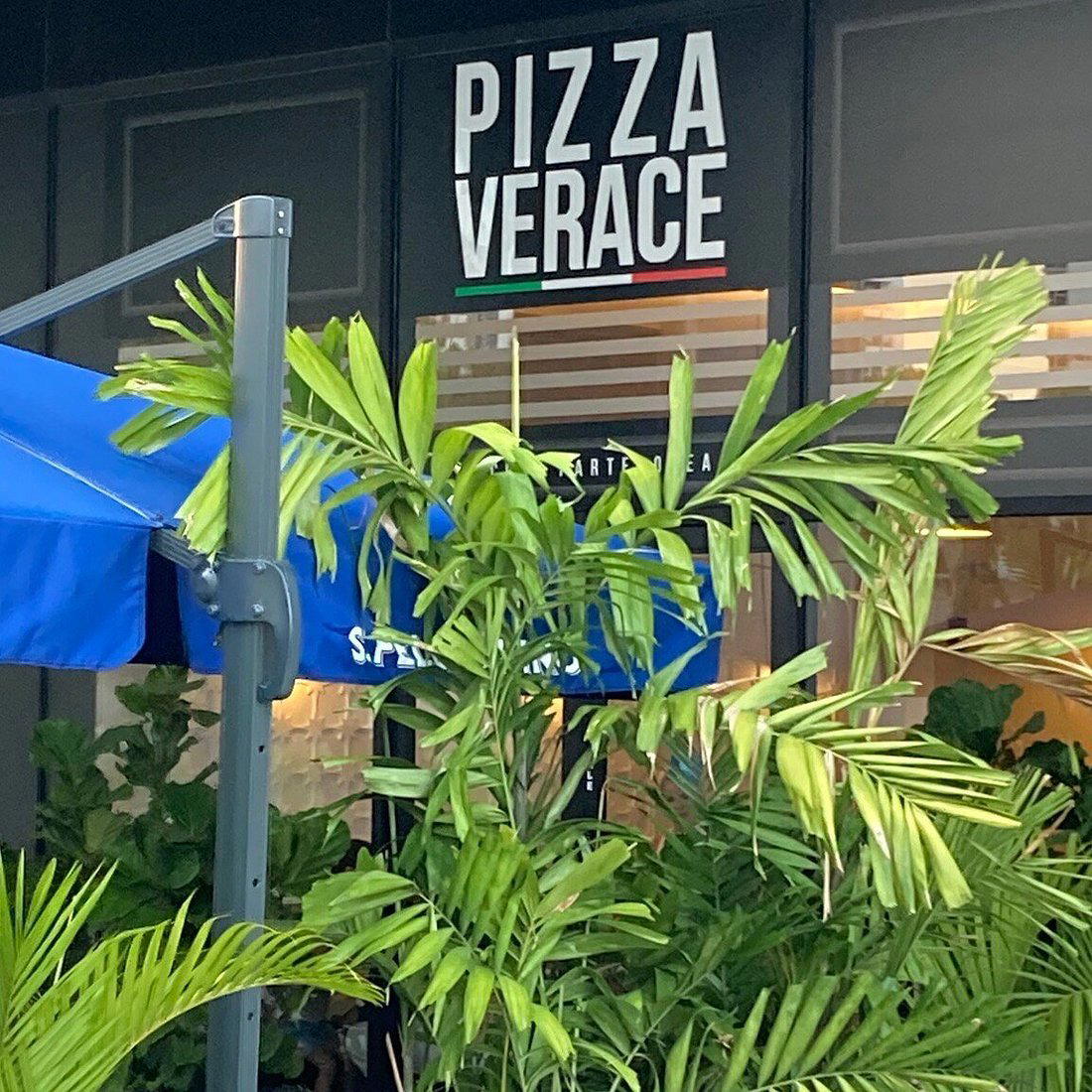
| Pizza Verace | Pizza | Not listed | Not listed |
Continue exploring
More in Panama City
Restaurants in Panama City
Browse all →
Bars in Panama City
Browse all →
At a Glance
- Trendy
- Modern
- Elegant
- Lively
- Date Night
- Special Occasion
- Late Night
- Rooftop
- Open Kitchen
- Craft Cocktails
- Skyline
Current opening hours
- Monday
- 5–11:30 PM
- Tuesday
- 5–11:30 PM
- Wednesday
- 5–11:30 PM
- Thursday
- 5–11 PM
- Friday
- 5–11:30 PM
- Saturday
- 5–11:30 PM
- Sunday
- Closed
Hours can change for holidays and private events. Last verified .
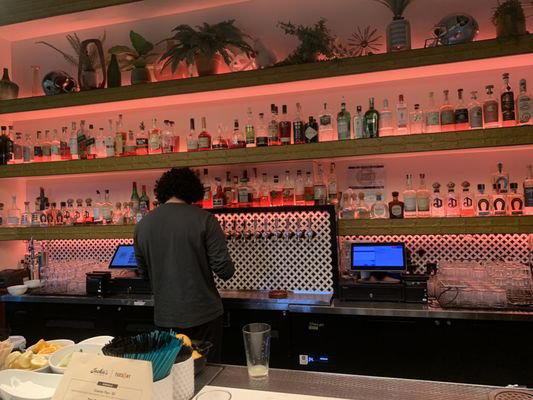
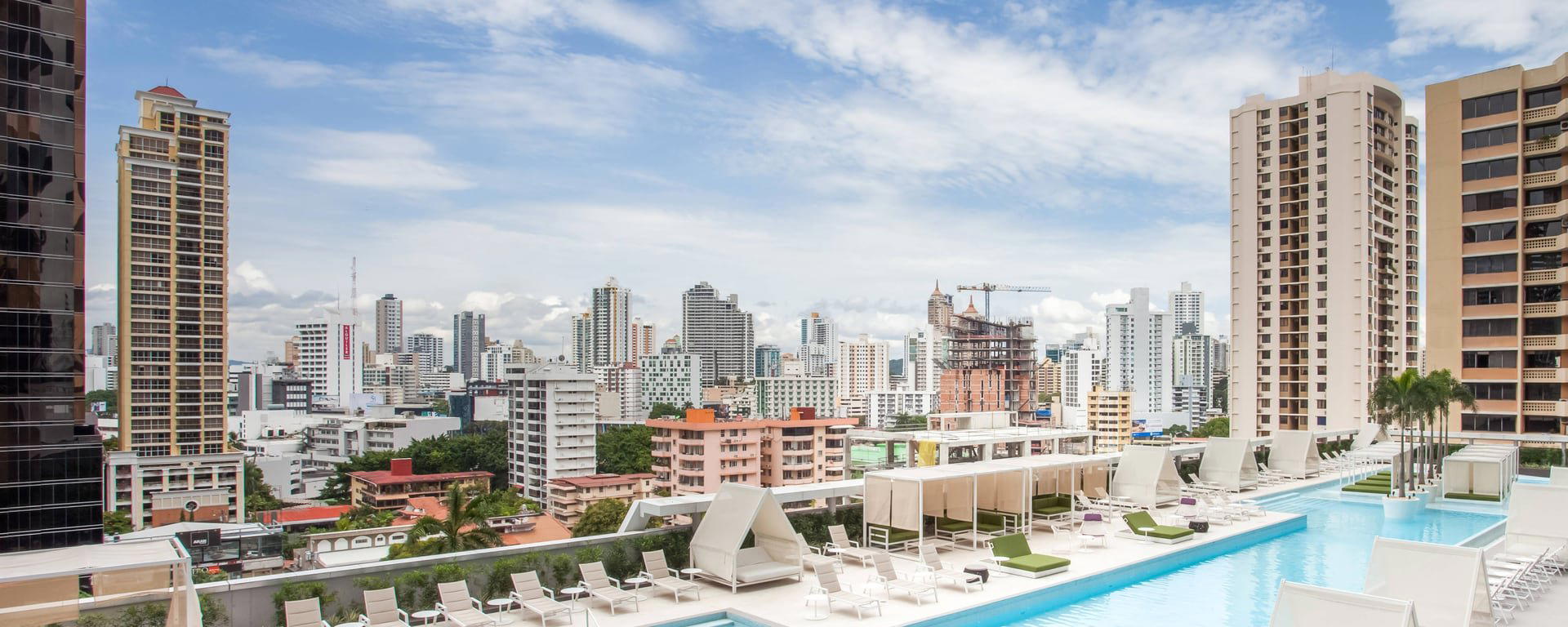
Dark and elegant rooftop space with flickering candles, lively afrobeats, cushy banquettes, breezy terrace, and dramatic skyline views.