Maison de l'Inde
On Avenue Général de Gaulle in Saint-Louis, a town that sits at the junction of France, Germany, and Switzerland, Maison de l'Inde brings Indian cuisine into a border-region dining scene defined by Alsatian tradition. The restaurant's position in this cross-cultural corridor makes it a telling case study in how ingredient sourcing and culinary identity travel across geographies. For travellers passing through the Upper Rhine, it offers a purposeful detour from the region's dominant Flammkuchen-and-Riesling circuit.
Pearl is the En Primeur Club membership app — saves, bookings, and concierge access live there. Same editors, same standards.
- Address
- 60 Av. Général de Gaulle, 68300 Saint-Louis, France
- Phone
- +33953416514
- Website
- maison-de-l-inde.fr
- Directions
- Get directions
 Saves & bookings on Pearl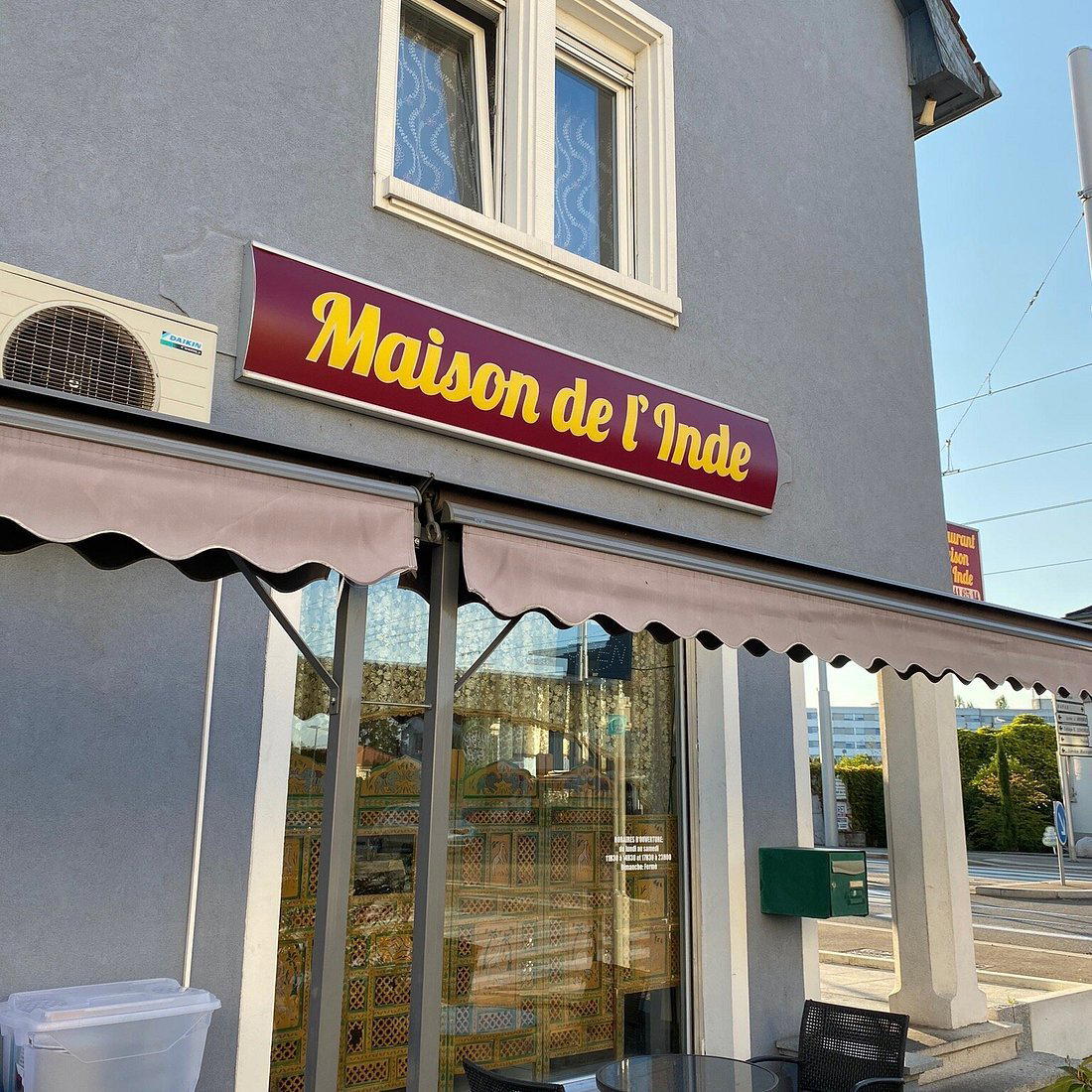
Where Three Borders Meet Indian Spice
Saint-Louis occupies one of the more geographically compressed dining situations in France. The town sits at the corner where France, Germany, and Switzerland converge, with Basel just across the Rhine and a Euroairport shared between three nations a few minutes away. The dominant culinary register here is Alsatian: choucroute, tarte flambée, Munster cheese, and the wines of the Alsace Grand Cru appellation trail. Against that backdrop, Maison de l'Inde on Avenue Général de Gaulle represents something different — a restaurant built around a culinary tradition that travels a very long way from its point of origin, and whose success in translating that tradition depends almost entirely on what happens before anything reaches the kitchen.
Indian cuisine is, at its core, a cuisine of sourcing. The spice architecture that defines it — the turmeric, cumin, coriander, fenugreek, cardamom, and the layered masalas assembled from combinations of these, is geographically rooted in ways that French classical cuisine is not. Where Alsatian cooking draws its identity from local terroir and seasonal produce grown a short drive away, Indian cooking draws much of its depth from ingredients cultivated in specific regions of the subcontinent: Kashmiri chillies for colour without excessive heat, Malabar black pepper, long pepper, and spices whose quality degrades sharply when sourced from generic commercial supply chains. A restaurant serving Indian food far from India is always making implicit sourcing decisions, and those decisions determine whether the result tastes like the tradition or an approximation of it.
The Upper Rhine as a Staging Point
Saint-Louis is not a city that generates significant international restaurant traffic on its own, that distinction belongs to Basel, which draws visitors through Art Basel, the city's major museum collections, and its position as a centre for the pharmaceutical industry. But Saint-Louis functions as a residential and logistical satellite to Basel, and Avenue Général de Gaulle, the road on which Maison de l'Inde operates, is the town's main commercial artery rather than a tourist strip. Restaurants along this corridor serve a local population that crosses between three countries for work, with a level of food sophistication shaped by proximity to Basel's well-developed dining culture.
For context on how diverse the broader Alsace region's restaurant scene has become, the Michelin infrastructure running up from Colmar and Strasbourg to the north includes Auberge de l'Ill in Illhaeusern, which has held three Michelin stars for decades, and Au Crocodile in Strasbourg, one of the city's most enduring fine-dining addresses. That lineage is strong but concentrated in classical French-Alsatian cooking. Indian restaurants in the region occupy a completely different competitive register, serving a demand that the traditional Alsatian restaurant cannot meet. Maison de l'Inde addresses that gap in a market where the nearest comparable options are across the border in Basel.
Travellers who arrive in Saint-Louis via EuroAirport Basel-Mulhouse-Freiburg, a facility that handles over eight million passengers annually and connects the region to London, Paris, and most major European hubs, often find themselves in need of a meal before or after the crossing into Basel proper. The restaurant's position on the main avenue places it within practical reach of that transit corridor, which partly explains how an Indian restaurant earns its footing in a town where the traditional eating culture runs to entirely different flavours.
Indian Cooking Through a European Lens
The challenge facing any Indian restaurant operating outside the subcontinent is one that France's own boundary-crossing restaurant tradition understands well. When Mirazur in Menton built its reputation on Mediterranean coastal produce and Mauro Colagreco's Argentine-Italian-French synthesis, or when AM par Alexandre Mazzia in Marseille drew on Congolese childhood memory to inflect southern French cooking, the critical question was always whether the sourcing and technique could carry the intention. The same holds for Indian cooking in Alsace: spices that have been sitting in a wholesale warehouse for six months will not produce the same result as freshly ground spices from a specialist importer. The gap is legible to anyone who has eaten in India or at the better Indian tables in London, Paris, or New York.
London's Indian restaurant scene offers the most relevant European reference point. The density of high-quality Indian cooking in that city, from regional Keralan fish curry to Awadhi dum biryani, is built on decades of diaspora-led sourcing infrastructure: specialist importers, direct relationships with farms in Gujarat and Tamil Nadu, and a customer base discerning enough to notice when something is wrong. France's Indian restaurant network is thinner, and Alsace is far from the Parisian concentration that gives the capital access to better-developed supply chains. What Maison de l'Inde does with that constraint is the operative question for any visit.
Planning a Visit
Maison de l'Inde sits at 60 Avenue Général de Gaulle in Saint-Louis, a short drive from the French side of EuroAirport and accessible by tram from Basel city centre via the Basel-Saint-Louis tram line, which crosses the border and connects the two towns with reasonable frequency. For travellers based in Basel looking for Indian food on the French side, this transit link removes the need for a car. Booking and hours information should be confirmed directly with the restaurant before arrival, as no current details are available through third-party channels. Given that Saint-Louis is a small town rather than a major dining destination, walk-in availability is more likely here than at comparable restaurants in Basel or Strasbourg, though weekend evenings may be more pressured.
For those building a broader Alsace itinerary, the region's dining calendar runs most actively from spring through autumn, when the vineyards along the Route des Vins are accessible and the summer markets in Colmar and Strasbourg are in operation. Saint-Louis is a logical overnight stop when crossing between France and Switzerland. The full picture of what Saint-Louis offers across cuisine types is covered in our Saint-Louis restaurants guide, which also includes La Case Pitey for French Creole cooking and Yam for Thai, two other non-Alsatian alternatives in the same corridor.
For context on the wider French fine-dining circuit, EP Club covers addresses from Flocons de Sel in Megève to Bras in Laguiole, Troisgros - Le Bois sans Feuilles in Ouches, and Auberge du Vieux Puits in Fontjoncouse, as well as international tables such as Le Bernardin in New York City and Atomix in New York City for comparative reference on how global culinary traditions travel.
How Maison de l'Inde Saint-Louis: Hours and Planning compares with similar nearby venues.
| Venue | Cuisine | Price |
|---|---|---|
| Yam | Thai | €€ |
Continue exploring
More in Saint-Louis
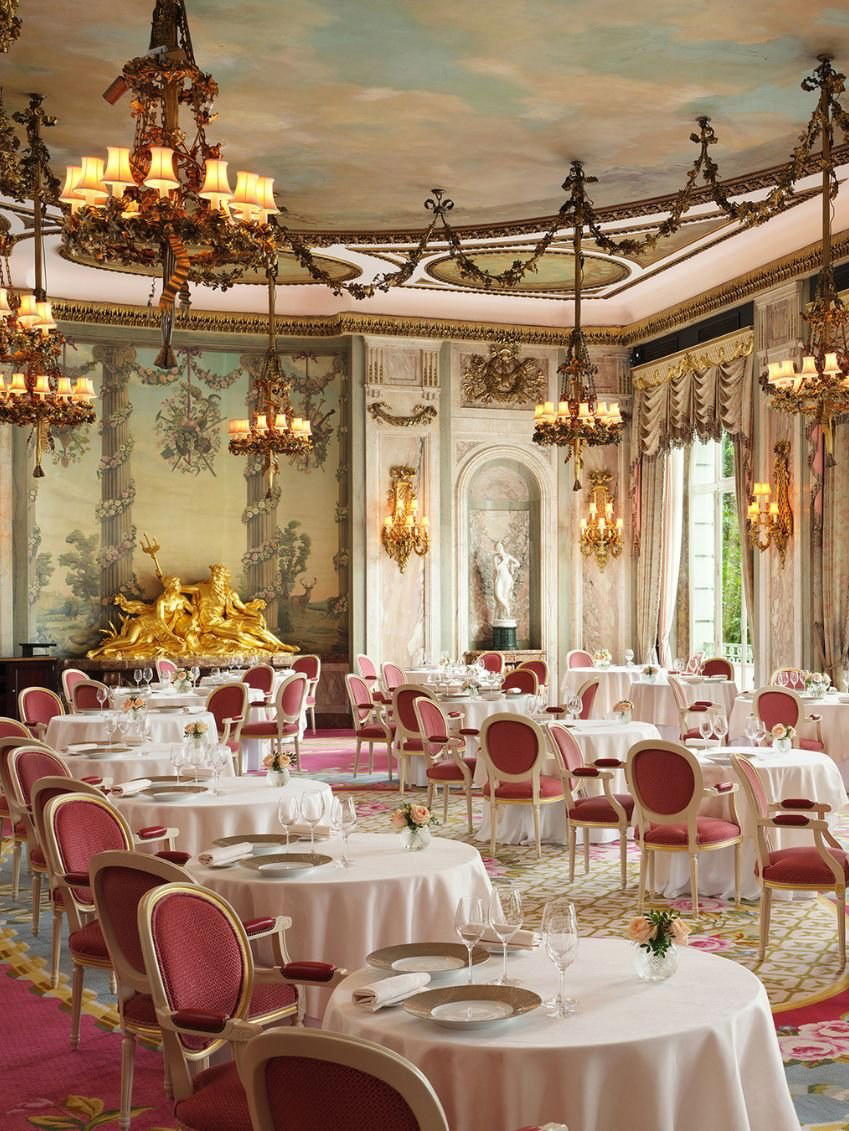
Restaurants in Saint-Louis
Browse all →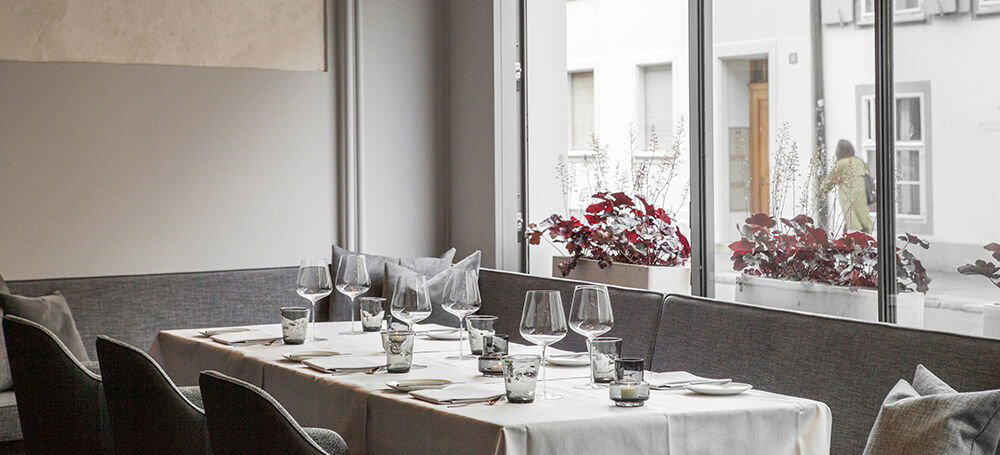
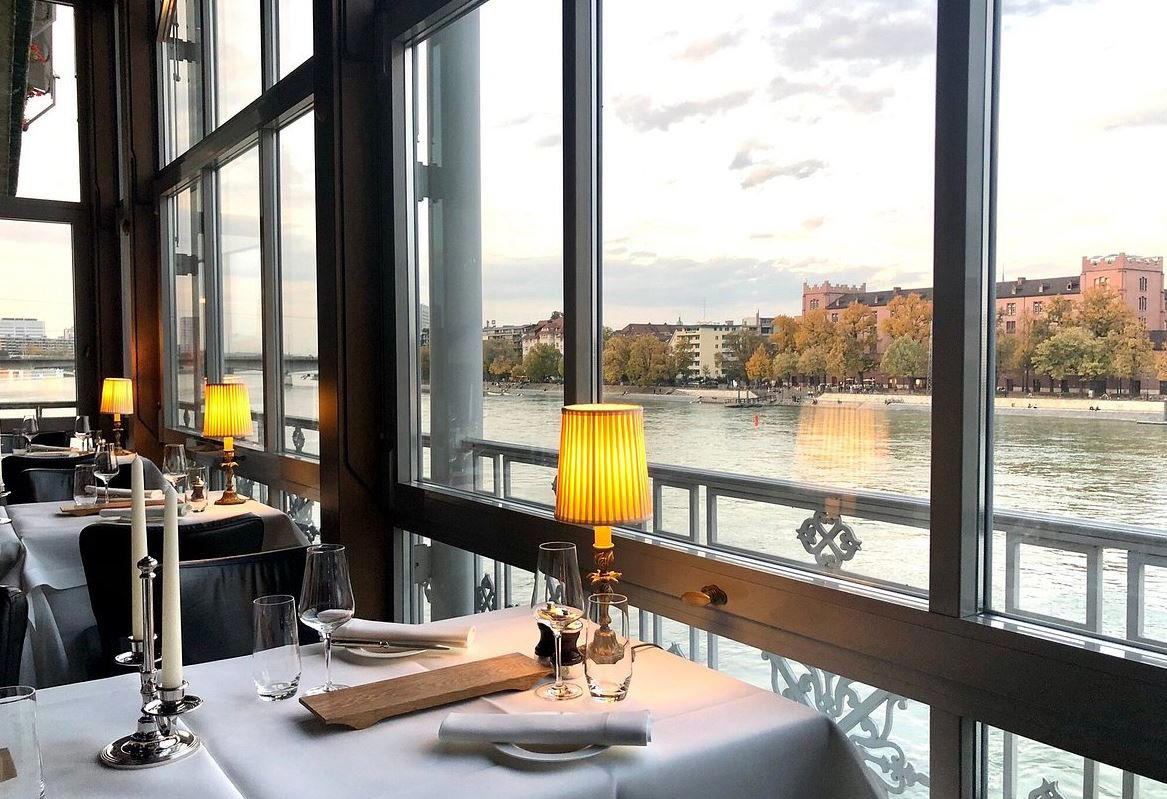
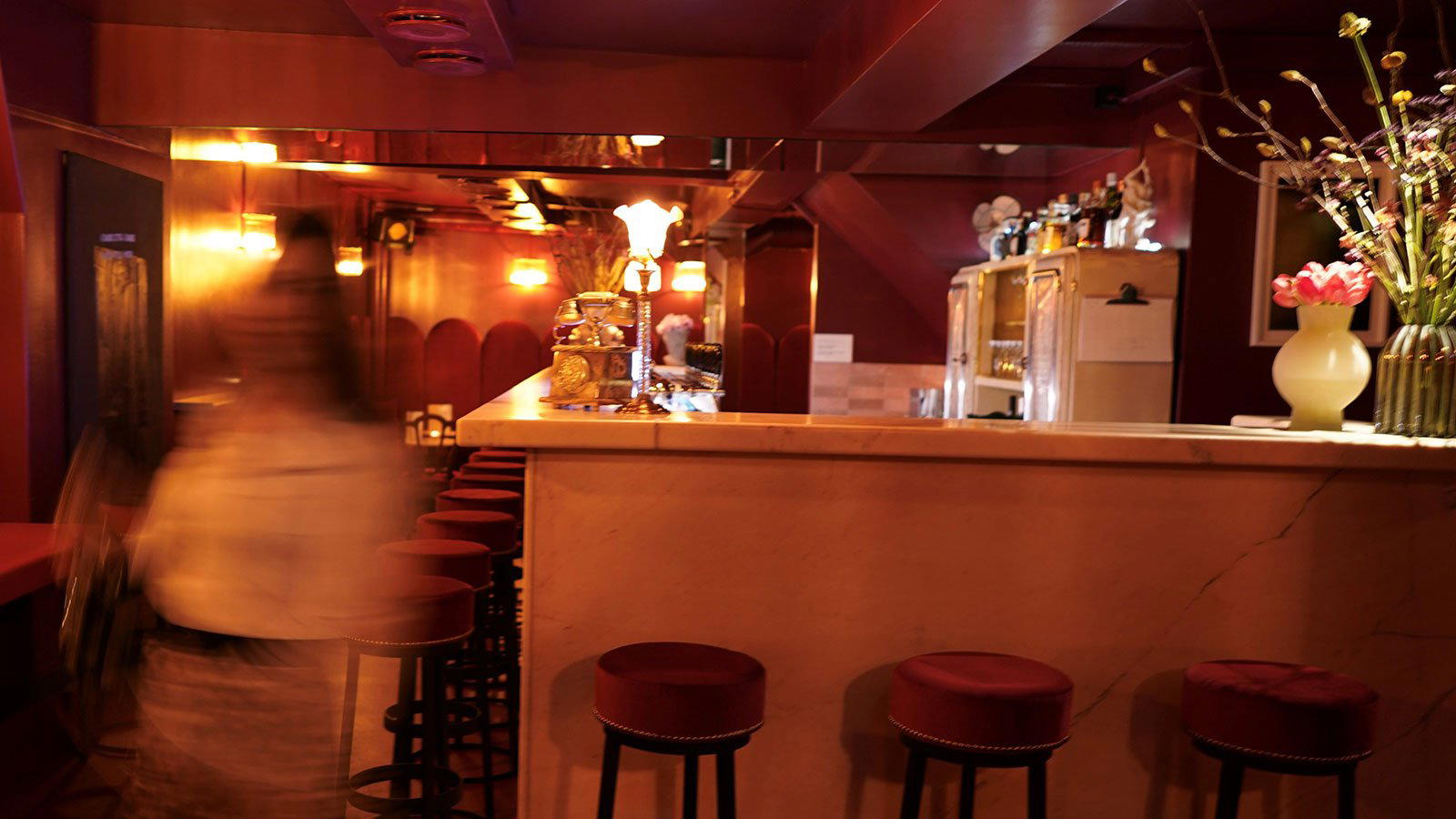
Bars in Saint-Louis
Browse all →
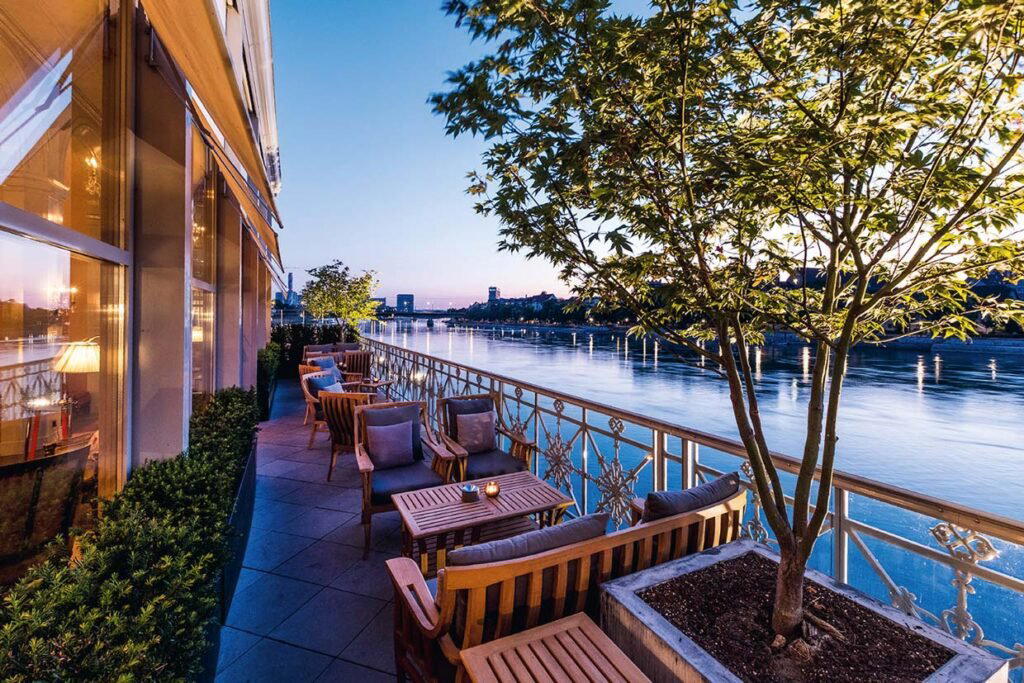
Hotels in Saint-Louis
Browse all →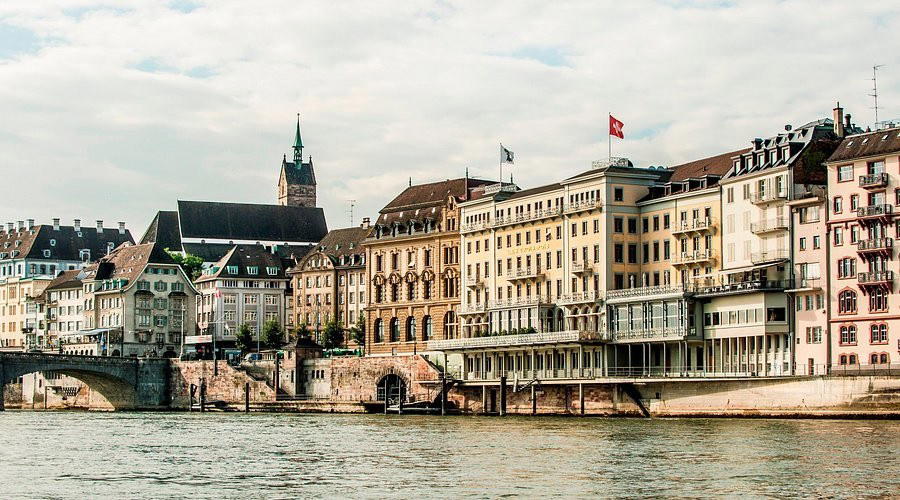

At a Glance
- Cozy
- Classic
- Family
- Casual Hangout
Current opening hours
- Monday
- 11:30 AM–2:30 PM, 5:30–10 PM
- Tuesday
- 11:30 AM–2:30 PM, 5:30–10 PM
- Wednesday
- 11:30 AM–2:30 PM, 5:30–10 PM
- Thursday
- 11:30 AM–2:30 PM, 5:30–10 PM
- Friday
- 11:30 AM–2:30 PM, 5:30–11 PM
- Saturday
- 11:30 AM–2:30 PM, 5:30–11 PM
- Sunday
- Closed
Hours can change for holidays and private events. Last verified .
Family-style setting described as feeling like home, though some note it can feel a bit cold temperature-wise.
Know Before You Go
- Getting there
- 60 Av. Général de Gaulle, 68300 Saint-Louis, France