La Case Pitey

La Liste Top Restaurants
Our verdict
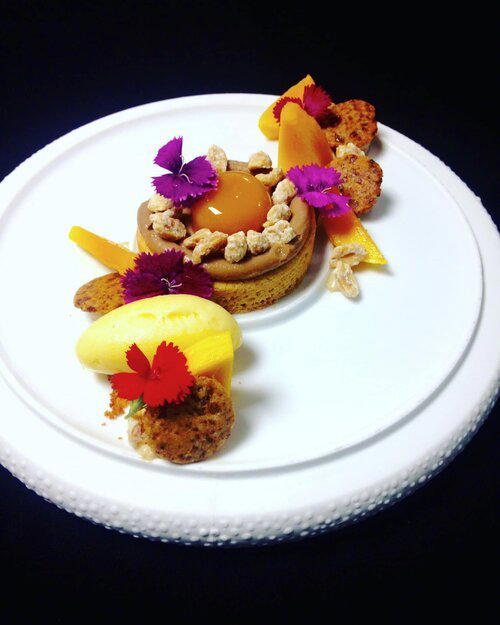
La Case Pitey brings French Creole cooking to Saint-Louis with enough seriousness to earn a place on La Liste's 2025 global ranking at 75.5 points. Rooted in Réunion's layered culinary tradition, where French technique meets the island's Indian, African, and Malagasy ingredient heritage, the kitchen positions itself among the island's most considered dining addresses.

Pearl is the En Primeur Club membership app, where members save venues, book tables and use the concierge.
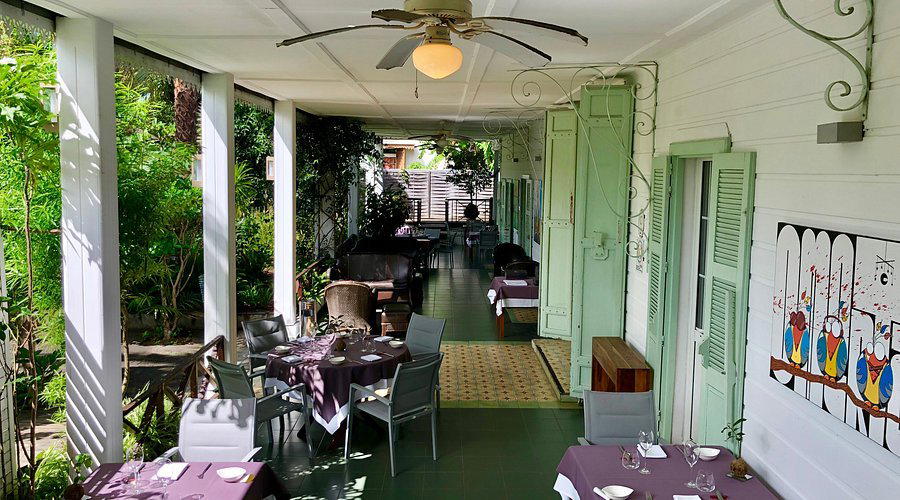
Where the Island's Larder Meets the Plate
Saint-Louis sits on Réunion's southwest coast, away from the tourist infrastructure concentrated around Saint-Gilles and the northern shoreline. The town's dining scene is quieter for it, and that quietness is part of what allows a restaurant like La Case Pitey to operate on its own terms rather than against a backdrop of resort-oriented menus. Arriving here, you are in a working Réunionese town where the cooking on offer reflects what the island actually eats and grows, not what a visiting clientele expects to find.
French Creole cuisine, the category La Case Pitey works within, is one of the more compositionally complex regional traditions in the French-speaking world. It draws simultaneously on metropolitan French technique, Indian spicing brought by laborers during the colonial period, African and Malagasy ingredient traditions, and the specific produce of a volcanic island where altitude, rainfall, and soil type shift dramatically across short distances. The result is a cuisine that resists easy summary: it is neither French cooking with tropical garnish nor a preserved folk tradition, but something that has been actively constructed from multiple inheritances and continues to evolve.
Réunion's Culinary Position in a Global Frame
La Liste's 2025 ranking places La Case Pitey at 75.5 points, a score that positions it within the lower-to-mid tier of a global index that includes addresses like Alain Ducasse's Louis XV in Monte Carlo, Alléno Paris au Pavillon Ledoyen, and Le Bernardin in New York City at the upper end. The significance of the listing is less about the score itself and more about what it signals: a kitchen in a secondary town on a French overseas territory, cooking a regional cuisine that rarely receives international critical attention, has been judged worthy of inclusion in a list built on aggregated critical consensus. That is a meaningful credential for a restaurant working outside the usual circuits of fine dining recognition.
LAtelier de Ben in Saint-Denis takes a French fusion approach in the island's capital. La Case Pitey's positioning in Saint-Louis, with its stronger Creole identity and distance from the capital's dining concentration, gives it a distinct character within that regional conversation.
Land, Sea, and the French Creole Kitchen
Réunion's geography is the underlying argument of its cuisine. The island rises from sea level to over 3,000 metres within a short horizontal distance, which means that vanilla, turmeric, ginger, and chillies grow in conditions quite different from the seafood available along the coast. French Creole cooking at its most considered is built on an understanding of those vertical and horizontal differences: what the highlands produce, what the coast provides, and how the two can be brought into productive tension on a single plate.
The tradition of the rougail, a cooked or raw relish built around tomatoes, onions, and typically salt fish, ginger, or sausage, is one of the defining preparations of the island's table. It is also an index of sourcing intelligence: a rougail made with local smoked fish and fresh garden tomatoes tells a different story from one assembled from imported ingredients. Similarly, the island's caris, curry-adjacent dishes that arrived with Indian workers in the nineteenth century, have been so thoroughly absorbed into Réunionese domestic cooking that they now function as markers of local identity rather than imported tradition. A kitchen engaging with these preparations seriously is engaging with the full depth of what the island's larder represents.
The 4.4 and What It Reflects
For a restaurant in a secondary town, that review base also suggests a meaningful draw from beyond the immediate neighbourhood, which in turn implies that the cooking is offering something beyond convenience.
For context, restaurants at the sharper end of the global recognition scale, places like Atomix in New York City, Alinea in Chicago, or Amber in Hong Kong, tend to attract scrutiny that can complicate aggregate ratings. La Case Pitey's 4.4 operates in a different register: it is a signal of community trust in a specific regional context rather than a metric being watched by an international critical audience. Both kinds of recognition matter; they measure different things.
Planning Your Visit
Saint-Louis is accessible from Saint-Denis via the Route des Tamarins, Réunion's western expressway, which puts the town roughly within driving range of the island's main hotel concentration. Visitors staying in Saint-Leu or along the western coast will find Saint-Louis a short drive south. Given the La Liste recognition and the relatively small scale of Réunion's higher-end dining market, booking ahead is advisable, particularly for weekend evenings.
For a fuller picture of the island's dining options, our full Saint-Louis restaurants guide covers the town's broader scene, while those planning across the island will find useful context in our Saint-Louis hotels guide, bars guide, wineries guide, and experiences guide. If your itinerary includes the western coast, Yam, a Thai address in Saint-Louis, represents a different register of the town's dining offer. For those exploring the global comparators in La Liste's 2025 cohort, Lazy Bear in San Francisco, Emeril's in New Orleans, and 8½ Otto e Mezzo Bombana in Hong Kong all appear within the same broad tier of that ranking.
Frequently asked questions
What kind of recognition has La Case Pitey received?
La Case Pitey has received recognition including: La Liste Top Restaurants (2025): 75.5pts.
What dish is La Case Pitey famous for?
La Case Pitey's kitchen works within the French Creole tradition of Réunion, a cuisine built around locally sourced ingredients from both the island's volcanic interior and its coastline. No single signature dish is documented in published sources, but the French Creole canon typically centres on slow-cooked rougail, cari, and preparations that reflect the island's Indian Ocean spice history. The La Liste 2025 score of 75.5 points indicates a kitchen with consistent technique rather than a single showpiece. For current menu specifics, visiting directly in Saint-Louis is the most reliable approach.
How do I find La Case Pitey?
La Case Pitey is located at La Case Pitey, Saint-Louis, RE, France, Saint-Louis.
Comparison Snapshot
Comparable venues nearby, for context on price, style, and recognition.
| Venue | Cuisine | Price | Awards | Notes |
|---|---|---|---|---|
| La Case PiteyThis venue (the venue you are viewing) | Modern Creole Gastronomic Omakase | $50–100 | La Liste Top Restaurants | Not listed |
| Blue Margouillat - L'Eveil des Sens | French Gastronomic with Tropical Fusion | $50–100 | La Liste Top Restaurants · Relais Chateaux Award | Saint-Leu |
| LAtelier de Ben | French Fusion with Réunion Influences | $50–100 | La Liste Top Restaurants | centre ville |
| Villa Fleurié | Contemporary French with Réunion Flavors | $50–100 | La Liste Top Restaurants | Bellepierre |
| LAmbéric | Cuisine Créole Réunionnaise | Not listed | La Liste Top Restaurants | Trois Mares |
Recognition history
Dated appearances from independent guides and award organizations, with the underlying list record or original source where available.
La Liste Top Restaurants
La Liste
Continue exploring
More in Saint-Louis
Restaurants in Saint-Louis
All restaurants in Saint-Louis →
La Case Pitey
The wine
- Wine program
- Deep wine list
- Extensive wine list
Details
- Cozy
- Elegant
- Rustic
- Intimate
- Sophisticated
- Date Night
- Special Occasion
- Terrace
- Historic Building
- Extensive Wine List
- Local Sourcing
- Garden
- Tasting Menu
- Omakase
- Vegetarian Friendly
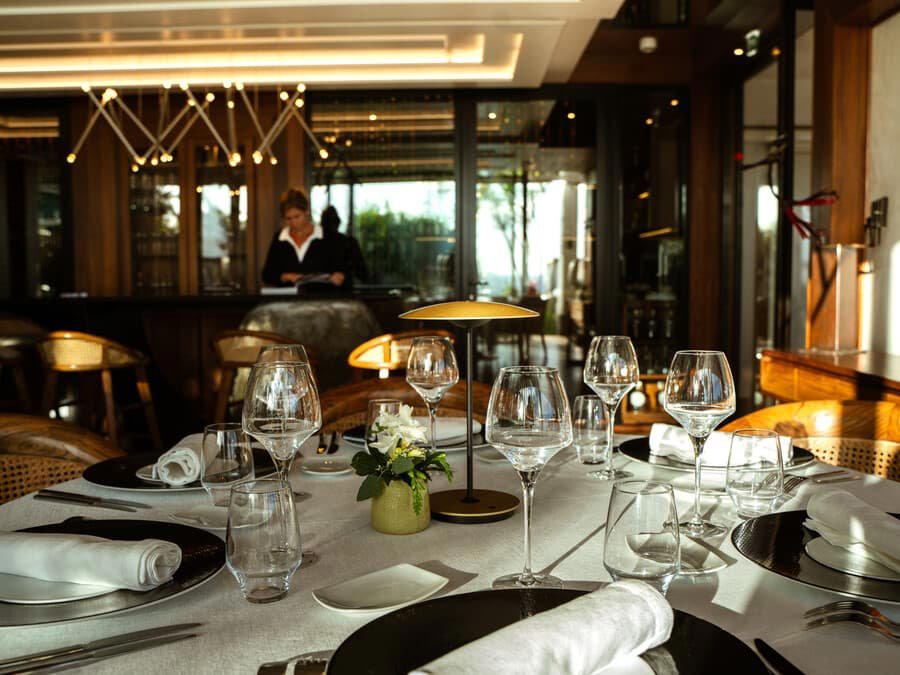
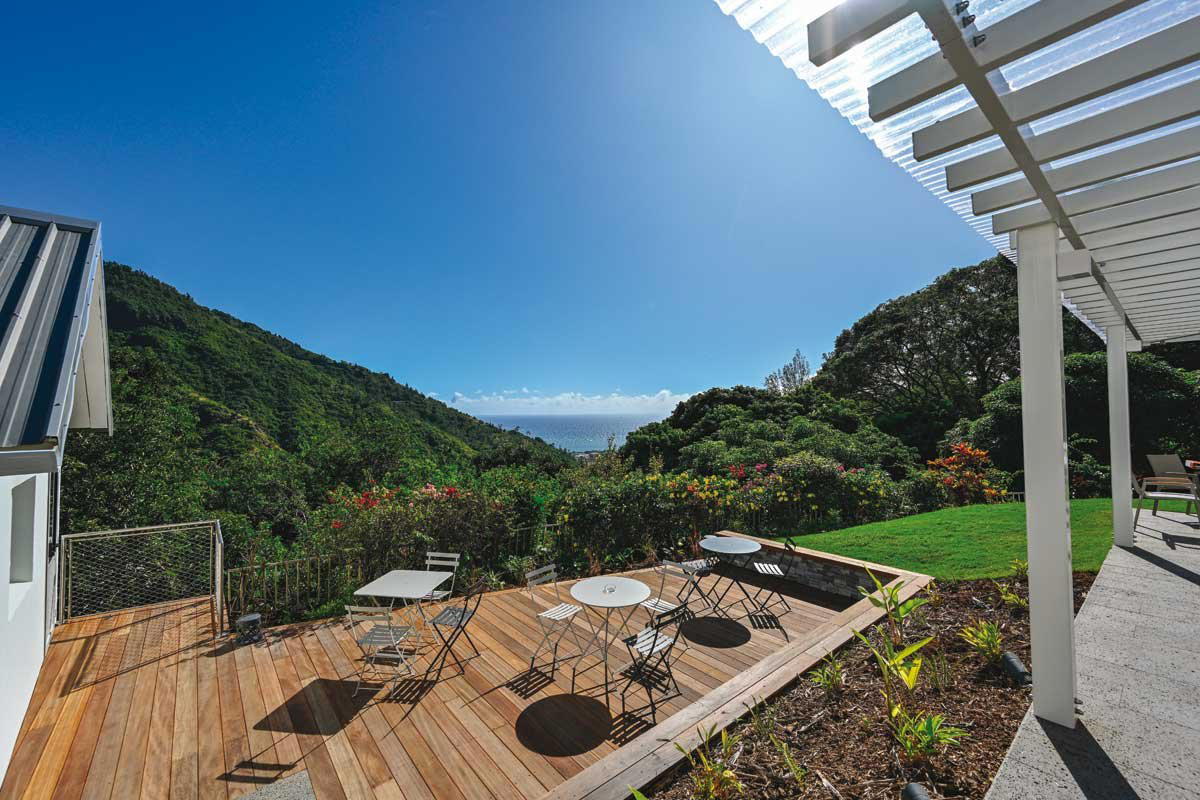
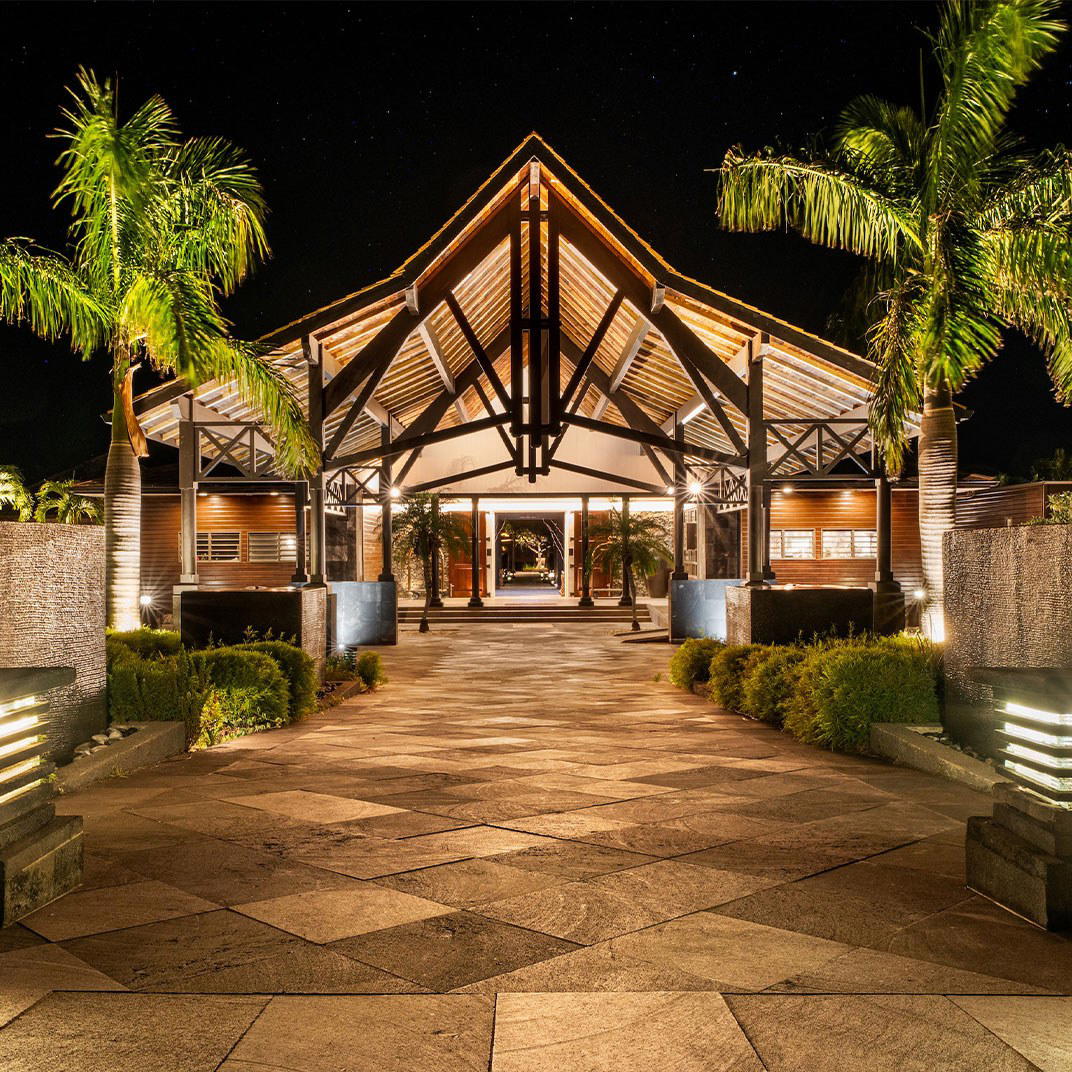
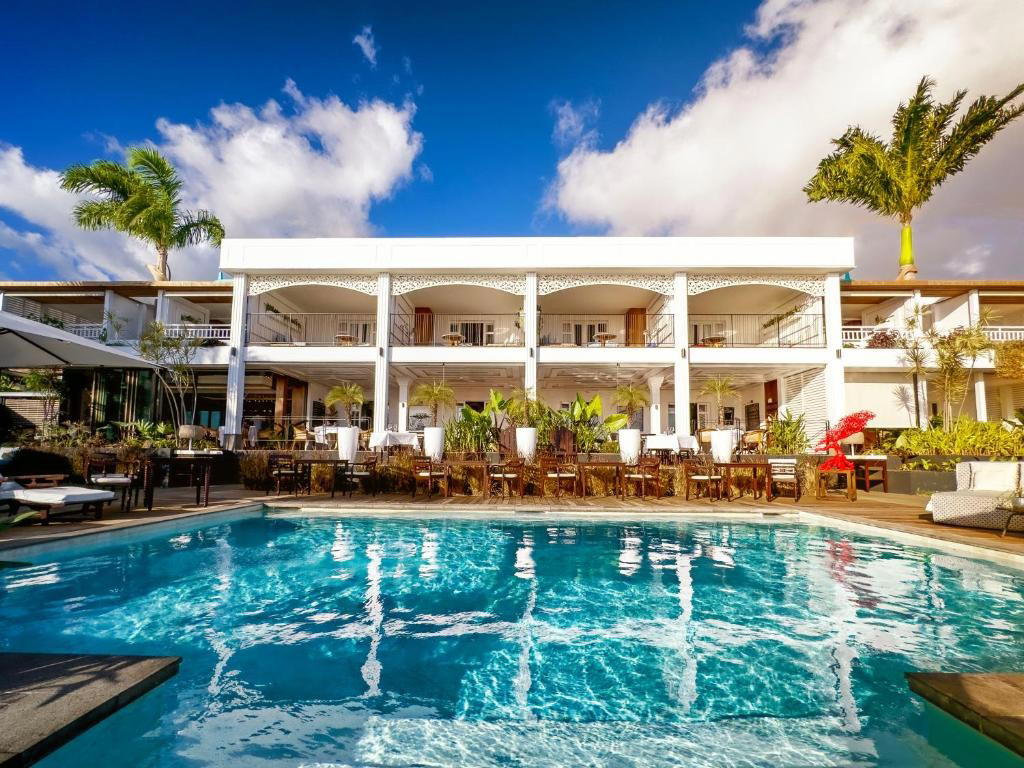
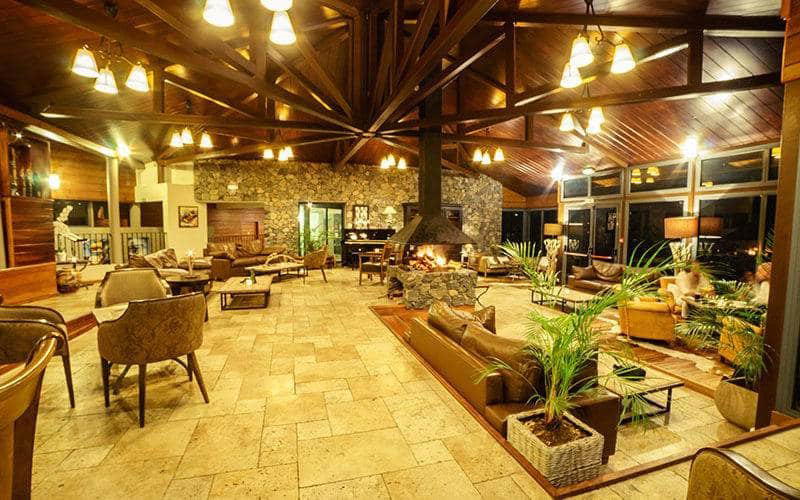
Warm and soothing atmosphere in a charming Creole house with modern decor, terrace surrounded by vegetation, and a calm, apaisant environment.