Madame occupies a ground-floor address on Carrer d'En Robador, one of the Raval's most historically charged streets, placing it at the intersection of Barcelona's working-class immigrant past and its current wave of neighbourhood reinvention. The venue sits in Ciutat Vella, where the dining conversation has shifted considerably over the past decade from tourist-facing fare to locally anchored, culturally specific cooking. For visitors already familiar with Barcelona's upper tier, this is a street-level counterpoint worth understanding.
Pearl is the En Primeur Club membership app — saves, bookings, and concierge access live there. Same editors, same standards.
- Address
- Carrer d'En Robador, 22, Bajo A, Ciutat Vella, 08001 Barcelona, Spain
- Phone
- +34937608449
- Website
- madamefusion.com
- Directions
- Get directions
 Saves & bookings on Pearl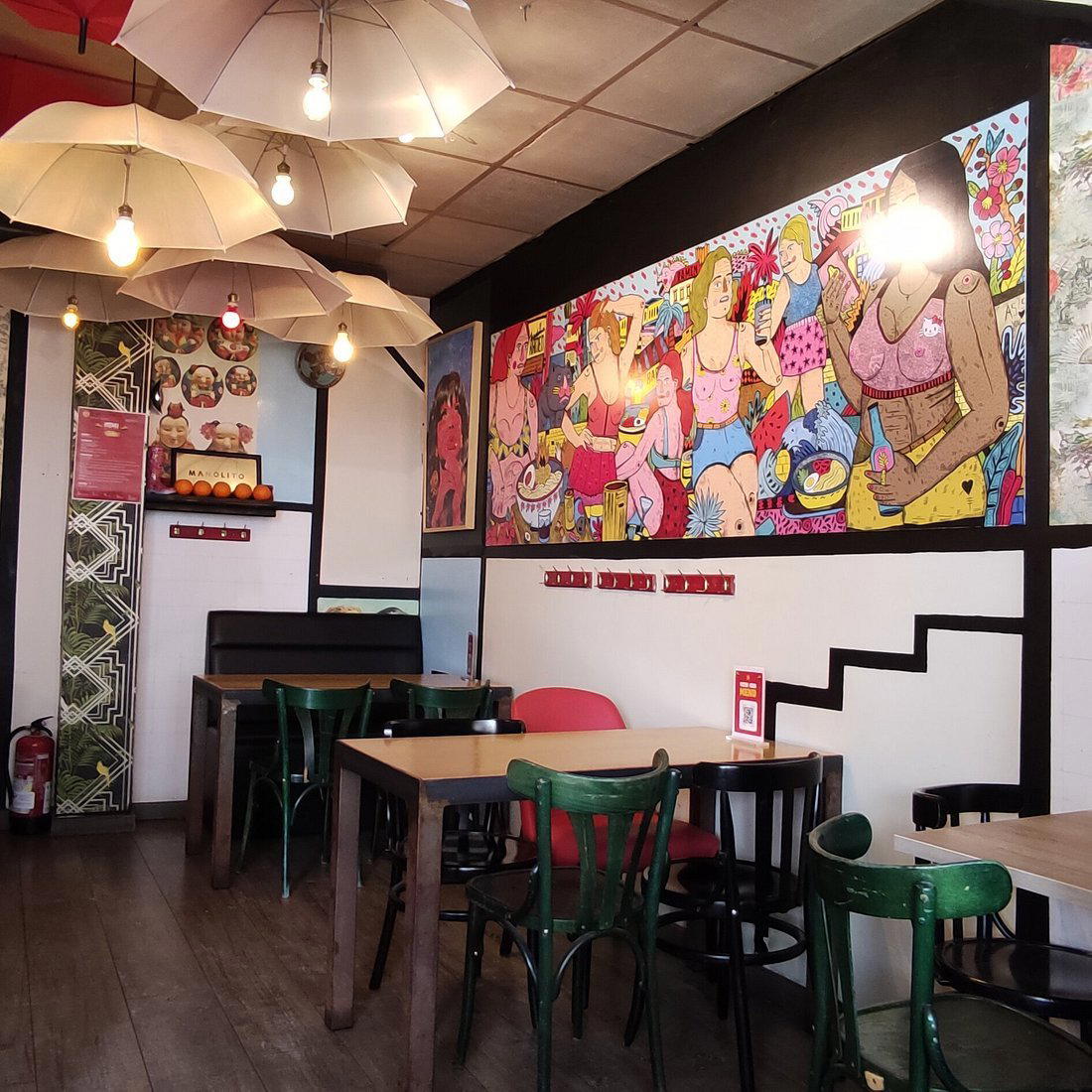
Raval's Charge: What Carrer d'En Robador Tells You Before You Walk In
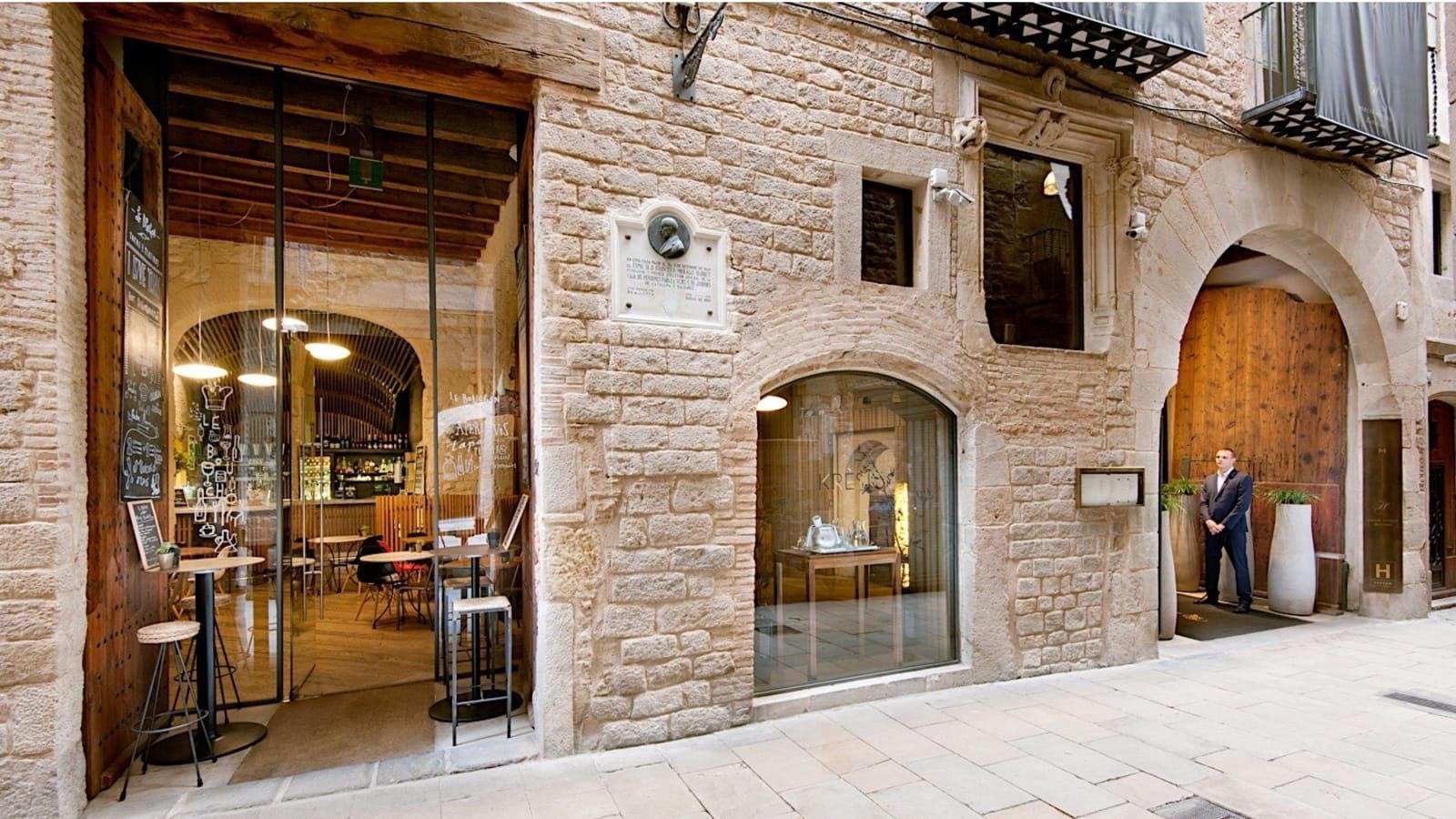
The approach to any address on Carrer d'En Robador gives you context that no menu description can. This narrow artery in the Raval has cycled through identities with unusual speed, red-light district, immigrant quarter, artist enclave, gentrification flashpoint, and it carries all of those layers simultaneously. A restaurant choosing this address in Ciutat Vella sits inside a street-level, neighborhood setting. The neighbourhood's density of North African grocers, South Asian tea houses, and long-standing Spanish bodegas creates a cultural plurality that has no real equivalent in the Eixample or along the waterfront. Madame, at number 22, takes up ground-floor space in that conversation.
Barcelona's dining geography has a familiar hierarchy. The city's most decorated addresses, Disfrutar, Cocina Hermanos Torres, ABaC, Lasarte, and Enigma, sit in the upper reaches of the Eixample or in purpose-built spaces designed to signal separation from the street. The Raval operates differently. It has never positioned itself as a luxury dining quarter, which is precisely what makes a venue like Madame worth reading in its own terms. The area's hospitality culture has historically prioritized access over ambition.
The Cultural Logic of the Raval Table
Spain's broader dining tradition has long drawn its strength from the relationship between place and produce, between the coastal, the highland, and the agricultural interior. That tradition is well-documented at the country's upper tier: El Celler de Can Roca in Girona synthesises Catalan roots with technical ambition; Arzak in San Sebastián builds on Basque terroir; Aponiente in El Puerto de Santa María centres Andalusian marine identity. Further up the ambition register, Martin Berasategui in Lasarte-Oria, Mugaritz in Errenteria, Azurmendi in Larrabetzu, Quique Dacosta in Dénia, and Ricard Camarena in València each occupy specific regional identities. At the Madrid end, DiverXO and Atrio in Cáceres anchor a different axis of Spanish fine dining. What binds all of them is the sense that the table is an extension of a specific place. Street-level venues in Raval operate from a different but related logic: the neighbourhood's cultural plurality becomes the ingredient list.
Raval's food culture reflects the immigration patterns that reshaped Barcelona from the mid-twentieth century onward. Moroccan, Pakistani, Filipino, and Latin American communities each brought food traditions that have, over decades, begun to cross-pollinate with Catalan and Spanish frameworks. Interesting dining happening in this quarter does not try to tidy that complexity into a singular concept. It sits inside it. The address alone situates it within this layered cultural field.
Comparing Registers: What Raval Offers That the Eixample Doesn't
A useful frame for understanding where Madame sits comes from comparing what Barcelona's upper-tier dining circuit does versus what a Raval address does by default. Restaurants like Lasarte and Disfrutar operate inside deliberate formal structures, tasting menus, set seatings, advance booking windows that can run months out, and price at levels (typically €€€€) that select their audience before anyone arrives. Their comparison set is international: Le Bernardin in New York City and Atomix in New York City sit in an analogous bracket in their own market. The Raval's dining register is almost structurally opposed to this. Informality is ambient here, not performed. The street has no pretension to project because it has never needed to compete on those terms.
That distinction matters for the visitor making dining decisions across a Barcelona trip. The question is not which tier is better but which register suits which moment. A multi-course progression at a Michelin-decorated house in the Eixample delivers something specific: technical precision, service cadence, narrative structure. An evening in the Raval, on a street like Robador, delivers something else: proximity to a living neighbourhood rather than a curated hospitality bubble. Both are valid. A well-structured trip makes room for both.
Planning a Visit
Carrer d'En Robador runs through the lower Raval, parallel to La Rambla but separated from its tourist density by two or three blocks. The area is walkable from the Liceu and Drassanes metro stops. The street itself is compact and leading approached on foot; the building numbers are low, placing number 22 close to the southern end of the block. Visitors arriving from the Eixample or Gràcia will find the area noticeably different in tempo and in the character of what lines the street. That shift is the point. The Raval at ground level rewards attention paid to what is actually there rather than what the city's hospitality industry frames for external consumption.
Madame's reservation policy is recommended, and the menu sits in Barcelona's moderate price tier. What the address itself confirms is the neighbourhood frame: Ciutat Vella, lower Raval, a block with significant cultural density and a dining scene that skews toward the specific and locally embedded rather than the internationally marketed.
- Croquetas de shiitake
- Gyozas gambas y pulpo
- Ramen de soja al Jerez
- Ramen doble miso al Jerez
- Ramen vegetariano con miso
- Ceviche de salmón y mango
Quick Comparison
Comparable venues nearby, for context on price, style, and recognition.
| Venue | Cuisine | Price | Notes |
|---|---|---|---|
| MadameThis venue — the venue you are viewing | Modern Japanese Ramen | $$ | Not listed |
| Koku Kitchen Buns | Japanese Bao Buns and Ramen | $$ | El Born |
| Kak Koy | Japanese-Catalan Fusion Robatayaki | $$$ | Barri Gotic |
| Nomo Galvany | Modern Japanese Sushi | $$$ | Sant Gervasi - Galvany |
| Monster Sushi | Modern Japanese Sushi & Izakaya | $$$ | la Vila de Gracia |
| Koikoi Sushi | Japanese Sushi Fusion | $$ | el Baix Guinardo |
Continue exploring
More in Barcelona
Restaurants in Barcelona
Browse all →
Bars in Barcelona
Browse all →
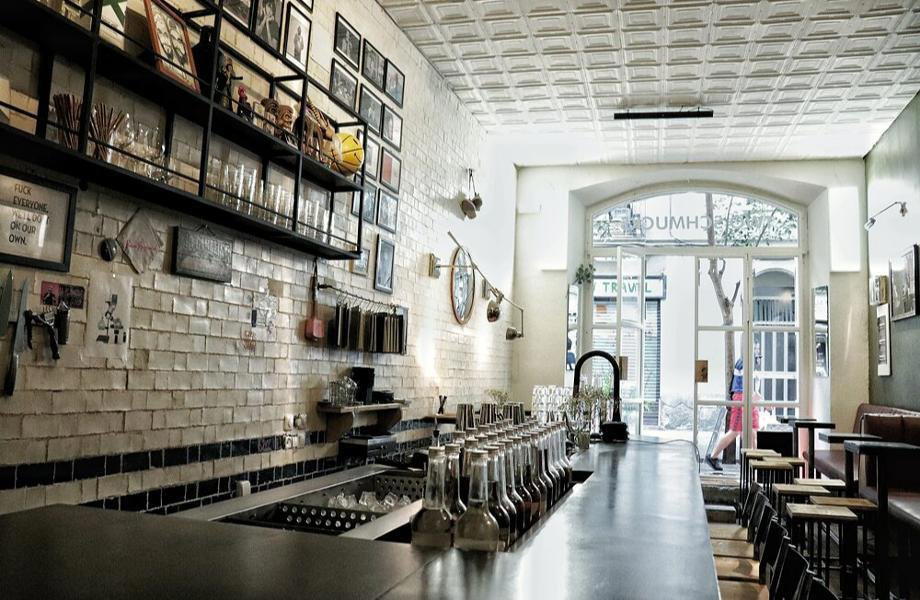
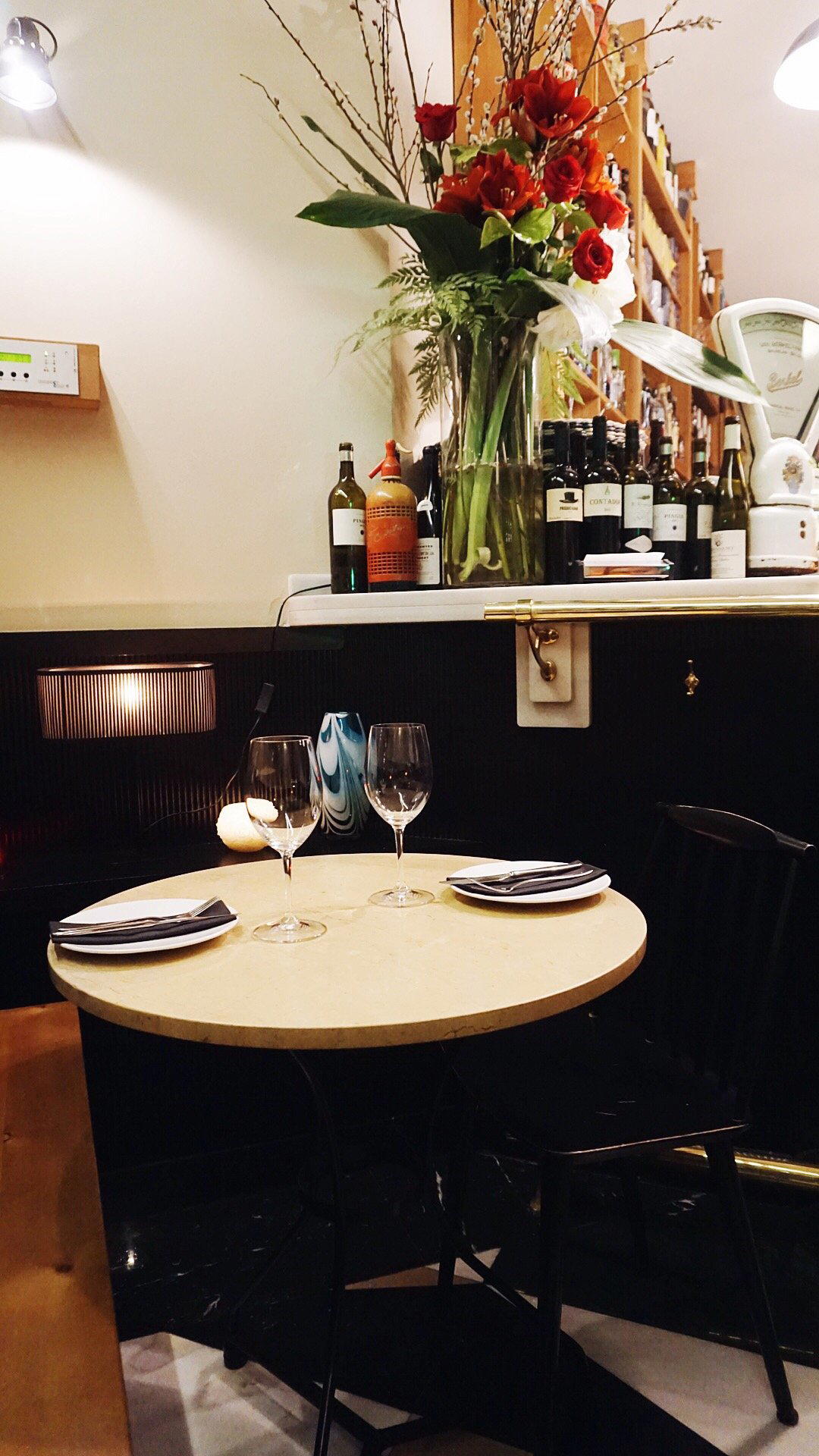
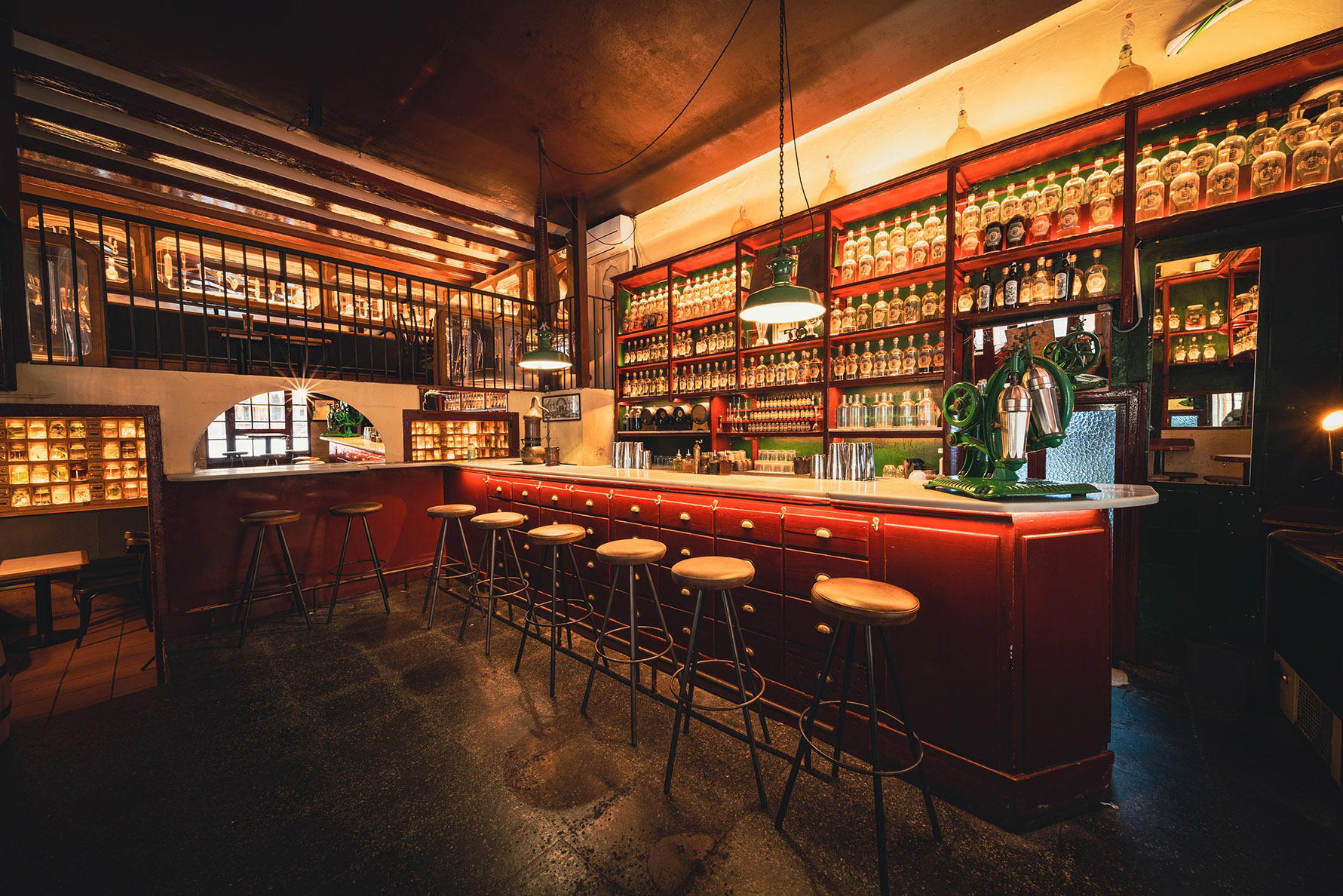
Hotels in Barcelona
Browse all →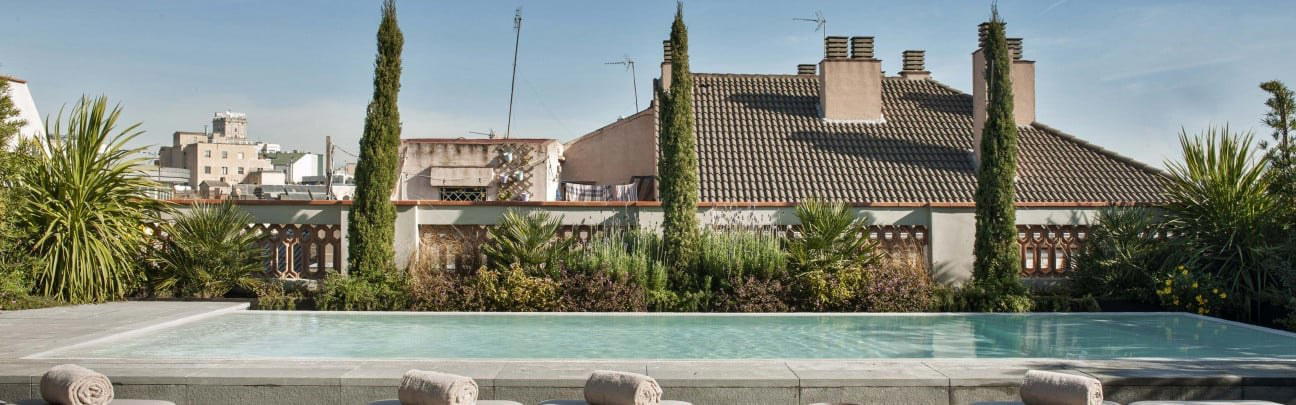
At a Glance
- Cozy
- Trendy
- Bohemian
- Casual Hangout
- Group Dining
- Date Night
- Standalone
- Design Destination
A pleasant, informal refuge from the bustle of central Barcelona, decorated with original Asian-inspired and eclectic artistic touches.