Ma'am Saab
Our verdict
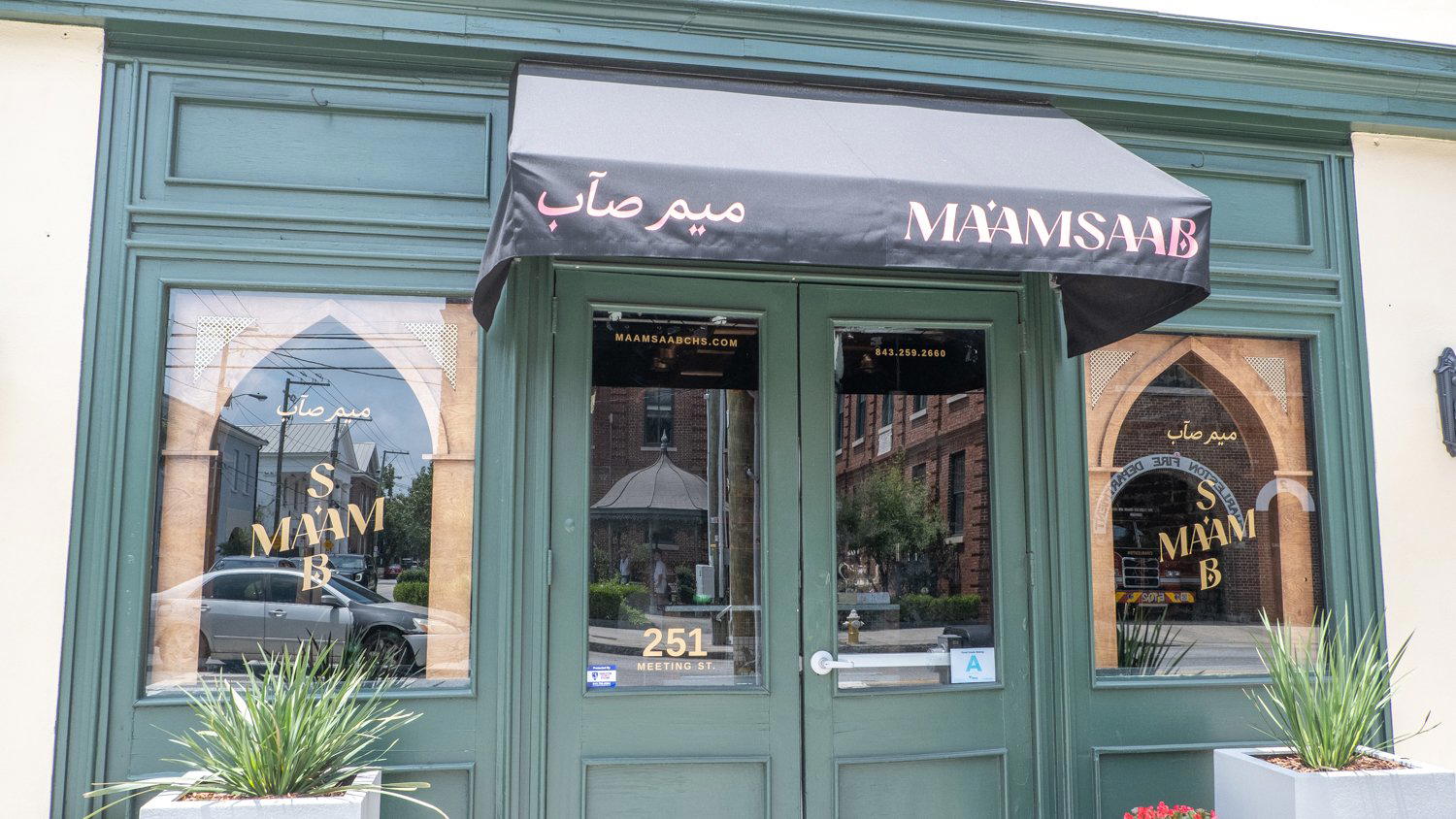
Indian cuisine occupies a specific and often underserved position in Charleston's dining scene, and Ma'am Saab on Meeting Street addresses that gap directly. Situated in a city whose restaurant identity skews heavily toward Lowcountry traditions and New American refinement, this address brings a different culinary register to one of the South's most food-focused cities.

Pearl is the En Primeur Club membership app — saves, bookings, and concierge access live there. Same editors, same standards.
- Address
- 251 Meeting St, Charleston, SC 29401
- Phone
- (843) 259-2660
- Hours
- Mon–Thu 5–9 PMFri–Sat 5–10 PMSun 5–9 PM
- Website
- maamsaabchs.com
- Directions
- Get directions
- Booking
- Book on OpenTable
The menu
What to order
- Butter Chicken
- Paneer Tikka
- Charga Wings
A Different Register on Meeting Street
Meeting Street runs through the architectural spine of downtown Charleston, past antebellum facades, church steeples, and the kind of historic streetscape that tends to anchor a city's sense of itself. Most of the dining rooms along this corridor reflect that identity: Southern-leaning menus, oyster bars, and the New American formats that have defined Charleston's national food reputation over the past two decades. Ma'am Saab, at 251 Meeting St, arrives as a different proposition entirely. Indian cuisine has rarely held a prominent position in Charleston's restaurant conversation, which has historically centered on venues like Rodney Scott's BBQ for whole-hog traditions and Lowland for refined coastal Southern cooking. The presence of a dedicated Indian address in this specific corridor is itself a signal worth reading carefully.
The Physical Container
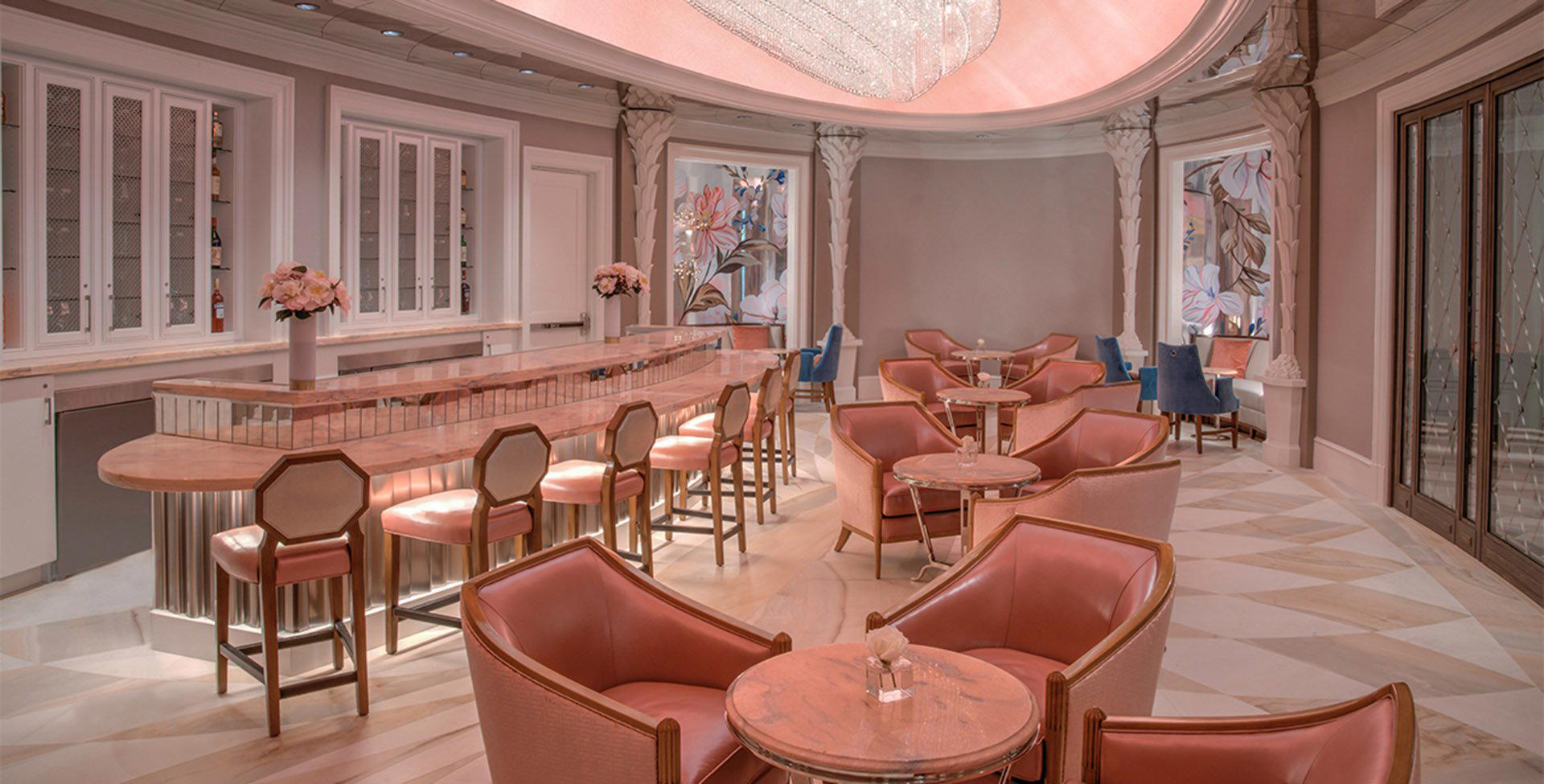
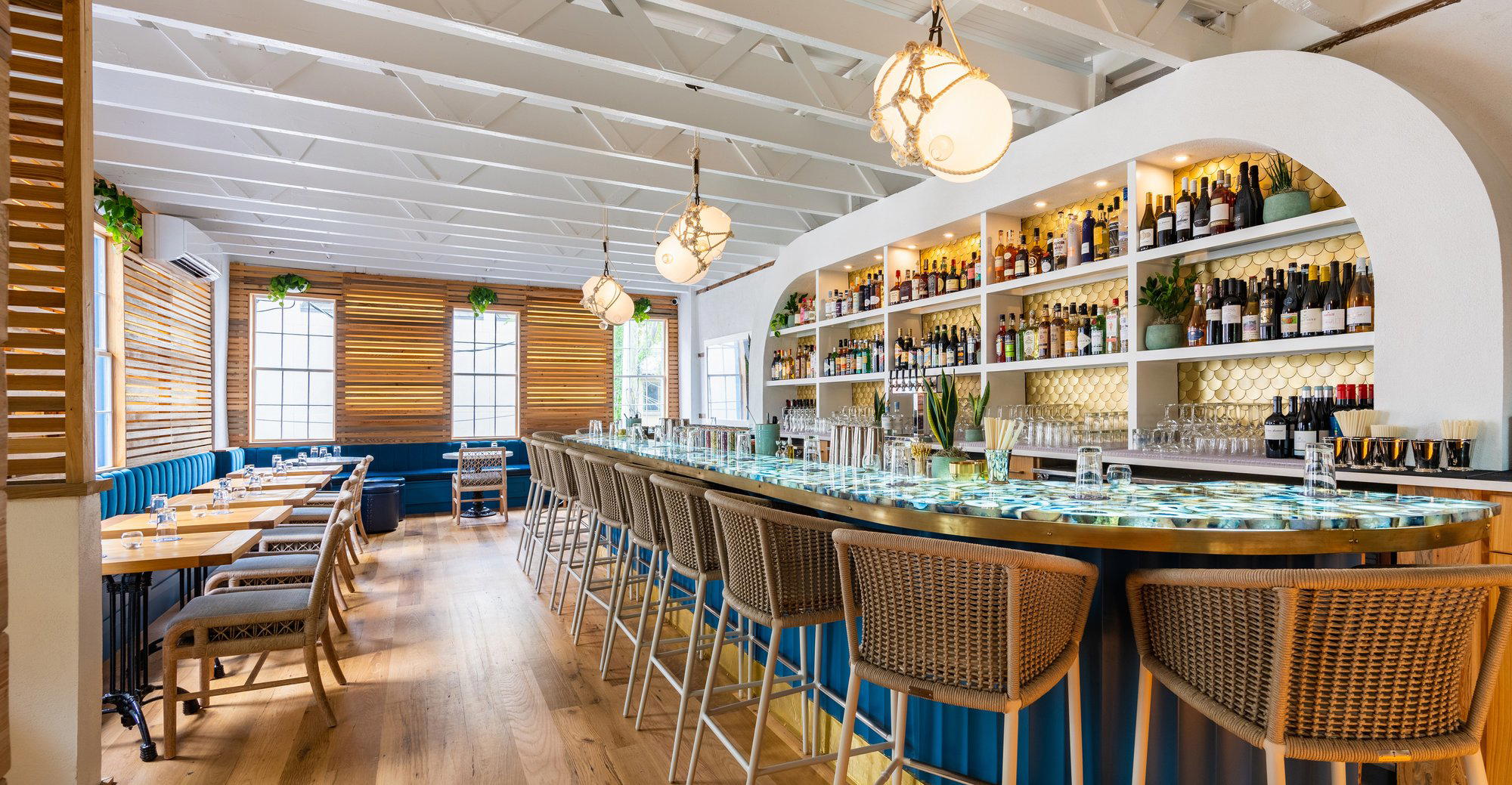
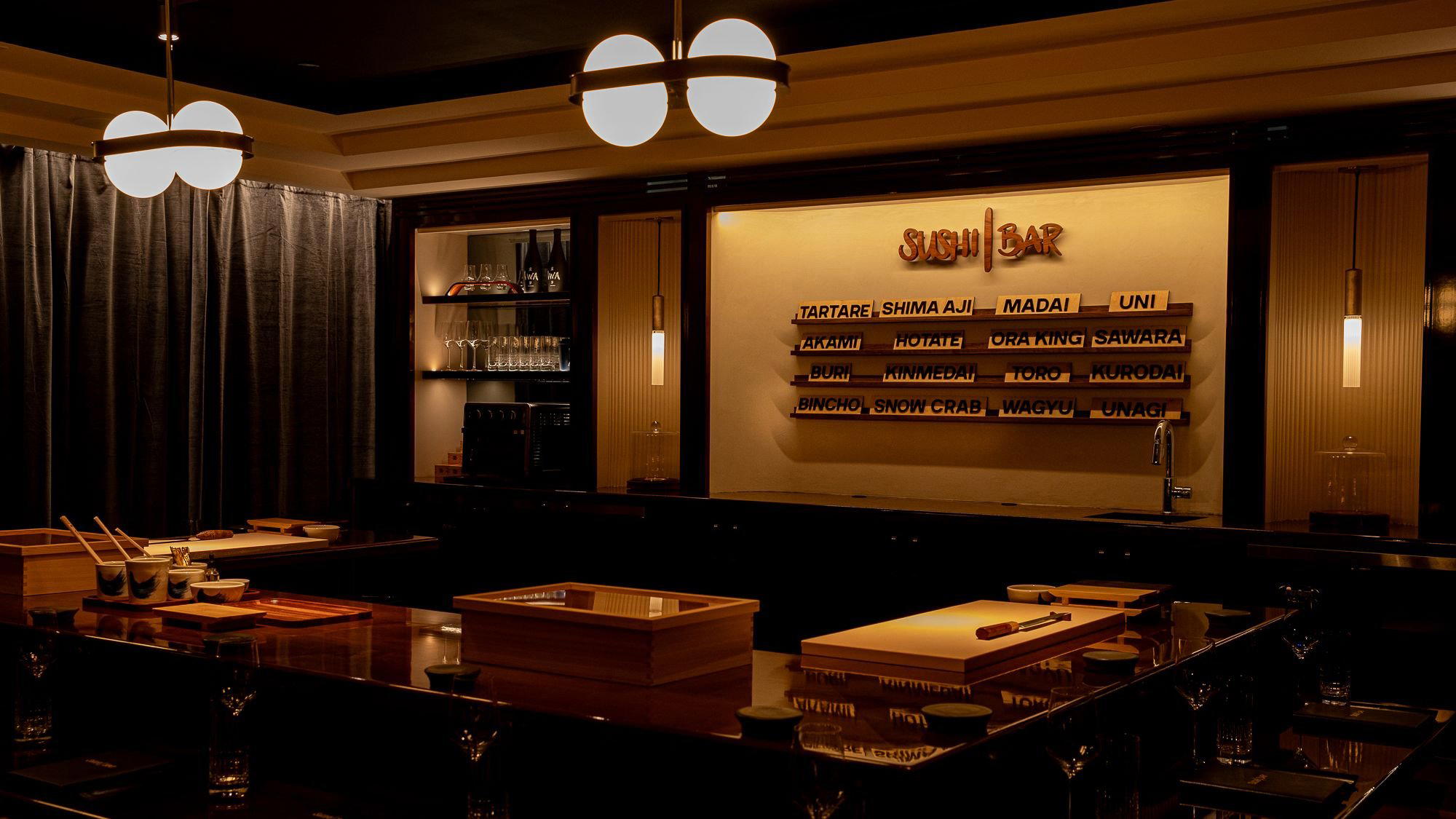
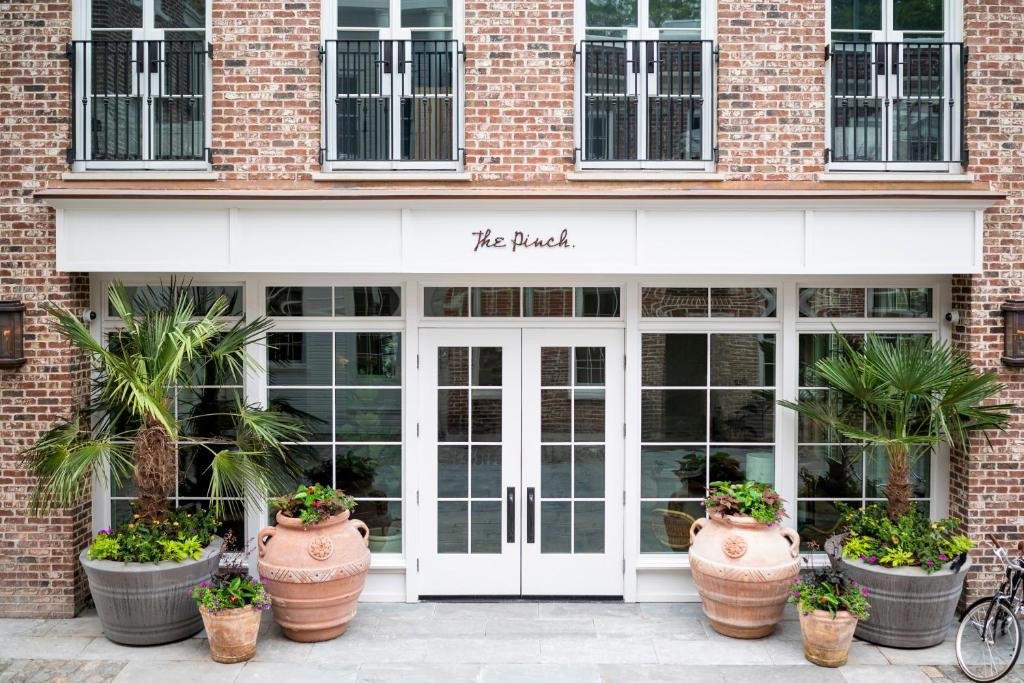
Charleston's most competitive dining rooms tend to occupy one of two spatial registers: the converted historic building, where exposed brick and low ceilings do most of the atmospheric work, or the modern fit-out that imports a design sensibility from New York or Atlanta. The tension between those two modes defines a lot of what gets written about the city's interiors. Indian restaurants in American mid-size cities often default to a visual vocabulary drawn from Mughal-era motifs or mass-produced approximations of subcontinental decor. Whether Ma'am Saab follows that convention or departs from it materially shapes the dining experience it delivers.
The name itself carries a deliberate social inflection. "Ma'am Saab" is a form of address historically used on the subcontinent to denote a woman of authority or standing, a figure whose household or institution commanded respect. As a restaurant name, it implies a specific register: domestic, matriarchal, and with a suggestion of food rooted in home kitchens rather than banquet-hall showmanship. That framing, if the interior and menu follow through on it, positions the space closer to the intimate counter-and-table formats that have worked well in cities like New York for South Asian cooking, rather than the large-format dining rooms that once defined Indian food in America.
In the broader American dining context, the restaurants redefining South Asian cuisine at the premium tier, places that draw the kind of critical attention that Atomix in New York City generates for Korean cooking, have tended to be small, design-precise, and closely tied to a specific regional or family tradition. The spatial decisions Ma'am Saab makes, in seating count, lighting, service furniture, and the material choices on walls and floors, will determine whether it reads as a neighborhood Indian restaurant in a city underserved by the genre or something operating at a different level of intentionality.
Indian Cuisine in a Southern City
Charleston's food identity has been built substantially around Gullah Geechee culinary traditions, the coastal rice culture that connects the Lowcountry to West African foodways, and a New American tier that draws heavily on local seafood and heritage produce. That conversation is rich and well-documented, supported by venues ranging from the casual directness of Rodney Scott's BBQ to the more considered American contemporary work at Vern's and the ingredient-focused approach at 1010 Bridge.
What has been largely absent from that conversation is serious South Asian cooking. Indian cuisine in smaller American cities often exists at two poles: the lunch-buffet format aimed at maximum accessibility, or a higher-end interpretation that borrows presentation language from fine dining without necessarily connecting to specific regional traditions. The restaurants that have moved the needle nationally, including those in cities with established South Asian dining cultures, have tended to anchor in a particular geography of the subcontinent, whether Punjabi, Hyderabadi, Keralan, or the Pakistani traditions that carry their own distinct canon. Where Ma'am Saab positions itself within that spectrum is the key editorial question.
For Charleston diners accustomed to the Spanish-inflected small-plate format at Malagón Mercado y Taperia or the New American confidence of Vern's, the grammar of a well-executed Indian menu, the sequencing of small plates, the logic of spice-building across courses, the role of bread versus rice as the structural base, represents a genuinely different dining literacy. A restaurant that teaches that literacy while delivering food worth the lesson is doing something the city's current lineup does not.
Where It Sits in a National Frame
At the level of American fine dining, the South Asian category remains significantly underrepresented relative to East Asian and European traditions. The Michelin-starred tier that includes Le Bernardin in New York City, Alinea in Chicago, or the farm-anchored format of Blue Hill at Stone Barns in Tarrytown has few Indian or Pakistani counterparts in the United States. That gap is narrowing, but it is narrowing slowly. Restaurants operating in cities outside the major South Asian population centers, places like Charleston rather than New Jersey or the San Fernando Valley, face additional pressure: they must build a clientele without an existing community baseline, and they must earn trust from diners whose reference points for the cuisine may be limited.
That context matters for how Ma'am Saab should be evaluated. The comparison set is not simply Charleston's Indian restaurant options; it is every serious attempt to bring South Asian cooking to an American city that lacks a pre-existing critical mass of the cuisine. Some of those attempts, concentrated in New York, Los Angeles, and Chicago, have produced genuinely significant restaurants. The question for Ma'am Saab is whether it is making a similar kind of argument in a smaller, less obvious market.
Planning a Visit
Ma'am Saab sits at 251 Meeting Street in downtown Charleston, within walking distance of the historic district's core. Given the relative scarcity of serious Indian cooking in the city, demand from both local diners and visitors curious about the format is likely to concentrate at peak service times, particularly on weekend evenings. For visitors building a Charleston itinerary around the city's broader dining scene, reviewed in our full Charleston restaurants guide, it is worth checking current availability directly before arrival rather than assuming walk-in access. The venue's phone and website were not available at the time of publication; confirming reservation options through a third-party booking platform or by visiting in person is advisable for time-sensitive travel plans.
Frequently asked questions
What part of town is Ma'am Saab in?
Ma'am Saab is located at 251 Meeting St, Charleston, SC 29401, Charleston.
Is Ma'am Saab the only South Asian restaurant in downtown Charleston's historic district?
South Asian cuisine remains sparsely represented in Charleston's historic core, and Ma'am Saab at 251 Meeting Street sits in a part of the city dominated by Lowcountry, seafood, and American fine dining concepts. That scarcity is not a reflection of the cuisine's complexity or ambition — at the national level, South Asian fine dining has grown substantially in cities like New York and Chicago, making Charleston's limited representation a gap Ma'am Saab directly addresses.
What do people recommend at Ma'am Saab?
Ma'am Saab draws on South Asian culinary traditions at a 251 Meeting Street address where that cuisine has historically had little presence. Given Charleston's deep coastal rice culture through the Gullah Geechee tradition, the kitchen operates at an interesting intersection of two rice-centric food lineages. Diners seeking something outside the city's dominant Lowcountry register will find the menu covers ground that no other prominent Meeting Street restaurant attempts.
Should I book Ma'am Saab in advance?
Charleston draws year-round visitor traffic, and restaurants occupying a narrow cuisine niche tend to fill faster than their square footage would suggest. South Asian dining options in the downtown historic district are limited, which concentrates demand at Ma'am Saab beyond what a comparable European-format restaurant would see. Booking ahead is the practical approach, particularly on weekends or during the city's busy spring and fall seasons.
Just the Basics
Comparable venues nearby, for context on price, style, and recognition.
| Venue | Cuisine | Price | Awards | Notes |
|---|---|---|---|---|
| Ma'am SaabThis venue — the venue you are viewing | Modern Pakistani | $30–50 | Not listed | Not listed |
| Renzo | Modern Italian Pizza | Not listed | Not listed | North Central, Modern Italian Pizza |
| Three Little Birds | American Cafe | $10–20 | Not listed | West Ashley, American Cafe |
| The Glass Onion | Lowcountry Southern Comfort Food | $20–30 | Diners, Drive-Ins and Dives Featured Restaurant | West Ashley, Lowcountry Southern Comfort Food |
| Minero | Modern Mexican Grill & Cantina | Not listed | Not listed | Johns Island, Modern Mexican Grill & Cantina |
| Santi's Restaurante Mexicano | Authentic Mexican Taqueria | $20–30 | Not listed | North Morrison, Authentic Mexican Taqueria |
Continue exploring
More in Charleston
Restaurants in Charleston
Browse all →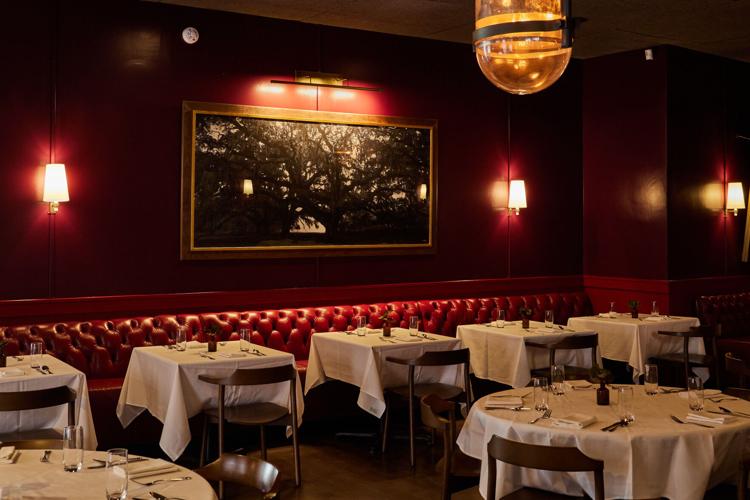
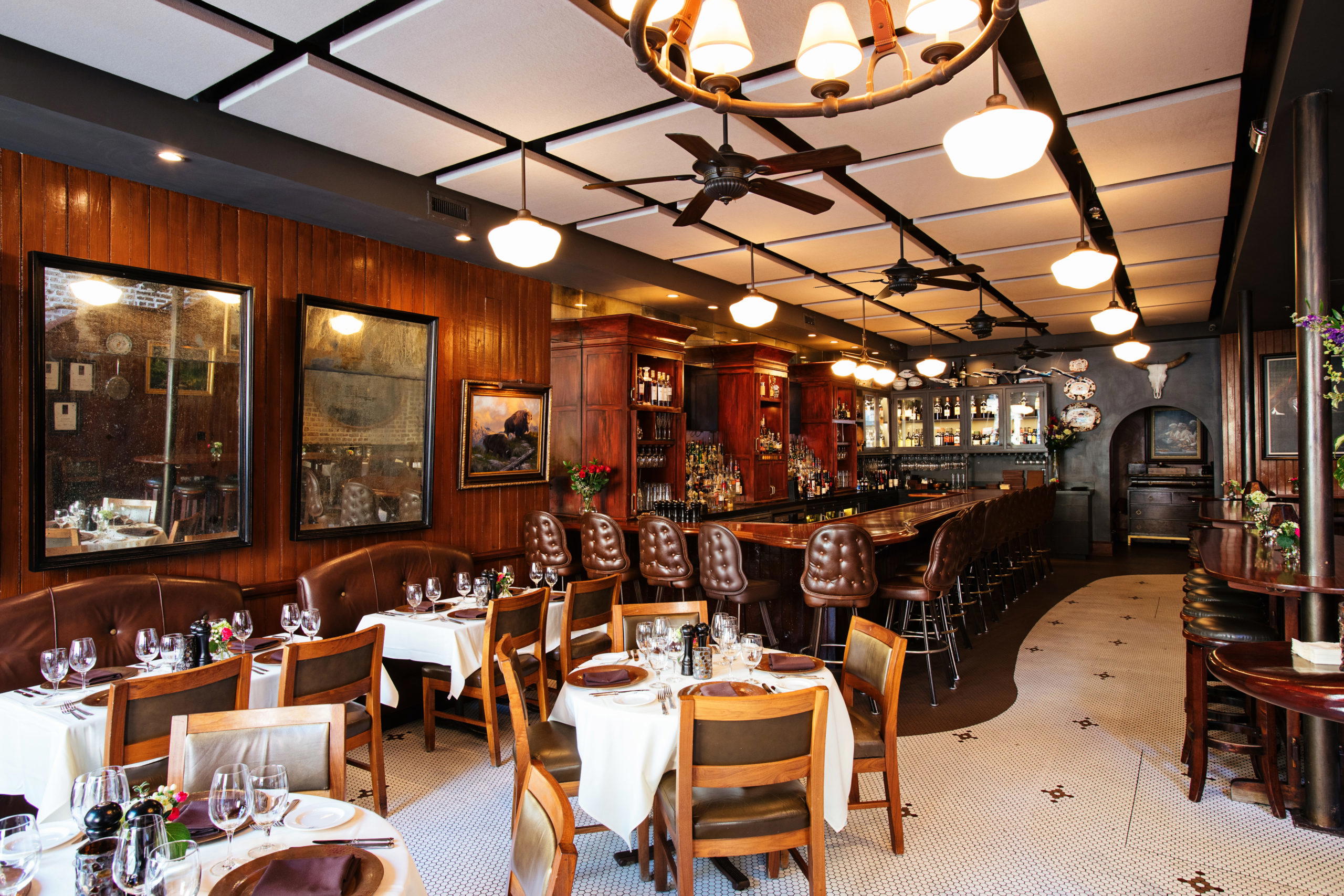
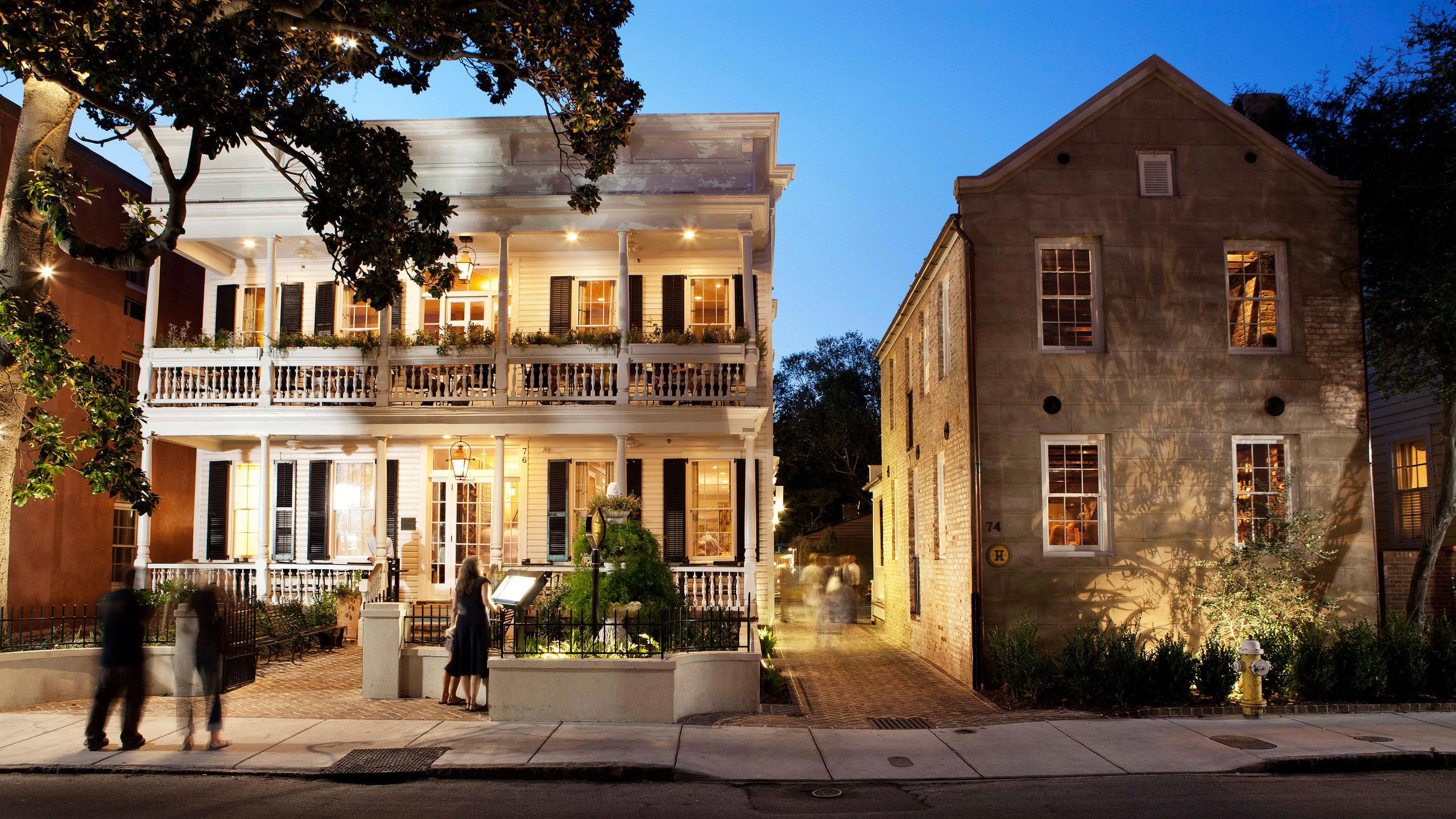
Bars in Charleston
Browse all →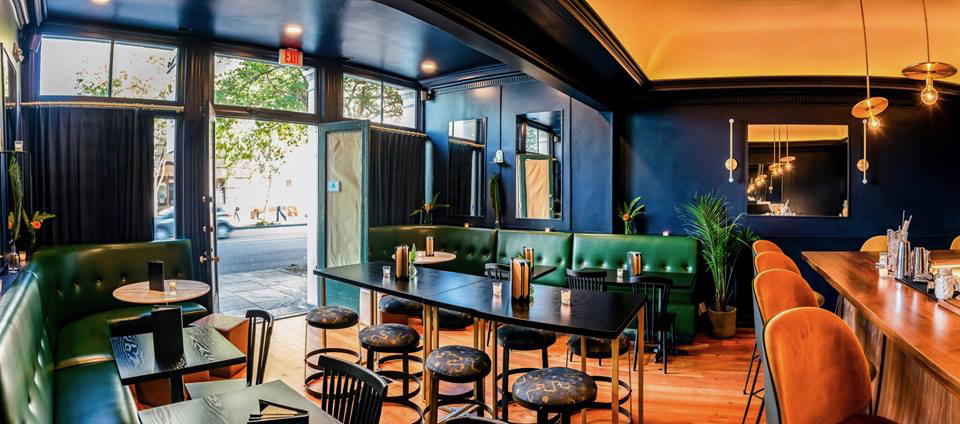
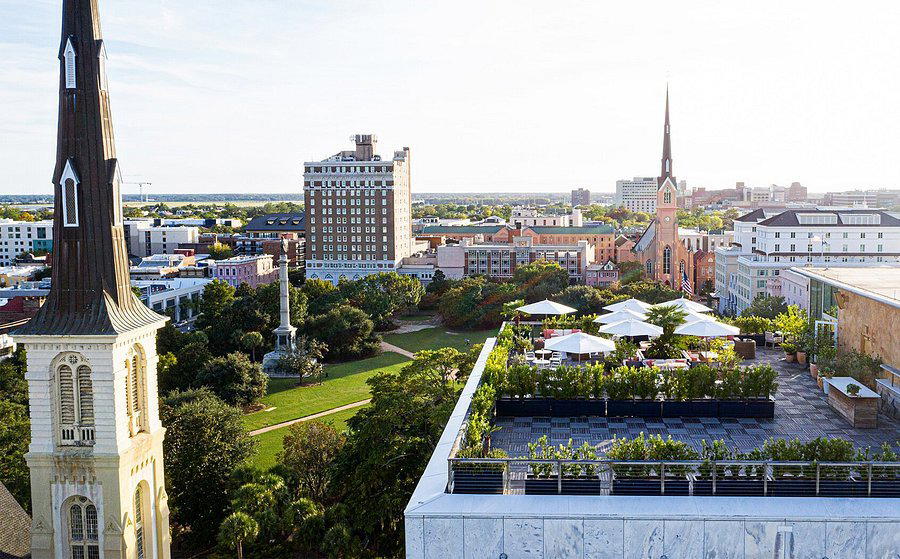
Details
- Modern
- Trendy
- Lively
- Elegant
- Date Night
- Special Occasion
- Casual Hangout
- Open Kitchen
- Historic Building
- Craft Cocktails
- A La Carte
- Small Plates
- Tasting Menu
- Craft Cocktails
- Vegetarian Friendly
Current opening hours
- Monday
- 5–9 PM
- Tuesday
- 5–9 PM
- Wednesday
- 5–9 PM
- Thursday
- 5–9 PM
- Friday
- 5–10 PM
- Saturday
- 5–10 PM
- Sunday
- 5–9 PM
Hours can change for holidays and private events. Last verified .
Exposed brick walls, floral wallpaper, and ultraviolet lighting create a bold, party-like atmosphere blending historic charm with contemporary vibrancy.