




1 Michelin Star · Star Wine List · Gault & Millau Remarkable Restaurant
Our verdict
Frenchie Paris showcases chef Grégory Marchand's globally-inspired French cuisine in an intimate 24-seat Michelin-starred restaurant. His seasonal tasting menu reflects international training from London to New York, creating innovative dishes that blend French technique with worldwide influences in the heart of the Sentier district.

Pearl is the En Primeur Club membership app, where members save venues, book tables and use the concierge.
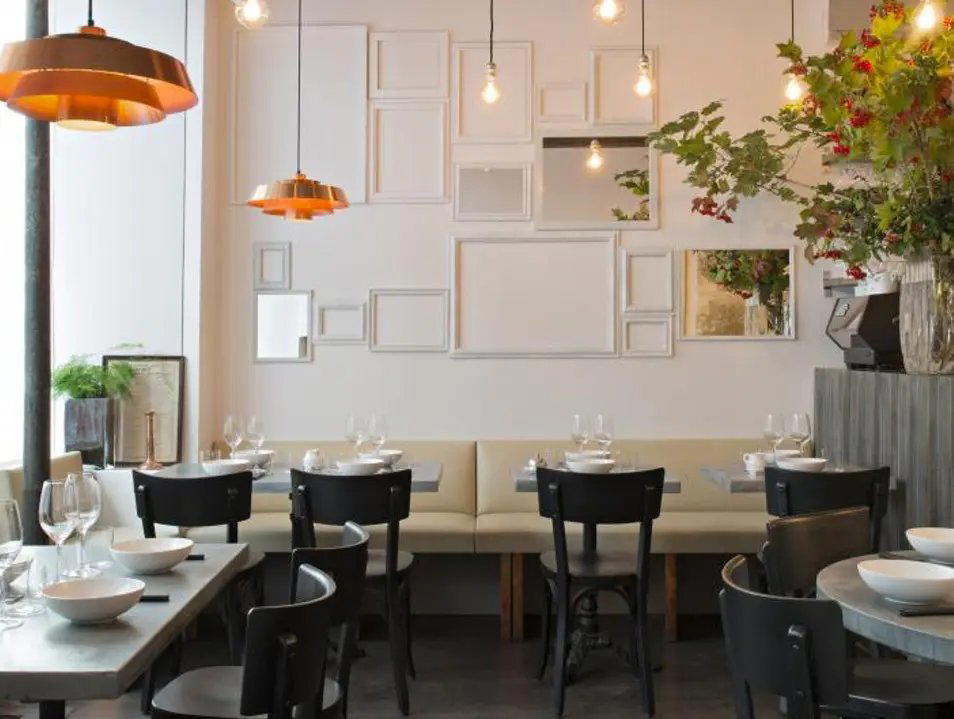
Rue du Nil and What It Represents
There is a short stretch of the 2nd arrondissement, running off Rue Montorgueil, where the concentration of food-focused businesses has made it something of a reference point for a particular style of Parisian eating. Rue du Nil is not a grand address in the classical sense: its buildings are functional, its pavement narrow. What it has accumulated over the past decade-plus is a cluster of producers, wine merchants, and a handful of restaurants that operate according to the same sourcing logic. Frenchie, at number 5, sits at the centre of that cluster, and the address is not incidental. The restaurant draws directly on Terroirs d'Avenir, the produce supplier located directly opposite, which provides much of the seasonal fruit, vegetables, and proteins that define the menu at any given moment.
The dining room itself reads as a considered refusal of grandeur. Exposed brick, timber beams, and bare stonework give the space an industrial-domestic quality that became shorthand for a certain kind of modern bistro in the early 2010s. The format has since been widely imitated across Paris and beyond, but the original logic was genuine: strip back the formal codes of the French dining room, let the food carry the evening, and fill the room with a mix of locals and internationally informed visitors who care more about what is on the plate than the weight of the silverware.
Training That Crosses Borders
The contemporary French scene has produced a recognisable category of chef: one who trained outside France, absorbed techniques and sensibilities from other culinary traditions, and then returned with a perspective that sits at an angle to both classical French cooking and to whatever was fashionable in the city of their training. Greg Marchand belongs to that category, and understanding where he cooked before opening Frenchie helps explain why the restaurant occupies its particular position in Paris.
Gramercy Tavern in New York, Jamie Oliver's Fifteen in London, and the Mandarin Oriental in Hong Kong are the documented stops in his pre-Paris career. Each represents a different axis: Gramercy Tavern is the American farm-to-table canon, rigorous about sourcing and restrained in its plating; Fifteen was a project built around social purpose but also around ingredient-forward cooking; Hong Kong brought exposure to an entirely different hospitality register. The synthesis, applied to a compact room in the Sentier neighbourhood, produced cooking that reads as French in its technique and structure but carries an Anglo-American inflection that becomes most legible in the dessert courses, where flavour combinations tend toward the unexpected rather than the classical.
That background places Frenchie in a specific peer conversation. It is not in the same register as the grand classicist addresses like Lucas Carton or the multi-starred palaces such as Kei. It operates closer to the tier of serious, independently run restaurants where the chef's international formation shapes the menu, and where sourcing philosophy carries as much weight as technique. Among the broader French restaurant context, it sits in a different register from long-established regional landmarks like Troisgros in Ouches, Bras in Laguiole, or Auberge de l'Ill in Illhaeusern, and very far from the mountain-cuisine tradition of Flocons de Sel in Megève. Frenchie is specifically a Paris product: urban, internationally literate, and calibrated to a cosmopolitan dining public.
Recognition and Peer Positioning
The award record is consistent with a restaurant that operates at the upper end of the independent, ingredient-led bracket without reaching into the rarefied territory of the multi-starred grandes maisons. One Michelin star as of 2025 places it in a tier that includes a substantial number of Paris restaurants but confirms technical and sourcing rigour. The Opinionated About Dining ranking of 145th in Europe in 2025, up from 178th the year before, reflects a trajectory of improving critical standing rather than a static reputation. OAD's methodology, which aggregates opinions from a large base of experienced diners, tends to weight consistency and dining pleasure over novelty, so upward movement in that ranking suggests the kitchen is performing reliably across services rather than peaking intermittently.
The Michelin description categorises the cooking as "Remarkable" and singles out specific dish logic: a salad of cherry tomatoes with crab and acidified tomato water, butter beans with blood peach, chanterelles with basil, guinea fowl. These are not classical French constructions. They are ingredient-led compositions where seasonal produce drives the combination, and the sourcing from Terroirs d'Avenir directly across the street is what makes that logic viable at this level of execution.
For context within the Paris contemporary French bracket, Frenchie competes for the same diner as Pilgrim and ERH, and sits below the technically ambitious cooking at Nakatani. Within the broader contemporary French category across neighbouring countries, comparable programmes can be found at Ma Langue Sourit in Luxembourg and L'Arnsbourg in Baerenthal, though both operate in markedly different dining environments.
The Wine Programme as a Separate Proposition
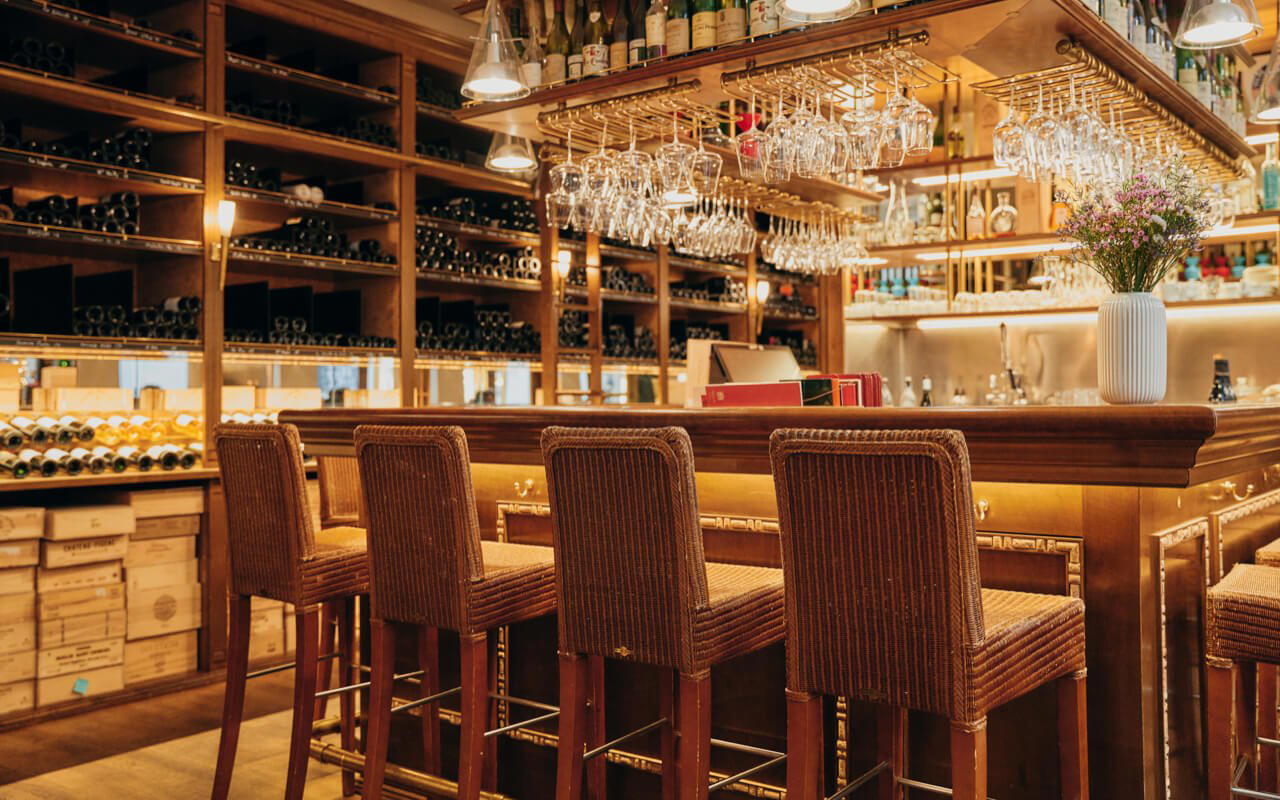
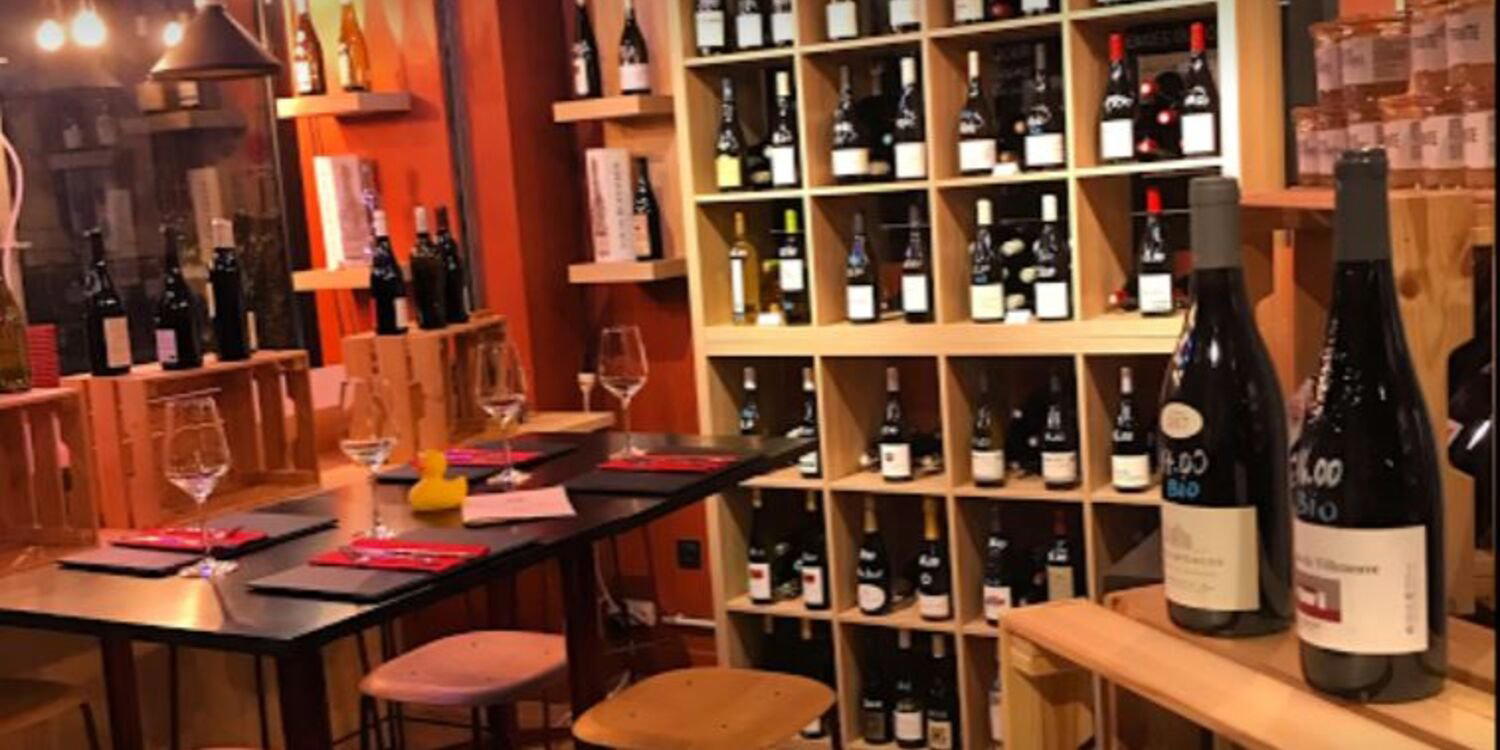
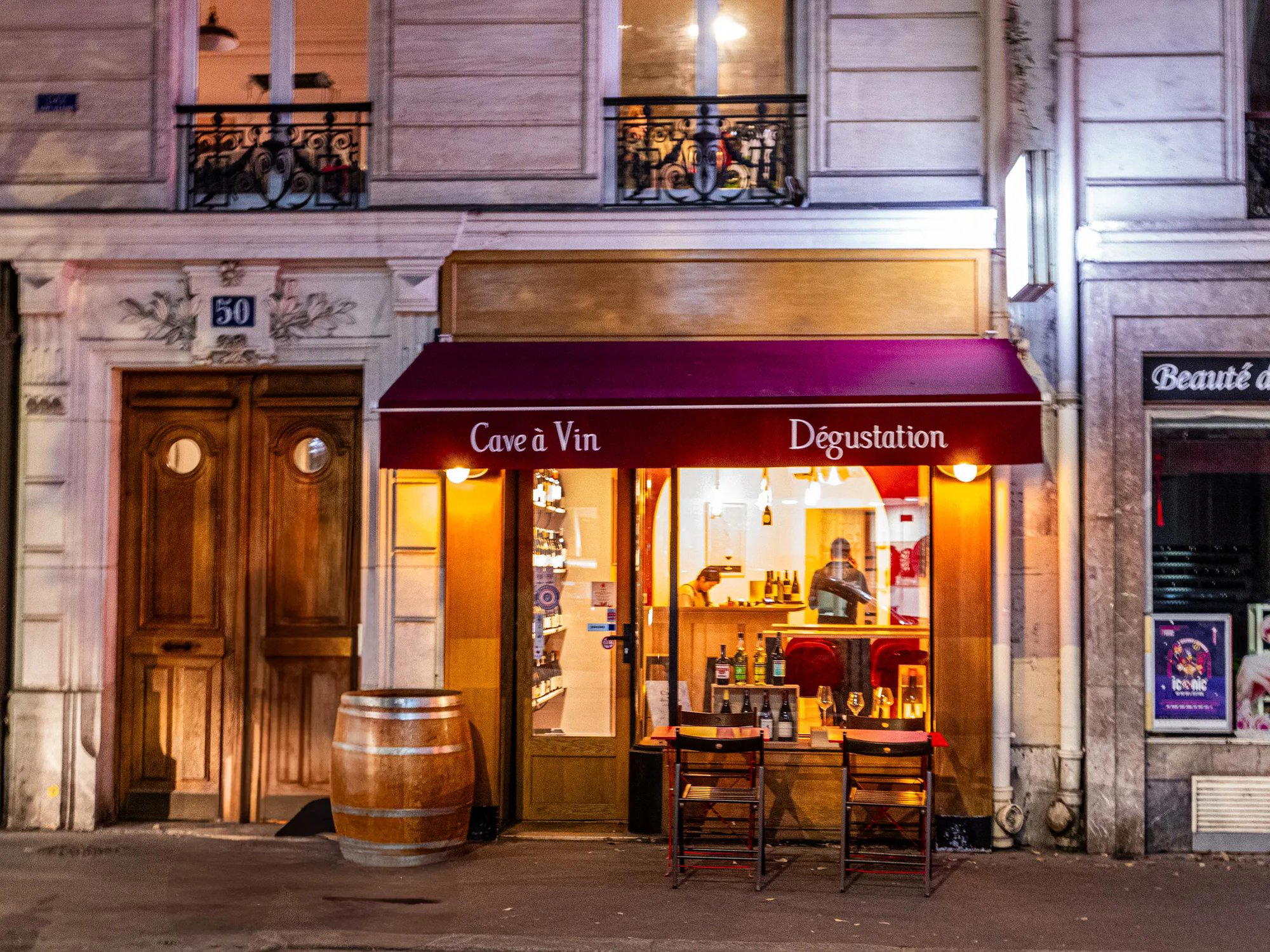
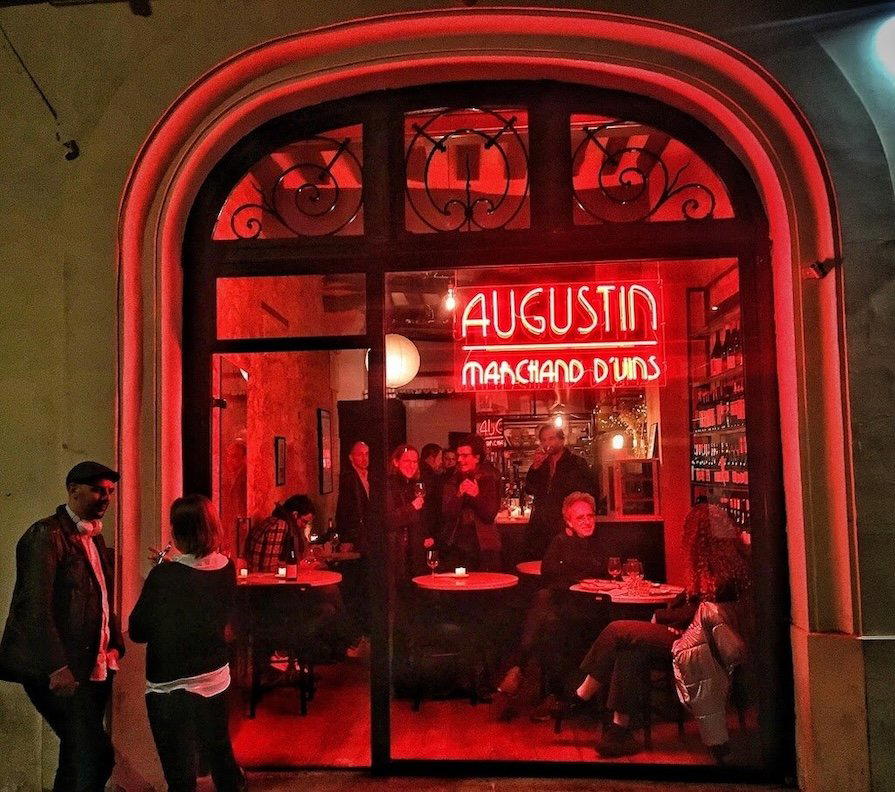
The Frenchie Wine Bar, which operates as a distinct space from the main restaurant, has its own standing in the Michelin assessment: described as a place of significant pleasure, with a wide, complete, and diverse selection by the glass, focused on organic, natural, and biodynamic producers. This is not a token wine list appended to a food programme. The wine bar functions as an entry point into the Rue du Nil ecosystem for visitors who either cannot secure the main dining room or prefer a less structured format. The emphasis on natural and biodynamic wines is coherent with the sourcing philosophy applied to the food: the same attention to provenance and production method that governs produce selection extends to the cellar.
What the Format Demands From the Diner
Two services run each evening, at approximately 6:30 pm and 9:30 pm, Monday through Friday. Saturday and Sunday are closed. The compact room fills quickly, and the double-service structure means that the kitchen operates at high frequency across the week. The format rewards diners who book ahead and arrive with some knowledge of the cooking style: the menu follows seasonal produce availability closely, and expecting a fixed set of signature dishes is likely to result in disappointment. What is consistent is the structural approach to combinations and the sourcing rigour, not any particular preparation.
The price range sits at the top of the scale for independent Parisian restaurants, consistent with a Michelin-starred address in the 2nd arrondissement. The combination of tasting-menu format, ingredient quality from specialist producers, and tight seating capacity makes that positioning logical rather than aspirational.
Planning Details: Frenchie vs Paris Peers
| Restaurant | Price Range | Michelin Stars | Cuisine Style | Days Open |
|---|---|---|---|---|
| Frenchie | €€€€ | 1 | Contemporary French, international inflection | Mon–Fri (evenings) |
| Kei | €€€€ | 3 | Contemporary French, Japanese technique | Check directly |
| Nakatani | €€€€ | 2 | Contemporary French, Japanese roots | Check directly |
| Pilgrim | €€€€ | Check directly | Contemporary French | Check directly |
| ERH | €€€€ | Check directly | Contemporary French | Check directly |
Broader Paris Context
The 2nd arrondissement is not traditionally associated with destination dining in the way the 7th or the 8th arrondissements are. What the Rue du Nil micro-cluster has demonstrated is that a food-production infrastructure, combined with the right restaurant anchors, can make an otherwise unremarkable block into a reference address. Frenchie was central to that process. The neighbourhood now draws visitors specifically because of the concentration of food businesses on this street, and the restaurant's profile has contributed directly to that shift in the area's reputation. For a fuller picture of what Paris offers across price points and styles, see our full Paris restaurants guide, and for accommodation and planning resources, our Paris hotels guide, bars guide, wineries guide, and experiences guide cover the rest of the city.
Among the most significant French tables outside the capital, Mirazur in Menton and Paul Bocuse's L'Auberge du Pont de Collonges represent entirely different traditions from what Frenchie is doing, which helps clarify what makes the Rue du Nil address distinct: it is a product of international training applied to a very specific Paris context, rather than an expression of any regional or classical French lineage.
Frequently asked questions
at Frenchie?
The menu at Frenchie changes with seasonal produce availability, so any fixed recommendation risks being out of date by the time you visit. What the Michelin documentation and OAD reviewer notes consistently point to is the ingredient-led combination style: dishes built around a primary seasonal produce item, with flavour pairings that tend toward the unexpected rather than the safe. The dessert courses, which carry the clearest Anglo-American influence from Marchand's time at Gramercy Tavern and Fifteen, are repeatedly noted as a distinctive element of the progression. The wine bar's by-the-glass selection, focused on natural and biodynamic producers, is also worth treating as a destination in its own right if the main dining room is fully booked.
Reputation Context
A quick snapshot of similar venues for side-by-side context.
| Venue | Cuisine | Price | Awards | Notes |
|---|---|---|---|---|
| FrenchieThis venue (the venue you are viewing) | Modern French Fine Dining | $150–200 | 1 Michelin Star · Star Wine List | Not listed |
| Alléno Paris au Pavillon Ledoyen | Modern French Fine Dining | $150–200 | 3 Michelin Stars · World's 50 Best #79 | Creative |
| Kei | Modern French with Japanese Influences | $300–500 | 3 Michelin Stars · World's 50 Best #93 | Contemporary French, Modern Cuisine |
| L'Ambroisie | Classic French Haute Cuisine | $300–500 | 2 Michelin Stars · World's 50 Best #23 | French, Classic Cuisine |
| Le Cinq - Four Seasons Hôtel George V | Modern French Fine Dining | $300–500 | 3 Michelin Stars · World's 50 Best #24 | French, Modern Cuisine |
| Plénitude | Modern French Sauce-Led Fine Dining | $300–500 | 3 Michelin Stars · World's 50 Best #14 | Contemporary French |
Recognition history
Dated appearances from independent guides and award organizations, with the underlying list record or original source where available.
Michelin 1 Star
Michelin
Star Wine List
Star Wine List
Opinionated About Dining Top Restaurants in Europe Highly Recommended
Opinionated About Dining
Gault & Millau Remarkable Restaurant
Gault & Millau
We're Smart World 3 Radishes
We're Smart World
Full recognition history (12 entries)
Michelin 1 Star
Michelin
Opinionated About Dining Top Restaurants in Europe Ranked #145
Opinionated About Dining
Michelin 1 Star
Michelin
Opinionated About Dining Top Restaurants in Europe Ranked #178
Opinionated About Dining
Opinionated About Dining Cheap Eats in Europe Ranked #85
Opinionated About Dining
Opinionated About Dining Top New Restaurants in Europe Highly Recommended
Opinionated About Dining
Opinionated About Dining Cheap Eats in Europe Ranked #65
Opinionated About Dining
Continue exploring
More in Paris
More from Chef Greg Marchand
Browse all →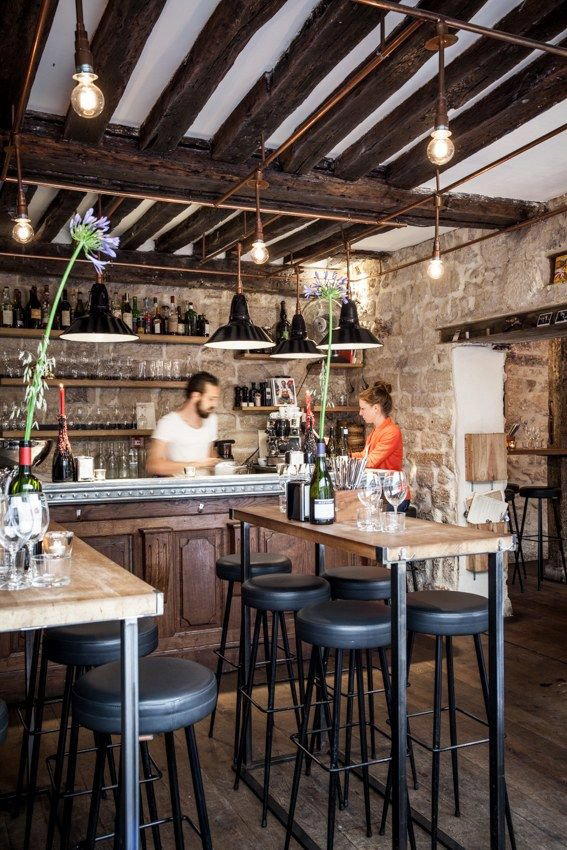
Restaurants in Paris
All restaurants in Paris →
Bars in Paris
All bars in Paris →

Details
- Cozy
- Intimate
- Modern
- Elegant
- Date Night
- Special Occasion
- Open Kitchen
- Extensive Wine List
- Farm To Table
- Local Sourcing
- Tasting Menu
- Allergy Accommodating
Current opening hours
- Monday
- 6:30–10:30 PM
- Tuesday
- 6:30–10:30 PM
- Wednesday
- 6:30–10:30 PM
- Thursday
- 6:30–10:30 PM
- Friday
- 6:30–10:30 PM
- Saturday
- 6:30–10:30 PM
- Sunday
- 6:30–10:30 PM
Hours can change for holidays and private events. Hours as of .
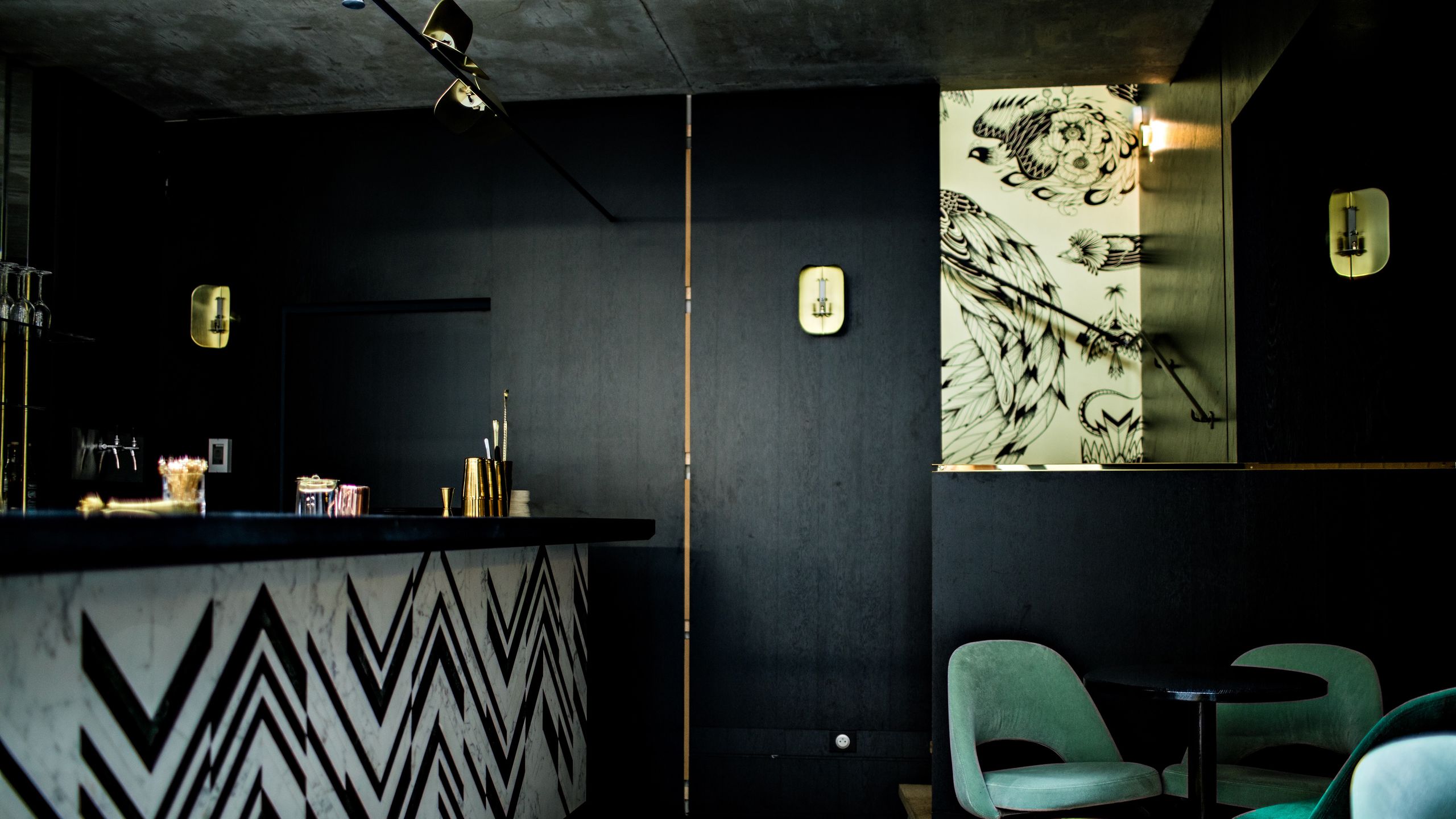
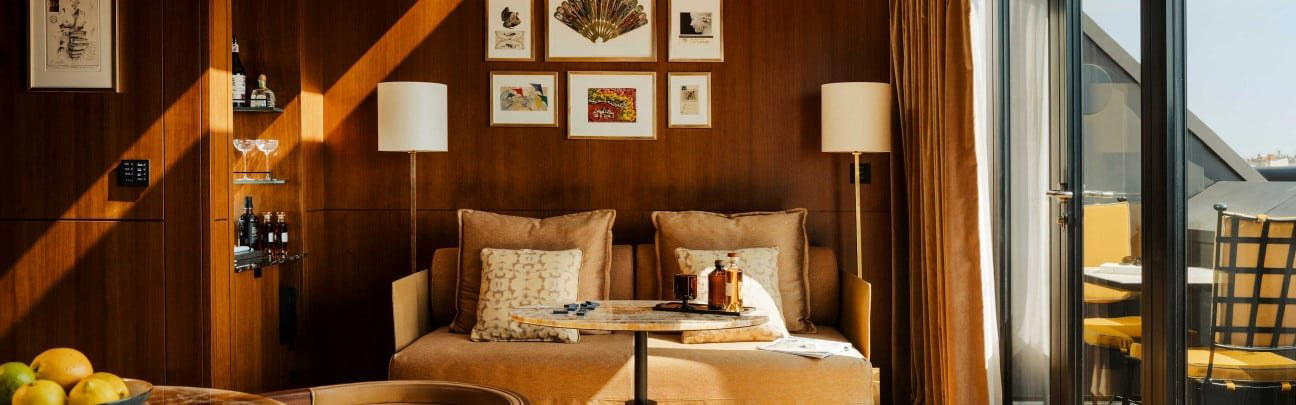
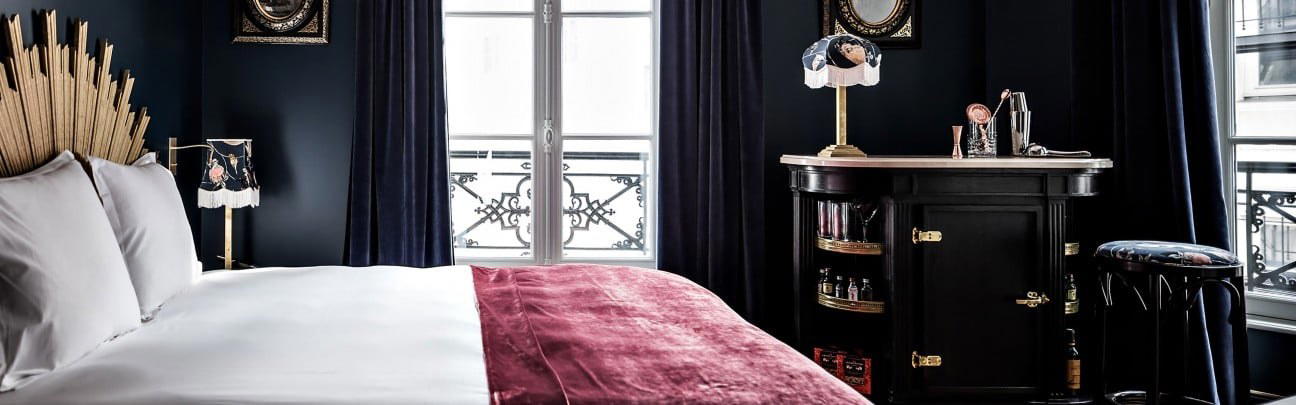
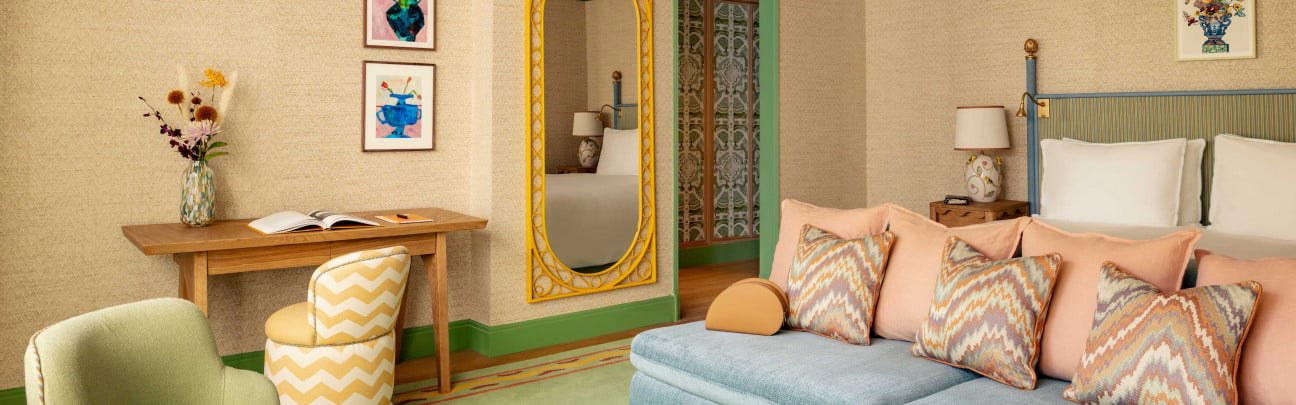
Cozy, quiet, and quaint atmosphere with warm, inviting lighting and a pocket-sized, comfortable setting.