Lux Stockholm occupies a converted industrial building on Primusgatan in Liljeholmen, positioning itself within a tier of Stockholm restaurants where the wine program carries as much weight as the kitchen. The address sits outside the city's central fine dining corridor, which shapes both the clientele and the rhythm of service. For visitors orienting around Sweden's serious dining scene, it belongs in the same conversation as the capital's most considered tables.
 Discover on Pearl
Pearl is the En Primeur Club membership app — saves, bookings, and concierge access live there. Same editors, same standards.
- Address
- Primusgatan 116, 112 67 Stockholm, Sweden
- Phone
- +46 8 619 01 90
- Website
- luxdagfordag.se
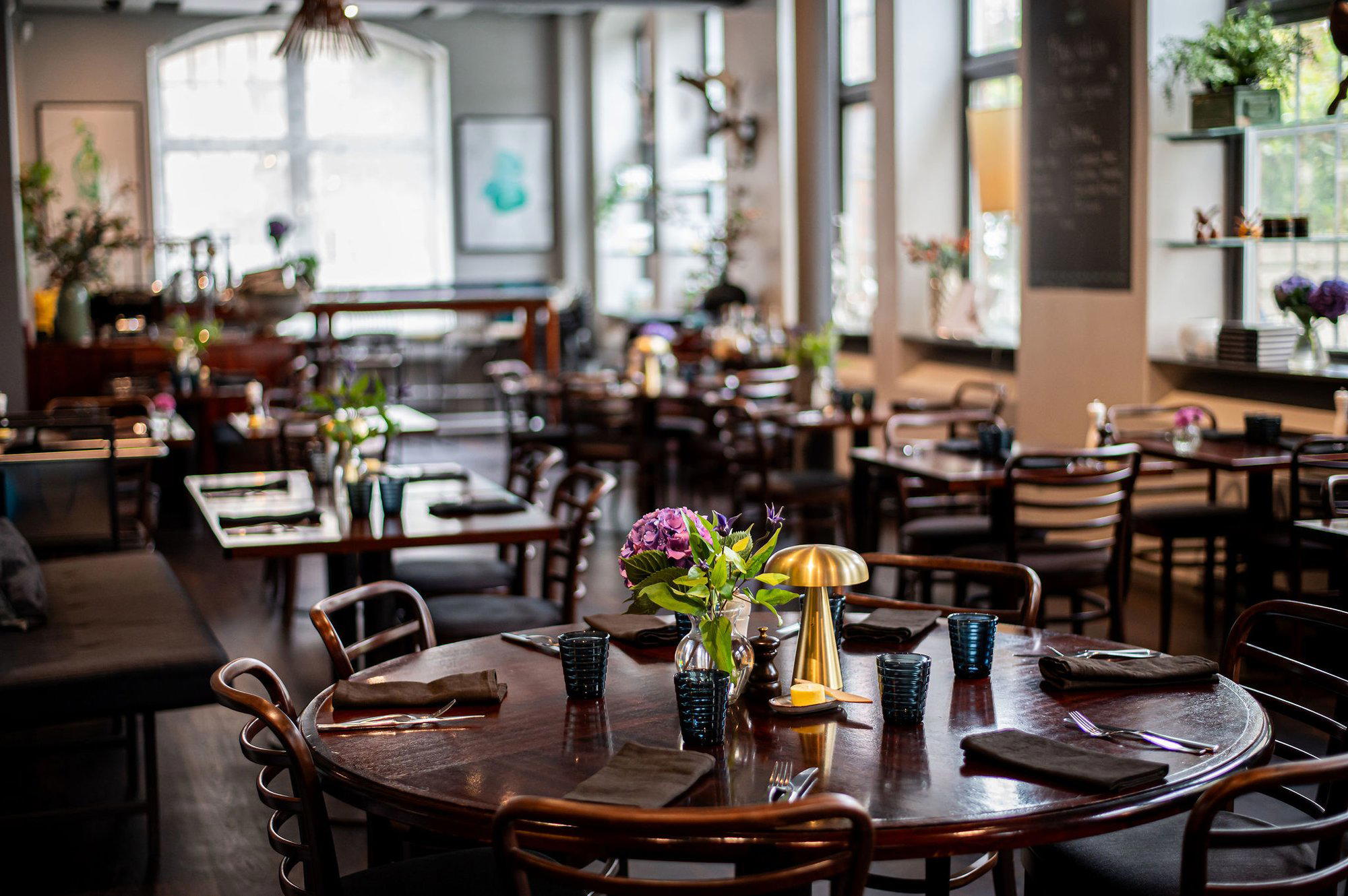
An Industrial Address With a Different Kind of Ambition
Stockholm's fine dining circuit has, for the better part of two decades, organized itself around a few predictable postcodes: Östermalm's broad avenues, the Old Town's historic premises, the waterfront addresses that photograph well in winter light. Liljeholmen is none of those things. The neighborhood sits across the water from Södermalm, anchored by a former industrial stretch along the Liljeholmsviken inlet, and Primusgatan, the street where Lux Stockholm is addressed, carries the bone structure of a working district that has been slowly claimed by something quieter and more deliberate. Arriving here, the contrast with the city center's polished fine dining row is immediate and instructive.
That geographic remove is not incidental. Restaurants that locate themselves outside a city's established dining corridor tend to attract a different kind of diner: one who has already worked through the central options and is now following the food rather than the convenience. In Stockholm, where the top tier of restaurants, places like Frantzén, Operakällaren, and AIRA, occupies tightly clustered central addresses, a destination in Liljeholmen makes a statement about priorities.
The Wine Program as the Organizing Principle
In a city that takes its wine culture seriously, the division between restaurants where the list is an afterthought and those where it functions as a parallel editorial to the kitchen is increasingly sharp. Stockholm's most committed dining rooms, including Aloë and Adam / Albin, have built reputations partly on the coherence of their cellar programs, not just on what arrives on the plate. The expectation among serious diners is that a restaurant operating at this level will have opinions about wine, not merely a selection.
Lux Stockholm fits within the cohort where the wine list is framed as curation rather than inventory. The Scandinavian model of wine pairing has shifted over the past decade away from classic French anchors toward programs that incorporate natural and low-intervention producers alongside the traditional canon. The most compelling lists in this part of Europe tend to reflect a sommelier's point of view: there is a logic to the breadth, a reason why certain producers appear and others do not, and a depth in specific regions that signals genuine commitment rather than checkbox coverage. How a restaurant sources Burgundy, or whether it looks to Jura, to Slovenia, or to the Georgian amber wine producers that have become markers of a certain kind of cellar seriousness, tells you more about its wine philosophy than the length of its list.
For a restaurant at Primusgatan 116, the industrial building itself tends to lend a particular quality to the wine experience. Former factory spaces retain a thermal mass that keeps cellaring conditions stable, and the warehouse aesthetic, high ceilings, exposed materials, natural light diffused rather than directed, creates a visual register that suits a more exploratory style of drinking.
Where Lux Stockholm Sits in the Swedish Fine Dining Picture
Sweden's serious restaurant scene extends well beyond Stockholm, and understanding Lux's position means mapping it against both the capital's peer group and the wider national network. Outside the city, a different set of addresses commands attention: Vollmers in Malmö, Signum in Mölnlycke, and VYN in Simrishamn represent a southern Swedish circuit that has developed its own identity distinct from the capital. In the west, Hoze in Gothenburg operates within a port city that has consistently punched above its weight in Scandinavian dining. Further afield, rural addresses like Knystaforsen in Rydöbruk and ÄNG in Tvååker have established the destination-dining model that asks guests to travel for the experience rather than fold it into a city trip.
Within Stockholm specifically, the competitive set at the serious end of the market is compact but exacting. The restaurants that occupy the top tier, those with Michelin recognition or equivalent critical standing, tend to operate tasting menus of considerable length and price, with wine pairing as a significant revenue and experience component. Lux Stockholm's Liljeholmen address places it in a bracket that functions slightly differently: close enough to the city for a considered evening out, removed enough to serve a local clientele rather than relying on international visitors who cluster around the central hotel district.
For comparative context internationally, the model of a technically serious restaurant outside the central fine dining corridor has clear parallels. Lazy Bear in San Francisco built its identity in a neighborhood that required a deliberate trip, and the resulting clientele tended to be more invested and less transactional. Le Bernardin in New York City demonstrates the opposite model, central location, maximum visibility, but the underlying commitment to a focused culinary philosophy is comparable in ambition if different in expression.
Planning a Visit
Lux Stockholm's address at Primusgatan 116 in the 112 67 postcode is most efficiently reached from central Stockholm by the Liljeholmen metro station, which places the restaurant within a short walk of the Tunnelbana network. The Liljeholmen area has developed enough in recent years that the walk from the station is no longer through empty industrial terrain; there is context now, if not yet the density of a fully gentrified neighborhood. Those building a wider Swedish itinerary might also consider adding PM & Vänner in Växjö, Bistro Jarlen in Halmstad, Claesgatan 8 in Malmö, or Sydkustens at Pillehill in Skivarp to a route that sweeps through southern Sweden before or after the capital.
Fast Comparison
Comparable venues nearby, for context on price, style, and recognition.
| Venue | Cuisine | Price | Awards | Notes |
|---|---|---|---|---|
| Lux StockholmThis venue — the venue you are viewing | Modern Scandinavian Bistro | $$$ | , | |
| 19 Glas Bar & Matsal | Nordic Fine Dining | $$$ | , | Gamla Stan |
| Slipen | Modern Swedish Bistro | $$$ | , | Djurgården |
| Portofino | Authentic Italian Pasta & Pizza | $$$ | , | Gamla Stan |
| Eataly Stockholm | Authentic Italian Food Hall | $$$ | , | Östermalm |
| Mister French | Classic French Brasserie | $$$ | , | Skeppsholmen |
Continue exploring
More in Stockholm
Restaurants in Stockholm
Browse all →
Bars in Stockholm
Browse all →
At a Glance
- Modern
- Elegant
- Scenic
- Cozy
- Date Night
- Special Occasion
- Waterfront
- Historic Building
- Extensive Wine List
- Local Sourcing
- Waterfront
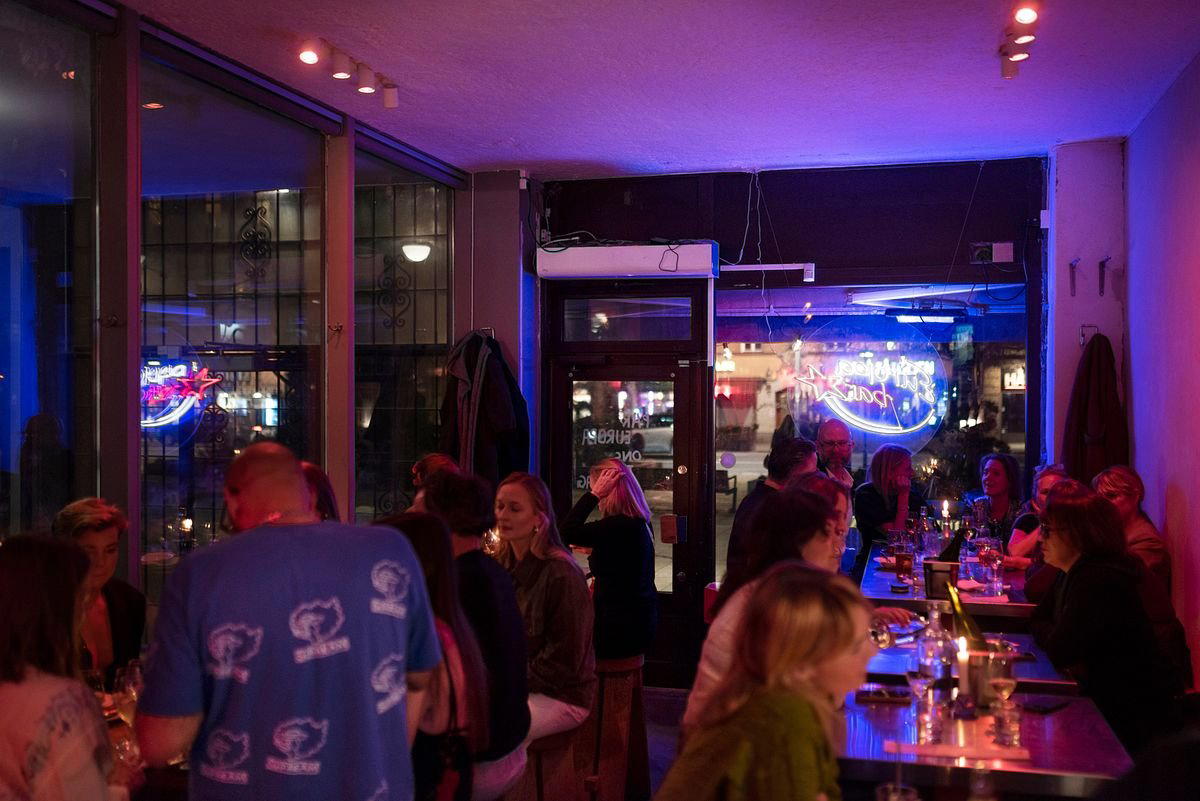
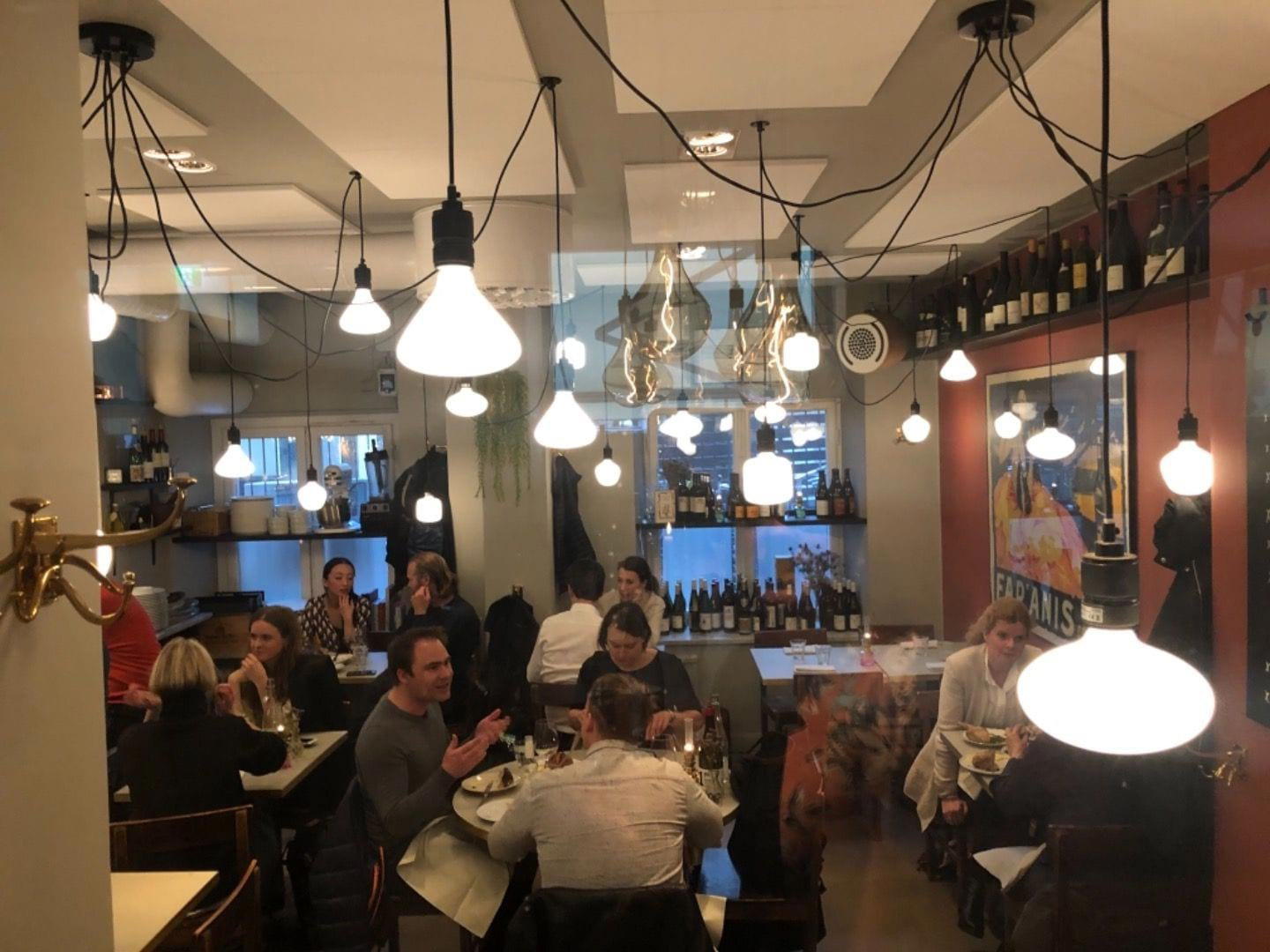
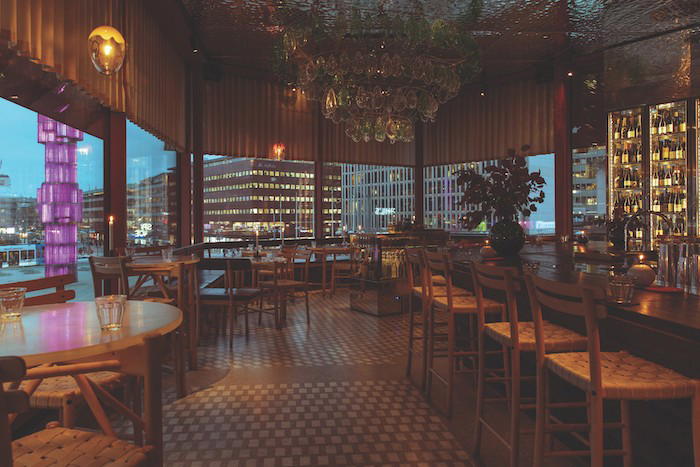
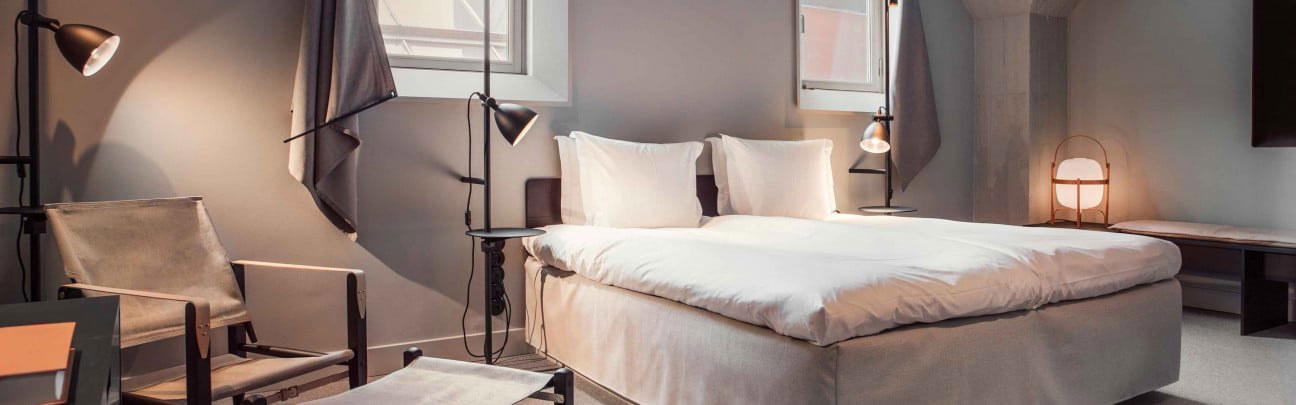
Bright and welcoming décor in a stylish former factory with a formal yet relaxed atmosphere.