Slipen occupies a distinctive address on Beckholmsvägen in Stockholm, where the city's industrial waterfront past meets its appetite for serious dining. The setting places it at a remove from the central restaurant cluster, making the approach as much a part of the experience as what follows inside. For visitors oriented around Stockholm's premium dining scene, Slipen represents a destination in the fuller sense of the word.
Pearl is the En Primeur Club membership app — saves, bookings, and concierge access live there. Same editors, same standards.
- Address
- Beckholmsvägen 26, 115 21 Stockholm, Sweden
- Phone
- +46 8 551 531 05
- Website
- slipen.se
- Directions
- Get directions
 Saves & bookings on Pearl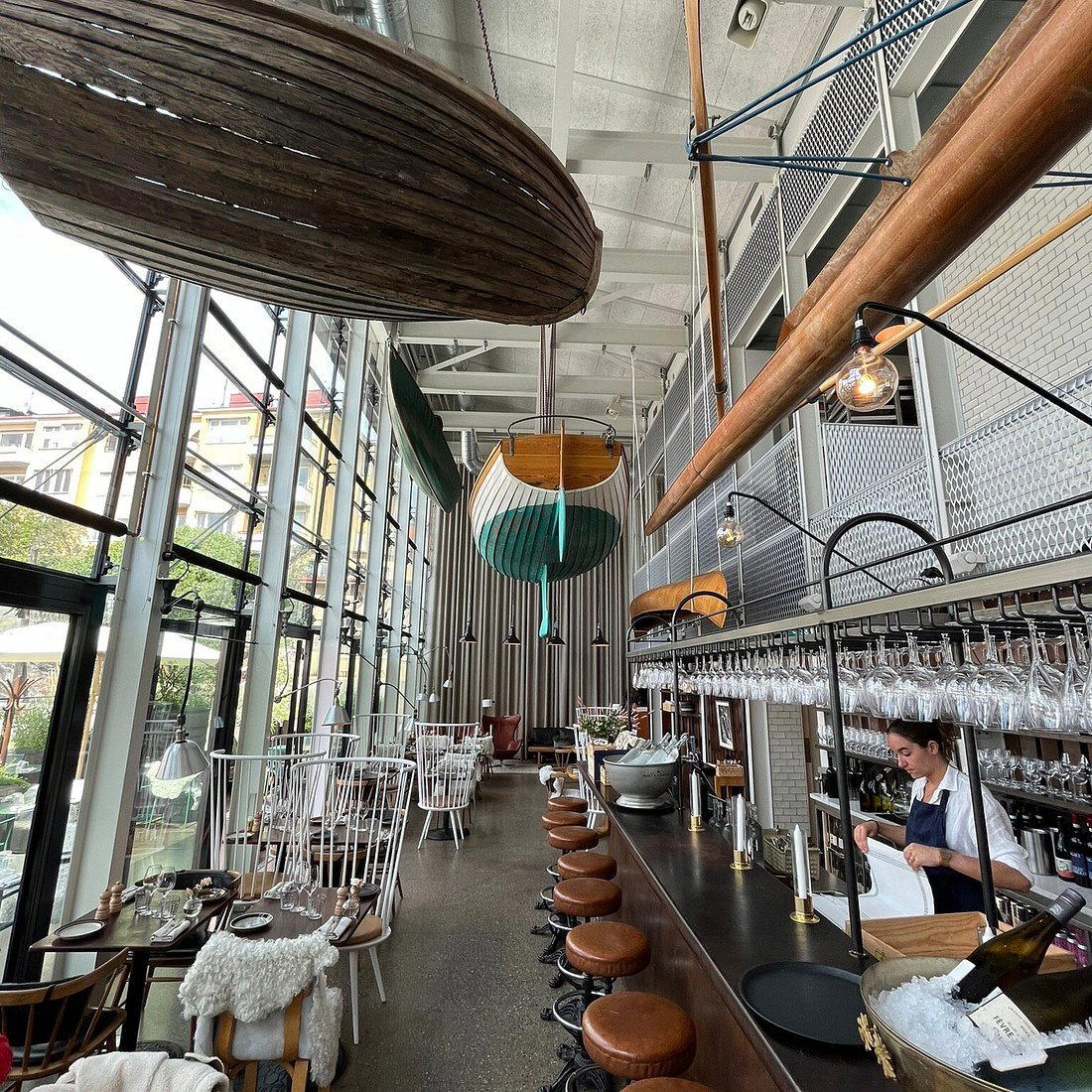
Water, Iron, and the Stockholm Table
Stockholm's most considered dining rooms tend not to announce themselves loudly. The city's restaurant scene has evolved away from the grand-boulevard formula toward addresses that require some intentionality to reach, and where the physical environment shapes the meal as much as the menu. Slipen is a Modern Swedish Bistro in Stockholm, at Beckholmsvägen 26 on the eastern edge of Djurgården, belongs to this pattern. The address places it near the historic Beckholmen dry dock, and that industrial waterfront context shapes the approach before you reach the door. The walk along the water and the low Stockholm skyline visible across the bay narrow your attention before you sit down.
Stockholm's restaurant culture treats the local environment as a direct ingredient: coastline, forest, season, and light all find their way onto the plate in one form or another. Slipen's location feeds into that sensibility. Dining near working water carries a different atmospheric charge than dining in a converted townhouse or a glossy commercial block, and Stockholm's better operators have understood this.
The Scene That Surrounds It
To understand where Slipen sits, it helps to map the broader Stockholm dining scene. The city's highest tier is anchored by a small number of tasting-menu destinations: Frantzén operates at the extreme upper end, with three Michelin stars and a global profile that places it alongside particularly scrutinized restaurants in Europe. Below that, AIRA and Aloë have built serious reputations in the modern European and creative registers, while Adam / Albin holds its position in the New Nordic tier that defined the city's international reputation. Operakällaren remains a different kind of institution, carrying Swedish culinary history as much as a contemporary kitchen agenda.
Slipen operates at a remove from all of these, both geographically and in register. The Djurgården peninsula, more commonly associated with museums and parkland than with destination dining, creates a specific kind of remove from the concentrated restaurant activity of Östermalm, Norrmalm, and Södermalm. That distance is part of the proposition. Restaurants that require effort to reach tend to self-select their audience, and the experience of arriving at a water's-edge address after a deliberate journey carries a charge that a central-city walk-in cannot replicate.
Atmosphere as the Organizing Principle
The strongest dining experiences in Stockholm's mid-to-upper tier tend to treat atmosphere as a structural element rather than a decorative one. The sound profile of a room, the quality of light at different hours, the materiality of surfaces, and the way a space frames views all contribute to what a guest actually remembers. Waterfront venues in Scandinavian cities have an inherent advantage here: natural light behaves differently near water, bouncing and shifting across the course of a meal in ways that a landlocked room cannot produce.
Stockholm's dining culture also has a particular relationship with the long summer evening. The city sits at a latitude where midsummer light persists well past ten in the evening, and restaurants positioned near open water make one productive use of this. A meal that begins in full afternoon light and ends in the amber quality of a late Nordic evening is a different experience from the same menu eaten in a basement or interior courtyard. Geography and timing work together in ways that menus alone cannot engineer.
Sweden Beyond the Capital
For visitors using Stockholm as a base while building a wider picture of Swedish restaurant culture, the country's regional dining scene rewards attention. Vollmers in Malmö operates at Michelin level in the south, while VYN in Simrishamn and ÄNG in Tvååker represent the kind of destination-restaurant-outside-the-city format that Scandinavia does particularly well. Signum in Mölnlycke, 28+ in Gothenburg, and Knystaforsen in Rydöbruk extend the map further. PM & Vänner in Växjö, Adrian Restaurang in Borås, Brasserie Park in Jonköping, and Enoteket in Norrköping fill out a circuit for anyone spending more than a long weekend in the country. Internationally, the tasting-menu discipline that defines Stockholm's top tier finds its closest analogs in venues like Le Bernardin in New York City and Atomix, where precision and intent are similarly non-negotiable.
Planning a Visit
The waterfront position makes an approach by water the more fitting option when conditions allow.
Standing Among Peers
Comparable venues nearby, for context on price, style, and recognition.
| Venue | Cuisine | Price | Notes |
|---|---|---|---|
| SlipenThis venue — the venue you are viewing | Modern Swedish Bistro | $$$ | Not listed |
| Kagges | Modern Scandinavian Bistro | $$$ | Gamla Stan |
| 19 Glas Bar & Matsal | Nordic Fine Dining | $$$ | Gamla Stan |
| Oaxen Slip | Swedish Nordic Bistro | $$$ | Djurgården |
| Cafe Rival | Swedish Bistro & Scandinavian Tavern | $$ | Riddarholmen |
| Mancini | Authentic Italian Fine Dining | $$$ | Norrmalm |
Continue exploring
More in Stockholm
Restaurants in Stockholm
Browse all →
Bars in Stockholm
Browse all →
At a Glance
- Modern
- Cozy
- Trendy
- Date Night
- Brunch
- Casual Hangout
- Waterfront
- Open Kitchen
- Terrace
- Local Sourcing
- Sustainable Seafood
- Waterfront
Current opening hours
- Monday
- 8 AM–5 PM
- Tuesday
- 8 AM–5 PM
- Wednesday
- 8 AM–5 PM
- Thursday
- 8 AM–5 PM
- Friday
- 8 AM–5 PM
- Saturday
- 8 AM–6 PM
- Sunday
- 8 AM–6 PM
Hours can change for holidays and private events. Last verified .
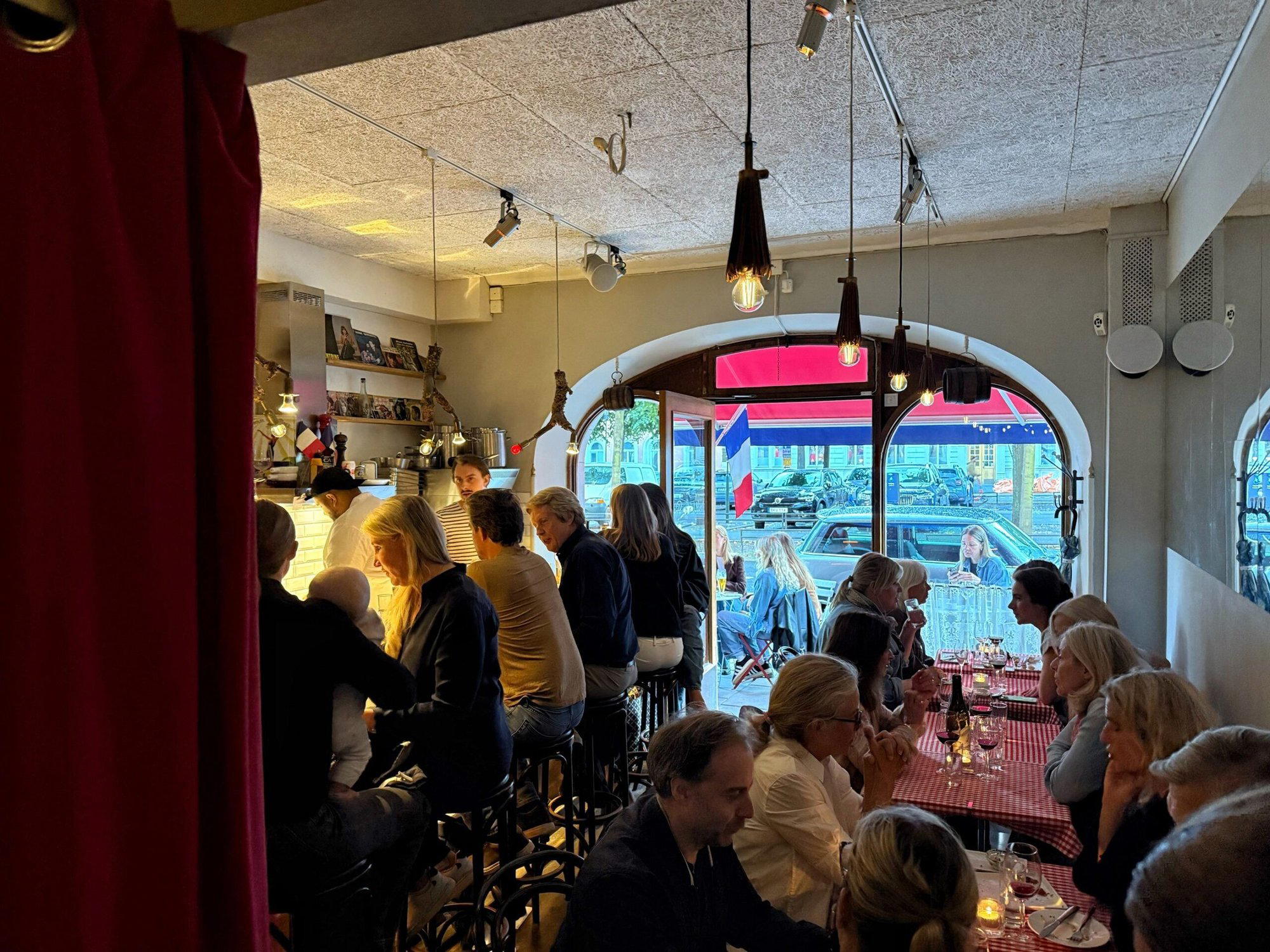
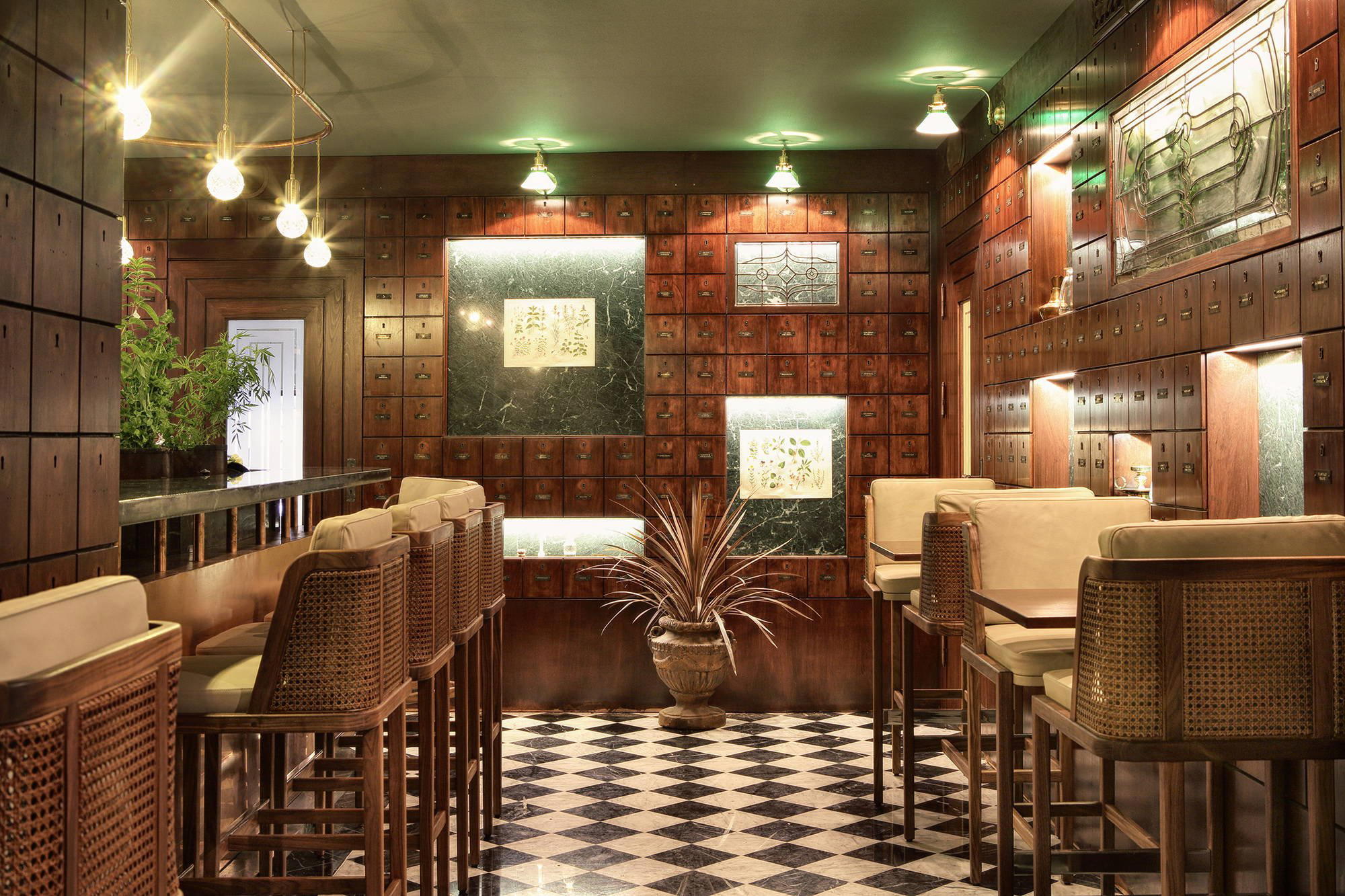
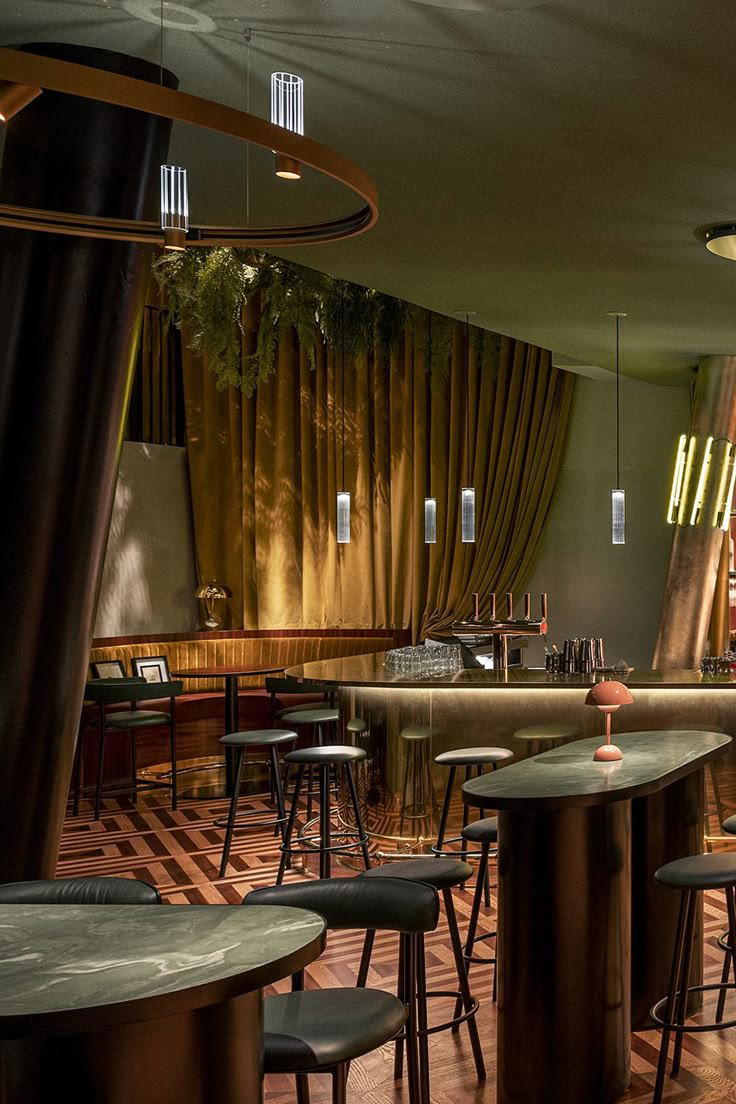
Cozy marine-inspired interior with large water-view windows, wooden boats from the ceiling, candlelight in winter, and terrace seating in summer.