LUVI Restaurant
On a quiet stretch of Tchoupitoulas Street in Uptown New Orleans, LUVI occupies a tier of the city's dining scene that operates at some remove from the French Quarter's more well-trodden circuits. The restaurant draws from New Orleans' layered culinary traditions while placing itself in a contemporary idiom that has become increasingly common in the city's residential neighborhoods. Reservations are advisable for dinner service.
Pearl is the En Primeur Club membership app — saves, bookings, and concierge access live there. Same editors, same standards.
- Address
- 5236 Tchoupitoulas St, New Orleans, LA 70115
- Phone
- +1 504 605 3340
- Website
- luvirestaurant.com
- Directions
- Get directions
 Saves & bookings on Pearl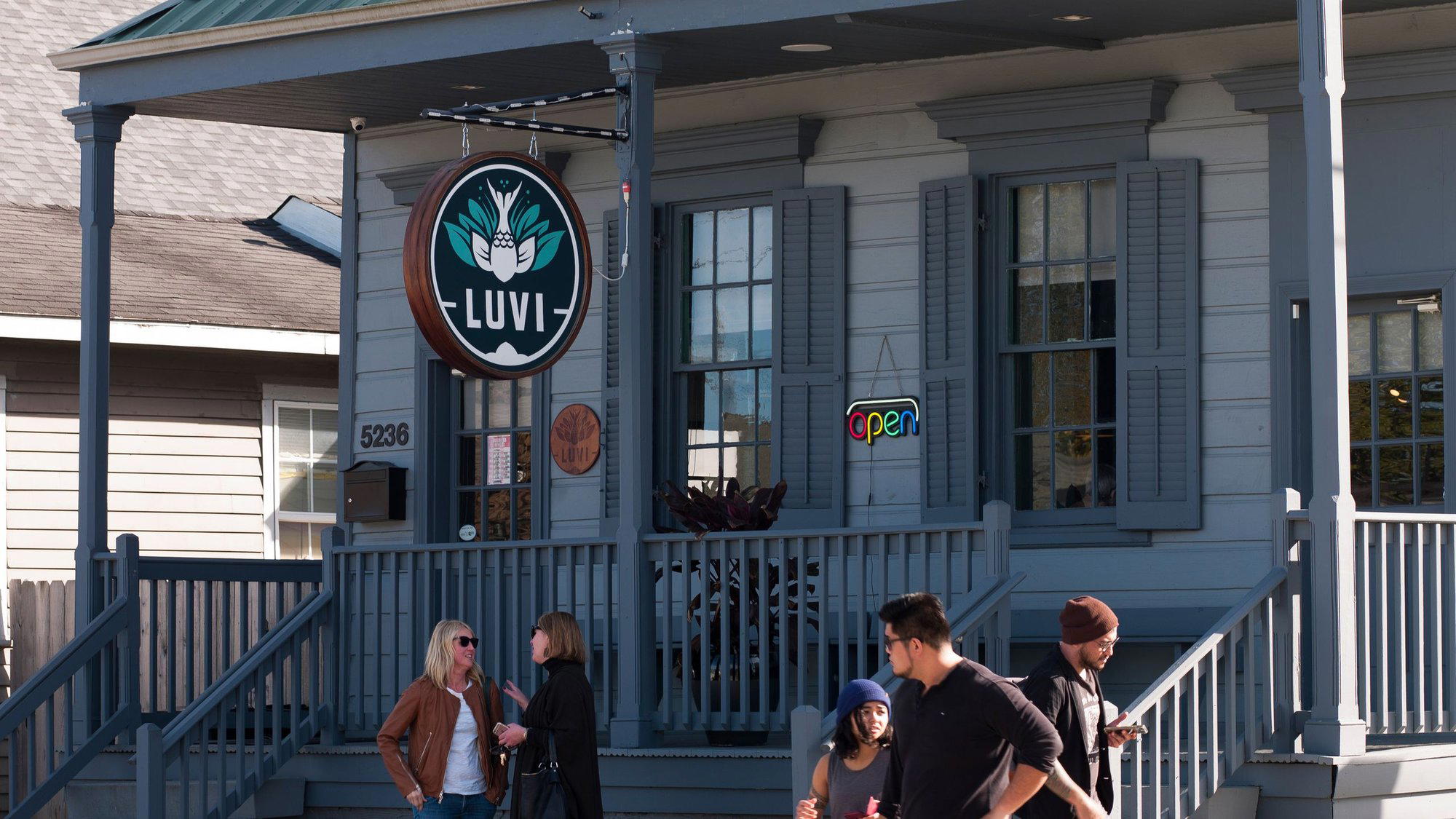
Tchoupitoulas Street and the Uptown Dining Shift
New Orleans restaurant culture has, over the past decade, redistributed itself. The French Quarter and Warehouse District remain the gravitational centers for visitors, anchored by institutions like Emeril's and destination-level contemporary rooms such as Saint-Germain. But the residential neighborhoods, Uptown, the Garden District, Mid-City, have accumulated a quieter, more locally rooted dining layer. Tchoupitoulas Street, running along the river bend that gives New Orleans its crescent shape, is part of that layer. LUVI Restaurant sits at 5236 Tchoupitoulas St, New Orleans, LA 70115.
The setting matters because it shapes expectations. This is not a room designed for tourist traffic or pre-theater convenience. The neighborhood context places LUVI in a cohort of Uptown restaurants where the regular clientele is largely local, where the pace follows the rhythms of a residential street, and where the physical environment, quieter, lower-lit, closer to domestic in scale, tends to define the experience as much as what arrives at the table.
What the Room Feels Like
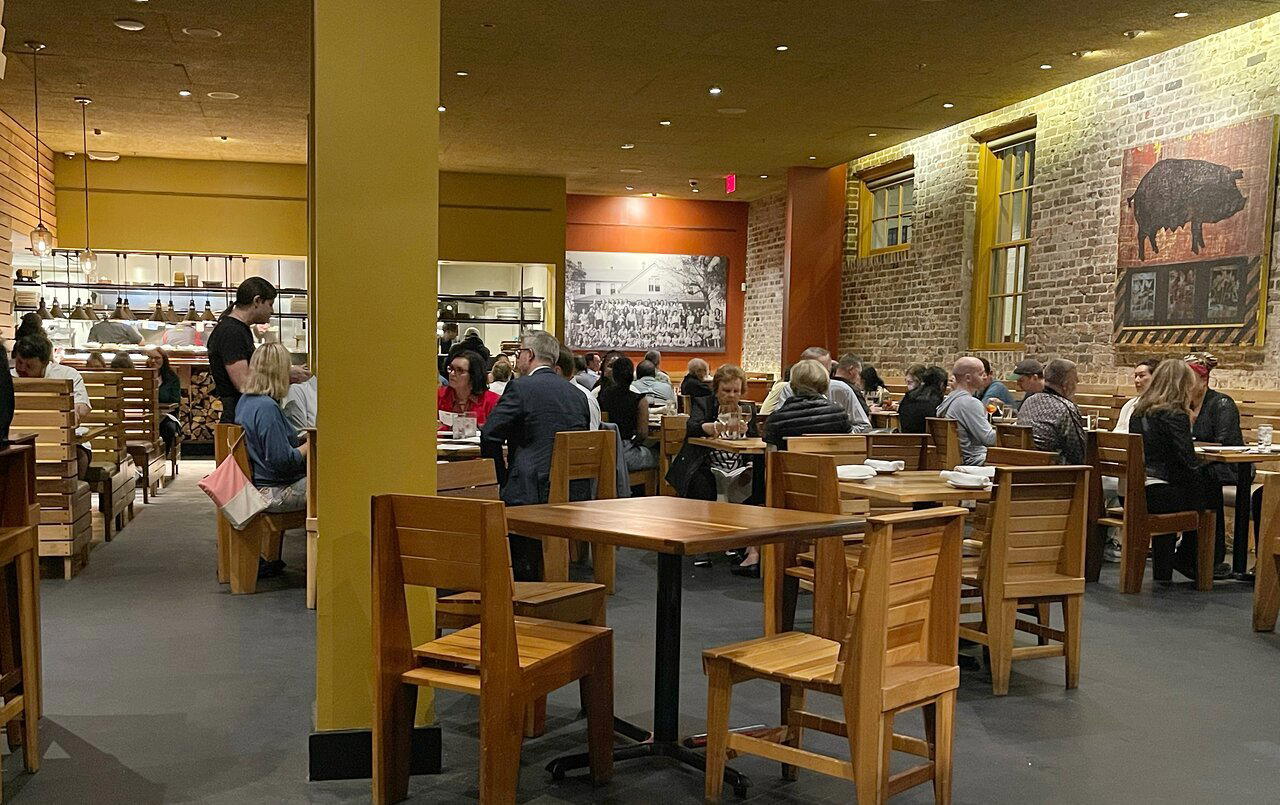
Uptown New Orleans rooms of this type tend to prioritize intimacy over spectacle. The sensory environment at street level on Tchoupitoulas at night carries the particular ambient texture of the city's residential corridors: the distant sound of streetcars on St. Charles a block or two inland, the thick subtropical air, the way sound travels differently in narrow streets lined with wood-frame buildings. Inside, restaurants in this category typically work with lower ceilings, exposed brick or painted wood, and lighting calibrated to produce warmth rather than drama.
That register, warm, close, unhurried, is the dominant mode in the Uptown dining scene, and it functions as a counterweight to the more performative rooms clustered downtown. Restaurants positioned this way compete less on theatrical production and more on the quality of what they cook and how they pace a meal. The audience for that offer is specific: the New Orleans diner who already knows the Quarter well and is looking for something that fits an evening in the neighborhood.
Where LUVI Sits in the New Orleans Competitive Set
New Orleans operates with a culinary identity that is unusually defined by its own traditions, Creole, Cajun, and the French-inflected cooking that predates both, which means restaurants that don't explicitly anchor to those traditions are implicitly making an argument. Contemporary rooms in the city navigate between two poles: those that engage seriously with local ingredients and technique while operating in a modern idiom, and those that position themselves against the New Orleans canon entirely. The more interesting restaurants tend to do the former.
In that context, LUVI shares a tier with places like Re Santi e Leoni and Zasu, contemporary rooms that operate in residential or near-residential settings and draw a loyal local following without necessarily pursuing the kind of national recognition that drives reservation pressure at Bayona or the city's Michelin-recognized addresses. That positioning carries its own logic: less visibility, less noise, more room to cook without the weight of external expectation.
For readers familiar with the broader American fine-dining circuit, LUVI's Uptown location puts it at some distance from the kind of national conversation happening at rooms like Smyth in Chicago, Lazy Bear in San Francisco, or Atomix in New York City. That is not a criticism. It is a description of what kind of dining experience this is: neighborhood-scaled, locally oriented, and valued by the people who eat here regularly rather than by those passing through once.
The Cuisine and What to Order
What the Tchoupitoulas Street address and Uptown positioning do suggest is a kitchen operating within the culinary grammar of New Orleans, that means some relationship to the seafood of the Gulf, to the French and Spanish and West African strands that run through Creole cooking, and to the seasonal rhythms of Louisiana's agricultural calendar. Contemporary restaurants in this neighborhood tend to source locally as a matter of practice rather than marketing, simply because the supply chain from Louisiana's coastal and agricultural regions into Uptown kitchens is short and well-established.
For visitors who want a sense of the order of operations: the restaurants in this tier typically run tighter menus than the larger institutions downtown, with a smaller number of dishes executed with more focus. Comparing that format to the broader American tasting-menu circuit, which includes rooms like Providence in Los Angeles, Single Thread Farm in Healdsburg, or Blue Hill at Stone Barns in Tarrytown, the Uptown New Orleans version is almost always more casual in format and less expensive in price point, even when the cooking is technically serious.
Planning Your Visit
Reaching 5236 Tchoupitoulas is direct from most of the city. The address sits in Uptown, accessible by the St. Charles streetcar line (exit near Napoleon or Audubon and walk toward the river), by rideshare from the French Quarter in roughly 15 minutes, or by bicycle along the river-adjacent streets. Street parking on Tchoupitoulas is generally available in the evening. LUVI is recommended for reservations and opens Tuesday through Thursday from 5 to 9 PM, Friday and Saturday from 5 to 10 PM. For Uptown restaurants of this type, walk-ins during early evening service are often possible on weekdays; weekend dinners at prime hours are more likely to require a reservation.
Readers who treat New Orleans dining as a comparative exercise with the country's other high-attention food cities will find useful reference points in places like The French Laundry in Napa, Frasca Food and Wine in Boulder, Addison in San Diego, The Inn at Little Washington, or, further afield, Atelier Moessmer Norbert Niederkofler in Brunico. The New Orleans version of serious dining has always operated according to its own rules, and Tchoupitoulas Street in the evening is a useful reminder of what those rules look like when they're working: local, unhurried, and shaped by a city that has been thinking about food longer than almost anywhere else in the country. Le Bernardin in New York represents a different apex of the American dining conversation, but LUVI and its Uptown peers are making a different argument, one about what a neighborhood restaurant can be when the neighborhood in question is New Orleans.
Recognition Snapshot
Comparable venues nearby, for context on price, style, and recognition.
| Venue | Cuisine | Price | Notes |
|---|---|---|---|
| LUVI RestaurantThis venue — the venue you are viewing | Shanghai-Chinese and Modern Japanese Fusion | $$$ | Not listed |
| Kira | Mediterranean-Japanese Fusion | $$$ | Arts District |
| Jack Rose | New Orleans Italian-French-Spanish | $$$ | Central City |
| Sun Chong | Creole-Korean Fusion | $$$ | French Quarter |
| Marigny Brasserie | Cajun & Creole Brasserie | $$$ | Marigny |
| Bijoux | French with Louisiana Influences | $$$ | Central Business District |
Continue exploring
More in New Orleans
Restaurants in New Orleans
Browse all →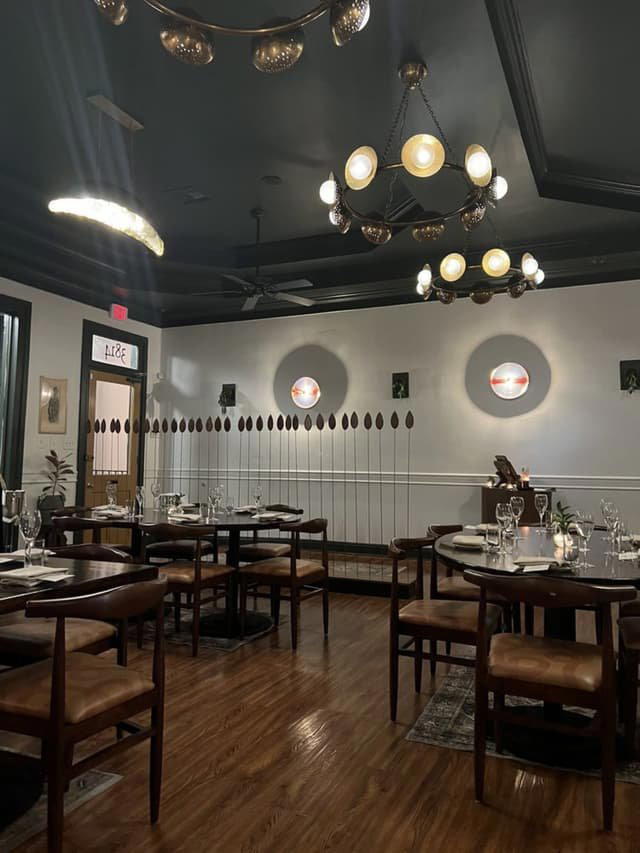
Bars in New Orleans
Browse all →
At a Glance
- Cozy
- Intimate
- Elegant
- Date Night
- Special Occasion
- Chefs Counter
- Open Kitchen
Current opening hours
- Monday
- Closed
- Tuesday
- 5–9 PM
- Wednesday
- 5–9 PM
- Thursday
- 5–9 PM
- Friday
- 5–10 PM
- Saturday
- 5–10 PM
- Sunday
- Closed
Hours can change for holidays and private events. Last verified .
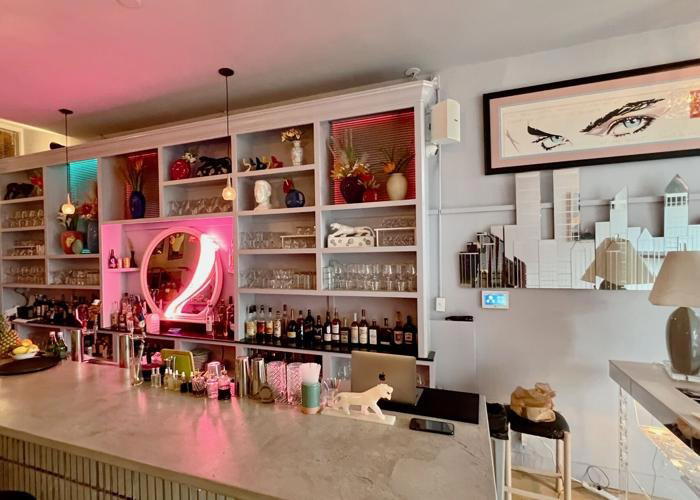
Delightfully cozy with colorful calm atmosphere, providing an elegant yet relaxed dining experience.