Kira
Kira pairs Mediterranean-Japanese fusion with craft cocktails and a leisurely dinner-or-late-night pace at 601 Tchoupitoulas St.
Pearl is the En Primeur Club membership app — saves, bookings, and concierge access live there. Same editors, same standards.
- Address
- 601 Tchoupitoulas St, New Orleans, LA 70130
- Phone
- (504) 335-1740
- Website
- kiranola.com
- Directions
- Get directions
 Saves & bookings on Pearl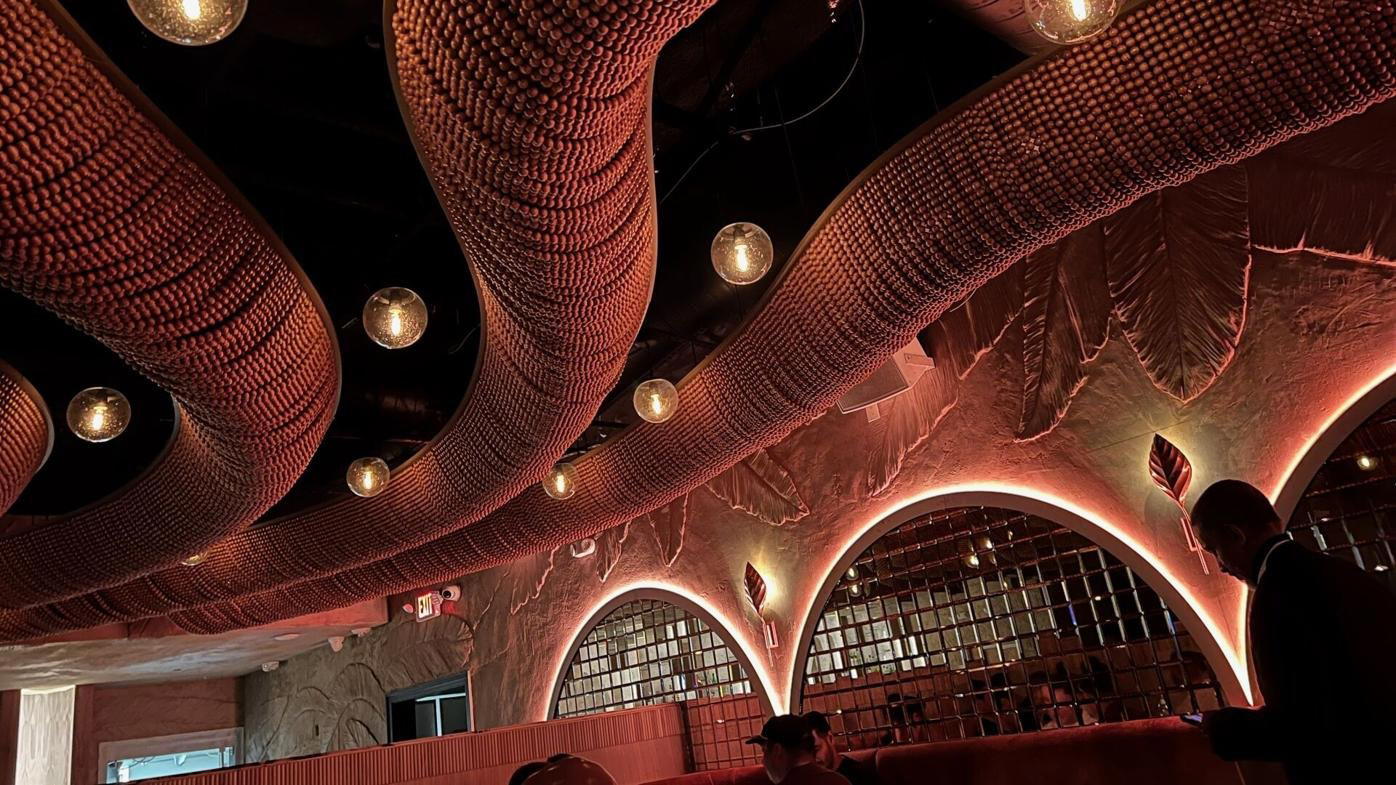
Where Japanese Precision Meets Mediterranean Herb Work on Tchoupitoulas
Tchoupitoulas Street runs parallel to the Mississippi, a corridor that has historically been more warehouse than restaurant row. That is shifting. At 601 Tchoupitoulas, Kira occupies a position in New Orleans dining that reads as genuinely unusual: a Japanese and Mediterranean kitchen operating in a city whose culinary identity is so densely rooted in Creole and Cajun tradition that deviation tends to invite skepticism. The kitchen does not seem interested in resolving that tension, which is likely why the concept holds attention.
New Orleans has absorbed outside culinary influence before, sometimes well and sometimes not. The difference at Kira is one of category: Japanese technique and Mediterranean herb logic are not decorative additions to a base cuisine. They form the actual structural language of the kitchen. That places Kira in a comparable set that has more in common with fusion-forward urban American restaurants than with the Creole houses that define the city's broader reputation. For a meaningful comparison, think of how Atomix in New York City grafts Korean fine dining onto Western tasting-menu format, or how Lazy Bear in San Francisco builds a personal culinary grammar around an otherwise familiar high-end format. Kira is working in a similar mode, with New Orleans as its operating context rather than its culinary foundation.
The Herb Register: Mediterranean Logic Inside a Japanese Frame
The editorial angle that matters most for understanding Kira is not the Japanese technique or the Mediterranean geography in isolation, but how the two interact at the herb level. Mediterranean cooking runs on aromatic scaffolding: dried oregano and fresh thyme in braises, basil deployed as a finishing note rather than a cooked element, za'atar as a dipping medium that carries both floral and acidic weight. These are not background flavors. In the Mediterranean kitchen tradition, herbs are structural, determining the register of a dish as much as the protein or base starch.
Japanese cooking, by contrast, tends to minimize aromatic herbs in favor of umami depth, temperature contrast, and textural precision. When the two systems are allowed to overlap thoughtfully, the results tend to be vivid in a particular way: the clean brightness of Mediterranean herb work cuts through the richness that umami-driven Japanese technique tends to accumulate. Za'atar's sesame and sumac notes sit in useful counterpoint to dashi-based broths. Fresh basil introduces a green sharpness that acts like a palate reset. Whether Kira executes this specifically, and with what level of discipline, is a matter for those who have sat at the table. The architecture of the concept, at minimum, gives the kitchen genuine creative room to work in.
That combination also positions Kira well against the broader New Orleans restaurant spectrum. The city's foundational dining is herb-forward in a completely different register: bay leaf, thyme, and parsley in the Creole trinity's extended family, file powder in gumbo, the aggressive green of scallion and celery in étouffée. Kira's herb language is drawn from a different tradition entirely, which means it does not compete with Emeril's or Bayona for the same diner. It is offering something the city's established kitchens are not.
Where It Sits in the New Orleans Dining Picture
New Orleans fine dining has been in a productive period of expansion beyond its Creole and Cajun anchors. Restaurants like Saint-Germain at the upper end and Zasu in the American Contemporary space show that the city's dining public has appetite for formats that do not center on roux or remoulade. Re Santi e Leoni brings Italian contemporary technique into a similar conversation. Kira's Japanese-Mediterranean combination represents a further extension of that diversification.
At the national level, the category Kira occupies connects to a pattern visible in cities with more consolidated fine dining infrastructure. Le Bernardin in New York City demonstrates how a single-cuisine focus can anchor a kitchen for decades at the summit tier. The French Laundry in Napa and Single Thread Farm in Healdsburg show how a strong point of view, maintained with discipline, builds durable reputation. Alinea in Chicago and Providence in Los Angeles occupy their respective city dining pictures partly because they offer something the local market cannot get elsewhere. Kira is attempting to occupy that kind of position in New Orleans, though its trajectory remains to be demonstrated over time.
The Tchoupitoulas address is not in the French Quarter dining cluster, which has implications for how the restaurant draws. Visitors working off a standard New Orleans dining itinerary may not find Kira on the natural path. That makes it more dependent on local regulars and self-directed travelers who are specifically looking for something outside the Creole mainstream, which in turn shapes the dining room on any given evening.
Planning Your Visit
Kira sits at 601 Tchoupitoulas Street in the Warehouse District, a neighborhood that has accumulated galleries, hotels, and restaurants over the past two decades and now functions as a legitimate dining destination rather than a detour. The area sits within reasonable distance of the French Quarter and the Central Business District, making it accessible from most central New Orleans accommodation. Given the specificity of the concept and the kitchen's dual culinary register, this is a reservation worth making in advance rather than attempting as a walk-in. Reserve ahead. Kira is recommended for reservations and is open Mon: 5-11 PM; Tue: 5-11 PM; Wed: Closed; Thu: 5 PM-12 AM; Fri: 11 AM-1 AM; Sat: 5 PM-1 AM; Sun: 5-11 PM.
Also worth considering before or after a meal at Kira: Alain Ducasse at Louis XV in Monte Carlo is a useful reference point for how Mediterranean herb logic can work inside a formal, technically rigorous kitchen. It is a useful calibration point for understanding what the Japanese-Mediterranean pairing at Kira is reaching toward, even if the format and context differ substantially.
The Essentials
Comparable venues nearby, for context on price, style, and recognition.
| Venue | Cuisine | Price | Notes |
|---|---|---|---|
| KiraThis venue — the venue you are viewing | Not listed | $$$ | Not listed |
| Antoine's | French Quarter, French-Creole | $$$ | Not listed |
| The Court of Two Sisters | Not listed | $$$ | French Quarter, Traditional Creole & Cajun |
| Rizzuto Prime | Not listed | $$$ | Central Business District, Premium Steakhouse with Italian Specialties |
| Evviva | Bywater, Modern Mediterranean Bistro | $$$ | Not listed |
| Brasa South American Steakhouse | Not listed | $$$ | French Quarter, South American Steakhouse |
Continue exploring
More in New Orleans
Restaurants in New Orleans
Browse all →
Bars in New Orleans
Browse all →
At a Glance
- Lively
- Modern
- Elegant
- Sophisticated
- Trendy
- Date Night
- Group Dining
- Casual Hangout
- After Work
- Late Night
- Private Event
- Open Kitchen
- Private Dining
- Design Destination
- Craft Cocktails
Current opening hours
- Monday
- 5–11 PM
- Tuesday
- 5–11 PM
- Wednesday
- Closed
- Thursday
- 5 PM–12 AM
- Friday
- 11 AM–1 AM
- Saturday
- 5 PM–1 AM
- Sunday
- 5–11 PM
Hours can change for holidays and private events. Last verified .
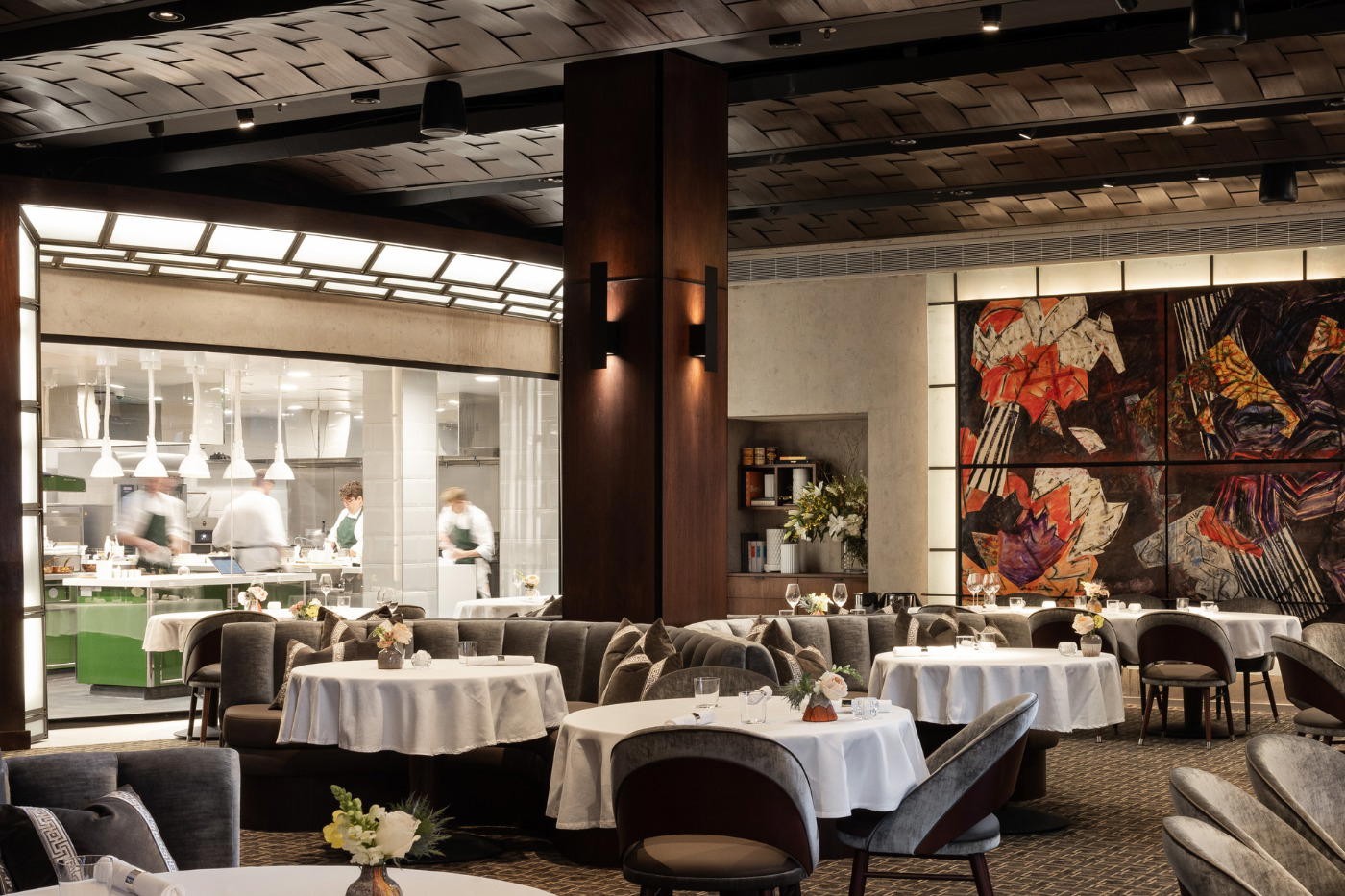
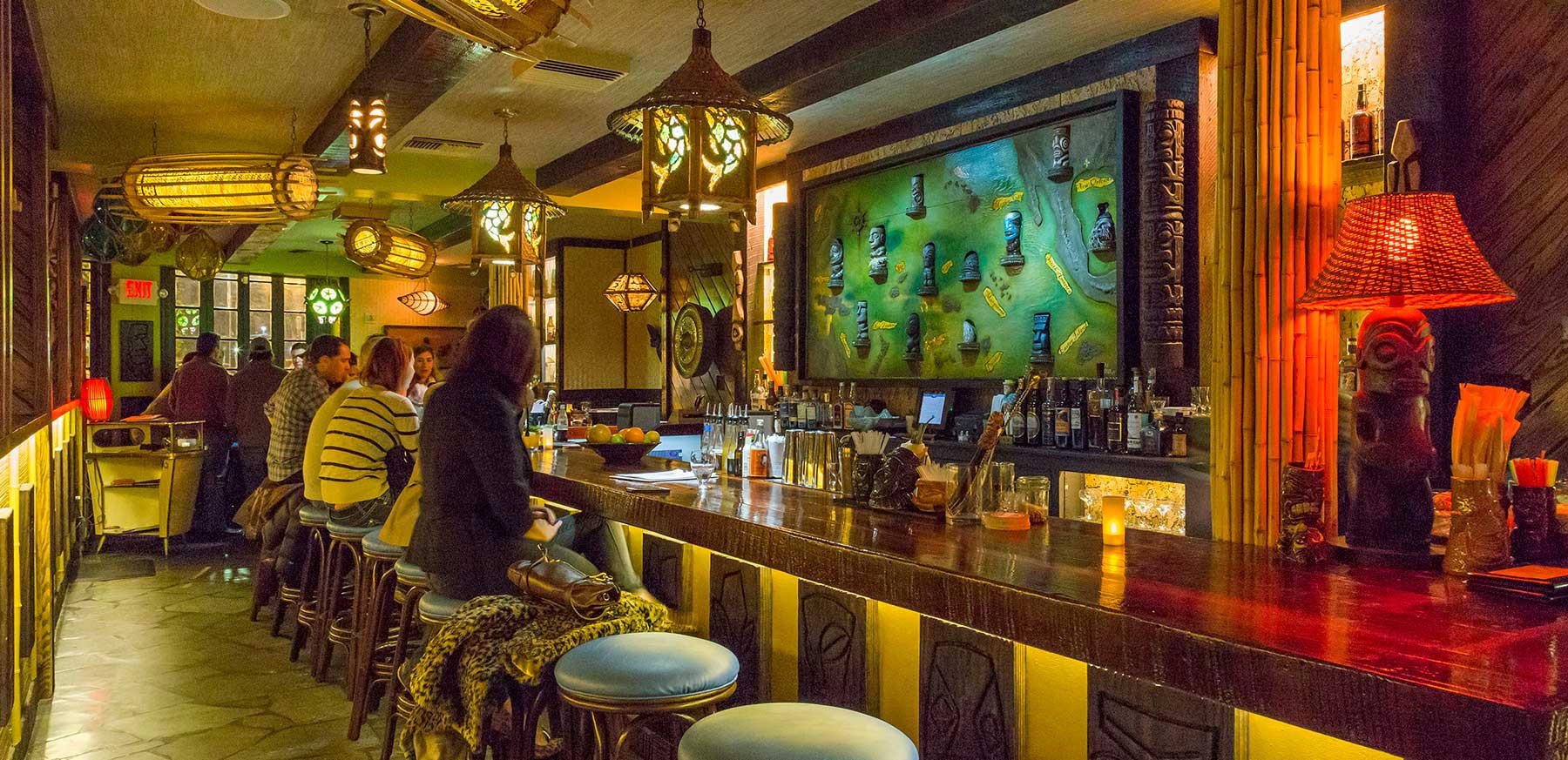
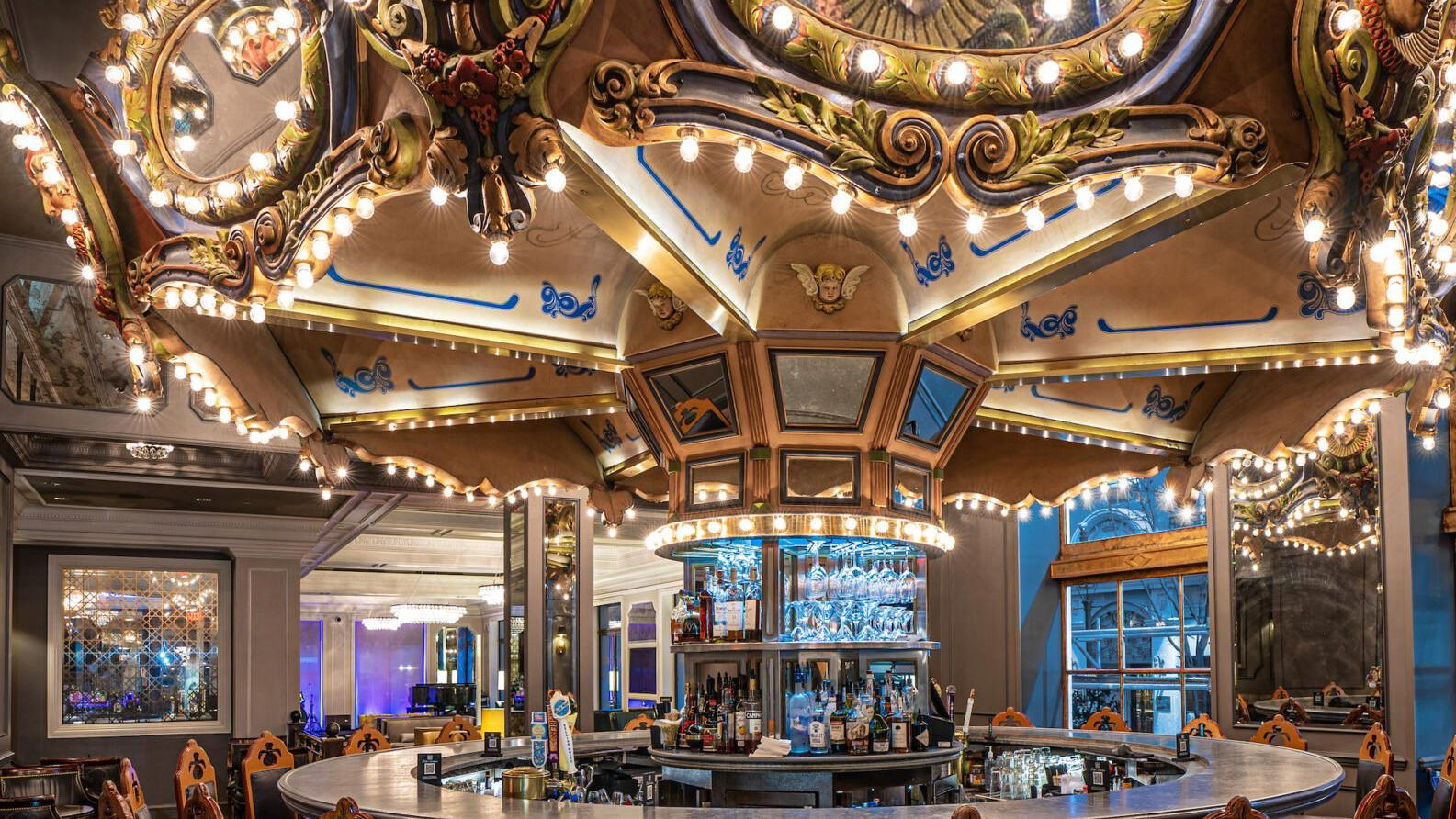
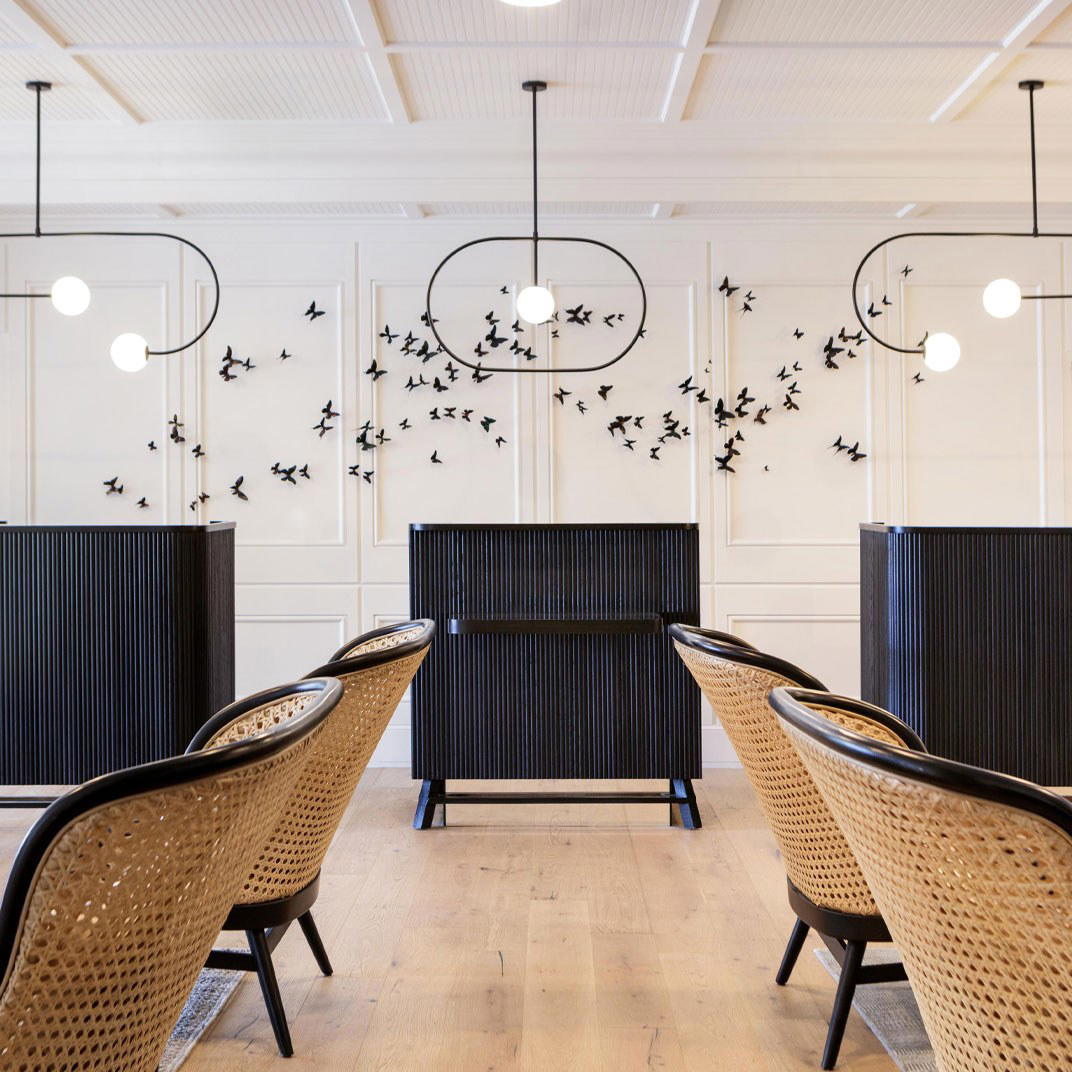
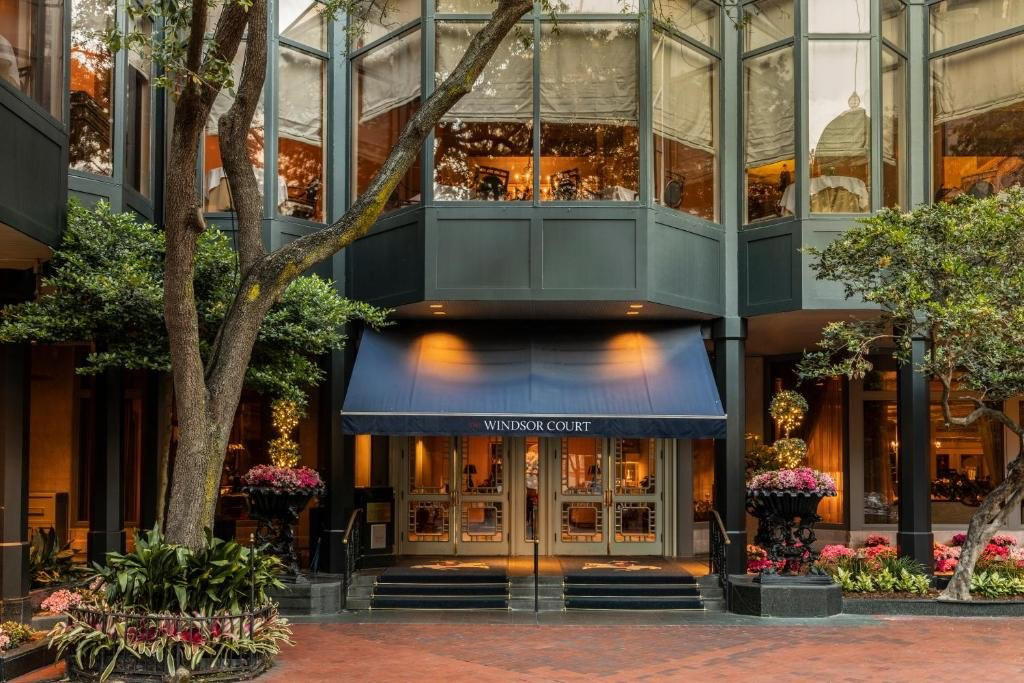
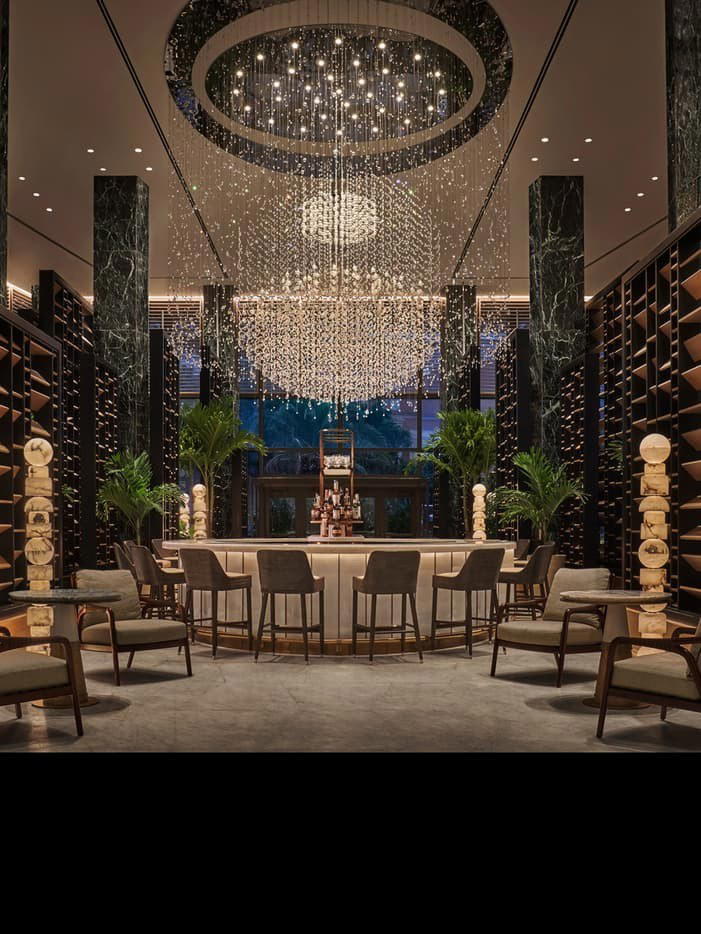
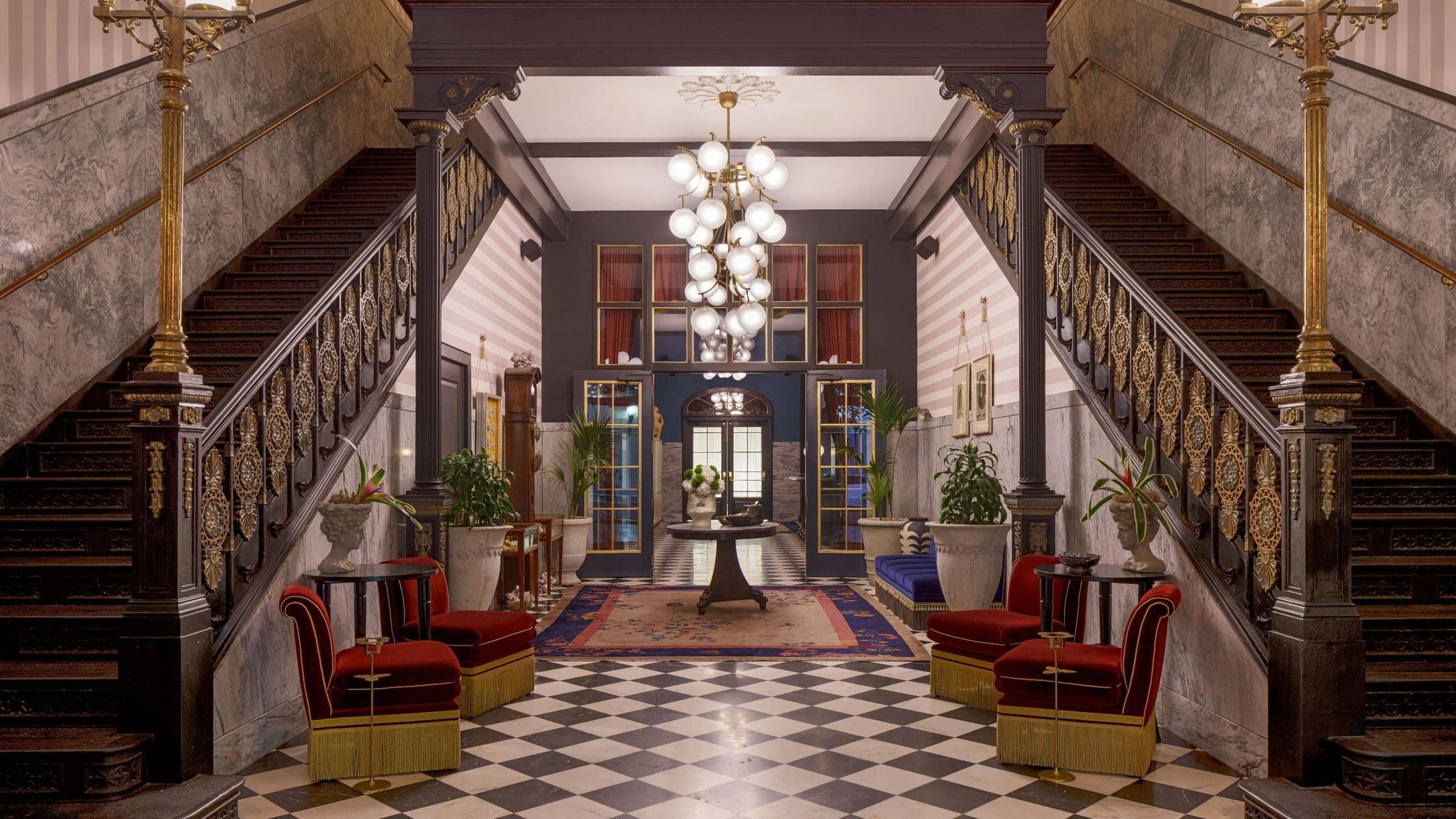
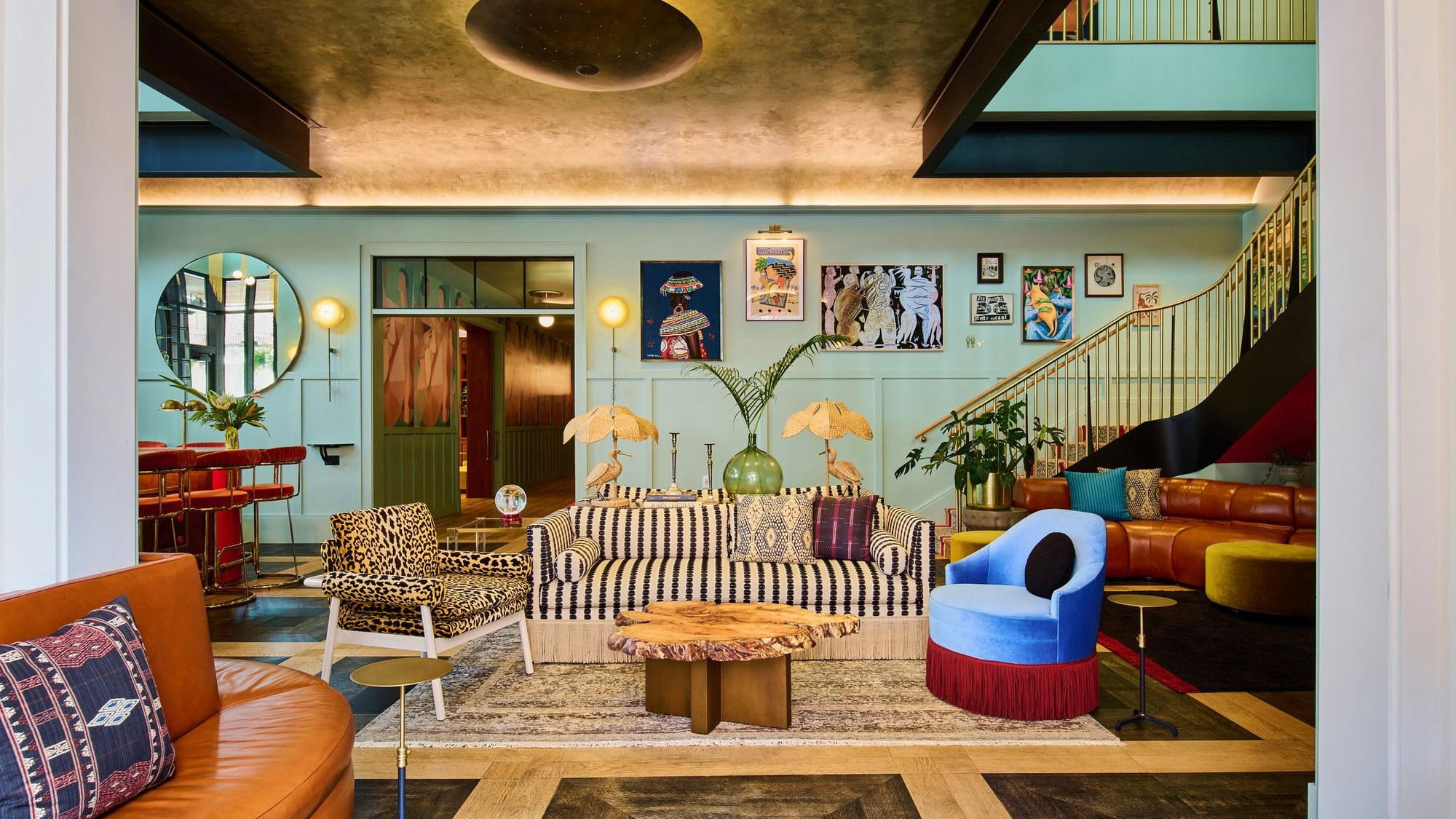
Sleek, earthy tones with sultry, lounge-driven atmosphere designed to feel transportive and sophisticated yet warm and social.