Lutter & Wegner Bad Gastein
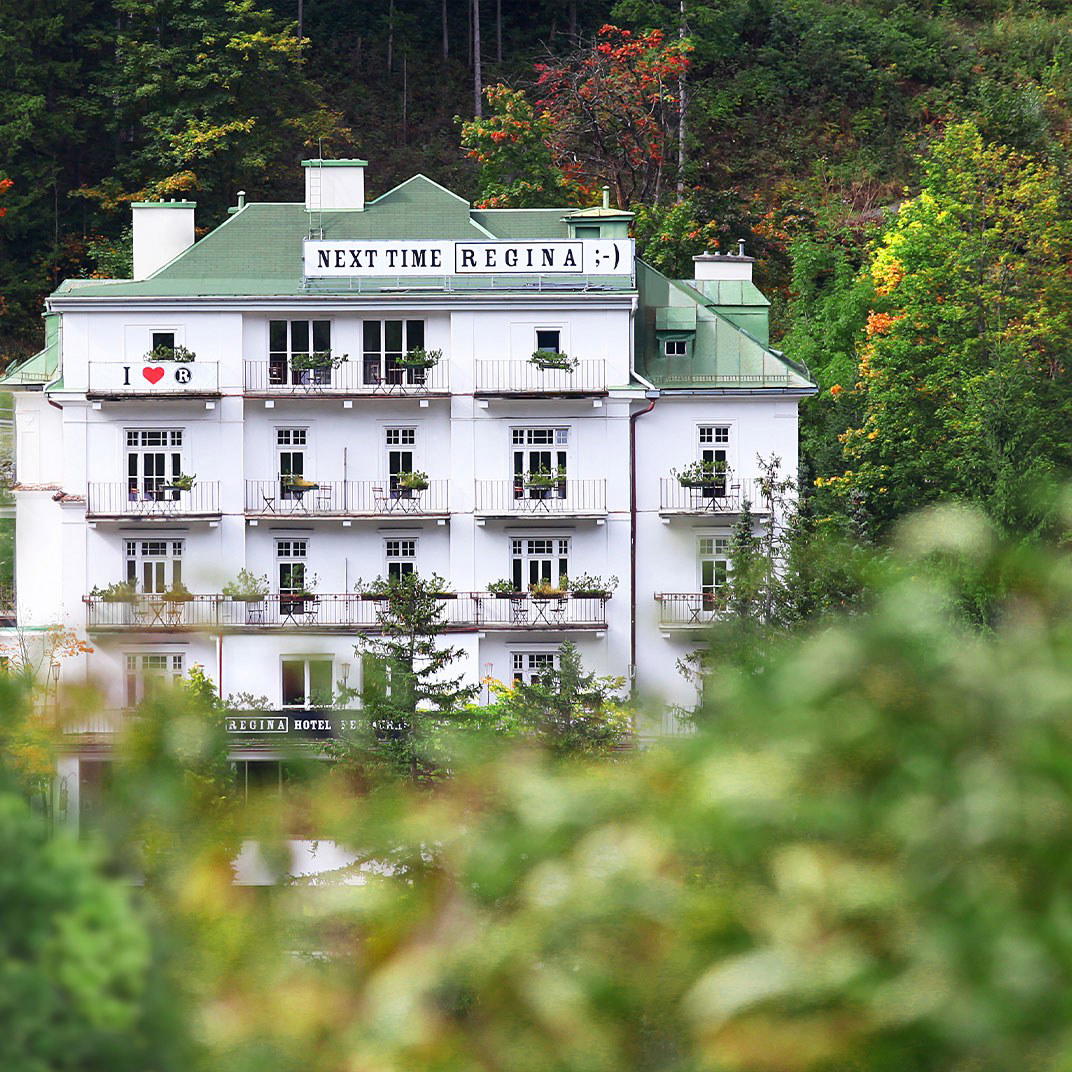
Lutter & Wegner brings a long-established Central European dining tradition to the thermal resort town of Bad Gastein, where the alpine setting and proximity to high-altitude agriculture shape the character of the table. The address on Kaiser Franz Josef-Straße places it within the town's historic core, making it a practical anchor for visitors exploring the Gastein Valley's growing restaurant scene.
Pearl is the En Primeur Club membership app — saves, bookings, and concierge access live there. Same editors, same standards.
- Address
- Kaiser Franz Josef-Straße 16, 5640 Bad Gastein, Austria
- Phone
- +434364345101
- Website
- villasolitude.com
- Directions
- Get directions
 Saves & bookings on Pearl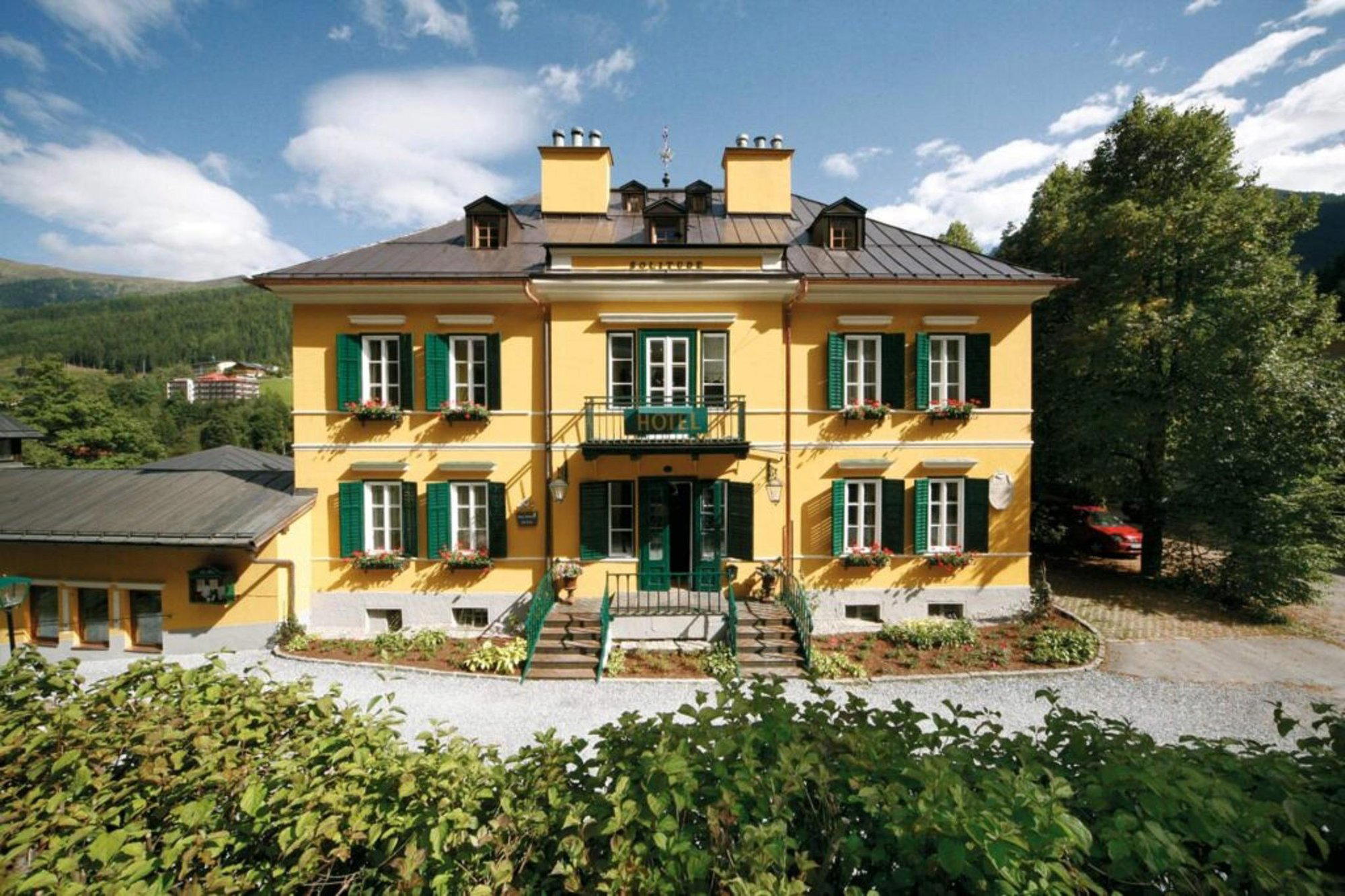
Where the Alps Come to the Table
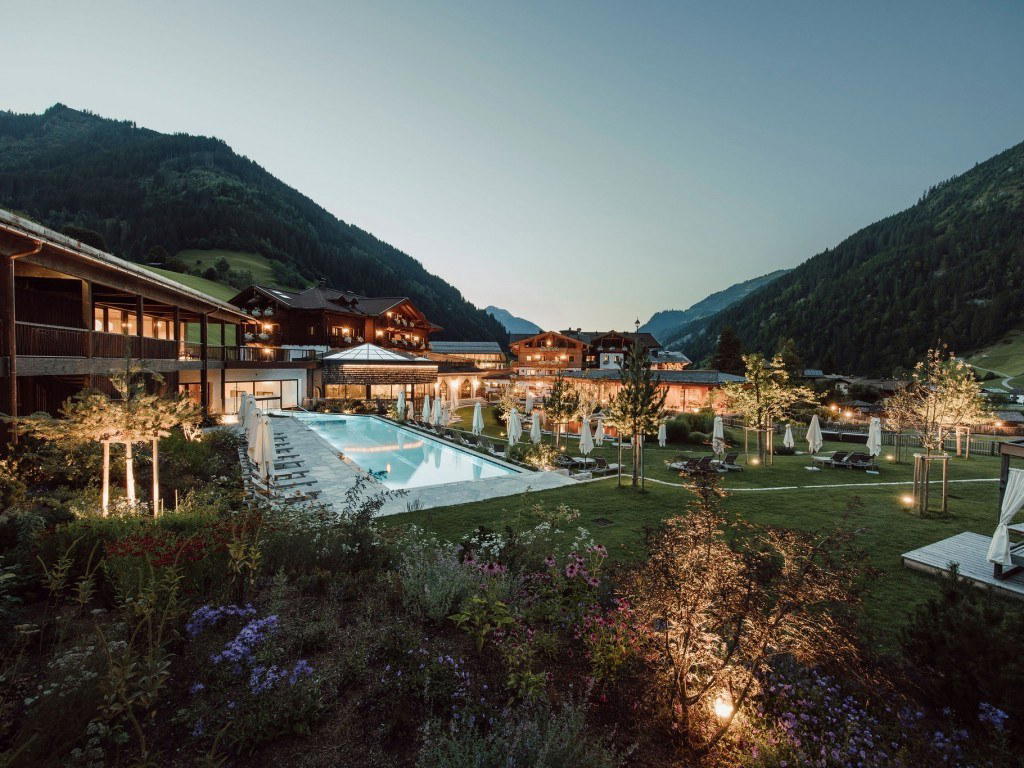
Bad Gastein sits in a bowl of the Hohe Tauern range at around 1,000 metres, and the geography is not incidental to what ends up on a plate here. The Gastein Valley has long drawn visitors for its thermal waters and, in winter, its ski terrain, but the surrounding highlands also produce the kind of ingredients that give alpine cooking its particular character: mountain pasture beef, wild game from the Tauern forests, dairy from small farms at altitude, and herbs that grow short and intensely flavoured in thin mountain air. Dining in this context carries a logic that visitors from Vienna or Munich sometimes overlook, the sourcing story is embedded in the landscape in a way that lowland kitchens have to work hard to replicate.
Lutter & Wegner Bad Gastein, at Kaiser Franz Josef-Straße 16, occupies a position in that valley town that connects a well-known Central European hospitality name to a genuinely alpine sourcing context. The Lutter & Wegner brand has roots in German-speaking Europe's older restaurant tradition, carrying associations with the kind of formal, wine-attentive dining culture that once defined Berlin and Vienna's grand bourgeois tables. Translating that into a mountain resort environment is an interesting act of calibration.
The Sourcing Logic of High-Altitude Cooking
Austrian alpine cooking, at its most coherent, is built on short supply chains that are almost accidental, a function of geography rather than ideology. The farms that supply restaurants in the Gastein Valley are rarely far away, and in many cases the relationship between kitchen and producer is personal in the way that becomes difficult to engineer in urban settings. This matters most in the categories where proximity changes the product: dairy, game, and foraged material.
Mountain pasture farming in the Salzburg region operates on a seasonal rhythm that Austrian kitchens with serious sourcing ambitions track carefully. Cattle move to high pasture (Alm) in summer, producing milk and meat with flavour profiles distinct from year-round lowland feed. Game season in the Hohe Tauern follows hunting regulations that control pressure on red deer, chamois, and wild boar populations, meaning autumn menus in the valley take on a character that is both genuinely seasonal and locally specific rather than decoratively rustic.
This is the context in which a restaurant like Lutter & Wegner Bad Gastein functions, and it is the context that gives alpine resort dining its clearest competitive advantage over city restaurants. Places like Steirereck im Stadtpark in Vienna or Ikarus in Salzburg work high on Austrian fine dining with creative programmes and extensive sourcing networks, but they operate at a remove from the raw material that a valley restaurant accesses by default. Obauer in Werfen, roughly 60 kilometres north of Bad Gastein through the Salzach valley, has long demonstrated how seriously a regional Austrian kitchen can treat those local ingredients across decades of consistent operation.
Bad Gastein's Position in the Alpine Dining Circuit
The broader alpine fine dining tier in the Austrian-German corridor is anchored by a handful of restaurants that have built sustained critical recognition: Döllerer in Golling an der Salzach works a contemporary Austrian and innovative register that has made it a reference point for the region; Gourmetrestaurant Tannenhof in Sankt Anton am Arlberg and Griggeler Stuba in Lech represent the Vorarlberg and Tirol end of the ski resort dining category at serious price points. Stüva in Ischgl occupies a similar niche. In Salzburg state, Kräuterreich by Vitus Winkler in Sankt Veit im Pongau, less than 30 kilometres from Bad Gastein, brings an herb-focused sourcing discipline that has earned its own recognition.
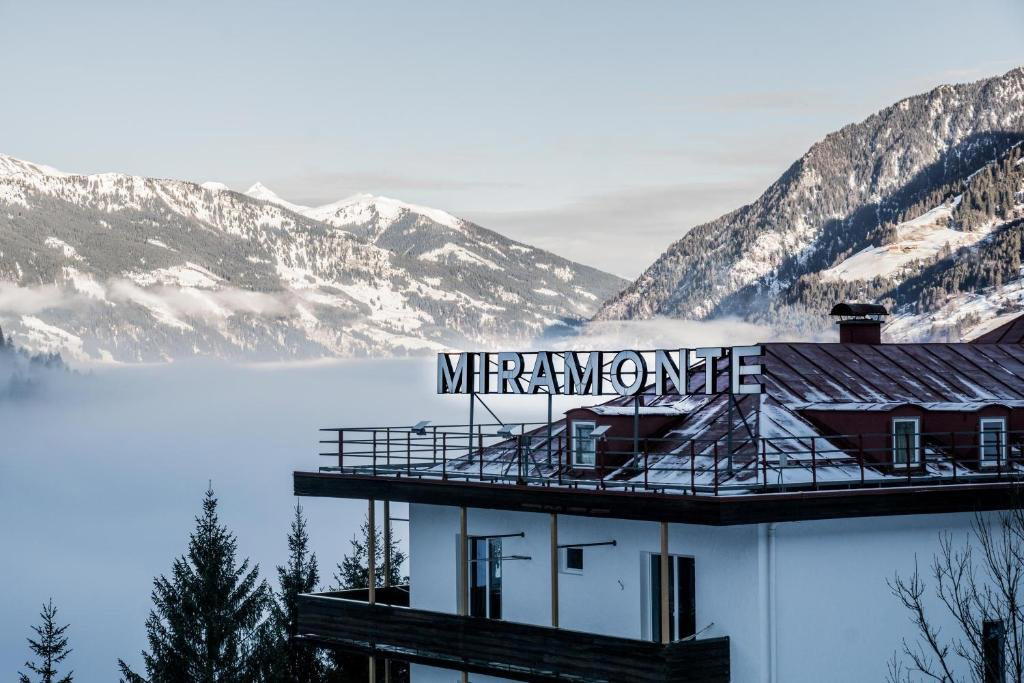
Bad Gastein sits slightly apart from that circuit, its dining scene shaped more by the thermal resort and ski visitor profile than by destination gastronomy tourism. That creates both a gap and an opportunity: the audience is there, the raw material is there, and the historical glamour of the town's early-twentieth-century Belle Époque architecture gives the physical context a weight that purely functional ski resorts lack. Lutter & Wegner's address on the main street places it squarely within that historic fabric.
For comparison outside the alpine corridor, the gap between a resort restaurant and a destination kitchen is instructive. Operations like Le Bernardin in New York City or Atomix in New York City function as destination restaurants that draw visitors specifically for the table; alpine resort dining more commonly serves guests whose primary reason for travel is the mountain environment, with the restaurant as an important but secondary draw. Exceptions exist, Landhaus Bacher in Mautern an der Donau and Taubenkobel in Schützen am Gebirge operate as genuine destination draws in their respective Austrian regions, but the Gastein Valley's dining scene has not yet consolidated around a single such anchor.
Planning a Visit
Bad Gastein is accessible by train from Salzburg on the Tauernbahn line, a journey of roughly 90 minutes that deposits visitors at a station a short walk from the town centre and Kaiser Franz Josef-Straße. The town operates on two distinct seasonal peaks: the winter ski season, when accommodation and restaurant demand runs high from December through March, and the summer wellness and hiking season, which has grown substantially as thermal spa tourism recovers its pre-war prestige among central European travellers. Both windows attract different visitor profiles, and the restaurant scene reflects that: winter evenings in Bad Gastein carry the compressed social energy of a ski resort at full capacity, while summer service is typically more relaxed in tempo.
Approaching Lutter & Wegner Bad Gastein with a reservation planned at least a week ahead during peak winter season is a reasonable baseline. For visitors building a wider Austrian dining itinerary, the Salzburg region offers strong anchors: Atelier Fischer in Sankt Gilgen on the Wolfgangsee and Ois in Neufelden in Upper Austria extend the circuit beyond the Gastein Valley. For Austrian dining at the highest current price tier, Schwarzer Adler in Hall in Tirol, Artis in Graz, and Restaurant 141 by Joachim Jaud in Mieming represent the range of serious regional options worth building a trip around.
Quick Comparison
Comparable venues nearby, for context on price, style, and recognition.
| Venue | Cuisine | Price | Notes |
|---|---|---|---|
| Lutter & Wegner Bad GasteinThis venue — the venue you are viewing | Traditional Austrian Classics | $$$ | Not listed |
| Edelweiß Mountain Cuisine | Austrian Mountain Cuisine with Pizza | $$$ | Grossarl |
| Seewirt Mattsee | Modern Austrian Fine Dining | $$$ | Mattsee, Salzburg Lake District |
| Linde | Austrian Classics with International Specialties | $$$ | Maria Wörth |
| Hotel Kaiserblick | Tyrolean Gourmet with International Influences | $$$ | Ellmau |
| Xandl Stadl | Alpine Austrian | $$$ | Hinterglemm |
Continue exploring
More in Bad Gastein
Restaurants in Bad Gastein
Browse all →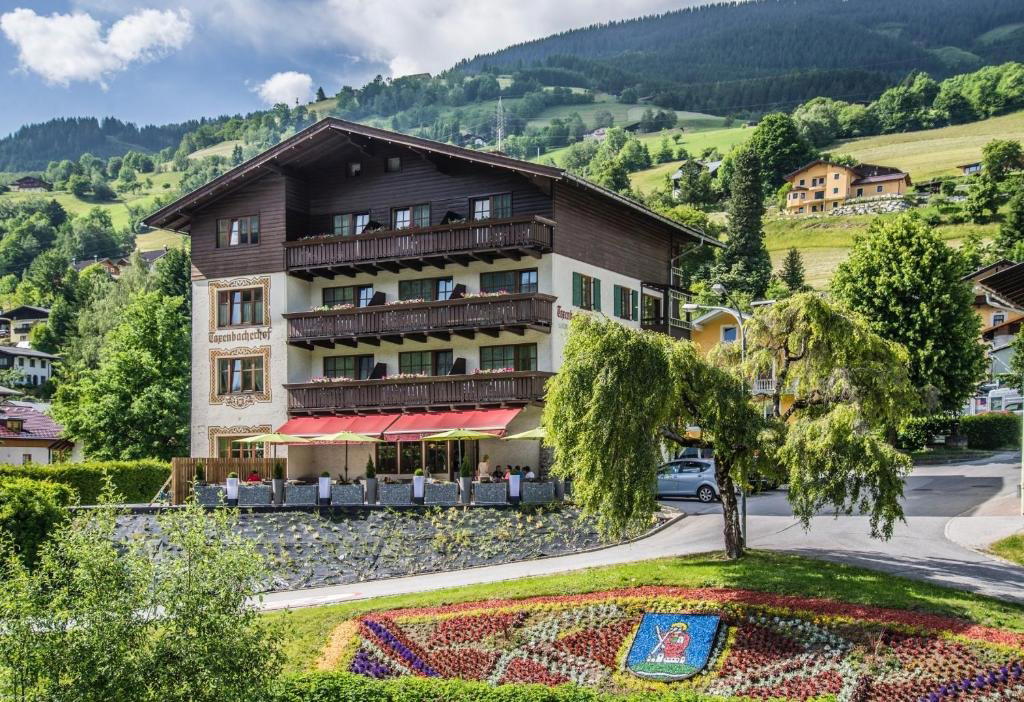
Bars in Bad Gastein
Browse all →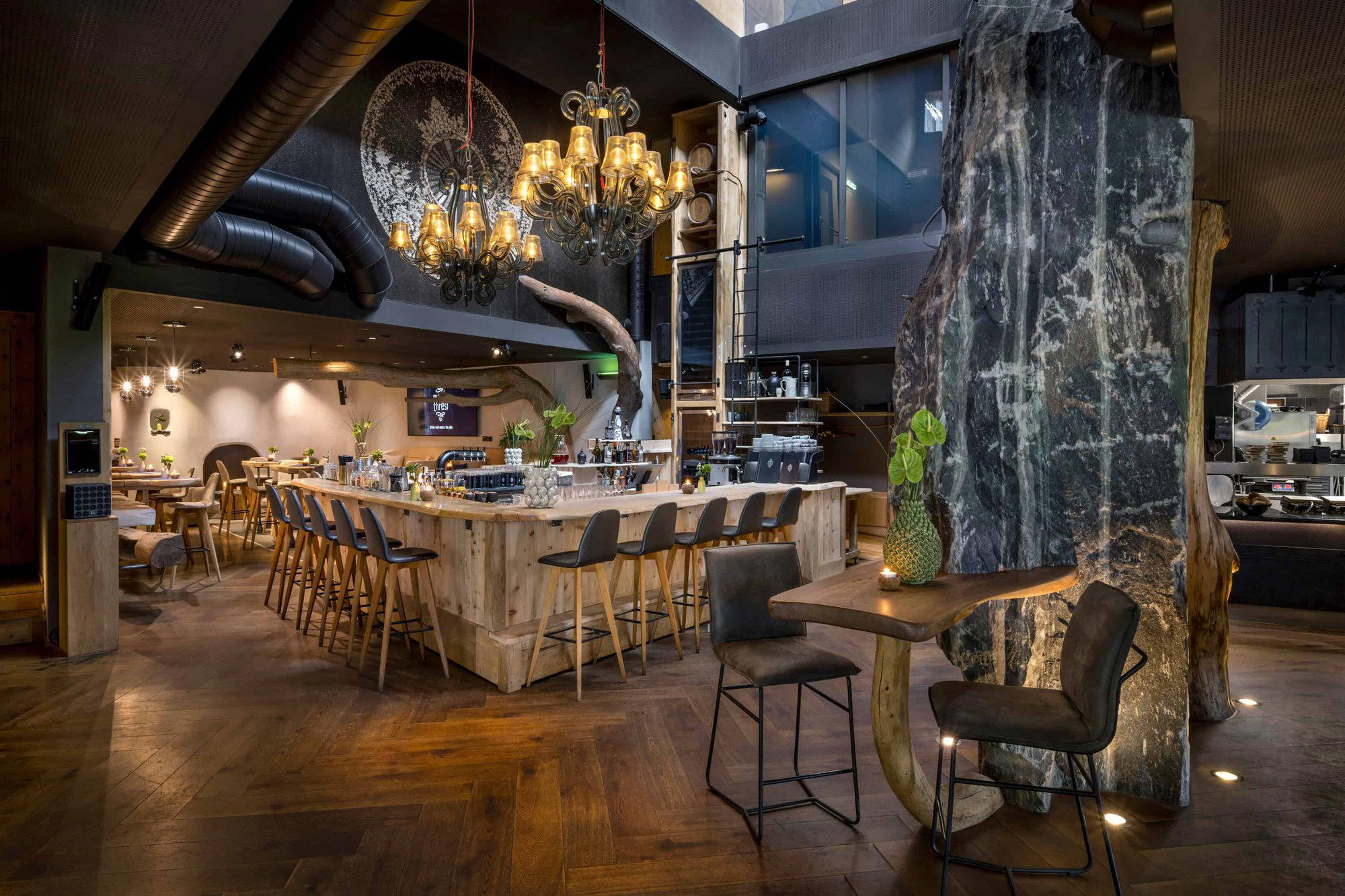
At a Glance
- Classic
- Cozy
- Elegant
- Scenic
- Date Night
- Special Occasion
- Terrace
- Historic Building
- Panoramic View
- Hotel Restaurant
- Extensive Wine List
- Mountain
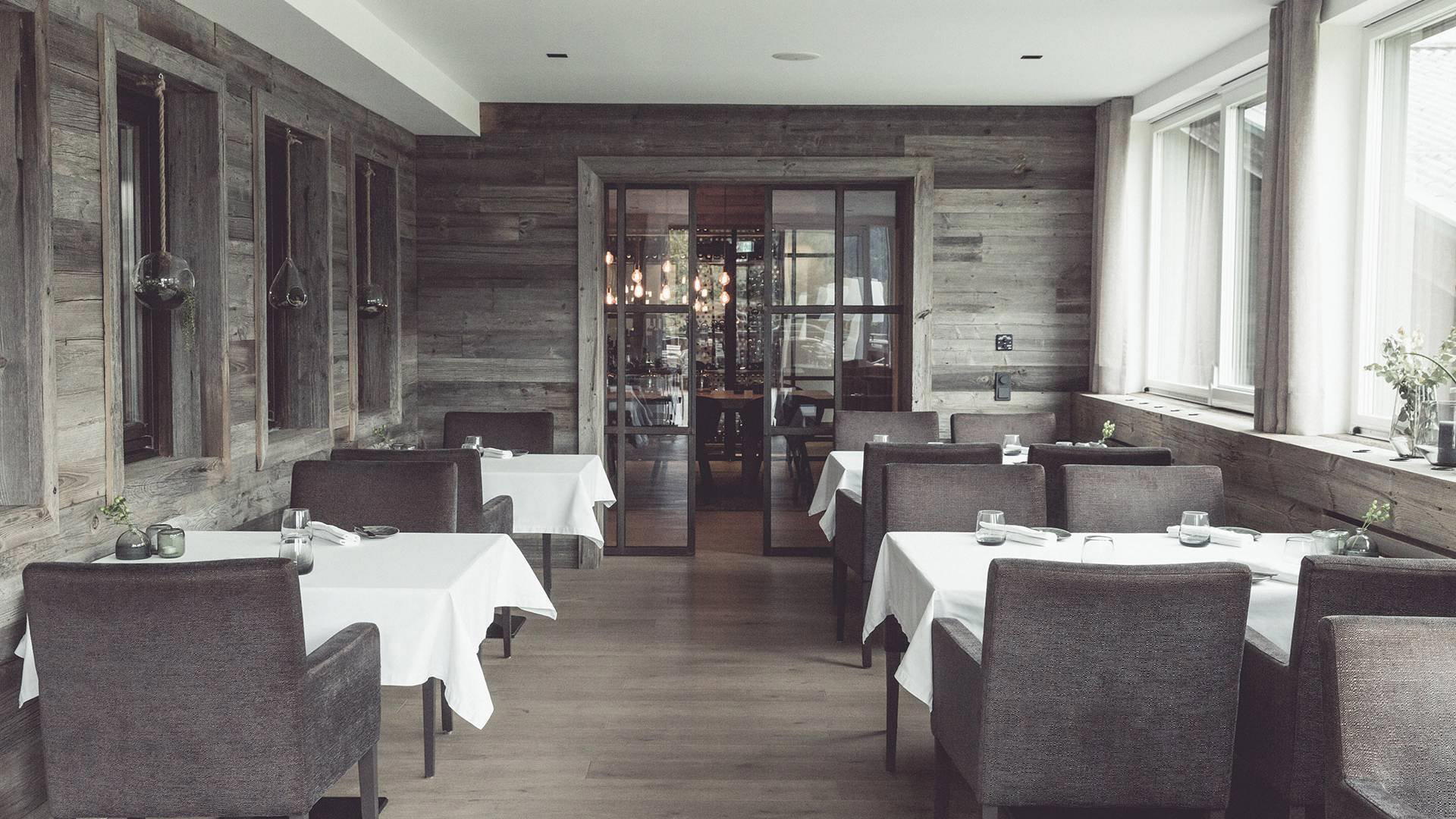
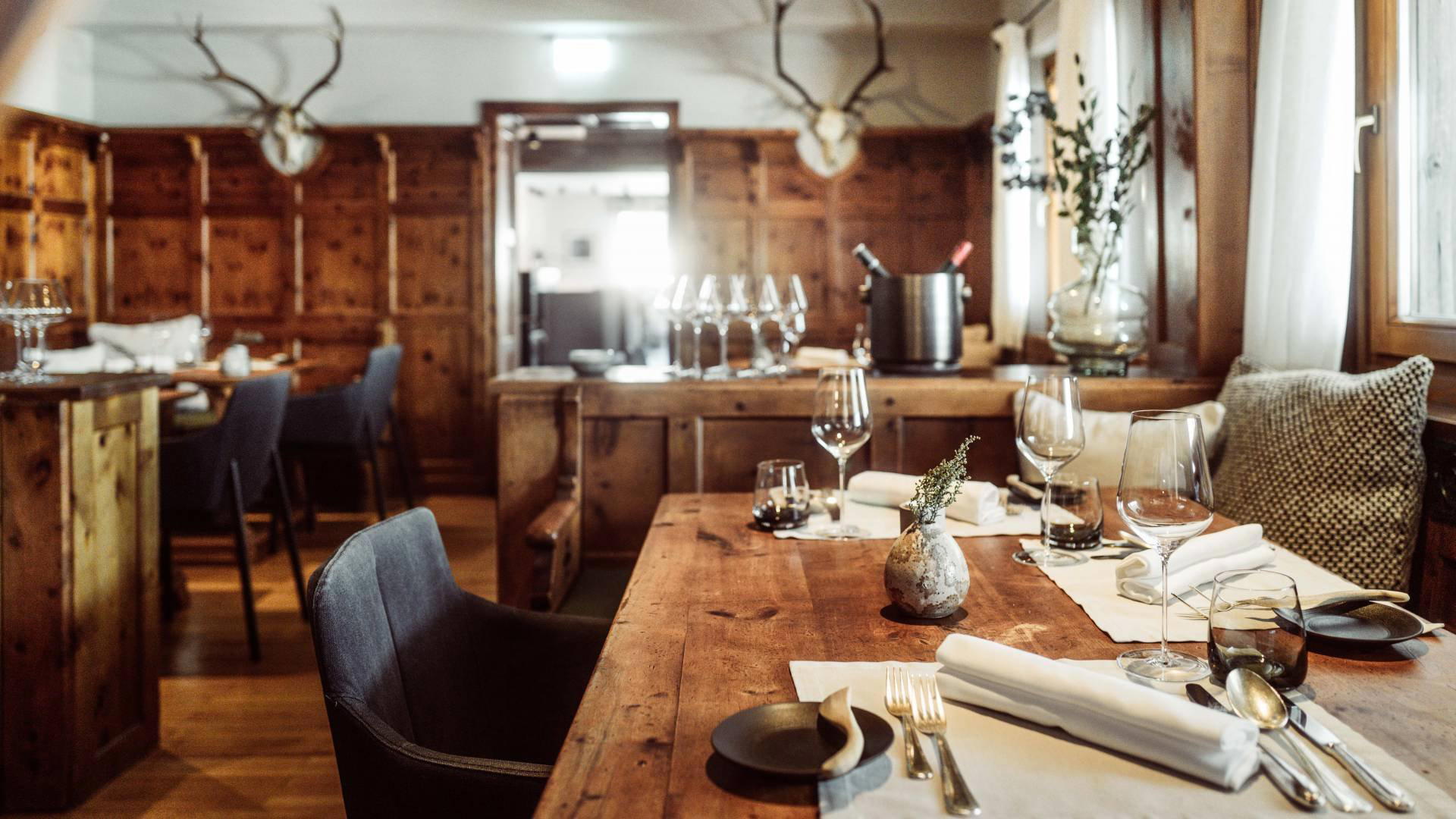
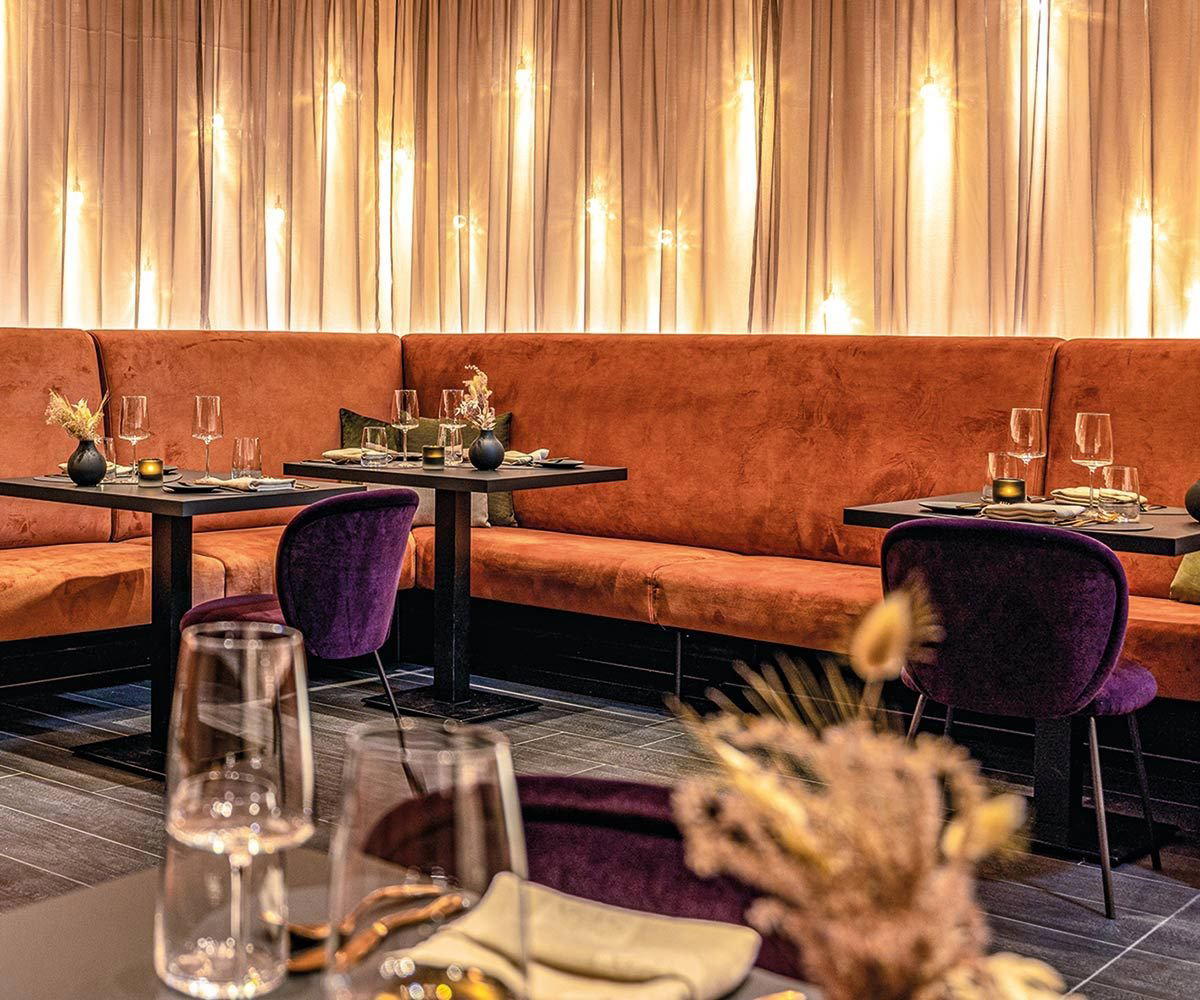
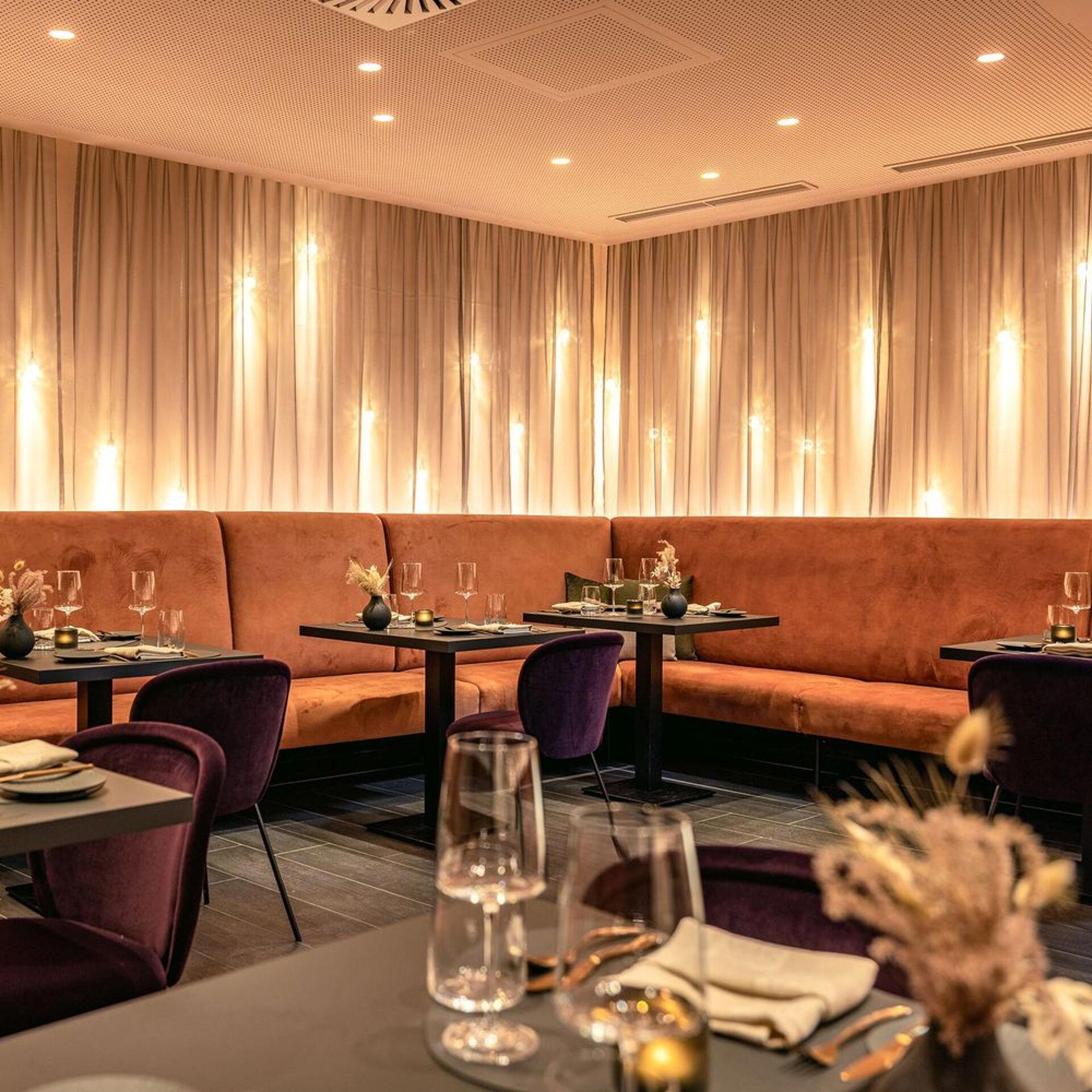
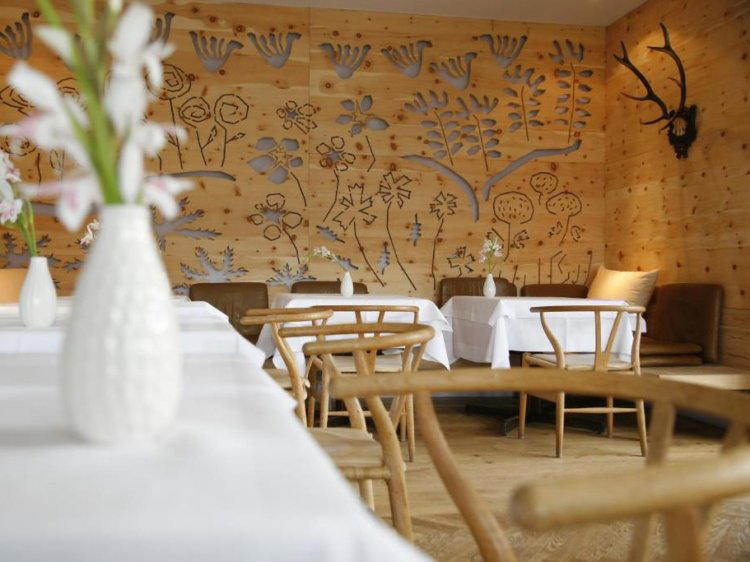
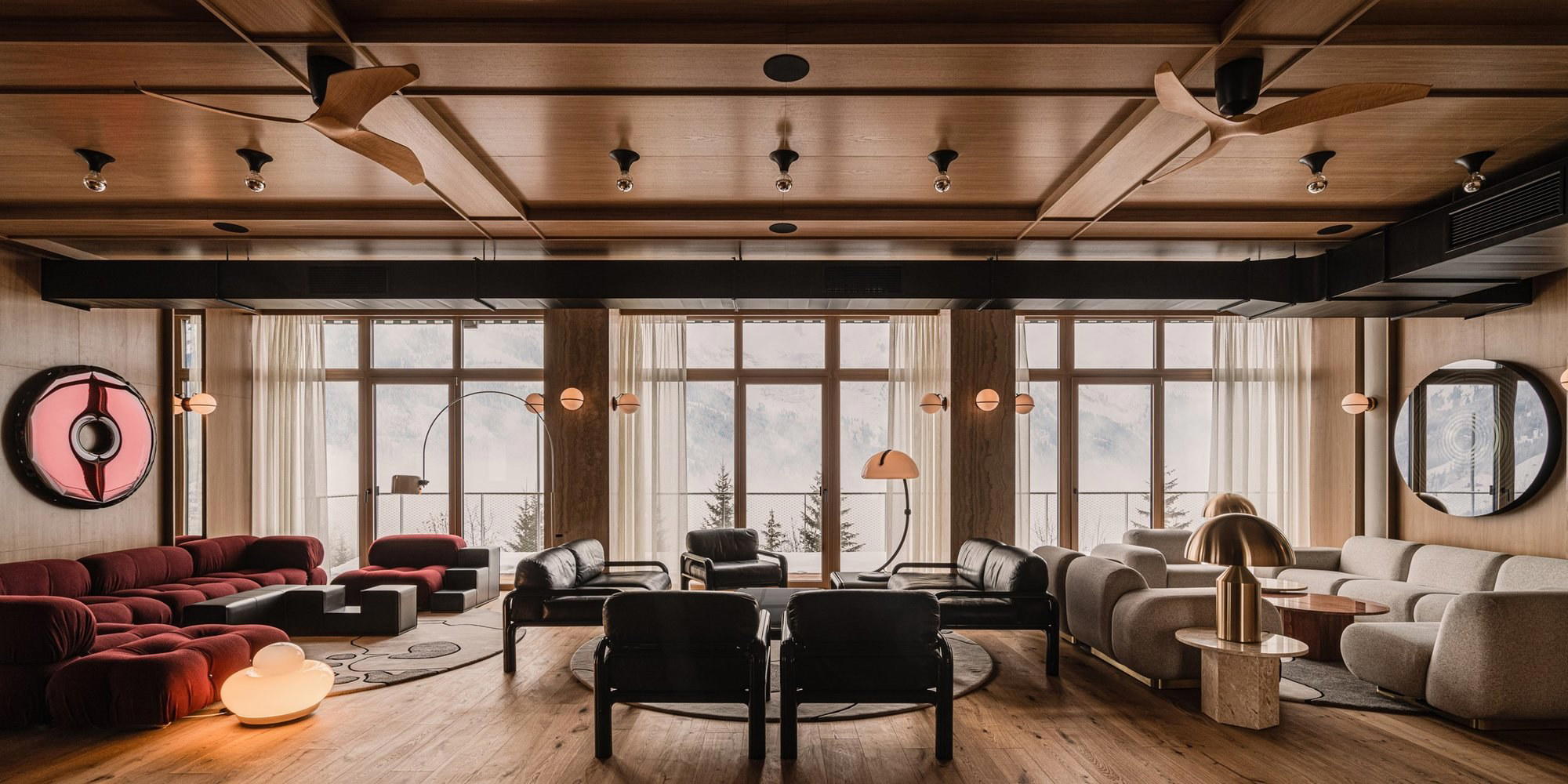
Classic style with tasteful furnishings, wood warmth, art paintings, wine bottle displays, and subtle classical music.