
50 Top Pizza Italia #63
Our verdict
In the Brindisi hinterland, Luppolo & Farina works a dough philosophy built on light, flavourful impasto and ingredients drawn from Puglia and Campania's established produce traditions. The kitchen treats sourcing and fermentation as the core argument, not an afterthought. For anyone moving through the Salento or the Valle d'Itria, it represents a serious regional pizza address worth planning around.

Pearl is the En Primeur Club membership app, where members save venues, book tables and use the concierge.
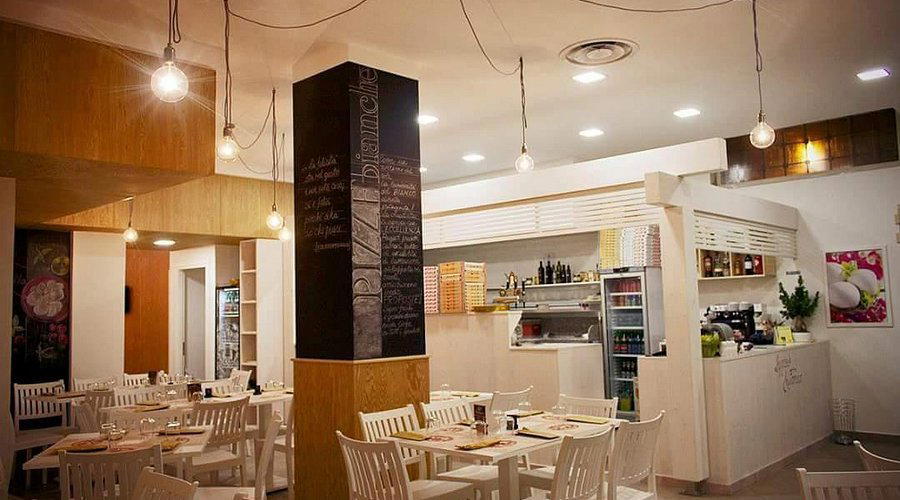
Pizza in the Pugliese Interior: What the Brindisi Province Does Differently
The towns of the Brindisi hinterland rarely appear on itineraries shaped by Lecce's baroque or the trulli circuit further north. Latiano sits in that quiet middle ground, a small agricultural comune where the food culture runs on local produce and long-standing technique rather than tourist traffic. Pizza here is not the Neapolitan export it has become in coastal resort towns; it is something more grounded in the wheat and olive traditions that define the Tavoliere and Salento agricultural belt. That context matters when you arrive at Via Francesco D'Ippolito and find a kitchen that takes both the dough and its ingredient sourcing with some seriousness. For a broader picture of where to eat in the area, see our full Latiano restaurants guide.
The Dough as the Argument
Southern Italian pizza culture has always treated fermentation as a technical discipline, not a marketing point. The Neapolitan tradition codified by the Associazione Verace Pizza Napoletana sets the benchmark that most serious southern Italian pizzerias position against: long cold fermentation, high-hydration dough, and a wood-fired thermal shock that produces the characteristic leopard-spotted cornicione. Luppolo & Farina's stated approach, described in its own words as producing an impasto leggero, saporito e fragrante, places it within that technical conversation. A light, flavourful, fragrant dough is a specific claim, not a vague one: it implies controlled fermentation, appropriate hydration, and a flour blend calibrated for the local oven environment. The name itself signals intent, luppolo is hops, a fermentation ingredient more associated with bread baking in certain artisan traditions than with commercial pizza production, and farina is simply flour. The pairing in the name is a shorthand declaration of process.
Where the Ingredients Come From
The sourcing framework at Luppolo & Farina draws from two adjacent regional traditions: Puglia and Campania. This is a meaningful distinction. Puglia's contribution to Italian food culture runs through its olive oils (particularly from the Salento and Fasano areas), its heritage tomato varieties, and its cheeses, including the fresh stretched-curd family that encompasses burrata, stracciatella, and fior di latte. Campania's role in the equation is harder to overlook: the San Marzano tomato, grown in the volcanic soils of the Sarno valley, remains the reference standard for pizza sauce across southern Italy, and Campanian producers supply mozzarella di bufala to serious pizza operations throughout the south. A kitchen that explicitly sources from both regions is positioning itself against the more generic supply chains that feed the bulk of Italy's casual pizza market. The phrase prodotti tipici pugliesi e campani carries specific geographic weight here, not just promotional language.
That emphasis on provenance connects Luppolo & Farina to a broader movement in Italian food culture that has been gathering momentum since the early 2000s. The same sourcing discipline that underpins three-Michelin-starred operations like Osteria Francescana in Modena or Reale in Castel di Sangro, a commitment to named regional producers, to ingredient traceability, to the idea that the quality of a dish begins well before it reaches the kitchen, has filtered down into the better end of the informal dining tier. At the high end of Italian fine dining, places like Atelier Moessmer Norbert Niederkofler in Brunico and Dal Pescatore in Runate treat sourcing as the foundation of everything else. At Luppolo & Farina, the same principle operates in a more accessible register. You can also explore Enoteca Pinchiorri in Florence, Enrico Bartolini in Milan, Quattro Passi in Marina del Cantone, Uliassi in Senigallia, Le Calandre in Rubano, Piazza Duomo in Alba, and Casa Perbellini 12 Apostoli in Verona for the full range of Italian restaurant ambition. Further afield, Le Bernardin in New York City and Atomix in New York City show how the same sourcing rigour translates to entirely different culinary contexts.
Sperimentazione, Esperienza, Tradizione
The kitchen's self-described philosophy, experimentation, experience, tradition, is a triad worth reading carefully rather than dismissing as boilerplate. In the context of southern Italian pizza, tradition is non-negotiable: the regional dough styles, the topping hierarchies, the relationship between crust and filling that has been calibrated over generations. But sperimentazione in this context likely refers to controlled variation within that tradition: new flour combinations, adjusted fermentation windows, seasonal ingredient rotations that reflect what Puglia's agricultural calendar actually produces. The word esperienza sits between the two, acknowledging that technique is accumulated, not innate. This is a kitchen that presents itself as craft-oriented rather than novelty-driven, which in the Brindisi hinterland is a more useful quality signal than any single award.
Planning Your Visit
Latiano is a small town in the province of Brindisi, roughly equidistant between Brindisi city to the north and Francavilla Fontana. Visitors moving through the Salento or using Brindisi airport as an entry point into Puglia are within reasonable striking distance. Given the scale of the town and the informal register of the operation, walk-in dining is plausible, but calling ahead during peak summer months, when Puglia's internal tourism increases significantly, is the sensible precaution. If you are building a wider itinerary around the area, our full Latiano hotels guide, our full Latiano bars guide, our full Latiano wineries guide, and our full Latiano experiences guide cover the surrounding options.
Frequently asked questions
Can I bring kids to Luppolo & Farina?
Luppolo & Farina is a pizza restaurant in Latiano, a small town in the Brindisi province, and the format suits family dining well. Pizza-centred menus with a focus on recognisable, quality ingredients from Puglia and Campania tend to work across age groups. Confirm current seating arrangements directly with the venue before visiting.
What's the vibe at Luppolo & Farina?
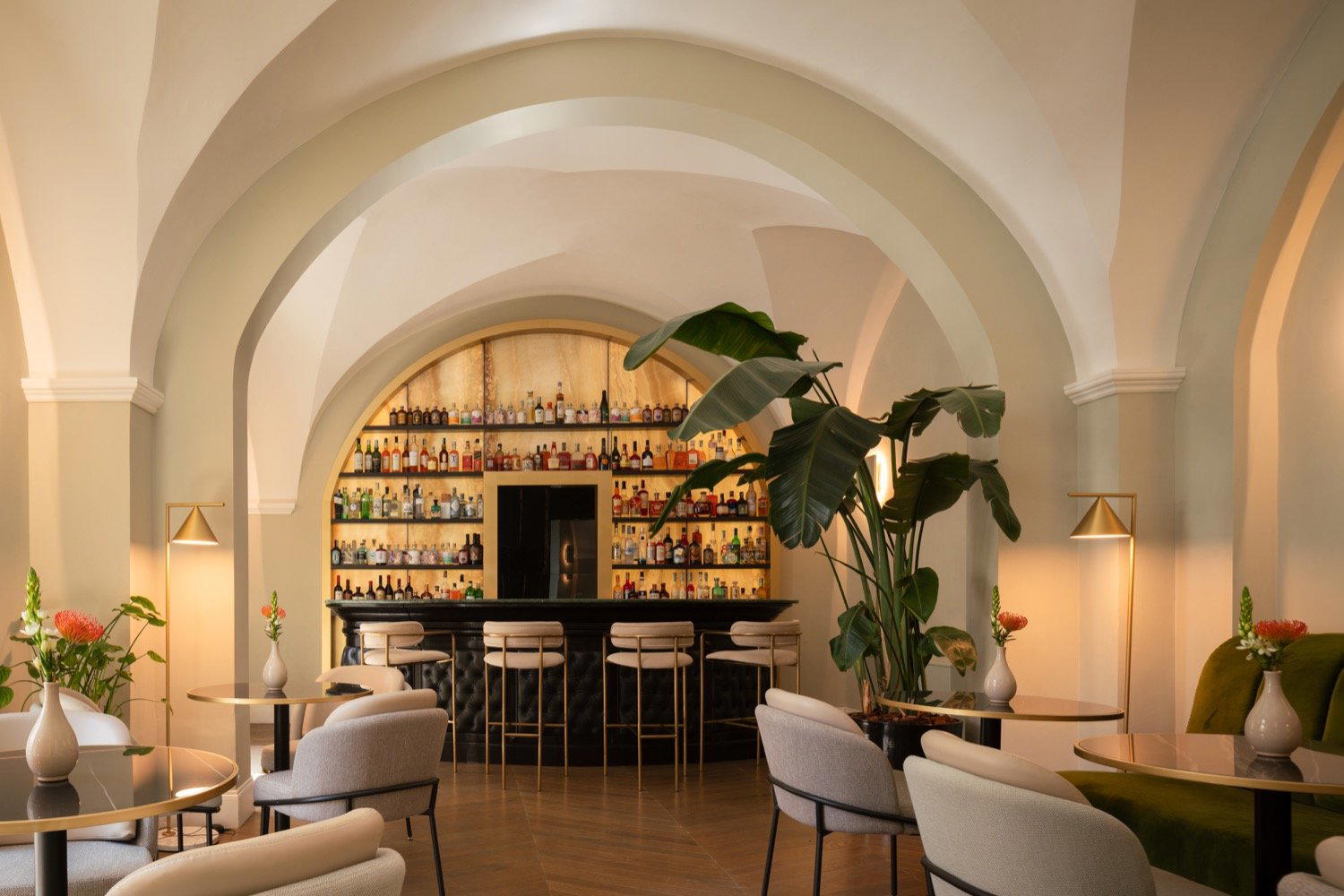
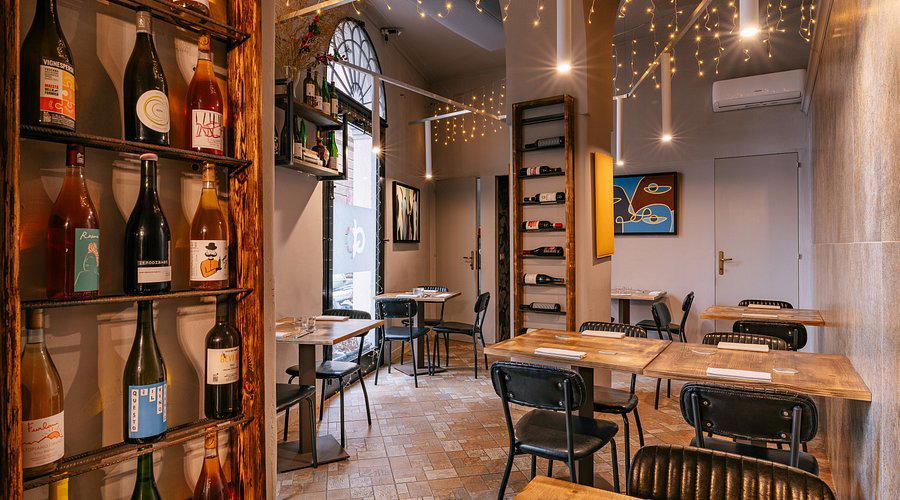
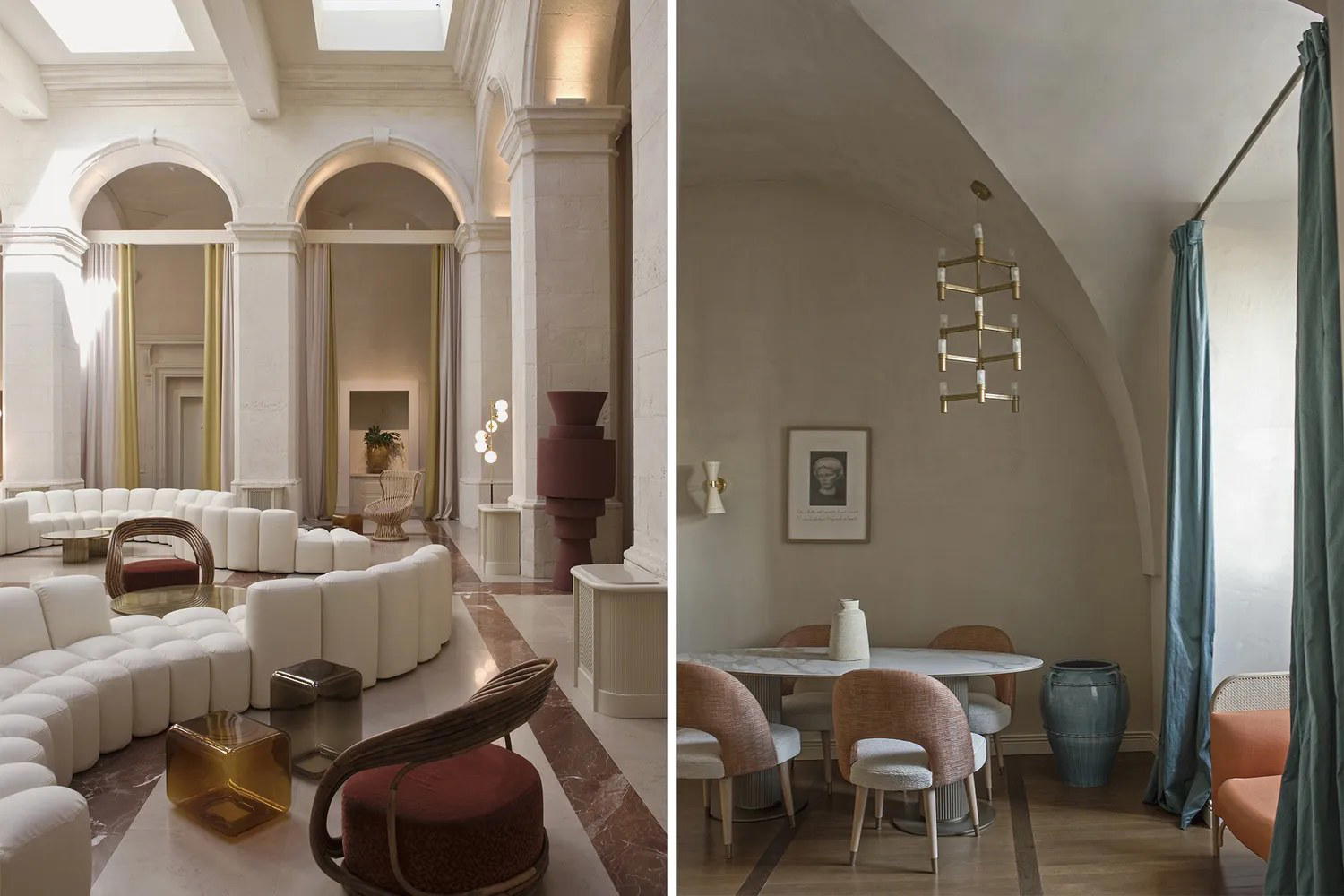
The atmosphere reflects the character of the Brindisi interior: low-key, local, and focused on the food rather than the room. This is a neighbourhood pizzeria where the dough and ingredient sourcing do the talking, not the décor. Expect a relaxed, unpretentious setting typical of southern Italian pizza culture.
What kind of recognition has Luppolo & Farina received?
Luppolo & Farina has received recognition including: Sperimentazione, esperienza e tradizione: la pizza di Luppolo&Farina; ha un impasto leggero, saporito e fragrante e ingredienti selezionati tra prodotti tipici pugliesi e campani. Esaltare i gusti e rispettare la tradizione, questa è la nost….
What's the signature dish at Luppolo & Farina?
The kitchen's signature is its dough: the venue describes it as light, flavoursome, and fragrant, developed through a philosophy that balances experimentation, experience, and tradition. Toppings draw from typical Pugliese and Campanian products, making the sourcing framework as much a calling card as any single pizza. Specific menu items are best confirmed on-site.
Where exactly is Luppolo & Farina?
Luppolo & Farina is located at Via Francesco D'Ippolito, 98, 72022 Latiano BR, Italy, Latiano.
How far ahead should I plan for Luppolo & Farina?
Latiano is a small town with limited dining options in the immediate area, so Luppolo & Farina draws a concentrated local following. Booking a day or two in advance is a sensible precaution, particularly on weekends. Contact details are best sourced via Google Maps or local directories, as no direct booking link is currently published.
What's the standout thing about Luppolo & Farina?
The dough philosophy sets it apart from the broader Brindisi pizza scene. The kitchen explicitly frames its approach around fermentation-led technique and the cross-regional sourcing of Pugliese and Campanian ingredients, treating both as matters of craft rather than marketing. In a province better known for its Adriatic coast than its interior food culture, that focus carries weight.
In Context: Similar Options
| Venue | Cuisine | Price | Awards | Notes |
|---|---|---|---|---|
| Luppolo & FarinaThis venue (the venue you are viewing) | Neapolitan Pizza with Regional Puglia Ingredients | Not listed | 50 Top Pizza Italia #63 | Not listed |
| Atelier Moessmer Norbert Niederkofler | Modern Alpine Fine Dining | $300–500 | 3 Michelin Stars · World's 50 Best #20 | Italian, Creative |
| Dal Pescatore | Classic Italian Fine Dining | $200–300 | 3 Michelin Stars · World's 50 Best #38 | Italian, Italian Contemporary |
| Enoteca Pinchiorri | Contemporary Italian Fine Dining | $200–300 | 3 Michelin Stars · World's 50 Best #32 | Italian - French, Italian Contemporary |
| Enrico Bartolini | Modern Italian Fine Dining | $300–500 | 3 Michelin Stars · World's 50 Best #85 | Creative |
| Osteria Francescana | Avant-Garde Italian Contemporary | $300–500 | 3 Michelin Stars · World's 50 Best #1 | Progressive Italian, Creative |
Recognition history
Dated appearances from independent guides and award organizations, with the underlying list record or original source where available.
50 Top Pizza Italia #63
50 Top Pizza
Full recognition history (2 entries)
50 Top Pizza Italy #82
50 Top Pizza
Continue exploring
More in Latiano
Restaurants in Latiano
All restaurants in Latiano →
Bars in Latiano
Browse all →


Details
- Modern
- Cozy
- Family
- Group Dining
- Casual Hangout
- Open Kitchen
- Beer Program
- Local Sourcing
- A La Carte
- Beer Program
- Vegetarian Friendly
- Vegan Options
Current opening hours
- Monday
- 7:30 PM–12 AM
- Tuesday
- 7:30 PM–12 AM
- Wednesday
- 7:30 PM–12 AM
- Thursday
- 7:30 PM–12 AM
- Friday
- 7:30 PM–12 AM
- Saturday
- 7:30 PM–12 AM
- Sunday
- 7:30 PM–12 AM
Hours can change for holidays and private events. Hours as of .
Modern and clean interior with open-oven visibility, described as bright, well-organized, quiet, and pleasant despite crowds.