Lupe Reyes
Lupe Reyes sits on Convention Boulevard in San Juan's Miramar corridor, a stretch that has quietly absorbed some of the island's more interesting dining experiments over the past decade. The address places it within reach of the broader capital dining scene without the foot-traffic compression of Old San Juan, making it a reference point for understanding how Puerto Rico's restaurant culture has shifted away from the waterfront and toward more neighbourhood-rooted formats.
 Discover on Pearl
Pearl is the En Primeur Club membership app — saves, bookings, and concierge access live there. Same editors, same standards.
- Address
- 250 Convention Blvd, San Juan, 00907, Puerto Rico
- Phone
- +17874018860
- Website
- opentable.com
Convention Boulevard and the Drift Away from the Old City
San Juan's dining geography has been reorganizing for years. The historic centro of Old San Juan still draws visitors with its colonial-era plazas and predictable parade of restaurants facing the bay, but a quieter reorientation has been pulling serious eating further into the capital's urban fabric. Convention Boulevard, where Lupe Reyes occupies its address at 250, sits in that transitional band between Miramar and the convention district, a zone that a decade ago would not have registered as a dining destination but has since absorbed a more local, less tourist-facing clientele. That shift mirrors what has happened in other mid-size Caribbean cities where post-hurricane reconstruction and economic pressure forced restaurants to rebuild their identity around regulars rather than visitors.
The address tells you something about the evolution of San Juan's dining culture: the venues that survived, adapted, and in some cases reinvented themselves after the disruptions of the late 2010s tend not to sit on the most convenient streets. They sit on the functional ones, where rent is plausible and repeat customers become the real revenue model. Lupe Reyes operates in that context, and understanding its position requires reading the wider scene first.
How Puerto Rico's Restaurant Scene Has Changed
Puerto Rico's food culture has always carried genuine complexity, a layered inheritance from Taíno, Spanish, African, and American influences that predates the island's modern tourism apparatus. What changed after 2017, when Hurricane Maria reshaped nearly every institutional assumption about hospitality infrastructure, was the pace of reinvention. Restaurants that rebuilt did so with altered supply chains, a thinned local workforce, and a different relationship with their communities. The venues that emerged from that period, or that opened in its wake, often reflect a more pragmatic and locally grounded sensibility than the pre-storm generation.
That context matters when reading any San Juan restaurant operating along Convention Boulevard. The area's dining options span a range from hotel-adjacent international formats to more independently run operations with roots in Puerto Rican cooking traditions. Lupe Reyes sits within that spectrum at an address that, given its convention district adjacency, could theoretically serve either a business-travel clientele or a neighbourhood-first one, and the tension between those two identities is itself a useful lens for understanding where the venue has been and where it appears to be heading.
The Miramar Corridor and Its comparable set
Within San Juan proper, a useful comparison runs between the waterfront-facing operations in Condado and Old San Juan and the more inland restaurants that have accumulated critical attention in recent years. 1919 Restaurant (Modern American) represents the hotel-integrated upper tier of the capital's dining scene, while venues like Amor y Sal and AQA Oceanfront anchor a coastal-facing category where setting and cuisine reinforce each other. Areyto Modern Cuisine by Chef Jason González and ARYA represent the more technique-driven end of the capital's current restaurant output.
Lupe Reyes at 250 Convention Blvd occupies a different register from most of that group. Its location positions it neither as a destination-dining address nor as a casual neighbourhood anchor in the conventional sense. That ambiguity, when handled well, can produce the most interesting restaurants in any city: places that must earn their clientele through the quality of what they do rather than the convenience of where they are.
Reinvention as the Defining Mode
The editorial angle most relevant to Lupe Reyes is evolution: how a restaurant shifts its identity over time in response to the pressures of its market, its neighbourhood, and the broader dining culture around it. San Juan has generated several examples of this in the post-Maria period, with venues that opened with one concept and arrived somewhere quite different within a few years. The convention-adjacent address at once constrains and liberates, it limits the walk-in tourist trade that sustains many Old San Juan operations, while creating space for a venue to develop a more considered regular customer base.
Puerto Rico's wider restaurant geography illustrates the same pattern at different scales. Outside the capital, venues like Carne Mía Restaurant in Aguada, Bottles Dorado in Dorado, and La Faena in Guaynabo have each staked out distinct identities that reflect their respective communities. Lechonera Los Pinos in Cayey anchors a very different tradition, the roadside lechón culture that remains one of Puerto Rico's most durable culinary reference points, operating largely outside the fine-dining conversation while sustaining a food practice with genuine historical depth.
Internationally, the comparison that comes to mind when thinking about reinvention-led restaurant identity is instructive: Le Bernardin in New York City has maintained relevance across decades through deliberate, incremental reinvention of its format rather than wholesale concept pivots. Atomix in New York City took the opposite approach, arriving with a fully formed concept that challenged category assumptions from its opening. San Juan restaurants evolving through the post-storm period are working out a version of the same question: how much of a prior identity to carry forward and how much to shed.
Planning Your Visit
Lupe Reyes is located at 250 Convention Blvd, San Juan, 00907, Puerto Rico. The Convention Boulevard address is accessible by car with relatively direct parking compared to the compressed historic district, and sits close enough to Miramar's hotel cluster to function as a practical dinner option for visitors staying in that corridor. For those exploring the island's wider dining geography, the same trip can be extended to include CAÑA in Carolina, BODEGA in Caguas, or the coastal options at Charco Azul in Vega Baja and El Dorado in Playita. Lupe Reyes is recommended for reservations, and its current hours are Mon: 12–10 PM; Tue: 12–10 PM; Wed: 12–10 PM; Thu: 12–11 PM; Fri: 11:30 AM–12 AM; Sat: 11:30 AM–12 AM; Sun: 11:30 AM–10 PM. The price per person is about $25. The same applies to any dietary accommodation enquiries. Brazo Gitano Franco in Mayaguez and Escobar in Canovanas, both of which represent distinct regional traditions outside the capital's dining orbit.
Just the Basics
Comparable venues nearby, for context on price, style, and recognition.
| Venue | Cuisine | Price |
|---|---|---|
| Lupe ReyesThis venue — the venue you are viewing | Isla Grande, Authentic Mexican Taqueria | $$$ |
| Me Vale Madre | Miramar, Modern Mexican Street Food | $$ |
| Paulina Escanes - Condado | Condado, Contemporary Mexican Fusion | $$$ |
| Coqué | Las Monjas, Traditional Spanish | $$$ |
| Chilling'drina | Ciudad Nueva, Mexican Brunch & Brinner | $$ |
| Solera Restaurant | Condado, Caribbean Tapas Fusion | $$$ |
At a Glance
- Lively
- Casual Hangout
- Group Dining
- Late Night
- Open Kitchen
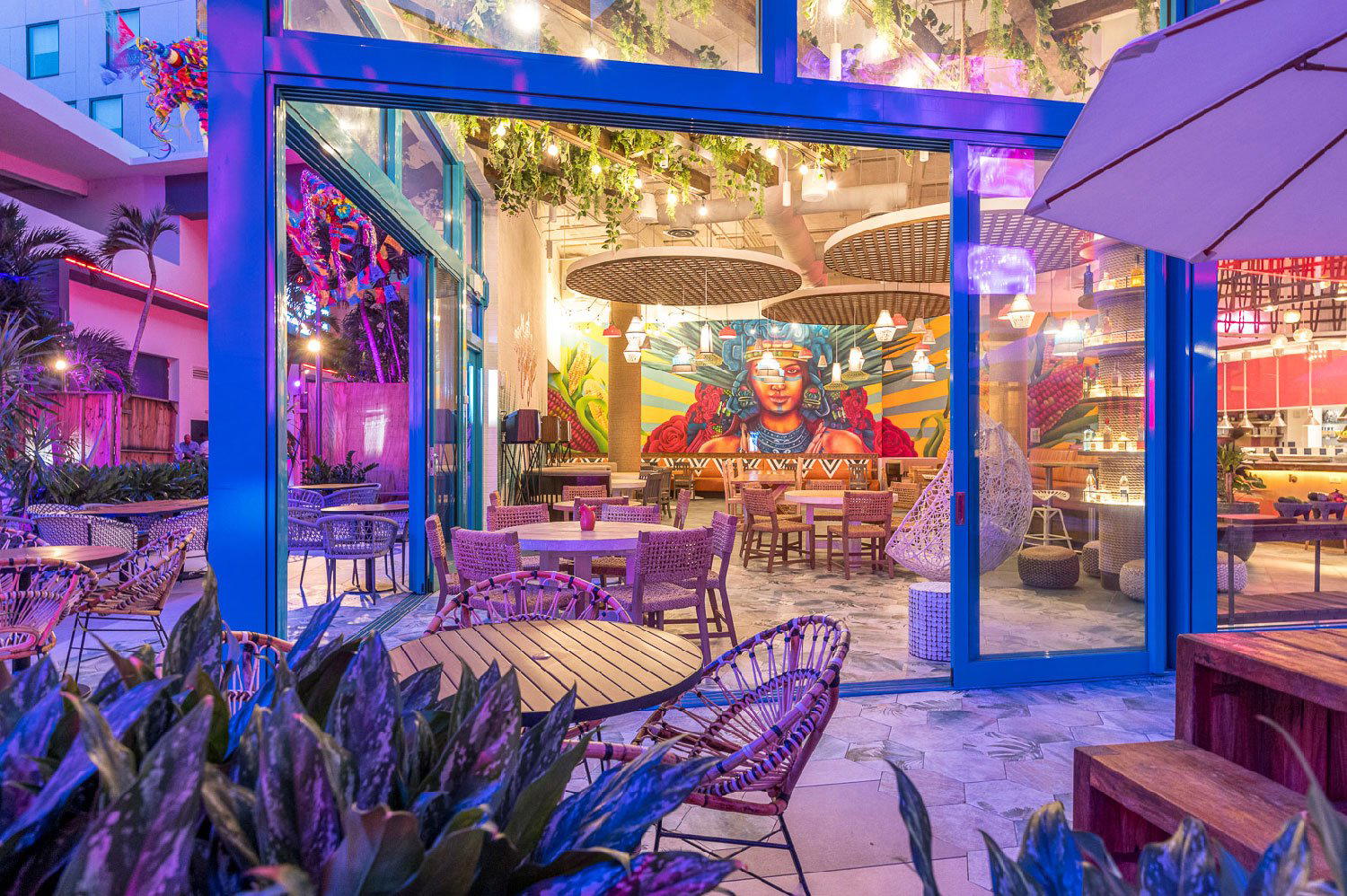
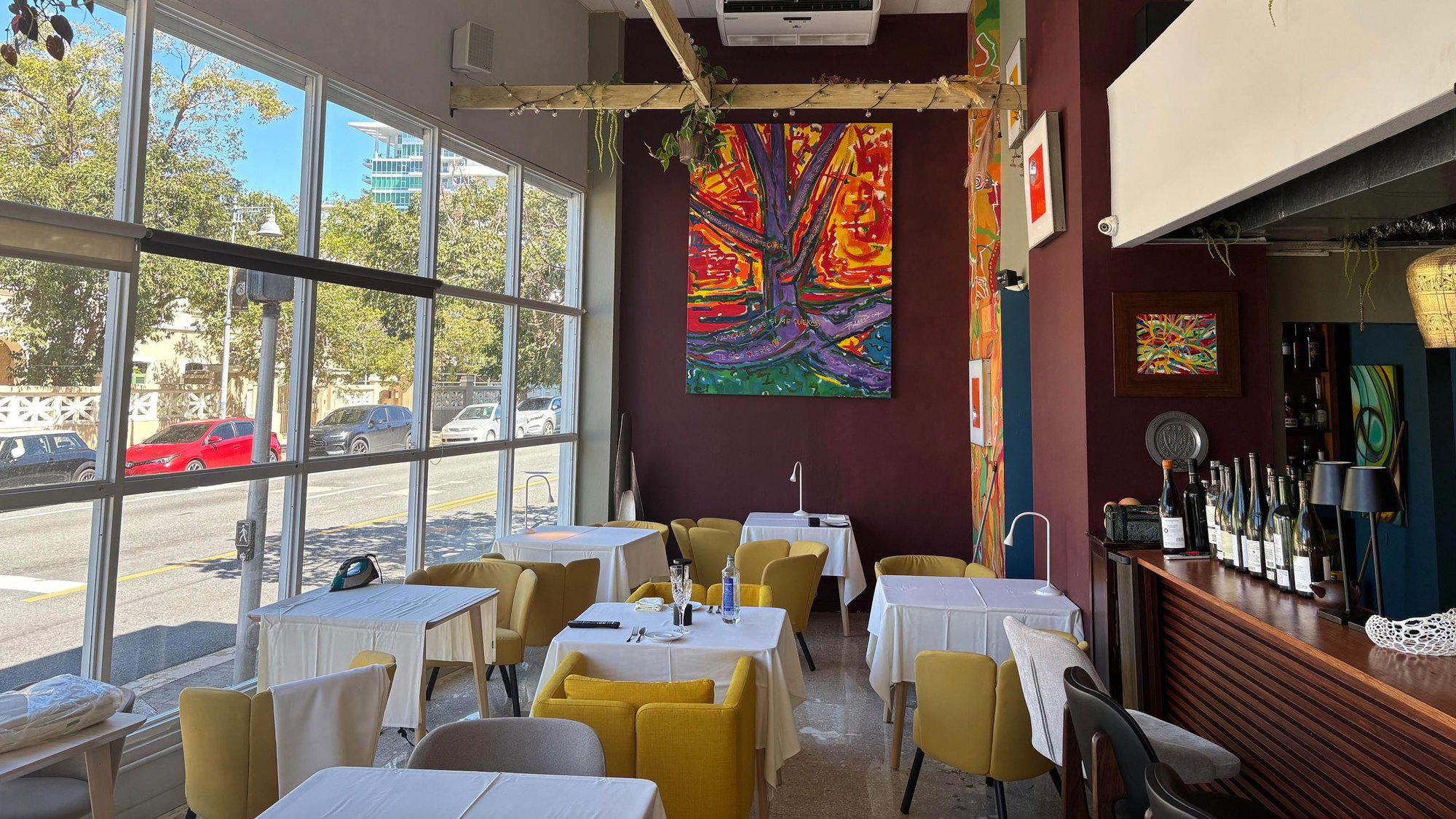
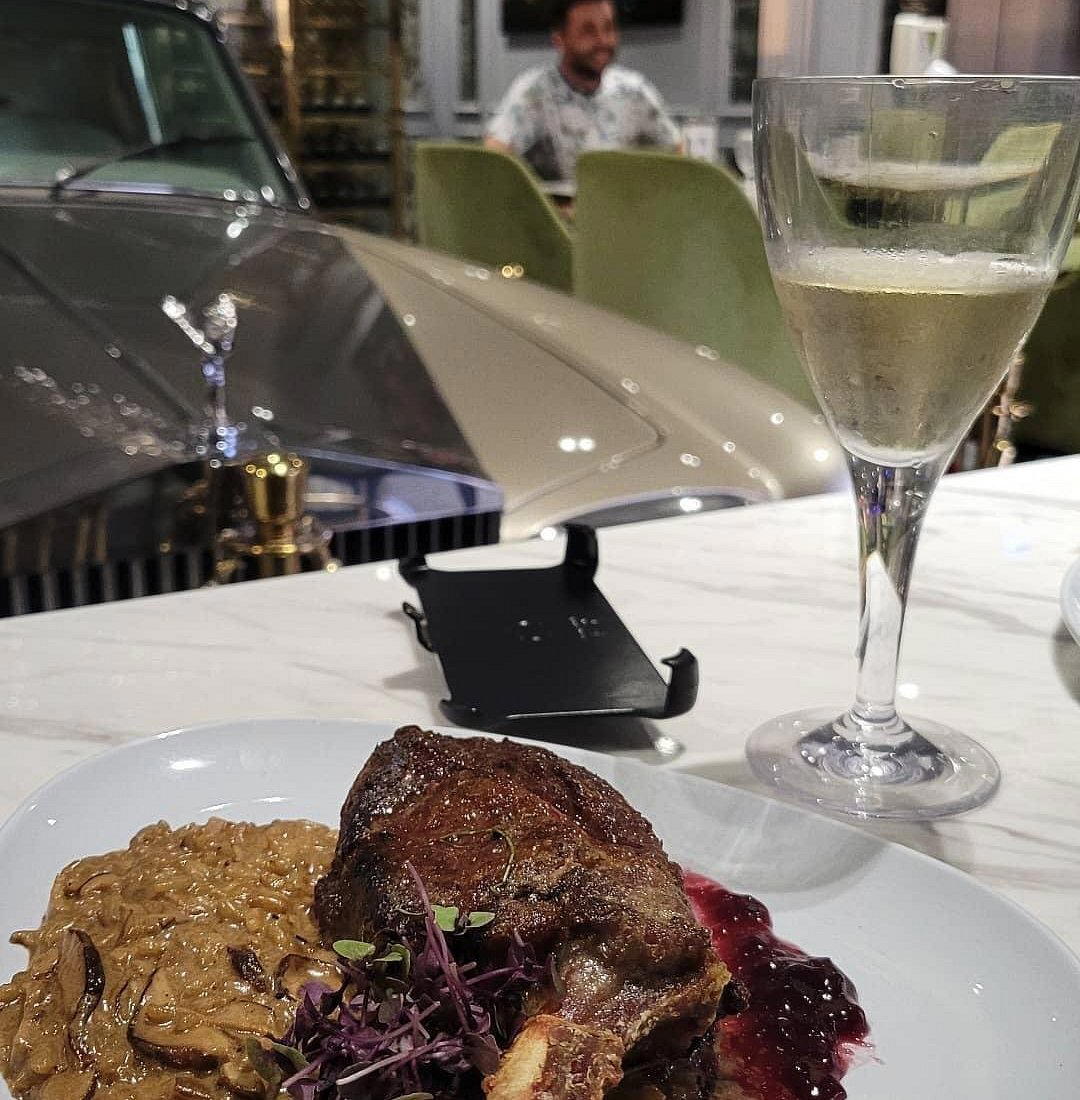
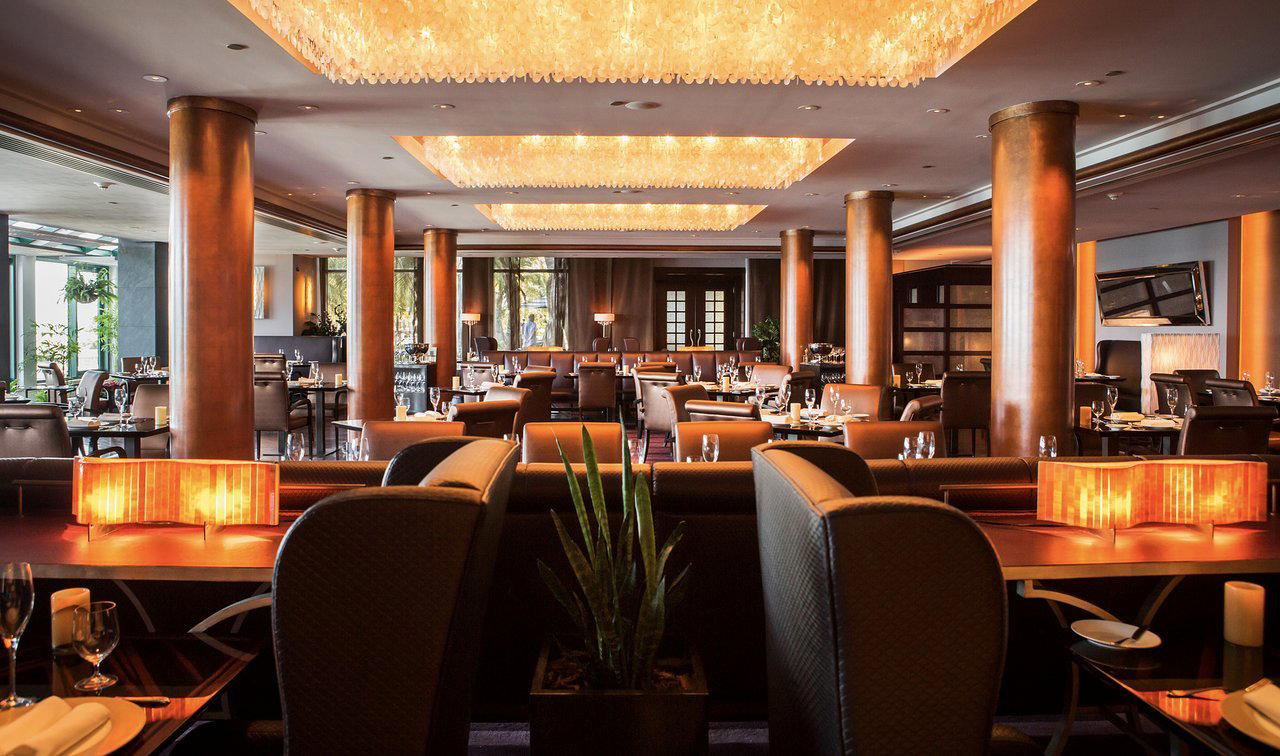
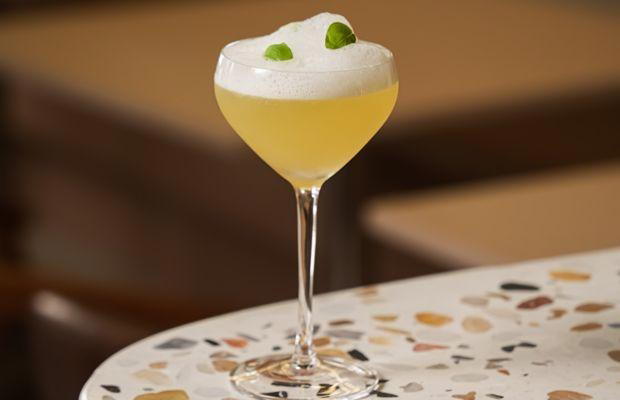
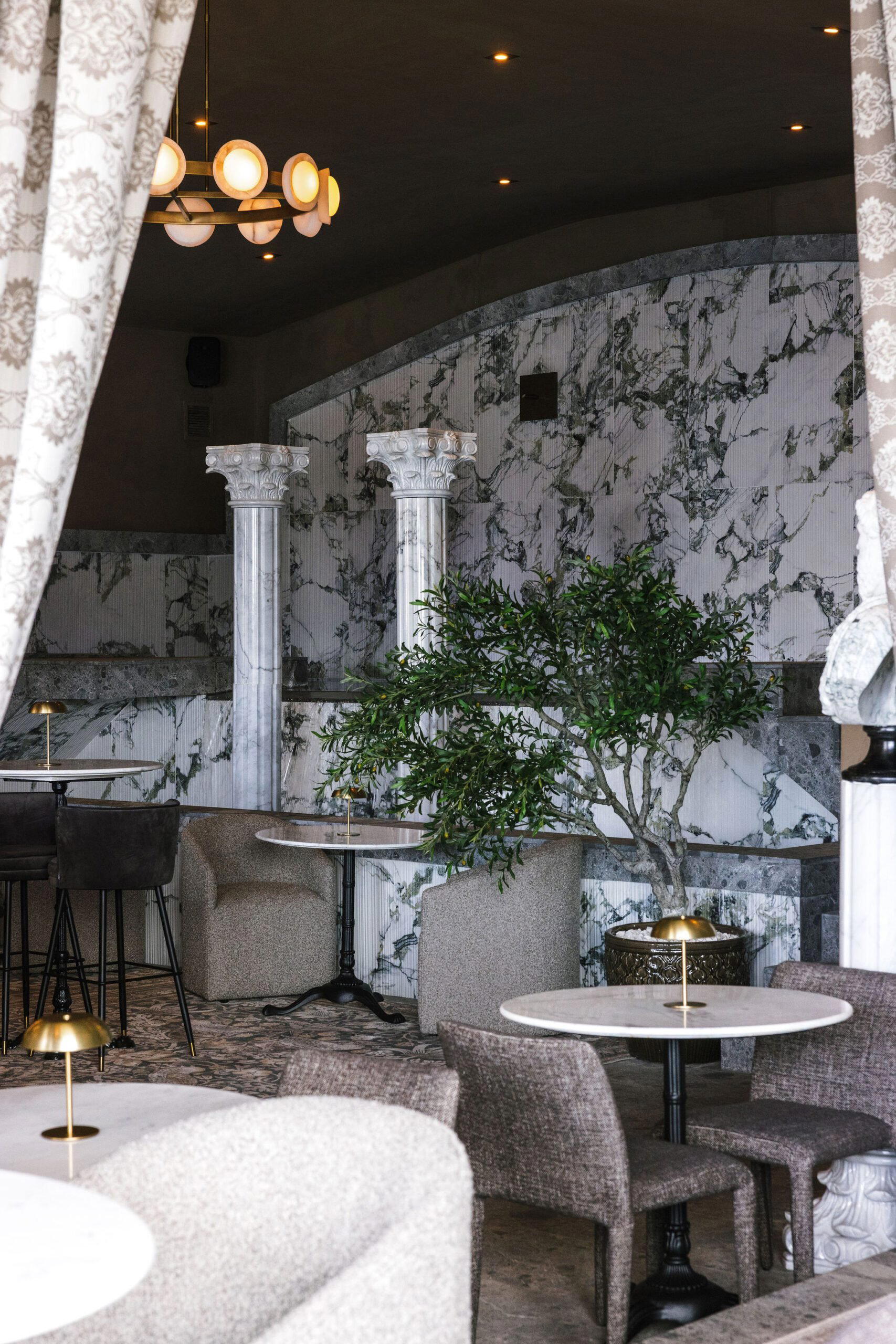
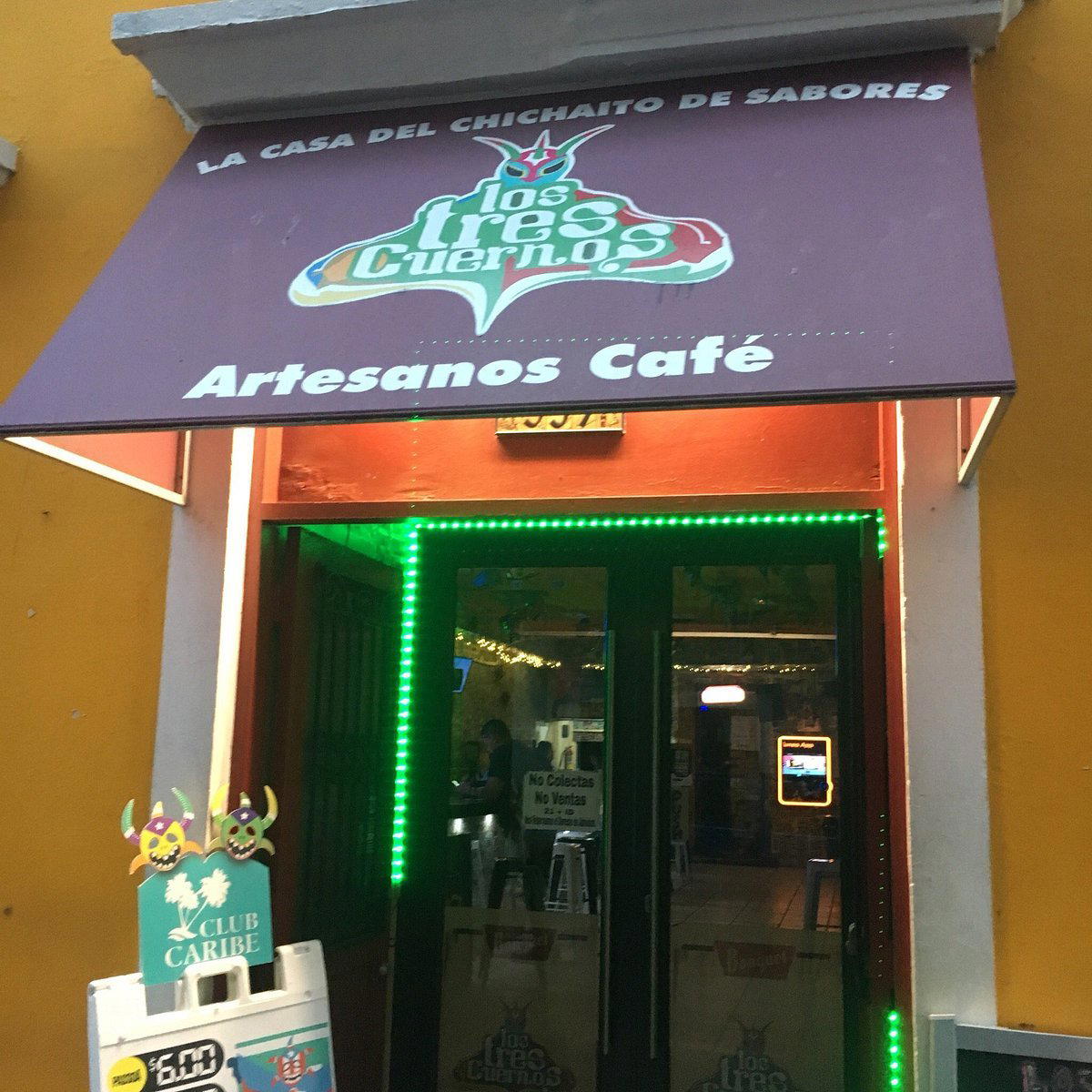
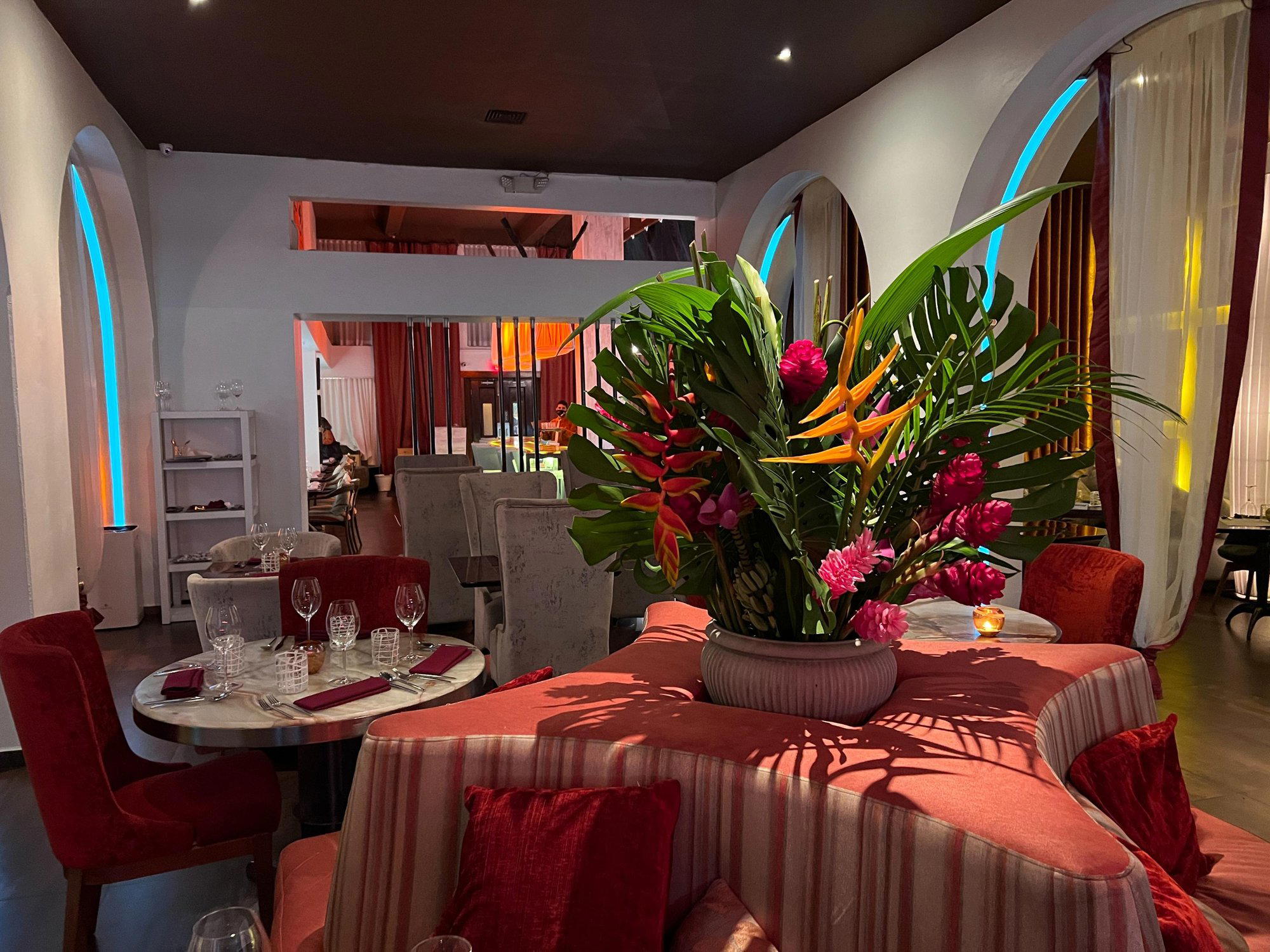
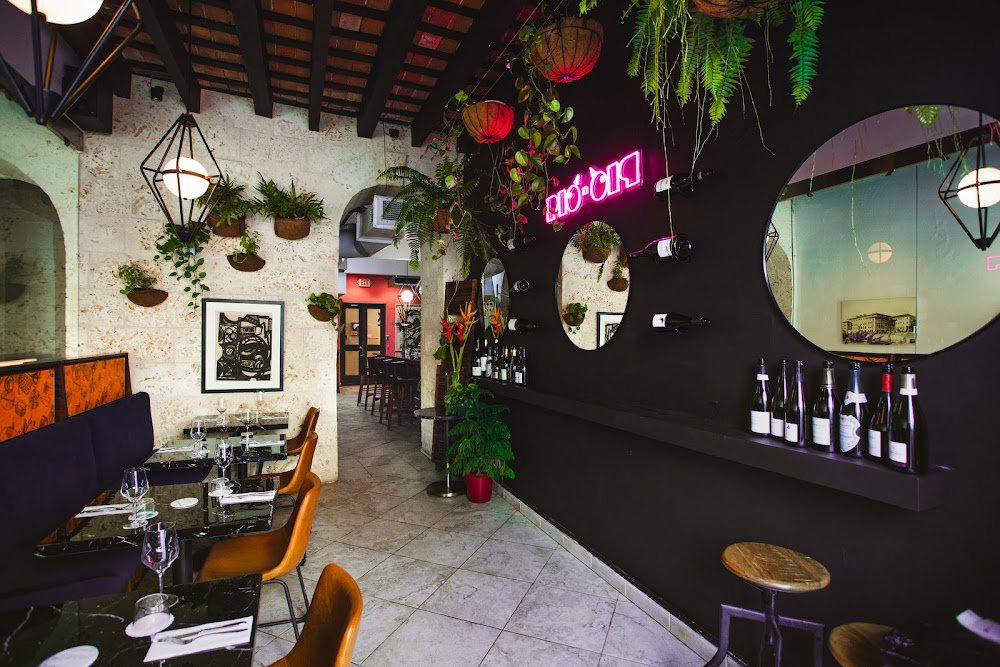
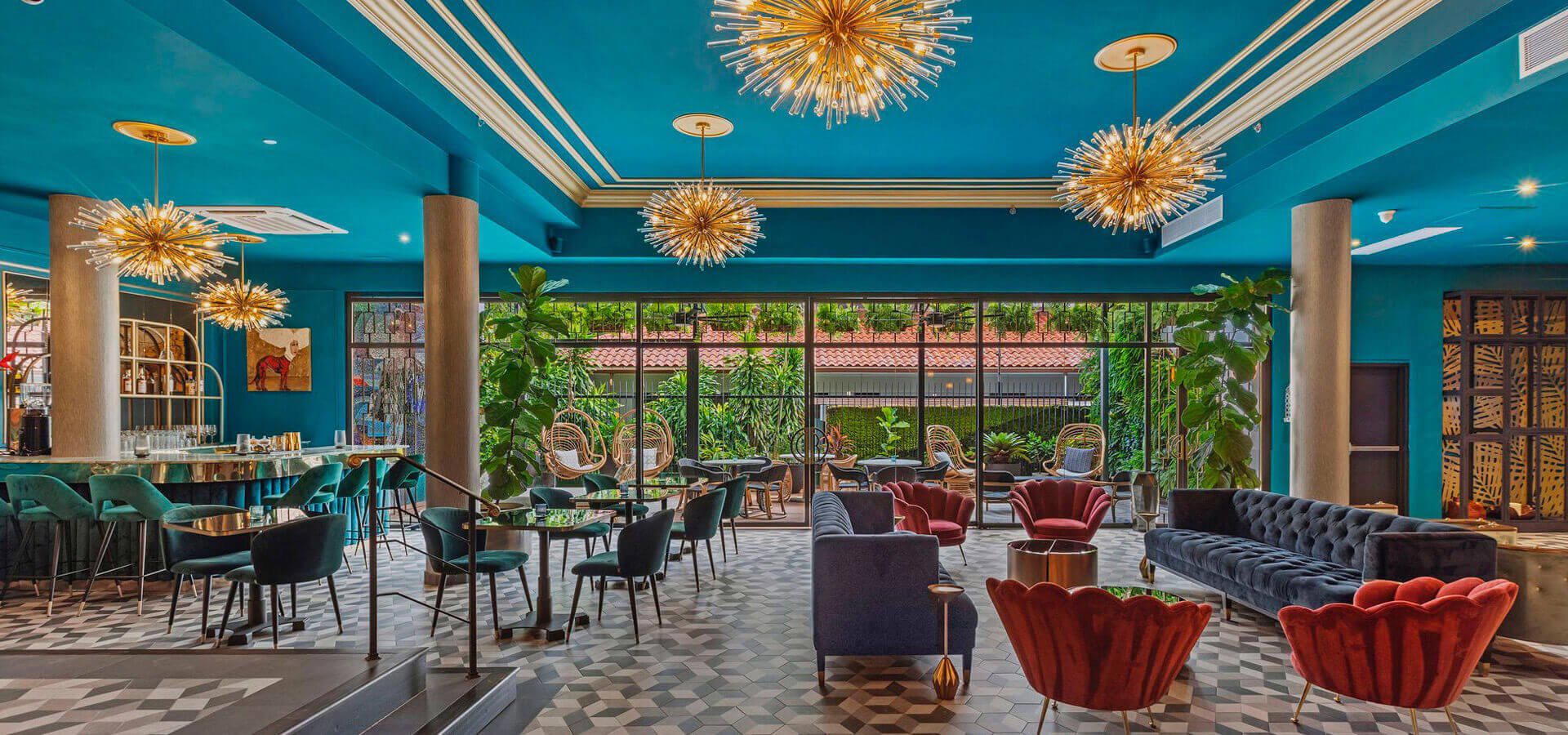
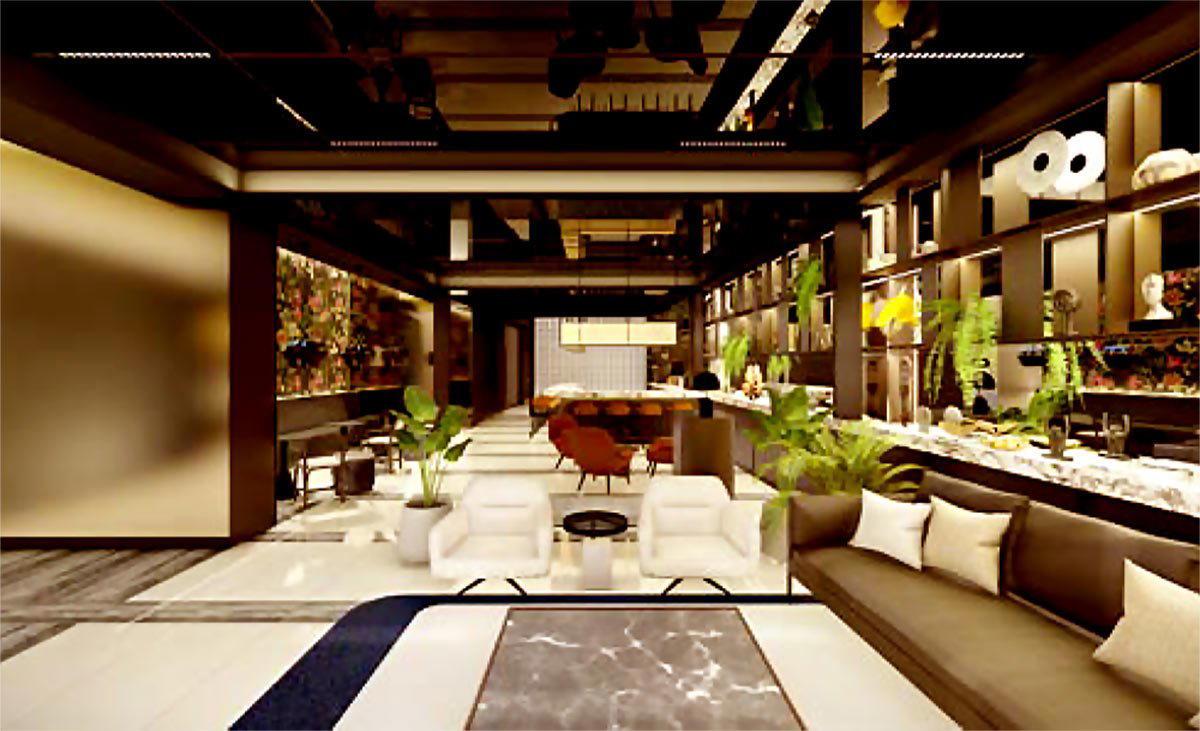
Vibrant and cheerful with a lively, artsy atmosphere celebrating Mexican folklore and history.