Lung Gong Restaurant
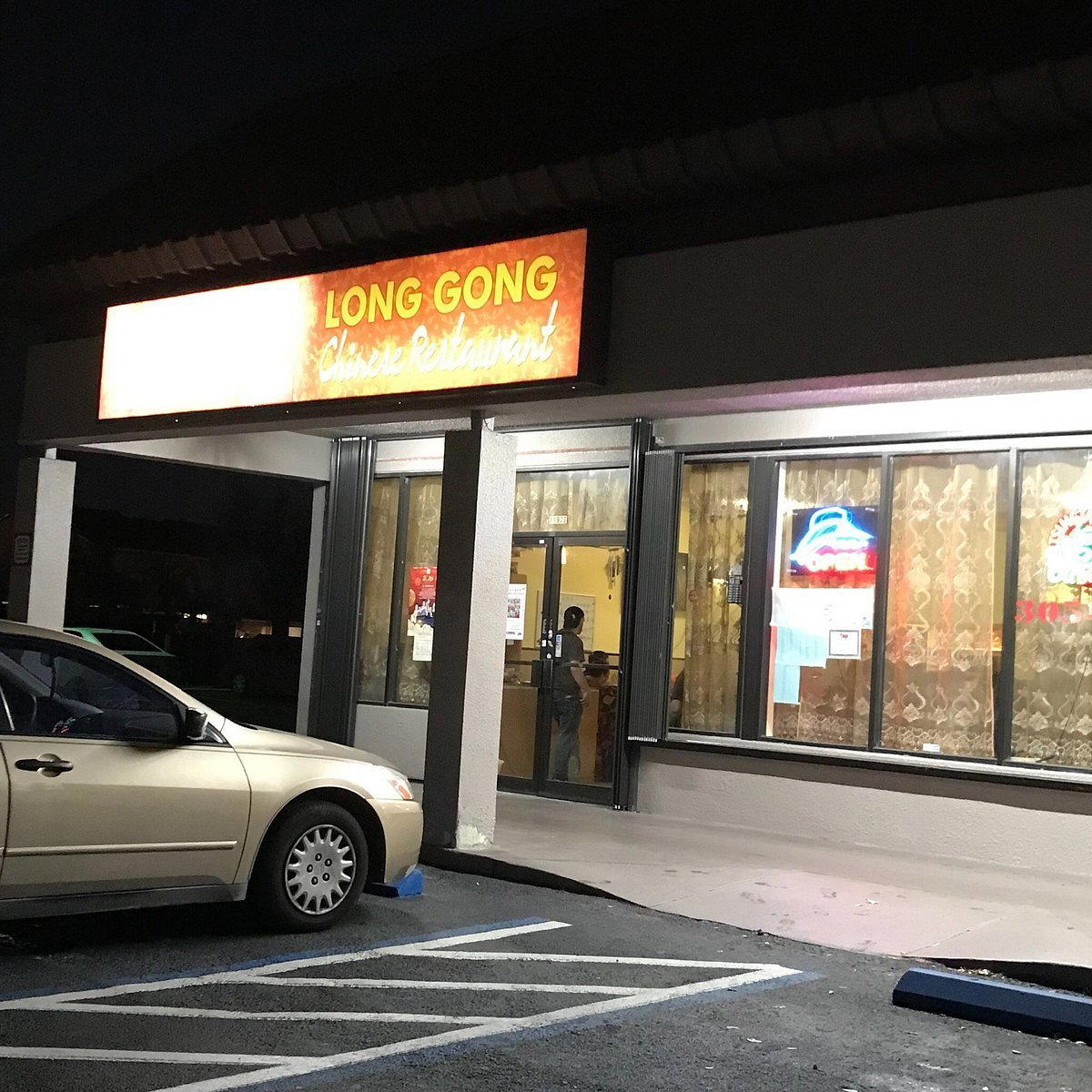
Lung Gong Restaurant on SW 8th Street sits within Miami's Westchester corridor, a stretch of the city where Chinese cooking has quietly deepened over decades without much critical fanfare. The dining room draws a loyal local following rather than a destination crowd, placing it in the category of neighborhood anchors that reward repeat visits and careful ordering over first-impression spectacle.
 Discover on Pearl
Pearl is the En Primeur Club membership app — saves, bookings, and concierge access live there. Same editors, same standards.
- Address
- 11920 SW 8th St, Miami, FL 33184
- Phone
- +13055534644
- Website
- longgongfl.com
SW 8th Street and the Chinese Dining Tradition West of Miami's Core
Drive west along SW 8th Street past the Tamiami corridor and the restaurant density shifts noticeably. The Cuban lunch counters and Peruvian cevicherías that define Calle Ocho closer to downtown gradually give way to a more dispersed mix of Asian grocers, Vietnamese noodle houses, and Chinese restaurants serving communities that settled in Westchester and Fontainebleau over decades. This is the Miami that feeds itself on weekday afternoons and Sunday family tables, and Lung Gong Restaurant at 11920 SW 8th St sits squarely inside that tradition. It is the Miami that feeds itself on weekday afternoons and Sunday family tables, and Lung Gong Restaurant at 11920 SW 8th St sits squarely inside that tradition.
The area around Lung Gong is not designed for the kind of atmospheric arrival that high-concept restaurants engineer. Strip mall parking lots, overhead fluorescent signage, and the ambient sound of a busy arterial road are the preamble. Inside, Chinese restaurants of this type typically rely on a different set of sensory signals: the sound of a wok station in full swing during service, the smell of aromatics meeting hot oil, the visual shorthand of roasted proteins hanging in a front window or stacked behind glass at a carving station. These are working kitchens oriented around efficiency and volume rather than minimalist plating, and that orientation produces a different kind of eating experience than what you find at, say, Cote Miami or Ariete in the more scrutinized dining corridors closer to Coconut Grove and Wynwood.
The Westchester Chinese Dining Scene in Context
Miami's Chinese restaurant community operates largely outside the city's award infrastructure. There are no Michelin stars in this zip code, no James Beard nominations, no entries in the Florida Restaurant and Lodging Association's annual spotlight coverage. What exists instead is a sustained, dense network of Cantonese and Chinese-American establishments serving a population that evaluates cooking by consistency, portion value, and the specifics of regional preparation rather than by tasting menu architecture. Lung Gong fits that network.
Nationally, the gap between Chinese restaurants that receive critical infrastructure support and those that do not has been a documented conversation in food journalism for years. Institutions like Le Bernardin in New York City and The French Laundry in Napa represent the apex of an award system built largely around European-derived fine dining formats. The community Chinese restaurant in a suburban strip mall operates in a completely different economy of reputation, built on word of mouth, family referrals, and the specific loyalty of diners who grew up eating in rooms like this. Neither register is superior; they are different answers to different questions about what a restaurant is for.
Within Miami specifically, the restaurant conversation concentrates heavily on the Design District, Brickell, and South Beach, with Boia De and ITAMAE representing the kind of tightly focused, chef-driven neighborhood operations that attract the city's food press. The Westchester corridor rarely enters that conversation despite its density and consistency.
What the Room Tells You
Chinese restaurants of this type in American cities often center either on Chinese-American hybrid dishes or on more direct Cantonese and regional Chinese menus for a diaspora audience. The difference is usually readable from the room before a menu arrives. A bilingual menu with significant Chinese-character sections, a clientele that skews toward Chinese-American families rather than a mixed walk-in crowd, and dishes that do not carry explanatory subtitles typically signal the latter. The address and neighborhood context place it within a community that has historically supported more diaspora-oriented Chinese cooking in this part of Miami-Dade.
The sensory character of eating in a Cantonese-style Chinese restaurant of this scale generally runs toward shared plates, roasted and braised proteins, clear broth soups, and rice dishes that require no dramatic presentation but reward attention to technique. The roast duck, if on the menu, should arrive with lacquered skin and rendered fat beneath. Congee, if offered, signals a kitchen willing to serve breakfast-register dishes through the day. Dim sum formats, where offered, shift the entire room dynamic toward communal circulation and trolley-based ordering.
How It Fits the Broader Miami Picture
For the reader comparing options across Miami's restaurant spectrum, Lung Gong occupies a different tier and a different purpose than the city's higher-profile destinations. L'Atelier de Joël Robuchon Miami and comparable fine dining operations in Brickell and the Design District price and present themselves for occasion dining; neighborhood Chinese restaurants in Westchester serve a different moment in the week. Neither replaces the other. The more useful comparison set for Lung Gong is the cluster of other Chinese restaurants along the SW 8th corridor, evaluated on consistency, value density, and the specifics of what the kitchen handles well on a given service.
Points of reference for how serious regional Chinese cooking operates at the national level include operations like Atomix in New York City and Providence in Los Angeles, which show how Asian culinary traditions interact with the American award system when the format aligns with that system's expectations. Addison in San Diego and Alinea in Chicago represent the far end of formal dining ambition. Lazy Bear in San Francisco, Single Thread Farm in Healdsburg, Blue Hill at Stone Barns in Tarrytown, The Inn at Little Washington, Emeril's in New Orleans, and 8½ Otto e Mezzo Bombana in Hong Kong each illustrate how different cities and formats have built their own dining identities around distinct traditions. Lung Gong is not in dialogue with any of those operations, but that is precisely what makes understanding its context useful: it is evidence that serious eating in any American city extends well beyond the tiers that awards systems illuminate.
Planning Your Visit
Lung Gong Restaurant is located at 11920 SW 8th St, Miami, FL 33184, placing it in the Westchester district, approximately ten miles west of downtown Miami. Pricing is about $20 per person. Reservations are not required, and walk-ins are welcome.
Standing Among Peers
Comparable venues nearby, for context on price, style, and recognition.
| Venue | Cuisine | Price | Awards | Notes |
|---|---|---|---|---|
| Lung Gong RestaurantThis venue — the venue you are viewing | Authentic Sichuan and Cantonese Chinese | $$ | , | |
| Double Luck Chinese | Modern Chinese | $$ | 2 recognitions | Shorecrest |
| Whiskey River - Fort Lauderdale-Hollywood International Airport | American Honky-Tonk Comfort Food | $$ | , | West Miami |
| Cariflex Sports Diner | Jamaican Caribbean Sports Diner | $$ | , | West Kendall |
| Cafe Med | Mediterranean Italian | $$ | , | Coconut Grove |
| Aiko and Mumu | Japanese Sando & Sushi / Asian Fusion Bistro | $$ | , | Ocean View Heights |

At a Glance
- Classic
- Family
- Group Dining
- Casual Hangout
Casual dining in a quaint, unassuming strip mall setting with a comfortable atmosphere.