Cafe Med
Our verdict
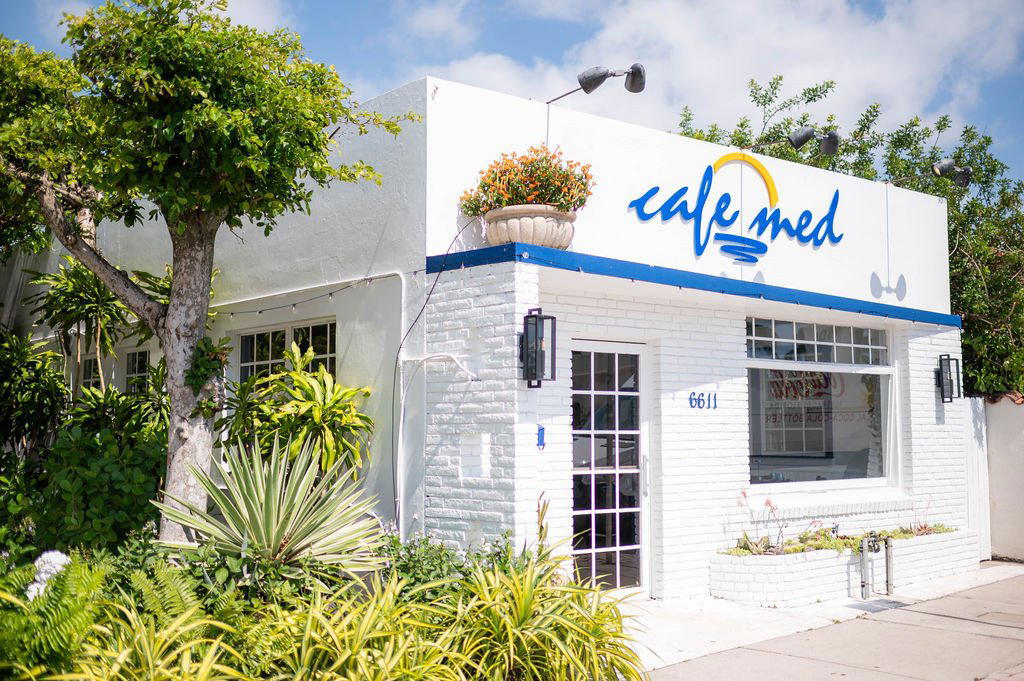
Cafe Med occupies a Coconut Grove address at 3015 Grand Ave, placing it inside one of Miami's most historically rooted dining neighbourhoods. The name signals Mediterranean orientation, and the Grove's tradition of independent, community-embedded restaurants makes it a natural home for a cafe-format concept that sits apart from the city's high-volume resort dining circuit. For visitors calibrating between Miami's splashy hotel restaurants and its quieter neighbourhood operators, the Grove corridor rewards attention.
- Address
- 3015 Grand Ave, Miami, FL 33133
- Phone
- (305) 443-1770
- Directions
- Get directions
The menu
What to order
- Tagliatelle Bolognese
- Ossobuco D'agnello
- Eggplant Parmigiana
Coconut Grove and the Case for Neighbourhood Dining in Miami
Miami's dining conversation tends to anchor on Brickell towers, South Beach hotel lobbies, and the Design District's chef-destination circuit. What gets less coverage is the quieter, older tradition of Coconut Grove, where the city's original bohemian community established a pattern of independent, owner-operated restaurants long before the resort-dining boom reshaped the coast. The Grove still operates on that logic. Grand Avenue, where Cafe Med sits at number 3015, is a low-rise commercial corridor that functions more like a neighbourhood main street than a dining destination built for tourism.
That distinction matters when thinking about sustainability in restaurant culture. The environmental conversation around food has largely been hijacked by fine-dining press releases, but the more durable model of sustainable operation is often the neighbourhood cafe: lower throughput, closer supplier relationships, less spectacle-driven waste, and a clientele that returns weekly rather than once per trip. Mediterranean-oriented concepts fit this framework naturally. The cuisine's structural reliance on vegetables, legumes, olive oil, and seasonal fish aligns with lower-carbon sourcing patterns more readily than protein-heavy formats. Cafe-scale portions reduce plate waste, and the absence of elaborate tasting-menu production removes a significant source of kitchen excess.
Mediterranean Cuisine in a City of Extremes
Miami's restaurant market tends toward the theatrical. These are all serious operations, but they sit in a different register than a cafe-format concept. Mediterranean cooking, at its most coherent, is about restraint: the quality of the olive oil, the freshness of the tomato, the bread that arrives without ceremony. In a city where restraint is a minor virtue, that position is commercially unusual.
The broader American sustainability story in fine and mid-market dining is being written at venues like Blue Hill at Stone Barns in Tarrytown, where the farm-to-table model is vertically integrated at an institutional level, and Single Thread Farm in Healdsburg, where the sourcing calendar is the menu architecture. Those are high-investment formats that require scale and endowment-level infrastructure. The Coconut Grove version of that story is less photogenic but arguably more replicable: a neighbourhood operator on a walkable street, sourcing from South Florida's produce corridor, serving a format that generates less waste by design.
Ethical Sourcing in the South Florida Context
Florida's agricultural geography gives Miami restaurants access to sourcing networks that most northern cities cannot match year-round. The state produces significant volumes of citrus, tomatoes, stone crabs, and tropical produce, and the proximity of the Florida Keys and Gulf Coast fishing industry means that a kitchen serious about provenance has genuine local options. Mediterranean-format menus, which lean on vegetables, fish, and grains, are structurally well-suited to this supply chain. The challenge in Miami is that proximity to local production does not automatically translate into sourcing discipline; the city's hospitality industry is large enough to absorb whatever comes off a truck without asking many questions. The neighbourhood operators, working with tighter margins and more regular customers, tend to have stronger incentives to build coherent supplier relationships.
This positions a Grand Avenue cafe differently from the hotel-anchored Mediterranean concepts that appear periodically in Brickell or Wynwood. Those formats use the Mediterranean label for its lifestyle associations. A neighbourhood cafe uses it as a menu logic, one that happens to align well with the produce and seafood available within a few hours' drive of Miami.
Where Cafe Med Sits in Miami's Independent Operator Tier
The competitive frame for Cafe Med is not the Michelin-adjacent programs at L'Atelier de Joël Robuchon Miami or the Peruvian counter format at ITAMAE. It is the mid-market neighbourhood tier that defines what Coconut Grove offers when you strip away the destination-dining noise. That tier is where Miami's most consistent eating happens, and where the sustainability argument is least performative. You are not paying for a carbon-offset footnote on a tasting menu; you are eating in a place whose operating model is inherently lower-impact because of its scale, format, and neighbourhood embeddedness.
For visitors building a Miami itinerary around restaurants, the Grove corridor is worth treating as a half-day anchor rather than a detour. The neighbourhood's tree canopy, bayfront proximity, and walkable street grid make it functionally different from Miami Beach or downtown, and the dining character follows from that. If the formal end of your trip involves L'Atelier de Joël Robuchon Miami or a reservation at Boia De, a lunch or early dinner in the Grove provides useful calibration. See our full Miami restaurants guide for how the neighbourhood tiers map across the city.
Nationally, the sustainability-through-simplicity argument in restaurant dining has been made most visibly at Smyth in Chicago, Providence in Los Angeles, and at the European extreme, Atelier Moessmer Norbert Niederkofler in Brunico, where the sourcing radius is a formal editorial commitment. These are all large-format, award-weighted operations. Cafe Med operates at the other end of that spectrum, where the sustainability claim is structural rather than promotional. It is a distinction worth holding onto when reading the broader American dining conversation, which tends to award sustainability points to the loudest advocates rather than the quietest practitioners.
Know Before You Go
Address: 3015 Grand Ave, Miami, FL 33133
Neighbourhood: Coconut Grove
Cuisine orientation: Mediterranean-style cafe format
Price tier: Not confirmed; consistent with mid-market neighbourhood cafe positioning in the Grove
Reservations: Not confirmed; walk-in availability likely given cafe format
Hours: Not confirmed; verify directly before visiting
Parking: Street parking available on Grand Avenue; the Grove is also accessible by Metrorail (Coconut Grove station)
Frequently asked questions
Where exactly is Cafe Med?
Cafe Med is located at 3015 Grand Ave, Miami, FL 33133, Miami.
How does Cafe Med compare to other independent Mediterranean restaurants in Miami?
Cafe Med operates in Coconut Grove at 3015 Grand Ave, placing it outside the main clusters where Miami's chef-destination programs compete for attention. The competitive frame is not Michelin-adjacent hotel dining but the smaller tier of owner-operated neighbourhood restaurants that serve a local repeat clientele. In a city where Mediterranean cuisine often gets folded into larger multi-concept hospitality groups, a standalone independent in Coconut Grove occupies a narrower and more specific position.
What do regulars order at Cafe Med?
Cafe Med sits on Grand Ave in Coconut Grove, a neighbourhood that draws a repeat-visitor crowd more than a tourist one. Without a published menu on record, the safest approach is to ask the staff what is moving that day — Mediterranean formats at this price point typically rotate proteins around what is sourced locally, and Florida's year-round agricultural access makes seasonal shifts meaningful here.
Is Cafe Med reservation-only?
No booking policy is publicly documented for Cafe Med at 3015 Grand Ave. Coconut Grove independents at this tier often accept walk-ins, particularly at lunch, but peak dinner service on weekends in Miami can fill neighbourhood spots quickly. Calling ahead is the practical move until a reservations policy is confirmed.
What's the defining dish or idea at Cafe Med?
The defining idea at Cafe Med is Mediterranean cooking applied inside a Coconut Grove neighbourhood context — quieter and more residential than the Design District or South Beach, where theatrics tend to dominate. That positioning, an independent on Grand Ave running a cuisine built around shared plates and sourced ingredients, is itself a specific editorial choice in a Miami market that defaults to scale.
Side-by-Side Snapshot
A quick peer list to put this venue’s basics in context.
| Venue | Cuisine | Price | Awards | Notes |
|---|---|---|---|---|
| Cafe MedThis venue — the venue you are viewing | Mediterranean Italian | Not listed | Not listed | Not listed |
| Cote Miami | Modern Korean Steakhouse with Table-Side BBQ | $150–200 | 1 Michelin Star · La Liste Top Restaurants | Korean Steakhouse, Korean |
| Ariete | Modern Cuban-American Fine Dining | $150–200 | 1 Michelin Star · Star Wine List | Modern American, Contemporary |
| Boia De | Modern Italian-Inspired | $50–100 | 1 Michelin Star · Star Wine List | Italian, Contemporary |
| Stubborn Seed | Modern American Fine Dining | $200–300 | 1 Michelin Star | Progressive American, Contemporary |
| Los Fuegos by Francis Mallmann | Argentinian Open-Fire Asado Steakhouse | $200–300 | Michelin Plate · Forbes 4-Star | Argentinian |
Details
- Casual
- Lively
- Casual Hangout
- Family
- Group Dining
- Standalone
- Local Sourcing
- A La Carte
- Vegetarian Friendly
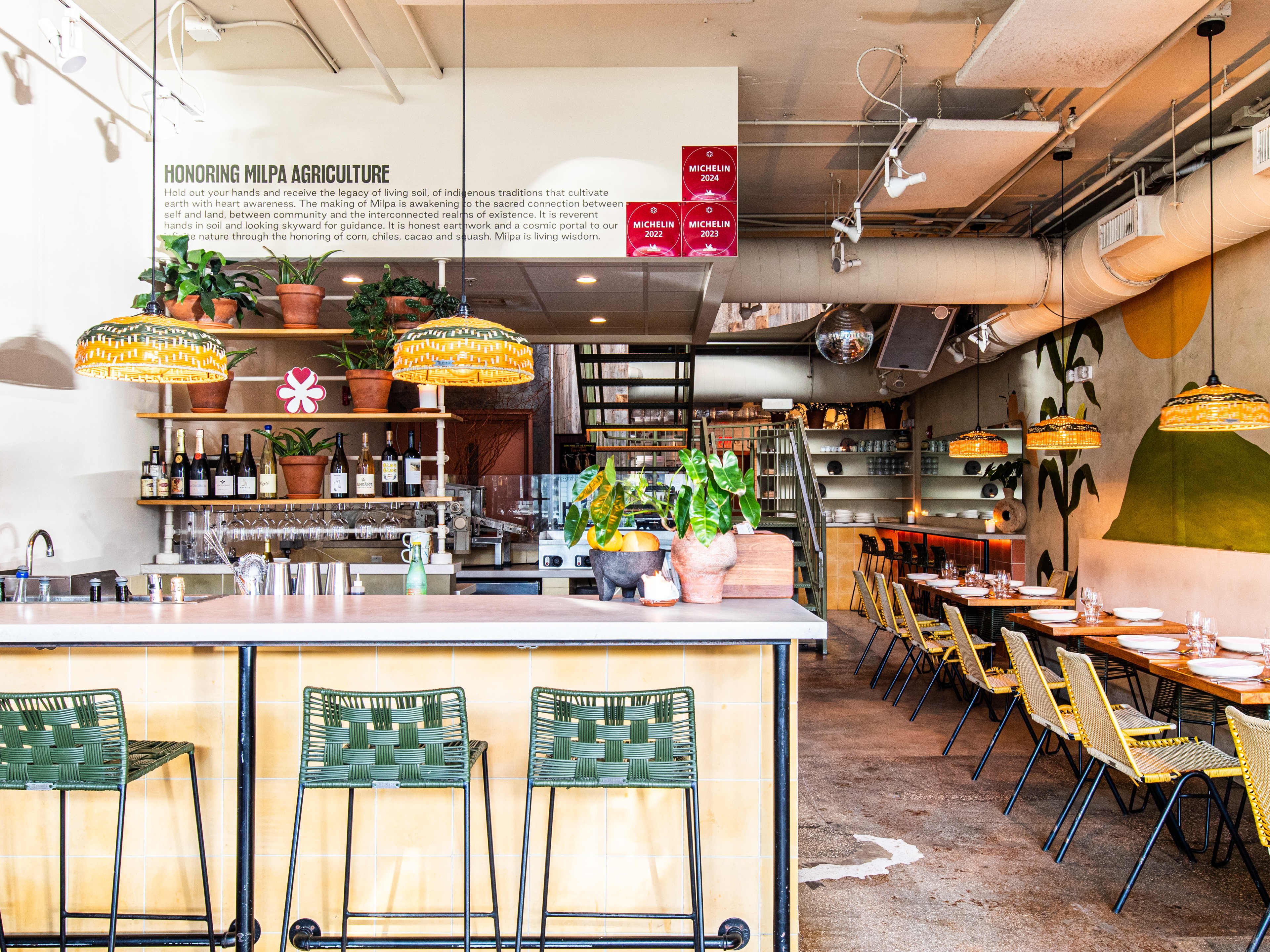
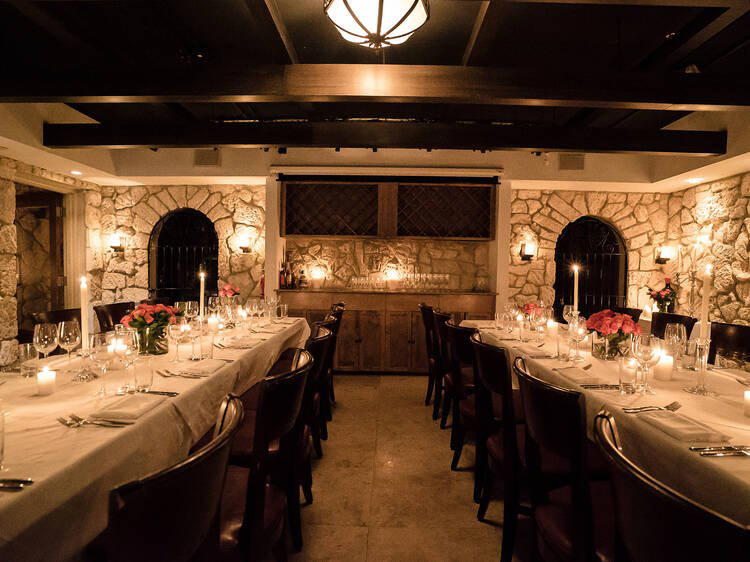
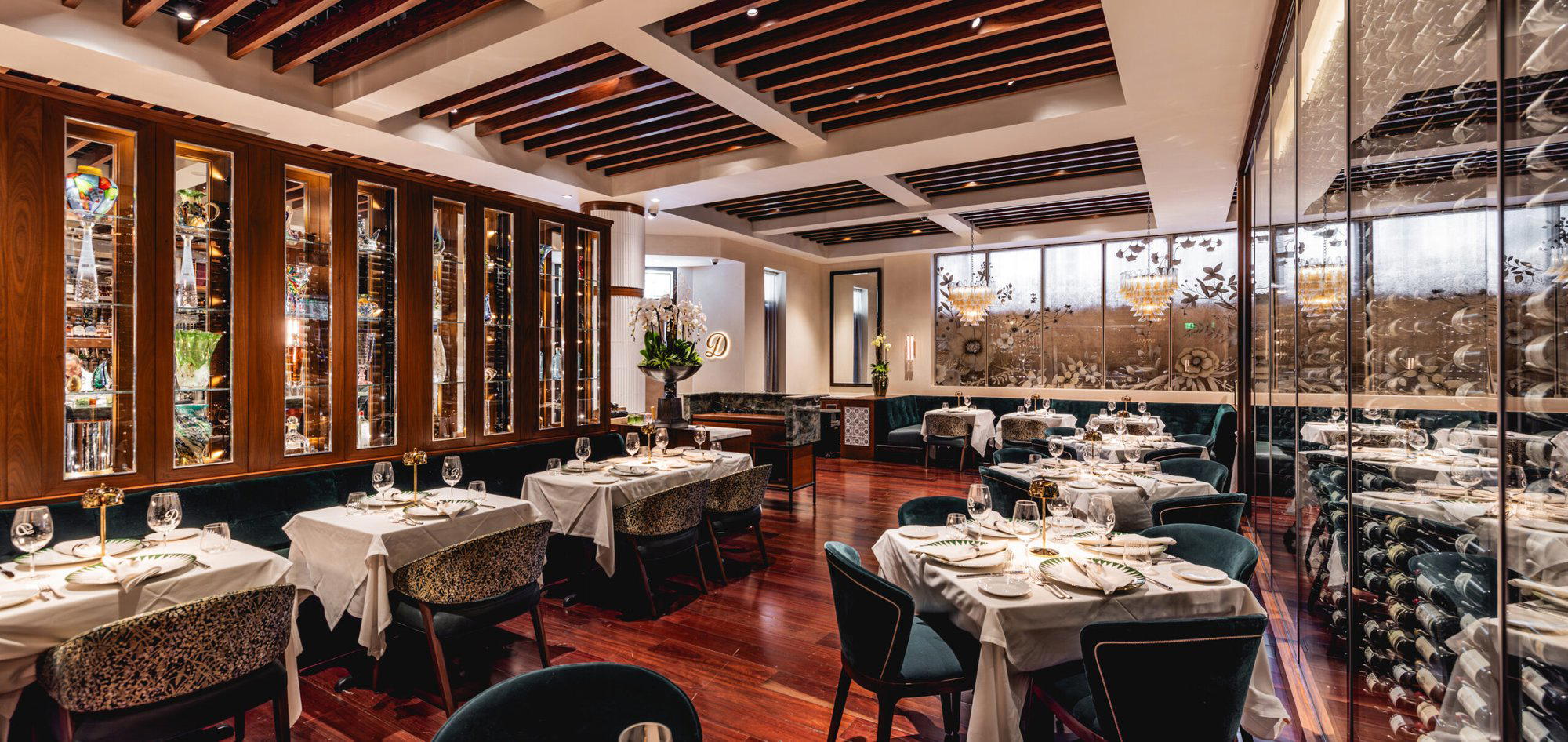
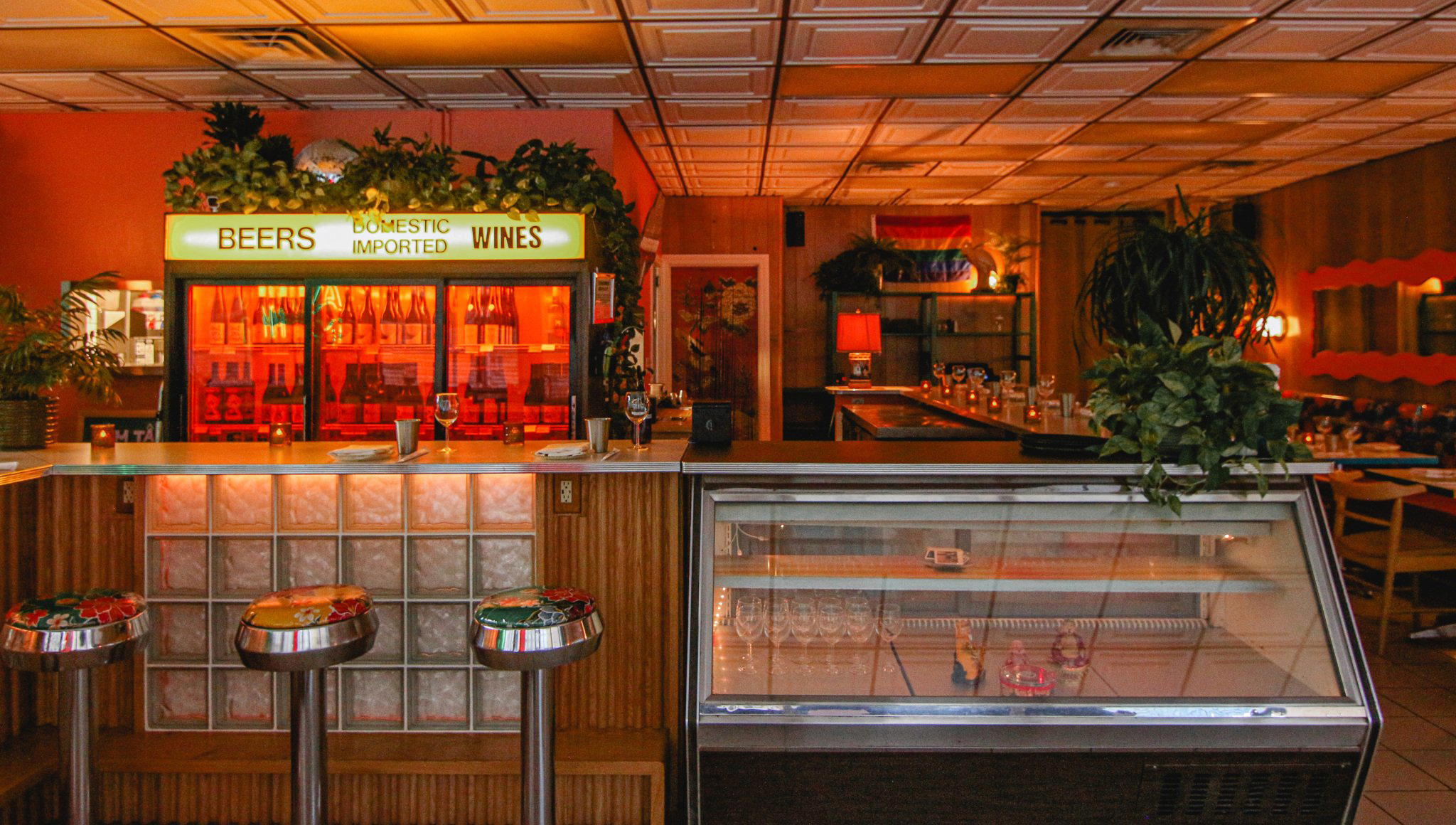
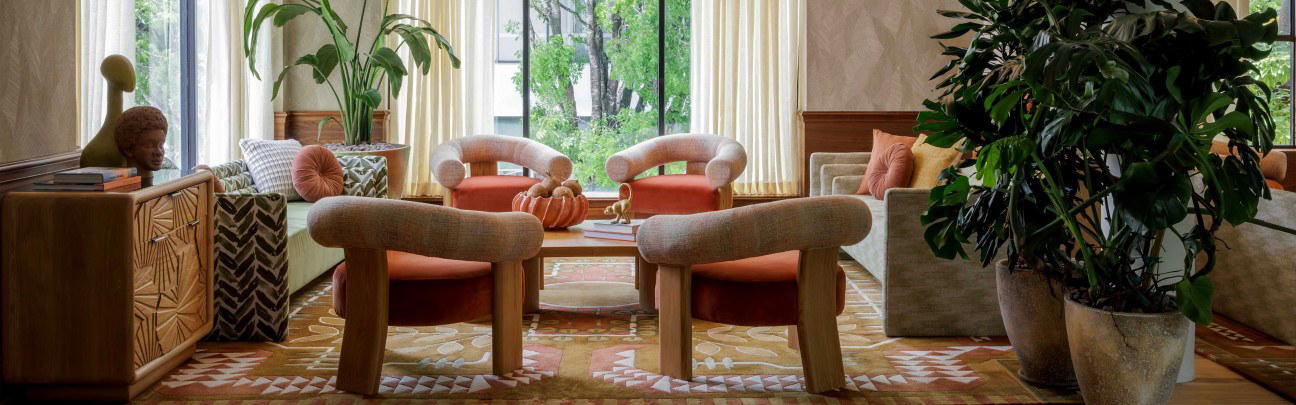
Casual sidewalk eatery with a relaxed, lively atmosphere typical of neighborhood Italian restaurants; plastic-covered menu displays suggest a casual, unpretentious vibe.