Our verdict
On King Street West, Same Same Thai occupies a corner of Toronto's theatre district where the city's appetite for Southeast Asian cooking meets a neighbourhood defined by serious dining. The restaurant positions itself within a local Thai scene that increasingly rewards technique and sourcing alongside the familiar register of bold, aromatic flavour. For the King West corridor, it is a useful anchor point between casual and destination dining.

The menu
What to order
- Grilled pork cheeks
- Crispy shrimp toast
- Pad Thai
King Street West and the Question of What Thai Cooking Can Be in Toronto
King Street West in Toronto does not ask much of a restaurant before it opens its doors to a full room. The strip between Spadina and John runs dense with after-work crowds, theatre-goers, and a dining public that has grown accustomed to a wide price range and wider ambition. Into that environment, Same Same Thai at 303 King St W positions itself inside a city whose Thai dining scene has, over the past decade, split noticeably between fast-casual pads and green curries and a smaller tier of kitchens treating the cuisine with the same ingredient-led rigour applied to the Japanese and Italian rooms nearby.
That split matters because it shapes expectations on both sides of the transaction. Toronto diners who have spent an evening at Alo (Contemporary) or navigated the tasting menu at Aburi Hana (Kaiseki, Japanese) arrive with a calibrated sense of what serious technique looks like. The question Same Same Thai answers, or attempts to answer, is whether the same intellectual framework, sourcing with intention, applying classical discipline, letting a single cuisine's internal logic do the lifting, can be brought to Thai cooking without flattening it into something polite and forgettable.
The Intersection of Imported Method and Local Market
The editorial angle that makes Thai cooking in a Canadian city interesting is the same one that makes any transplanted cuisine interesting: what survives the translation, and what gets better because of it? In Thailand, the aromatics are the market. Kaffir lime leaves, galangal, bird's eye chillies, and lemongrass are ambient, cheap, and treated with the casualness of pantry staples. In Toronto, sourcing those same ingredients demands either a strong import relationship or a willingness to work with what Ontario growers can credibly provide during a growing season that ends well before Bangkok's does.
The restaurants that resolve this tension most interestingly are the ones that treat the constraint as creative pressure rather than deficiency. Across Canada, a handful of kitchens have shown what that looks like in practice: Tanière³ in Quebec City runs its entire program through the logic of northern Quebec ingredients filtered through classical French technique. AnnaLena in Vancouver operates a similar philosophy on the Pacific coast. Eigensinn Farm in Singhampton has carried that argument to its most committed conclusion, growing and raising nearly everything on site. The question for a Thai kitchen in Toronto is whether a comparable adaptation is happening, or whether the sourcing conversation stops at a reliable import supplier.
Same Same Thai sits on King West, which places it in physical proximity to some of the city's more technically ambitious rooms. Sushi Masaki Saito (Sushi, Japanese) operates at the far end of the commitment-to-craft spectrum, with an omakase format built entirely around product sourced to counter-level precision. DaNico (Italian) and Don Alfonso 1890 (Contemporary Italian, Italian) each make sourcing arguments through the Italian tradition. The presence of those rooms in the same dining corridor raises the ambient standard and, arguably, the ambient curiosity of the diner walking through the door.
Toronto's mid-to-upper Thai dining tier is less clearly mapped than its Japanese or Italian equivalent. The city has no Thai equivalent of its kaiseki corridor, and no critical infrastructure, no dedicated awards category, no annual ranking, that would sort Thai restaurants the way Michelin sorting has shaped the city's sushi conversation. That absence works in both directions. It gives kitchens more room to define their own terms. It also means the diner arrives with fewer external coordinates.
The comparison table below places Same Same Thai's known logistics against a selection of King West and broader Toronto peers for practical orientation.
| Venue | Cuisine | Price Range | Format |
|---|---|---|---|
| Same Same Thai | Thai | Not confirmed | Not confirmed |
| Alo | Contemporary | $$$$ | Tasting menu |
| Sushi Masaki Saito | Sushi, Japanese | $$$$ | Omakase counter |
| Don Alfonso 1890 | Contemporary Italian | $$$$ | Full-service |
| DaNico | Italian | $$$$ | Full-service |
The absence of confirmed price range and format data for Same Same Thai is itself a signal worth acknowledging. The venues in the peer column above publish their pricing and booking terms openly, in part because their positioning depends on it. Where Same Same Thai fits in that spectrum, and whether it is competing for the same diner or a different one, remains something the room itself would need to answer.
The Broader Canadian Thai Moment
Thai cooking has been arriving in Canadian cities in more serious form over the past several years, in a pattern that mirrors what happened to Japanese and Korean cooking a decade earlier. The same evolution that produced technically driven Korean rooms like Atomix in New York City, where the cuisine's internal logic is honoured but the execution draws from a global technical vocabulary, is creating space for Thai kitchens that do the same. Across Canada, from Jérôme Ferrer - Europea in Montreal to Restaurant Pearl Morissette in Lincoln, the clearest argument being made right now is that regional identity and technical ambition are not in conflict. Same Same Thai operates inside that broader moment, whether or not it is consciously invoking it.
King Street West will not slow down for a restaurant that does not earn its place. The neighbourhood's dining density, which includes rooms of the calibre of Le Bernardin in New York City-comparable ambition down the eastern seaboard and multiple four-dollar-sign competitors within walking distance, means the diner has options and uses them. A Thai restaurant that merely delivers familiar flavours in a pleasant room will find the street forgiving in the short term and unforgiving over time. One that applies the sourcing and technique logic the neighbourhood has come to expect from its serious rooms earns a different kind of loyalty.
For additional context on where Same Same Thai fits within the city's full dining picture, see our full Toronto restaurants guide.
Planning Your Visit
Same Same Thai is located at 303 King St W, in the theatre district section of King West. Diners comparing options in the same neighbourhood should note that rooms like Aburi Hana and Alo book several weeks in advance, while the Thai tier generally offers more walk-in flexibility, though that varies by venue and evening.
Frequently asked questions
What's the must-try dish at Same Same Thai?
What the cuisine tradition suggests, however, is that the most instructive order at any serious Thai kitchen is the one that tests its sourcing: the dishes built around aromatics and fresh herbs reveal more about a kitchen's supply chain and technique than the ones that rely on protein as the centrepiece. For verified menu details, contacting the restaurant directly is the most reliable approach. Diners interested in how technique-driven Asian kitchens in Toronto handle comparable sourcing decisions may also find Aburi Hana (Kaiseki, Japanese) a useful reference point.
What's the ideal way to book Same Same Thai?
On King Street West, where demand on weekend and theatre nights is consistent, reserving in advance is the sensible default regardless of format. Checking for an online booking portal or phone reservation option on arrival is the practical starting point.
How does Same Same Thai compare to other Thai restaurants in Toronto?
Toronto's Thai dining scene sits in a transitional moment: a growing number of kitchens are applying more ingredient-conscious and technically considered approaches to a cuisine that has historically been underrepresented at the city's upper dining tier. Same Same Thai's location on King Street West, a corridor defined by competitive, technique-driven rooms across multiple cuisines, places it in a context where that kind of ambition is both encouraged and legible to the diner. For broader orientation on the city's restaurant categories, our full Toronto restaurants guide maps the dining picture across price points and cuisine types.
The Short List
A quick peer reference to anchor this venue in its category.
| Venue | Cuisine | Price | Awards | Notes |
|---|---|---|---|---|
| Same Same ThaiThis venue (the venue you are viewing) | Modern Thai | Not listed | Not listed | Not listed |
| Alo | Modern French Fine Dining with Asian Influences | $200–300 | 1 Michelin Star · La Liste Top Restaurants | Contemporary |
| Sushi Masaki Saito | Edomae-Style Omakase | $500+ | 1 Michelin Star · La Liste Top Restaurants | Sushi, Japanese |
| Aburi Hana | Modern Japanese Kyō-Kaiseki | $300–500 | 1 Michelin Star · The Best Chef One Knife | Kaiseki, Japanese |
| Don Alfonso 1890 | Modern Italian Fine Dining | $200–300 | 1 Michelin Star · La Liste Top Restaurants | Contemporary Italian, Italian |
| Edulis | Mediterranean Seafood Tasting Menu | $150–200 | 1 Michelin Star · World's 50 Best #25 | Canadian, Mediterranean Cuisine |
Continue exploring
More in Toronto
Restaurants in Toronto
All restaurants in Toronto →
Bars in Toronto
All bars in Toronto →

Details
- Modern
- Trendy
- Date Night
- Casual Hangout
- Open Kitchen
- Craft Cocktails
- A La Carte
- Small Plates
- Cocktails
- Vegetarian Friendly
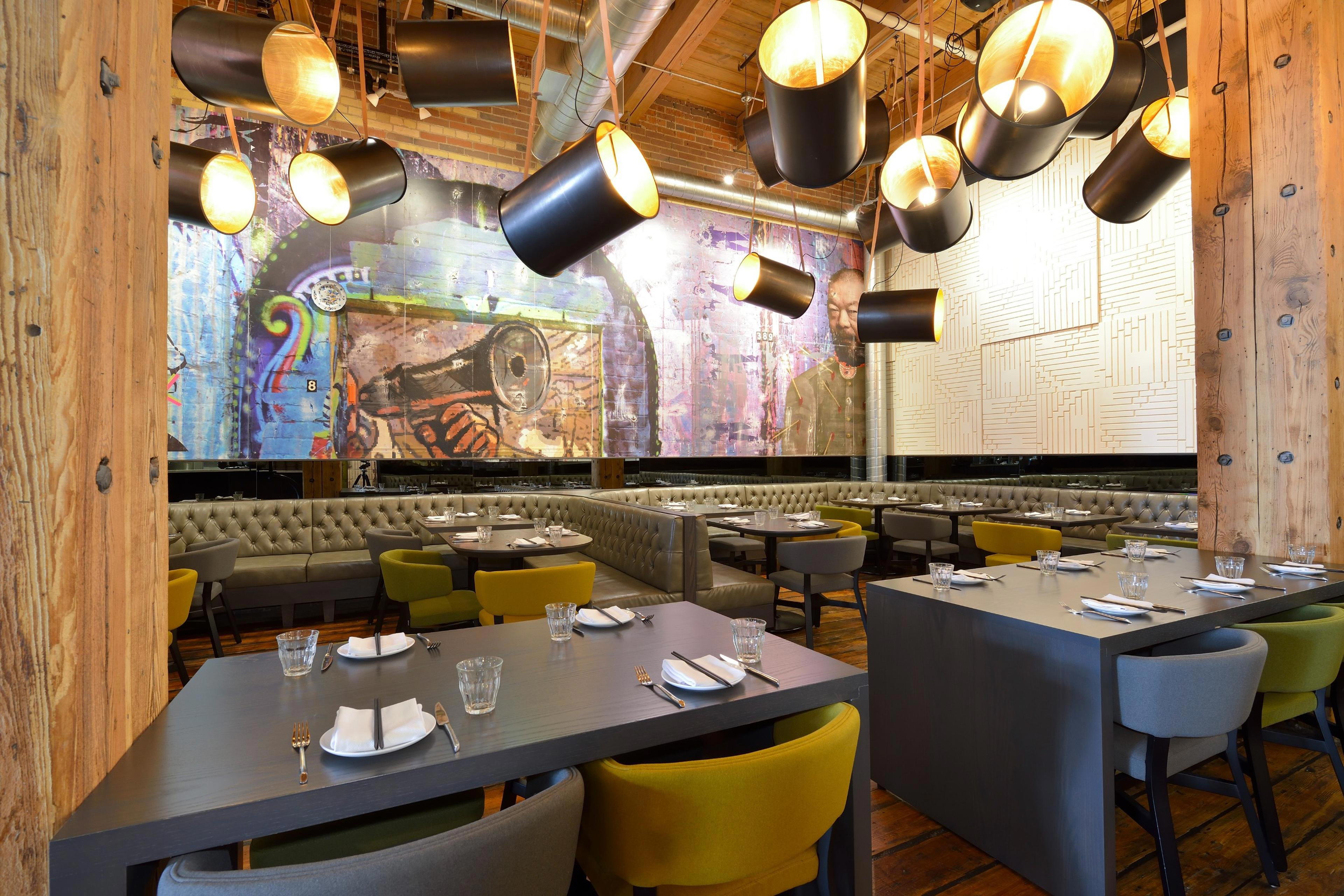
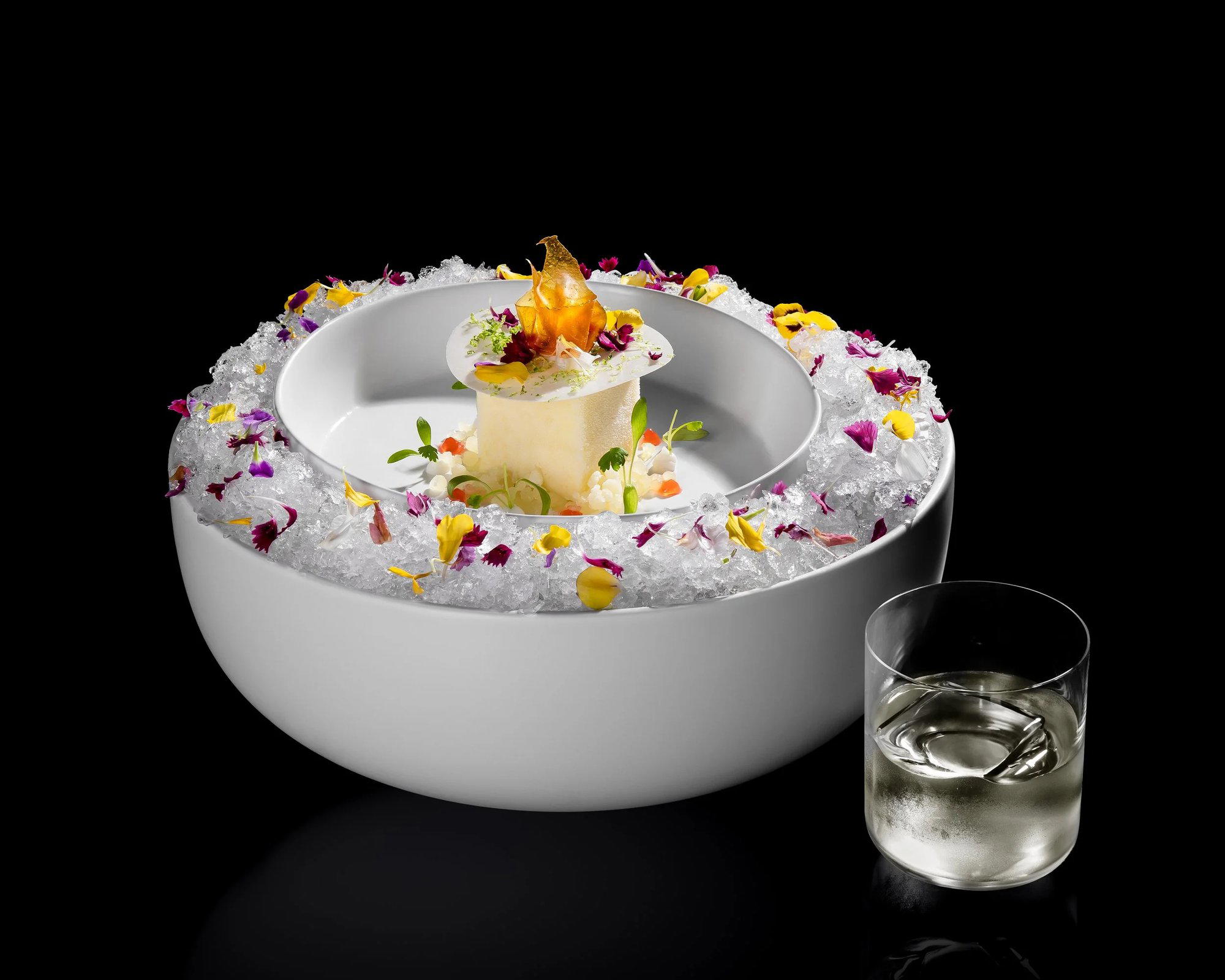
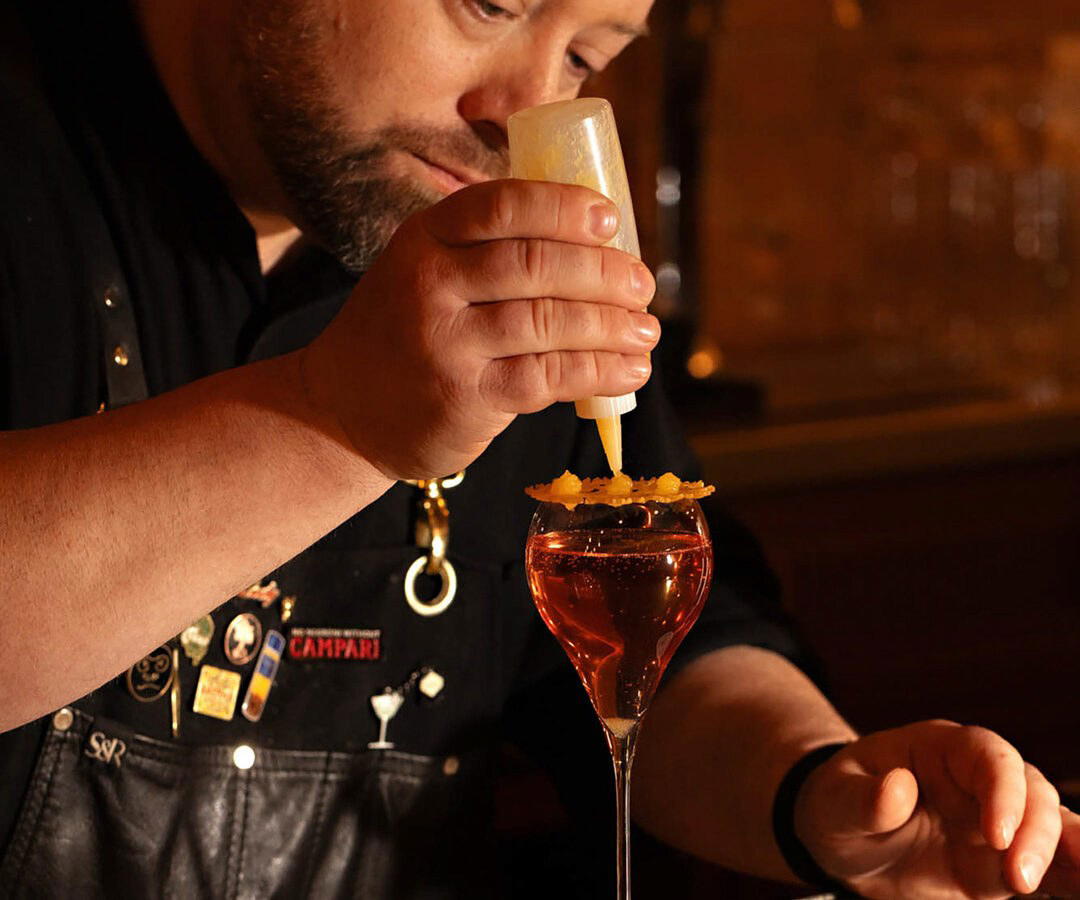
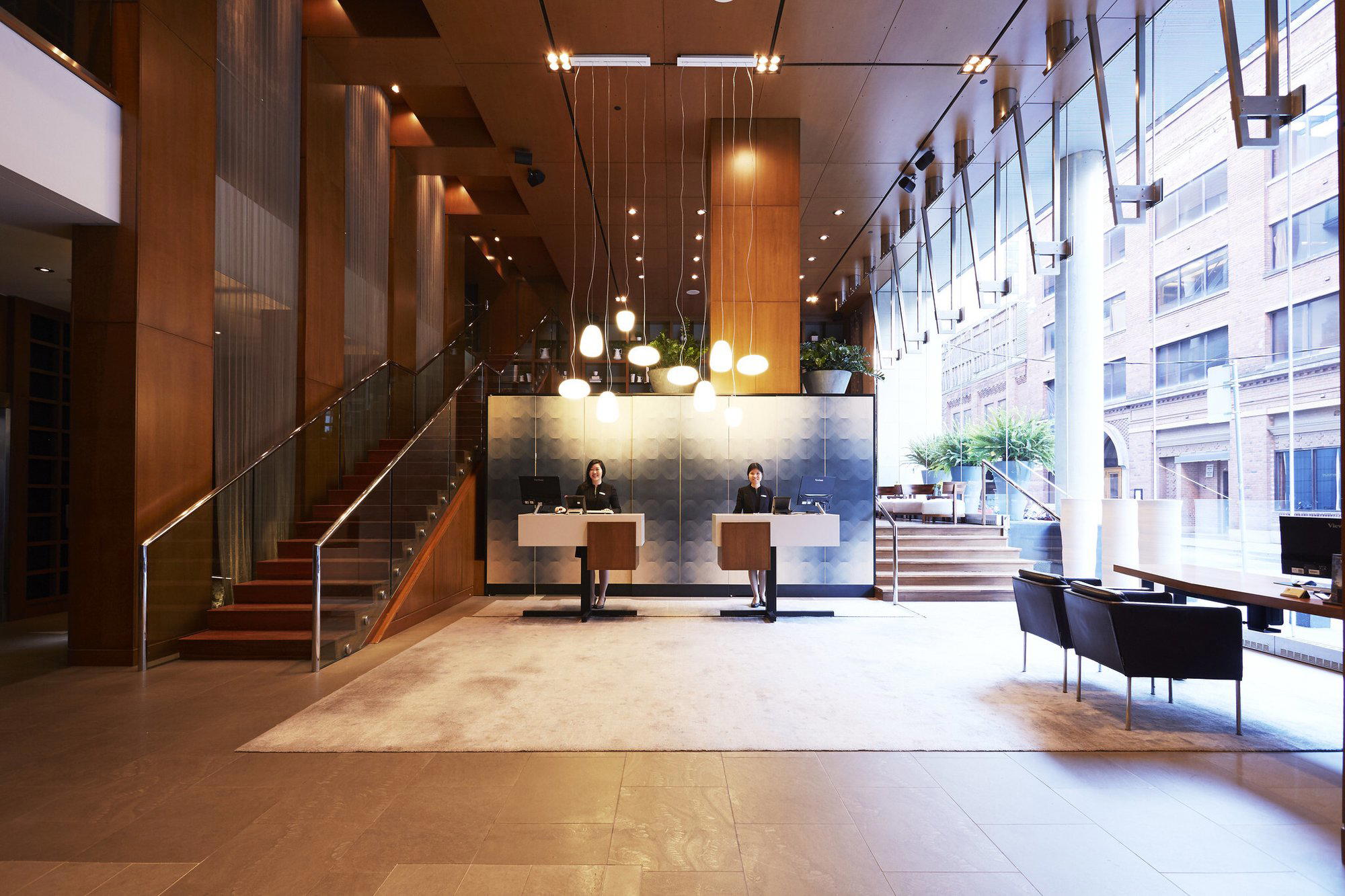
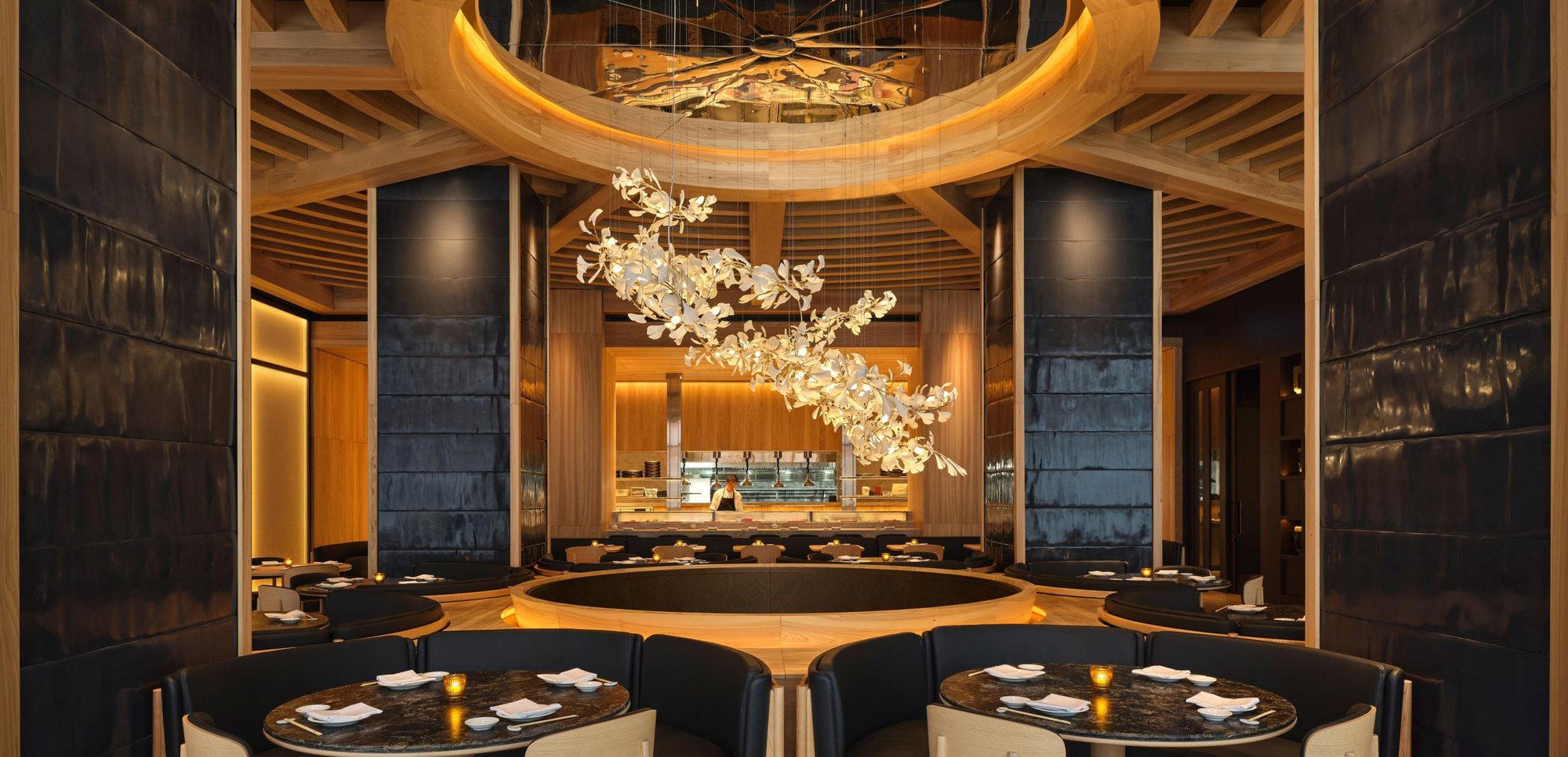
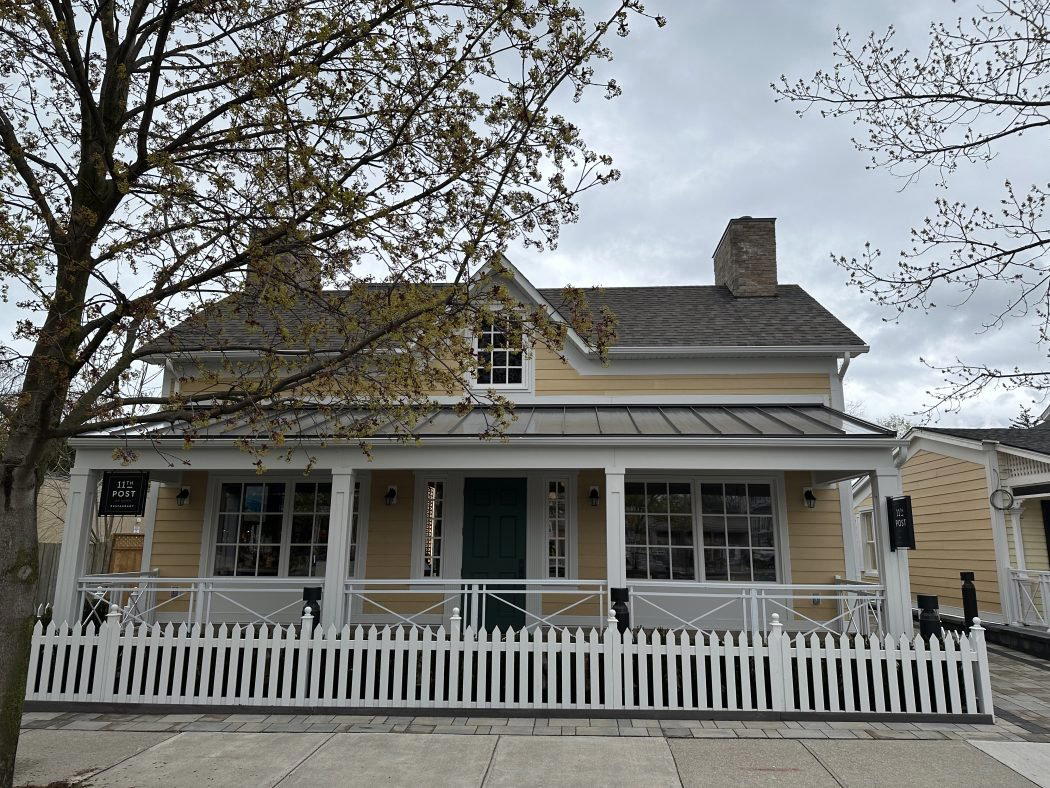
Contemporary and lively atmosphere celebrating bold Thai flavors with innovative presentation.