Lucrecia Coyoacán
Our verdict
Lucrecia Coyoacán operates in one of Mexico City's most historically grounded neighbourhoods, where the dining culture tends toward depth over spectacle. Positioned in the residential quiet of Rancho El Rosario, it offers a counterpoint to the high-volume contemporary Mexican scene concentrated in Roma and Condesa, making it a reference point for those tracing the borough's quieter but serious culinary identity.

Pearl is the En Primeur Club membership app — saves, bookings, and concierge access live there. Same editors, same standards.
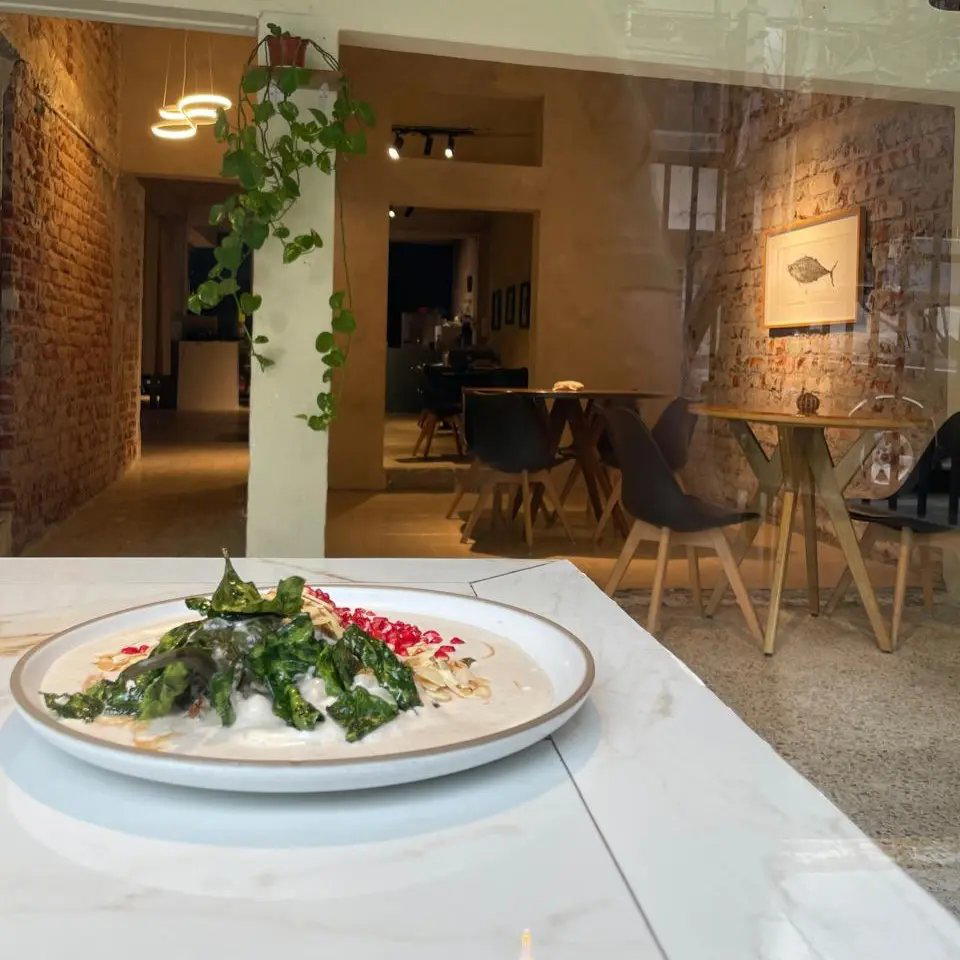
The Coyoacán Dining Register
Mexico City's most-discussed restaurant addresses cluster in Roma Norte, Polanco, and Condesa, where the density of ambitious kitchens and critical attention creates its own self-reinforcing energy. Coyoacán operates on a different frequency. The borough's identity is literary and residential, shaped by muralists, exiled intellectuals, and a market culture that predates most of what the capital's trendier colonias are doing now. Dining here tends to reflect that character: less concerned with international positioning, more rooted in the rhythms of the neighbourhood itself. Lucrecia Coyoacán, at Simarruba 139b in Rancho El Rosario, sits inside that tradition rather than against it.
For a broader map of where Mexico City's serious kitchens are operating right now, the full Mexico City restaurants guide covers the range from Polanco tasting menus to the borough-level scenes that don't always surface in international coverage.
Approaching the Address
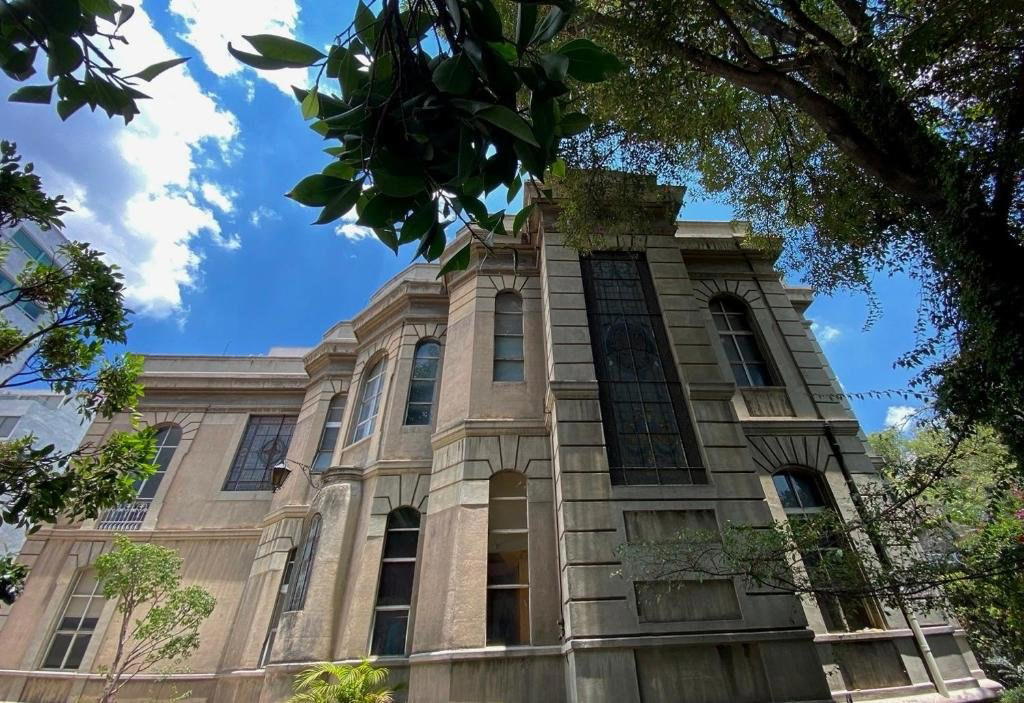
Rancho El Rosario is the kind of Coyoacán sub-neighbourhood that doesn't announce itself. The streets here are quieter than the area around the Jardín Centenario, the architecture more vernacular, the foot traffic drawn by locals rather than weekend visitors from other colonias. Arriving at Simarruba 139b, you are already operating at a remove from the spectacle-first dining formats that have defined so much of Mexico City's recent international profile. That physical remove is itself editorial: the venue exists because the neighbourhood sustains it, not because a PR campaign positioned it there.
This pattern of serious dining embedded in residential Coyoacán has a lineage. The borough has long supported restaurants that earn their following through repetition and word of mouth rather than opening-week press. The contrast with, say, the launch dynamics around Pujol or Quintonil in Polanco is structural, not incidental.
The Arc of a Meal in This Register
Mexican tasting-progression dining has split, over the past decade, into two recognisable formats. The first is the internationally legible tasting menu, built around sourcing narratives, pre-announced courses, and wine pairing options that align the experience with European fine dining conventions. The second is something harder to categorise: a sequence-driven meal where Mexican culinary logic governs the pacing, the sourcing is local without being announced as such, and the progression from lighter to heavier, raw to cooked, masa to protein, follows an internal cultural grammar rather than a borrowed one. Coyoacán's better kitchens tend toward the second format.
Elsewhere in Mexico, restaurants like Levadura de Olla Restaurante in Oaxaca and KOLI Cocina de Origen in Monterrey have built reputations on exactly this kind of internally coherent progression, where the sequence of dishes teaches the diner something about a region's ingredients and techniques rather than simply delivering them in chronological order. The same instinct appears in coastal formats: HA' in Playa del Carmen and Le Chique in Puerto Morelos apply tasting-progression discipline to Yucatecan and Caribbean ingredient sets. Animalón in Valle de Guadalupe does it in an open-air, fire-driven format that has become a reference point for the Baja wine country scene.
Within Mexico City itself, Em has staked a position in the $$$ tier with a structured approach to Mexican ingredients that sits between the accessibility of Rosetta's more European-inflected format and the technical ambition of Polanco's leading tables. Sud 777 applies a creative lens to Mexican produce in a format that has earned consistent critical attention. Lucrecia Coyoacán's positioning within this spread is geographic and cultural rather than price-tier defined, which makes it a different kind of reference point in the city's dining map.
Coyoacán's Culinary Coordinates
Understanding where Lucrecia Coyoacán sits requires understanding what Coyoacán's food culture has historically prioritised. The borough's Mercado de Coyoacán is one of the capital's most functional market environments, oriented toward daily cooking rather than tourist commerce. The tostadas de ceviche and tlayudas circulating there represent a different register of Mexican culinary intelligence than the composed plates coming out of Roma Norte's open kitchens. Restaurants that operate in Coyoacán's residential zones tend to draw on that market culture, whether explicitly or through the ingredient sourcing it makes available.
That rootedness distinguishes the borough from areas where dining culture is more driven by real estate economics and the rotation of ambitious young chefs seeking visible addresses. In Coyoacán, longevity tends to signal something: a restaurant at Simarruba 139b is there because the neighbourhood chose it, not because a lease opportunity presented itself.
For comparison points further afield in Mexico's serious dining circuit, Alcalde in Guadalajara, Pangea in San Pedro Garza Garcia, Lunario in El Porvenir, Huniik in Merida, and Olivea Farm to Table in Ensenada each represent region-specific takes on the same broad question: how does a serious kitchen express its geography through a structured meal? Internationally, the discipline of tasting-progression dining finds one of its most rigorous expressions at Atomix in New York City, where Korean culinary grammar governs a multi-course sequence with a formality that rewards close attention. Le Bernardin in New York City applies comparable sequence discipline to French seafood, with a pacing logic that has remained consistent across decades.
Planning a Visit
Lucrecia Coyoacán is located at Simarruba 139b, Rancho El Rosario, Coyoacán, 04380 Ciudad de México. The address sits within a residential sub-zone of the borough, most practically reached by taxi or ride-share from the centro histórico of Coyoacán or directly from Roma, Condesa, or Polanco. Public transit via Metro Line 3 to Viveros or Coyoacán stations places you within reasonable walking distance, though the specific street is better served by surface transport.
Frequently asked questions
What dish is Lucrecia Coyoacán famous for?
Is Lucrecia Coyoacán reservation-only?
How does Lucrecia Coyoacán fit into Coyoacán's dining scene compared to Mexico City's higher-profile restaurant districts?
Style and Standing
Comparable venues nearby, for context on price, style, and recognition.
| Venue | Cuisine | Price | Notes |
|---|---|---|---|
| Lucrecia CoyoacánThis venue — the venue you are viewing | Modern Mexican Ceviche | $30–50 | Not listed |
| Asaderos Grill Plaza Carso | Mexican Steakhouse Grill | $20–30 | Ampl Granada |
| Saks | Modern Mexican Fusion | $30–50 | San Ángel Inn |
| Bencomo | Contemporary Mexican | $50–100 | San Jeronimo Aculco |
| Dama Terraza | Homestyle Mexican-American Fusion | Not listed | Bosque de Chapultepec |
| Sylvestre | Mexican-Argentinian Fusion Grill | Not listed | Centro Comercial Santa Fe |
Continue exploring
More in Mexico City
Restaurants in Mexico City
All restaurants in Mexico City →
Bars in Mexico City
All bars in Mexico City →

Details
- Bohemian
- Cozy
- Date Night
- Casual Hangout
- Standalone
- A La Carte
Current opening hours
- Monday
- 9:30 AM–7:30 PM
- Tuesday
- 9:30 AM–7:30 PM
- Wednesday
- 9:30 AM–7:30 PM
- Thursday
- 9:30 AM–7:30 PM
- Friday
- 9:30 AM–7:30 PM
- Saturday
- 9:30 AM–7:30 PM
- Sunday
- Closed
Hours can change for holidays and private events. Last verified .
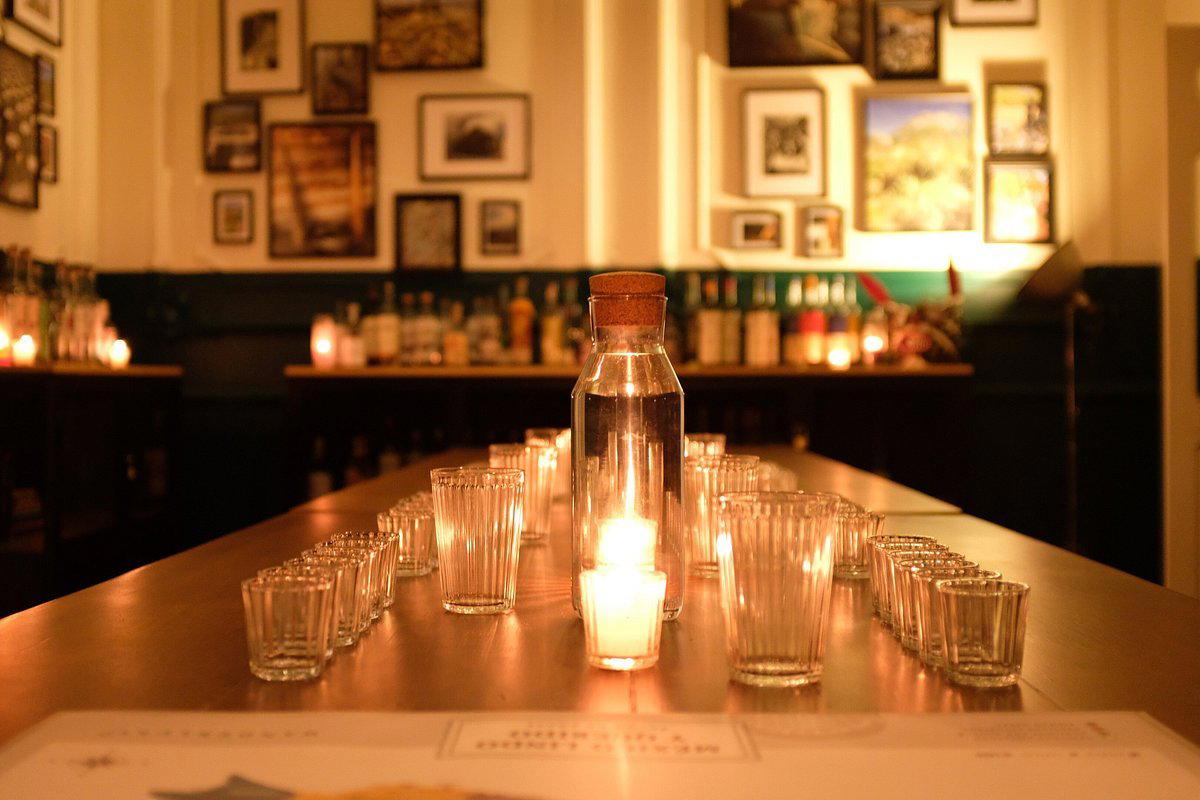
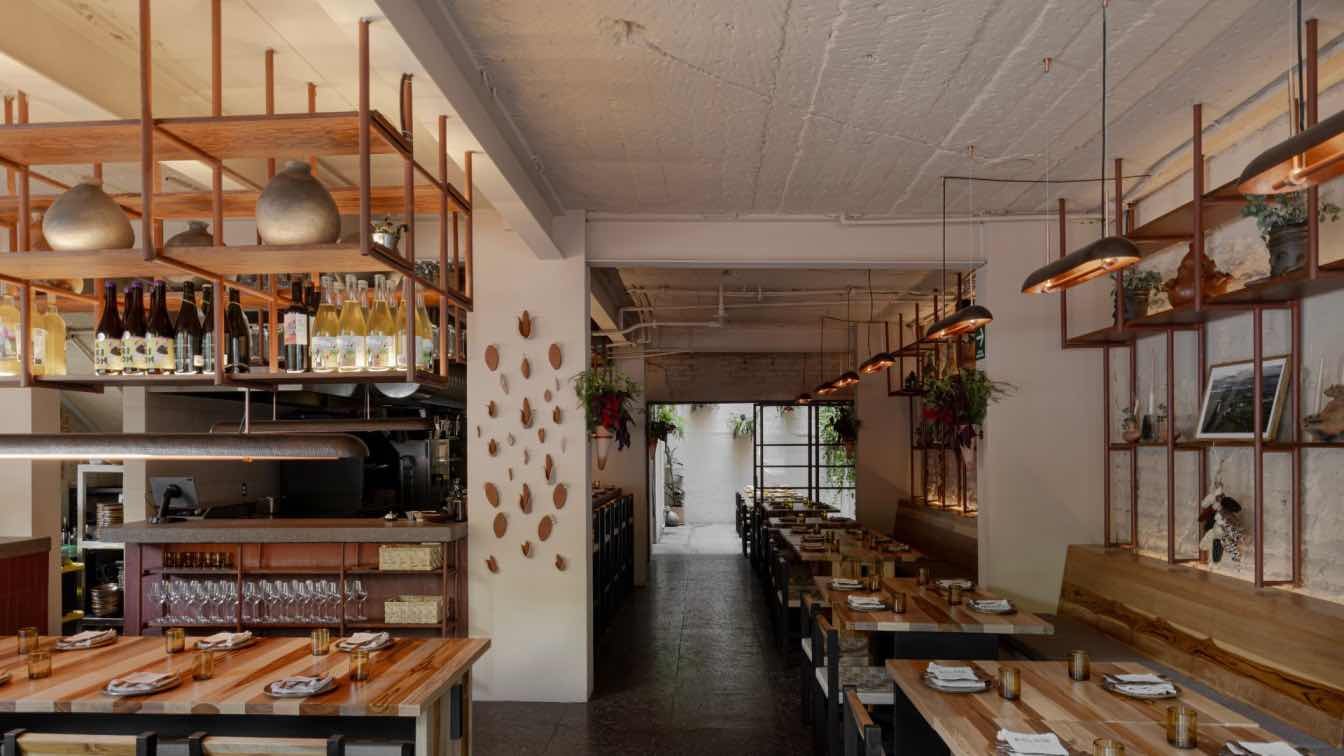
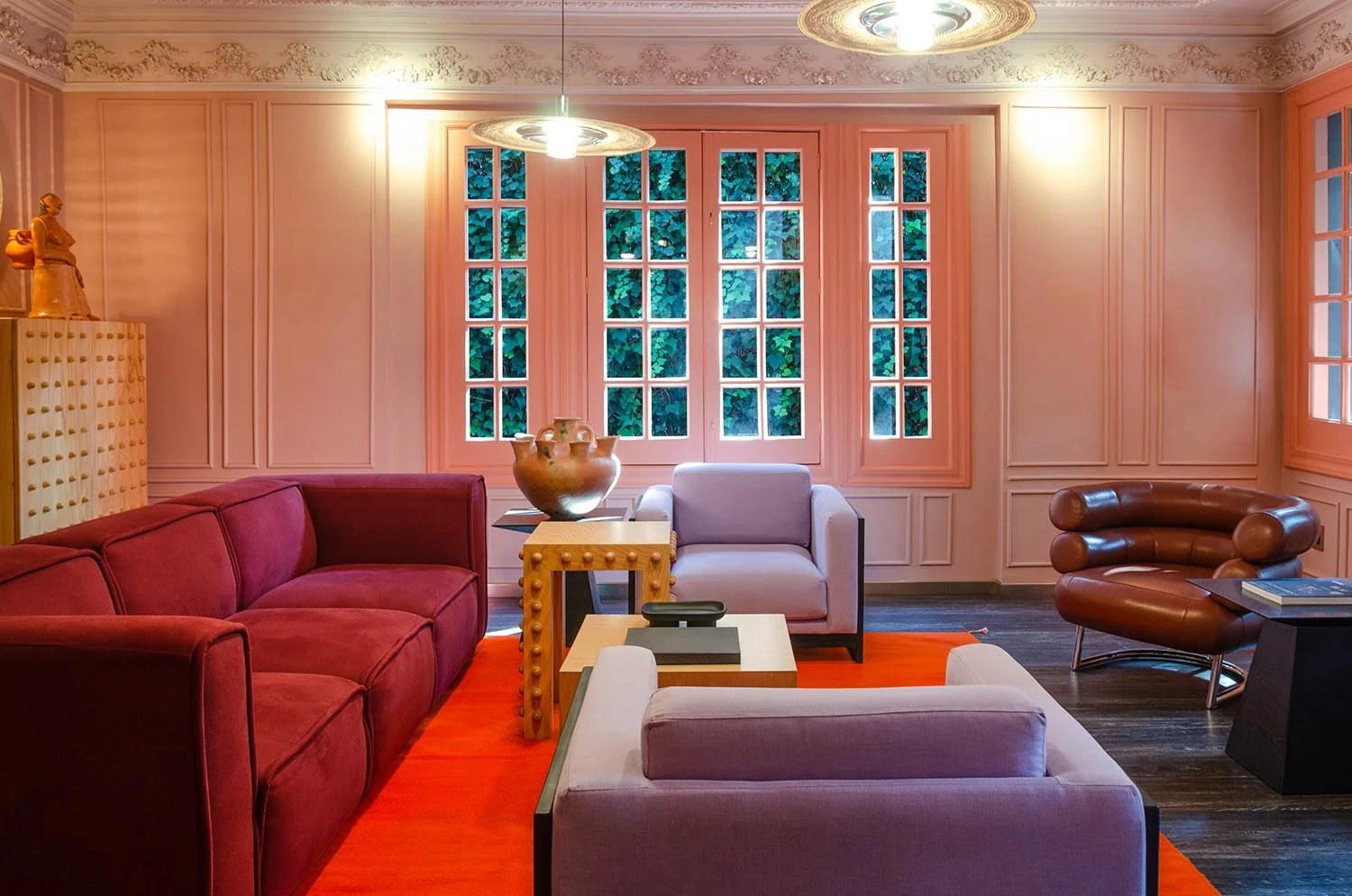
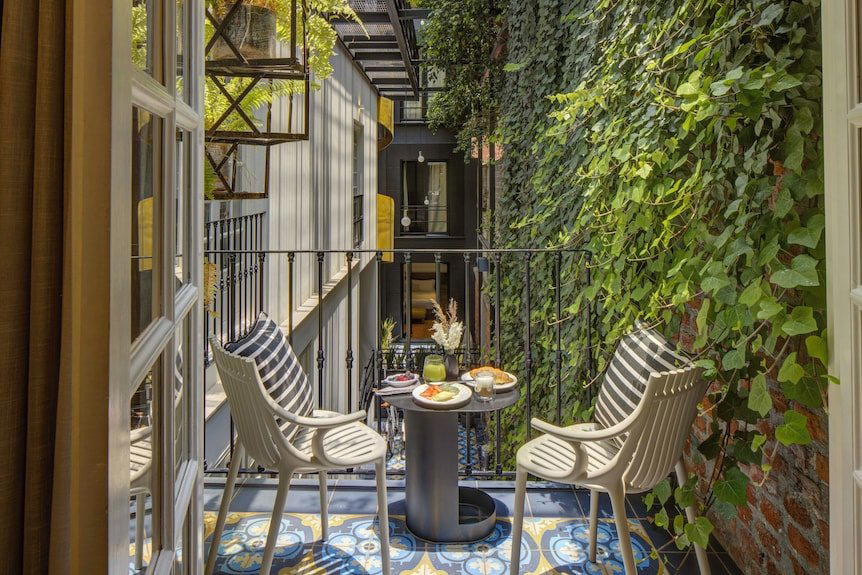
Warm and bohemian atmosphere.