Lucide


1 Michelin Star · Falstaff Restaurant - 93 Falstaff Points
Our verdict
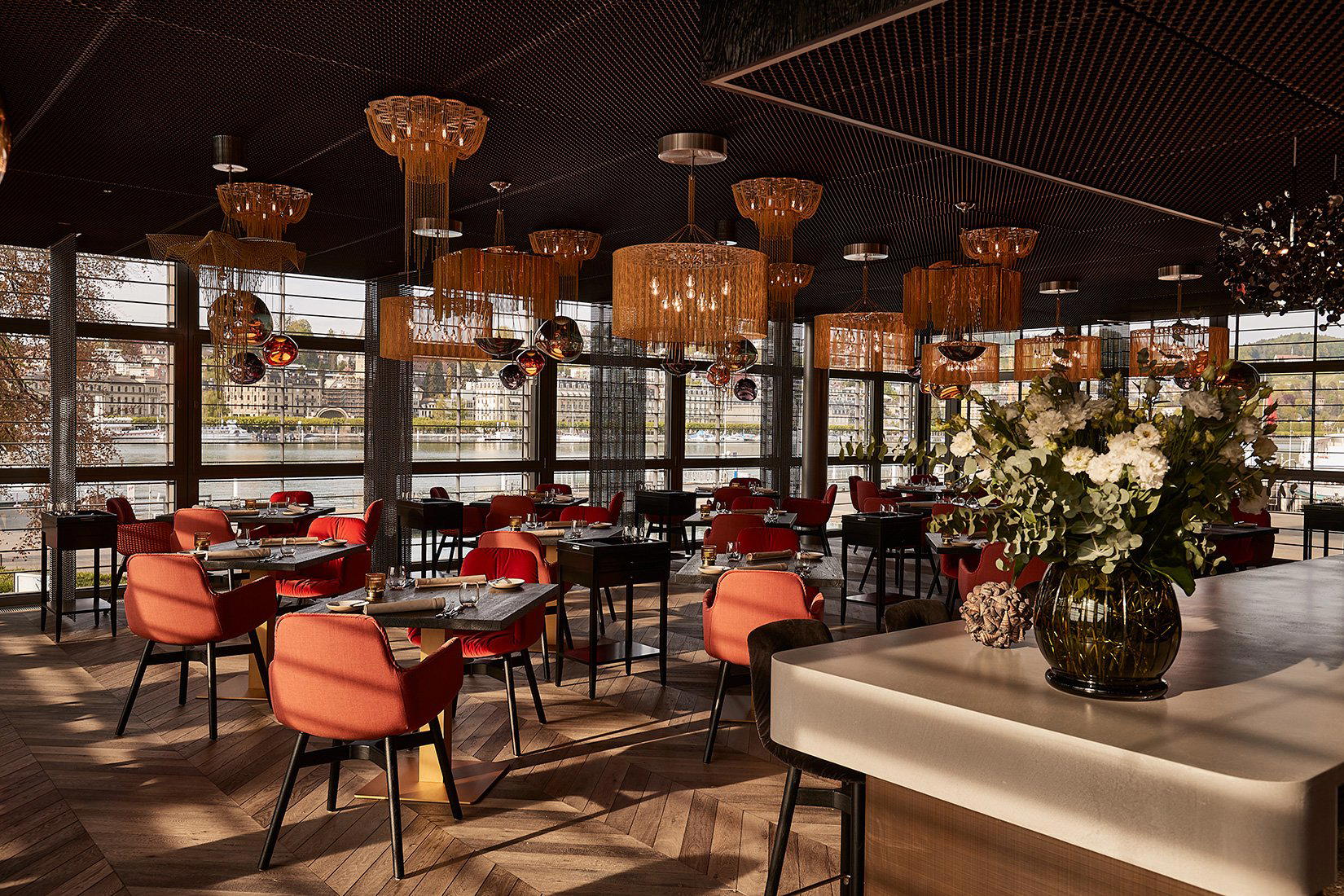
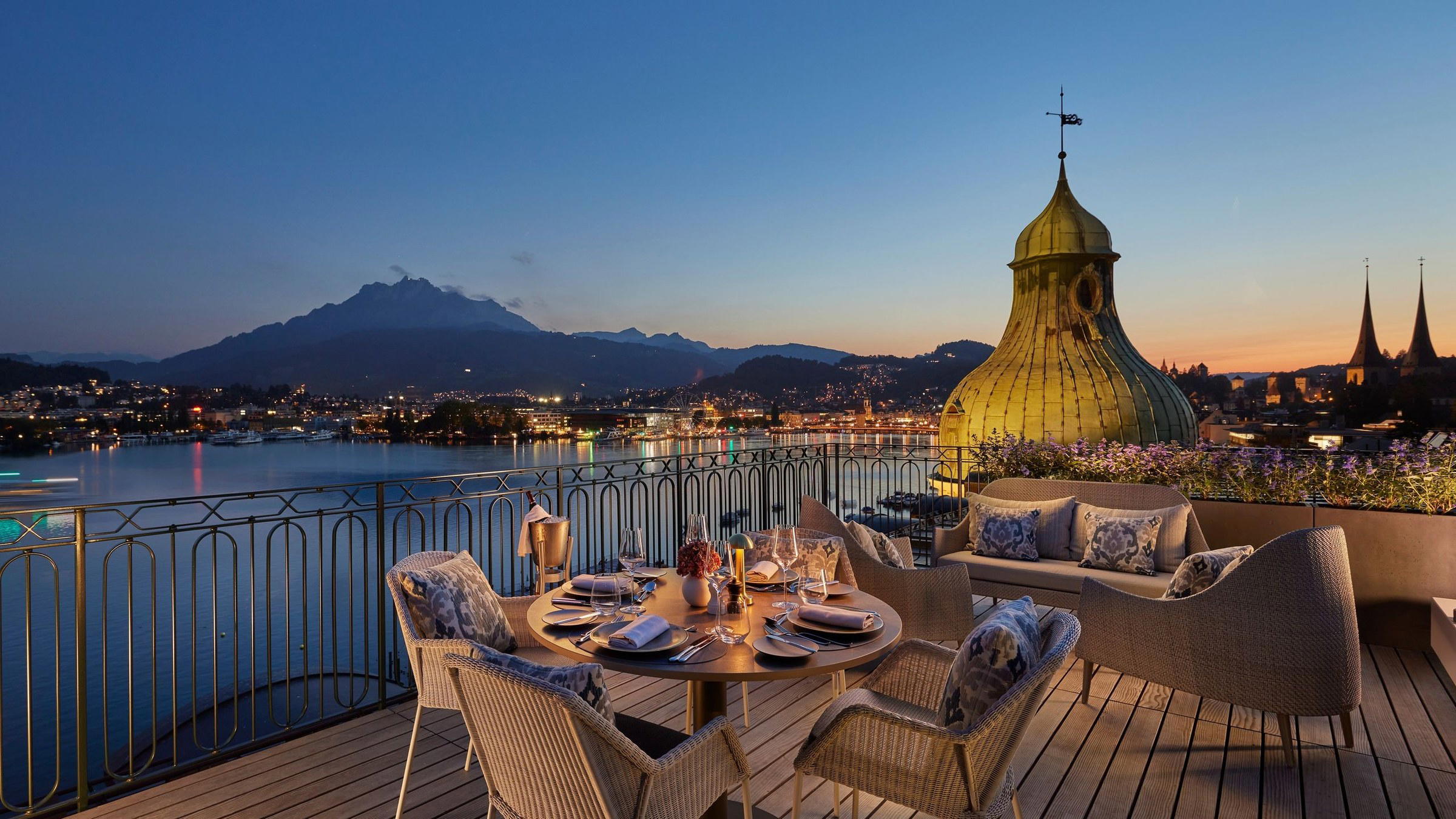
On the first floor of Lucerne's Culture and Congress Centre, Lucide frames Lake Lucerne through floor-to-ceiling windows while serving Michelin-starred contemporary cuisine grounded in close relationships with regional farmers and producers. Chef Maximilian Huber, previously at Munich's Mural Farmhouse, builds four- to six-course set menus around ingredient quality and precise contrasts. Open Tuesday through Sunday from 4:30 PM, with a more accessible lunch format on select days.

Pearl is the En Primeur Club membership app, where members save venues, book tables and use the concierge.
The menu
What to order
- Carrot
- Salmon Trout
- Beef
- Raspberry Sorbet Dessert
A Room With a Case to Make
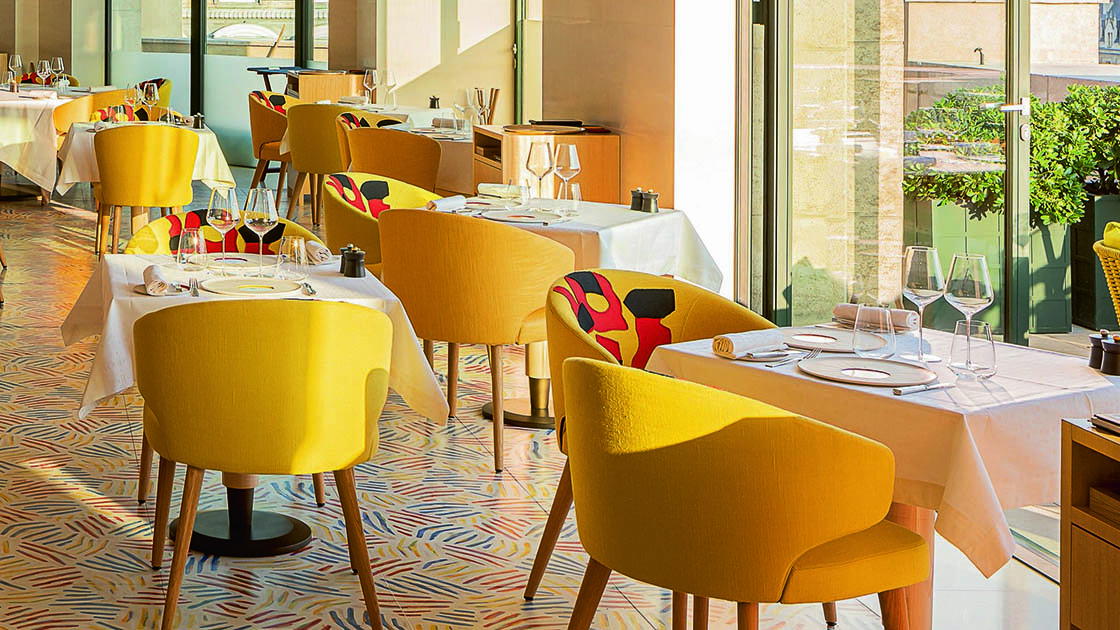
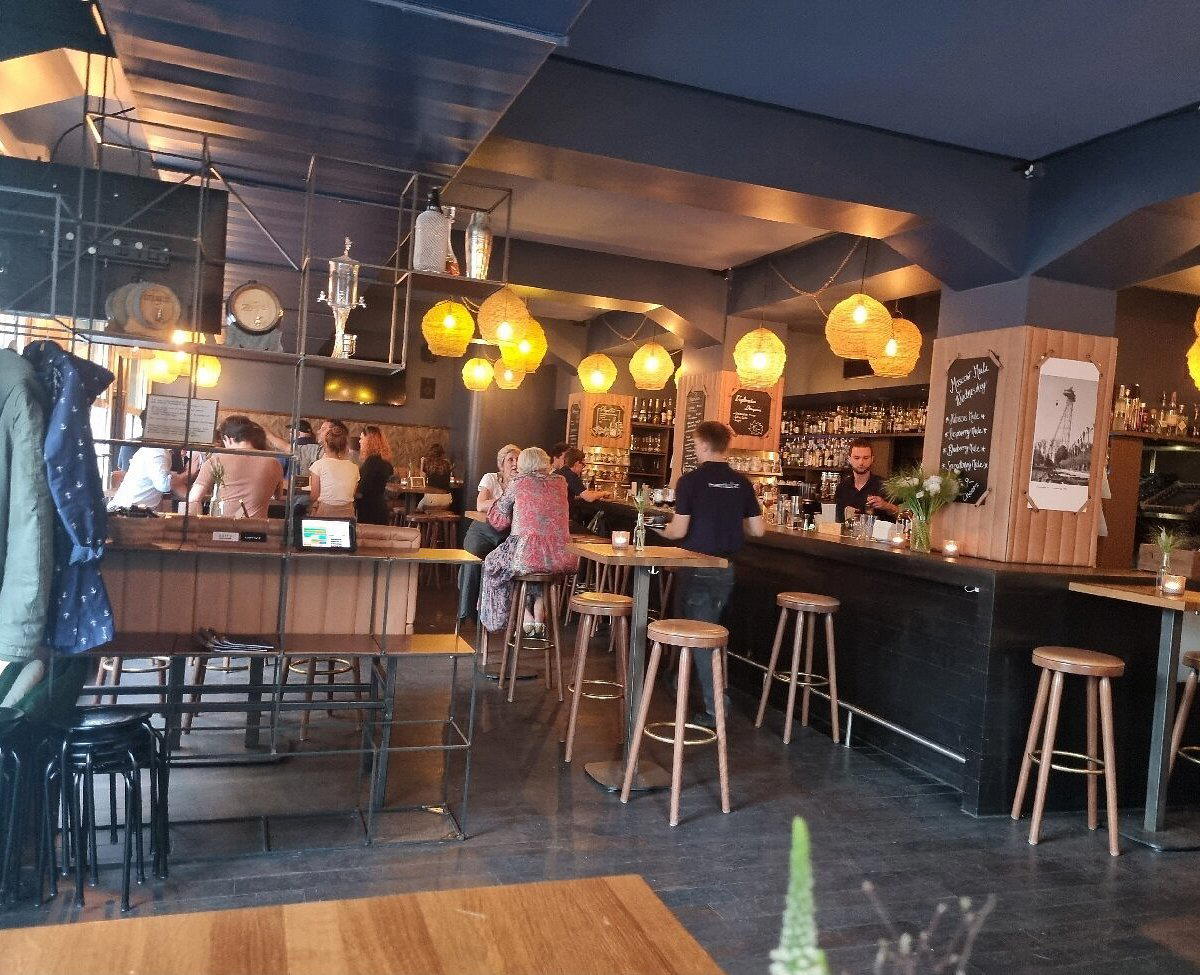
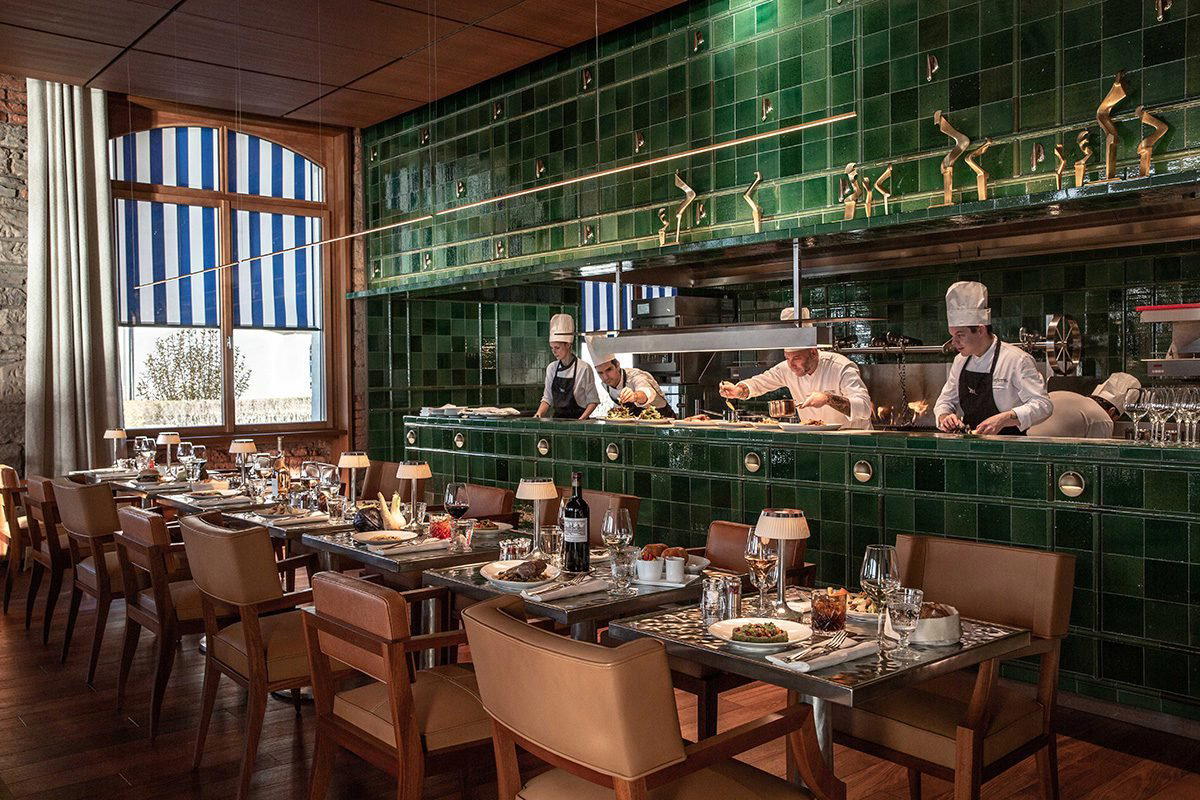
The Culture and Congress Centre sits at the edge of Lake Lucerne, and Lucide occupies its first floor with a directness that most restaurants at this price point would resist. The lake is right there, framed by the kind of windows that make architectural sense rather than scenic contrivance. The interior is spare and considered, with an open kitchen that keeps cooking visible and the room's temperature honest. There is no heavy draping, no baroque gesture toward occasion. The statement is made through the view, the produce, and what arrives on the plate.
That clarity of purpose is what positions Lucide within Lucerne's contemporary dining scene. The city sits between the more concentrated fine dining weight of Zurich and the Alpine resort circuits of Graubünden and Valais, and it has historically been underserved at the leading end relative to its cultural ambitions. Lucide is part of a small group of restaurants, alongside Colonnade and CAAA by Pietro Catalano at the €€€€ tier, that have moved the city's fine dining offer into a more coherent register. The 2024 Michelin star is recognition of that shift.
What the Price Buys You
At the €€€€ tier in a Swiss city, the question is not whether the meal will cost money. It will. The sharper question is whether the kitchen has done the intellectual and sourcing work that justifies the spend, or whether the price is simply carrying the overhead of a premium address. At Lucide, the answer leans toward the former, and the Michelin assessors have said as much.
The evening format runs as a pair of four- to six-course set menus, one of which is fully vegetarian. That vegetarian option is not an afterthought or a contracted-out responsibility, it is a structural equal within the menu architecture, which says something about how the kitchen thinks about ingredient primacy over protein hierarchy. The sourcing brief is regional and producer-specific, with close relationships to farmers built into the kitchen's working method rather than deployed as marketing language on the menu header.
Lunch shifts the value equation further. A more accessible set menu and a small à la carte selection make the room and the cooking available at a price point that doesn't require the full commitment of an evening booking. For those approaching Lucerne on a tighter time horizon, or who want to assess the kitchen before committing to dinner, the lunch format offers a reasonable entry point. 1 places the restaurant at the waterfront, walkable from the main rail station and most central accommodation.
The Cooking: Contrast as Method
Contemporary cuisine in Central Europe has largely resolved itself into two camps. The first leans on the terroir-and-ferment vocabulary that proliferated post-Noma: acidic, foraged, sometimes austere. The second works with regional produce but through classical technique and more conventional flavour logic. Lucide occupies a position that works between these registers rather than choosing one.
The Michelin citation identifies two poles of the kitchen's approach. Dishes built on contrast, carrot, kimchi, sea buckthorn, buckwheat, run on a kind of deliberate tension, where each component pushes against the others. Dishes built on integration, such as Brüggli salmon trout with mountain meadow hay, fennel, and elderflower, read as layered and cumulative rather than confrontational. Both approaches require precise technique and a clear idea of how flavour balance works in execution, not just on paper. The fact that the same kitchen can hold both modes without collapsing into inconsistency is the stronger argument for the Michelin recognition than any single dish.
Maximilian Huber brought a track record from Munich's Mural Farmhouse, a kitchen with its own producer relationships and a similar orientation toward regional materials. That lineage matters here not as biography but as evidence that the sourcing and technique commitments at Lucide predate this posting. Kitchens that work this way take years to build the supplier network and the muscle memory. Huber arrived with that infrastructure already in place.
Lucerne's Fine Dining Context
Lucerne has a restaurant scene that spreads across several distinct tiers. At the leading, Lucide and Colonnade operate at €€€€ with serious kitchen ambitions. One tier below, places like Maihöfli by UniQuisine and Des Balances serve creative and classic cuisine at €€€, offering strong cooking without the full formal commitment. Further down the register, Drei Könige works the farm-to-table format at €€, which serves a different kind of appetite. Understanding this spread helps place Lucide accurately: it is operating at the category ceiling, and pricing against that tier rather than against the city average. Multi-star addresses like Hotel de Ville Crissier, Schloss Schauenstein in Fürstenau, and Cheval Blanc by Peter Knogl in Basel represent the country's highest tier. Mountain resort dining at Memories in Bad Ragaz, 7132 Silver in Vals, and Da Vittorio in St. Moritz occupies a different category, where setting and seasonal access are part of what you're paying for. Lucide sits at the one-star level in a city of cultural weight, which is a different proposition from either extreme. For comparisons further afield, the contemporary tasting format has peers at César in New York City and Jungsik in Seoul, where the same commitment to precise contemporary cooking works within different urban contexts.
The Room and the Service
The front-of-house team at Lucide is described as large for the room's scale, cordial, and technically proficient. In the context of Swiss fine dining, that last quality is not a given: the category has a history of service that errs toward formal distance, where precision comes at the expense of warmth. A large team that reads as both capable and approachable is an operational achievement that affects the experience at every table, not just at the one where the most expensive bottle is being opened.
The open kitchen keeps the cooking present in the room rather than sequestered. This is a structural choice that says something about confidence, both in the kitchen's composure during service and in the kitchen's role as part of what guests are paying to be near. Combined with the lake view and the CKK building's considered architecture, the physical environment works in consistent register with the cooking: nothing extraneous, everything doing a specific job.
Wednesday is the single dark day. The restaurant operates Thursday through Tuesday from 4:30 PM, making it available on most nights of a short city break. 1 is direct to locate. There is no booking method listed in publicly available data, so contacting the venue directly or checking current booking platforms before visiting is advisable.
Planning Your Visit
Lucide operates Thursday through Tuesday, 4:30 PM to 11 PM, with Wednesday closed. Lunch service runs on select days with an accessible set menu and à la carte option. 1, 6005 Luzern, sits directly on the waterfront at the Culture and Congress Centre, within walking distance of the main station and the city's central hotels. For context on the full range of what Lucerne offers, see our full Lucerne restaurants guide, as well as guides to hotels, bars, wineries, and experiences in the city.
Frequently asked questions
What's the price range at Lucide?
Pricing at Lucide is listed as €€€€.
What's the address for Lucide?
Lucide is located at Europapl. 1, 6005 Luzern, Switzerland, Lucerne.
Credentials Lens
| Venue | Cuisine | Price | Awards | Notes |
|---|---|---|---|---|
| LucideThis venue (the venue you are viewing) | Alpine Terroir Fine Dining | $150–200 | 1 Michelin Star · Falstaff Restaurant - 93 Falstaff Points | Not listed |
| Colonnade | Modern French Haute Cuisine | Not listed | 2 Michelin Stars · La Liste Top Restaurants | Modern French |
| Maihöfli by UniQuisine | Modern Swiss Fine Dining | $150–200 | 1 Michelin Star · Falstaff Restaurant - 92 Falstaff Points | Creative |
| CAAA by Pietro Catalano | Transalpine Fine Dining | $200–300 | Michelin Plate · Pinnacle Guide 2 Pins | Modern Cuisine |
| Des Balances | French-Mediterranean | $50–100 | Michelin Plate · Falstaff Restaurant - 90 Falstaff Points | Classic Cuisine |
| Drei Könige | Swiss-French Bistro | $30–50 | Michelin Plate | Farm to table |
Recognition history
Dated appearances from independent guides and award organizations, with the underlying list record or original source where available.
Michelin 1 Star
Michelin
Falstaff Restaurant - 93 Falstaff Points
Falstaff
Full recognition history (3 entries)
Michelin 1 Star
Michelin
Continue exploring
More in Lucerne
Restaurants in Lucerne
All restaurants in Lucerne →
Bars in Lucerne
All bars in Lucerne →

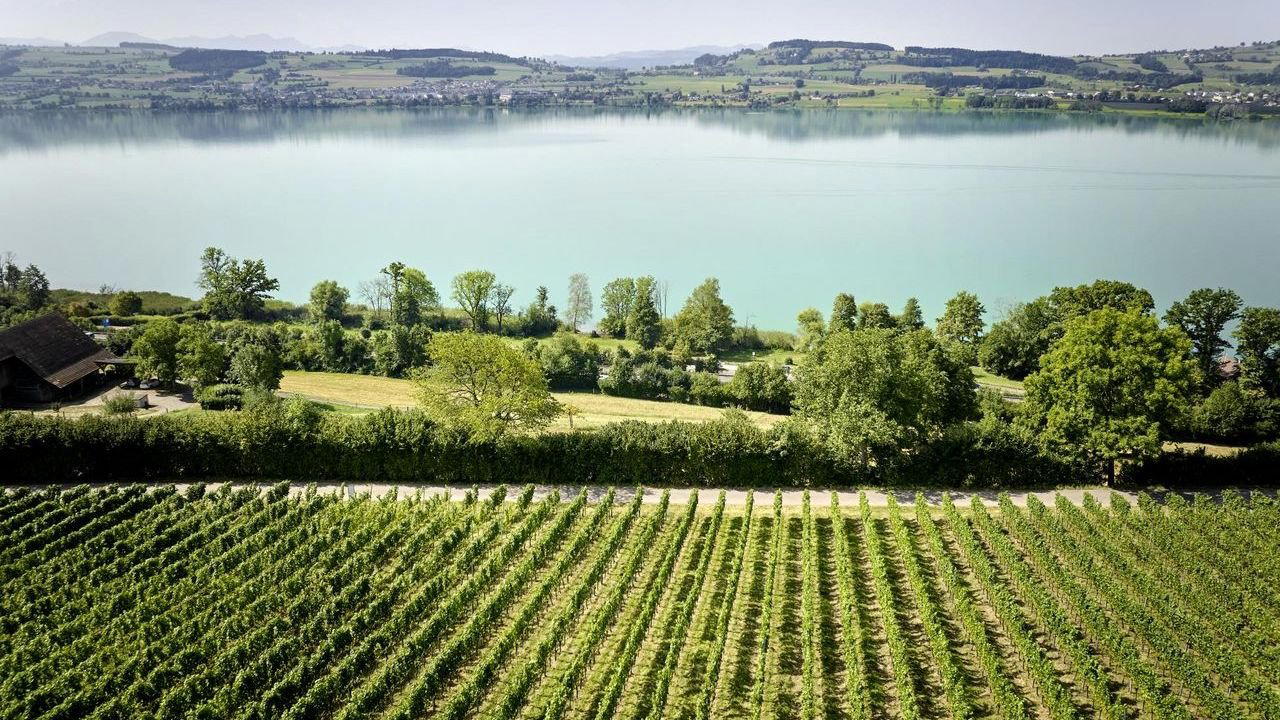
Lucide
The wine
- Wine program
- Deep wine list
- Extensive wine list
- Sommelier-led
Details
- Elegant
- Romantic
- Scenic
- Sophisticated
- Intimate
- Date Night
- Special Occasion
- Celebration
- Business Dinner
- Waterfront
- Panoramic View
- Open Kitchen
- Private Dining
- Extensive Wine List
- Sommelier Led
- Farm To Table
- Local Sourcing
- Sustainable Seafood
- Waterfront
- Mountain
- Tasting Menu
- Prix Fixe
- Wine
- Non Alcoholic Beverages
- Vegetarian Friendly
- Vegan Options
- Gluten Free Options
- Allergy Accommodating
Current opening hours
- Monday
- Closed
- Tuesday
- Closed
- Wednesday
- 5:30–11 PM
- Thursday
- 11:45 AM–1 PM, 5:30–11 PM
- Friday
- 11:45 AM–1 PM, 5:30–11 PM
- Saturday
- 5:30–11 PM
- Sunday
- Closed
Hours can change for holidays and private events. Hours as of .
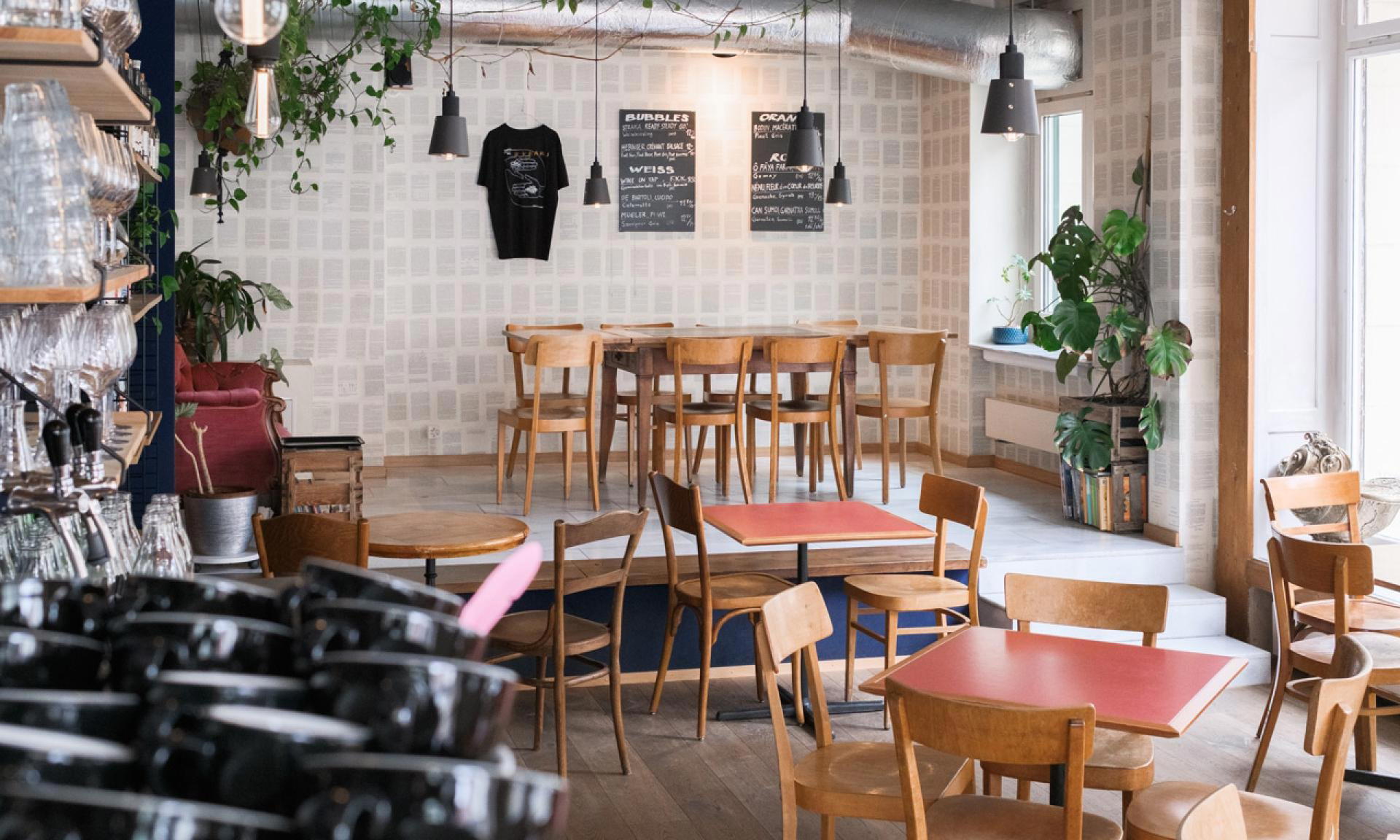
Modern and intimate atmosphere with elegant lighting and eye-catching interior decoration; the restaurant features dramatic panoramic views across Lake Lucerne toward the old town, creating a sophisticated yet relaxed dining environment.