Maihöfli by UniQuisine


1 Michelin Star · Falstaff Restaurant - 92 Falstaff Points
Our verdict
A Michelin-starred creative restaurant on Maihofstrasse, Maihöfli by UniQuisine operates under head chef Robert Steuri, whose five- and seven-course evening menus, including a vegan option, have earned recognition in the 2024 Michelin Guide. The dining room occupies a period building whose original mouldings and wood panelling sit alongside a sleek contemporary interior, placing it among Lucerne's small tier of destination restaurants worth planning a visit around.

Pearl is the En Primeur Club membership app, where members save venues, book tables and use the concierge.
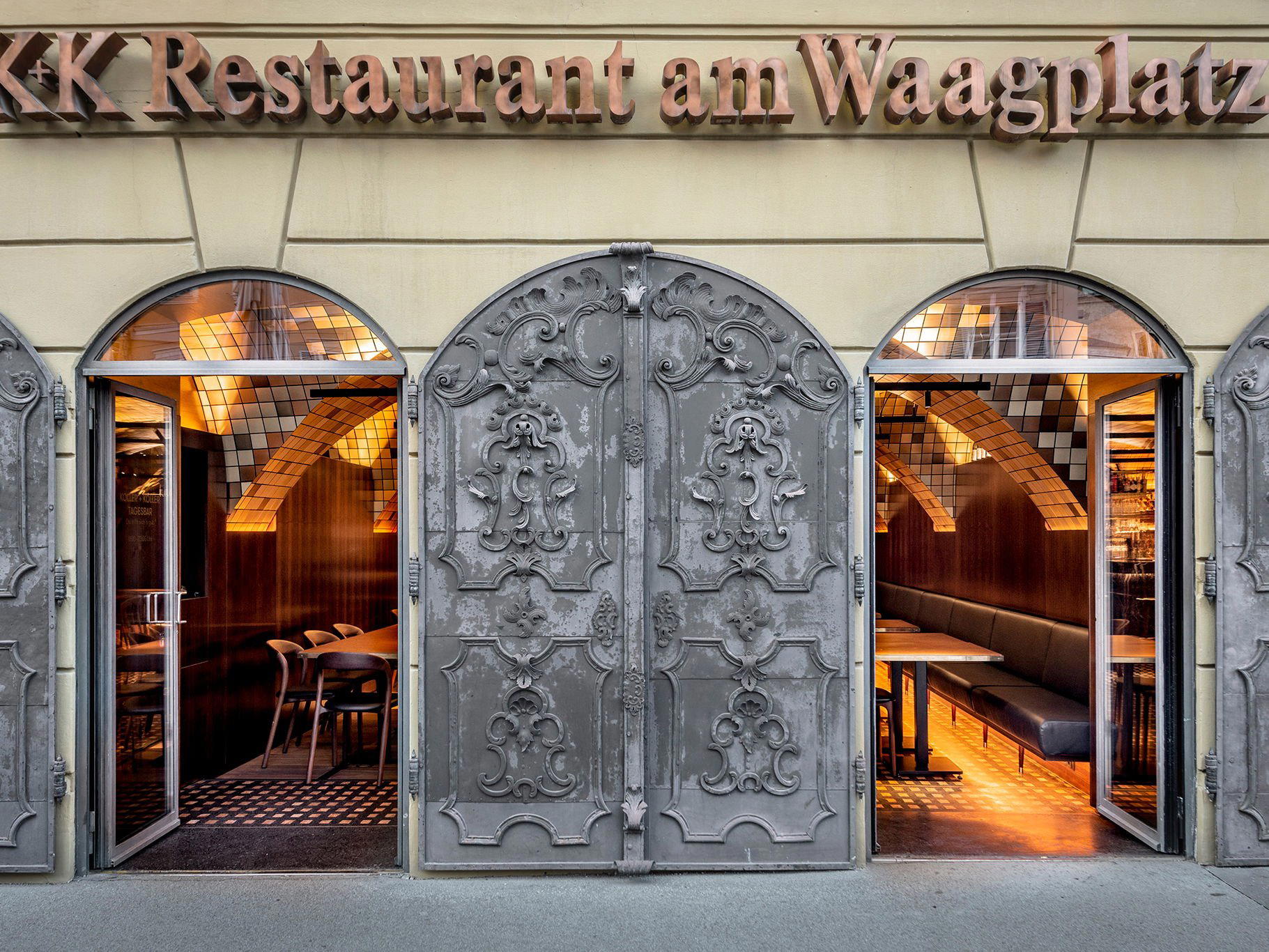
A Period Room, Reframed
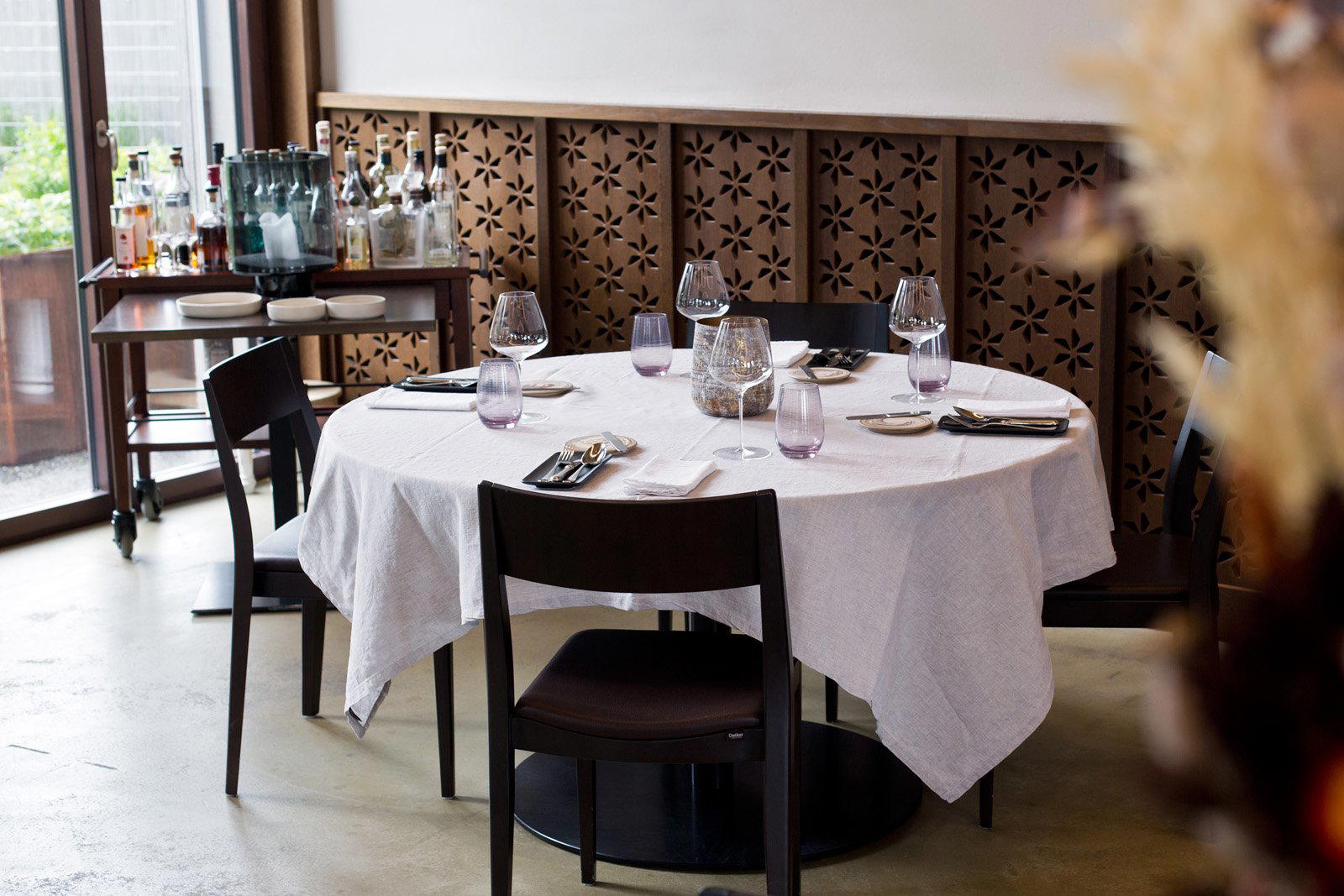
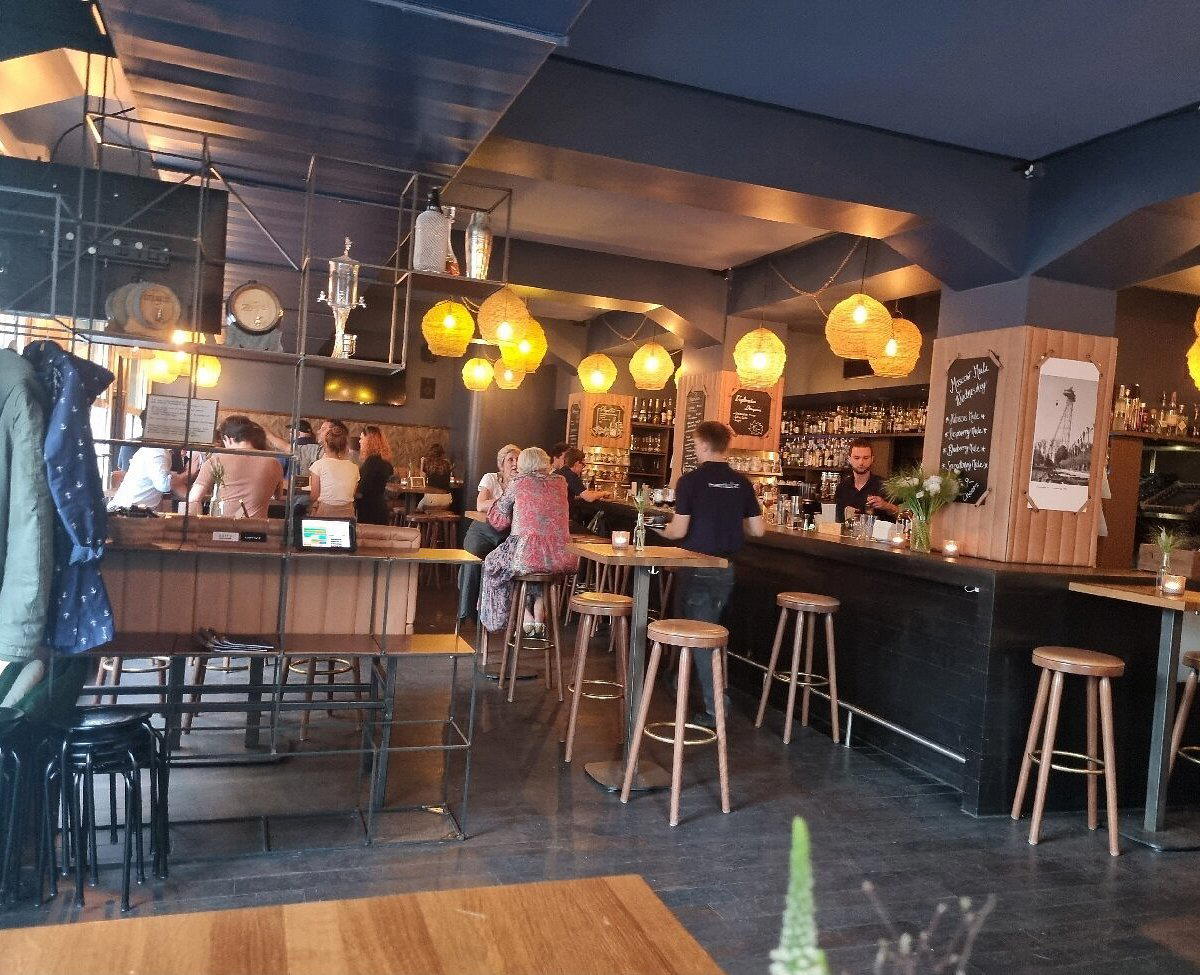
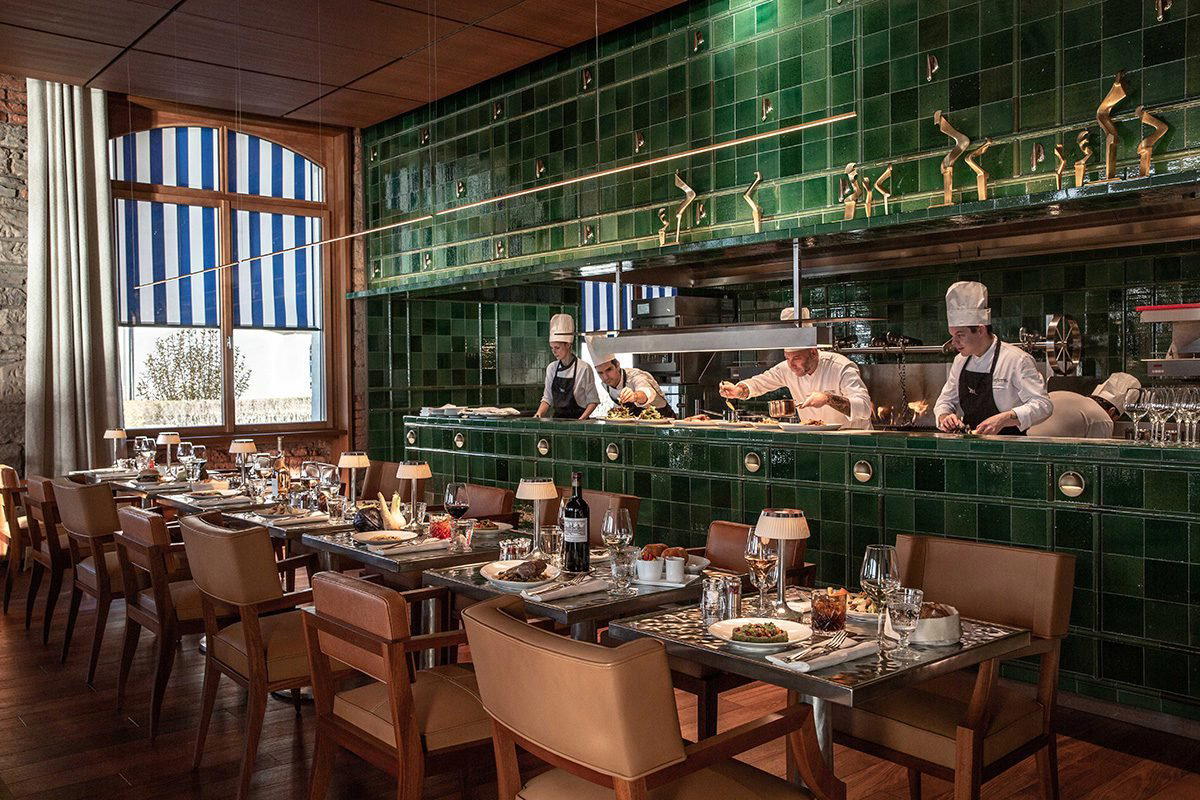
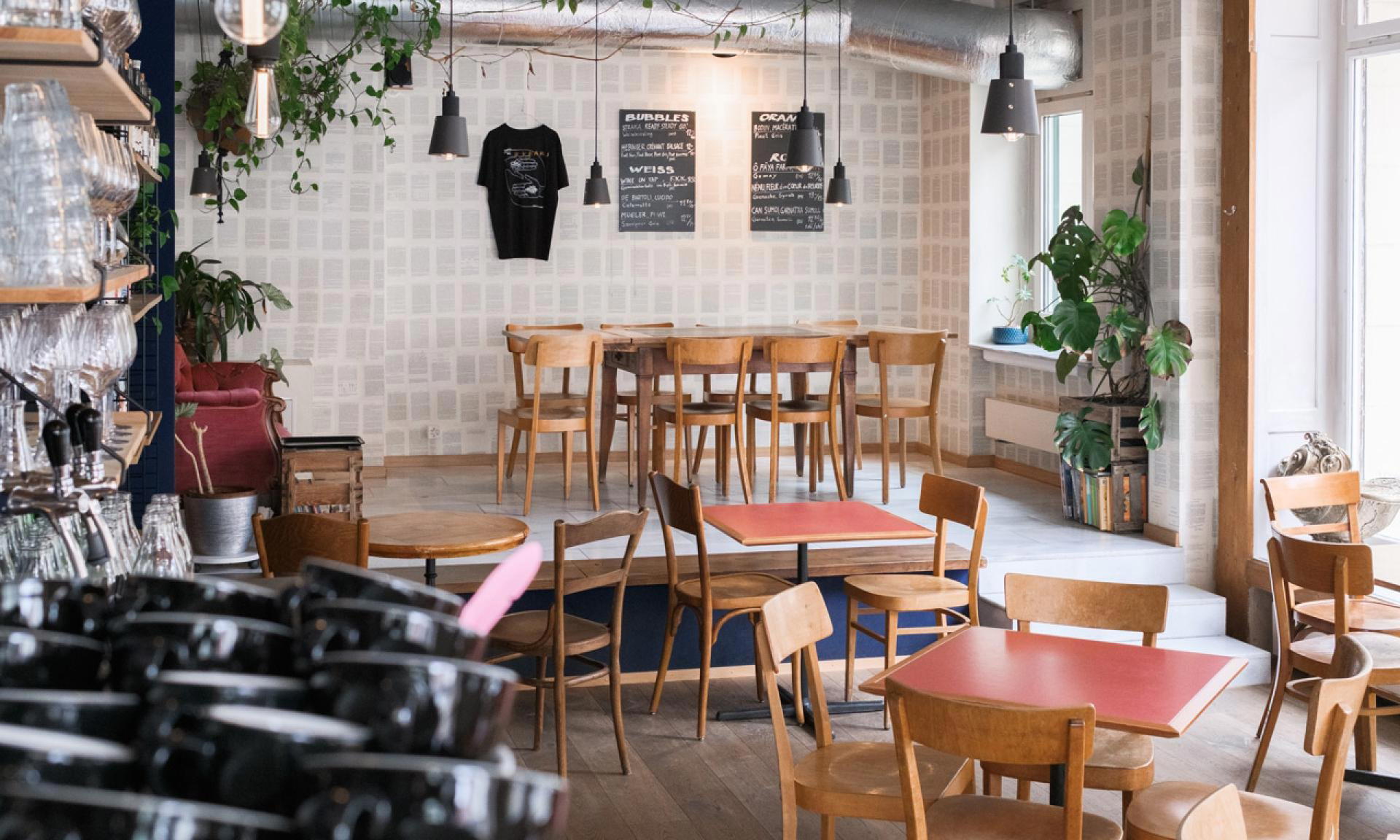
Lucerne's most architecturally interesting dining rooms tend to occupy buildings that predate the restaurants inside them, and Maihöfli is a clear case in point. The Maihofstrasse address sits just outside the city centre, in a neighbourhood where the pace drops noticeably from the lakefront tourist circuit. The building itself announces its age through high ceilings, decorative plaster mouldings, and wood panelling that have survived whatever renovations came before. What distinguishes the current iteration is how that fabric has been left visible rather than erased: the original architectural detail runs alongside a sleek, contemporary interior rather than being plastered over or treated as a heritage theme. The result is a room where two timelines coexist without either apologising for the other.
This approach to space sets a particular tone before a dish arrives. The physical environment communicates precision alongside history, which is, as it turns out, an accurate preview of what head chef Robert Steuri's kitchen produces.
Where Maihöfli Sits in Lucerne's Creative Dining Tier
Switzerland's starred restaurant count is disproportionately high relative to population, and the Michelin 2024 Guide reflects a country where technical ambition is distributed across cantons rather than concentrated in a single city. Within Lucerne specifically, the fine-dining tier has split between higher-priced contemporary formats, represented by venues such as Colonnade (Modern French), Lucide (Contemporary), and CAAA by Pietro Catalano (Modern Cuisine), all priced at €€€€, and a middle tier where the commitment to craft remains but the pricing is more accessible. Maihöfli occupies that middle tier at €€€, which positions it alongside Des Balances (Classic Cuisine) in the €€€ bracket, while sitting clearly above the more casual end of the market represented by spots like Drei Könige (Farm to table).
The Michelin one-star awarded in 2024 confirms that the kitchen's output meets a standard of technical precision and ingredient quality that peers at higher price points also claim. For a visitor planning a serious meal in Lucerne without committing to the full outlay of a €€€€ tasting counter, Maihöfli is the most directly relevant reference point in the current guide.
The Evening Menus: Structure and Sensory Register
The kitchen's primary format in the evening is a choice between a five-course or seven-course set menu, with one of those menus structured entirely around plant-based ingredients. The decision to offer a fully vegan option within a Michelin-starred creative programme, rather than as a secondary accommodation, reflects a shift visible across European fine dining over the past several years: vegetables and legumes treated with the same compositional attention as protein-led plates.
Michelin's own notes on the kitchen single out a dish of green asparagus, mushrooms, snow peas, and beans as illustrative of the cooking's character. The description offered is telling: elaborate but not cluttered, full of finesse, carefully composed. What that signals, translated out of guide language, is a kitchen that builds complexity through relationship between ingredients rather than through accumulation. Dishes that include four or five distinct vegetable components but read as coherent rather than busy require the kind of technical control that tends to separate starred kitchens from the ambitious-but-unresolved tier below them.
At lunchtime, the format narrows. Options are more limited during the midday service, which runs Wednesday through Saturday from 11:30 AM to 2:30 PM. The evening service operates on the same four days, from 6:30 PM to 11 PM, with the restaurant closed Monday, Tuesday, and Sunday. That schedule, four days of service per week, is consistent with the working rhythms of kitchens running at the level of precision Steuri's team appears to operate at.
Craft as the Room's Atmosphere
There is a category of restaurant where the atmosphere comes primarily from noise, density, and spectacle, and a separate category where what you feel in the room derives from the quality of attention being paid around you. Maihöfli belongs to the second category. The Michelin assessment notes service described as professional and well-coordinated, which in practice means the mechanics of the evening, pacing between courses, the rhythm of the room, the transitions between menu stages, are handled with enough competence that they stop being noticeable. That invisibility is a higher standard than warmth or charm alone.
The physical details of the room reinforce this. A dining space with high ceilings and original mouldings carries a natural acoustic quality different from lower-ceilinged modern rooms: there is resonance without hardness, a sense of volume that keeps conversation comfortable across a table. The wood panelling absorbs rather than reflects. These are not incidental qualities; they are part of why certain period buildings become enduring restaurant spaces while others cycle through operators without ever settling.
Maihöfli in the Context of Swiss Creative Dining
Placing Maihöfli against the wider Swiss creative dining scene clarifies what its Michelin recognition means in a competitive sense. Switzerland currently runs several restaurants at the three-star level, including Hotel de Ville Crissier in Crissier and Schloss Schauenstein in Fürstenau. In Basel, Cheval Blanc by Peter Knogl holds three stars, while Memories in Bad Ragaz and 7132 Silver in Vals represent the destination-restaurant model in Alpine resort contexts, and Da Vittorio in St. Moritz brings Italian creative cooking into that same resort tier.
Within that national field, Maihöfli's one-star at €€€ occupies a distinct position: it is not a destination-in-isolation requiring a special trip to a remote address, but a restaurant embedded in a city with its own travel infrastructure and a dining scene that can support a multi-night visit. For readers building a broader Swiss itinerary that includes creative cooking across price tiers, Maihöfli fits naturally alongside the above references as the Lucerne anchor point. The comparison to Alléno Paris au Pavillon Ledoyen or Enrico Bartolini in Milan on the international creative tier illustrates the broader European context in which Swiss one-star cooking now competes for the same informed traveller's attention.
Planning a Visit
Maihöfli by UniQuisine is at Maihofstrasse 70, 6006 Luzern, a short distance from the city centre and reachable without difficulty from Lucerne's main transport connections. Service runs Wednesday through Saturday only, with lunch from 11:30 AM to 2:30 PM and dinner from 6:30 PM to 11 PM. The restaurant is closed Monday, Tuesday, and Sunday. Given the Michelin recognition and the four-day service week, booking ahead is the practical approach, particularly for evening sittings and for groups wanting to compare the five-course and seven-course formats side by side.
For visitors assembling a broader view of Lucerne's dining scene, EP Club's full Lucerne restaurants guide maps the city's current restaurant tier in detail. The Lucerne hotels guide, bars guide, wineries guide, and experiences guide provide the surrounding context for a full visit to the city.
What People Recommend at Maihöfli by UniQuisine
The kitchen's approach to multi-component vegetable dishes has drawn the most specific attention from Michelin's assessors, with the green asparagus, mushrooms, snow peas, and beans plate cited directly as a demonstration of the restaurant's compositional style. More broadly, the evening set menus, both the five-course and seven-course formats, are where the kitchen's precision reads most clearly. The vegan menu option is noted not as a concession but as a fully developed programme, making it a genuine alternative rather than an afterthought. Robert Steuri's arrival as head chef following the restaurant's reopening has been the defining factor in the current recognition, with the Michelin 2024 one-star arriving as a direct reflection of the kitchen's craft under his direction alongside his team's execution.
Frequently asked questions
Has Maihöfli by UniQuisine won any awards?
Maihöfli by UniQuisine has received recognition including: Since its reopening, this lovely restaurant just outside the city centre has acquired a new head chef in Robert Steuri. In the evenings, he and his dedicated team showcase precise craftsmanship and top-notch ingredients in two intriguing an….
What do people recommend at Maihöfli by UniQuisine?
Michelin's assessors have specifically noted the multi-component vegetable dishes, citing a preparation of green asparagus, mushrooms, snow peas, and beans as a strong example of the kitchen's approach: elaborate in composition but free of clutter. The evening menus, a five-course or seven-course format running Wednesday through Saturday, are the format in which head chef Robert Steuri's precision is most fully expressed. The fully vegan menu option has drawn particular attention as an equal-standing alternative rather than an afterthought.
What's the price range at Maihöfli by UniQuisine?
Pricing at Maihöfli by UniQuisine is listed as €€€.
Comparable Spots, Quickly
| Venue | Cuisine | Price | Awards | Notes |
|---|---|---|---|---|
| Maihöfli by UniQuisineThis venue (the venue you are viewing) | Modern Swiss Fine Dining | $150–200 | 1 Michelin Star · Falstaff Restaurant - 92 Falstaff Points | Not listed |
| Colonnade | Modern French Haute Cuisine | Not listed | 2 Michelin Stars · La Liste Top Restaurants | Modern French |
| Lucide | Alpine Terroir Fine Dining | $150–200 | 1 Michelin Star · Falstaff Restaurant - 93 Falstaff Points | Contemporary |
| CAAA by Pietro Catalano | Transalpine Fine Dining | $200–300 | Michelin Plate · Pinnacle Guide 2 Pins | Not listed |
| Des Balances | French-Mediterranean | $50–100 | Michelin Plate · Falstaff Restaurant - 90 Falstaff Points | Not listed |
| Drei Könige | Swiss-French Bistro | $30–50 | Michelin Plate | Not listed |
Recognition history
Dated appearances from independent guides and award organizations, with the underlying list record or original source where available.
Michelin 1 Star
Michelin
Falstaff Restaurant - 92 Falstaff Points
Falstaff
Full recognition history (3 entries)
Michelin 1 Star
Michelin
Continue exploring
More in Lucerne
Restaurants in Lucerne
All restaurants in Lucerne →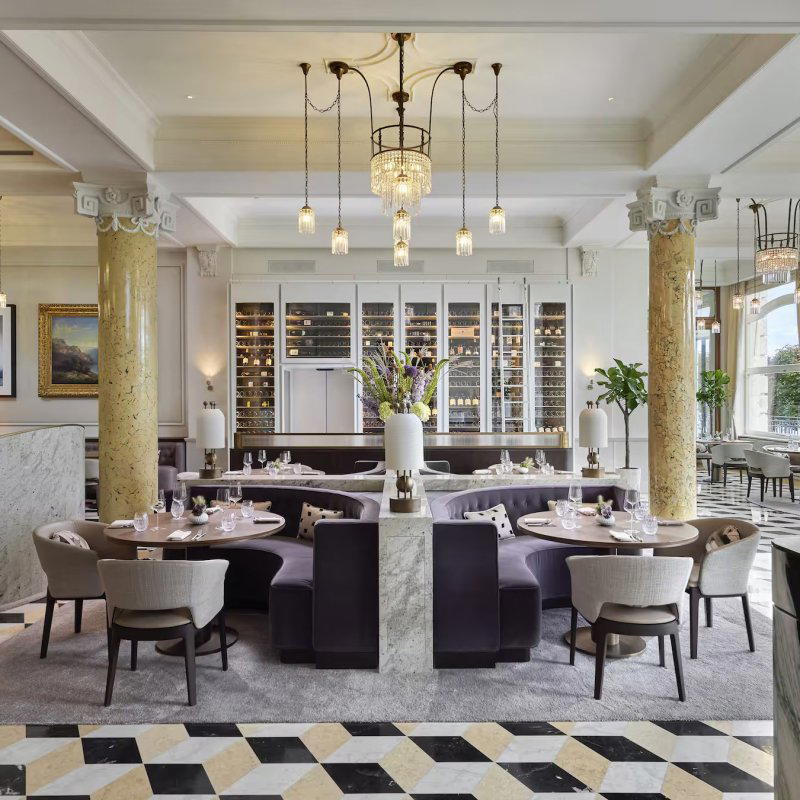
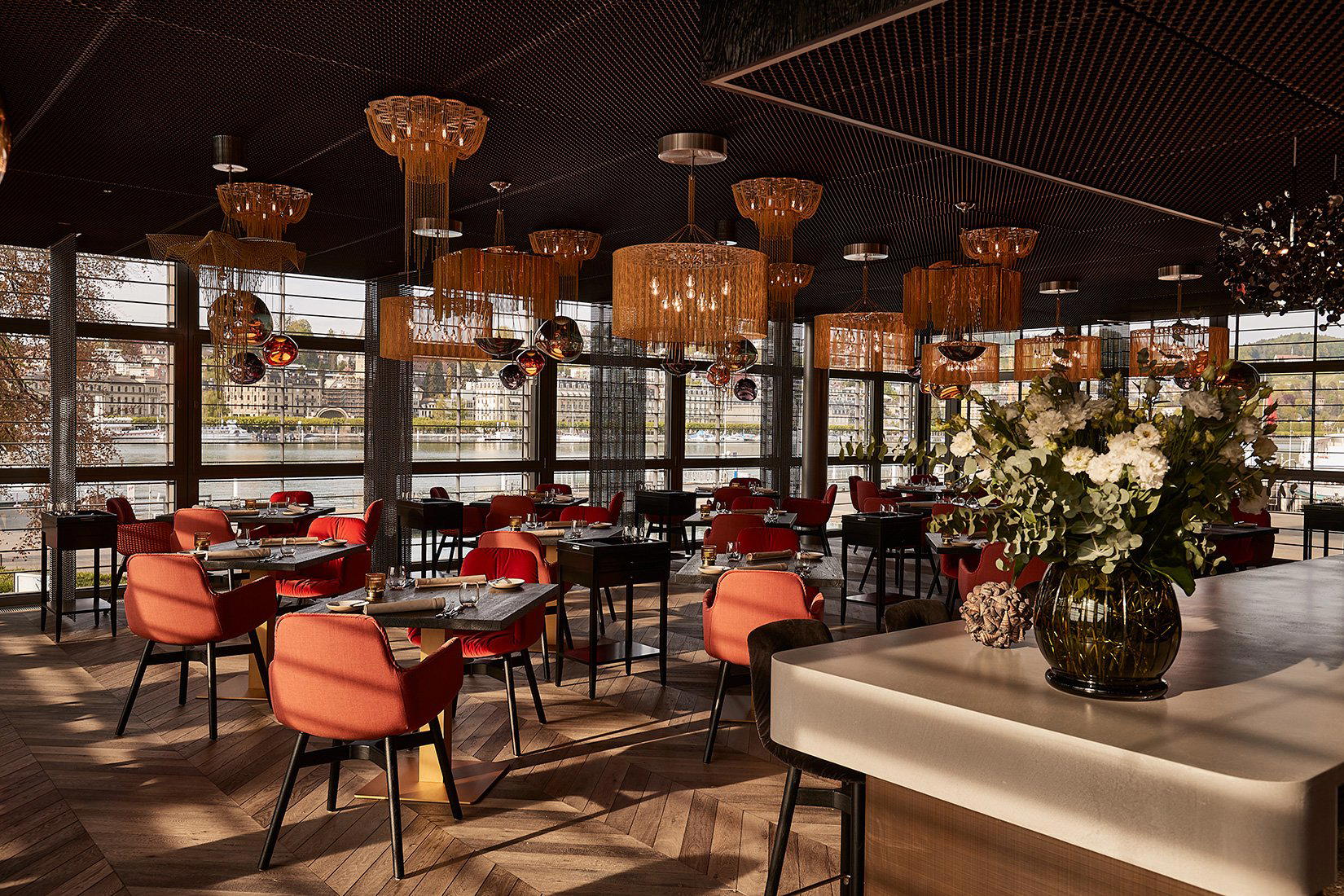
Bars in Lucerne
All bars in Lucerne →

Details
- Cozy
- Elegant
- Intimate
- Sophisticated
- Date Night
- Special Occasion
- Garden
- Historic Building
- Private Dining
- Extensive Wine List
- Sommelier Led
- Local Sourcing
- Garden
- Tasting Menu
- Set Menu
- Vegetarian Friendly
- Vegan Options
Current opening hours
- Monday
- Closed
- Tuesday
- Closed
- Wednesday
- 11:30 AM–2:30 PM, 6:30–11 PM
- Thursday
- 11:30 AM–2:30 PM, 6:30–11 PM
- Friday
- 11:30 AM–2:30 PM, 6:30–11 PM
- Saturday
- 11:30 AM–2:30 PM, 6:30–11 PM
- Sunday
- Closed
Hours can change for holidays and private events. Hours as of .
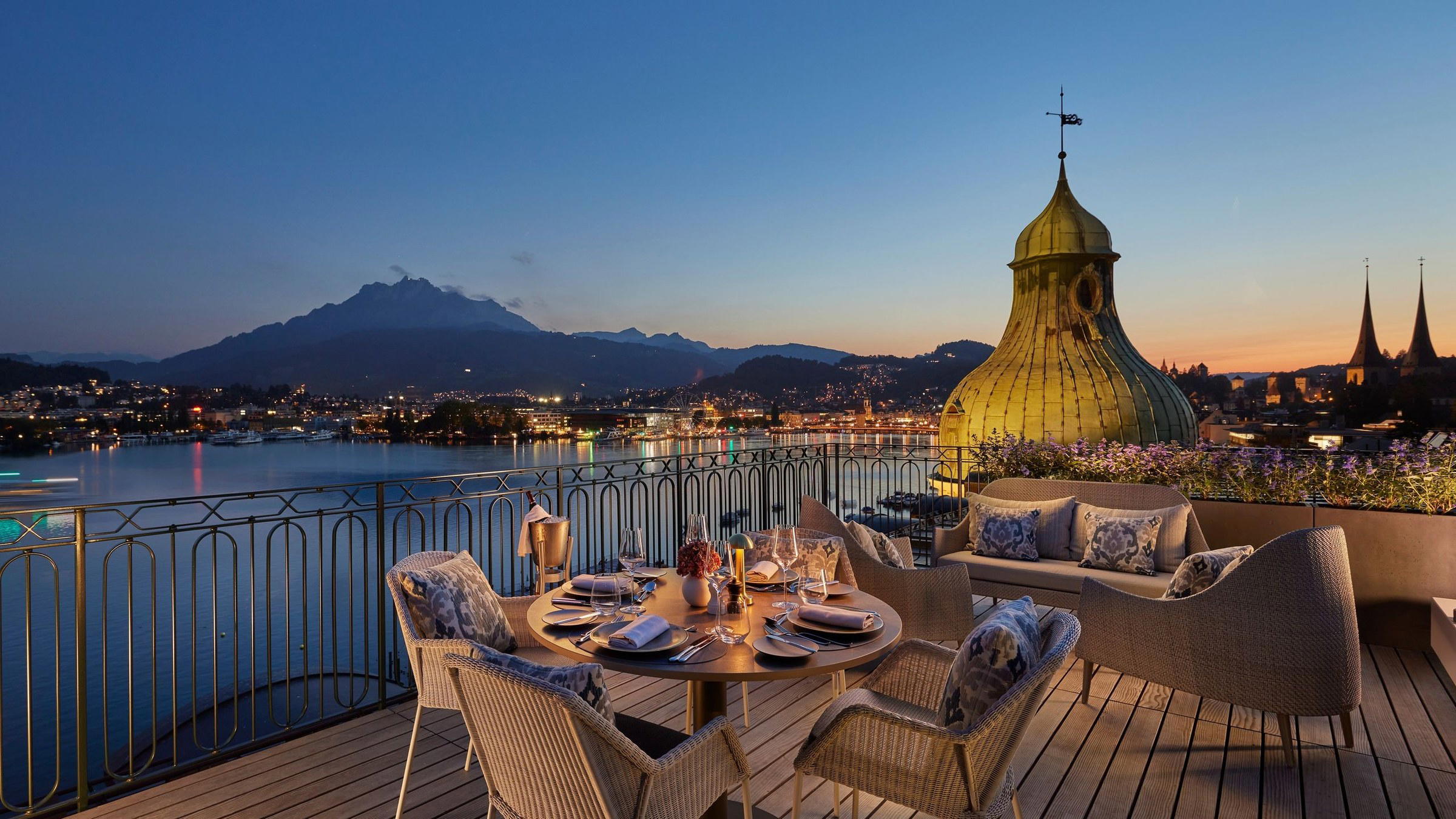
Cosy and relaxing with high ceilings, decorative mouldings, wood panelling, and sleek modern design; charming garden under chestnut trees for outdoor dining.