À l'Étoile occupies a quiet address in Bœrsch, a medieval village in Alsace's wine country south of Strasbourg. The restaurant sits within a regional dining tradition defined by rigorous ingredient provenance and the productive tension between Germanic and French culinary influences. For those exploring the Alsace table beyond Strasbourg's established names, it represents a considered local alternative.
Pearl is the En Primeur Club membership app — saves, bookings, and concierge access live there. Same editors, same standards.
- Address
- 7 Pl. de l'Étoile, 67530 Bœrsch, France
- Phone
- +33388958290
- Website
- restaurantaletoile.fr
- Directions
- Get directions
 Saves & bookings on Pearl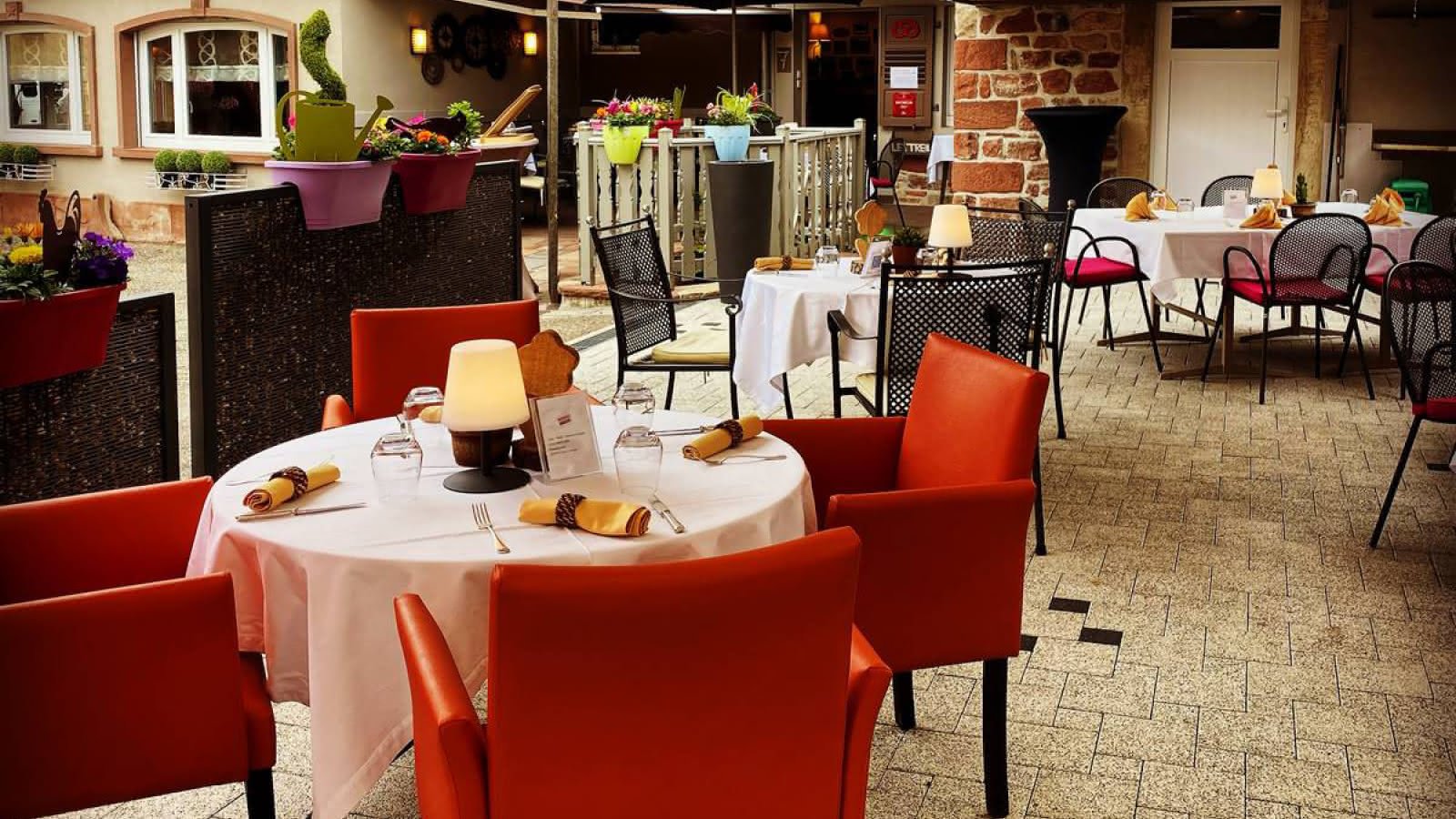
A Village Table in the Heart of Alsace Wine Country
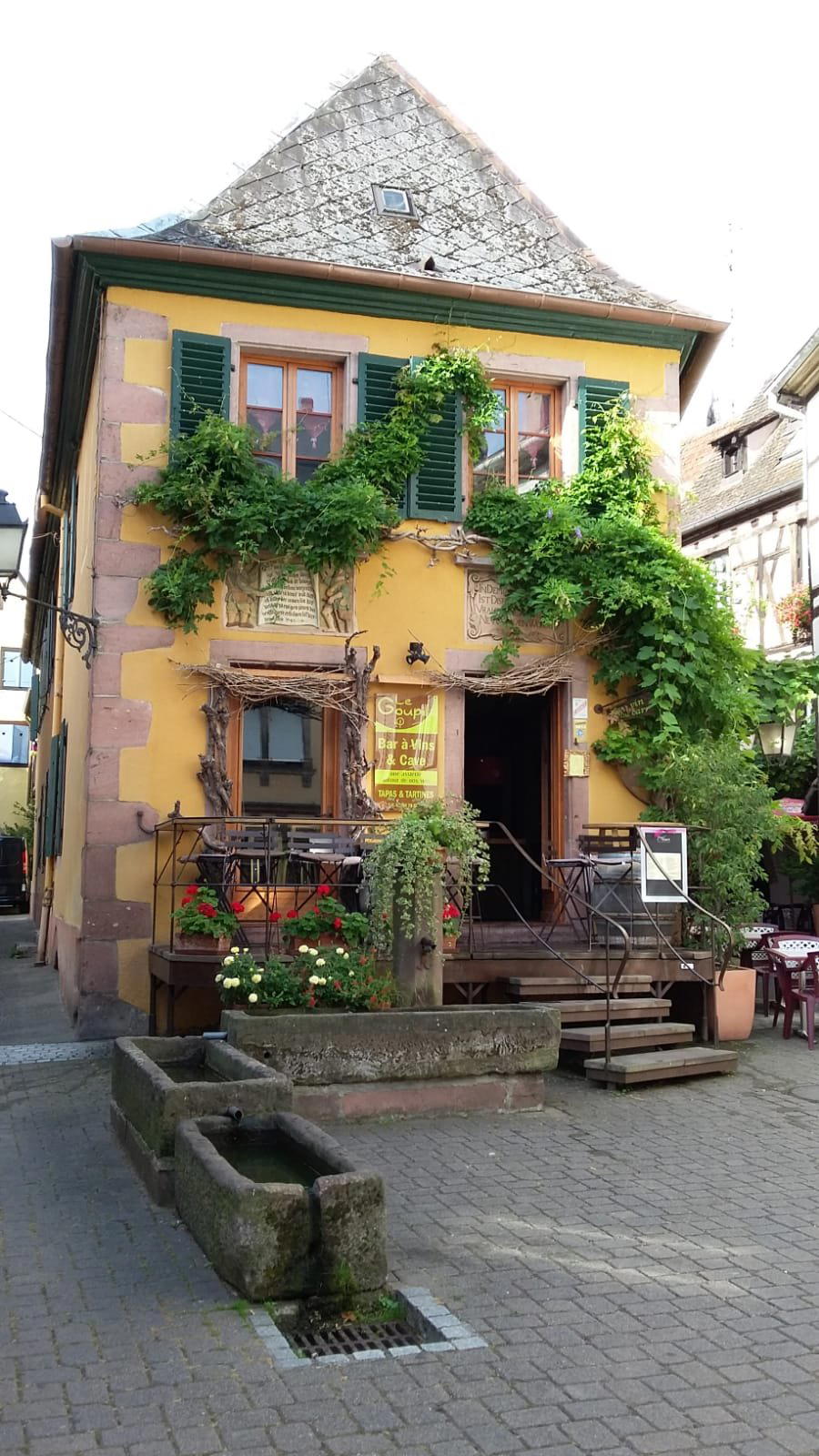
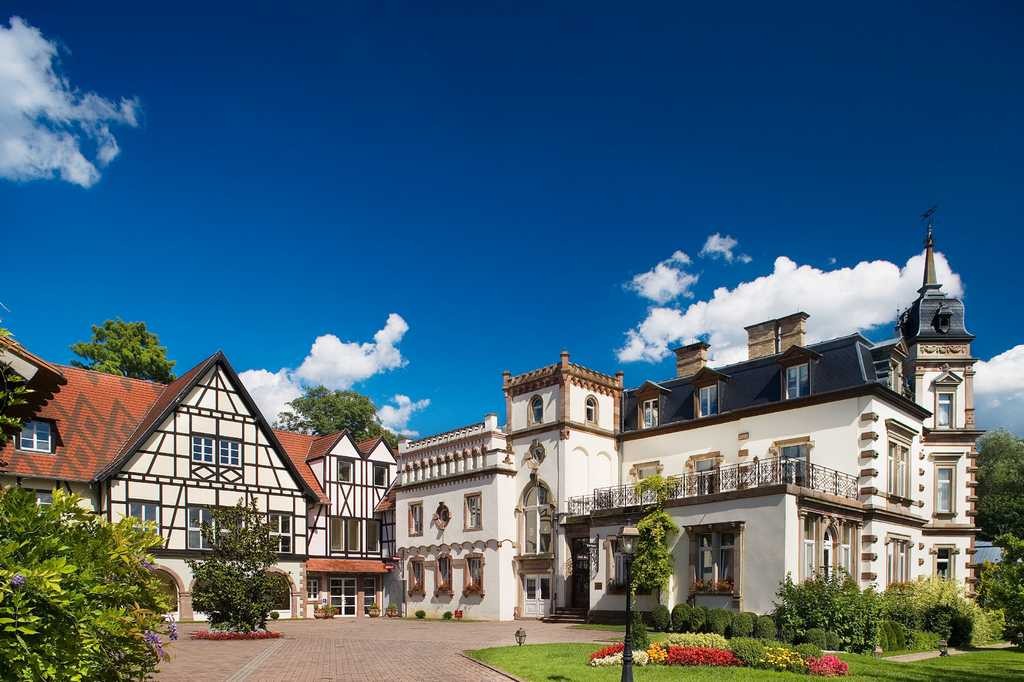
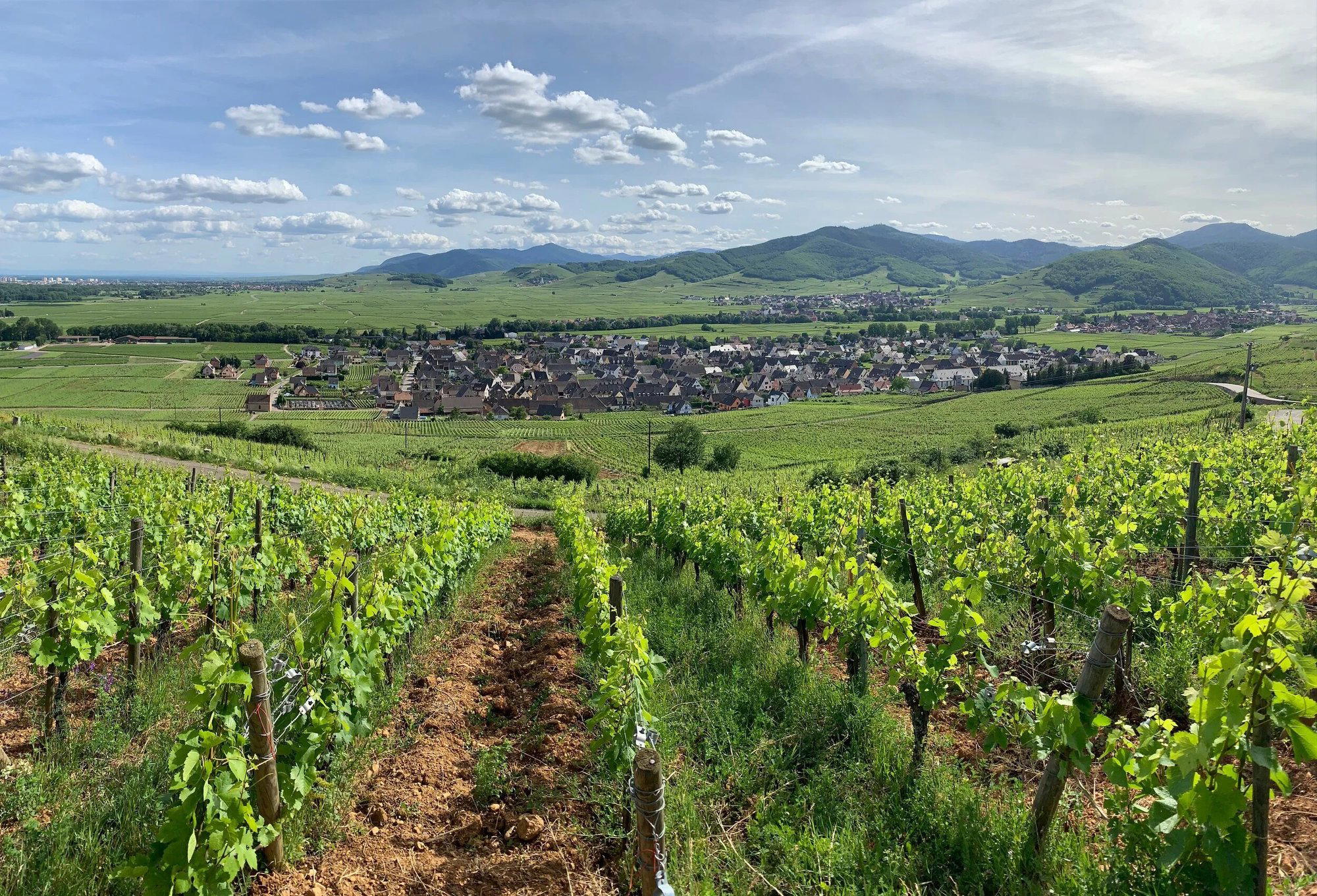
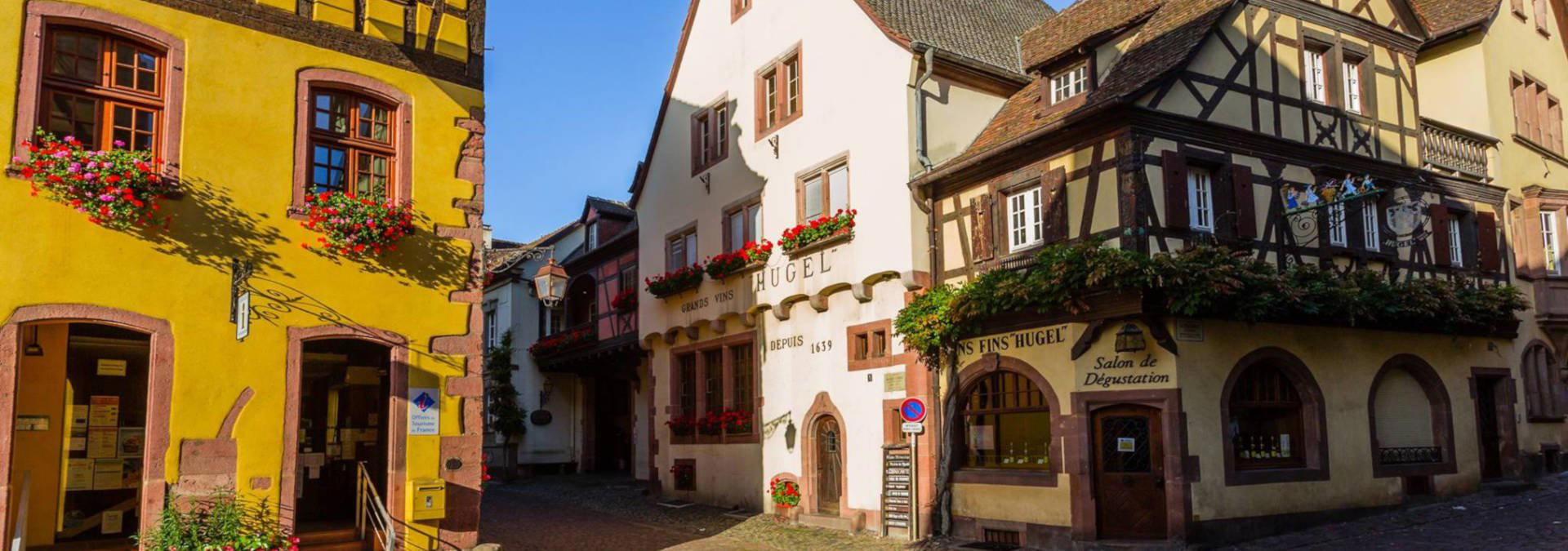
Bœrsch is the kind of Alsatian settlement that seems designed to resist metropolitan noise. The village sits along the Route des Vins, roughly thirty kilometres south of Strasbourg, surrounded by grand cru vineyards and ringed by the Vosges foothills. Arriving at the Place de l'Étoile, the small square that gives À l'Étoile its name, you encounter the architecture that defines this corridor of Alsace: half-timbered facades, geranium-laden window boxes, and sandstone details worn smooth by centuries of wet winters and dry summers. The physical setting is not decorative backdrop; it is the first argument the restaurant makes about what matters here.
Alsace occupies a specific and somewhat contradictory position in French dining. It is one of the country's most productive agricultural regions, with a larder that includes Munster and Bargkass cheeses, freshwater fish from the Rhine plain, forest game, choucroute pork traditions, and some of France's most precisely delineated white wine appellations. Yet for decades, the region's highest-profile dining addresses concentrated in Strasbourg or in the grand auberge format exemplified by Auberge de l'Ill in Illhaeusern. Village-scale restaurants working directly within that agricultural system have always existed, but they rarely attract the same international attention as their starred counterparts. À l'Étoile is a traditional French Alsatian restaurant at 7 Pl. It belongs to that more grounded tier.
What the Alsace Larder Actually Means for the Plate
The ingredient-sourcing argument for Alsatian village dining is more specific than a generic farm-to-table position. The region's micro-climates along the eastern slopes of the Vosges produce markedly different agricultural outputs within short distances. Chefs working at a village scale often maintain relationships with producers in the immediate sub-region that larger, higher-volume establishments simply cannot sustain at the same granularity. The productive band between Obernai and Barr, the stretch of the wine route that includes Bœrsch, is particularly well-supplied: market gardens in the Rhine plain, foragers working the Vosges margins, and small-scale livestock farmers whose output feeds local tables rather than wholesale networks.
This sourcing geography matters because it shapes what ends up on the plate more directly than any stated culinary philosophy. Alsatian cooking at its most coherent is defined by specificity of place rather than by technique for its own sake. The comparison with France's most celebrated regional tables is instructive: Bras in Laguiole built its reputation around the Aubrac plateau's botanical specificity, while Mirazur in Menton organized its entire menu logic around the Mediterranean gradient from sea to mountain garden. Alsace offers a comparable ecological argument, and village restaurants along the Route des Vins are often one direct expression of it.
Bœrsch in the Wider Alsace Dining Picture
The Alsace dining scene runs on two largely separate tracks. The first is the prestige circuit anchored by Strasbourg, where addresses like Au Crocodile have carried Michelin recognition for decades and where the restaurant format tends toward formal dining rooms and elaborate tasting menus. The second is the village auberge and winstub tradition, a format with deep roots in the Alsatian social fabric, built around seasonal menus, local wine lists weighted heavily toward Riesling, Pinot Gris, and Gewurztraminer, and a pace of service that suits weekend lunches stretching past three o'clock.
À l'Étoile operates in the village tier of that structure. Its address in Bœrsch places it away from the cathedral-tourism footfall of Strasbourg, drawing instead from a local clientele, regional visitors working the wine route, and travellers who have learned that particularly representative Alsatian meals often happen in exactly this kind of setting rather than in the city's dining rooms. The comparison is not about quality hierarchy, Alléno Paris au Pavillon Ledoyen and Assiette Champenoise in Reims occupy entirely different ambition brackets, but about what kind of meal the place is designed to deliver. At this scale, the dining room is a function of the community it sits inside.
That said, the Route des Vins concentration of quality producers and attentive restaurants means the standard of competition is higher than the pastoral setting implies. Visitors who have worked through Alsace's more celebrated addresses, including the long-established reference points further afield like Georges Blanc in Vonnas or L'Oustau de Baumanière in Les Baux, often find that regional tables at this scale offer the clearest view of what a cuisine actually tastes like when it is not performing for a global audience.
Planning a Visit to Bœrsch
Bœrsch is most accessible by car from Strasbourg, a drive of approximately thirty minutes south along the D422 through Obernai. The village is compact enough to explore on foot once you arrive. The Route des Vins corridor around Bœrsch and Barr runs through some of the densest grand cru vineyard territory in Alsace, making a meal at the restaurant a natural anchor for a day that combines driving the wine route with cellar visits. Autumn is one operationally intense period in the area, with harvest activity from late September through October bringing both local energy and heavier traffic on the route itself. Spring and early summer offer quieter conditions, with the Vosges foothills at their greenest and regional markets well-stocked from the first growing cycles. As with most village restaurants in France, advance contact to confirm hours and availability is advisable before making the drive from Strasbourg or further afield.
For those building a broader itinerary around France's serious regional tables, the Alsace leg pairs logically with a stop at Auberge de l'Ill in the Rhine plain, or, further into French fine dining geography, with the ambition and technical range visible at Flocons de Sel in Megève or the coastal intensity of Christopher Coutanceau in La Rochelle. Each represents a distinct regional food culture; Alsace's particular contribution is the coherence of its larder and the depth of its wine tradition working in close proximity.
Comparison Snapshot
Comparable venues nearby, for context on price, style, and recognition.
| Venue | Cuisine | Price | Notes |
|---|---|---|---|
| À l'ÉtoileThis venue — the venue you are viewing | Traditional French Alsatian | $$$ | Not listed |
| L'Essentiel | Modern French Gastronomic | $$$ | centre historique |
| L'Ami Schutz | Traditional Alsatian | $$$ | Centre |
| Au Fond du Jardin | French Tea Salon & Patisserie | $$$ | Centre |
| L'Essentiel | Modern French Bistro | $$$ | . Colmar center |
| La Fontaine des Saveurs | Classic French Gastronomy | $$$ | Old Town (Vieille Ville) |
Continue exploring
More in B Rsch
Restaurants in B Rsch
Browse all →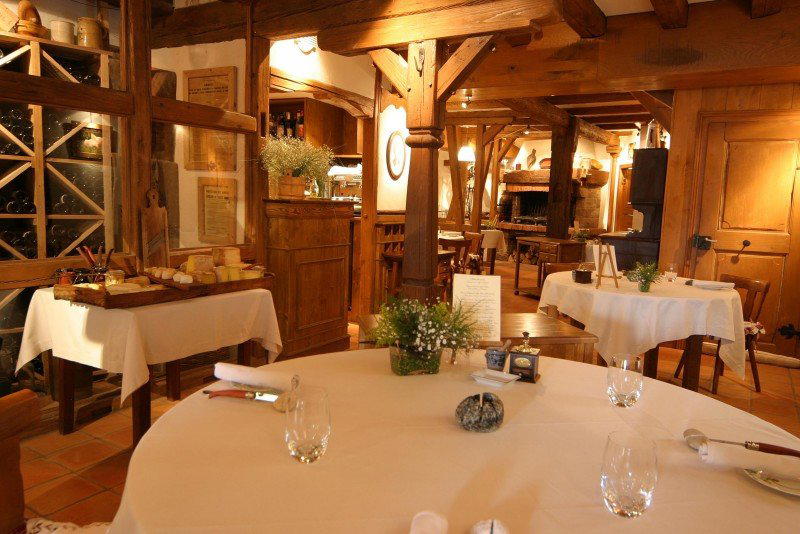

Bars in B Rsch
Browse all →

Hotels in B Rsch
Browse all →
At a Glance
- Cozy
- Classic
- Intimate
- Family
- Special Occasion
- Historic Building
- Local Sourcing
Current opening hours
- Monday
- 9 AM–3 PM, 6–9:30 PM
- Tuesday
- 9 AM–3 PM, 6–9:30 PM
- Wednesday
- Closed
- Thursday
- Closed
- Friday
- 9 AM–3 PM, 6–9:30 PM
- Saturday
- 9 AM–3 PM, 6–9:30 PM
- Sunday
- 9 AM–4 PM
Hours can change for holidays and private events. Last verified .
Warm, cozy, and charming atmosphere in a traditional setting.