L.S. Ayres Tea Room
Our verdict
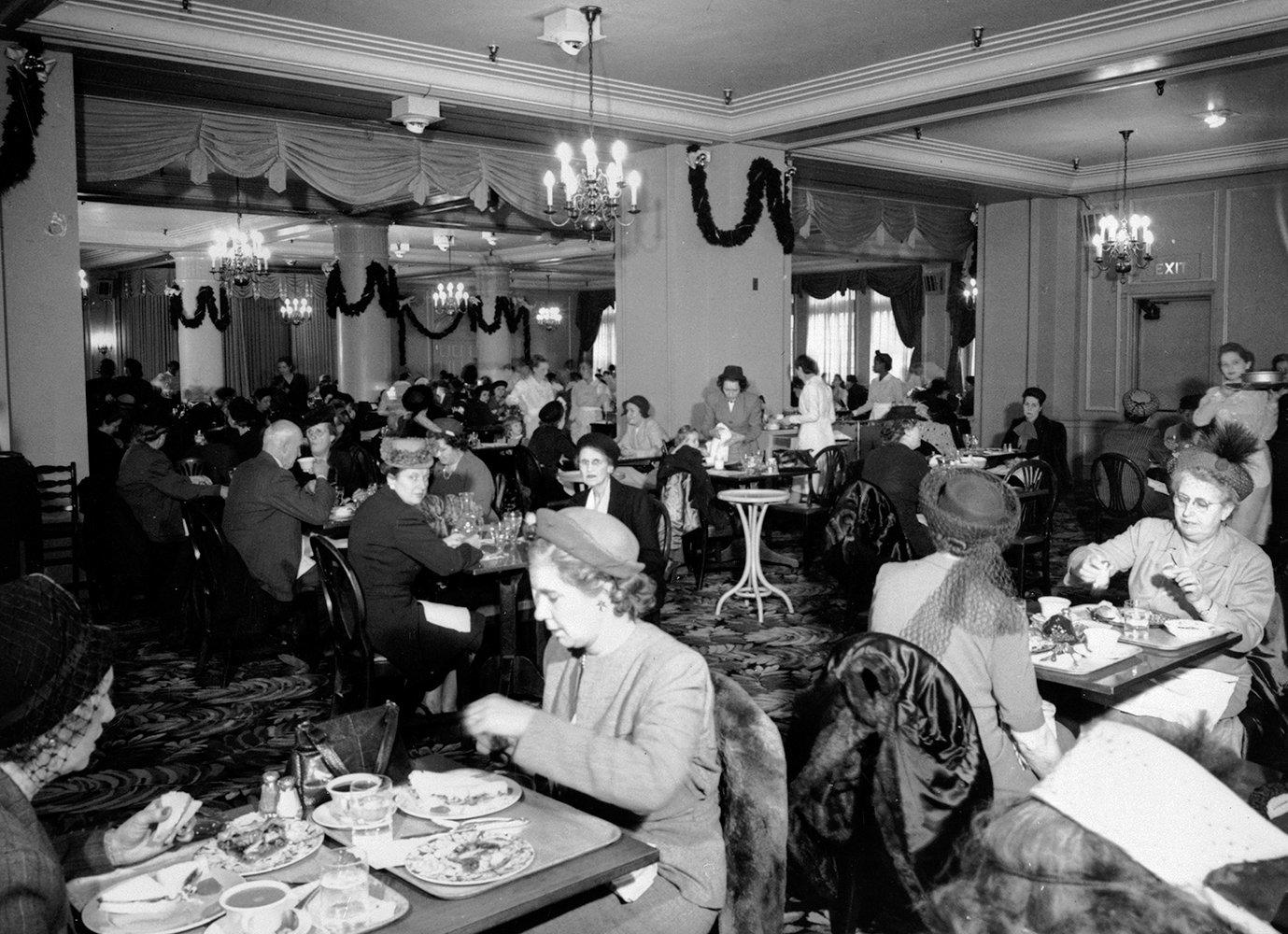
The L.S. Ayres Tea Room is one of Indianapolis's most enduring dining traditions, rooted in the mid-century American department store lunch culture that shaped a generation of Midwestern shoppers. Once housed inside the flagship L.S. Ayres department store on Washington Street, the tea room became synonymous with a particular kind of unhurried, white-tablecloth civility that few American cities have managed to preserve or revive.

Pearl is the En Primeur Club membership app — saves, bookings, and concierge access live there. Same editors, same standards.
- Address
- L.S. Ayres Tea Room, Indianapolis, IN 46204
- Phone
- (317) 232-1637
- Website
- indianamuseum.org
- Directions
- Get directions
- Booking
- Book on OpenTable
The menu
What to order
- Chicken velvet soup
- Tea sandwiches
- Pastries
A Room Where the Ritual Was the Point
Department store dining rooms occupied a specific and now largely vanished place in American civic life. They were not restaurants in the competitive culinary sense, and they were not cafeterias either. They operated in a register somewhere between the two: structured enough to feel like an occasion, relaxed enough that a mother and daughter could linger for two hours over chicken salad and a slice of pie without anyone clearing their plates prematurely. The L.S. Ayres Tea Room in Indianapolis was one of the most recognized expressions of this format in the Midwest, and the rituals it established — the particular pacing of a midday meal, the expectation of a certain kind of attentive but unobtrusive service, the sense that lunch itself deserved a dedicated room — shaped how a significant portion of Indianapolis understood dining out across several decades.
That tradition belongs to a broader American story. From Marshall Field's Walnut Room in Chicago to the tea rooms of Wanamaker's in Philadelphia, department stores across the country built dining destinations that anchored the shopping day with a sense of ceremony. Indianapolis had its own version in L.S. Ayres, and the tea room on the upper floors of the Washington Street flagship became a downtown institution with the kind of social weight that few purely commercial dining spaces ever achieve. Regulars knew the rhythm: you arrived after the morning's shopping, you were seated, and the meal unfolded at the pace of conversation rather than turnover.
The Architecture of a Midday Meal
What defined the tea room format, and what made L.S. Ayres a durable reference point in Indianapolis dining memory, was its commitment to a specific meal structure. This was not a place for improvisation or novelty. The menu held to American comfort classics, chicken dishes, salads built around composed rather than dressed greens, sandwiches served open-faced on proper plates, desserts that favored cream over complication. The discipline of the format was the point. Diners came knowing roughly what they would eat, and the pleasure was in the execution and the setting, not in discovery.
That approach to dining, where the meal is a social ritual with a predetermined grammar rather than an exploratory event, has largely been displaced in American restaurant culture by formats that emphasize novelty, chef narrative, and ingredient provenance. Contemporary Indianapolis restaurants operate in a very different register. Milktooth built its reputation on a brunch format driven by technical ambition and seasonal variation. St. Elmo Steak House offers a different kind of ritual, the steakhouse ceremony of the shrimp cocktail and the aged cut, but one oriented around evening dining and a more confrontational flavor profile. The tea room occupied a gentler, more domestic register: lunch as an extension of the home table rather than a departure from it.
Indianapolis and the Tradition It Carries
The L.S. Ayres Tea Room matters to Indianapolis dining history in the way that a few anchor institutions matter to any city's culinary self-understanding. It is a reference point, a before-and-after marker, a name that surfaces in conversations about what downtown once was and what it might become. The closure of the flagship L.S. Ayres store, and with it the tea room in its original form, was part of a wider national shift as department store anchors retreated from American downtowns through the 1980s and 1990s. That shift remade the social geography of cities like Indianapolis, removing the kind of shared civic spaces where people of different neighborhoods converged around a common midday routine.
The tea room's legacy has prompted periodic revival interest. Chicken velvet soup, the dish most durably associated with the original room, became a kind of shorthand for the institution itself, the one item that former regulars mention by name when the tea room comes up. That a soup held this much symbolic weight speaks to something important about how the dining ritual worked: the food was familiar and consistent, and consistency was the form of respect the kitchen paid to the customer. You returned because it was the same, and the sameness was the comfort.
For visitors approaching Indianapolis through its food scene, the tea room tradition offers useful context for understanding why certain current venues read the way they do. Shapiro's Delicatessen operates in a related tradition of honest, repeatable American cooking where the customer is not surprised but fed. Ambrosia and Bakersfield Mass Ave represent the city's newer casual registers, where the emphasis has shifted toward bar-forward energy and composed small plates. None of these directly inherit the tea room format, but they all position themselves against it, consciously or not.
The broader Indianapolis dining scene, covered in detail in our full Indianapolis restaurants guide, has moved decisively toward ambitious contemporary formats. Balena Cucina Italiana, ATHENS ON 86th, and Aberdeen Social House reflect a city that has diversified its dining vocabulary considerably since the era of department store lunch rooms. The contrast makes the tea room tradition more legible, not less: it existed in a particular social and commercial moment, and its disappearance tracks directly with that moment's end.
Where the Tea Room Sits in American Dining History
Nationally, the department store tea room format never produced venues that competed in the same tier as the American fine dining institutions that drew international attention. Places like Le Bernardin in New York City, The French Laundry in Napa, or Alinea in Chicago pursued entirely different missions: the chef as auteur, the meal as singular experience, the kitchen as the primary site of meaning. Tea rooms operated on the opposite premise, the customer's comfort as the organizing principle, the kitchen as servant to a recognizable and beloved menu rather than as laboratory or stage.
That is not a failure of ambition. It is a different kind of ambition, and one that American dining culture has largely set aside in favor of formats that more directly reward the kitchen's creativity. Venues like Lazy Bear in San Francisco, Single Thread Farm in Healdsburg, Blue Hill at Stone Barns in Tarrytown, Providence in Los Angeles, and Addison in San Diego sit at the far end of a spectrum from the tea room model. The distance between them is not a measure of quality so much as a measure of what American restaurants are now expected to do, and what they have been asked to leave behind.
Understanding where the L.S. Ayres Tea Room sat in that history is part of understanding Indianapolis itself: a Midwestern city that built its civic dining culture around reliability, accessibility, and shared tradition before the national conversation shifted the terms entirely. Other institutions, from Emeril's in New Orleans to The Inn at Little Washington to Atomix in New York City and 8 1/2 Otto e Mezzo Bombana in Hong Kong, each represent a different answer to what a dining room can mean. The tea room gave Indianapolis its own answer, and the city has been working out what to do with that inheritance ever since.
Frequently asked questions
What's the address for L.S. Ayres Tea Room?
L.S. Ayres Tea Room is located at L.S. Ayres Tea Room, Indianapolis, IN 46204, Indianapolis.
Why does L.S. Ayres Tea Room still matter to Indianapolis food history?
The L.S. Ayres Tea Room operated at the center of Indianapolis's downtown retail and social life during the mid-twentieth century, functioning as one of the few dining rooms where the meal itself was a formal civic act rather than a transaction. Its place in Indianapolis culinary history is anchored not by awards or chef credentials but by its role as a shared cultural reference point for the city across decades. That kind of institutional memory is what separates it from other closed venues of the same era.
What dish is L.S. Ayres Tea Room famous for?
The chicken velvet soup became the dish most closely associated with L.S. Ayres Tea Room in Indianapolis dining memory. It was a fixture of the midday menu and the item most frequently cited by those recalling the tea room's particular place in the city's civic dining culture. Few dishes from the department store dining format achieved that level of local recognition.
Do they take walk-ins at L.S. Ayres Tea Room?
The original L.S. Ayres Tea Room in Indianapolis no longer operates in its historic form. The department store itself closed, and the tea room closed with it. What remains is its place in Indianapolis dining history and, in some iterations, revival events or institutional nods to the original format.
What's the defining dish or idea at L.S. Ayres Tea Room?
The defining idea was the structured midday meal as a civic institution rather than a competitive dining proposition. In Indianapolis, the tea room gave downtown shoppers a format with consistent rhythm: a set menu, a calm room, and a ritual tied to the department store visit itself. The chicken velvet soup was the dish that anchored that identity in local memory most durably.
Category Peers
| Venue | Cuisine | Price | Awards |
|---|---|---|---|
| L.S. Ayres Tea RoomThis venue — the venue you are viewing | Traditional American Tea Room Buffet | $30–50 | Not listed |
| Milktooth | Modern American Breakfast & Brunch | $30–50 | Not listed |
| Goose the Market | Gourmet Deli Sandwiches | $20–30 | Not listed |
| Shapiro’s Delicatessen | Classic Jewish Deli | $20–30 | Not listed |
| St. Elmo Steak House | Classic American Steakhouse | $50–100 | Wine Spectator Best of Award of Excellence |
| Vida | Modern American Fine Dining | Not listed | James Beard Award Semi Finalist · Wine Spectator Best of Award of Excellence |
Continue exploring
More in Indianapolis
Restaurants in Indianapolis
Browse all →
Bars in Indianapolis
Browse all →

Details
- Classic
- Well Known
- Charming
- Elegant
- Special Occasion
- Family
- Brunch
- Celebration
- Private Event
- Historic Building
- Hotel Restaurant
- Private Dining
- Buffet
- Tea
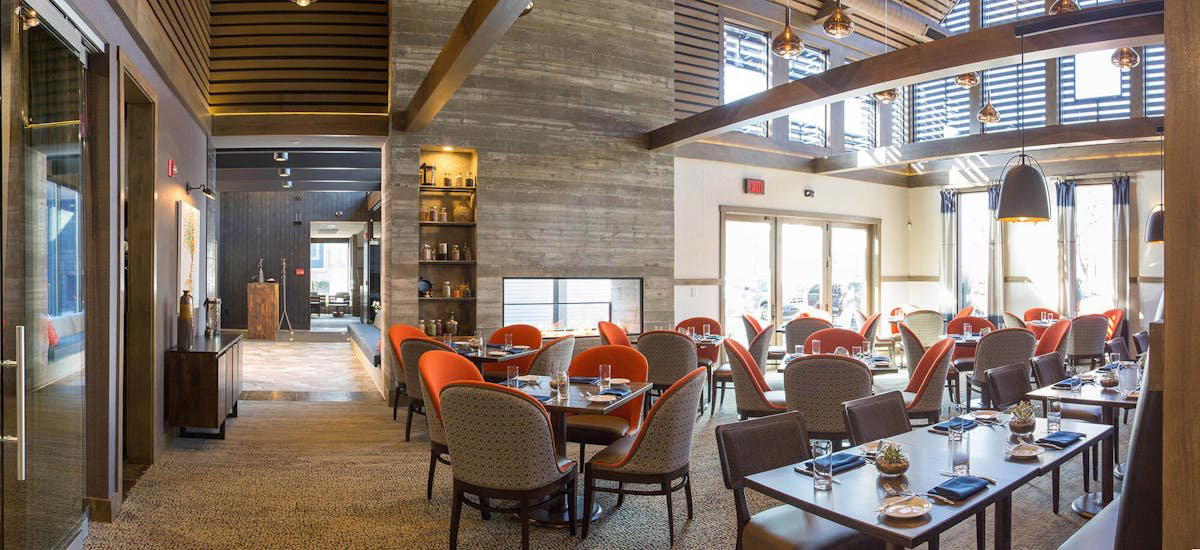
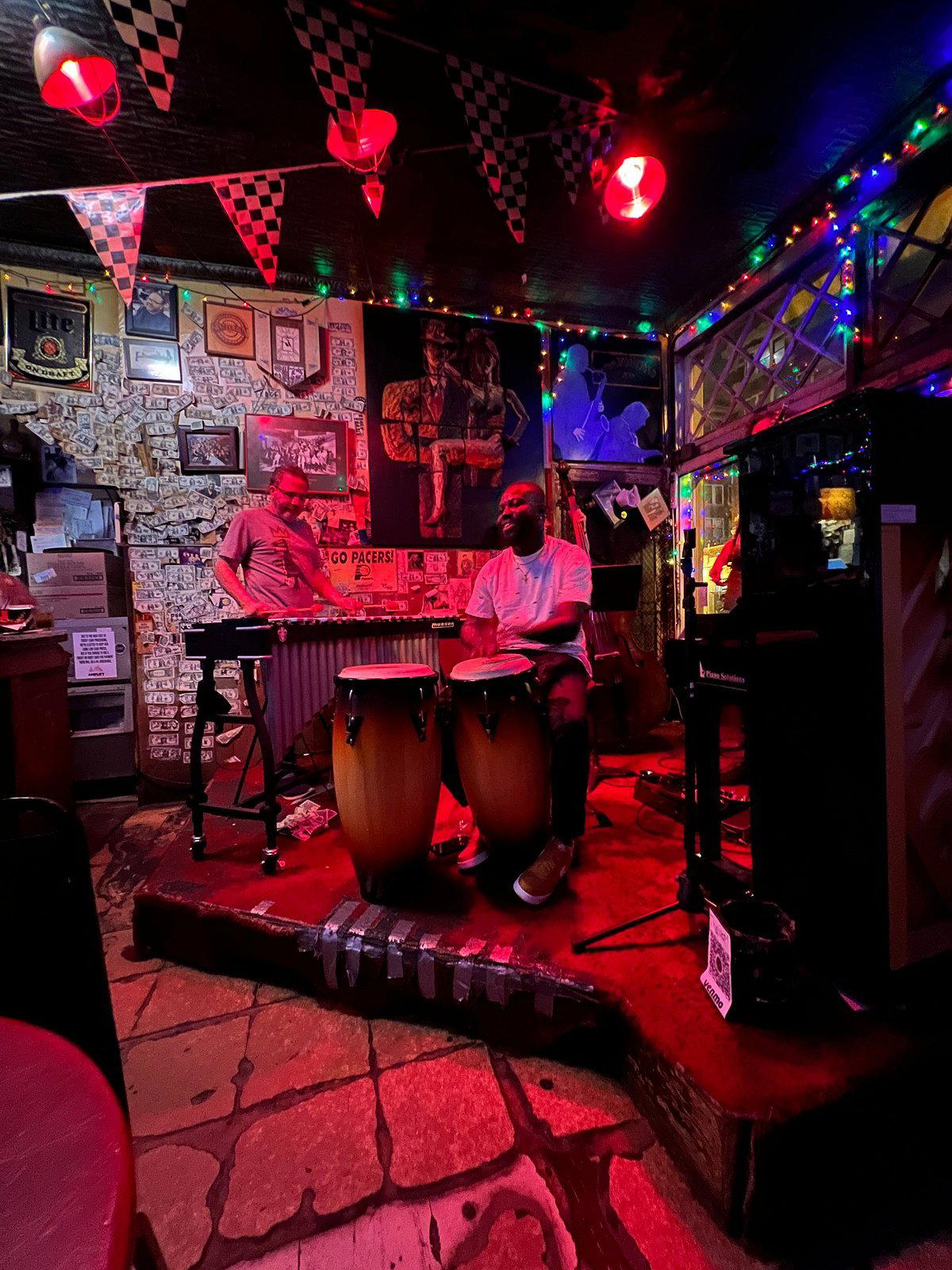
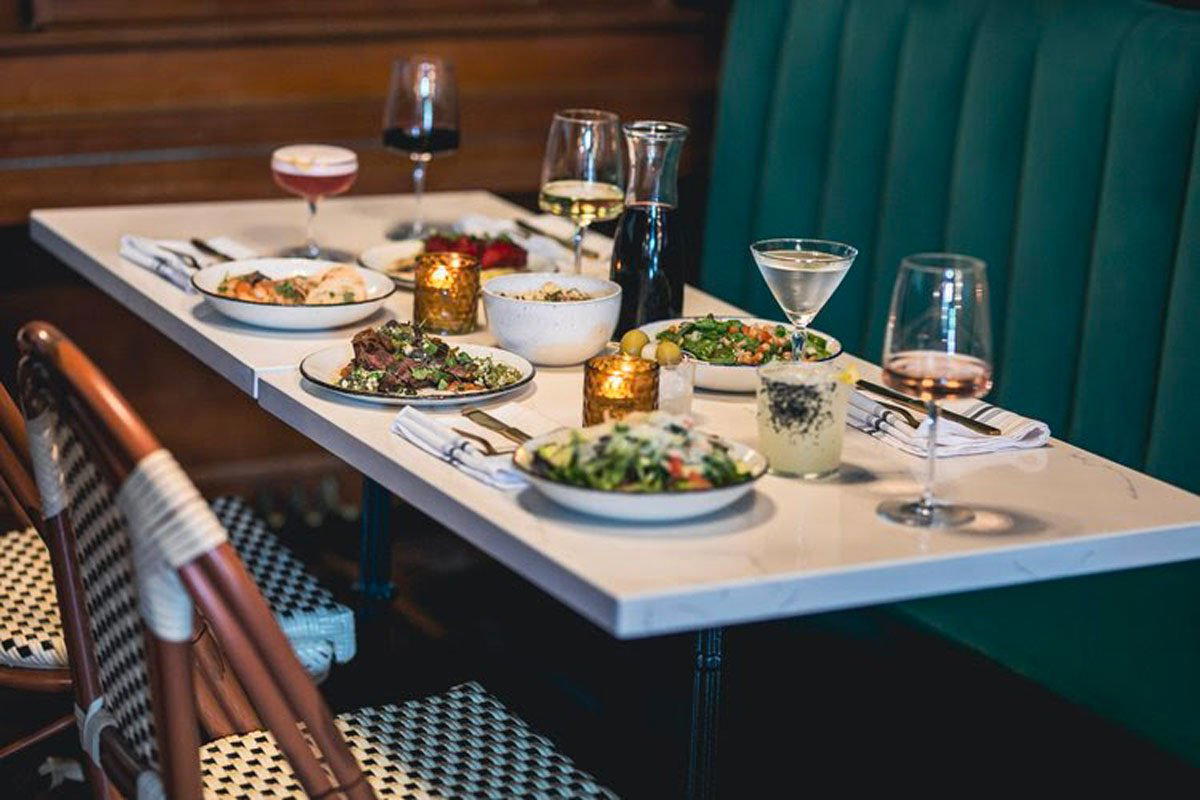
Charming and nostalgic, designed to immerse guests in the look and feel of the original L.S. Ayres Tea Room.