Beholder

James Beard Award Semi Finalist
Our verdict
On a residential stretch of East 10th Street, Beholder operates as one of Indianapolis's more considered dining addresses, where the menu's structure does most of the talking. The kitchen works from an ingredient-first logic that places it alongside the city's small tier of serious independent restaurants, distinct from the steakhouse and deli traditions that long defined Indianapolis dining.

Pearl is the En Primeur Club membership app, where members save venues, book tables and use the concierge.
The menu
What to order
- Cabbage salad
- Black cod with lions mane mushrooms
- Eggplant tartare
- Grilled ribeye
- Sardine tartine
East 10th Street in Indianapolis is not a restaurant corridor in the conventional sense. The address at 1844 is residential in character, the kind of block where a serious dining room arrives without fanfare, unmarked by the visual noise of a hospitality district. That physical context matters: restaurants that choose these locations tend to be making a statement about their priorities, placing kitchen and table above foot traffic and visibility. Beholder fits that pattern, and the choice of address is the first signal about what the room values.
Menu Architecture as Editorial Statement
In American cities below the first tier of coastal dining, menus frequently function as lists rather than arguments. The broadest possible selection hedges against an uncertain audience, and the result is a kitchen spread thin across categories. The more interesting independent restaurants operating in cities like Indianapolis, Nashville, or Louisville have moved away from that model over the past decade, narrowing their focus and letting the menu's shape communicate something about culinary position. Beholder belongs to this tendency. The menu here operates with a specificity that reads as deliberate curation rather than abundance, each section pointing toward a coherent set of decisions about sourcing, technique, and season.
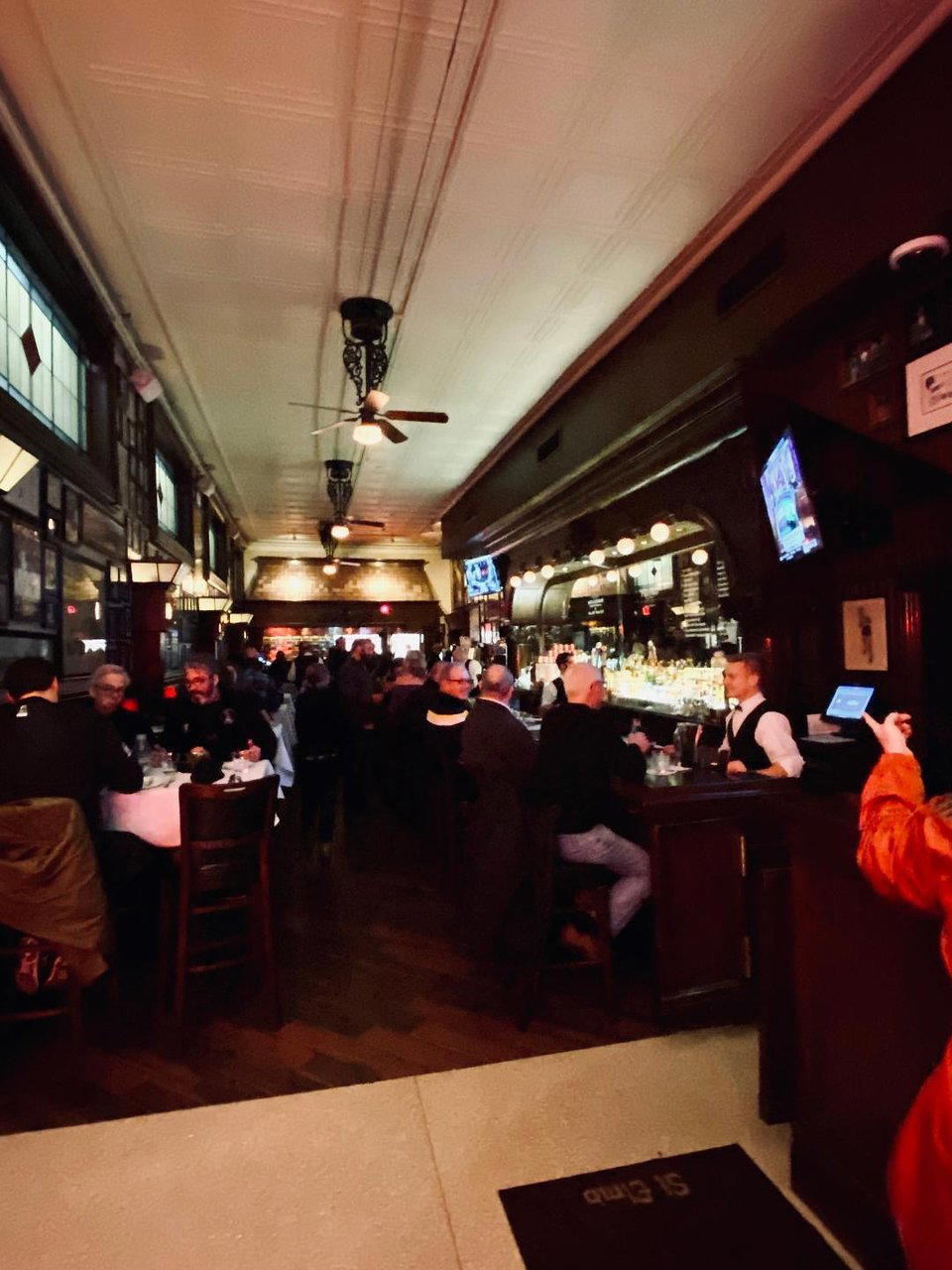
That architecture places Beholder in a different competitive frame than the institutions that long anchored Indianapolis dining. St. Elmo Steak House, the city's durable steakhouse benchmark, built its reputation on consistency and volume across a fixed format. Shapiro's Delicatessen represents a different civic tradition entirely, rooted in community and daily ritual. Beholder is neither of those things. It operates closer to the model you find at independently owned rooms like Smyth in Chicago, where the menu's logic reflects a kitchen's point of view rather than a surveyed audience. The parallel is not about scale or acclaim but about approach: a menu that teaches the reader something before the first course arrives.
Indianapolis's Independent Dining Tier
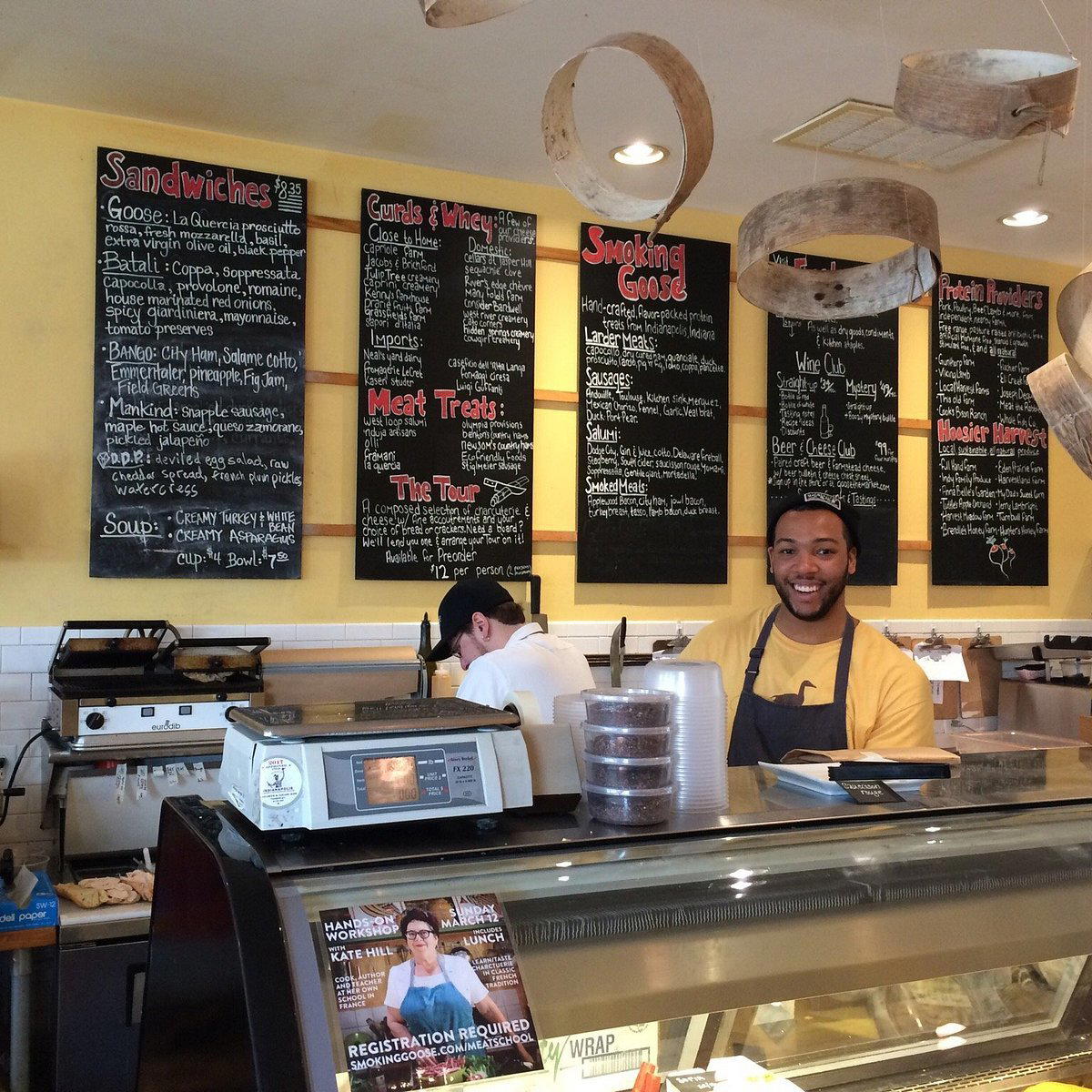
Indianapolis has developed a credible layer of independent restaurants over the past fifteen years, and understanding Beholder means placing it within that layer rather than against national benchmarks. Milktooth established early that the city could support a kitchen with genuine technical ambition and a defined format. Goose the Market brought a similar specificity to its corner of the food economy. Among the city's newer addresses, Ambrosia and Balena Cucina Italiana have each staked positions in identifiable culinary traditions, while Bakersfield Mass Ave represents the city's appetite for a more casual register done with conviction. Aberdeen Social House and ATHENS ON 86th occupy further points on that map.
Beholder sits toward the more considered end of this group. The restaurant's East 10th Street location separates it geographically from the Mass Ave cluster, which has become the default address for Indianapolis dining ambition, and that separation reinforces the sense of a room operating on its own terms. For a broader orientation to the city's dining, our full Indianapolis restaurants guide maps the range of options across neighborhoods and price points.
The National Context for This Format
The kind of focused, ingredient-driven independent restaurant that Beholder represents has become a recognizable format at the national level, even as its practitioners remain geographically dispersed. The most discussed examples, Blue Hill at Stone Barns in Tarrytown, Single Thread Farm in Healdsburg, and Lazy Bear in San Francisco, work at a scale and with a media presence that sets them apart. But the formal logic they share with smaller independent rooms, sourcing as argument, menu structure as communication, a finite set of options rather than a comprehensive list, travels to cities that receive far less critical attention.
Restaurants like Le Bernardin in New York City, The French Laundry in Napa, Providence in Los Angeles, Addison in San Diego, Atomix in New York City, The Inn at Little Washington, and Emeril's in New Orleans each operate in cities with established critical infrastructure. Indianapolis offers less of that external validation, which means rooms like Beholder are doing the harder work of sustaining a dining format without the reinforcing feedback loop of a concentrated critical scene. That difficulty is also part of what makes them worth attention. The comparison extends internationally: kitchens like Atelier Moessmer Norbert Niederkofler in Brunico demonstrate how deeply regional sourcing and a tightly edited menu can coexist with serious culinary ambition, a model that smaller American cities are increasingly finding their own versions of.
What to Know Before You Go
Restaurants operating in this format, a focused independent in a non-central location, tend to run limited services rather than all-day covers, and the seat count at rooms of this type is typically modest. Arriving with a reservation rather than as a walk-in is the standard expectation at this tier of independent dining in any American city, and Indianapolis is no exception. East 10th Street is accessible by car, and the residential neighborhood setting means parking is generally less contested than in the Mass Ave corridor.
For guests approaching Beholder as part of a wider Indianapolis visit, the East 10th location pairs naturally with exploring the neighborhoods east of downtown, an area that has seen incremental investment from independent food and drink operators over recent years. The restaurant sits within that broader eastside pattern without depending on it for its identity.
Frequently asked questions
Where is Beholder located?
Beholder is located at 1844 E 10th St, Indianapolis, IN 46201, Indianapolis.
How does Beholder fit into the broader Indianapolis independent restaurant scene?
Indianapolis has developed a credible independent dining tier over roughly fifteen years, moving well beyond its earlier reputation as a steakhouse-and-chains city. Beholder on East 10th Street is part of that shift, representing the kind of chef-focused, small-format operation that gives a city's dining scene depth rather than just range. Its presence in an Indianapolis neighbourhood rather than a downtown hotel corridor is itself a signal about the type of cooking and hospitality it prioritises.
What do people recommend at Beholder?
The restaurant's reputation within the city's independent dining tier is built around a focused, purposeful menu rather than a broad selection. Checking recent local reviews from Indianapolis Monthly or similar regional outlets will give you the clearest picture of what's currently drawing attention.
Is Beholder reservation-only?
Given the restaurant's standing within the city's credible independent dining tier, walk-in availability is not guaranteed, particularly on weekends. Contacting the venue directly before your visit is the practical step.
What makes Beholder worth seeking out?
Beholder occupies a specific position in Indianapolis dining: it operates as a focused independent rather than a concept restaurant chasing broad appeal, which puts it in a small peer group within the city. Indianapolis has built a genuine layer of independent restaurants over the past fifteen years, and Beholder is cited consistently within that conversation. For visitors whose frame of reference is coastal cities, it represents the argument that serious, ingredient-led cooking is not geography-dependent.
Do they accommodate allergies at Beholder?
The standard practice at independently operated focused-menu restaurants is to raise dietary requirements at the time of booking or at minimum on arrival, so staff can advise on viable options. Reaching out to the restaurant at 1844 E 10th St, Indianapolis ahead of your visit is the most reliable approach.
Recognition Snapshot
A quick peer list to put this venue’s basics in context.
| Venue | Cuisine | Price | Awards | Notes |
|---|---|---|---|---|
| BeholderThis venue (the venue you are viewing) | World-Inspired Modern Cuisine | $50–100 | James Beard Award Semi Finalist | Not listed |
| St. Elmo Steak House | Classic American Steakhouse | $50–100 | Wine Spectator Best of Award of Excellence | Steakhouse |
| Shapiro’s Delicatessen | Classic Jewish Deli | $20–30 | Not listed | Jewish Delicatessen |
| Goose the Market | Gourmet Deli Sandwiches | $20–30 | Not listed | Tapas Bar-Barbecue |
| Milktooth | Modern American Breakfast & Brunch | $30–50 | Not listed | American |
| Vida | Modern American Fine Dining | Not listed | James Beard Award Semi Finalist · Wine Spectator Best of Award of Excellence | Not listed |
Recognition history
Dated appearances from independent guides and award organizations, with the underlying list record or original source where available.
James Beard Award Semi Finalist
James Beard Award
Continue exploring
More in Indianapolis
Restaurants in Indianapolis
All restaurants in Indianapolis →

Beholder
The wine
- Wine program
- Deep wine list
- Extensive wine list
- Sommelier-led
- Craft cocktails
Details
- Energetic
- Modern
- Intimate
- Whimsical
- Date Night
- Business Dinner
- Group Dining
- Special Occasion
- Celebration
- Open Kitchen
- Standalone
- Design Destination
- Extensive Wine List
- Craft Cocktails
- Sommelier Led
- Farm To Table
- Local Sourcing
- Organic
- Tasting Menu
- A La Carte
- Small Plates
- Wine
- Craft Cocktails
- Vegetarian Friendly
- Organic Focus
Current opening hours
- Monday
- Closed
- Tuesday
- 5–9 PM
- Wednesday
- 5–9 PM
- Thursday
- 5–9 PM
- Friday
- 5–10 PM
- Saturday
- 5–10 PM
- Sunday
- Closed
Hours can change for holidays and private events. Last verified .
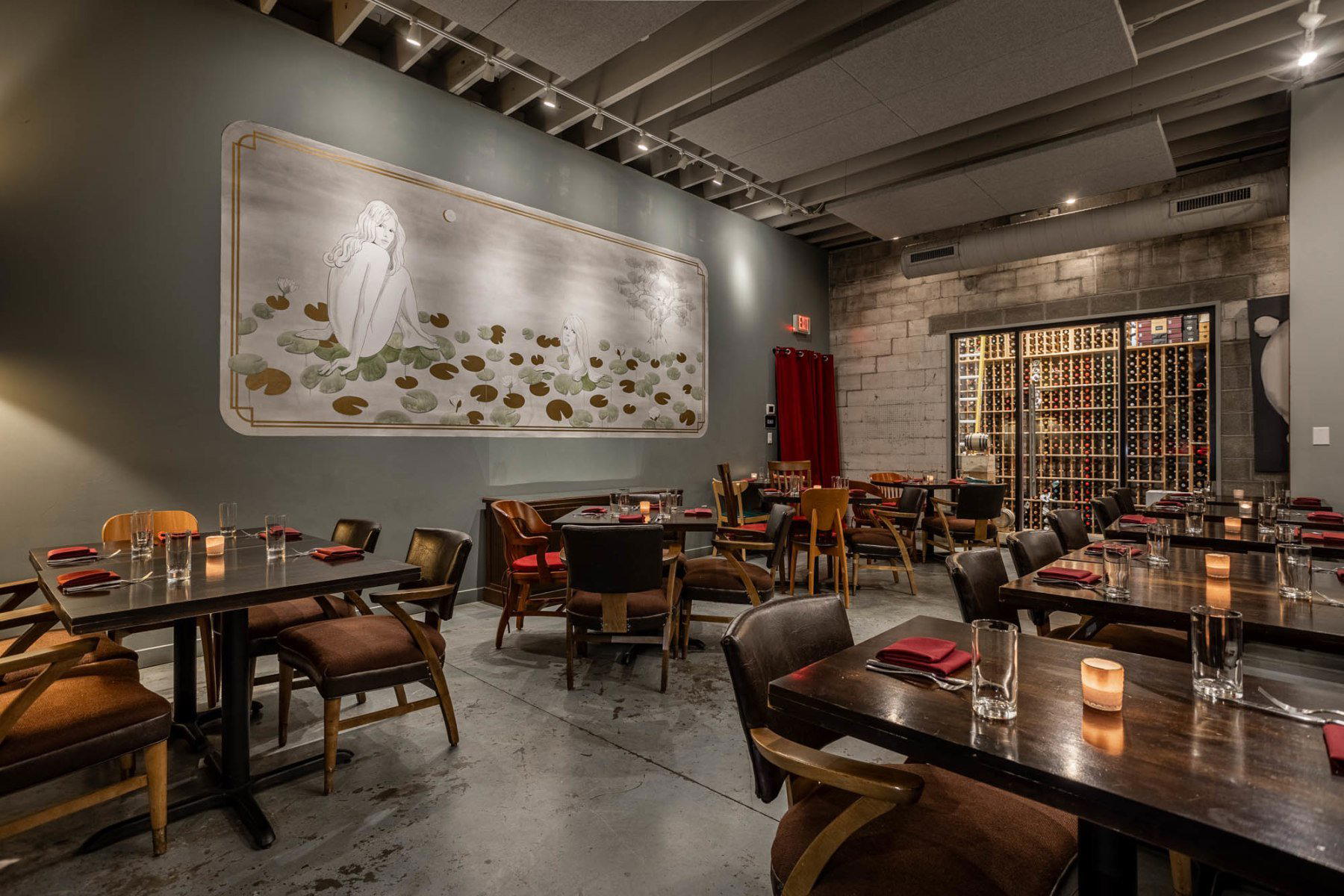
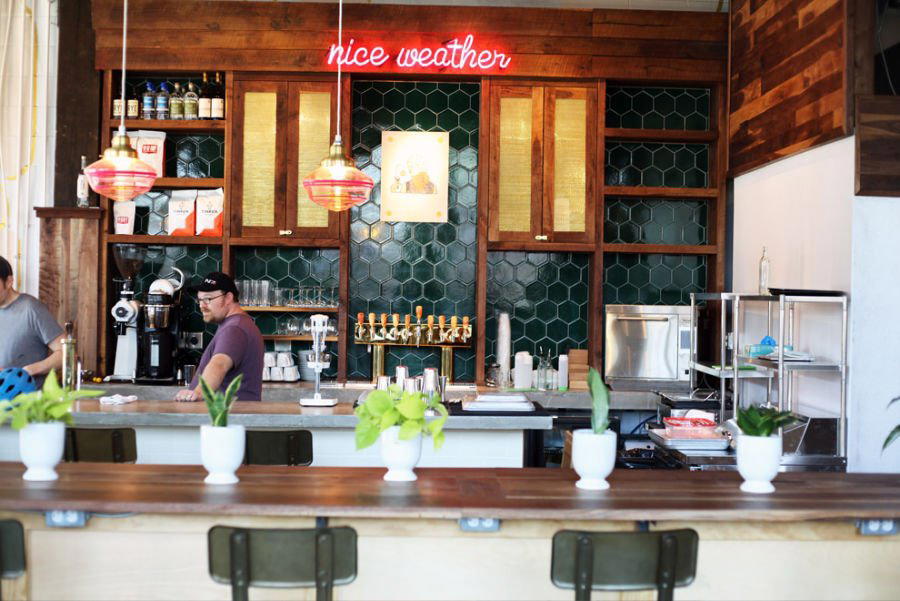
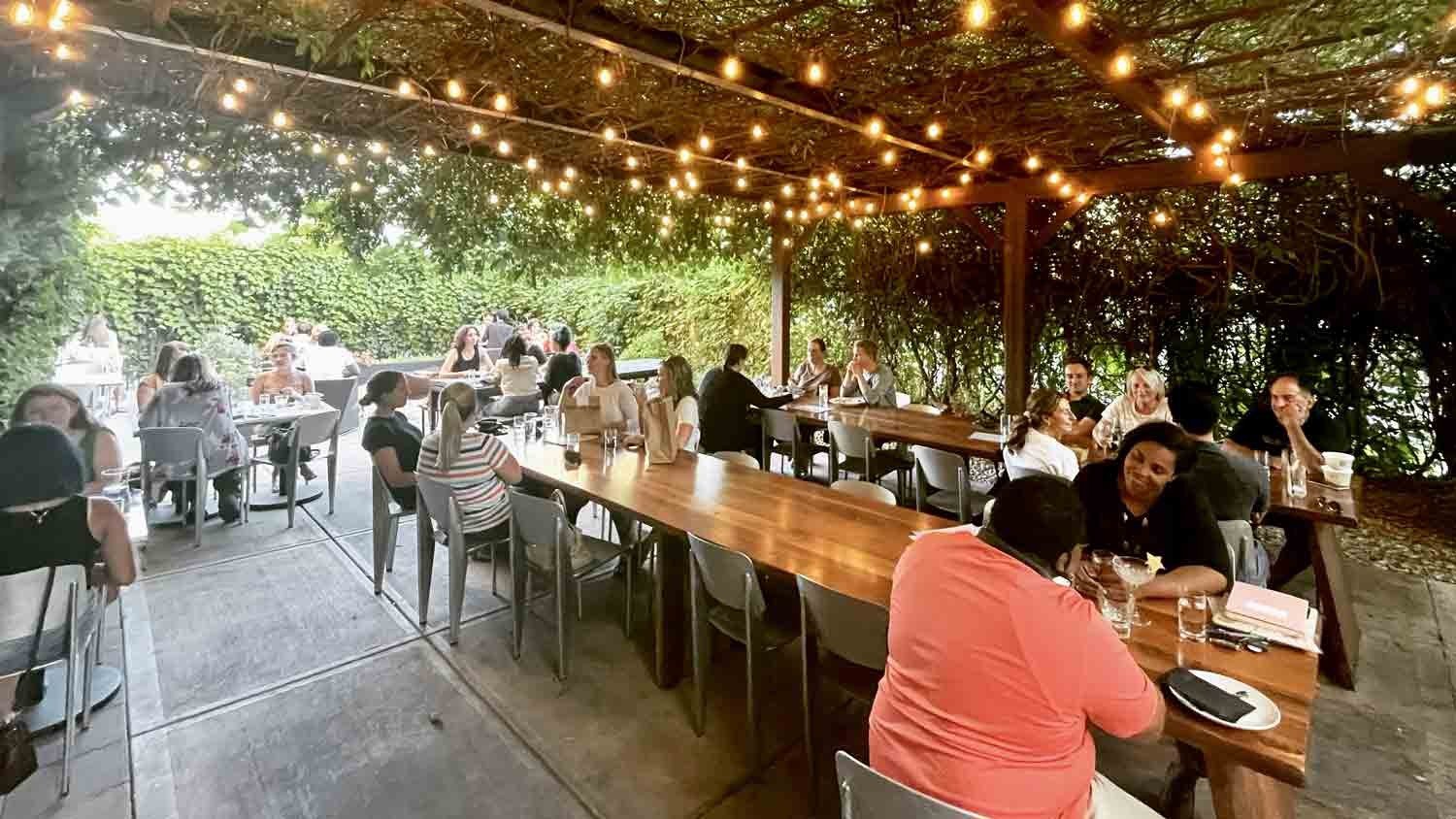
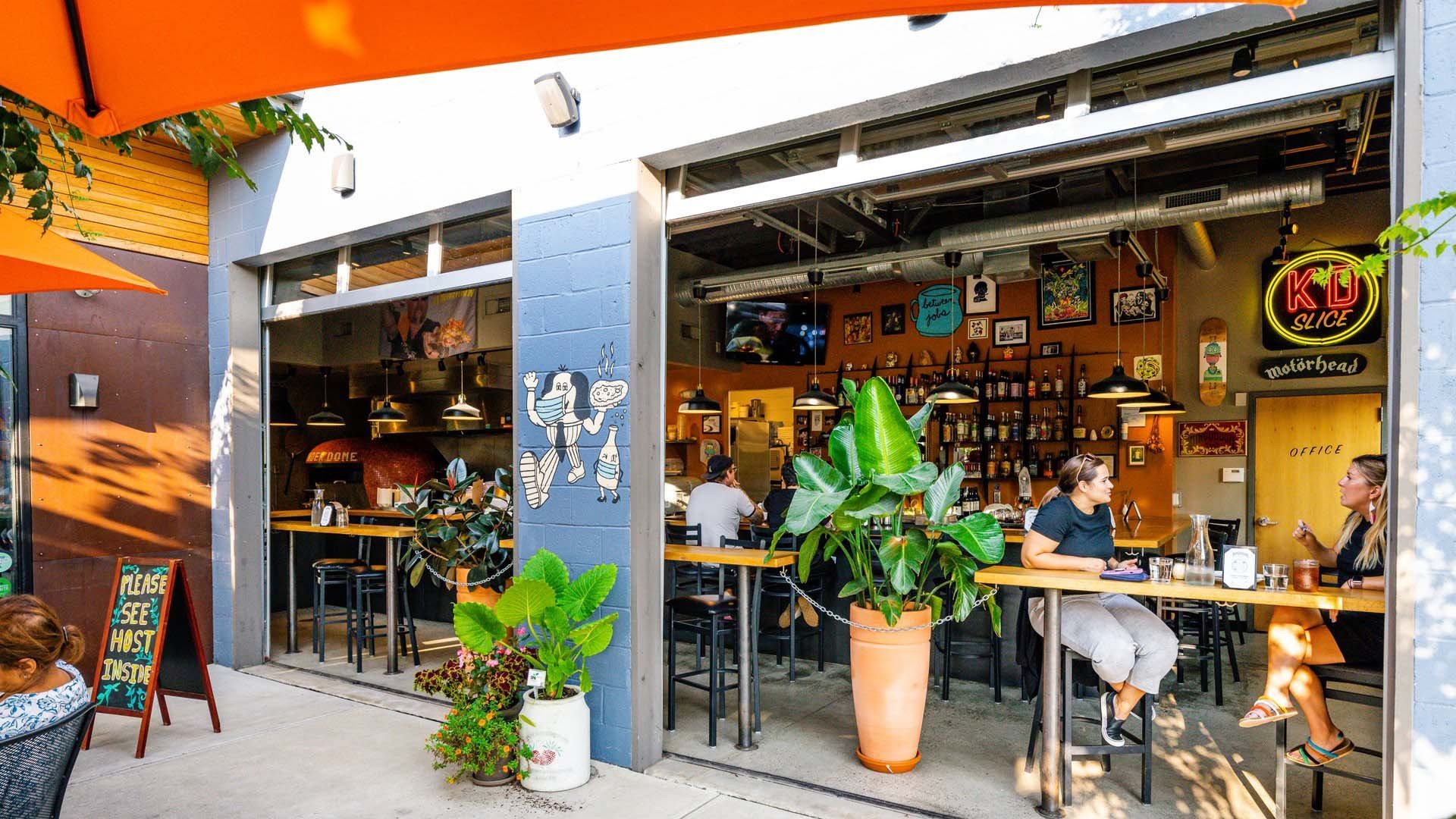
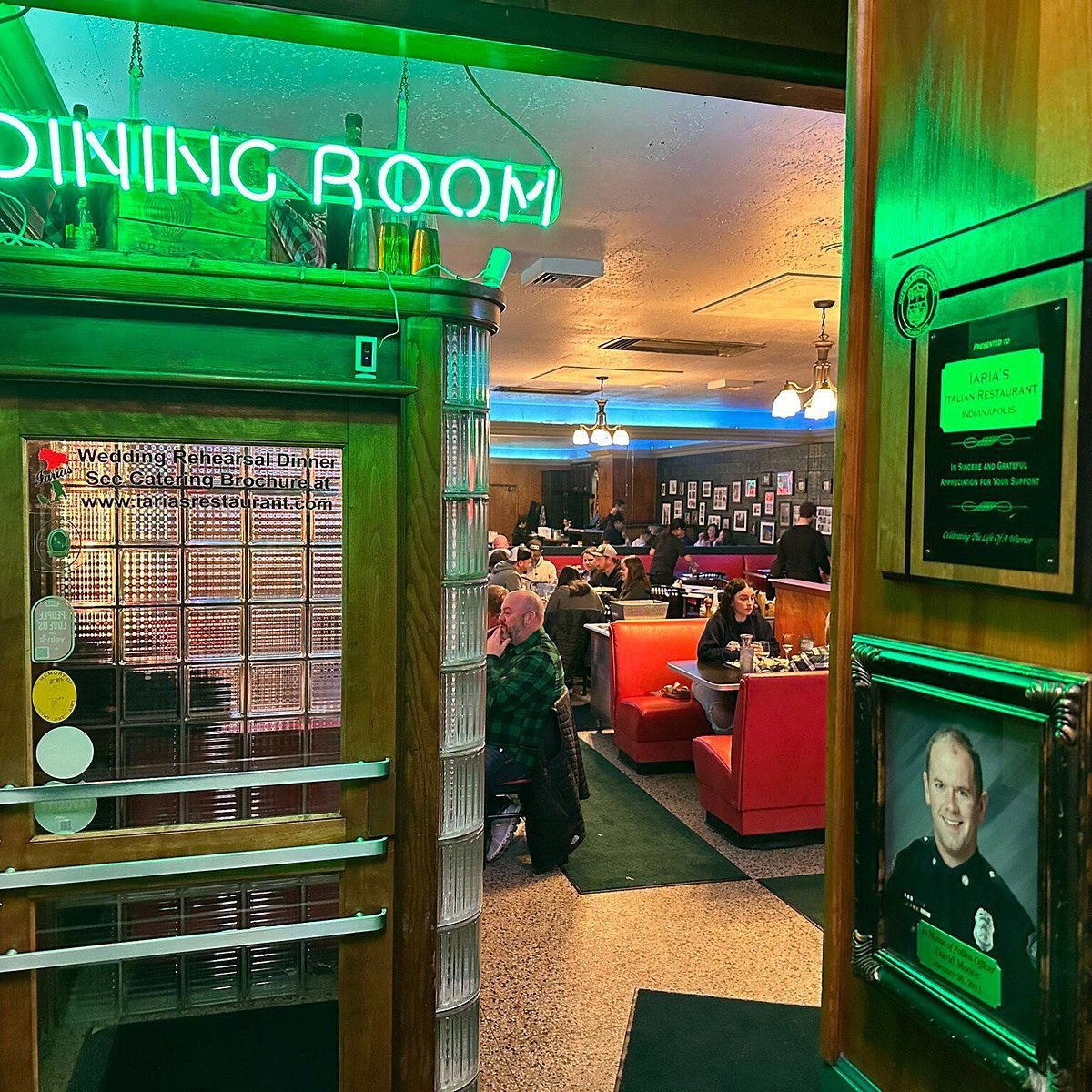
Sexy, under-decorated showcase with modern grandma's house aesthetic; energetic yet intimate with eclectic 80s music and multiple distinct atmospheres throughout the space.