Chatterbox Jazz Club
Massachusetts Avenue's long-running jazz room holds a specific place in Indianapolis nightlife: a live-music bar where the programming runs late and the crowd arrives knowing what it came for. Chatterbox Jazz Club at 435 Massachusetts Ave has anchored the city's after-dark scene for years, drawing regulars who treat it as a reliable fixture rather than a novelty stop.

Pearl is the En Primeur Club membership app, where members save venues, book tables and use the concierge.
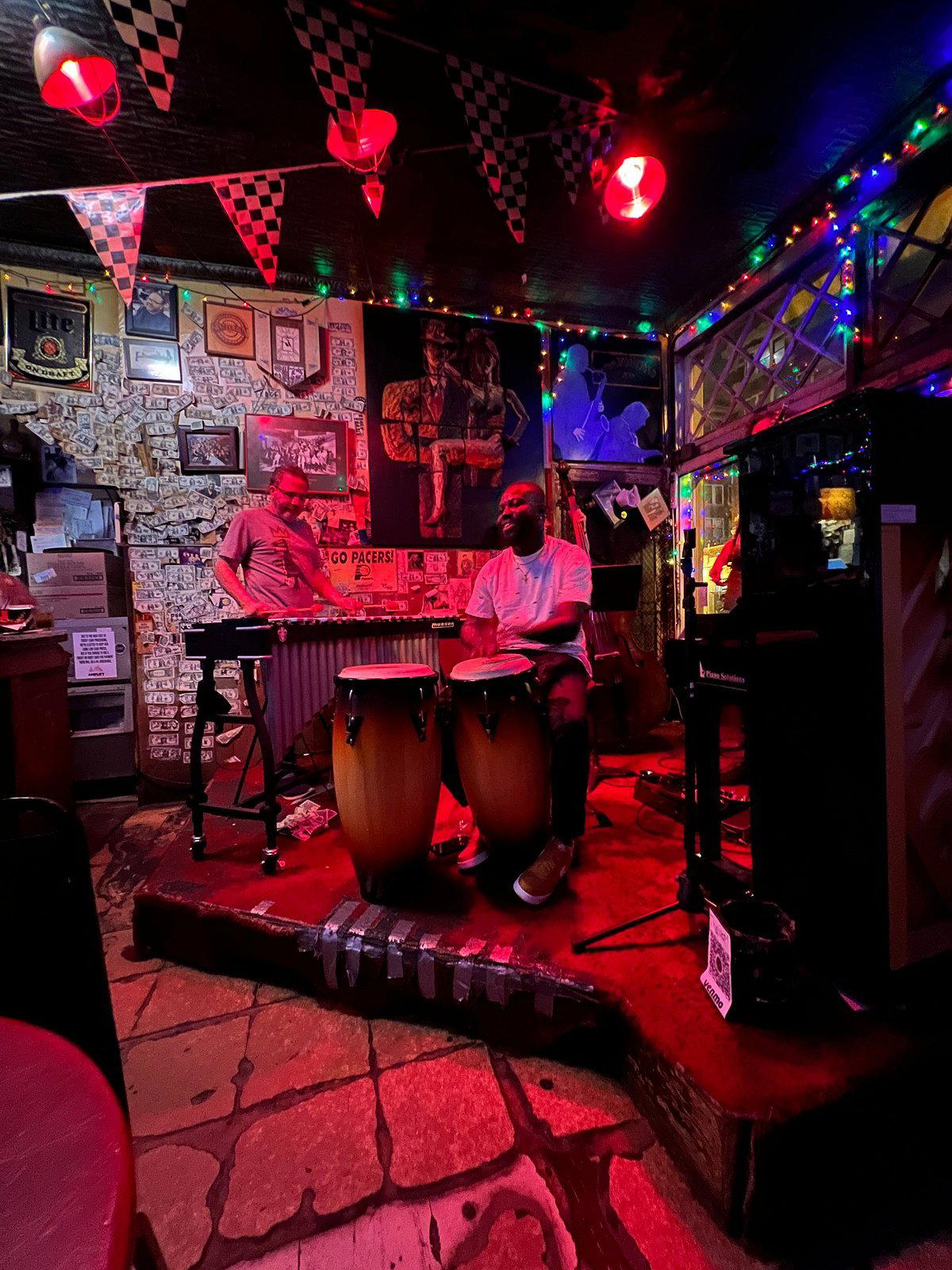
Where Massachusetts Avenue Sounds Like Itself
On Massachusetts Avenue, the shift from dinner hour to late night happens in stages. The galleries close, the restaurant terraces thin out, and somewhere around nine o'clock the block settles into its second character: louder, darker, more deliberate about its pleasures. Chatterbox Jazz Club sits inside that transition point. The music is live, the room is close, and the programming tilts toward the kind of jazz that expects listeners to pay attention rather than talk over it. Indianapolis has produced a number of bars along this corridor Alley Cat Lounge among them, but Chatterbox occupies a distinct position as a venue where the music is the organizing principle, not the background.
Massachusetts Avenue itself functions as Indianapolis's most culturally dense strip. It runs northeast from downtown through a corridor that has accumulated independent businesses, small venues, and neighborhood restaurants over decades. The avenue's identity is less about any single anchor and more about density: a walkable stretch where a visitor can move from a cocktail bar to a gallery to a live-music room within a few blocks. Chatterbox is one of those rooms, and its address at 435 Massachusetts Ave puts it in the middle of that density rather than at its edge.
The Scene Jazz Clubs Actually Sustain
American jazz clubs have been in a complicated position for at least thirty years. The format that once filled mid-century rooms, cover charges, two-set nights, audiences seated in relative quiet, has largely given way to hybrid models where the bar revenue subsidizes the programming and the crowd is expected to drink across the full arc of the evening. Cities like New York, Chicago, and New Orleans have sustained formal jazz rooms at the high end, but in most mid-sized American cities the working jazz venue looks more like a bar with a stage than a dedicated concert hall.
Indianapolis fits that pattern, and Chatterbox fits Indianapolis. The club functions as a late-night room where the social and musical functions overlap rather than compete. That model has its own logic: the music gives the room an atmosphere that a purely drinks-focused bar cannot manufacture, and the bar revenue gives the music a reason to keep happening. Compared to dedicated jazz institutions in larger markets, the kind of room where Jewel of the South in New Orleans exists in proximity to, Chatterbox operates on a more local, less formalized frequency. It is a neighborhood fixture first, a performance venue second.
That ordering matters when you are deciding how to spend an evening. If you want a seated, ticketed performance experience, Chatterbox is not that. If you want a bar where something is actually happening on stage and the room has a particular energy that comes from live music rather than a playlist, it is a reliable address. The distinction is worth making because visitors sometimes arrive with the wrong expectations and leave with the wrong impression of both the club and the city.
Indianapolis After Dark: Where Chatterbox Sits in the Sequence
A useful way to think about Chatterbox is as a late stop rather than a first stop. The Massachusetts Avenue corridor offers enough earlier-evening options, 317 Burger, Almost Famous, and Aristocrat Pub & Oxford Room among them, that the avenue functions as a self-contained evening itinerary for many visitors. Chatterbox works as the anchor at the end of that sequence: the place you end up after dinner and a first drink elsewhere, when the night has enough momentum to carry you into a live-music room.
That sequencing is how jazz clubs in cities of Indianapolis's size tend to survive. They do not compete with restaurants for the early evening; they inherit the guests those restaurants release. The economics of a live-music bar depend on that inheritance, which is one reason venues like this tend to cluster in walkable corridors rather than isolated locations. The avenue delivers foot traffic that a standalone address would have to manufacture through programming alone.
For visitors orienting themselves in the broader range of American cocktail and music bars, the reference points are instructive. Purpose-driven drink programs at places like Kumiko in Chicago or ABV in San Francisco represent one end of the spectrum, where the glass is the primary object of attention. Bar Leather Apron in Honolulu, Julep in Houston, and Superbueno in New York City each sit at different points along that spectrum with their own distinct orientations. Chatterbox sits on a different axis entirely: a room where the primary offer is atmosphere generated by live performance, and the drinks are the vehicle for spending time inside that atmosphere. The Parlour in Frankfurt on the Main makes an interesting transatlantic comparison, a bar where programming and space design converge to produce something more than the sum of its components.
Planning the Visit
Chatterbox Jazz Club is at 435 Massachusetts Ave in Indianapolis, in the heart of the avenue's most active block. The venue operates as a late-night room, which means arriving early in the evening may mean the programming has not yet started in full; the club comes into its own as the night advances. Visitors exploring the broader Indianapolis bar and restaurant scene can find additional context in our full Indianapolis restaurants guide, which covers the avenue and the wider city. Given the late-night orientation of the room, it is leading approached as an unplanned addition to an evening already in motion rather than a venue that requires advance reservation logistics, though confirming the live-music schedule before arrival is worth the effort, particularly on weeknights when programming may vary.
Peers in This Market
A short peer table to compare basics side-by-side.
| Venue | Price |
|---|---|
| Chatterbox Jazz ClubThis venue (the venue you are viewing) | $20–30 |
| Astrea | $50–100 |
| Alley Cat Lounge | $10–20 |
| Jasmine Thai Restaurant | $10–20 |
| Hotel Tango Distillery | $30–50 |
Continue exploring
More in Indianapolis
Bars in Indianapolis
All bars in Indianapolis →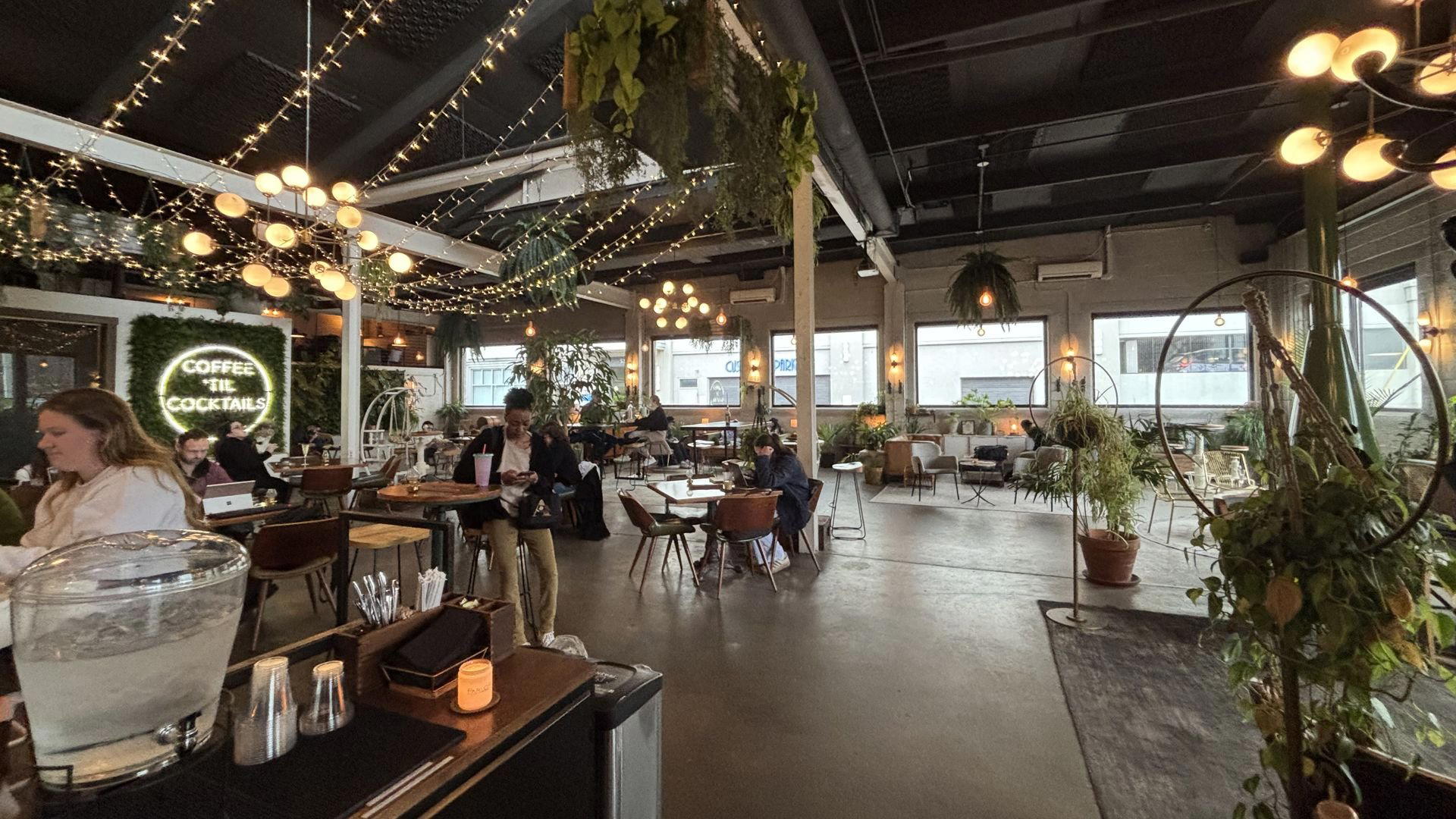
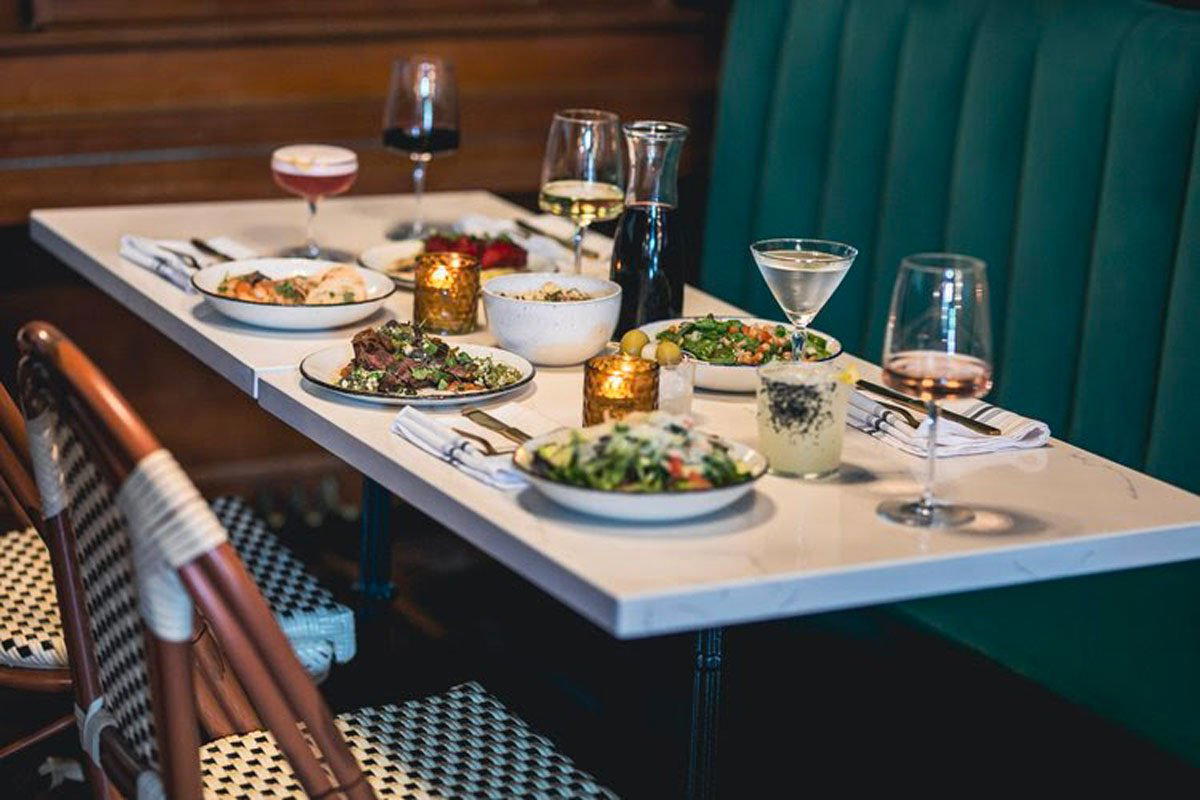
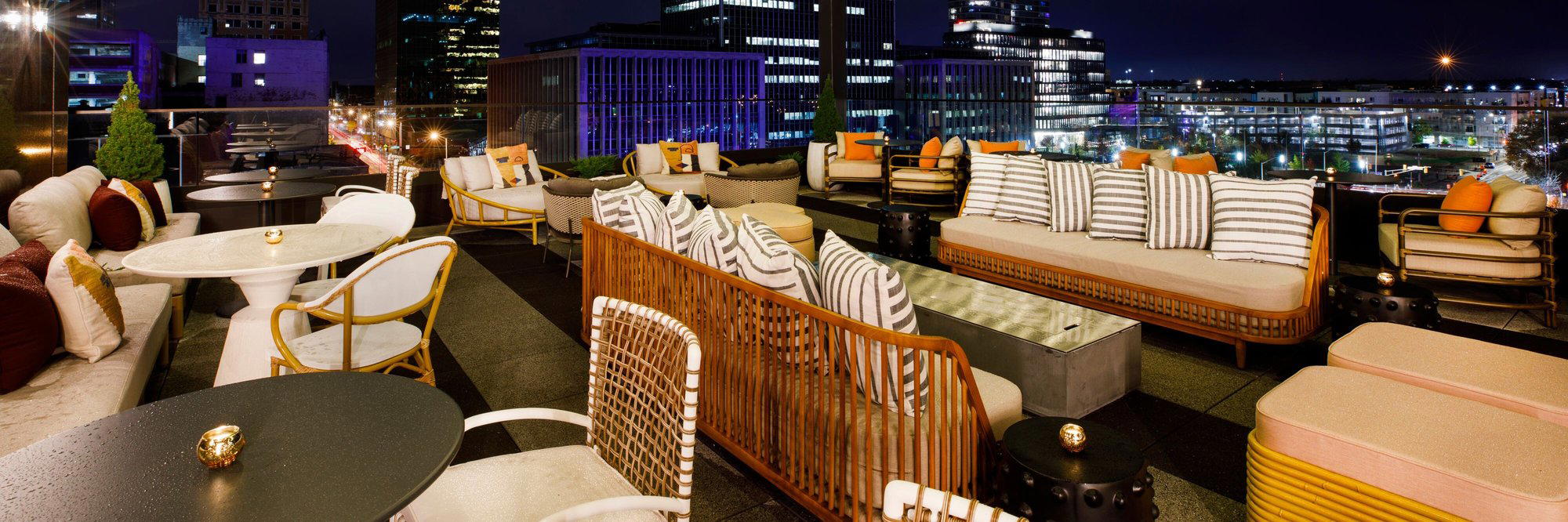

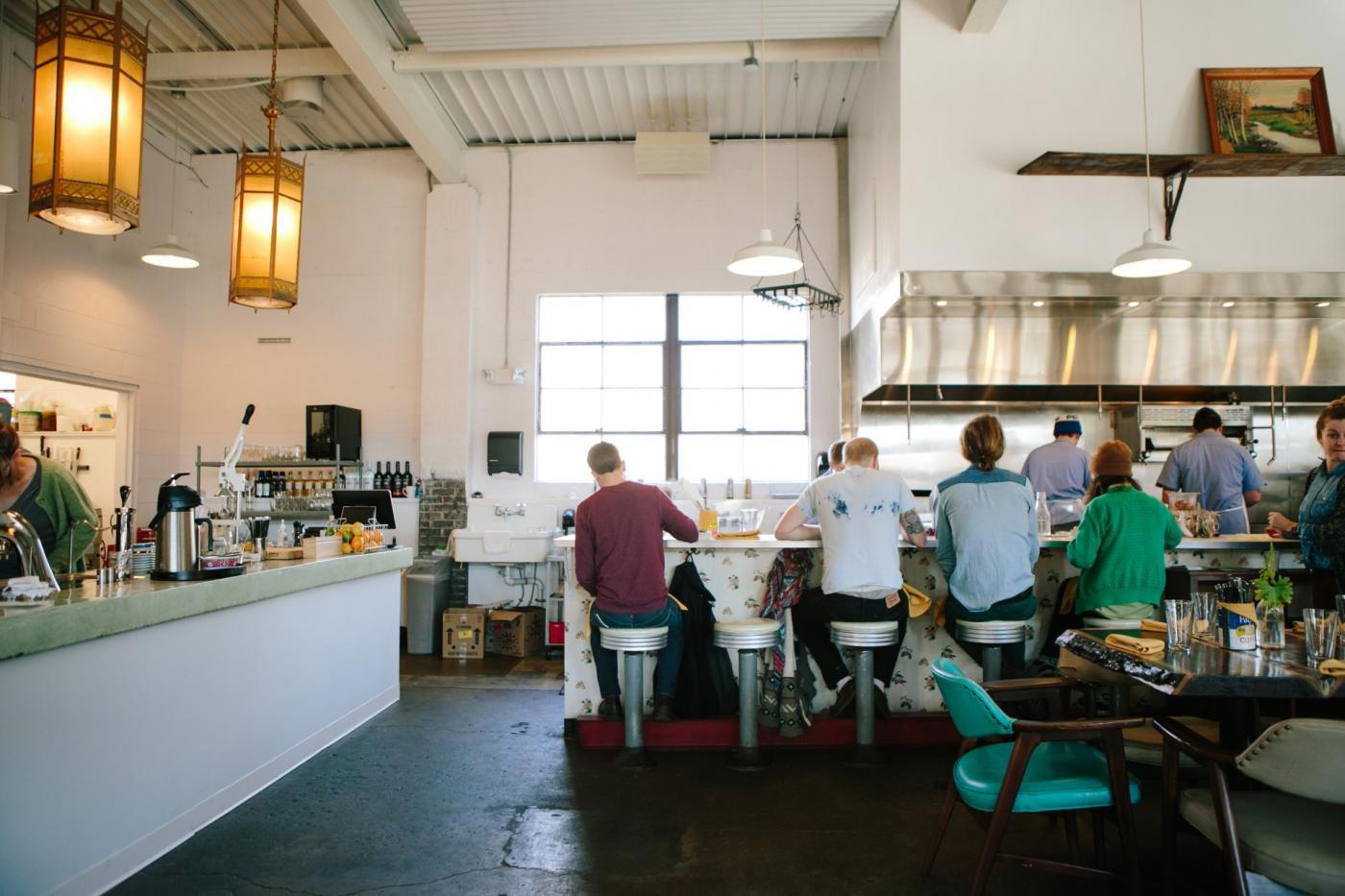
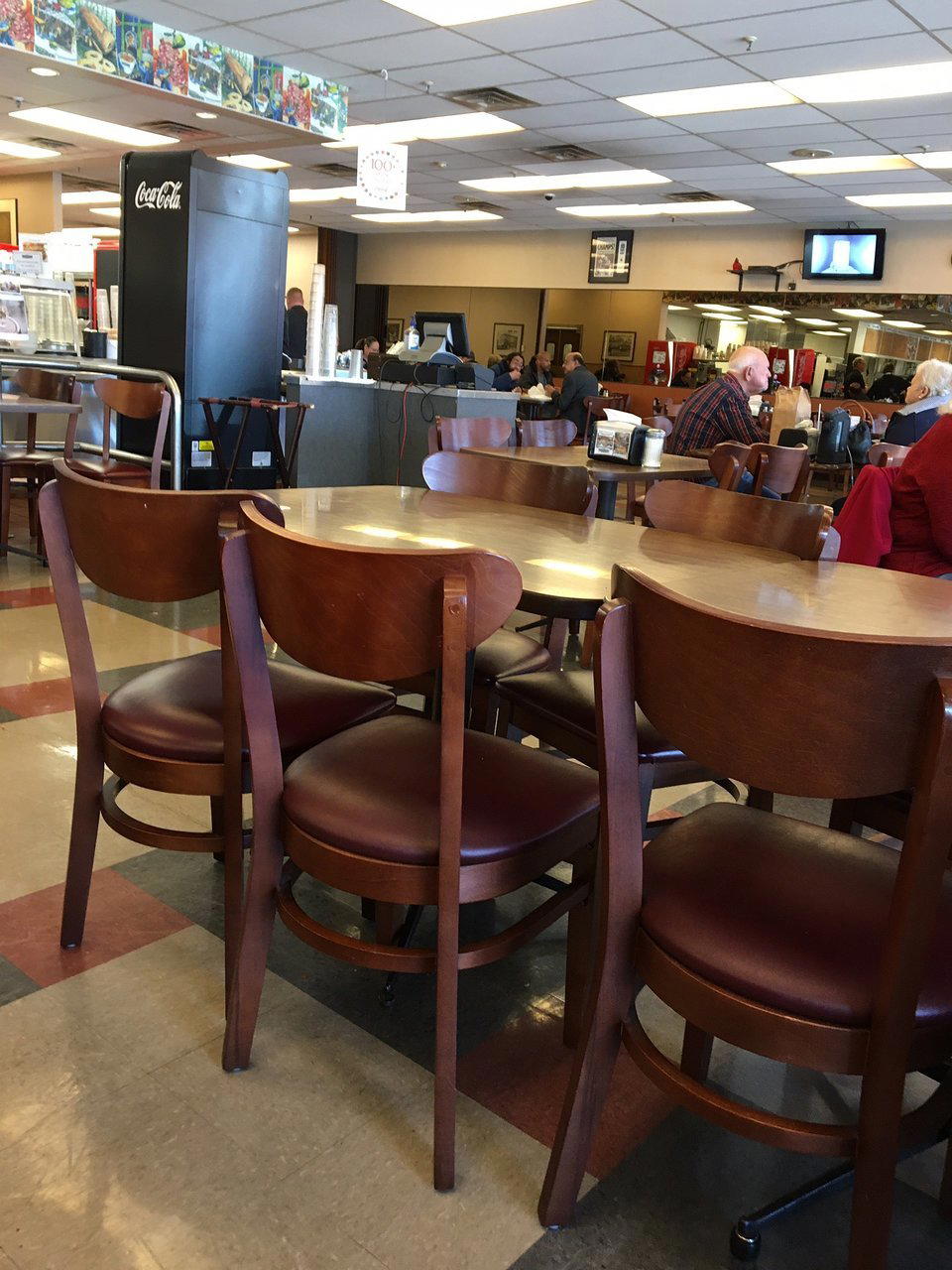
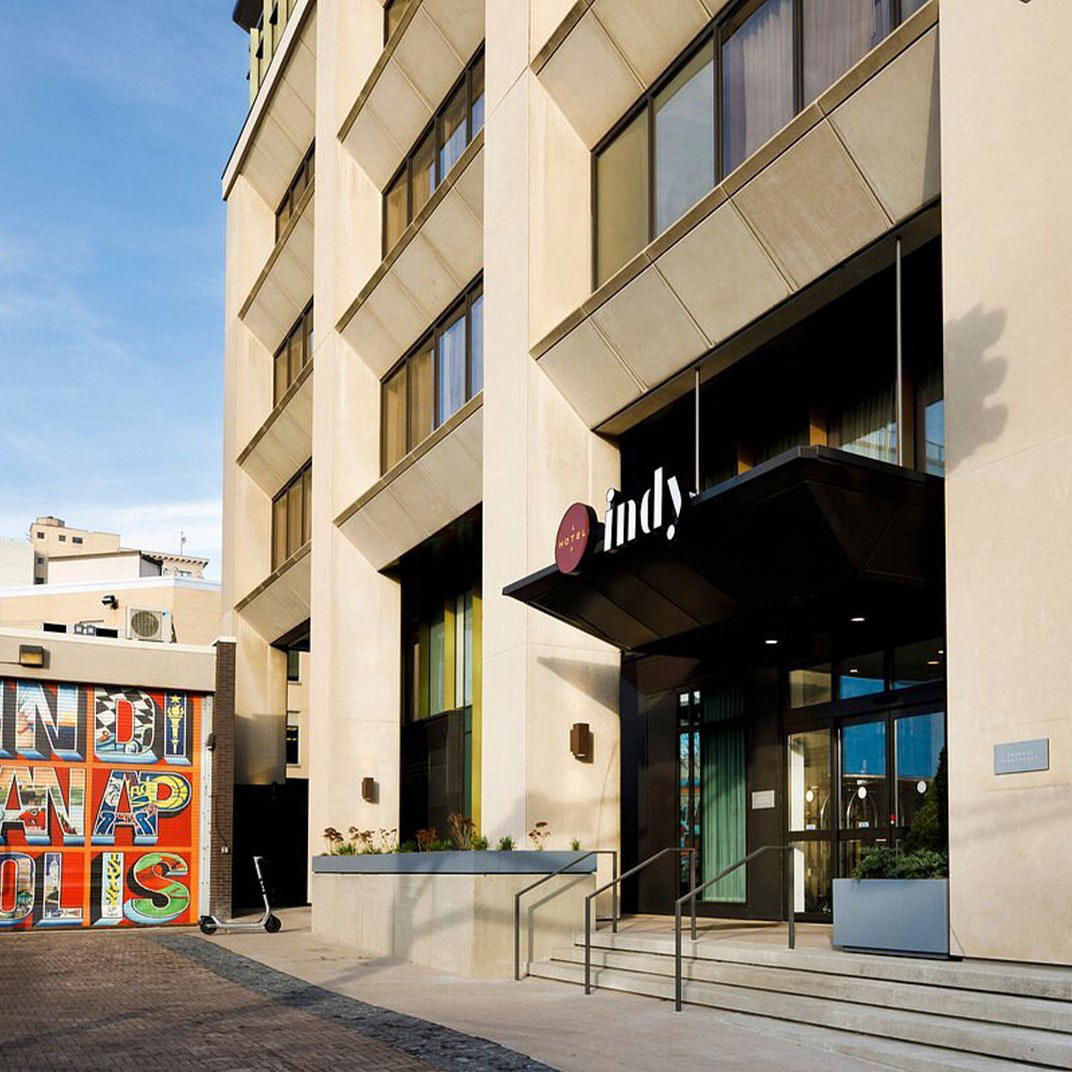
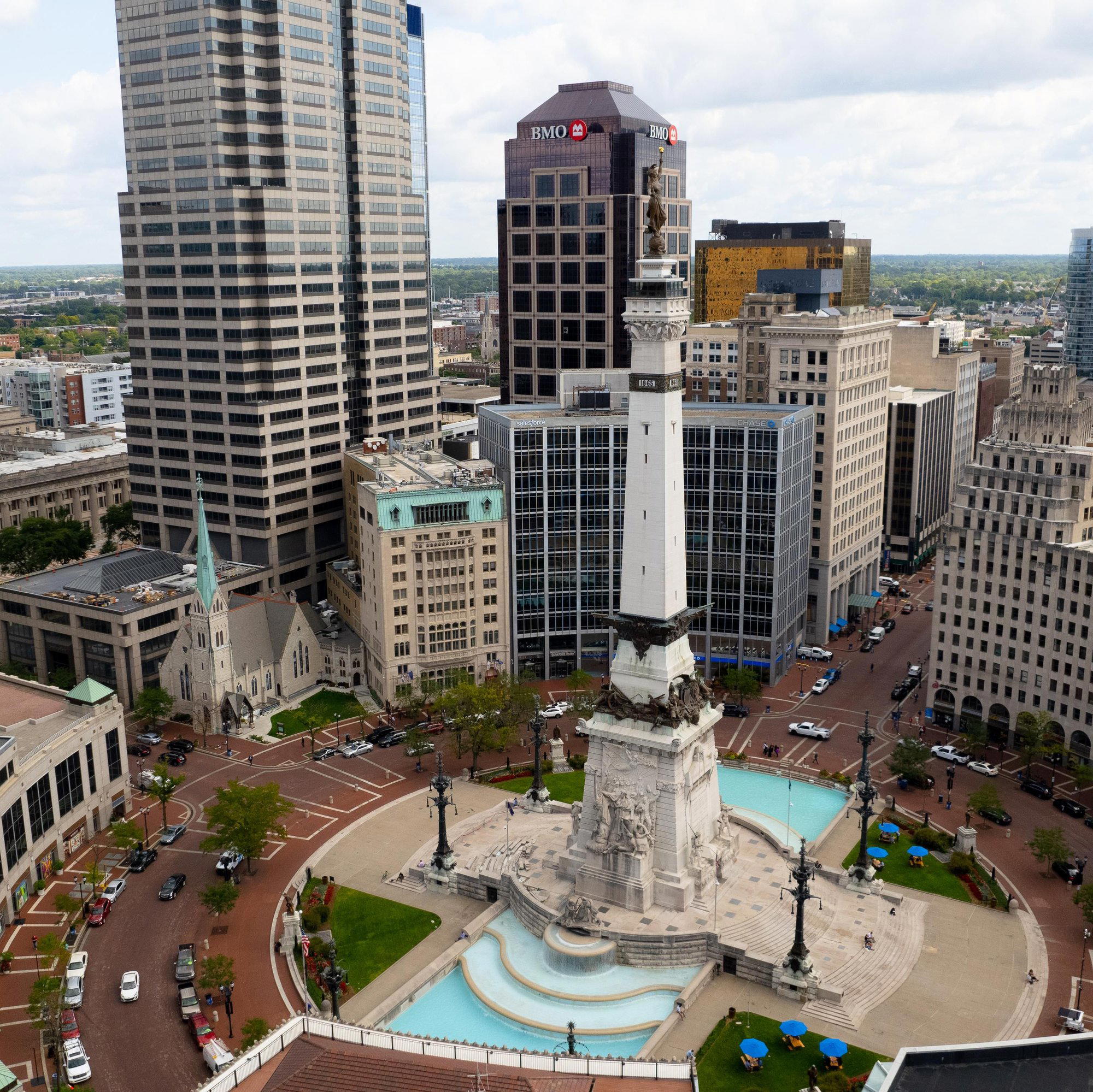
Chatterbox Jazz Club
The drinks
- Classic cocktails
Signature drinks: Tiger Tail, Pink Russian.
Details
- Intimate
- Cozy
- Classic
- Well Known
- Late Night
- Casual Hangout
- Live Music
- Historic Building
- Seated Bar
- Lounge Seating
- Classic Cocktails
Current opening hours
- Monday
- 5–11:30 PM
- Tuesday
- 5–11:30 PM
- Wednesday
- 5–11:30 PM
- Thursday
- 5–11:30 PM
- Friday
- 4 PM–1 AM
- Saturday
- 4 PM–1 AM
- Sunday
- 5–11:30 PM
Hours can change for holidays and private events. Last verified .
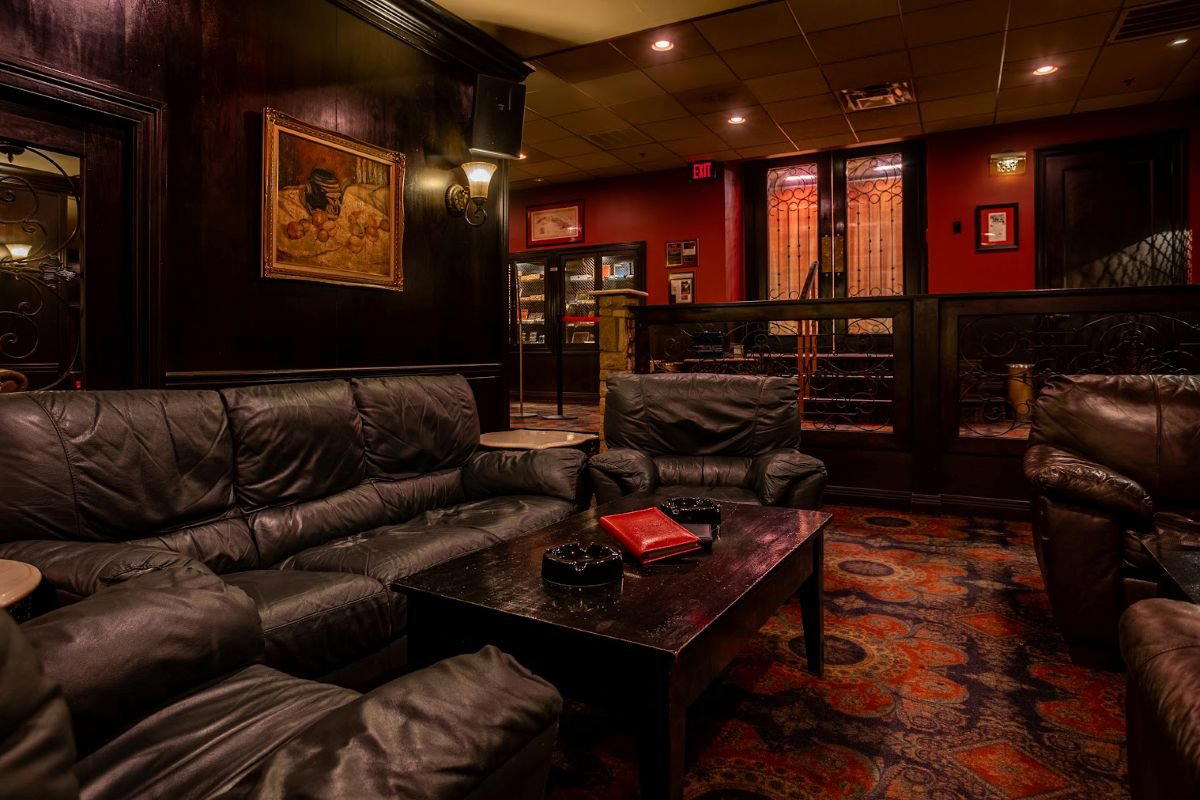
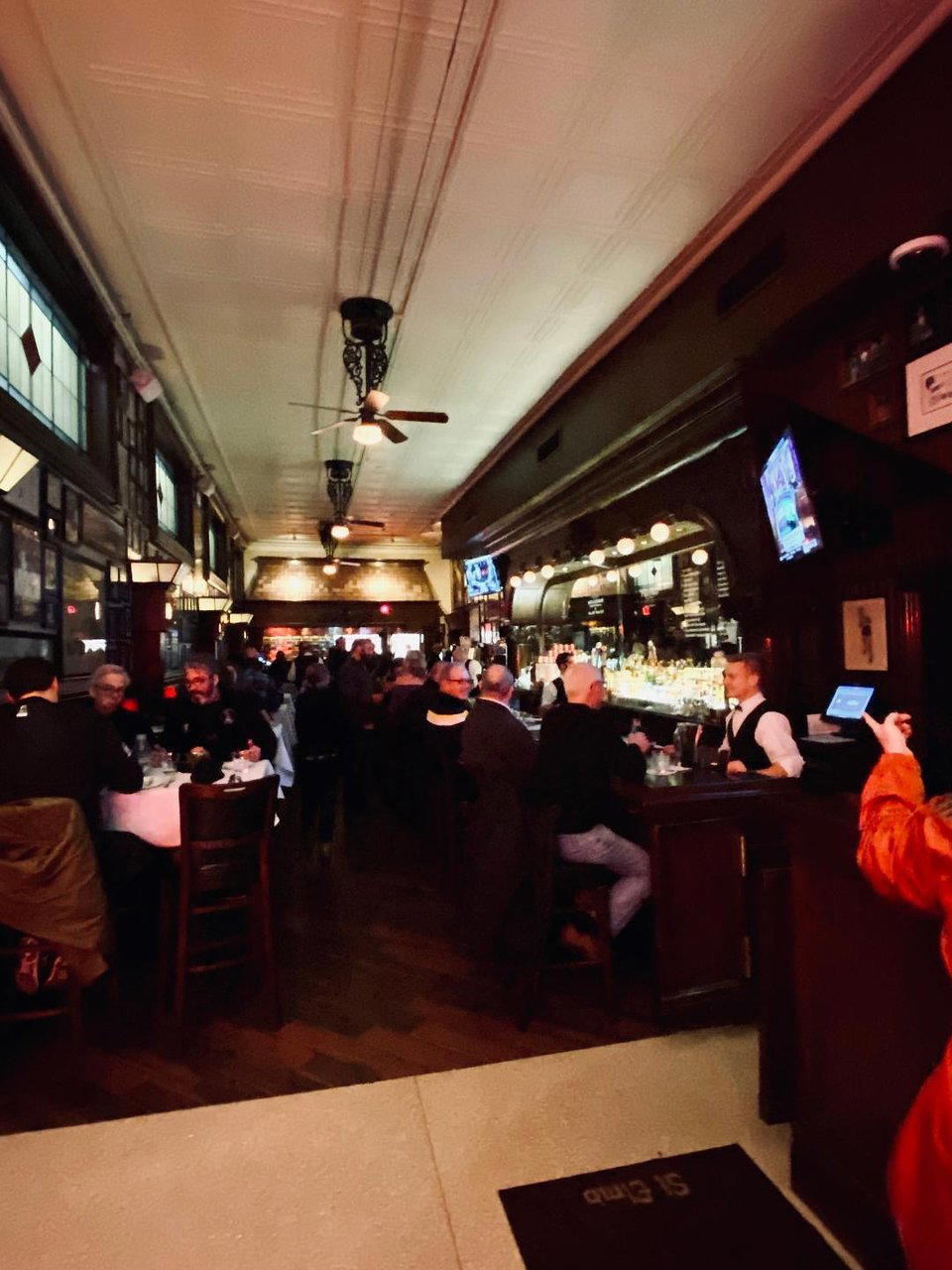
Cozy, no-frills dive-bar charm with shabby, well-worn interior, posters of jazz icons, and an intimate listening room vibe.