


James Beard Award Semi Finalist · Wine Spectator Best of Award of Excellence · OpenTable Top 100 Restaurants
Our verdict
Since 2016, Vida has held a AAA Four Diamond rating and built its reputation on a rotating six-course tasting menu alongside a seasonal à la carte program, both anchored in modern American cooking with produce sourced from local farmers and an in-house hydroponic wall. The wine collection extends into rare spirits territory, placing it in the upper tier of Indianapolis dining rooms.

Pearl is the En Primeur Club membership app, where members save venues, book tables and use the concierge.
Where Indianapolis's Tasting-Menu Tier Takes Shape
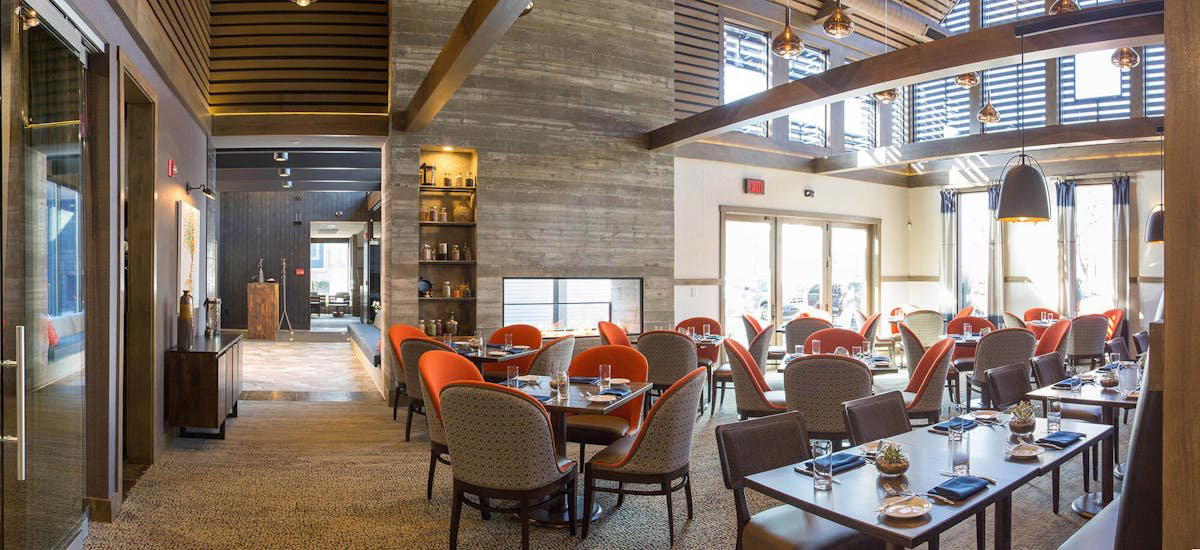
Indianapolis has spent the better part of a decade constructing a serious upper tier of dining, and the city's approach tracks a pattern visible in mid-sized American markets from Louisville to Columbus: a handful of rooms that commit to tasting-menu formats and farm-sourcing programs, operating at price points and formality levels that would once have seemed unsustainable outside coastal cities. Vida, at 601 East New York Street, arrived in 2016 and has held its position in that bracket ever since, backed by a AAA Four Diamond award that places it in the roughly two percent of U.S. restaurants to receive that designation. The building itself orients you before you've touched a menu: the dining room communicates that the kitchen takes its cues from seasonal availability rather than fixed identity, a design philosophy common to modern American rooms that want to signal change without spectacle.
The Atmosphere Before the First Course
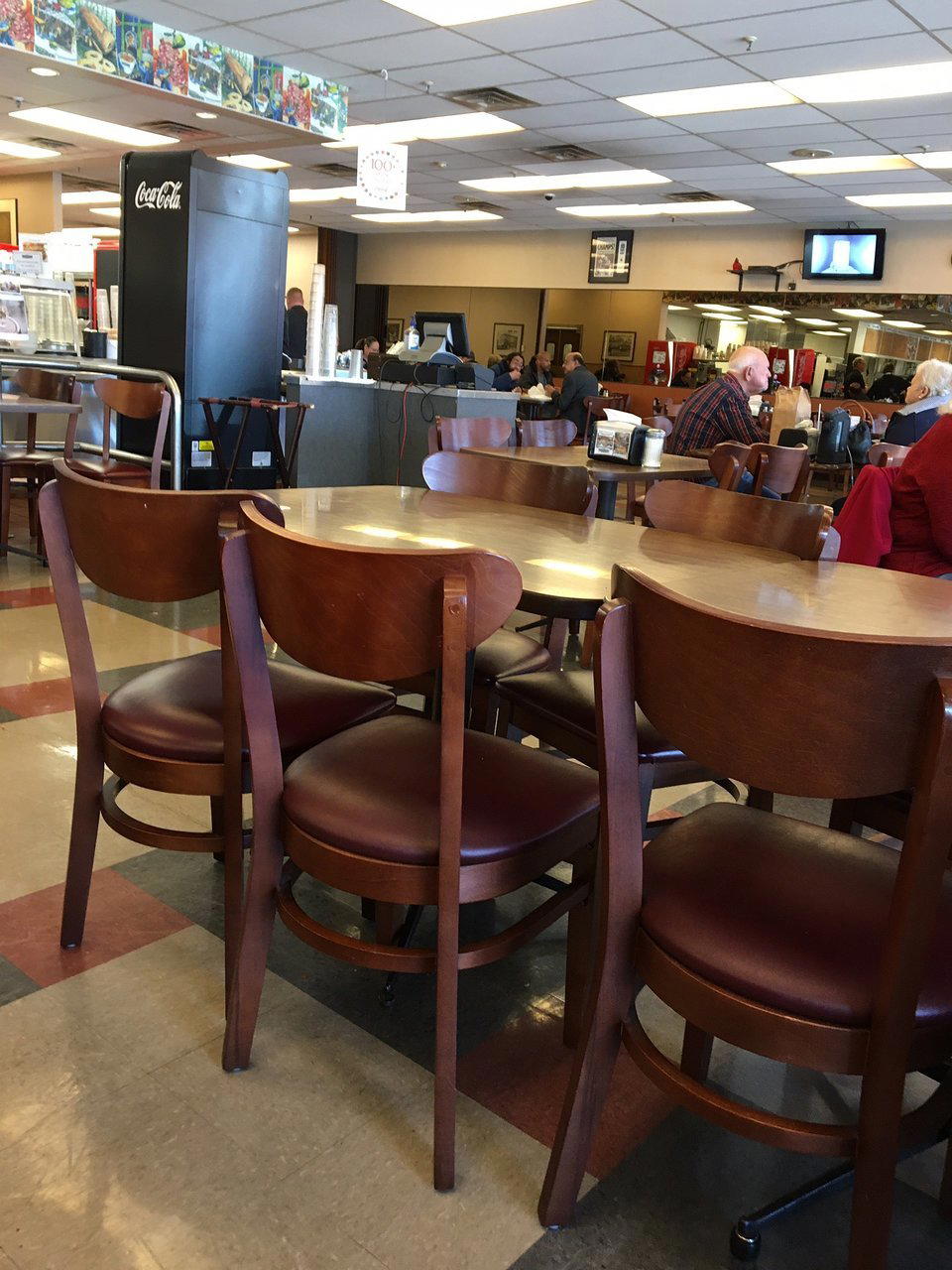
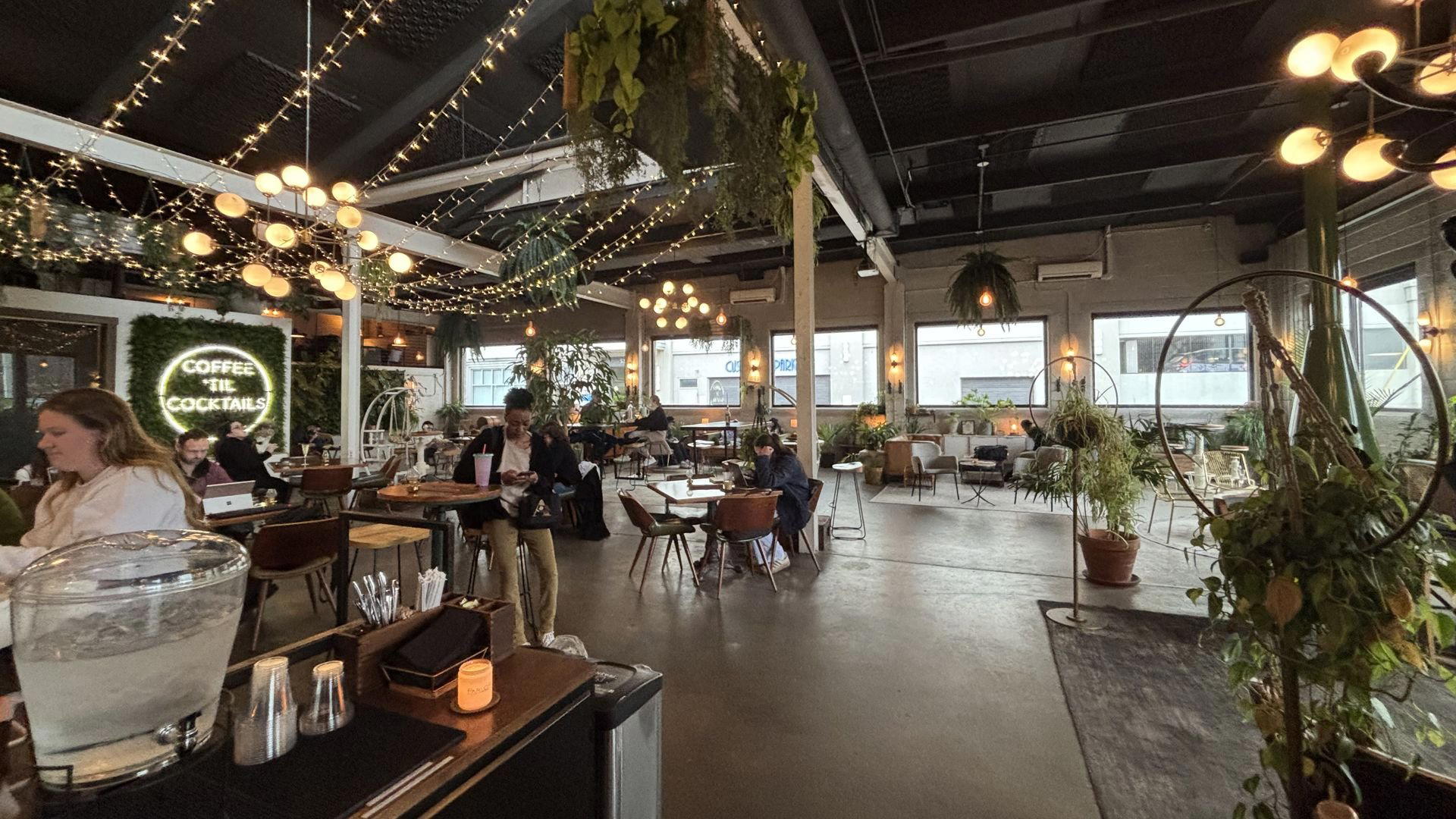
Modern American tasting-menu rooms tend to communicate their register through restraint. The loudest statements are usually structural: exposed materials, lighting calibrated to table-level warmth, the quiet choreography of a floor team that moves with purpose. Vida reads within that tradition. The hydroponic herb and greens wall inside the restaurant functions as both kitchen infrastructure and visual anchor, a live signal that the sourcing chain extends to the walls of the room itself. It is the kind of design choice that appears increasingly across farm-to-table-oriented restaurants in American cities, where the pantry becomes part of the atmosphere rather than something hidden behind a service door. The effect is less decorative than argumentative: the room is telling you something about how the kitchen operates before any dish arrives.
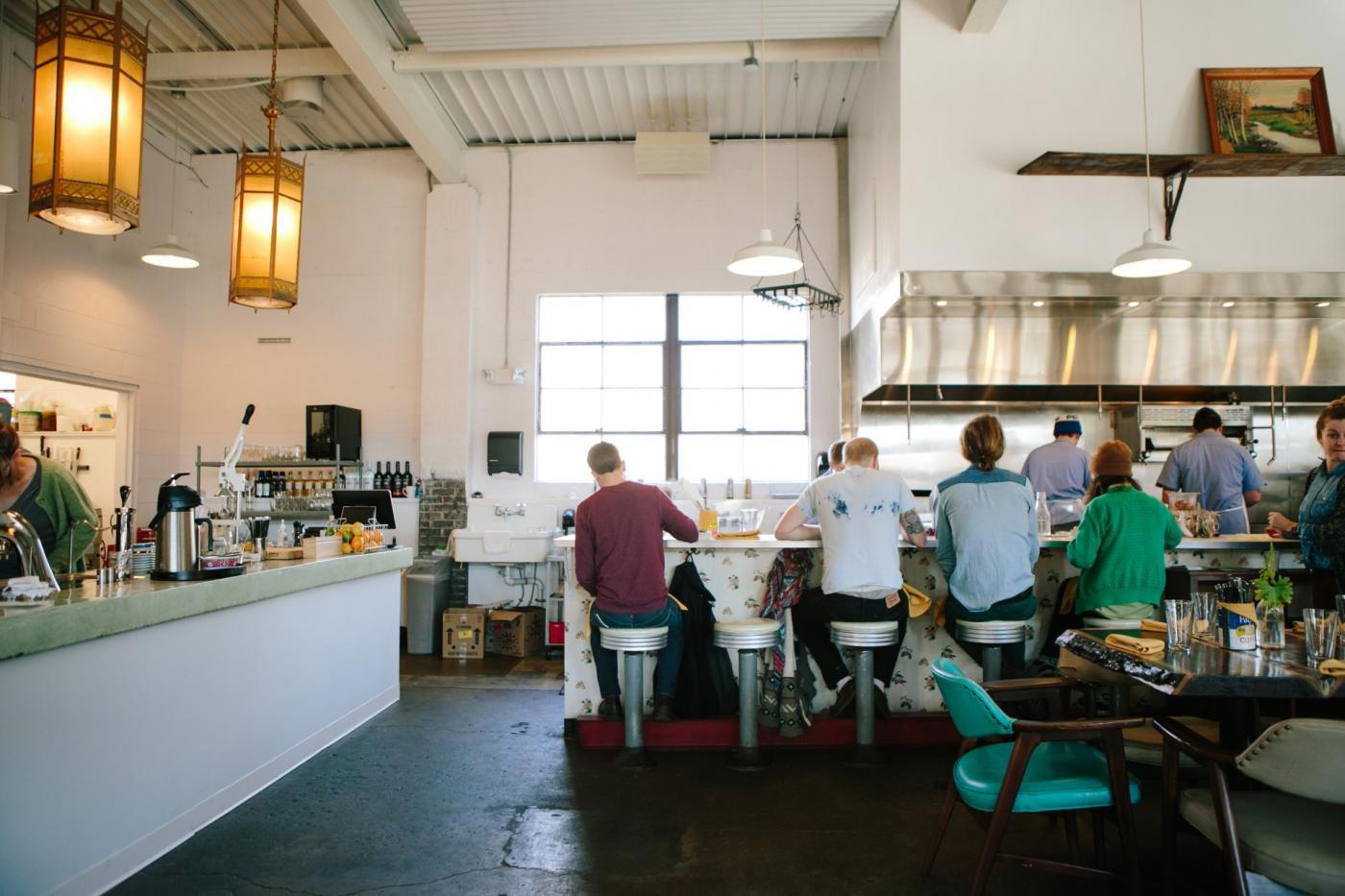
Sound in rooms like this tends toward the conversational rather than the ambient, and the format rewards that. A six-course tasting menu moves at a pace set by the kitchen, which means the table has time between courses for the kind of extended conversation that à la carte dining, with its variable timing, rarely sustains. That cadence is part of what separates the tasting-menu format from more casual dining at Goose the Market or the weekend-morning energy at Milktooth. The pace is slower, more deliberate, and the room is built for it.
The Menu's Architecture: Seasonal à la Carte and a Rotating Six-Course Format
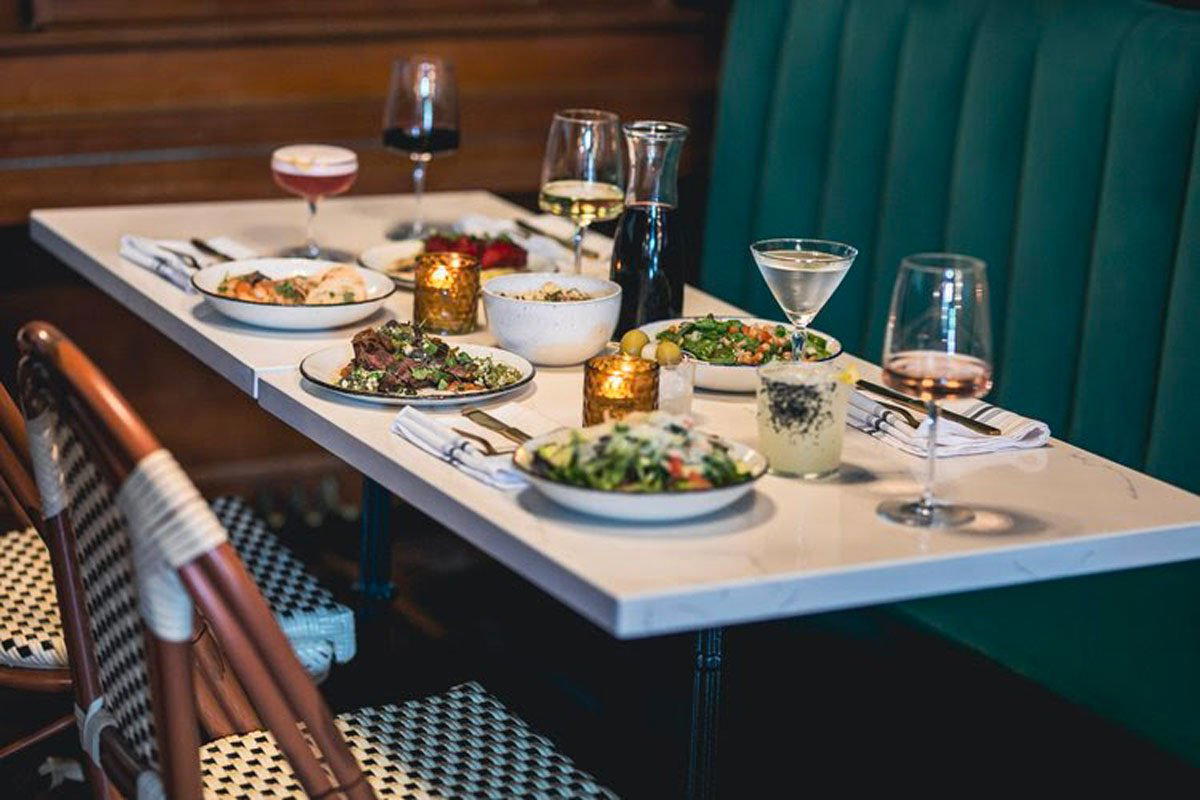
Vida runs two programs in parallel: a seasonal à la carte menu and a rotating six-course tasting menu, both drawing on produce sourced from local Indiana farmers alongside the in-house hydroponic system. That dual structure is a practical accommodation to the realities of dining room economics in a mid-sized market, where a kitchen committed to tasting-menu rigor still needs to capture guests who aren't ready to commit to a full progression. The rotation of the tasting menu ties directly to what's available seasonally, which means the menu in February is built around fundamentally different ingredients than the one in August, and a return visit several months later is a different experience by design rather than by accident.
Modern American cooking in this format typically works across a range of techniques without belonging to any single tradition, drawing on whatever produces the most clarity at a given price and season. The wine program at Vida extends into rare spirits, which is less common at this tier and suggests a beverage team operating with more range than the usual list-heavy format. For context on how tasting-menu wine pairing operates at the furthest end of the American market, the programs at The French Laundry in Napa, Single Thread Farm in Healdsburg, and Lazy Bear in San Francisco all treat the beverage program as a structural component rather than an add-on. Vida's emphasis on rare spirits alongside its wine collection positions it closer to that philosophy than to the standard wine-list model.
Vida in Indianapolis's Dining Context
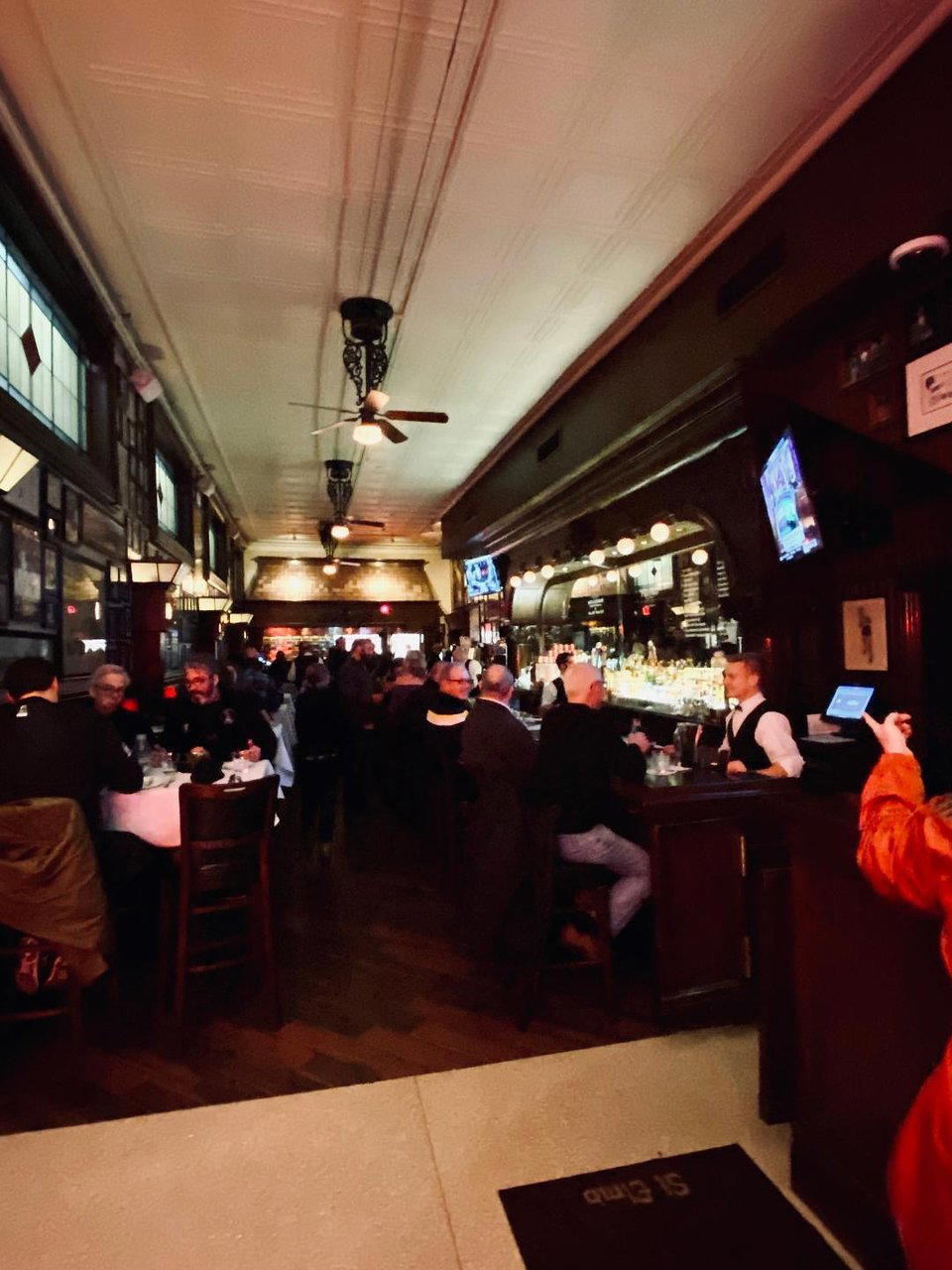
Indianapolis's restaurant identity has traditionally organized around institutions: St. Elmo Steak House anchors the city's steakhouse heritage and has done so for over a century, while Shapiro's Delicatessen represents a different strand of the city's culinary history entirely. The tasting-menu tier to which Vida belongs is a newer construction, one that positions the city in a different conversation. The Four Diamond award since 2016 provides the clearest external benchmark: at that level, Vida sits alongside rooms nationally that have made sustained commitments to service, kitchen consistency, and the kind of wine program that requires active curation rather than passive re-ordering. The Fountain Room represents another point in the city's upscale dining map, and the two operate at different registers, serving a market that has developed enough demand to support multiple approaches at the premium tier.
For reference points at the national level, the tasting-menu format that Vida works within has counterparts across the country, from Alinea in Chicago, which operates with a very different level of theatrical scale, to Atomix in New York City, where the tasting-menu structure reflects a completely different culinary tradition. What connects them is the commitment to a kitchen-driven progression rather than a guest-driven order. At the international level, Le Bernardin in New York City and 8 1/2 Otto e Mezzo Bombana in Hong Kong represent what sustained Four Diamond-equivalent recognition looks like with decades of history behind it. Vida, operating since 2016, is building toward that kind of accumulated record in a market where the infrastructure for it is still relatively young. Emeril's in New Orleans offers another point of comparison: a chef-driven room that became central to its city's upper dining tier over time.
Planning a Visit
Vida sits at 601 East New York Street in Indianapolis, in a part of the city with accessible parking and reasonable proximity to downtown hotel options. For anyone planning an Indianapolis trip around a serious dinner, the tasting-menu format rewards advance booking, particularly for the six-course progression, where the kitchen needs to plan quantities by cover count rather than by order. The combination of à la carte and tasting menu means the room accommodates different levels of commitment on a given evening, though the full progression is the more considered way to engage with what the kitchen is building around a season. The wine and spirits program benefits from a conversation with the floor team, particularly given the rare spirits component, which is not standard at this price tier and rewards guests who ask about it directly.
For a broader view of where Vida sits within the city's dining, drinking, and hotel options, see our full Indianapolis restaurants guide, our full Indianapolis hotels guide, our full Indianapolis bars guide, our full Indianapolis wineries guide, and our full Indianapolis experiences guide.
Frequently asked questions
Is Vida okay with children?
Vida's format, a rotating six-course tasting menu alongside a seasonal à la carte program, skews toward adult dining occasions. The AAA Four Diamond designation signals a formal service register that works best with older children who are comfortable at a measured pace. Families with young children typically find the tasting menu format less practical here than at casual Indianapolis alternatives.
What's the vibe at Vida?
Vida operates at the considered, restrained end of Indianapolis dining: a room built around a serious wine collection, rare spirits, and produce sourced from local farms and an in-house hydroponic wall. The AAA Four Diamond award, held since 2016, reflects a service standard that is attentive without being stiff. It reads as a destination for deliberate meals rather than spontaneous drop-ins.
What kind of recognition has Vida received?
Vida has received recognition including: Since 2016, Vida has earned critical acclaim, including AAA's Four Diamond award. It features a seasonal à la carte menu and a rotating six-course tasting menu, showcasing modern American cuisine with fresh ingredients from local farmers an….
What do people recommend at Vida?
The rotating six-course tasting menu draws the most attention, given that it changes to reflect what local Indiana farms and the in-house hydroponic wall are producing each season. The à la carte menu offers an accessible entry point for those who want to explore the kitchen's approach without committing to the full format. The wine program, built around an extensive curated collection, is consistently flagged as a strength alongside the food.
Peers in This Market
| Venue | Cuisine | Price | Awards | Notes |
|---|---|---|---|---|
| VidaThis venue (the venue you are viewing) | Modern American Fine Dining | Not listed | James Beard Award Semi Finalist · Wine Spectator Best of Award of Excellence | Not listed |
| Goose the Market | Gourmet Deli Sandwiches | $20–30 | Not listed | Tapas Bar-Barbecue |
| Milktooth | Modern American Breakfast & Brunch | $30–50 | Not listed | American |
| Shapiro’s Delicatessen | Classic Jewish Deli | $20–30 | Not listed | Jewish Delicatessen |
| St. Elmo Steak House | Classic American Steakhouse | $50–100 | Wine Spectator Best of Award of Excellence | Steakhouse |
| The Fountain Room | Retro American Supper Club Steakhouse | $50–100 | Wine Spectator Award of Excellence | Not listed |
Recognition history
Dated appearances from independent guides and award organizations, with the underlying list record or original source where available.
James Beard Award Semi Finalist
James Beard Award
Wine Spectator Best of Award of Excellence
Wine Spectator
OpenTable Top 100 Restaurants
OpenTable
Continue exploring
More in Indianapolis
Restaurants in Indianapolis
All restaurants in Indianapolis →



Vida
The wine
Vida holds the Wine Spectator Best of Award of Excellence, which Wine Spectator gives to lists of usually 350 or more selections.
- Wine program
- Deep wine list
- Wine Spectator
- Wine Spectator Best of Award of Excellence
- Extensive wine list
- Craft cocktails
Details
- Elegant
- Modern
- Cozy
- Sophisticated
- Intimate
- Date Night
- Special Occasion
- Celebration
- Open Kitchen
- Extensive Wine List
- Craft Cocktails
- Local Sourcing
- Farm To Table
Current opening hours
- Monday
- Closed
- Tuesday
- 5–10 PM
- Wednesday
- 5–10 PM
- Thursday
- 5–10 PM
- Friday
- 5–10 PM
- Saturday
- 5–10 PM
- Sunday
- Closed
Hours can change for holidays and private events. Last verified .
Elegant and modern with a cozy, welcoming vibe featuring an open kitchen and herb wall garden, warm lighting, and comfortable spacing.