Aberdeen Social House
Our verdict
Aberdeen Social House occupies the north Indianapolis corridor at 96th Street, positioning itself within a dining scene that increasingly rewards casual-premium formats over fine-dining formality. The room draws a neighborhood crowd that expects quality sourcing without ceremony, placing it alongside a local tier of socially-oriented dining rooms where the drink program carries as much weight as the kitchen.

Pearl is the En Primeur Club membership app, where members save venues, book tables and use the concierge.
The menu
What to order
- Wagyu Pierogis
- Lobster Gnudi
- Chorizo Empanada
- Piggy Bao Buns
- Seafood Grits
- Smoked Salmon Deviled Eggs
Where the North Side Settles In
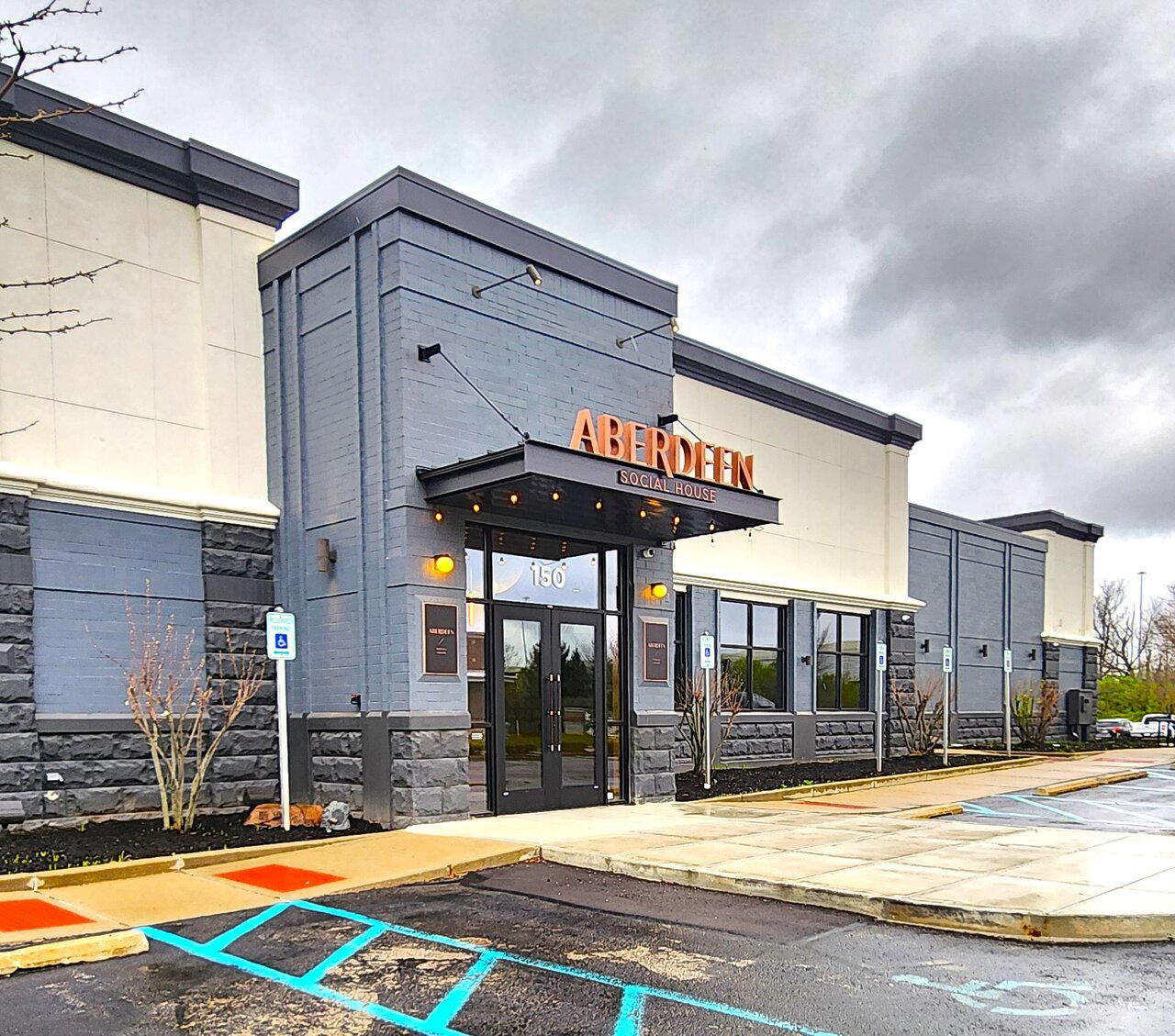
The stretch of 96th Street running through the north Indianapolis suburbs tells you something about how American neighborhood dining has shifted. The area is not a destination quarter in the way Mass Ave or Broad Ripple position themselves; it functions instead as a residential catchment where the expectation is comfort calibrated upward. Aberdeen Social House, at 150 W 96th Street, sits squarely in that register. The approach is not white-tablecloth formality and it is not fast-casual either. It occupies the middle ground that has proven most durable in mid-sized American cities: a room designed to be revisited weekly, where the sourcing quality keeps the food interesting without requiring the occasion-dining commitment.
That positioning matters because Indianapolis has been quietly building a more sophisticated version of exactly this format. Venues across the city have moved away from the undifferentiated bar-and-grill model toward something more considered, where provenance language appears on menus and the drinks list reflects regional producer relationships rather than national distributor defaults. Aberdeen Social House reads as part of that broader north-side expression of this trend, less visible than the downtown clusters but arguably more integrated into the daily rhythm of how the city actually eats.
The Sourcing Logic Behind Social Dining
American social-house formats have historically struggled with ingredient credibility. The category name implies conviviality rather than culinary seriousness, which has allowed many operators to treat procurement as secondary to atmosphere. The shift in the past decade, visible at farm-to-counter programs from Blue Hill at Stone Barns in Tarrytown at the extreme specialist end, down through mid-market casual venues, is that sourcing has become a differentiator even in the social-dining tier. Diners in residential neighborhoods increasingly ask the same questions about origin that were once reserved for tasting-menu rooms.
In Indianapolis specifically, the shift is traceable through venues operating at different price points and levels of formality. Beholder on the near-east side has demonstrated that hyper-local sourcing can anchor a full dining program. Goose the Market built its identity on direct producer relationships years before that language became standard. What venues in the social-house format are now navigating is how to translate those supply-chain principles into a room where the primary social function, gathering over food and drink, cannot be subordinated to the sourcing story. The food has to carry its own weight in the experience without the sourcing narrative doing all the heavy lifting.
Aberdeen Social House's north-side address situates it within a demographic that is receptive to quality signals without requiring chef-biography theatre to validate them. The neighborhood consumer at this end of Indianapolis tends to eat out frequently, tracks quality incrementally across multiple visits, and is more loyal to format than to novelty. That is an audience that rewards consistent sourcing discipline over menu experimentation.
Indianapolis at the Casual-Premium Intersection
Understanding where Aberdeen Social House competes requires a sense of how Indianapolis has organized its dining geography. The city does not have a single dominant fine-dining district. Instead, premium and near-premium dining distributes across neighborhoods, with Mass Ave carrying arts-district energy, Fountain Square leaning independent and eclectic, and the north-side corridors absorbing the bulk of suburban dining demand. That suburban demand, historically satisfied by national chains and replicated formats, has increasingly fragmented toward locally-operated rooms that can offer something the chains cannot: specificity of place and product.
At the high end of the Indianapolis spectrum, Ambrosia holds a different tier, as does Balena Cucina Italiana, which operates within the Italian-American fine-casual space. Bakersfield Mass Ave handles the social-dining-with-drink-program format at the downtown-adjacent level. What distinguishes north-side operations from these downtown or near-downtown anchors is the operating logic: lower foot-traffic volatility, more predictable weekly covers, and a customer base that values reliability. The social-house format is well-matched to those conditions.
Nationally, the casual-premium dining category has been pressure-tested. Formats that lean on atmosphere without kitchen credibility tend to thin out within three to five years. Those that build a sourcing identity, even a modest one grounded in regional relationships rather than hyperlocal heroics, tend to retain a core following. Operations like Smyth in Chicago or Single Thread Farm in Healdsburg represent the ceiling of this sourcing-forward logic, but the principles filter down into every tier of the market over time.
The Drink Program as Anchor
In the social-house format, the bar program is rarely secondary. Nationally, the bar has become the economic and experiential anchor for this dining category. Venues that invested in credible cocktail and local-draft programs during the last decade discovered that the bar traffic subsidizes kitchen quality, extending the range of sourcing investment the kitchen can make. In Indianapolis, that dynamic is visible across venues, from the craft-beer-led identity at Goose the Market to the more cocktail-forward postures at Mass Ave addresses.
At 96th Street, the north-side bar consumer is not searching for the technical precision of a craft cocktail program in the style of what New York venues aligned with Atomix or Le Bernardin in New York City demonstrate at the top of their respective categories. The expectation is more accessible: consistent execution, reasonable regional beer selection, and a spirits list that reflects some knowledge of the category. Social-house formats that deliver this reliably build the repeat-visit loyalty that sustains them through slower periods.
Planning a Visit
Aberdeen Social House operates at 150 W 96th Street in Indianapolis, placing it conveniently for residents of the north-side suburbs and within a reasonable drive from the broader metro area. For those consulting our full Indianapolis restaurants guide, the venue sits in a different geographic and tonal register from downtown anchors like ATHENS ON 86th, which also operates in the north corridor and draws a comparable neighborhood audience. Booking details, current hours, and menu specifics are best confirmed directly with the venue, as these shift with season and demand. The format is social by design, meaning it accommodates groups without the advance-planning requirements of a tasting-menu room.
Frequently asked questions
Where exactly is Aberdeen Social House?
Aberdeen Social House is located at 150 W 96th St, Indianapolis, IN 46260, Indianapolis.
Is Aberdeen Social House a good option for groups dining on Indianapolis's north side?
The social-house format at 150 W 96th Street in Indianapolis is structurally built around group dynamics, with bar-anchored layouts and shared-plate service that suit larger parties better than a conventional sit-down restaurant. North Indianapolis has limited full-service group dining options at the casual-premium tier, which positions Aberdeen Social House as a practical choice for that specific need. For large group reservations or private arrangements, reaching out to the venue in advance is recommended.
How hard is it to get a table at Aberdeen Social House?
Aberdeen Social House sits on a well-trafficked north Indianapolis corridor that draws suburb residents and office-area traffic, which means peak evenings can fill quickly without a reservation. No formal booking wait data has been published for this location. Contacting the venue directly ahead of a visit is advisable, particularly on weekends.
In Context: Similar Options
Comparable venues nearby, for context on price, style, and recognition.
| Venue | Cuisine | Price | Awards | Notes |
|---|---|---|---|---|
| Aberdeen Social HouseThis venue (the venue you are viewing) | Global Fusion with Contemporary American | Not listed | Not listed | Not listed |
| Beholder | World-Inspired Modern Cuisine | $50–100 | James Beard Award Semi Finalist | Indy East |
| Tony's of Indianapolis | Modern Steakhouse with Seafood and Italian Influences | $50–100 | Not listed | Canal Walk District |
| Capri Ristorante | Classic Italian Trattoria | $30–50 | Not listed | Washington |
| Modita | Asian Fusion with Robata Grill | $30–50 | Not listed | Mass Ave |
| St. Elmo Steak House | Classic American Steakhouse | $50–100 | Wine Spectator Best of Award of Excellence | Wholesale District |
Continue exploring
More in Indianapolis
Restaurants in Indianapolis
All restaurants in Indianapolis →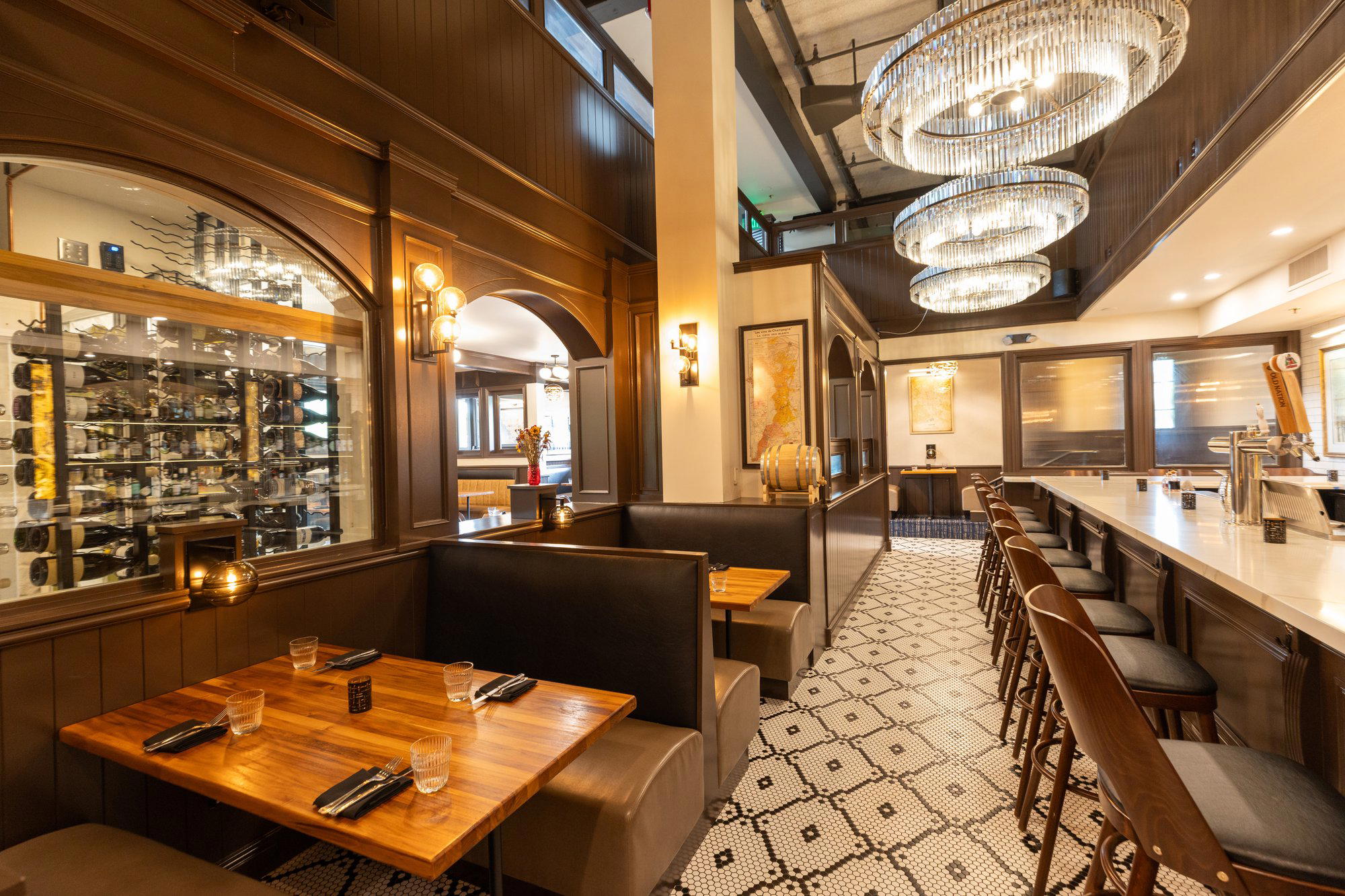
Details
- Modern
- Elegant
- Sophisticated
- Lively
- Date Night
- Business Dinner
- Group Dining
- Celebration
- Casual Hangout
- Standalone
- Design Destination
- Craft Cocktails
- A La Carte
- Small Plates
- Craft Cocktails
- Wine
Current opening hours
- Monday
- 11 AM–9 PM
- Tuesday
- 11 AM–9 PM
- Wednesday
- 11 AM–9 PM
- Thursday
- 11 AM–9 PM
- Friday
- 11 AM–9:30 PM
- Saturday
- 11 AM–9:30 PM
- Sunday
- 11 AM–8 PM
Hours can change for holidays and private events. Last verified .
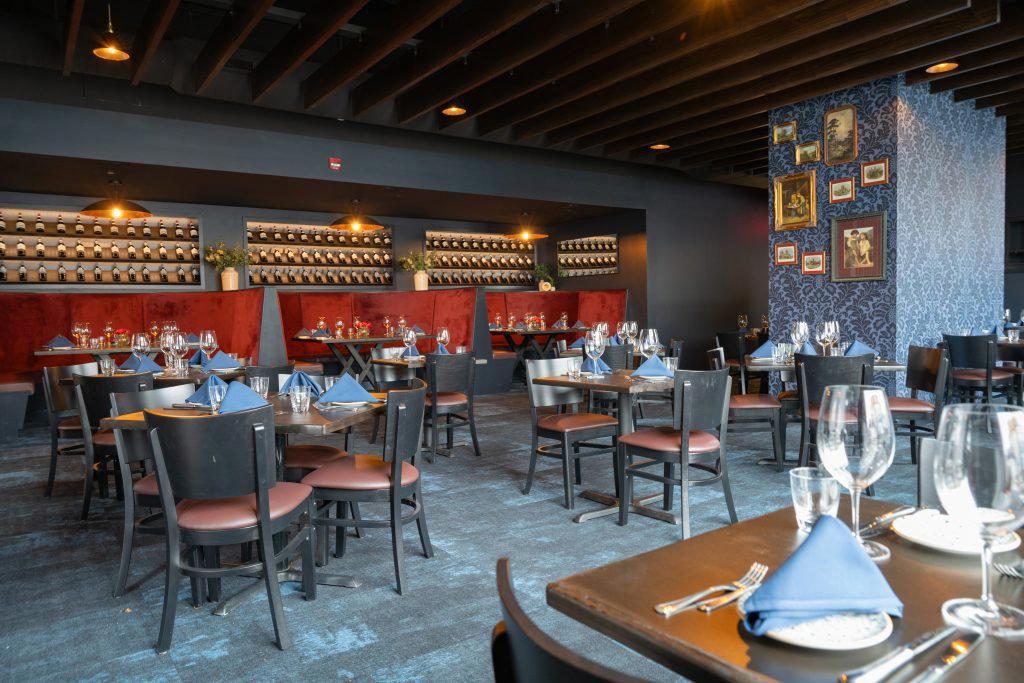
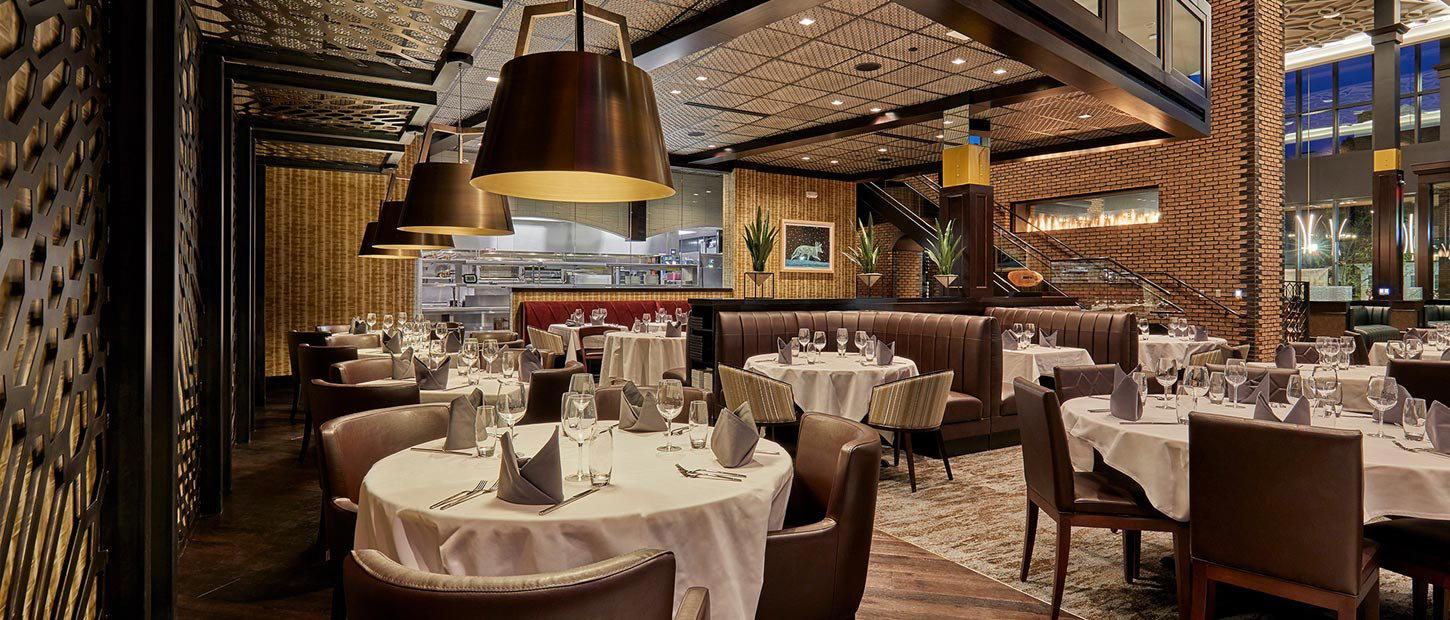
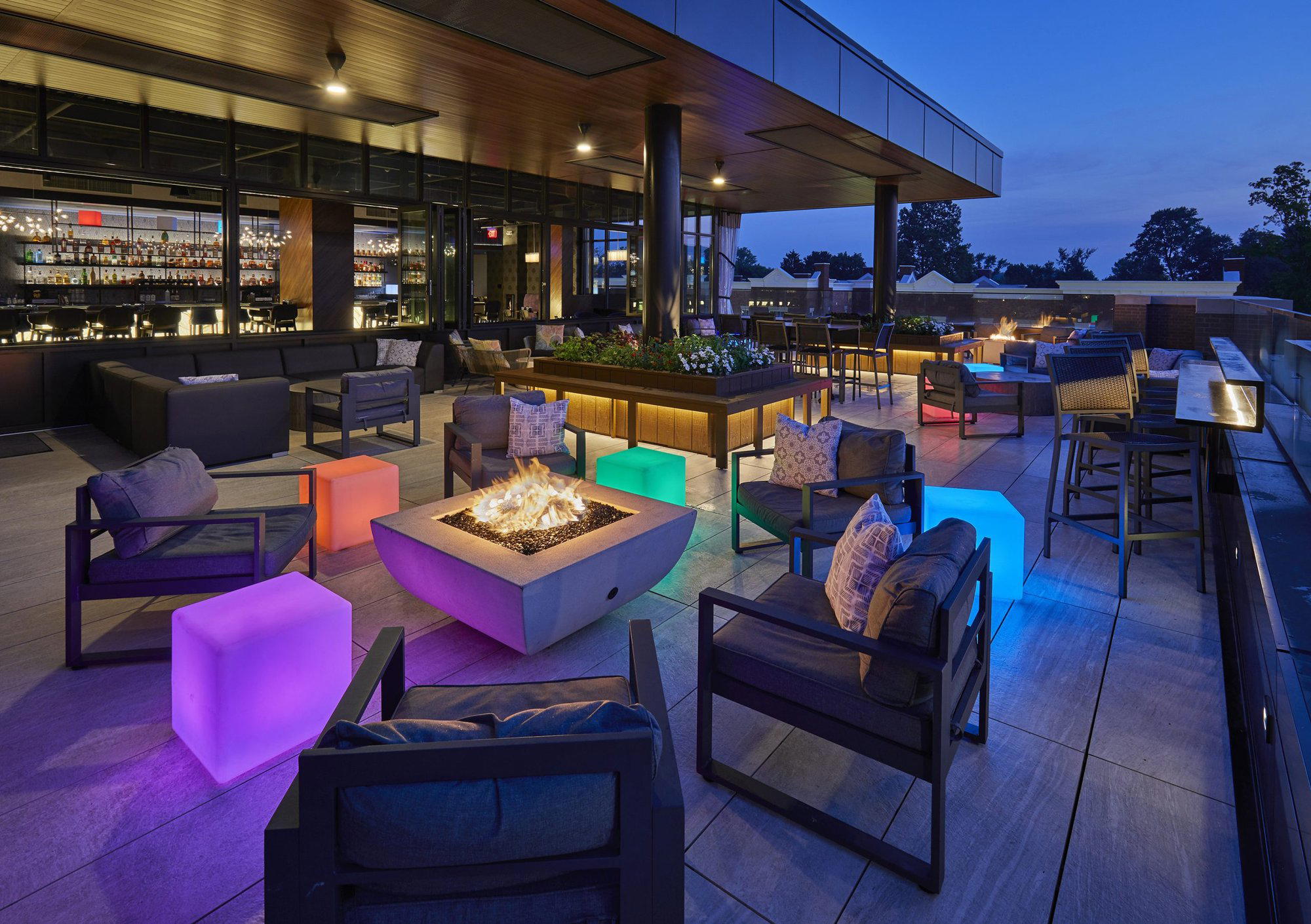
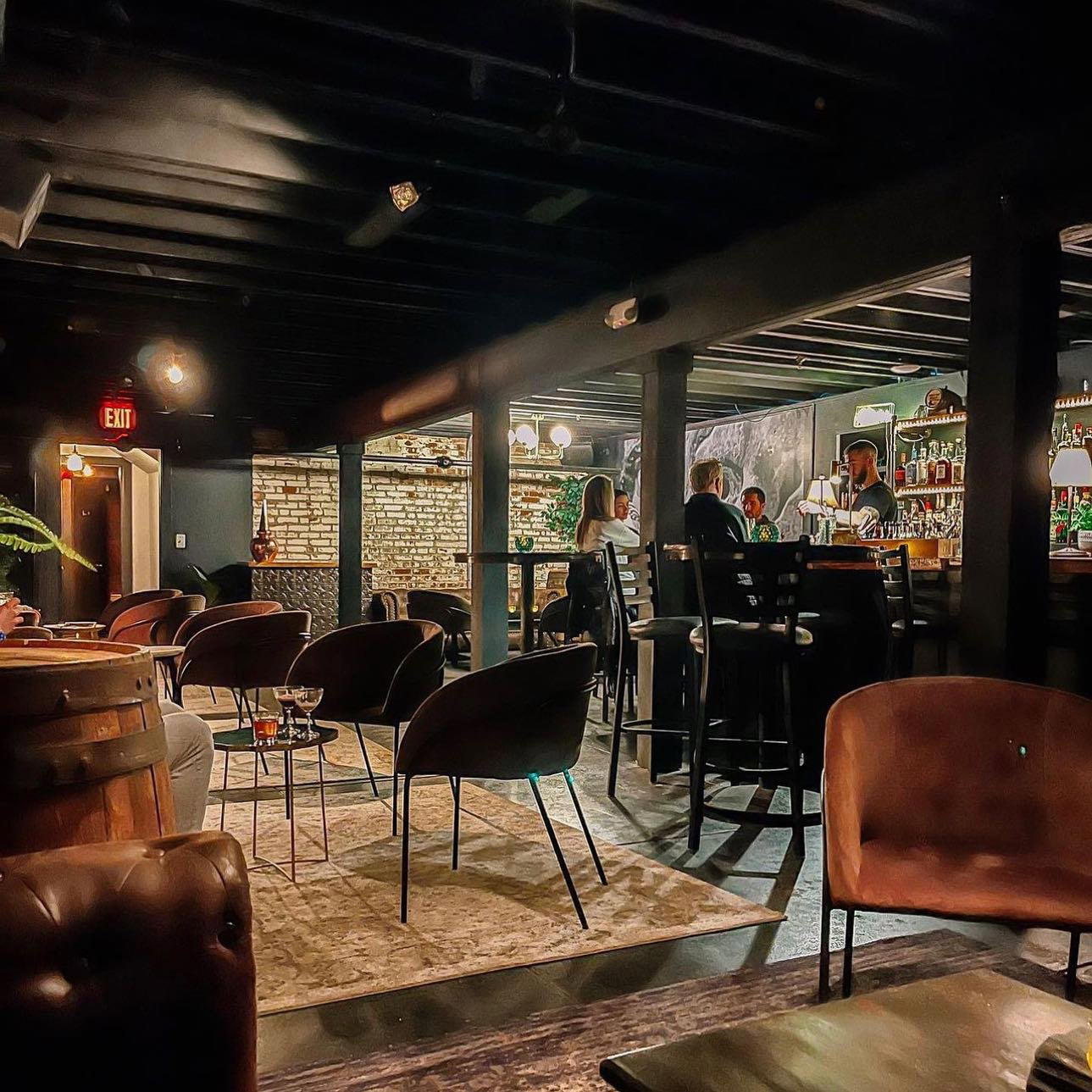
Inviting and classy interior with a lively, welcoming atmosphere designed for connection and polished dining experience.