InterContinental Indianapolis


On the north edge of downtown Indianapolis's Monument Circle district, InterContinental Indianapolis operates at the intersection of full-service convention infrastructure and a wine program serious enough to earn Star Wine List recognition in 2026. The address at 17 West Market Street places guests within walking distance of the city's civic core, with Forbes Travel Guide currently evaluating the property for a formal Star Rating.
Pearl is the En Primeur Club membership app — saves, bookings, and concierge access live there. Same editors, same standards.
- Address
- 17 West Market Street
- Phone
- 463-303-0300
- Website
- ihg.com
- Directions
- Get directions
 Saves & bookings on Pearl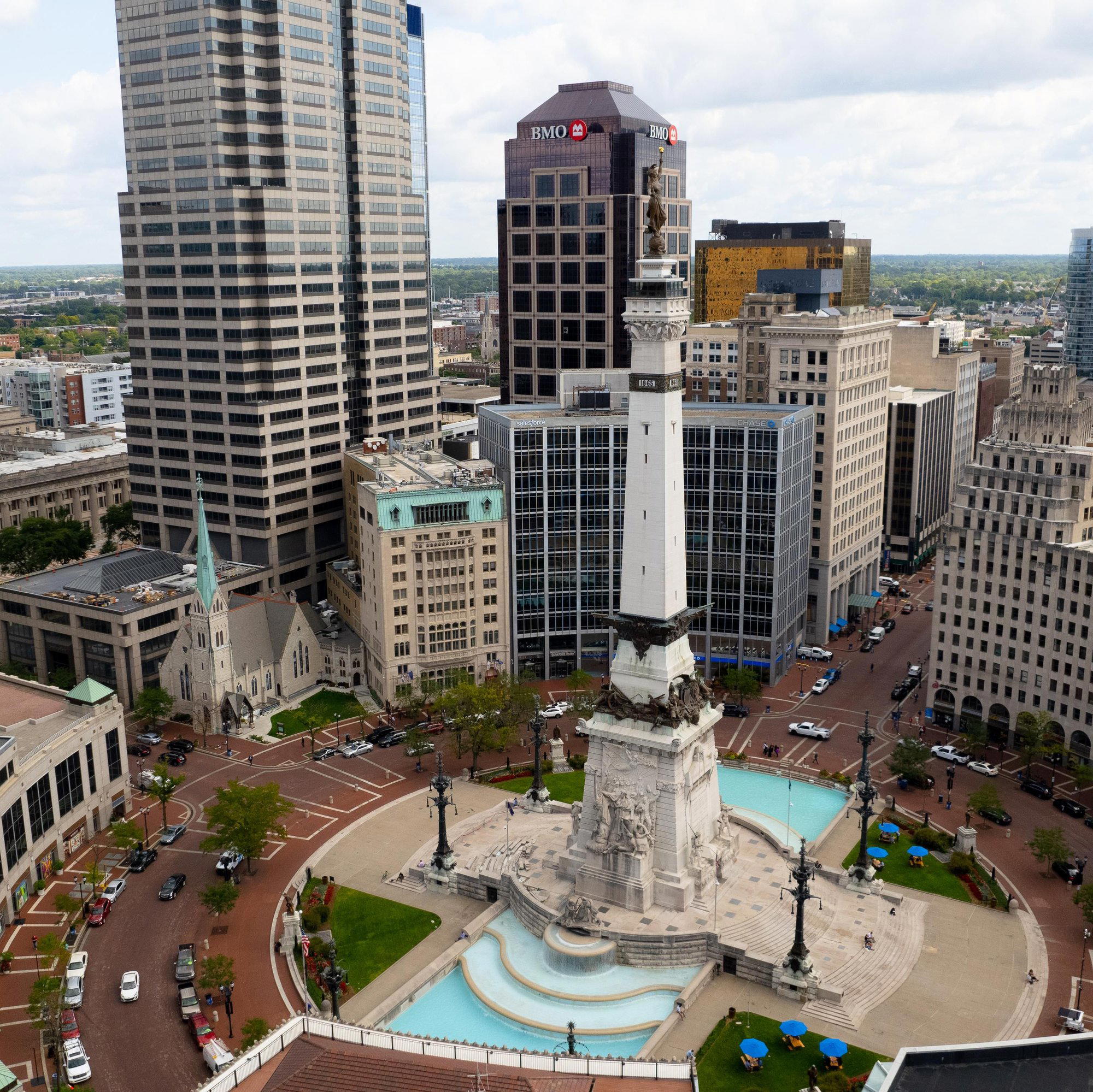
A Downtown Address That Does the Work
Market Street in downtown Indianapolis runs straight through the civic backbone of the city. The Indiana Statehouse sits a few blocks west, Lucas Oil Stadium anchors the southern skyline, and the Indiana Convention Center connects directly to the hotel's block. For a property carrying the InterContinental name, the location at 17 West Market Street is less a coincidence than a structural argument: this is a hotel built to absorb the full range of what a mid-sized American city demands from its premium accommodation, from the solo business traveler to the large-scale conference. That range is exactly where full-service urban hotels live or die, and the address here does considerable legwork before a guest even enters the lobby.
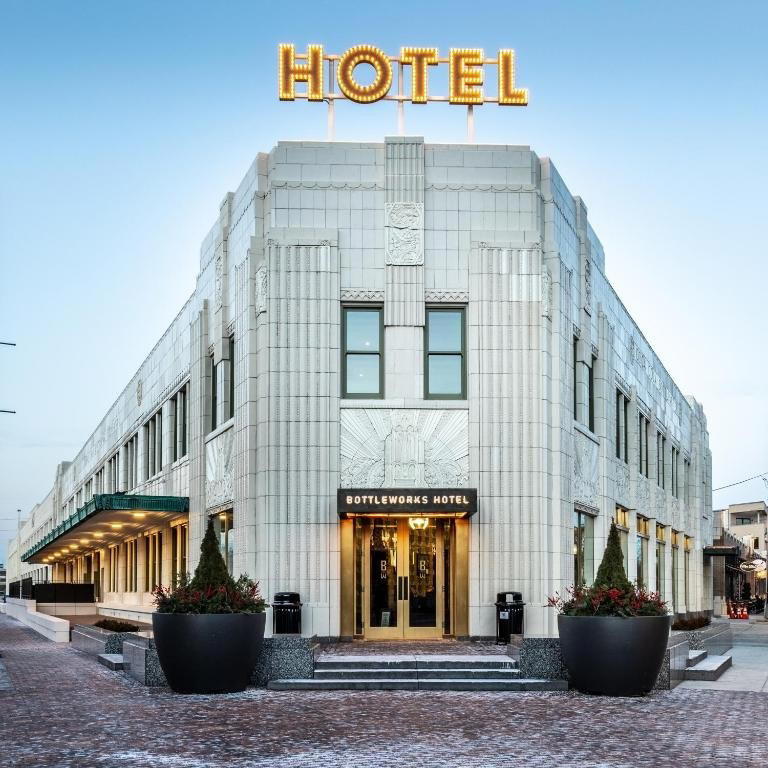
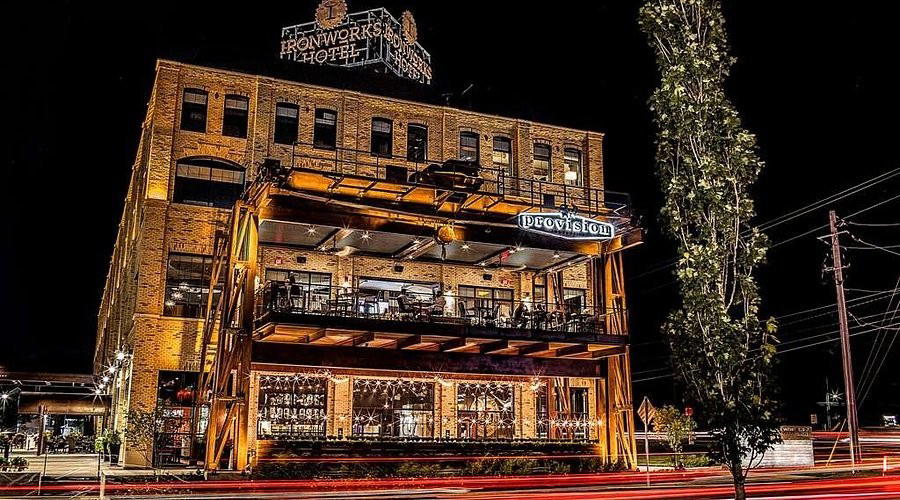
Indianapolis's downtown hotel market has developed meaningfully over the past decade. The Conrad Indianapolis holds the luxury flag at Illinois Street, while design-forward independents like the Bottleworks Hotel Indianapolis and the Ironworks Hotel Indy have carved out distinct positions in the adaptive-reuse tier. The InterContinental operates in a different competitive register, one that prioritizes connectivity to the convention infrastructure and breadth of service over boutique differentiation. That is a deliberate strategic position, not a limitation, and it shapes everything from the room configuration to the staffing ratios.
The Guest Experience as Architecture
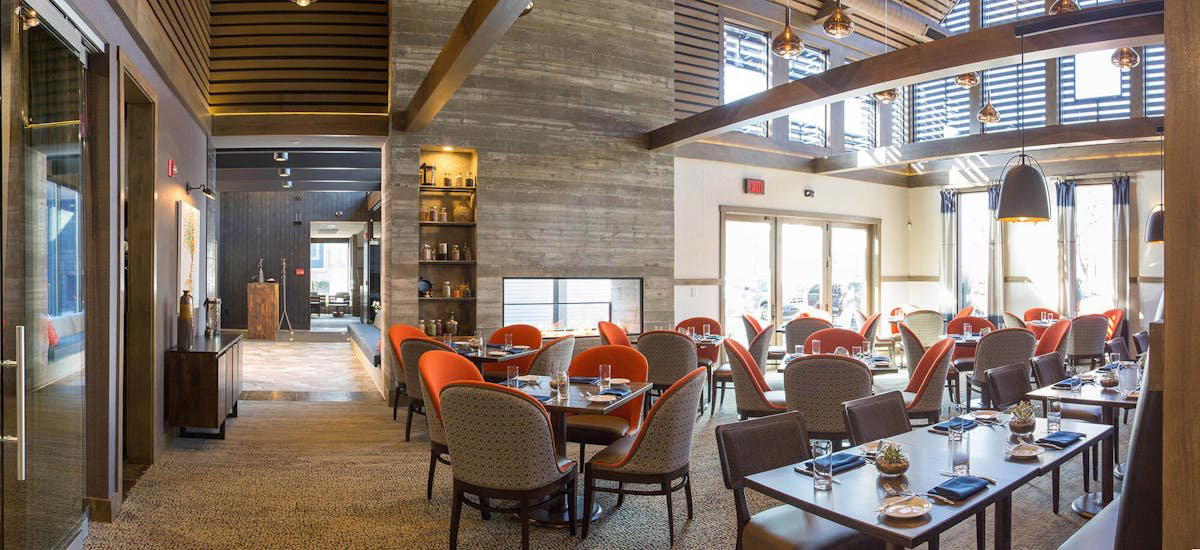
Full-service urban hotels at this tier compete primarily on service reliability and consistency. The physical environment at a property like this tends to reflect that priority: lobbies designed for legibility, corridors easy to orient within, meeting rooms that convert quickly. The service model that runs beneath the surface is, in many ways, more consequential than the design choices. IHG's flagship brand, InterContinental, sets expectations around anticipatory service culture, staff trained to read itinerary patterns, guest history recalled and applied, check-in frictionless enough that the transition from street to room feels managed rather than processed.
At properties in this chain tier operating in convention-heavy markets, the service pressure concentrates at predictable friction points: group checkout waves, event-adjacent meal rushes, the 48-hour compression of a major conference. How well a hotel's staff culture handles those peaks tells you more about the actual guest experience than any description of the standard rooms. The InterContinental brand standard here implies training depth and management oversight commensurate with a flagship positioning, though
A Wine Program Worth Noting
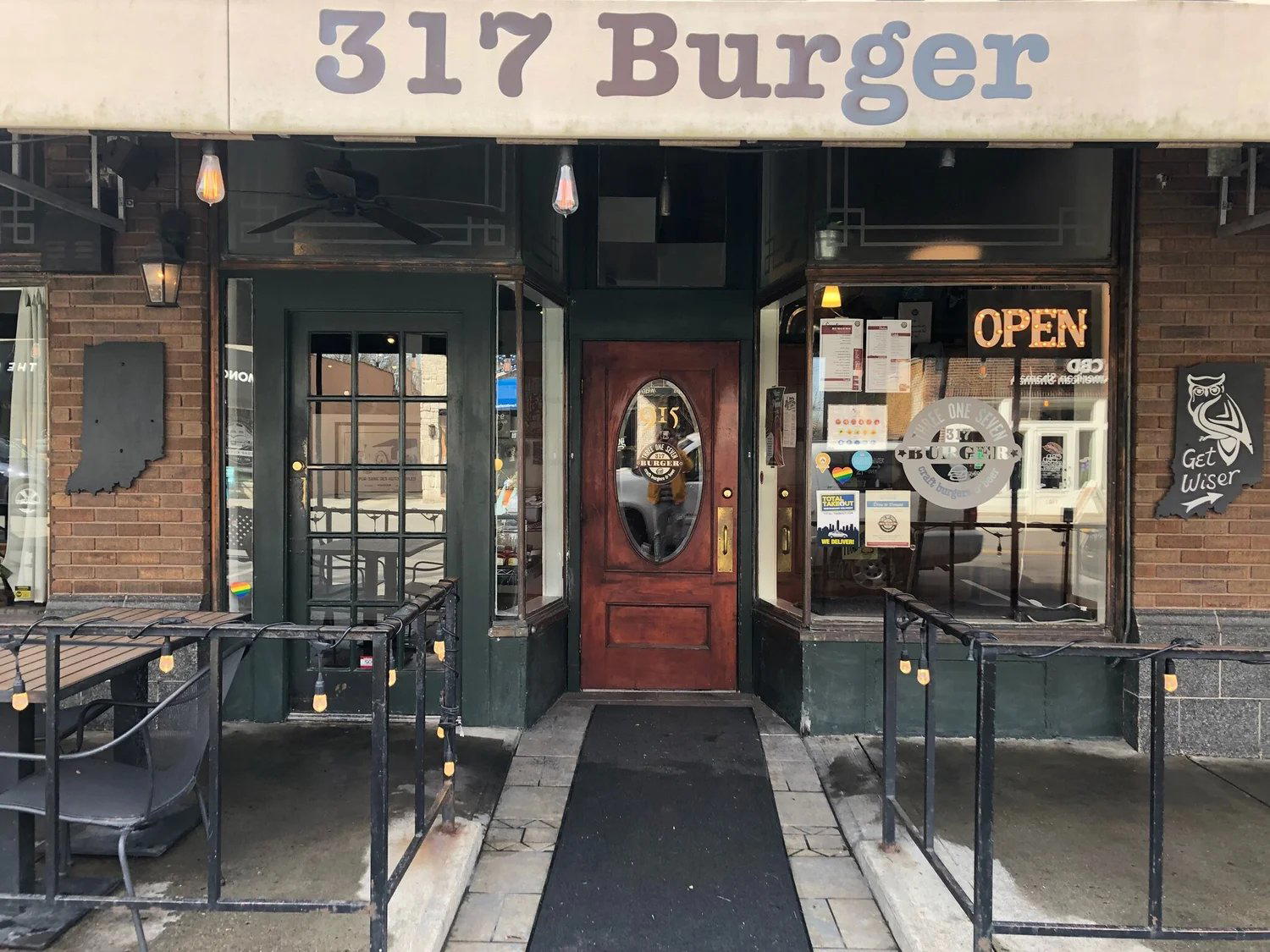
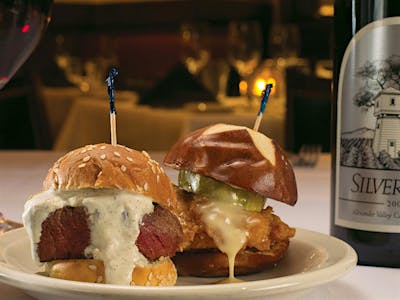
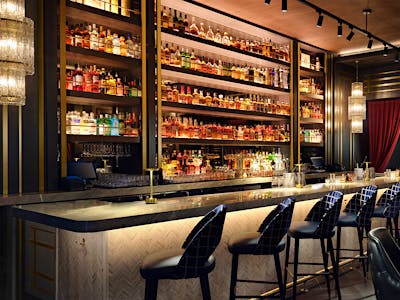
The concrete credential on the record for this property is the Star Wine List recognition earned in 2026. Star Wine List, the specialist platform that audits beverage programs across hospitality venues globally, does not distribute recognition casually. A listing at this level indicates a wine program with meaningful depth, considered selection, and presentation that goes beyond the minimum expected of a hotel bar or restaurant. In the context of Indianapolis's food and beverage scene, where venues like 317 Burger represent the more casual end of the market, a wine program built to a standard that attracts this kind of specialist recognition places the InterContinental's beverage offering in a distinct tier locally.
For guests whose travel is shaped by wine access, this is a meaningful data point. Convention hotels are not typically where serious wine programs develop, which is precisely what makes the Star Wine List recognition here worth flagging.
Positioning Relative to the Broader Market
Understanding what the InterContinental Indianapolis is requires understanding what it is not trying to be. It is not a design-led independent with a story to tell about adaptive reuse or local materiality. It is not a wellness retreat or a rural escape. The properties that occupy those niches elsewhere, Amangiri in Canyon Point, Post Ranch Inn in Big Sur, Sage Lodge in Pray, or Canyon Ranch Tucson in Tucson, operate on a fundamentally different premise. The InterContinental is a full-service urban flagship positioned to serve a city that hosts significant convention and sporting traffic, with all the infrastructure demands that entails.
Within that category, the relevant peer comparison is less about independent luxury and more about which full-service brands execute the flag most consistently. Properties like Raffles Boston in Boston or the Chicago Athletic Association in Chicago operate in analogous urban markets, though with distinct brand identities and competitive positionings. The IHG flagship brand carries its own expectations around global loyalty infrastructure and consistency standards that matter particularly to frequent travelers who move between cities regularly.
For a different lens on what the ultra-luxury hotel tier looks like elsewhere, Aman New York in New York City, The Fifth Avenue Hotel in New York City, Hotel Bel-Air in Los Angeles, and Four Seasons at The Surf Club in Surfside set a useful reference frame. Internationally, Aman Venice in Venice and Badrutt's Palace Hotel in St. Moritz define what the highest tier of the global hotel market looks like. The InterContinental Indianapolis is not competing in that bracket, it is competing in the urban flagship tier in a secondary American market, where the standards and value proposition are calibrated accordingly.
Other notable properties across the United States worth benchmarking for different travel contexts include Auberge du Soleil in Napa, SingleThread Farm Inn in Healdsburg, Kona Village, A Rosewood Resort in Kailua Kona, Little Palm Island Resort & Spa in Little Torch Key, 1 Hotel San Francisco in San Francisco, Alpine Falls Ranch in Superior, Amangani in Jackson Hole, and Troutbeck in Amenia.
Planning a Stay
The hotel sits at 17 West Market Street, a location that requires no car for most downtown Indianapolis activity. The Indiana Convention Center is accessible via the downtown skyway network, and the cultural district anchored by Monument Circle is within easy walking distance.
Category Peers
Comparable venues nearby, for context on price, style, and recognition.
| Venue | Cuisine | Price | Awards | Notes |
|---|---|---|---|---|
| InterContinental IndianapolisThis venue — the venue you are viewing | Refined luxury in a landmarked historic building with timeless Hoosier hospitality. | $$$$ | 4-Star | Not listed |
| Conrad Indianapolis | Contemporary luxury urban hotel with art curation | $$$$ | 5-Star | Wholesale District |
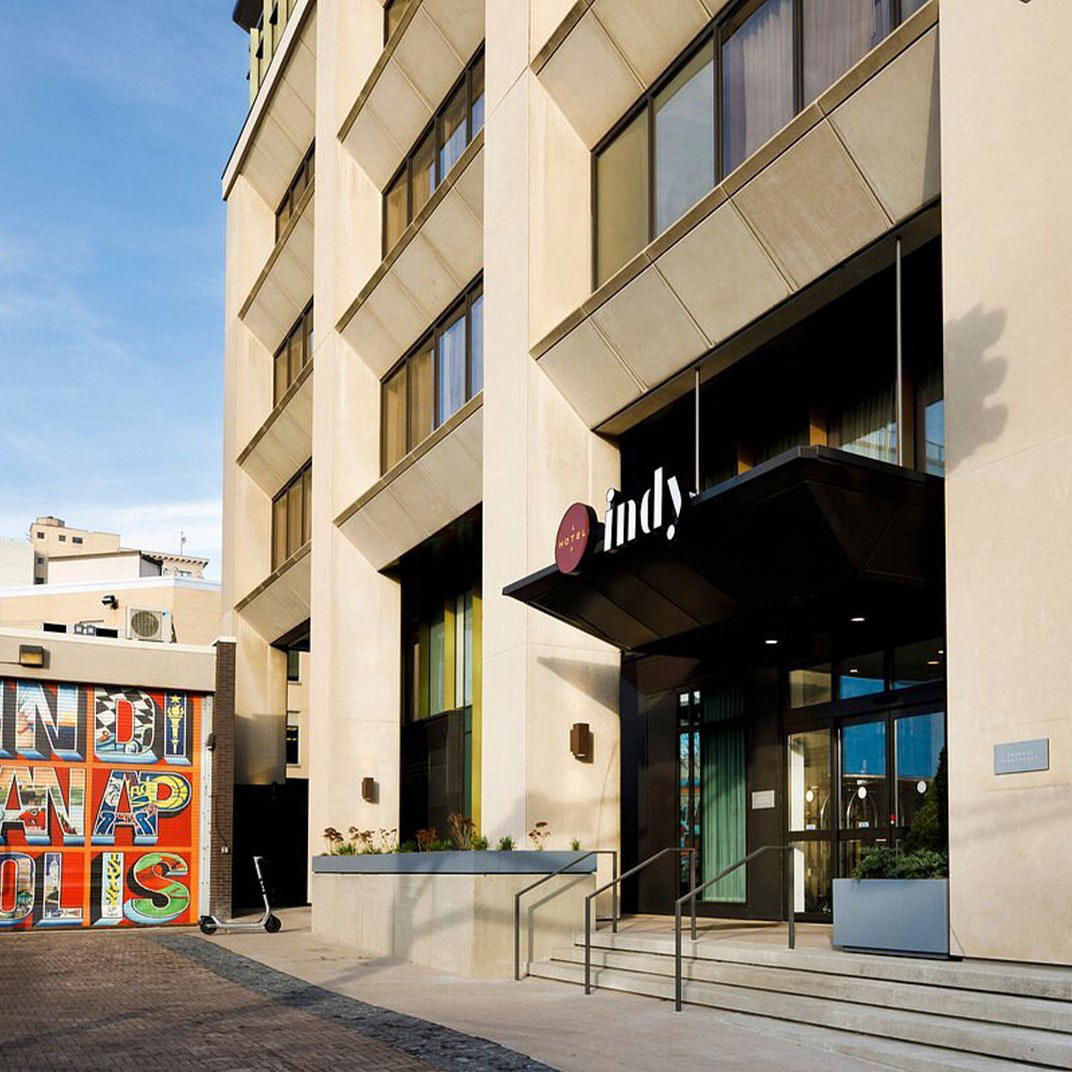
| Hotel Indy | Boutique lifestyle hotel housed in a restored Brutalist architectural landmark, part of a global collection of six Brutalist-designed hotels. | $$$ | 4-Star | Wholesale District |
| The Alexander | Design-forward boutique hotel with art integration | $$$ | 4-Star | CityWay |
| Bottleworks Hotel Indianapolis | luxury boutique in restored industrial building | $$$$ | Michelin 1 Key | Massachusetts Avenue |
| Ironworks Hotel Indy | Boutique hotel inspired by 19th-century industrial heritage | $$$ | Michelin 1 Key | Keystone At the Crossing |
Recognition history
Dated appearances from independent guides and award organizations, with the underlying list record or original source where available.
Star Wine List
Star Wine List
Michelin Selected
Michelin
Continue exploring
More in Indianapolis
Hotels in Indianapolis
Browse all →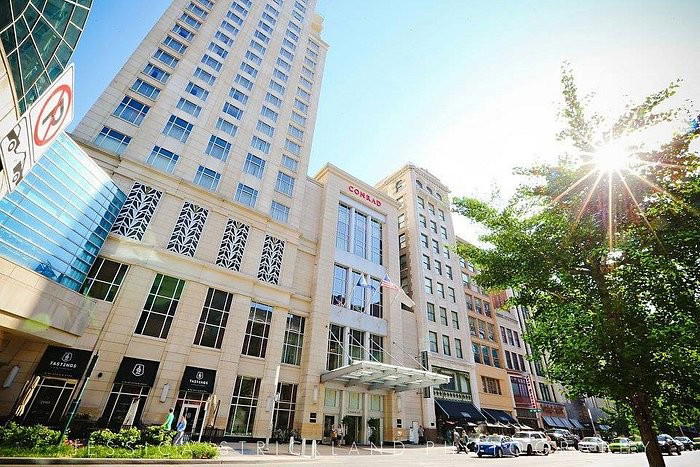
Bars in Indianapolis
Browse all →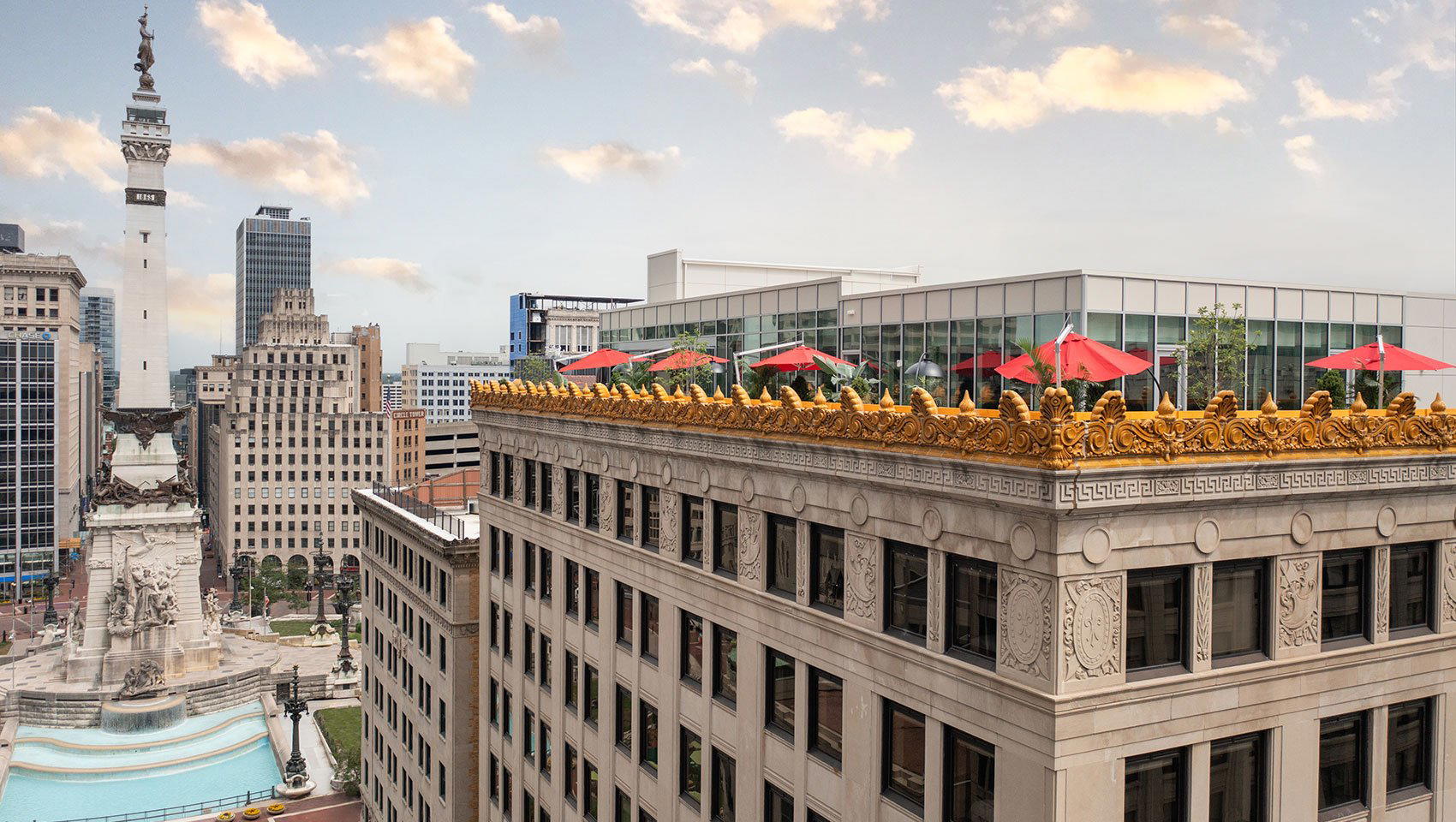

At a Glance
- Elegant
- Sophisticated
- Modern
- Classic
- Business Trip
- Weekend Escape
- Rooftop
- Historic Building
- Panoramic View
- Wi Fi
- Fitness Center
- Room Service
- Concierge
- Restaurant
- Valet Parking
- Skyline
- Wi Fi
- Fitness Center
- Room Service
- Concierge
- Restaurant
- Valet Parking
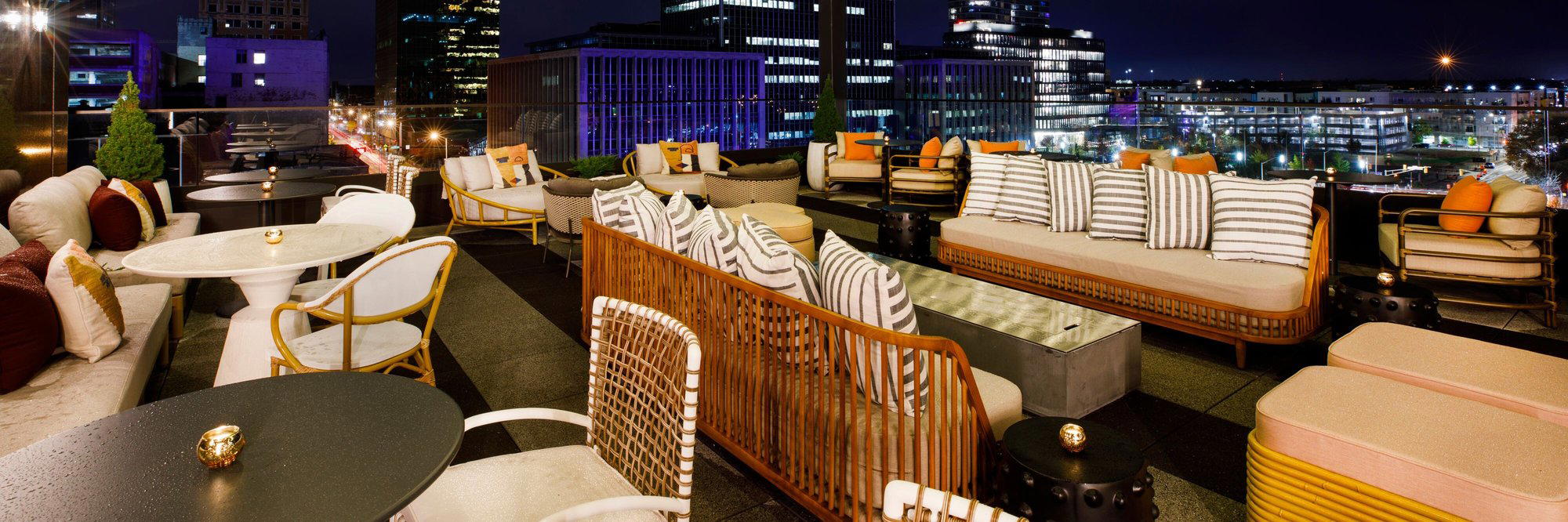
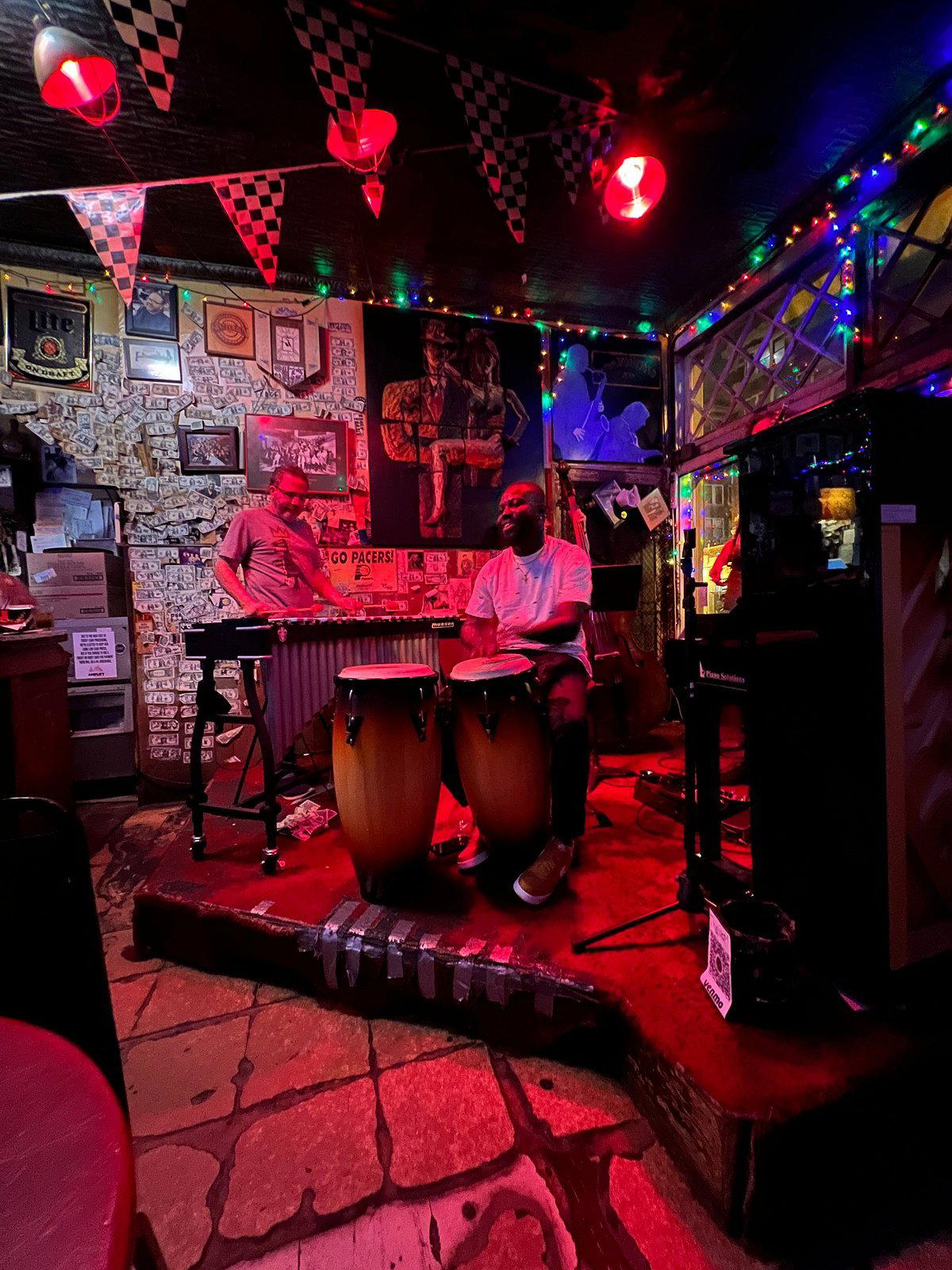
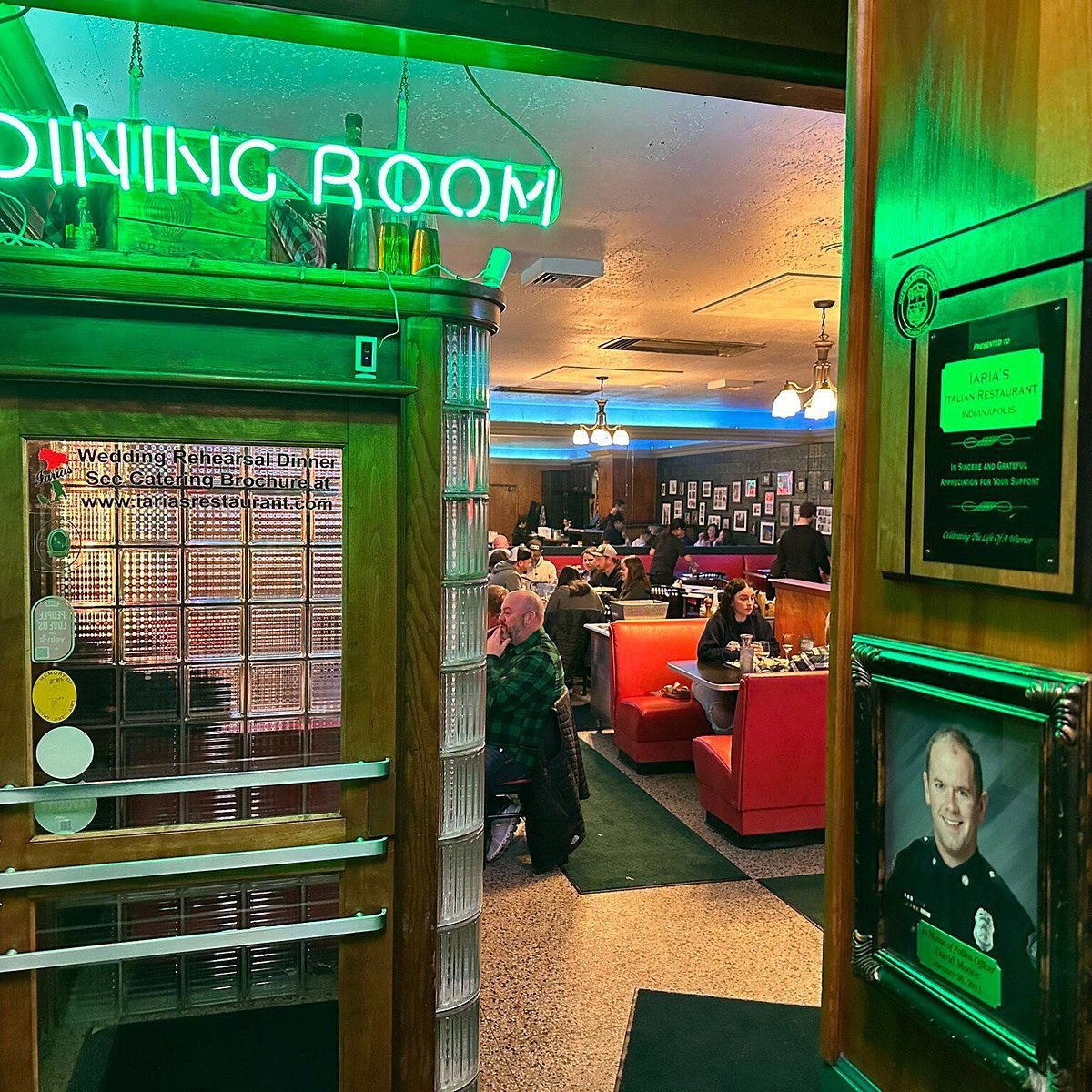
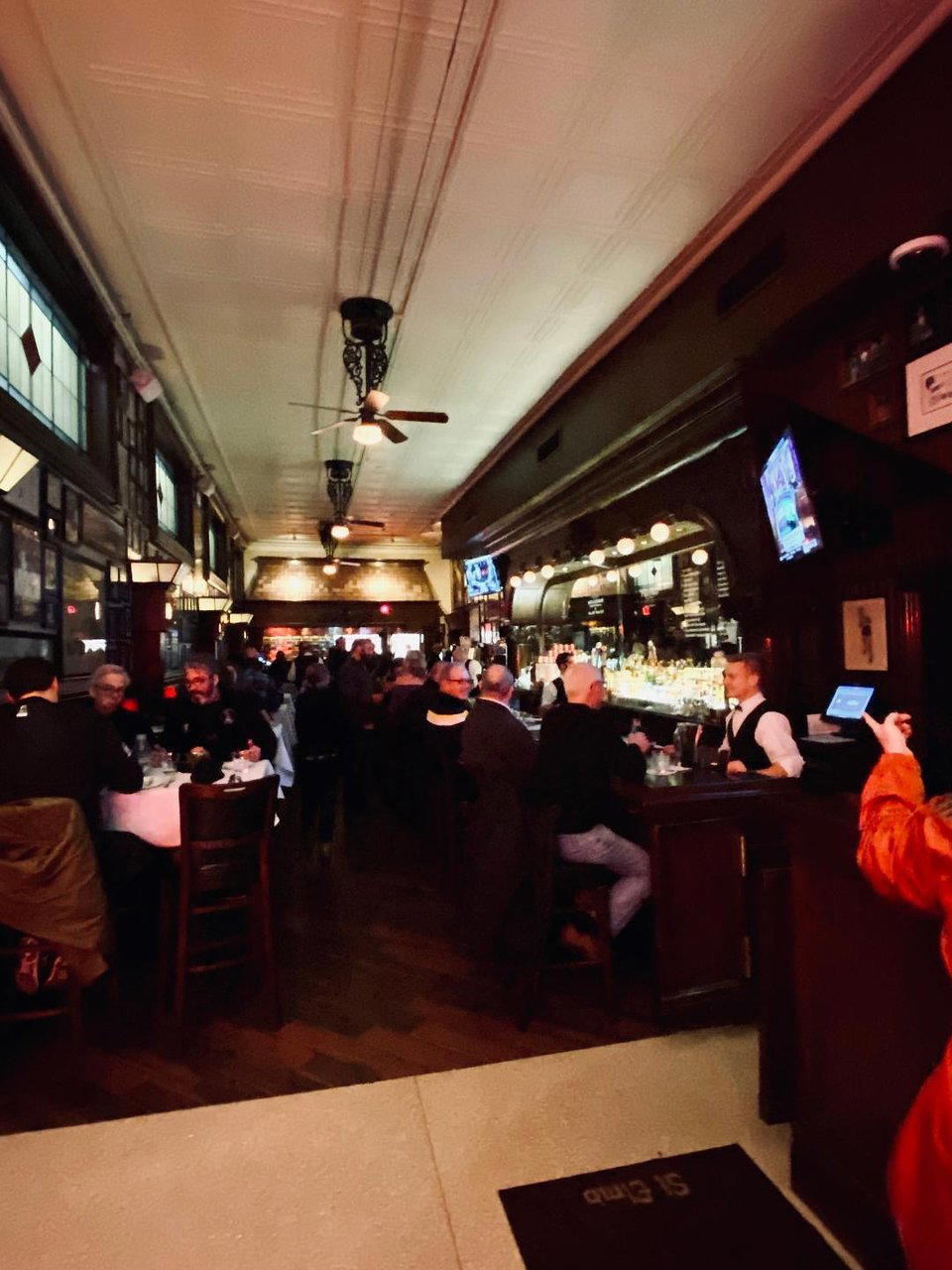
Sophisticated and stylish with dramatic lobby, precise rooftop bar ambiance, and warm attentive service.