L'ère d'étangs sits on the edge of Chimay in the Hainaut province of southern Belgium, a region where farming traditions and abbey culture have shaped the table for centuries. The address alone — beside the étangs, the ponds that define this corner of the Ardennes fringe — signals a kitchen rooted in landscape and season. For travellers crossing into Belgian Wallonia, it represents the kind of quietly serious provincial dining that rarely makes international lists but rewards those who seek it out.
 Discover on Pearl
Pearl is the En Primeur Club membership app — saves, bookings, and concierge access live there. Same editors, same standards.
Pond Country and the Logic of Sourcing in Hainaut
Southern Belgium does not announce itself. The province of Hainaut, and Chimay at its southern tip, sits in a transitional zone between the flat agricultural centre of the country and the denser, more dramatic terrain of the Ardennes proper. What the area does have is water — the étangs, a network of ponds and slow rivers that have shaped both ecology and economy here for centuries. Abbey fish farming, wetland game, and the particular microclimate of this pocket of Wallonia combine to create a sourcing context that kitchens in larger Belgian cities rarely have direct access to. L'ère d'étangs, addressed at Rue Roger de Keyser 101 in Chimay, takes its name from precisely that geography.
The name is not incidental. In French, "l'ère d'étangs" plays between "the era of ponds" and a direct reference to the étangs themselves — a double meaning that frames the kitchen's relationship to its immediate surroundings before a single dish arrives. In this part of Belgium, where the Trappist abbey of Scourmont has produced Chimay beer and cheese for over 150 years, the idea of product rooted in place is not a marketing positioning; it is simply how things have always worked. Kitchens here draw on that infrastructure whether or not they announce it.
Chimay as a Dining Context
To understand where L'ère d'étangs sits, it helps to understand what kind of dining Chimay supports. The town is small , a few thousand residents , and its culinary reputation has historically been dominated by the abbey's products rather than by a restaurant scene. Chimay is not a dining destination in the way that Brussels, Ghent, or even Namur might be. It is a place people pass through on the way south, or detour to for the abbey itself. That insularity has consequences for restaurants operating there: they serve a local clientele with expectations shaped by tradition, alongside occasional visitors who have made a deliberate choice to eat well in a place that does not typically appear on Belgian food media's radar.
That positioning is worth taking seriously. Belgian fine dining has become increasingly concentrated in Flanders, where venues like Hof van Cleve - Floris Van Der Veken in Kruishoutem, Boury in Roeselare, and Zilte in Antwerp attract the bulk of critical attention and guide recognition. Wallonia's serious kitchens, including L'air du temps in Liernu and La Table de Maxime in Our, occupy a quieter tier of national recognition but often work with sourcing networks that Flemish counterparts cannot replicate. A kitchen operating in Chimay specifically has access to abbey-adjacent produce, étang fish, and game from the surrounding forests that give it a distinctly different ingredient vocabulary.
What the Pond Tradition Means at the Table
The étangs of this corner of Hainaut have produced freshwater fish , pike, perch, tench, eel , for monastic and lay tables alike since the medieval period. Abbey economics depended on fish ponds during periods of fasting, and that tradition has left a legacy of local expertise in freshwater preparation that is relatively rare in contemporary Belgian cooking. Most Belgian restaurant menus, even at the higher end, default to North Sea and Atlantic species. A kitchen genuinely drawing on étang fish is working in a different and less-travelled register.
The same applies to game. The forests between Chimay and the French border , the Botte du Hainaut , produce venison, wild boar, and woodcock at volumes that support serious seasonal cookery. The relevant comparison here is not Brussels or Antwerp but rather the forested provinces of France across the border, where autumn menus shift entirely to reflect what the hunt brings. Kitchens like Castor in Beveren and Willem Hiele in Oudenburg have built strong identities around coastal and polder sourcing respectively; L'ère d'étangs operates in an analogous but geographically distinct tradition, one defined by inland water and woodland rather than coast.
The Belgian Wallonia Dining Moment
There is a broader shift worth noting. Belgian food culture has historically positioned Wallonia as the country's more classical, French-influenced half, while Flanders has attracted the newer, more internationally recognised wave of creative cooking. That framing is increasingly too simple. Kitchens across Wallonia have been developing a more confident regional identity, one that draws on the French technical tradition but insists on specifically Belgian and specifically local ingredients. d'Eugénie à Emilie in Baudour and Le Chalet de la Forêt in Uccle sit at different points on that spectrum. Internationally, the model is visible at ambitious addresses like Bozar Restaurant in Brussels, which uses its capital location to bridge both traditions.
L'ère d'étangs occupies a more remote position in this emerging picture. Its address in Chimay removes it from the networks of critics, food journalists, and visiting chefs that circulate in the larger cities. That distance is a structural condition of provincial serious dining in Belgium, as it is in most European countries: venues that commit to a specific place often do so at the cost of the attention that accrues to their urban peers. The analogy with committed rural kitchens in France , or with addresses like De Jonkman in Sint-Kruis and La Durée in Izegem in West Flanders , is instructive. Recognition eventually follows sourcing seriousness, but it takes time in places this far from the critical centre.
Planning a Visit
Chimay sits approximately 100 kilometres south of Brussels, accessible by car in roughly 90 minutes. There is no direct rail link, and the town is not served by major public transport routes, making a car effectively necessary for visitors arriving from outside the region. For travellers already moving through the Ardennes or crossing into or from France via the Maubeuge corridor, Chimay sits naturally on the route. L'ère d'étangs is addressed at Rue Roger de Keyser 101, on the edge of town near the pond area that gives it its name. Given the limited data currently available publicly about booking methods and hours, contacting the venue directly or checking locally before arrival is advisable. A nearby stay allows time to explore the abbey, the château, and the surrounding countryside at a pace that suits the region's character. For a broader picture of the Chimay dining scene, see our full Chimay restaurants guide, which also covers Contre Façon, the town's other notable address.
Side-by-Side Snapshot
These are the closest comparables we have in our database for quick context.
| Venue | Cuisine | Price | Awards | Notes |
|---|---|---|---|---|
| L'ère d'étangs | This venue | |||
| Boury | Modern Frlemish, Creative French | €€€€ | Michelin 3 Star | Modern Frlemish, Creative French, €€€€ |
| Comme chez Soi | French - Belgian, Classic Cuisine | €€€€ | Michelin 1 Star | French - Belgian, Classic Cuisine, €€€€ |
| Castor | Modern European, Modern French | €€€€ | Michelin 2 Star | Modern European, Modern French, €€€€ |
| De Jonkman | Modern Flemish, Creative | €€€€ | Michelin 2 Star | Modern Flemish, Creative, €€€€ |
| L'air du temps | French - Asian, Creative | €€€€ | Michelin 2 Star | French - Asian, Creative, €€€€ |
Continue exploring
More in Chimay
At a Glance
- Scenic
- Rustic
- Cozy
- Elegant
- Date Night
- Special Occasion
- Garden
- Craft Cocktails
- Local Sourcing
- Waterfront
- Garden
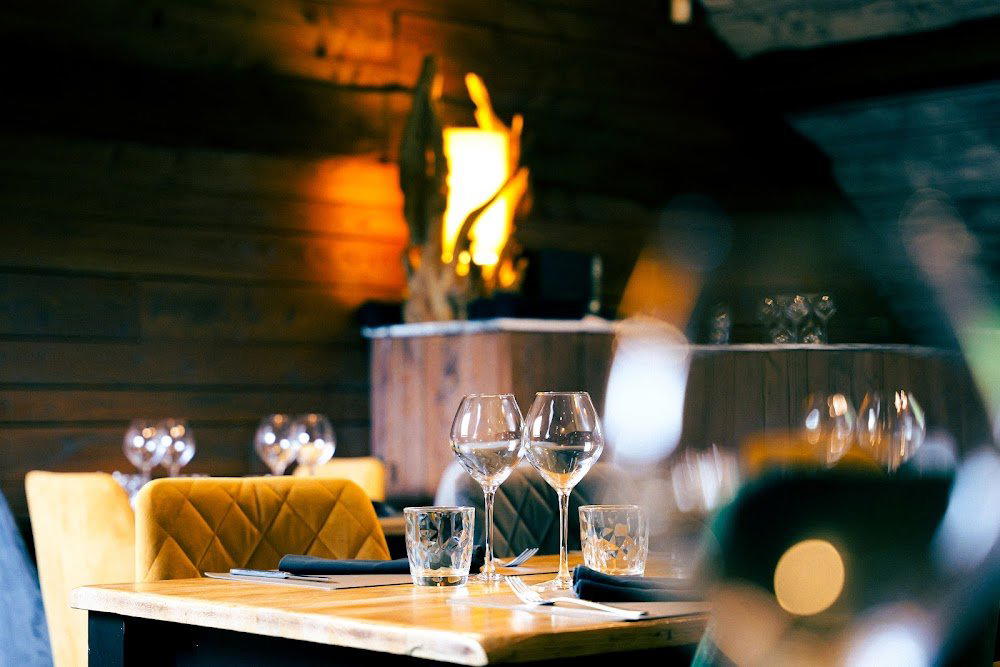
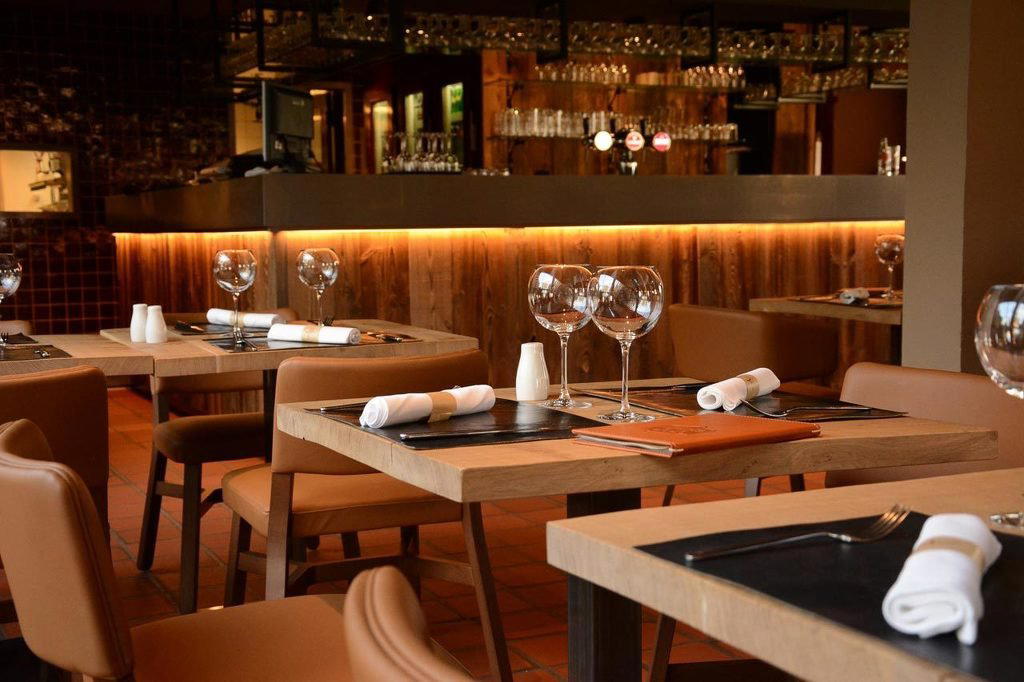
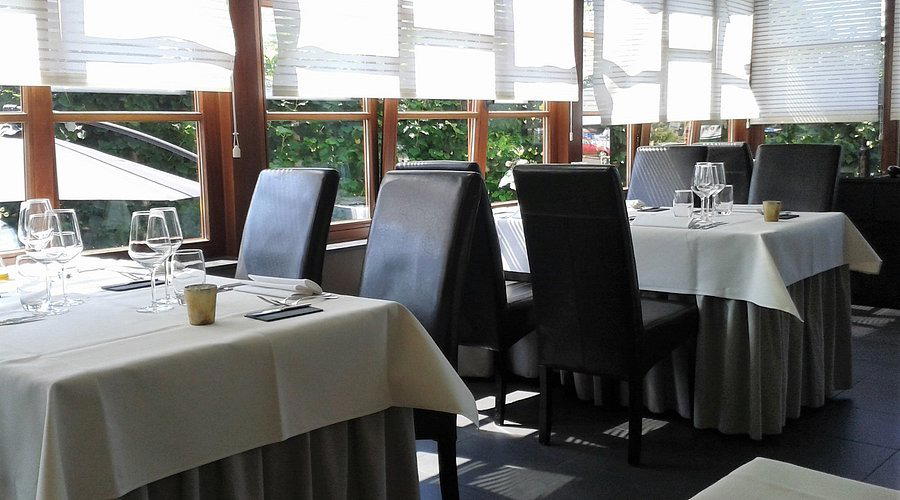
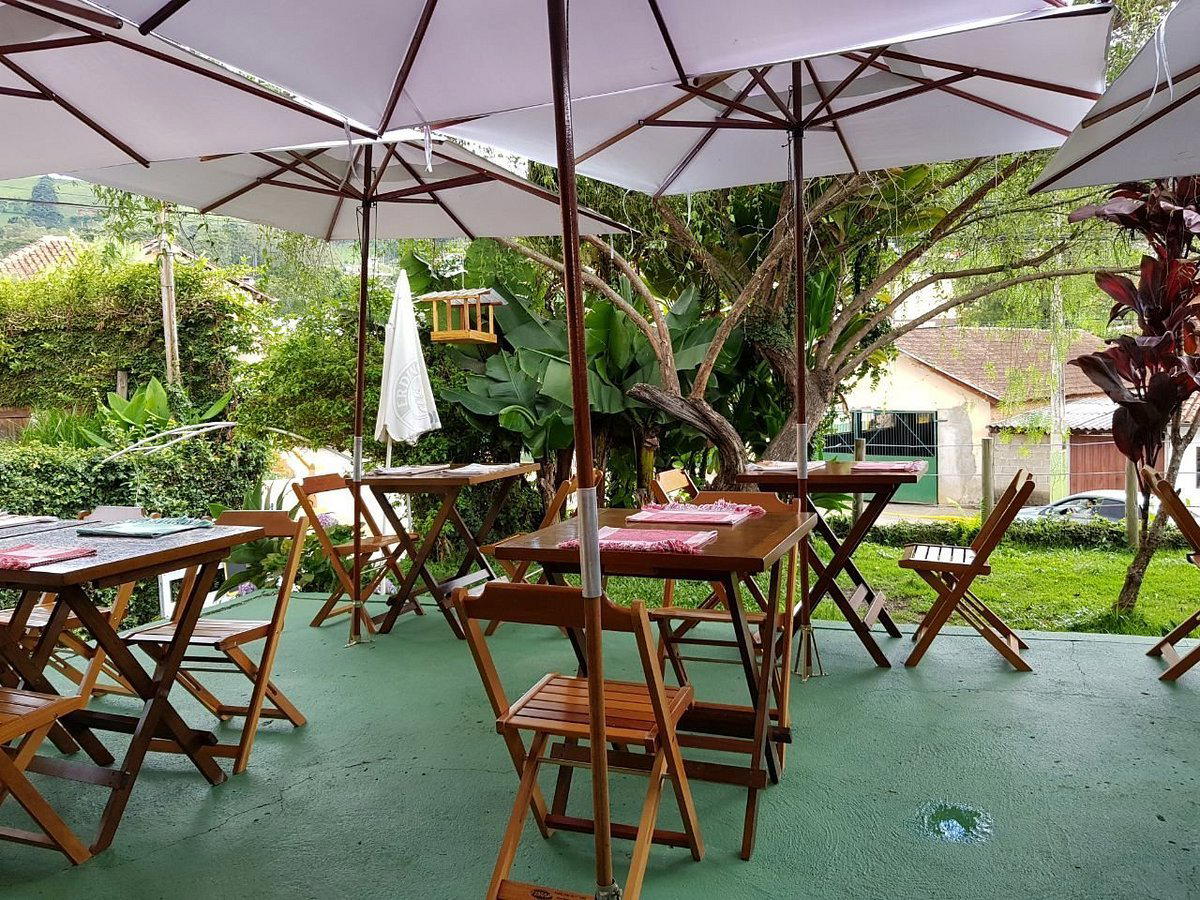
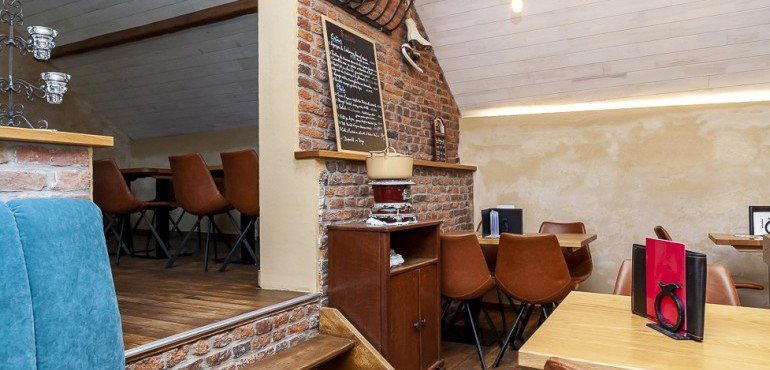
Bucolic and peaceful atmosphere by a serene pond in the Chimay countryside, creating an intimate and scenic dining experience.