Google: 4.9 · 451 reviews
Contre Façon occupies a quiet square in Chimay, the small Wallonian town better known for its Trappist brewery than its restaurant scene. The address on Place de Virelles positions it within a dining circuit that rewards the detour south from Brussels, where sourcing discipline and regional produce define the kitchen's direction. For the Ardennes corridor, that approach carries real editorial weight.
 Discover on Pearl
Pearl is the En Primeur Club membership app — saves, bookings, and concierge access live there. Same editors, same standards.
- Address
- Pl. de Virelles 18, 6461 Chimay, Belgium
- Phone
- +3260860846
- Website
- contre-facon.be
A Square in Chimay and What It Signals
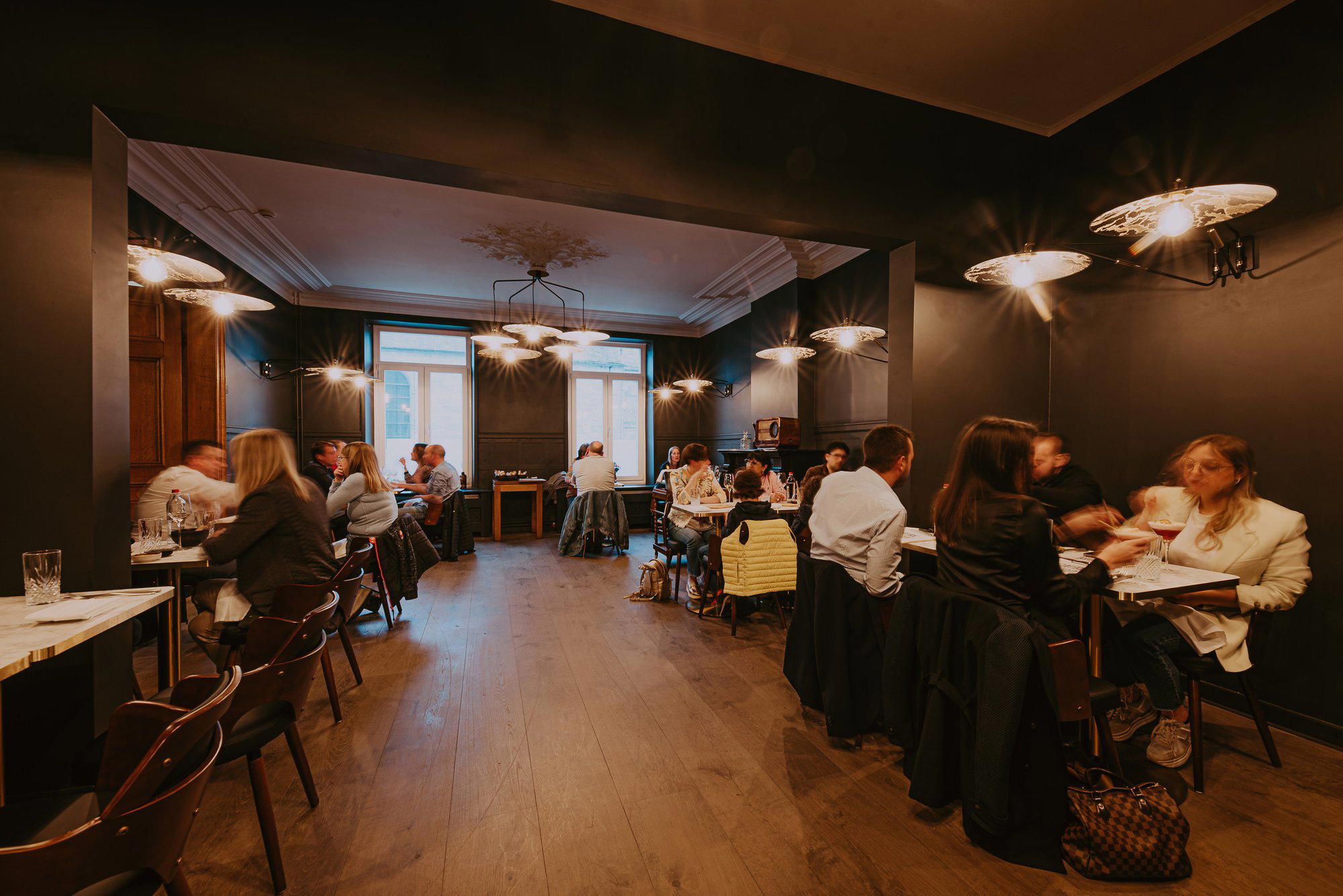
Chimay sits in the far south of Hainaut province, close enough to the French border that the town's culinary identity has always drawn from both sides of that line. The main square and its surrounding streets move at a pace that Brussels never quite allows, and Place de Virelles, where Contre Façon occupies number 18, reflects that register. Arriving here, you notice the absence of the usual urban restaurant signals: no valet stand, no queued lunch crowd, no neon. The building presents quietly, and that restraint turns out to be deliberate editorial information about what happens inside.
Wallonia's provincial restaurant circuit has developed steadily over the past decade, and Chimay sits at an interesting pressure point within it. The town is internationally known for its Trappist beer, produced at the Abbaye Notre-Dame de Scourmont, and that monastic sourcing culture, the idea that provenance and patience produce better results than volume, has filtered into the local food conversation in ways that aren't always visible from the outside. Contre Façon, by its address and its positioning on the square, operates inside that context whether or not it explicitly references it.
Ingredient Sourcing in the Ardennes Corridor
The Ardennes and its western approach through Hainaut have long supplied Belgian kitchens with a specific larder: wild game, river fish, aged cheeses, foraged fungi, and root vegetables that benefit from the region's cooler growing conditions. At the premium end of the Belgian dining circuit, venues like Hof van Cleve - Floris Van Der Veken in Kruishoutem and Boury in Roeselare have built reputations partly on their ability to translate regional sourcing into technically accomplished menus. Contre Façon operates in a different scale and a different geography, but the underlying logic of the sourcing argument is the same: proximity to the ingredient usually produces a more direct expression of it.
Southern Hainaut kitchens that commit to regional sourcing tend to produce menus with a shorter supply chain than their counterparts in Antwerp or Brussels, where the density of competition sometimes encourages a kind of ingredient cosmopolitanism. What the Ardennes corridor offers instead is specificity. The wild boar is from nearby forests. The trout comes from cold-water streams that run through the province. The approach is less about showcasing technique for its own sake and more about letting the origin do the explanatory work. That philosophy, when it holds, makes the menu read as a document of place rather than a demonstration of skill.
Across Belgium, restaurants working inside this sourcing discipline occupy a distinct peer set. Willem Hiele in Oudenburg has built a recognised program around coastal and regional sourcing on the Flemish side. Vrijmoed in Gent works within a creative modern framework that similarly privileges traceability. Contre Façon, in its Chimay context, sits closer to the rural end of that spectrum, where the sourcing story is embedded in the geography of the town itself rather than constructed through supplier relationships that cross multiple regions.
The Broader Belgian Provincial Dining Pattern
Belgium's serious dining circuit is often discussed through its major urban addresses: Zilte in Antwerp, Bozar Restaurant in Brussels, Le Chalet de la Forêt in Uccle. But a parallel circuit of provincial restaurants has been consolidating credibility across Wallonia and Flanders for some years. Addresses like La Table de Maxime in Our and d'Eugénie à Emilie in Baudour demonstrate that the ambition is no longer concentrated in cities. The pattern holds in Wallonia specifically: smaller towns with access to agricultural and forest land are producing kitchens that work from a sourcing advantage that urban restaurants cannot easily replicate.
Chimay fits that pattern. The town's relative obscurity on the international tourism map is not a disadvantage for a restaurant that wants to operate with a local sourcing logic. It is, in fact, part of the enabling condition. The absence of a high-volume tourist trade means a kitchen here is not calibrating its menu for legibility across many nationalities and expectations. It can serve the region to the region, and to the visitors willing to make the drive south from Brussels or across from Mons.
For comparative context outside Belgium: restaurants like Lazy Bear in San Francisco have shown that a deliberately located, format-disciplined dining experience can generate its own gravitational pull. The parallel is not exact, but the underlying principle, that a strong sourcing and identity position can make geography an asset rather than a limitation, applies across contexts. Even at the haute end of the French-American tradition, as Le Bernardin in New York City demonstrates with its seafood sourcing rigor, the argument for knowing exactly where your ingredient comes from is never weakened by the effort required to get it.
Planning a Visit to Chimay
Chimay is approximately 90 kilometres south of Brussels, reachable by car in under 90 minutes via the E19 and connecting regional roads through Philippeville. There is no direct rail connection to the town centre from Brussels, making a car the practical option for most visitors. Place de Virelles sits in the town's core, and parking around the square is generally available. Given the limited dining options in Chimay itself, Contre Façon occupies a position of some local significance, and making a reservation in advance is the sensible approach. The nearby L'ère d'étangs offers a related point of reference for the town's table. For a broader view of what the area offers, our full Chimay restaurants guide maps the dining circuit across the region.
Visitors combining the Contre Façon stop with a wider Wallonian itinerary might also consider Ralf Berendsen in Neerharen, Castor in Beveren, or De Jonkman in Sint-Kruis as part of a multi-stop Belgian restaurant circuit. The Chimay region itself, anchored by the abbey and its associated products, gives any visit a secondary layer of interest that extends beyond the table. La Durée in Izegem and Cuchara in Lommel round out the provincial creative French-Belgian picture for travellers building a broader itinerary.
How It Stacks Up
These are the closest comparables we have in our database for quick context.
| Venue | Cuisine | Price | Awards | Notes |
|---|---|---|---|---|
| Contre Façon | This venue | |||
| Boury | Modern Frlemish, Creative French | €€€€ | Michelin 3 Star | Modern Frlemish, Creative French, €€€€ |
| Comme chez Soi | French - Belgian, Classic Cuisine | €€€€ | Michelin 1 Star | French - Belgian, Classic Cuisine, €€€€ |
| Vrijmoed | Modern Flemish, Creative | €€€€ | Michelin 2 Star | Modern Flemish, Creative, €€€€ |
| La Durée | French-Belgian, Creative | €€€€ | Michelin 2 Star | French-Belgian, Creative, €€€€ |
| Cuchara | Modern European, Creative | €€€€ | Michelin 2 Star | Modern European, Creative, €€€€ |
Continue exploring
More in Chimay
At a Glance
- Elegant
- Cozy
- Intimate
- Sophisticated
- Rustic
- Date Night
- Special Occasion
- Historic Building
- Extensive Wine List
- Local Sourcing
- Street Scene
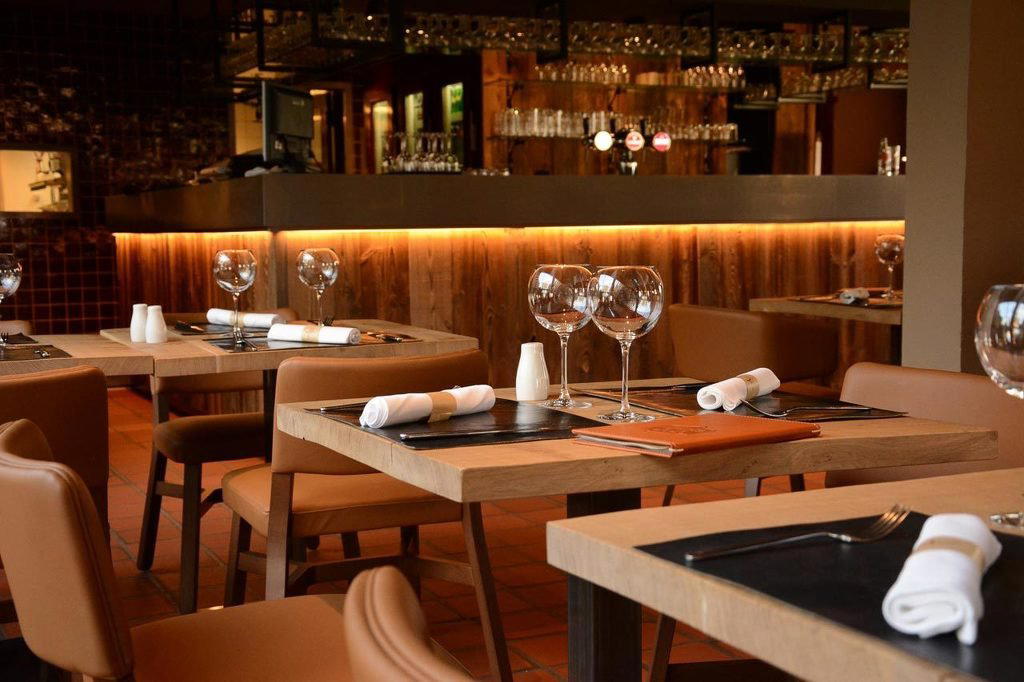
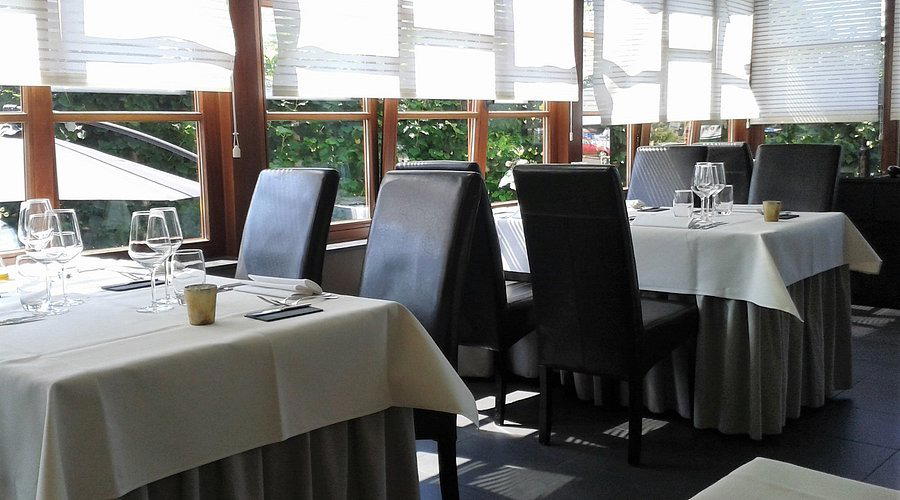
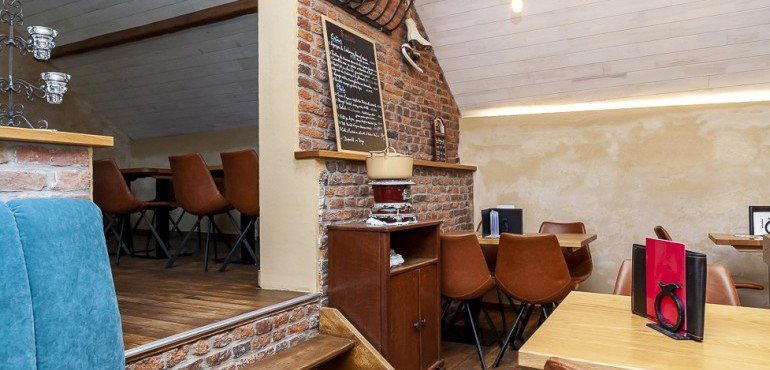
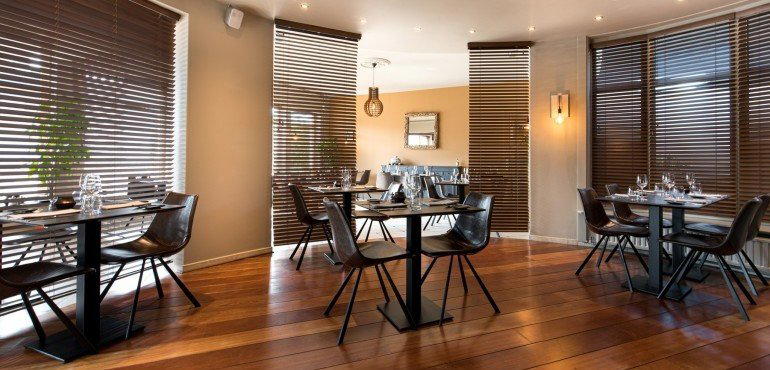
Charming blend of historical and vintage decor in a beautifully renovated character building, creating a warm and atmospheric setting.