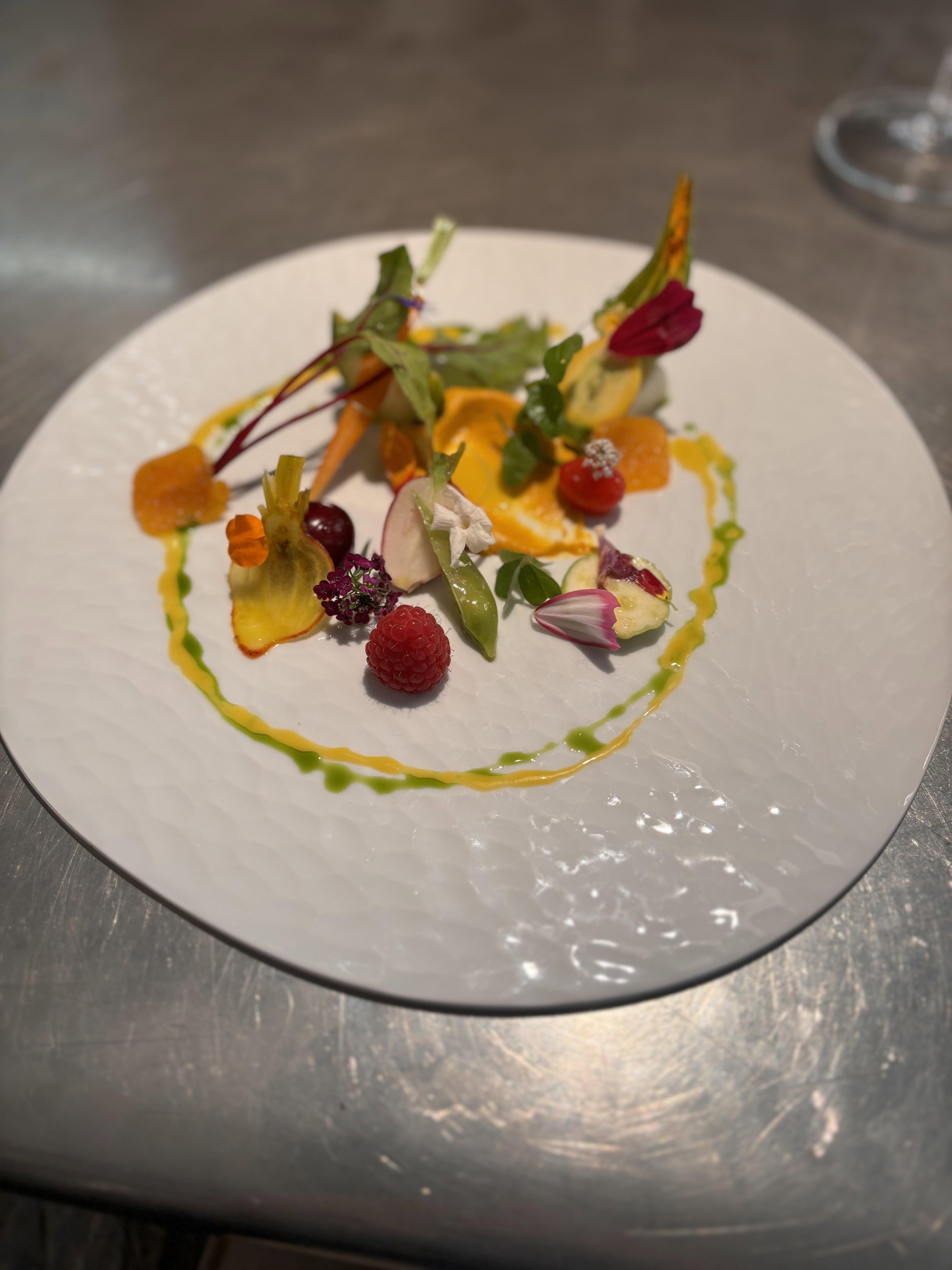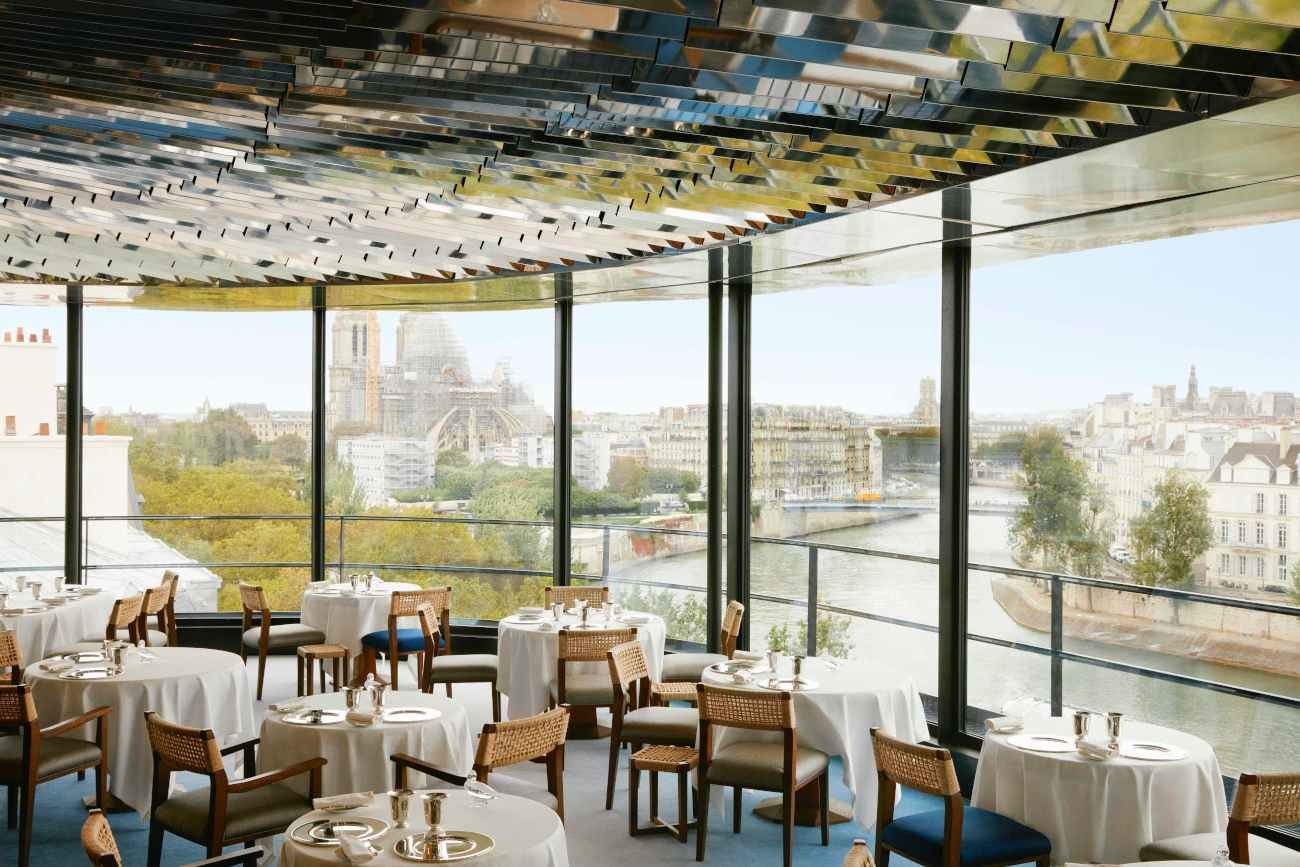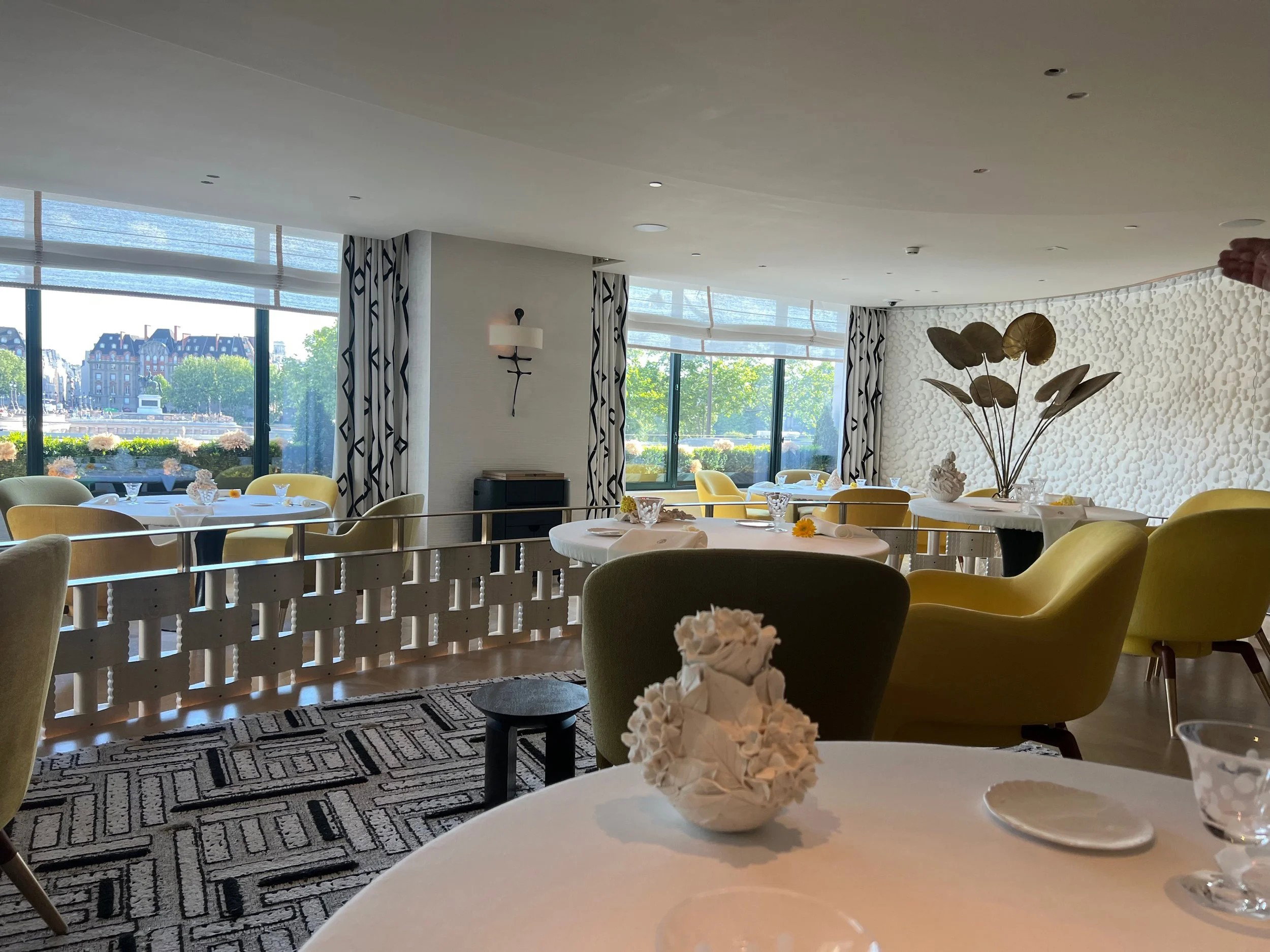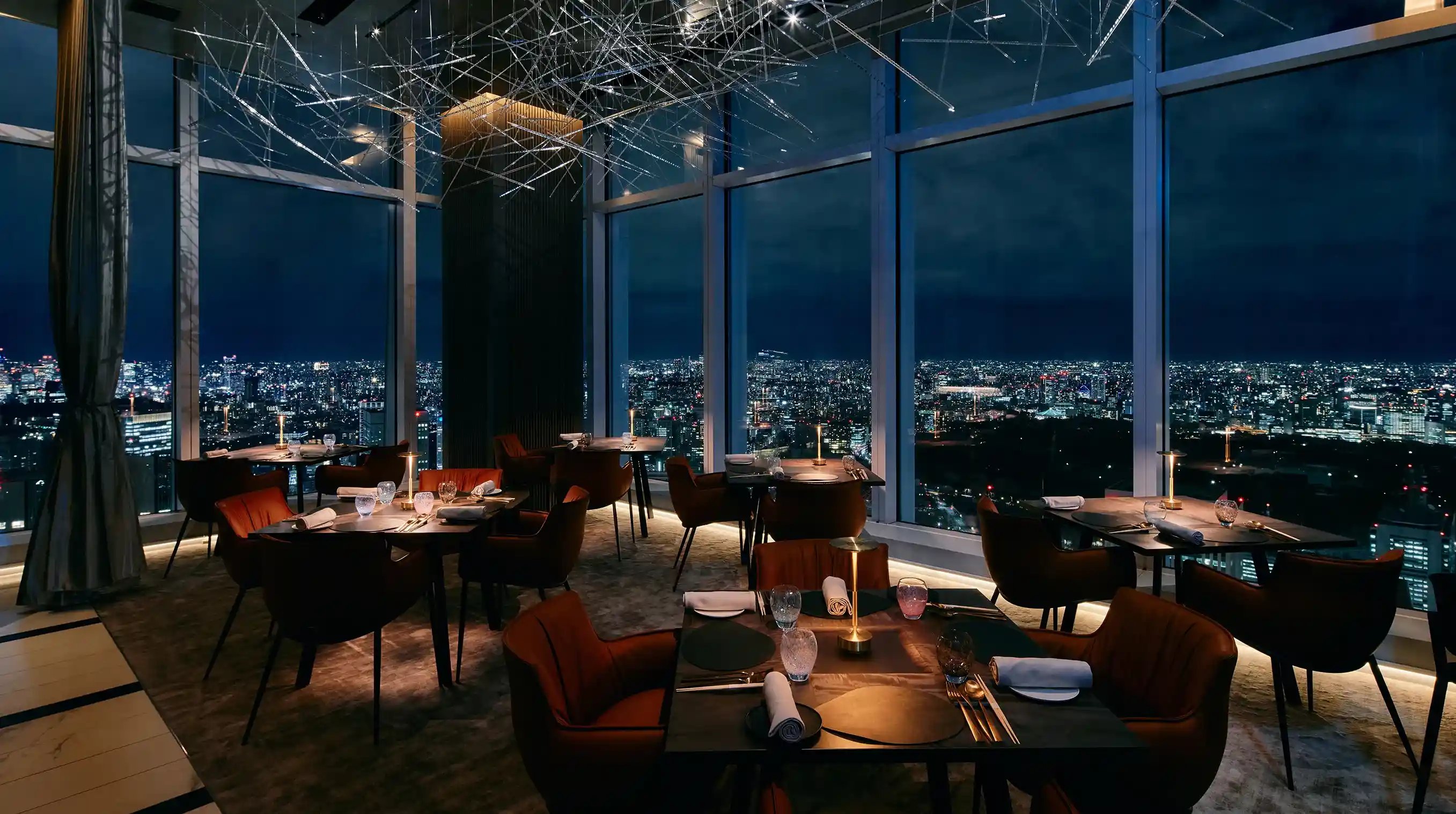
L'Ours in Vincennes serves seasonal Modern French tasting menus led by chef Jacky Ribault. Must-try plates include brill with Venere rice and beetroot, guinea fowl with refined garnishes, and Jura snails crowned with Noir de Bigorre ventrèche. The daily-changing five- to six-course tasting journey (reported around €250) highlights regional producers with subtle Japanese notes and exquisite plating. Michelin-starred and designed with wood, metal, stone and leather, L'Ours delivers warm, inviting service and sommelier pairings in an intimate, open-plan dining room framed by a whimsical stuffed brown bear centerpiece — a true culinary pilgrimage just steps from Château de Vincennes.
 Discover on Pearl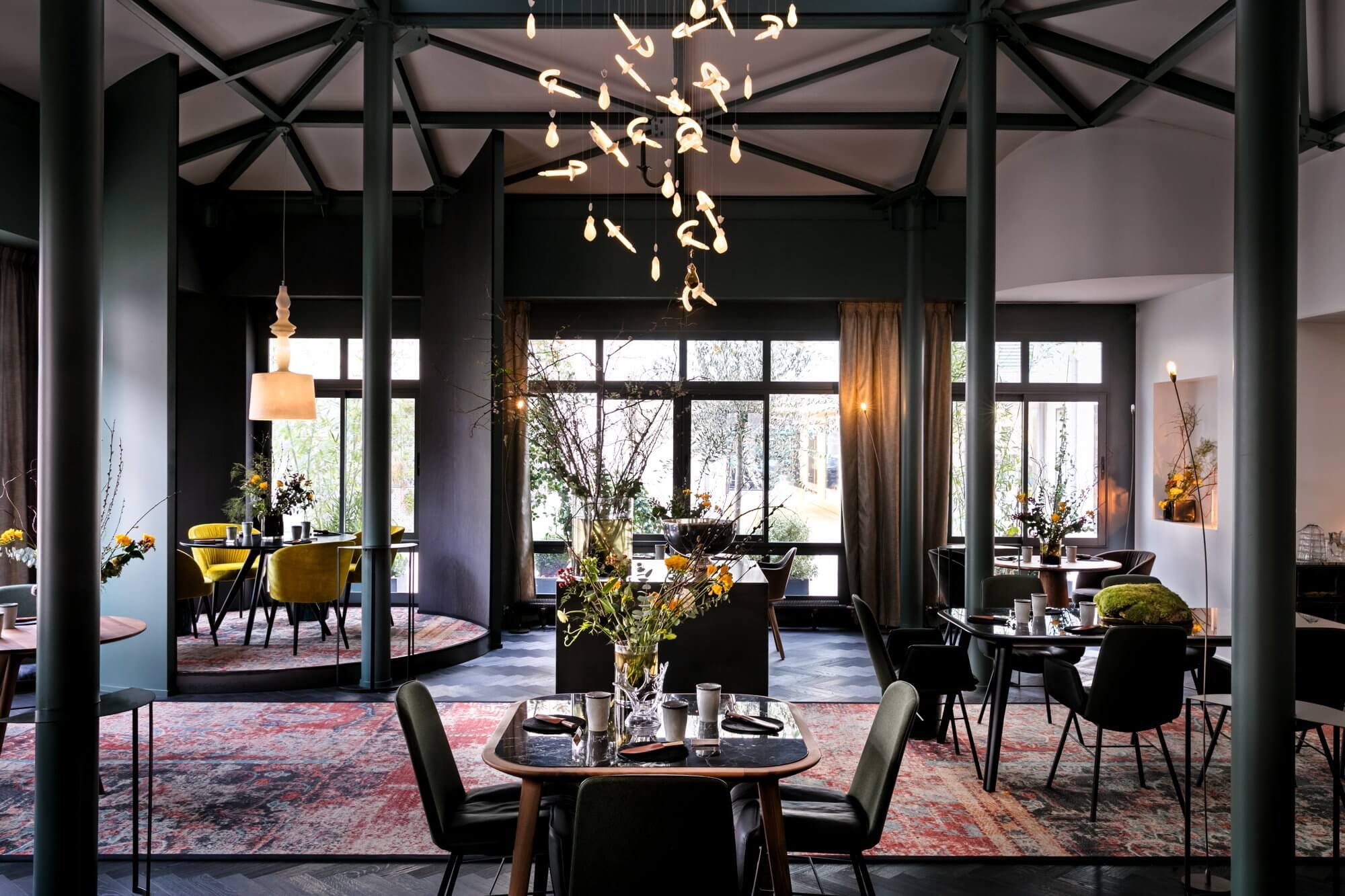
On the Eastern Edge of Paris, a Different Kind of Seriousness
Vincennes sits just beyond the Périphérique, separated from the 12th arrondissement by the château and the bois, and for most serious restaurant-goers in Paris it registers as off-map. That indifference is worth questioning. The town has the density of a provincial city, a functioning high street, and a stone's throw from one of the largest urban parks in France. What it has lacked, historically, is a destination-grade table. L'Ours, at 10 Rue de l'Église, changes that calculation in a way that rewards the short detour from central Paris.
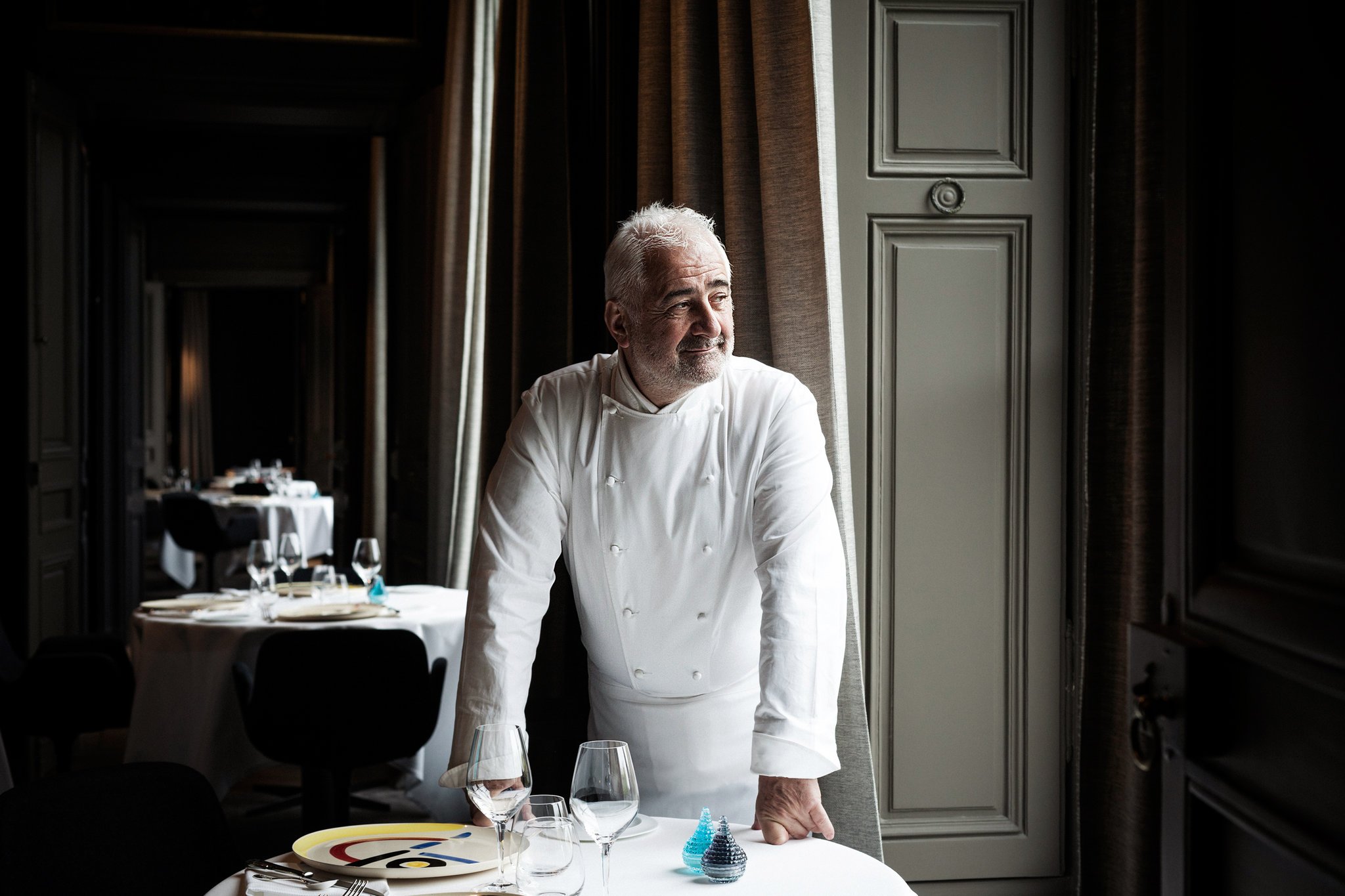
The address is unprepossessing from the outside, set on a quiet street near the château de Vincennes. The interior, by contrast, is a considered exercise in material contrast: wood, metal, stone, and leather sit alongside each other in a way that reads as deliberate composition rather than decorator's checklist. Volumes and shapes have been mixed with enough discipline that the room feels coherent rather than busy. This is the kind of space where the architecture recedes just enough to let the food take precedence, but not so much that the room disappears into neutral anonymity.
Where the Ingredients Do the Arguing
France's dominant strand of creative fine dining in recent decades has split between two tendencies: the cerebral-technical school, which builds dishes around transformation and surprise, and a more ingredient-led approach, where sourcing does the argumentative heavy lifting and technique serves rather than dazzles. L'Ours falls into the second camp. The Michelin citation notes raw inspirations and first-class ingredients as the defining logic of the kitchen, with technique functioning as a frame rather than the subject.
That sourcing orientation places L'Ours in company with some of France's most deliberate kitchens. Houses like Bras in Laguiole, where the Aubrac plateau drives the ingredient vocabulary, or Auberge du Vieux Puits in Fontjoncouse, where the garden is the menu's anchor, have made a sustained case that the most interesting creative cooking in France starts with what grows or moves nearby. L'Ours operates with a comparable philosophy, though its specific supply lines are not publicly documented in detail. What Michelin's note does confirm is that the ingredient quality is the point, not the scaffolding around it.
The menu reported in the citation demonstrates how this plays out in practice. Guinea fowl and brill are not the flashiest choices on a French creative menu in 2024; they are, however, ingredients that demand sourcing precision to justify their presence at this price tier. Brill with risotto of Venere rice in beetroot is a combination that works only when the fish is impeccable, since the earthiness of the black rice and the sweetness of beetroot will expose any flatness in the main protein. That the citation singles out these dishes as examples rather than apologises for them says something about where the kitchen's confidence sits.
Japan as Ingredient Logic, Not Theme
The Japanese notes the Michelin text references are worth examining in context. The French kitchen's engagement with Japanese technique and ingredients has been a generational conversation, running from the early influence of Japanese precision on nouvelle cuisine through to contemporary chefs who trained in Tokyo and brought back specific product relationships. At the creative end of French dining, Japanese dashi logic, aged proteins, and fermentation have become absorbed into the vocabulary rather than remaining markers of novelty.
At L'Ours, the Japanese inflections are described as understated, which is the critical qualifier. Subtle incorporation at ingredient level, rather than a conceptual overlay, is the approach that has aged most gracefully in French creative kitchens. It also aligns with the broader sourcing-led philosophy: Japanese culinary thinking, at its most ingredient-focused, is fundamentally about respecting and revealing what a product already is. That orientation matches what the kitchen here appears to be doing. For comparison, AM par Alexandre Mazzia in Marseille and Le Millénaire in Reims represent other French creative tables where international influence has been absorbed at ingredient and technique level without displacing the French structural logic.
Chef Jacky Ribault and the Peer Set
Jacky Ribault is better documented in the context of Qui Plume la Lune, his address in Paris's 11th arrondissement, which has held Michelin recognition and a devoted following. That he has publicly described L'Ours as the peak of his career repositions the two restaurants in the hierarchy: Vincennes is not a satellite project but the primary statement. That kind of declaration, made openly, carries editorial weight precisely because it invites comparison. Against the three-starred €€€€ tier in Paris, which includes addresses like Alléno Paris au Pavillon Ledoyen and the classic French register of L'Ambroisie, L'Ours is in a different register: personal, ingredient-focused, and shaped by a chef with a defined point of view rather than an institutional tradition. The comparison is less useful than comparing it with ingredient-driven creative houses outside the capital, such as Flocons de Sel in Megève or Auberge de l'Ill in Illhaeusern, where the environment and supply context shape the cooking as decisively as the chef's technical repertoire.
The Michelin citation's language, including a reference to the restaurant as a place of culinary pilgrimage, positions L'Ours at the serious end of the creative French spectrum. That is a trust signal with a specific implication: this is not a restaurant for a casual evening, and it does not price or format itself as one. The €€€€ tier at this level of recognition means the meal cost will sit at the upper end of what Parisian fine dining commands.
Planning a Visit
L'Ours opens for lunch and dinner Tuesday through Saturday, with service running noon to 2 PM at midday and 7:30 PM to 9:30 PM in the evening. The restaurant is closed Sunday and Monday. For visitors coming from central Paris, Vincennes is accessible via RER A to Vincennes station, making the journey direct from the right-bank arrondissements. The château de Vincennes is a short walk from the restaurant, which makes it possible to frame a visit around the wider area. Booking ahead is strongly advisable given the size of the room and the recognition the restaurant carries. There is no published phone number on the venue's record, so reservation through the restaurant's website or a platform that lists it directly is the practical approach.
For a broader view of the area, our full Vincennes restaurants guide maps the wider dining options. If you are building a day around a visit, the Vincennes hotels guide, bars guide, wineries guide, and experiences guide cover the surrounding context. For the broader French fine dining frame, Mirazur in Menton, Troisgros - Le Bois sans Feuilles in Ouches, Paul Bocuse - L'Auberge du Pont de Collonges, Assiette Champenoise in Reims, Au Crocodile in Strasbourg, and Le Bernardin in New York City each represent a distinct tradition within creative and classical French cooking and offer useful reference points for understanding where L'Ours sits in the wider picture.
Quick Comparison
These are the closest comparables we have in our database for quick context.
| Venue | Cuisine | Price | Awards | Notes |
|---|---|---|---|---|
| L'Ours | €€€€ · Modern Cuisine, Creative | Jacky Ribault (Qui Plume la Lune, in the 11th arrondissement) makes no secret th… | This venue | |
| Alléno Paris au Pavillon Ledoyen | Creative | €€€€ | Michelin 3 Star | Creative, €€€€ |
| Kei | Contemporary French, Modern Cuisine | €€€€ | Michelin 3 Star | Contemporary French, Modern Cuisine, €€€€ |
| L'Ambroisie | French, Classic Cuisine | €€€€ | Michelin 3 Star | French, Classic Cuisine, €€€€ |
| Le Cinq - Four Seasons Hôtel George V | French, Modern Cuisine | €€€€ | Michelin 3 Star | French, Modern Cuisine, €€€€ |
| Plénitude | Contemporary French | €€€€ | Michelin 3 Star | Contemporary French, €€€€ |
Continue exploring