
Loup holds consecutive Michelin Plate recognition for 2024 and 2025, placing it among the more consistent mid-tier international restaurants in Itaim Bibi, São Paulo's most competitive dining corridor.
Pearl is the En Primeur Club membership app — saves, bookings, and concierge access live there. Same editors, same standards.
- Address
- R. Dr. Mário Ferraz, 528 - Itaim Bibi, São Paulo - SP, 01453-011, Brazil
- Phone
- +55 11 3078-1089
- Website
- louprestaurante.com.br
- Directions
- Get directions
 Saves & bookings on Pearl
Itaim Bibi and the International Dining Question
São Paulo's Itaim Bibi corridor presents a clear editorial challenge: the neighbourhood now contains more internationally-framed restaurants per block than almost any other district in Latin America, yet most of them flatten the category into something interchangeable. The better rooms have found a way to plant a flag, a point of view, a sourcing discipline, a kitchen lineage, that gives the label "international cuisine" actual content. Loup, on Rua Dr. Mário Ferraz, is among the restaurants that has worked toward that distinction over consecutive Michelin Plate cycles.
The address itself carries weight. R. Dr. Mário Ferraz runs through the commercial and residential heart of Itaim, flanked by the kind of mid-to-high expenditure restaurants that treat the neighbourhood as a proving ground. Loup's position on that street places it in direct comparison with the $$$ tier of Brazilian and internationally-inflected kitchens that have defined serious São Paulo dining over the past decade. To understand what Loup is doing now, it helps to understand what that tier has become.
The $$$ International Tier in São Paulo: Where Loup Sits
São Paulo's restaurant market has sharpened into legible bands. At the leading, $$$$-bracket rooms like D.O.M. (Modern Brazilian, Creative) and Evvai operate with tasting-menu architecture and international award cycles as their reference points. Below them, the $$$ tier is more contested, it includes everything from creative Brazilian-international hybrid kitchens like Maní to focused single-cuisine specialists, and the international category sits across that range without a fixed identity.
What earns a restaurant continued Michelin Plate recognition at the $$$ level is not spectacle. The Plate designation signals reliable quality at a defined price point: consistent technique, ingredient discipline, and the kind of service that doesn't fall apart mid-week. Loup has held that recognition in both 2024 and 2025, which moves it out of the "promising" bracket and into something more established. Consecutive recognition is a different signal than a debut listing, it implies the kitchen has maintained standards across a full operating cycle, not just performed well in a single inspection window.
For context, the $$$ price point in Itaim Bibi now competes against a wider set than it did five years ago. Rooms like Cantaloup, Ecully, and Le Jardin all operate in adjacent territory, each with its own positioning inside the broadly international or European-inflected segment.
Evolution Over Time: From Opening to Consecutive Recognition
The narrative arc of mid-tier international restaurants in São Paulo over the past decade has been one of gradual tightening. The restaurants that opened in Itaim Bibi and Vila Olímpia in the early-to-mid 2010s often carried a loose definition of "international" that allowed menus to sprawl without discipline. The ones that survived and found recognition did so by narrowing, committing to a cleaner kitchen identity, refining service rhythms, and building a regulars base that sustains occupancy between high-traffic weekends.
Loup's trajectory toward back-to-back Michelin Plate citations suggests it has followed that consolidation pattern. The editorial angle here is less about a single dramatic reinvention and more about the quieter, operationally harder work of sustaining standards year-on-year. In a city where restaurant turnover is high and inspector attention moves quickly, holding a Plate across two consecutive guide cycles is the clearest available signal that the kitchen has found a durable operating model rather than a one-season peak.
The broader trend across São Paulo's international dining category points in the same direction. Rooms that have lasted and been recognised share a focus on execution consistency over novelty, and they tend to hold a regular clientele that treats them as reliable rather than fashionable. That dynamic is visible in venues across Brazil: compare the enduring positioning of Lasai in Rio de Janeiro or the specialist confidence of Manga in Salvador, both of which have built recognition through sustained quality rather than reinvention cycles.
The São Paulo International Category: What "International" Now Means
In cities where a single dominant cuisine defines fine dining, Tokyo's washoku frame, Paris's classical French inheritance, the international category is a catch-all for everything else. In São Paulo, the dynamic is different. Brazilian cuisine at the leading level is itself contested: there are indigenous-rooted creative rooms, regional Brazilian specialists, and European-trained chefs working with local produce. The international category in São Paulo therefore has to justify itself against a local tradition that is genuinely sophisticated and increasingly confident.
The rooms that hold ground in this environment tend to do so either through specific geographic references (French bistro discipline, Japanese technique, Italian sourcing rigour) or through a hybrid approach that takes international frameworks seriously without pretending they exist outside a Brazilian context. Emiliano handles this at the hotel-dining level; restaurants like Mina in Campos do Jordão do it in a regional register. The challenge for any international-labelled room in São Paulo is articulating what it does that the Brazilian rooms around it do not.
Loup's sustained recognition suggests it has answered that question in a way that inspectors and a substantial volume of regulars have found convincing.
Beyond Brazil, the international mid-tier category produces interesting comparisons in other markets: Haubentaucher in Rottach-Egern and Loumi in Berlin operate in a structurally similar register across different European contexts. Within Brazil, the range of approaches is worth mapping: Orixás | North Restaurant in Itacaré, Primrose in Gramado, and Castelo Saint Andrews in Gramado each represent different bets on what quality dining outside São Paulo looks like.
Know Before You Go
Planning Notes
- Address: R. Dr. Mário Ferraz, 528, Itaim Bibi, São Paulo
- Price tier: $$$ (mid-to-upper range for São Paulo)
- Recognition: Michelin Plate 2024 and 2025 7 from 1,101 reviews
- Cuisine: International
- Neighbourhood: Itaim Bibi, well-connected by rideshare, limited street parking on weekends
- Booking: Reservations essential
A Minimal comparable set
Comparable venues nearby, for context on price, style, and recognition.
| Venue | Cuisine | Price | Notes |
|---|---|---|---|
| LoupThis venue — the venue you are viewing | International | $$$$ | Not listed |
| Tanit | Not listed | $$$ | Jardim Paulista, Modern Spanish Mediterranean |
| Naga | Not listed | $$$$ | Pinheiros, Traditional Japanese Sushi and Omakase |
| Lassù | Not listed | $$$$ | Santana, Contemporary Italian with Brazilian Influences |
| Le Jardin | Not listed | $$$$ | Vila Bela Vista, Contemporary International Fine Dining |
| Vista | Moema, Brazilian Seafood with City Views | $$$$ | Not listed |
Recognition history
Dated appearances from independent guides and award organizations, with the underlying list record or original source where available.
Michelin Plate
Michelin
Michelin Plate
Michelin
Michelin Plate
Michelin
Continue exploring
More in São Paulo
Restaurants in São Paulo
Browse all →
Bars in São Paulo
Browse all →
At a Glance
- Elegant
- Sophisticated
- Modern
- Romantic
- Date Night
- Business Dinner
- Special Occasion
- Celebration
- Design Destination
- Garden
- Private Dining
- Open Kitchen
- Extensive Wine List
- Craft Cocktails
- Sommelier Led
- Local Sourcing
- Garden
Current opening hours
- Monday
- 12–3 PM, 7–11 PM
- Tuesday
- 12–3 PM, 7–11 PM
- Wednesday
- 12–3 PM, 7–11 PM
- Thursday
- 12–3 PM, 7–11 PM
- Friday
- 12–3 PM, 7 PM–12 AM
- Saturday
- 12–4 PM, 7 PM–12 AM
- Sunday
- 12–4:30 PM
Hours can change for holidays and private events. Last verified .
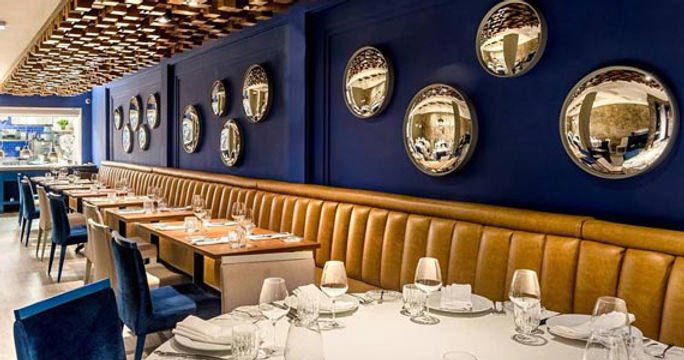
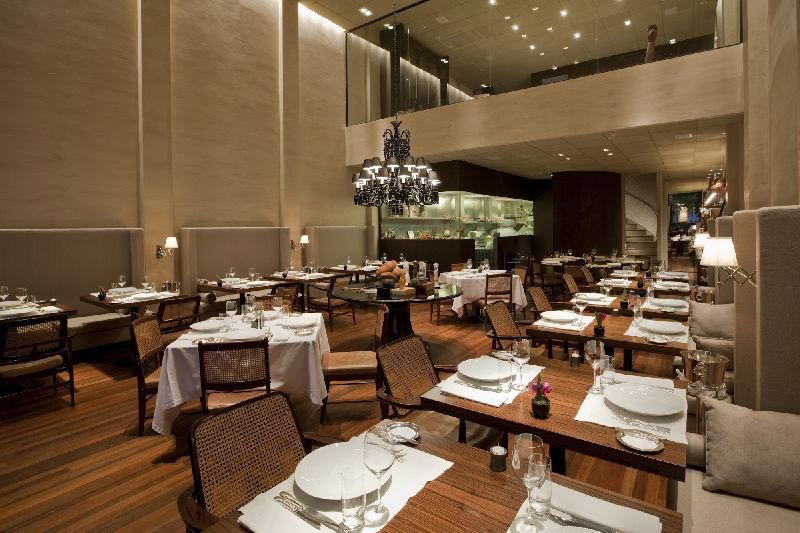
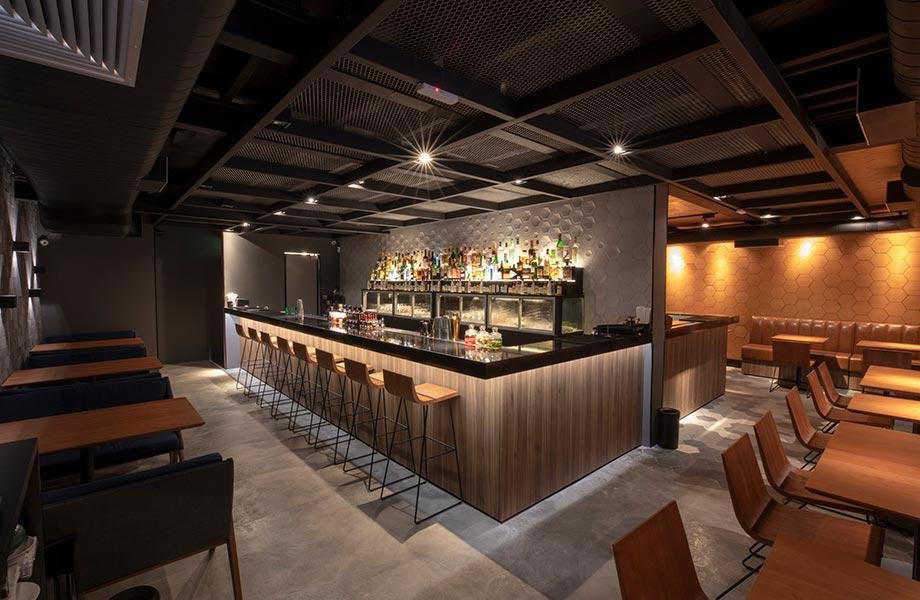
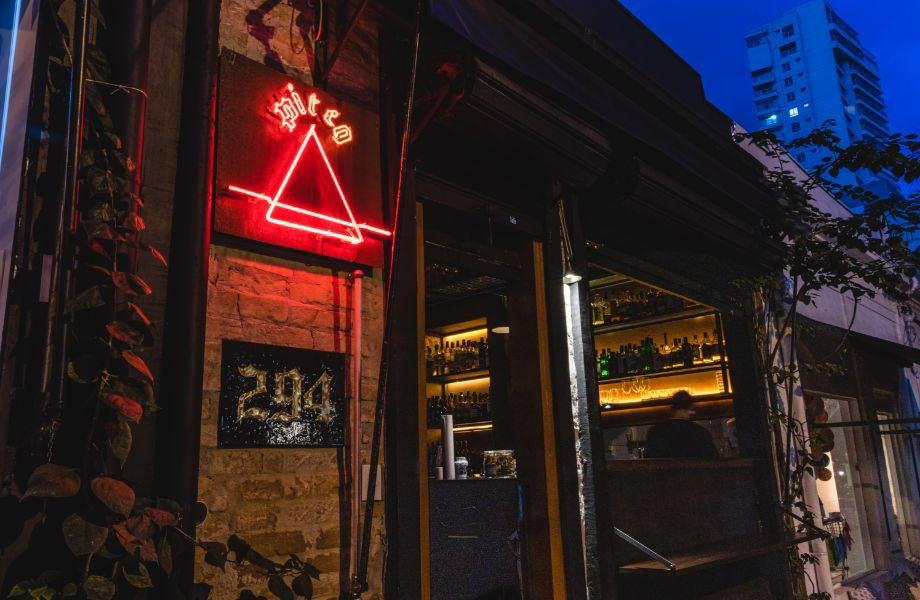
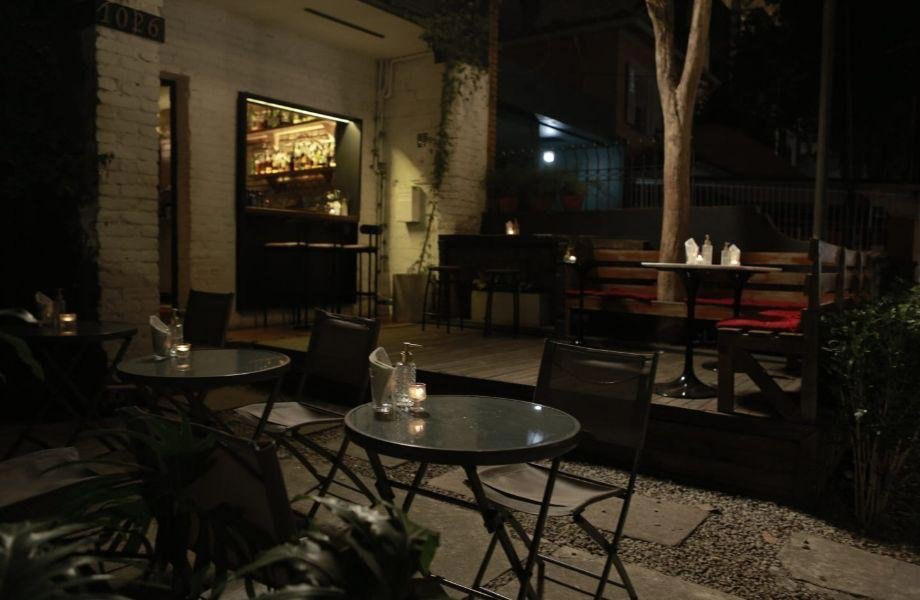
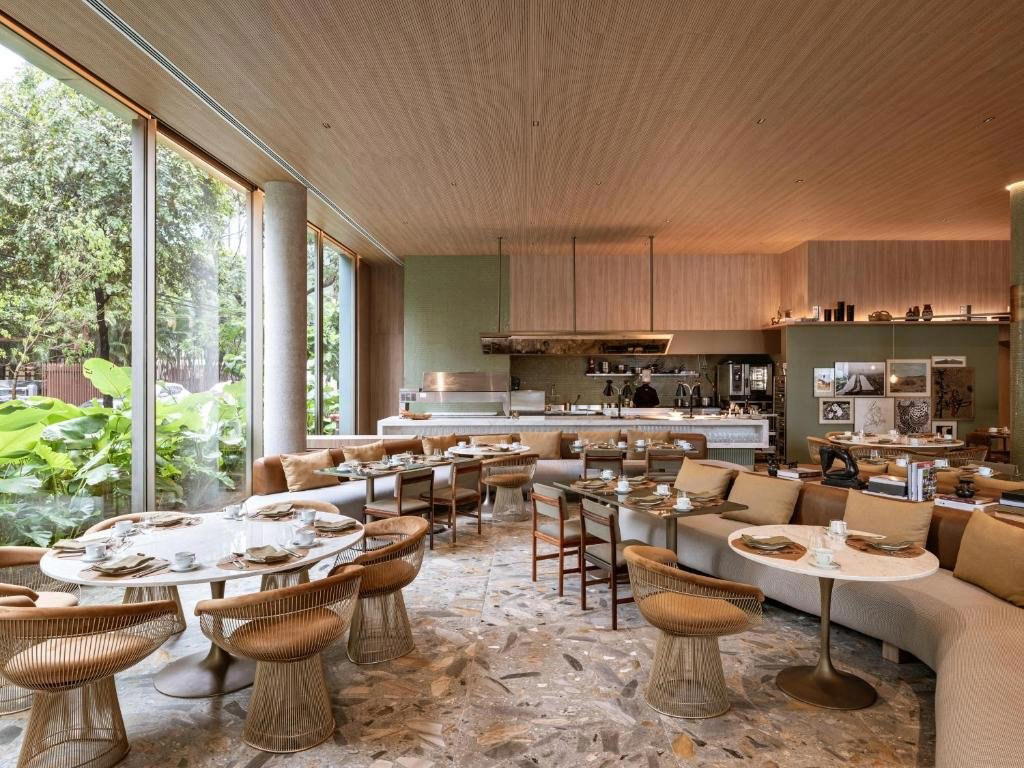
Light-filled and serene with natural illumination from lofty glass ceilings, complemented by a striking vertical garden and designer touches that create an elegant yet relaxed atmosphere.