Our verdict
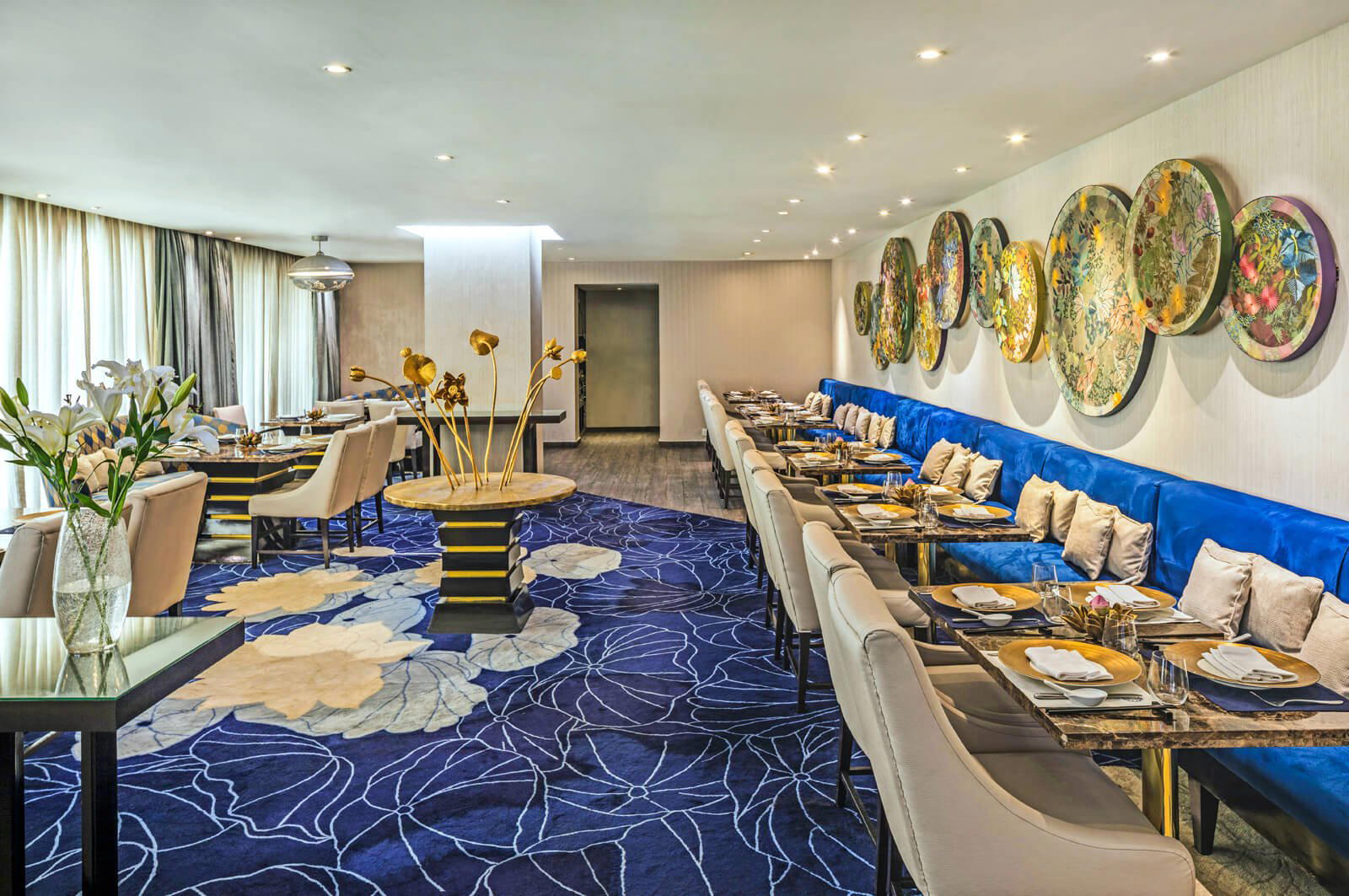
Set within The Park Chennai on Anna Salai, Lotus occupies one of the city's most recognisable hotel dining addresses. The restaurant draws on Chennai's layered dining culture, where hotel properties along this central corridor have long anchored the city's more formal eating occasions. Visitors looking to understand Chennai's mid-to-upper dining register will find it a useful reference point.

Pearl is the En Primeur Club membership app — saves, bookings, and concierge access live there. Same editors, same standards.
- Address
- The Park, 601, Anna Salai, near US Embassy, Tirumurthy Nagar, T. Nagar, Chennai, Tamil Nadu 600006, India
- Phone
- +914442676000
- Hours
- Daily 12:30–3:30 PM, 7–11:30 PM
- Website
- theparkhotels.com
- Directions
- Get directions
- Booking
- Book on the venue's website
The menu
What to order
- Pork ribs
- Pad thai
- Tom kha soup
- Chicken in pandan leaves
Anna Salai's Hotel Dining Corridor and Where Lotus Sits Within It
Anna Salai is Chennai's longest commercial artery, and the stretch near the US Embassy has historically concentrated the city's hotel dining in a way that few other Indian cities replicate at quite this density. Properties along this corridor have functioned, for decades, as the default setting for business lunches, family celebrations, and the kind of occasion that calls for a room with a degree of remove from the street. Lotus, operating within The Park Chennai at 601 Anna Salai, sits inside that tradition. The Park is one of the design-forward hotel brands that repositioned Indian hotel dining during the 2000s, moving away from the generic Continental menus that once dominated such spaces and toward something more attuned to local identity.
That shift matters because it frames what to expect here. Hotel restaurants in Chennai occupy a distinct tier: they are not the specialists you find in a standalone address like Avartana (South Indian), where the entire operation is built around a single culinary argument, but they offer a kind of reliable, considered hospitality that standalone dining often cannot match in terms of setting and service infrastructure. Lotus operates within that logic.
The Atmosphere Along Anna Salai After Dark
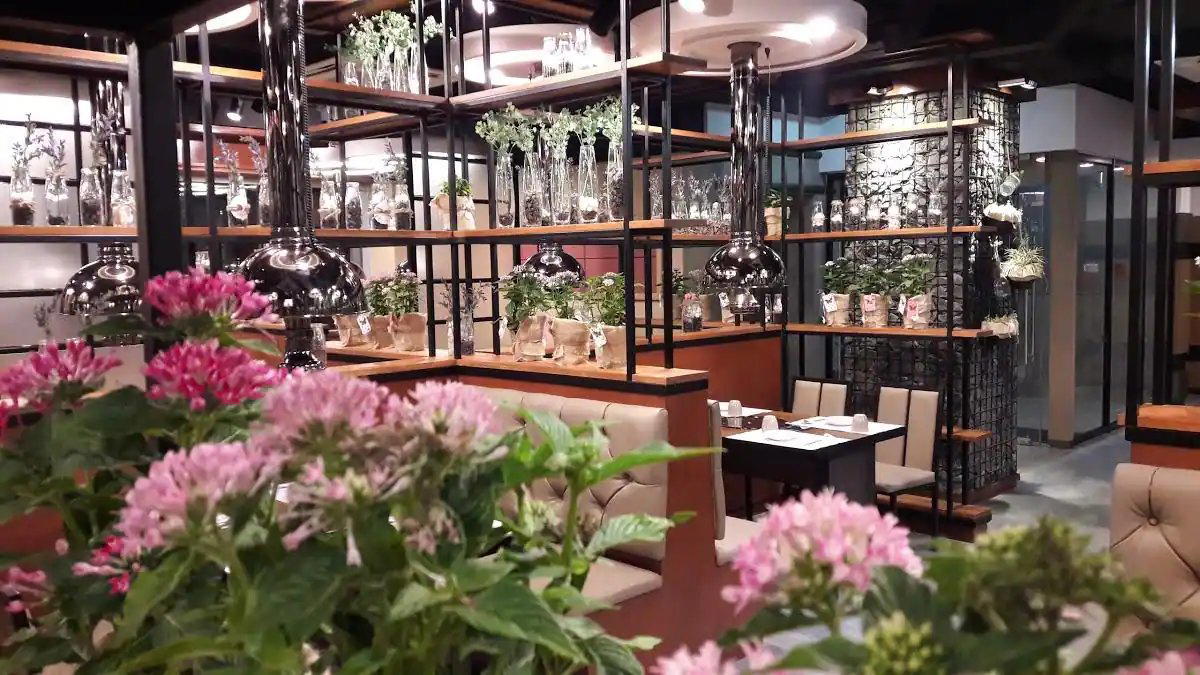
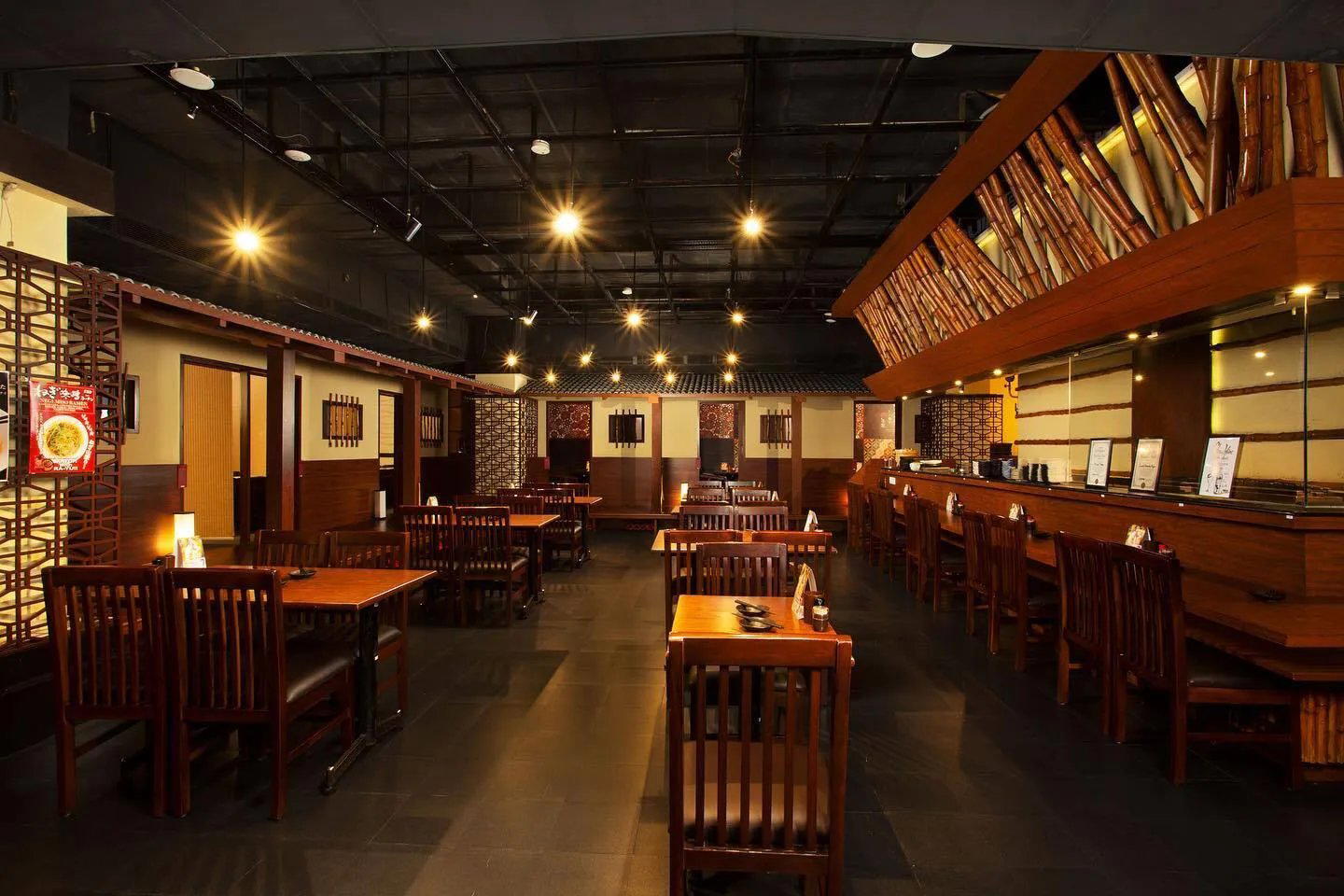
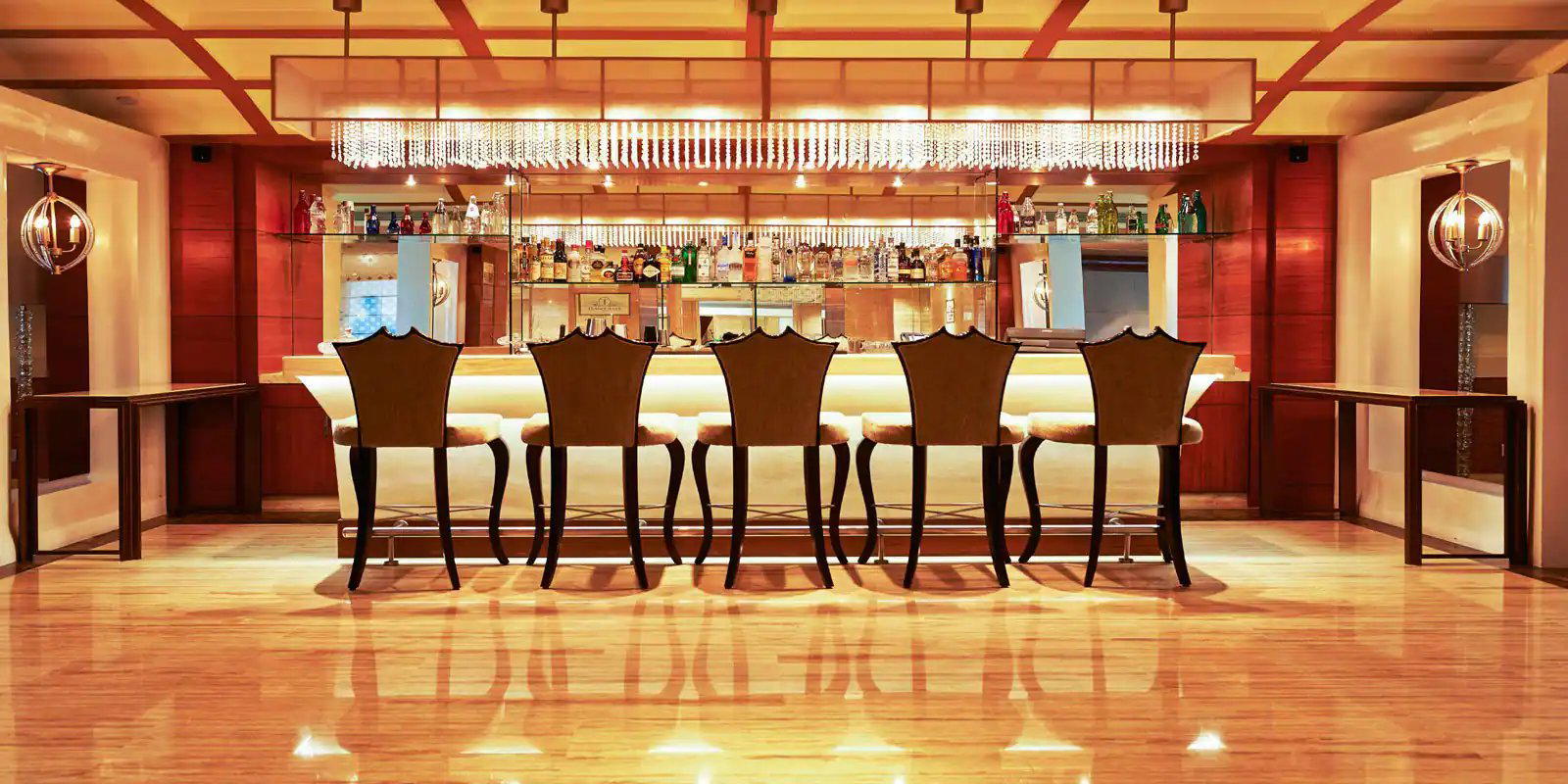
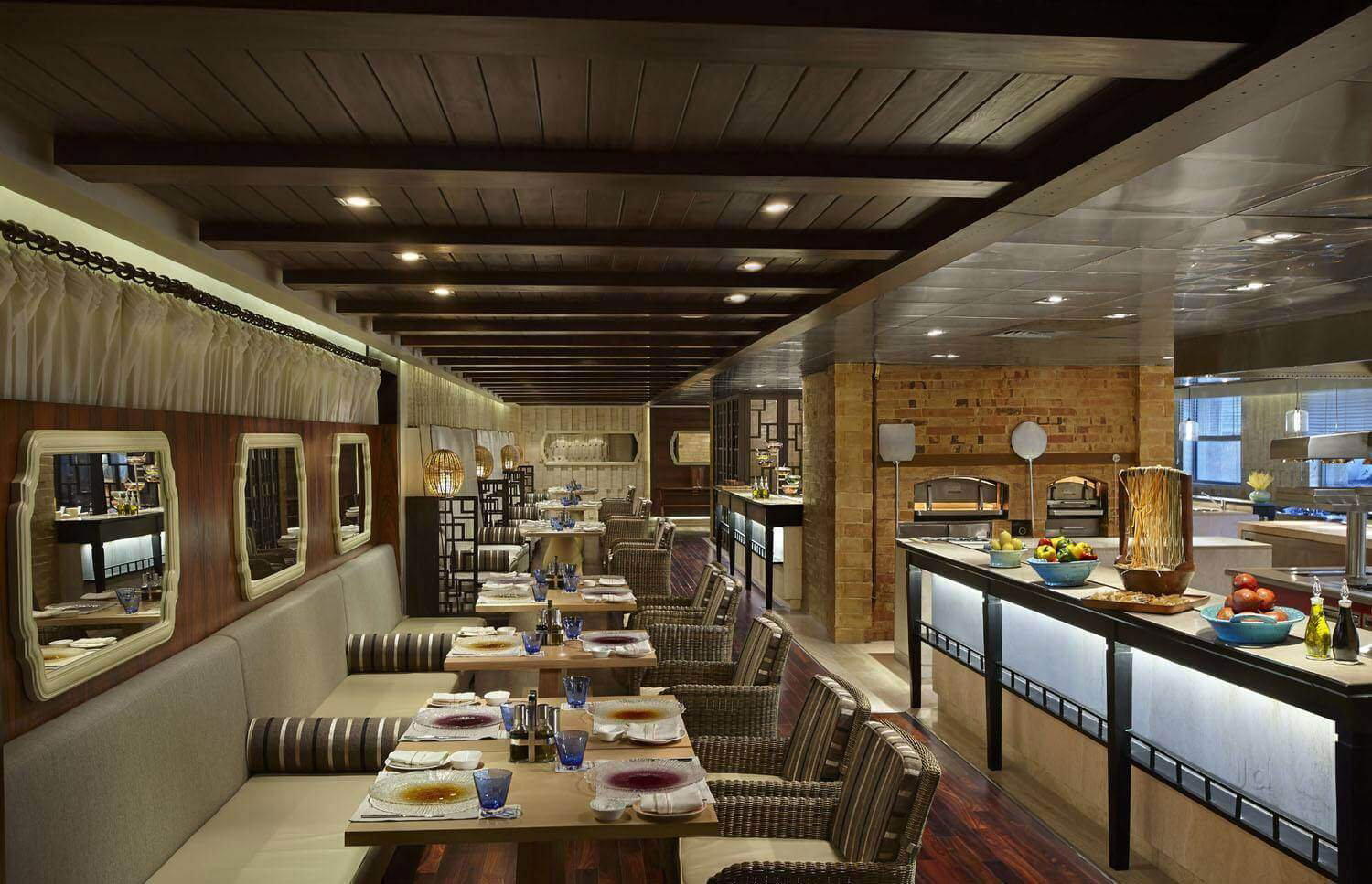
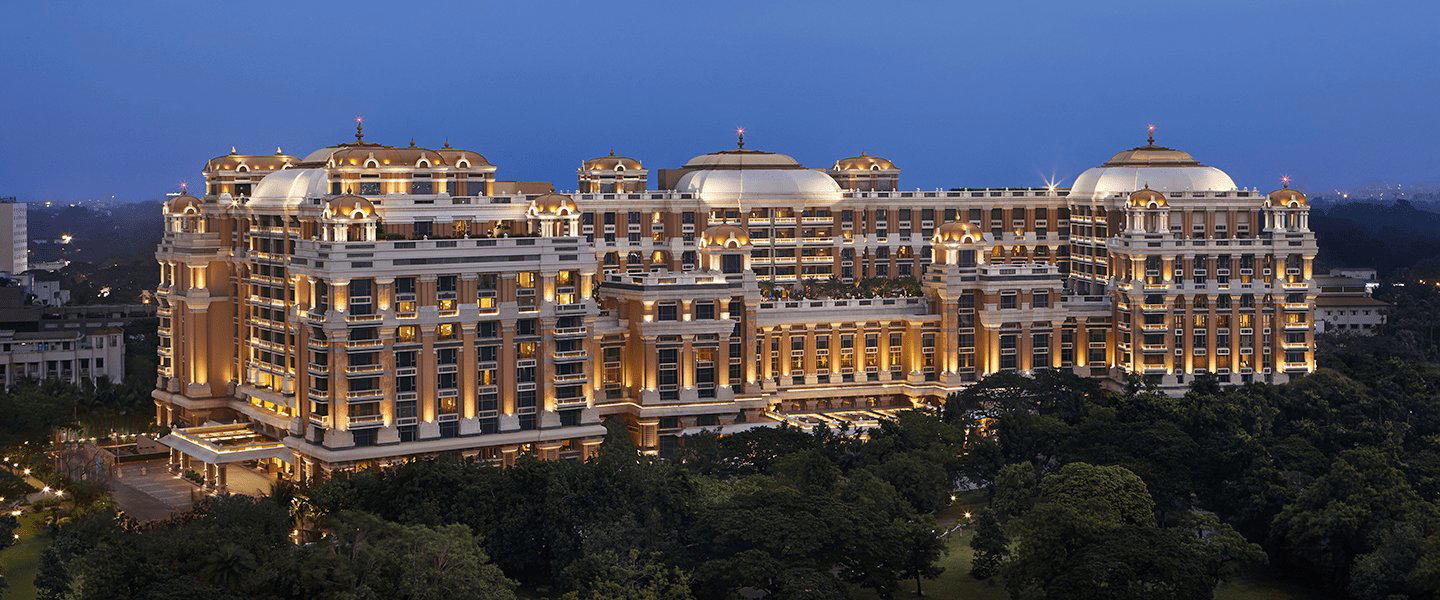
Approaching The Park from Anna Salai in the evening, the building reads differently from the older heritage hotels further down the road. The design language is contemporary and deliberate, with the kind of interior decisions that signal a specific era of Indian luxury hotel development: the period when international design sensibilities were being applied to properties that wanted to distance themselves from the marble-and-chandelier defaults of the previous generation. Inside, the shift from the noise and heat of the street is immediate. Chennai's ambient temperature and traffic density make that transition more pronounced than in cooler cities, and the contrast between exterior and interior becomes part of the experience itself.
Hotel dining rooms in this category typically manage light levels and sound carefully, which is why they remain the setting of choice for conversations that matter. Whether the occasion is a first meeting with a client from out of town or a reunion dinner for a family spread across cities, the acoustic and visual register of a room like this communicates something that a busy street-front restaurant cannot. For visitors arriving in Chennai from cities like Mumbai, where hotel dining has its own reference points (see, for instance, Americano in Mumbai), or from Delhi's more formal dining culture anchored by addresses like Bukhara in New Delhi, the Lotus setting will read as legible within a familiar Indian premium hotel format.
Chennai's Dining Scene: What the Anna Salai Tier Represents
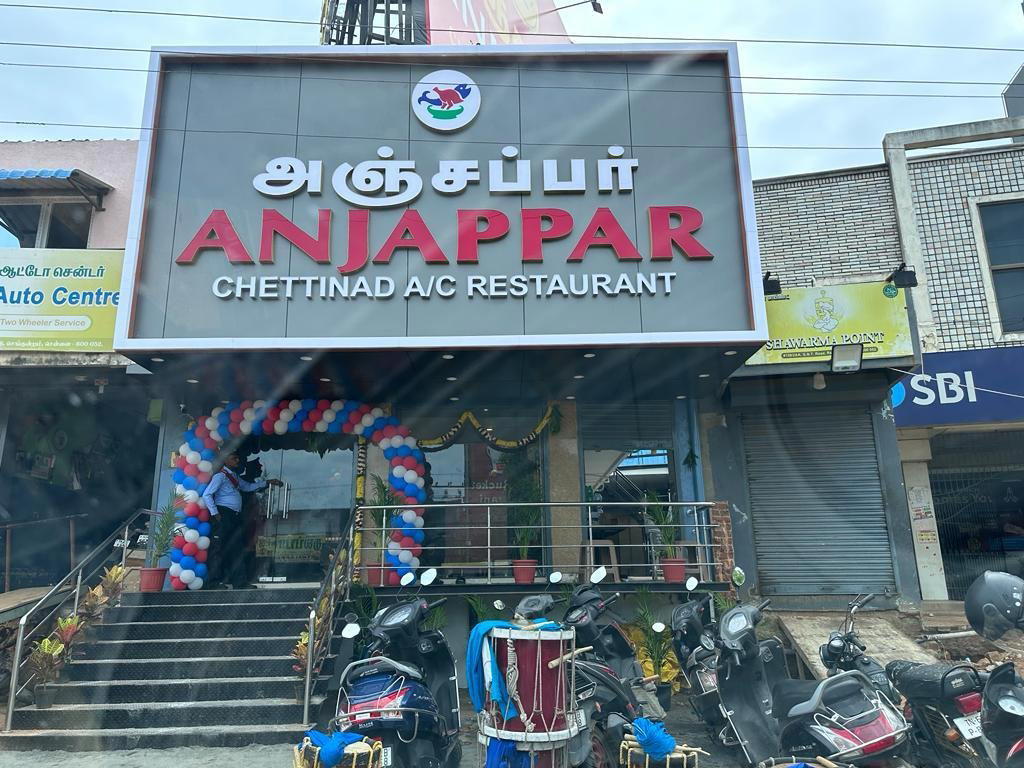
Chennai's restaurant culture has diversified considerably over the past decade. Specialist South Indian addresses have gained national and international attention, with Avartana representing perhaps the most cited example of how local cuisine has been reframed for a fine-dining context without losing its regional integrity. Simultaneously, the city's appetite for Korean and East Asian dining has produced venues like Aeseo Korean Restaurant, reflecting a broadening of what Chennai diners expect from a restaurant city. Traditional Chettinad, a cuisine that traces its architecture of spice to the merchant communities of the Chettinad region, remains a pillar of the city's eating identity, represented at accessible price points by addresses like Anjappar Chettinad Restaurant and Dindigul Thalappakatti Restaurant.
Hotel dining like Lotus occupies a different register from all of these. It is not making a specialist culinary argument in the way Avartana does, and it is not competing on price-to-portion value in the way Thalappakatti does. That is not a criticism: it reflects how hotel restaurants in large Indian cities have always functioned, as places where the dining proposition is inseparable from the broader hotel experience. For a fuller picture of where this fits within Chennai's eating options, the EP Club Chennai restaurants guide maps the full range across neighbourhoods and price points.
Planning a Visit: Practical Considerations
The Park Chennai's location on Anna Salai near T. Nagar places it within reasonable distance of several of the city's commercial and business districts, which is part of why the hotel draws a mix of business travellers and local occasion diners. T. Nagar itself is one of Chennai's densest retail and residential concentrations, and the transition from its street-level intensity to a hotel dining room on Anna Salai takes on particular significance during the city's monsoon months, when Chennai's seasonal rains can make outdoor and street-adjacent dining less direct. The northeast monsoon, which typically arrives between October and December, is the more substantial of Chennai's two monsoon patterns, and timing a visit outside that window generally means more predictable conditions for evening dining.
Hotel restaurants at this tier in Chennai typically accept same-day reservations for weekday dinners but may require advance booking for weekend evenings or larger groups. For comparison, standalone venues operating at similar or higher price points across India, such as Farmlore in Bangalore or Naar in Kasauli, often require bookings several weeks ahead, which gives a sense of how the booking landscape varies across different venue types.
Visitors with dietary restrictions should raise these at the point of reservation. Indian hotel dining at this level generally accommodates vegetarian requirements as a matter of course, given Chennai's substantial vegetarian dining culture, but specific allergies and intolerances require direct communication with the kitchen rather than assumptions based on menu category. More specific guidance appears in the FAQ section below.
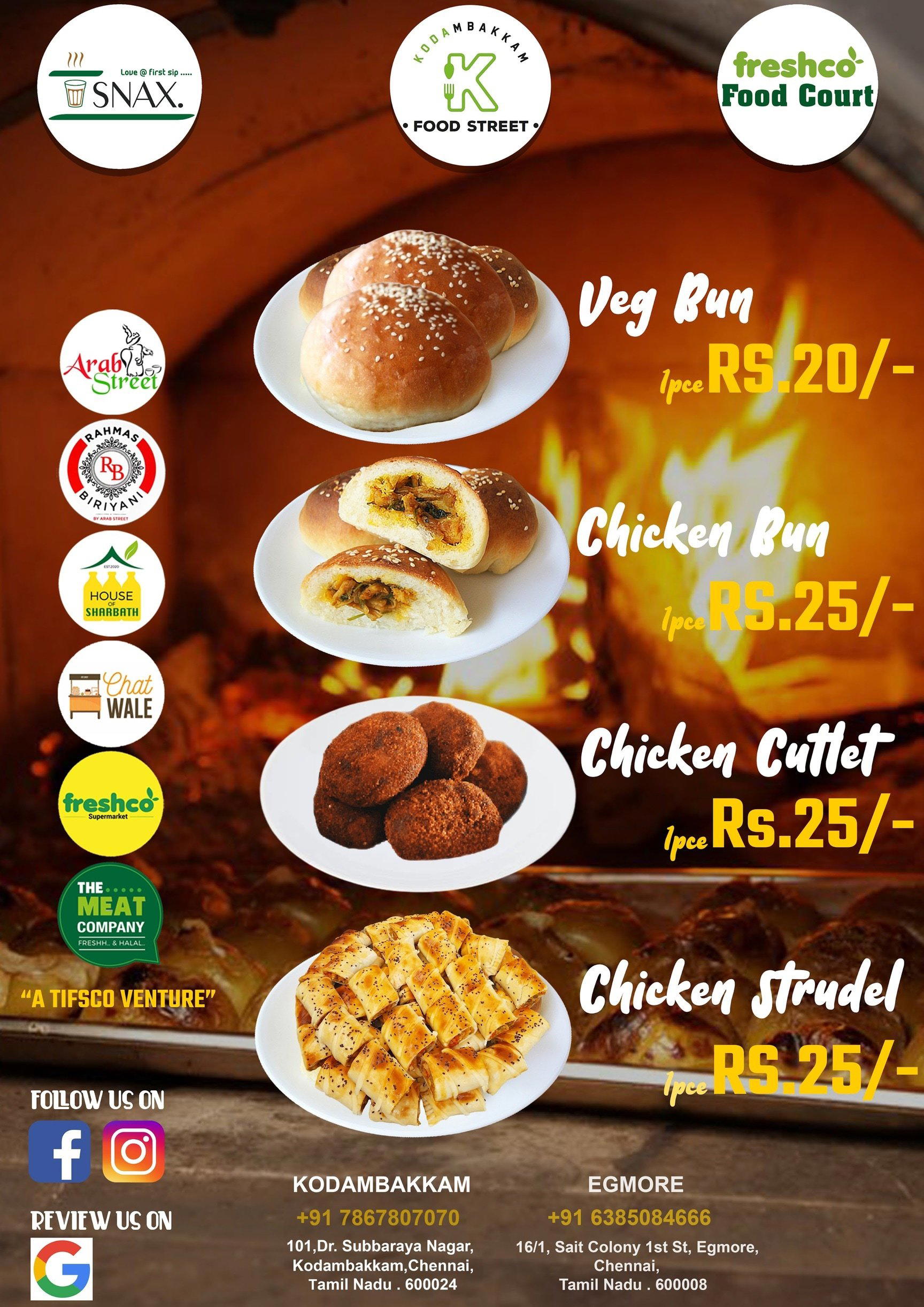
For those building a broader Chennai itinerary, the Freshco Food Court offers a contrasting price point for more casual daytime eating in the city, while EP Club's coverage of hotel dining across South India extends to addresses like Leela Kerala Terrace in Trivandrum, which provides a useful regional comparison for understanding how Kerala's hotel dining culture differs from Chennai's.
Frequently asked questions
Where is Lotus located?
Lotus is located at The Park, 601, Anna Salai, near US Embassy, Tirumurthy Nagar, T. Nagar, Chennai, Tamil Nadu 600006, India, Chennai.
Is Lotus at The Park Chennai suitable for a business dinner?
The Park's location on Anna Salai near T. Nagar places it within comfortable reach of Chennai's main commercial districts, which has historically made hotel dining at this address a practical option for business entertaining. The restaurant sits within a full-service property, meaning private or semi-private seating arrangements may be possible. Confirm current dining room configuration directly with the hotel before booking a work meal.
What's the must-try dish at Lotus?
Given the restaurant's position within a full-service hotel on Anna Salai, the kitchen typically covers multiple cuisine categories. check the venue's official channels for current menu highlights before your visit.
How far ahead should I plan for Lotus?
Lotus is located inside The Park on Anna Salai, a hotel address that draws a consistent mix of business travellers and Chennai residents. Weekend tables at hotel restaurants in this corridor tend to fill faster than mid-week slots, so reaching out a few days in advance is a reasonable baseline. For special occasions or larger groups, allow more lead time.
What's the standout thing about Lotus?
Lotus occupies a position within one of Anna Salai's most architecturally distinct hotel properties, sitting near the US Embassy in a stretch that has historically anchored Chennai's hotel dining. That address places it within the city's established commercial and business district, making it a practical choice for both visitors staying at The Park and those coming from T. Nagar.
How does Lotus handle allergies?
The standard approach at hotel restaurants in Chennai at this level is to communicate requirements directly to the floor team before ordering. Calling The Park Chennai ahead of your reservation remains the most reliable way to confirm specific dietary accommodations.
Nearby-ish Comparables
Comparable venues nearby, for context on price, style, and recognition.
| Venue | Cuisine | Price | Awards | Notes |
|---|---|---|---|---|
| LotusThis venue — the venue you are viewing | Contemporary Pan-Asian | Not listed | Not listed | Not listed |
| Dindigul Thalappakatti Restaurant | Authentic South Indian Biryani | $1–10 | Not listed | Manapakkam |
| Freshco Food Court | Multicuisine Street Food | $1–10 | Not listed | Egmore |
| Avartana | Progressive Southern Indian Fine Dining | $50–100 | La Liste Top Restaurants · Wine Spectator Award of Excellence | Guindy |
| Kuuraku Chennai | Japanese Sushi Fusion | $20–30 | Not listed | Vadapalani |
| Kailash Parbat- Pure Vegetarian Restaurant | Pure Vegetarian North Indian & Chaat | $1–10 | Not listed | Nungambakkam |
Continue exploring
More in Chennai
Restaurants in Chennai
Browse all →
Details
- Elegant
- Sophisticated
- Intimate
- Date Night
- Business Dinner
- Celebration
- Hotel Restaurant
- Craft Cocktails
- A La Carte
- Vegetarian Friendly
- Vegan Options
- Gluten Free Options
Current opening hours
- Monday
- 12:30–3:30 PM, 7–11:30 PM
- Tuesday
- 12:30–3:30 PM, 7–11:30 PM
- Wednesday
- 12:30–3:30 PM, 7–11:30 PM
- Thursday
- 12:30–3:30 PM, 7–11:30 PM
- Friday
- 12:30–3:30 PM, 7–11:30 PM
- Saturday
- 12:30–3:30 PM, 7–11:30 PM
- Sunday
- 12:30–3:30 PM, 7–11:30 PM
Hours can change for holidays and private events. Last verified .
Quiet and pleasant ambiance with luxurious blue and silver décor, rich exotic elements of Hindu and Buddhist influence, offering a well-suited balance of sensuous energy and calm.