Our verdict
Dindigul Thalappakatti Restaurant in Pallikaranai brings the celebrated biryani tradition of Dindigul to Chennai's southern suburbs, where the chain's reputation for seeraga samba rice and distinct spice ratios has built a loyal following. Positioned on Velachery Road, it serves a community of regular diners who treat it as a reliable anchor for Tamil Nadu's most debated rice dish.

Pearl is the En Primeur Club membership app — saves, bookings, and concierge access live there. Same editors, same standards.
- Address
- Door No.53, 2, Velachery Rd, Pallikaranai, Chennai, Tamil Nadu 600100, India
- Phone
- +917305079722
- Hours
- Daily 11 AM–11 PM
- Website
- thalappakatti.com
- Directions
- Get directions
- Booking
- Book on the venue's website
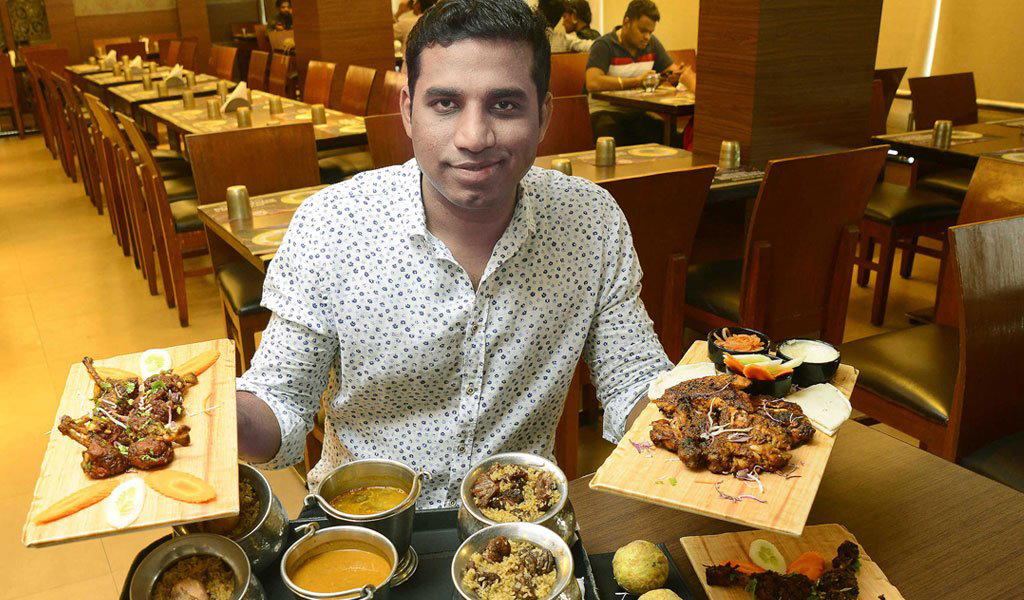
South Chennai and the Biryani Belt
Pallikaranai sits at the outer edge of Chennai's southward sprawl, where IT corridors and residential blocks have replaced the wetlands that once defined the area. Along Velachery Road, the dining options track the neighbourhood's demographic: working professionals, families, and long-term residents who want honest food served without ceremony. It is in this context that Dindigul Thalappakatti Restaurant operates, not as a destination pulled from a city-centre shortlist, but as a neighbourhood fixture in a part of Chennai that rarely appears in mainstream restaurant coverage.
That positioning matters. Chennai's biryani conversation is geographically layered. The older debate happens in the city's core, where restaurants along Anna Salai and around T. Nagar compete for visibility and footfall. In the southern suburbs, the stakes are different: regulars return not because a restaurant has press, but because the food is consistent across visits. Thalappakatti's presence in Pallikaranai is a function of that southward expansion of Chennai's dining geography, mirroring the way residents of these suburbs have grown from weekend visitors to the city centre into a self-sufficient local economy with its own food culture.
The Dindigul Tradition and What It Means in Chennai
Dindigul biryani is a distinct regional preparation, not simply a variation on the broader Tamil Nadu style. The key differentiators are seeraga samba rice, a short-grain aromatic variety with a natural nuttiness that holds its shape differently from the long-grain basmati used in Hyderabadi or Lucknowi preparations, and a spice ratio that leans into tanginess, often derived from curd and small amounts of lime. The meat-to-rice ratio in Dindigul biryani also skews toward generous portioning of the protein, a structural choice that distinguishes it from more rice-heavy formats.
Thalappakatti as a name and institution is closely associated with this preparation. The brand originated in Dindigul itself and expanded across Tamil Nadu and into other South Indian cities carrying the Dindigul identity as its primary credential. In a city like Chennai, where local biryani houses and Chettinad specialists such as Anjappar Chettinad Restaurant already occupy strong positions in the market, a Thalappakatti outlet competes on the basis of regional specificity rather than broad appeal. It is essentially arguing that Dindigul biryani is a category of its own, and that argument has found enough traction in Chennai to sustain multiple outlets across the city.
The Pallikaranai location serves a neighbourhood that does not have the concentration of specialist restaurants found closer to the city centre. For residents here, access to a regionally specific preparation like Dindigul biryani without a long commute is itself the practical proposition. Compare this with the more elaborate South Indian fine-dining available at Avartana, which operates at a different price tier and format entirely, or the international options at Aeseo Korean Restaurant and the hotel dining at Jamavar. Thalappakatti's competitive set in Pallikaranai is defined more by neighbourhood logistics than by cuisine-category rivalry.
Where Thalappakatti Sits in Chennai's Broader Food Map
Chennai's restaurant scene has diversified considerably over the past decade. There is now a tier of restaurants in the city producing genuinely ambitious cooking, and coverage of that tier has grown accordingly. But the majority of Chennai residents eat in mid-market or informal settings, and the restaurants that serve those settings are underrepresented in editorial coverage relative to their actual footfall and cultural significance. Thalappakatti belongs to that underrepresented category: a chain with regional identity and a consistent customer base that does not require press validation to fill tables.
For a fuller map of where Chennai's restaurant options sit across different cuisine types, price points, and neighbourhoods, the EP Club Chennai restaurants guide provides broader context. Readers making comparisons across Indian cities might also look at analogous regional specialists such as Bukhara in New Delhi, which occupies a similar position as a brand-name anchor for a specific regional cooking tradition, or the farm-to-table approach taken by Farmlore in Bangalore. Closer to home, the comfort-food ethos of Beera Chicken House in Amritsar reflects a similar pattern: a local institution built on one preparation done consistently well.
Other regional Indian restaurants with strong local followings include Esphahan in Agra and Leela Kerala Terrace in Trivandrum, both of which represent how regional cooking traditions are sustained through dedicated venues rather than through fine-dining reinvention. For those interested in how Indian restaurant formats compare internationally, the contrast with tasting-menu formats at Le Bernardin in New York City or the Korean omakase approach at Atomix in New York City illustrates how differently the same customer loyalty is expressed across culinary cultures.
Within Chennai's southern corridor, Freshco Food Court represents another approach to mid-market dining in the same general geography, serving the same suburban demographic with a different format. The contrast between a food court and a single-cuisine specialist like Thalappakatti reflects a broader split in how Chennai's outer suburbs are developing their food infrastructure.
For those exploring other destinations across India, venues like Naar in Kasauli, 5868 Restaurant in Gandhinagar, Harvest Kitchen Somnath in Veraval, and La Fountain Blu in Navsari collectively map a regional dining culture where mid-market local institutions outpace fine-dining in sheer cultural relevance. The same logic applies in Mumbai, where Americano in Mumbai occupies a different niche but demonstrates that sustained local identity is what drives repeat visits across Indian cities.
Planning Your Visit
The Pallikaranai location on Velachery Road is accessible by road from Velachery, Perungudi, and Sholinganallur, putting it within reach of several of the IT clusters along the Old Mahabalipuram Road corridor. For visitors staying in central Chennai, the drive south during off-peak hours is manageable, though the Velachery area can see significant congestion during peak morning and evening periods. The address at Door No. 53, 2, Velachery Road places it in the commercial stretch of Pallikaranai rather than in a residential interior.
Frequently asked questions
Where is Dindigul Thalappakatti Restaurant located?
Dindigul Thalappakatti Restaurant is located at Door No.53, 2, Velachery Rd, Pallikaranai, Chennai, Tamil Nadu 600100, India, Chennai.
Does Dindigul Thalappakatti in Pallikaranai serve the same preparation as the original Dindigul outlets?
The Thalappakatti chain built its reputation on replicating the Dindigul-style biryani, made with seeraga samba rice and a spice profile rooted in that region of Tamil Nadu, at scale across Chennai and beyond. The Pallikaranai outlet at Door No. 53, Velachery Road follows this same format, making it a reference point for understanding how a distinct regional preparation travels from a smaller Tamil Nadu town into a major city's food culture. For visitors comparing biryani styles across Chennai, the Thalappakatti preparation sits clearly apart from both the Ambur and Chennai Muslim styles served elsewhere in the city.
What's the signature dish at Dindigul Thalappakatti Restaurant?
The preparation the Thalappakatti name is built on is Dindigul biryani, cooked with seeraga samba rice rather than long-grain basmati. Seeraga samba is a short-grain variety with a distinct aroma and denser texture, which produces a biryani that reads quite differently from what Chennai's other well-known biryani houses serve. The Pallikaranai location on Velachery Road anchors this preparation in south Chennai's busiest residential and IT corridor, where demand for this Dindigul-origin style has grown steadily.
How hard is it to get a table at Dindigul Thalappakatti Restaurant?
Thalappakatti operates on a walk-in basis at its Chennai outlets, so there are no reservations to book in advance. The Pallikaranai location on Velachery Road draws a consistent crowd, and peak lunch hours on weekends and public holidays will mean a wait. Arriving before noon or after 2pm on weekdays gives you the clearest run at a seat without standing in line.
At a Glance
| Venue | Cuisine | Price | Awards | Notes |
|---|---|---|---|---|
| Dindigul Thalappakatti RestaurantThis venue — the venue you are viewing | Authentic South Indian Biryani | $1–10 | Not listed | Not listed |
| Avartana | Progressive Southern Indian Fine Dining | $50–100 | La Liste Top Restaurants · Wine Spectator Award of Excellence | South Indian |
| Kappa Chakka Kandhari | Authentic Kerala Cuisine | $10–20 | The Best Chef One Knife | Not listed |
| Kailash Parbat- Pure Vegetarian Restaurant | Pure Vegetarian North Indian & Chaat | $1–10 | Not listed | Not listed |
| Kuuraku Chennai | Japanese Sushi Fusion | $20–30 | Not listed | Not listed |
| Aeseo Korean Restaurant | Korean BBQ | $30–50 | Not listed | Not listed |
Continue exploring
More in Chennai
Restaurants in Chennai
Browse all →
Details
- Lively
- Classic
- Family
- Group Dining
- Casual Hangout
- Standalone
- A La Carte
- Halal
Current opening hours
- Monday
- 11 AM–11 PM
- Tuesday
- 11 AM–11 PM
- Wednesday
- 11 AM–11 PM
- Thursday
- 11 AM–11 PM
- Friday
- 11 AM–11 PM
- Saturday
- 11 AM–11 PM
- Sunday
- 11 AM–11 PM
Hours can change for holidays and private events. Last verified .
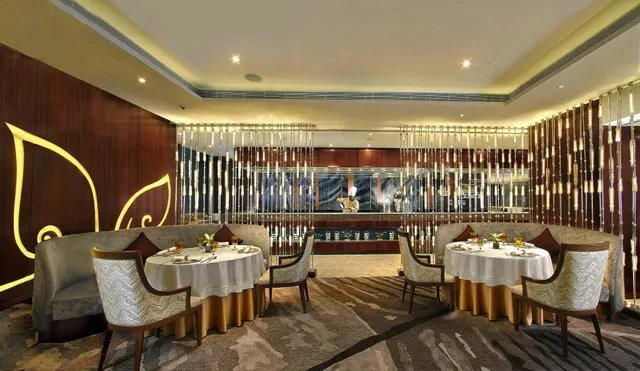
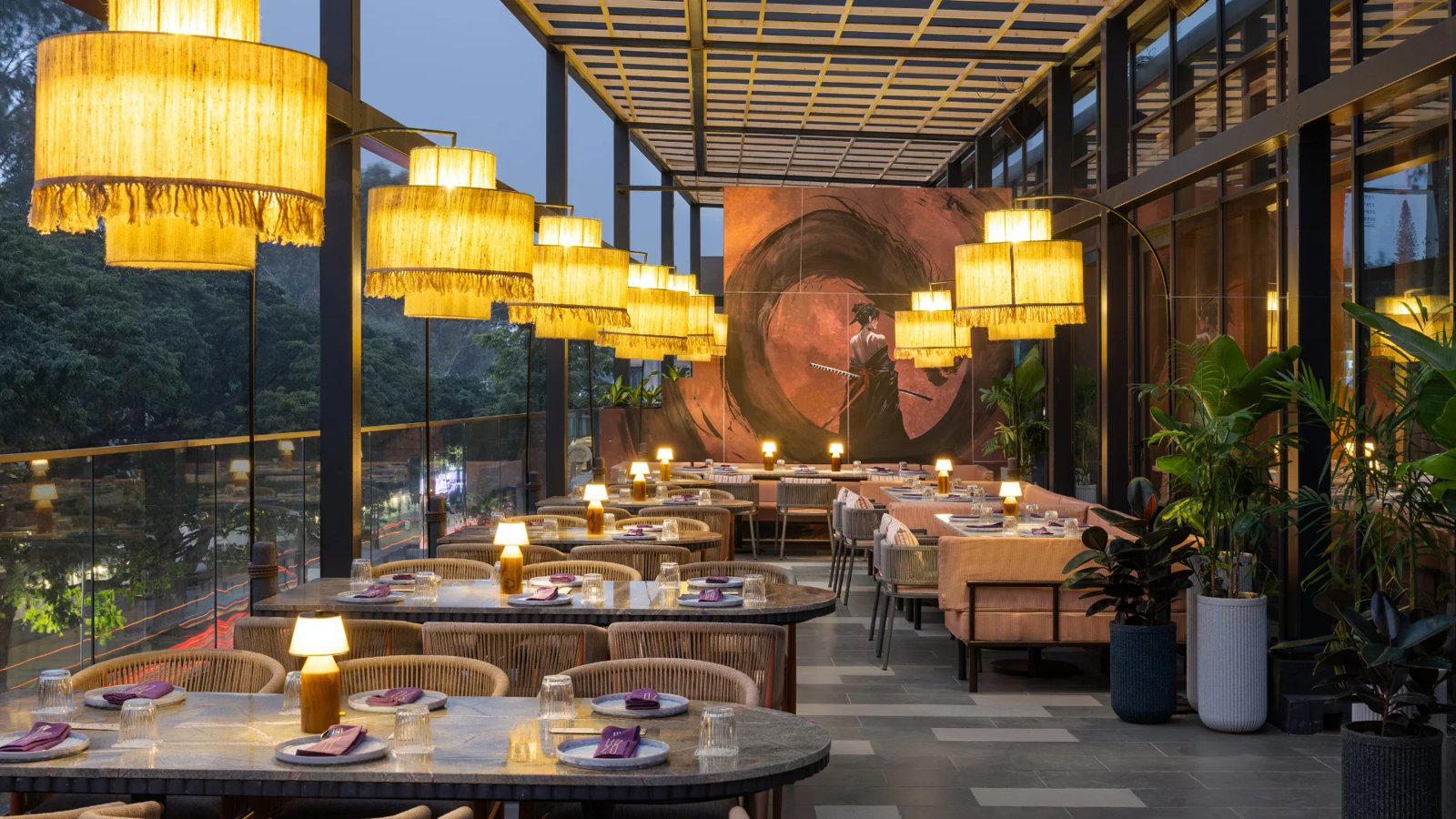
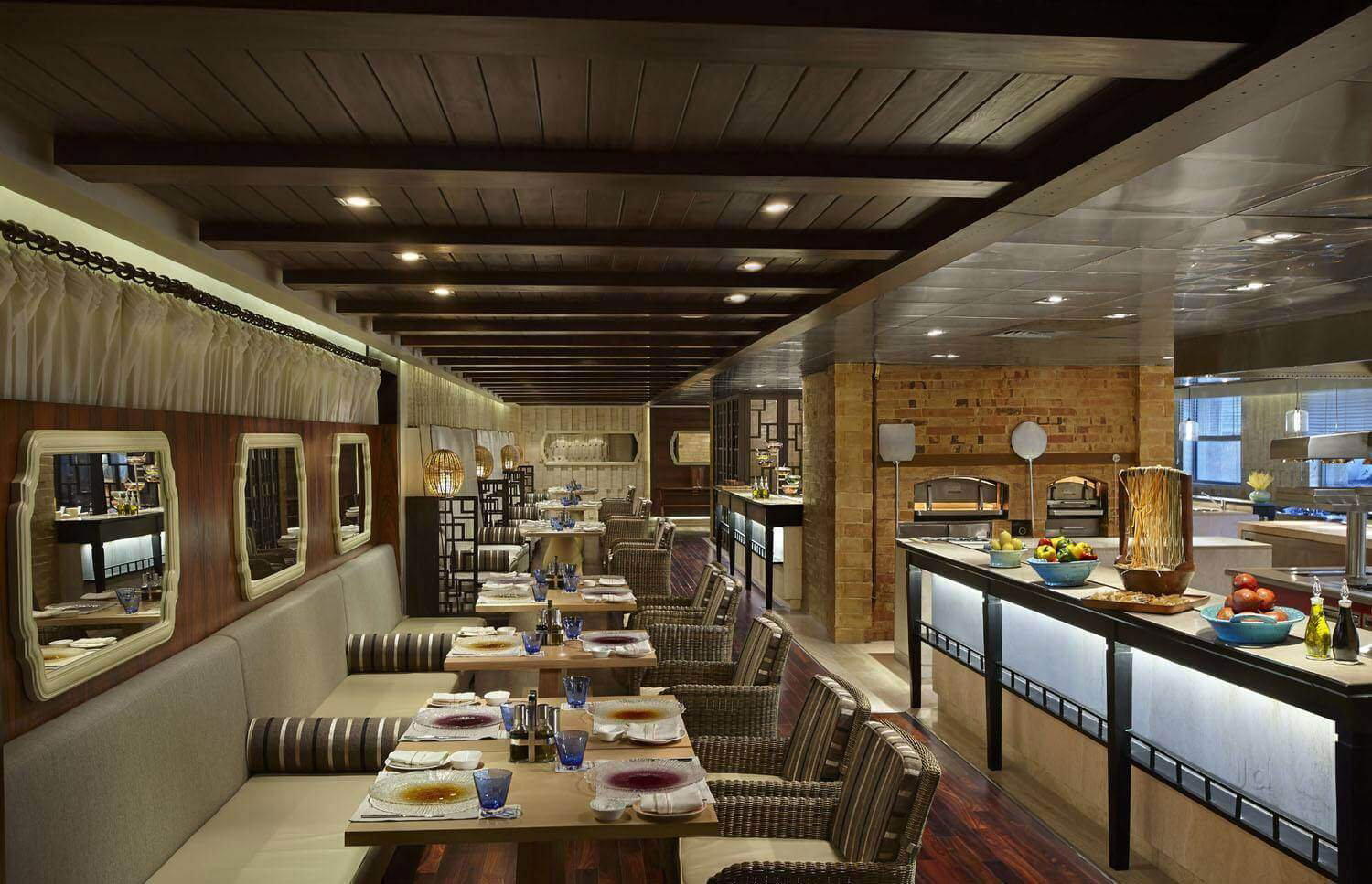
Casual dining atmosphere focused on hearty South Indian meals with traditional service.