Our verdict
Kailash Parbat in Adyar brings a heritage of pure vegetarian cooking to Chennai's Gandhi Nagar neighbourhood, drawing on a tradition that prizes ingredient integrity over kitchen spectacle. The address on 3rd Cross Street places it within a residential pocket that rewards those willing to seek it out, and the menu reflects a pan-Indian vegetarian sensibility with roots in the Sindhi culinary tradition the brand has carried for decades.

Pearl is the En Primeur Club membership app — saves, bookings, and concierge access live there. Same editors, same standards.
- Address
- No-62, 3rd Cross St, Gandhi Nagar, Adyar, Chennai, Tamil Nadu 600020, India
- Phone
- +918056219540
- Hours
- Daily 11 AM–11 PM
- Website
- kailashparbatgroup.com
- Directions
- Get directions
- Booking
- Book on the venue's website
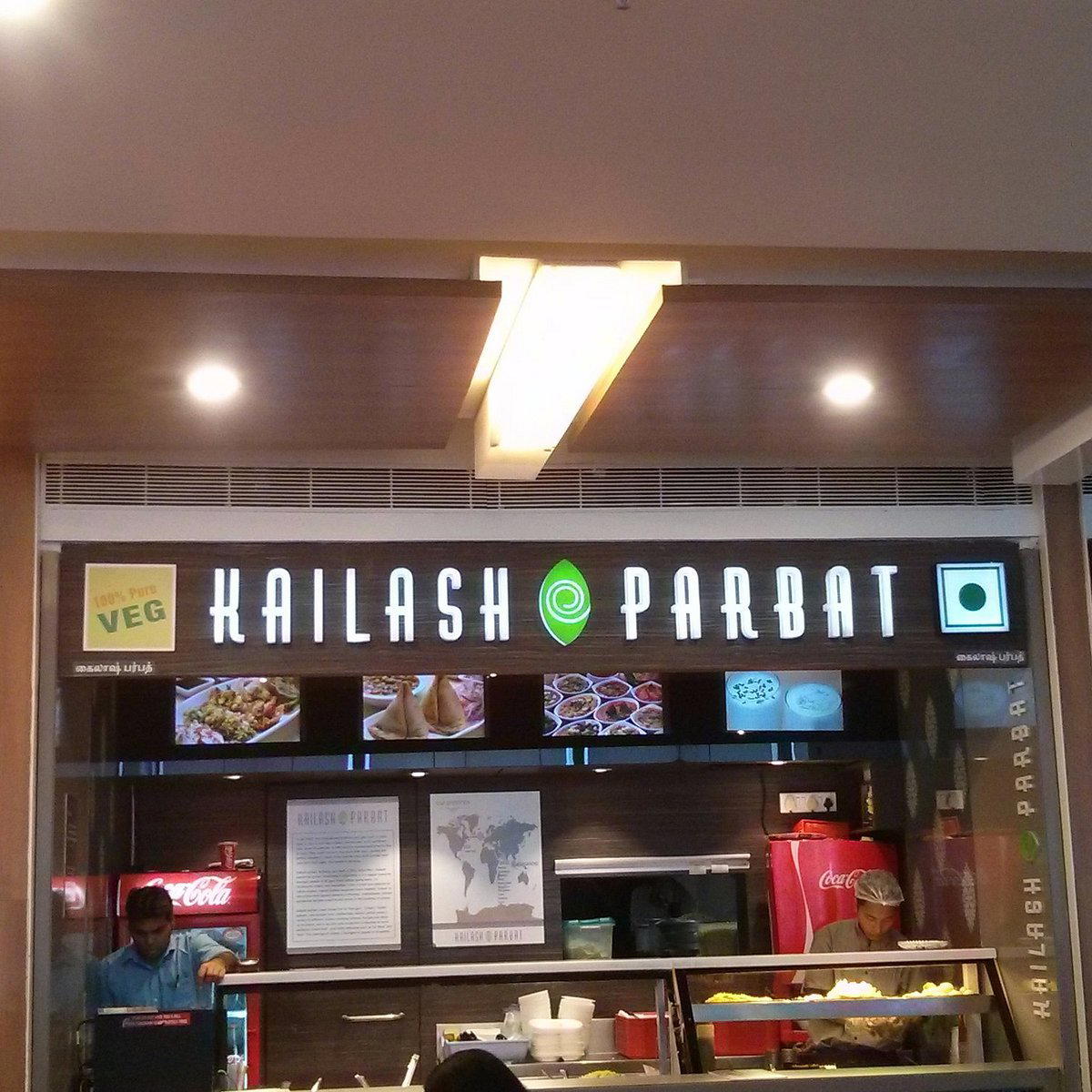
The menu
What to order
- Chole Bhature
- Vada Pav
- Pani Puri
- Chaat Platter
Gandhi Nagar's Vegetarian Anchor
Adyar's Gandhi Nagar is a residential quarter where food culture runs quieter than Chennai's more visible dining corridors along Anna Salai or Nungambakkam. Restaurants here earn their place through neighbourhood loyalty rather than footfall from passing traffic, and that dynamic tends to produce a particular kind of kitchen discipline: the cooking must be worth the deliberate trip. Kailash Parbat on 3rd Cross Street operates inside that logic. As a branch of a brand with origins in Mumbai's Colaba, it arrives in Chennai carrying a Sindhi-vegetarian identity that has proved resilient across cities and decades — a track record that contextualises its presence in a market as crowded with vegetarian options as any in India.
Pure vegetarian restaurants in Chennai exist across every price bracket and every regional tradition. What distinguishes Kailash Parbat from the local Udupi houses, the Chettinad thali rooms, or the South Indian filter-coffee-and-tiffin operations that dominate this city's vegetarian imagination is the northern and Sindhi register of its kitchen. Chennai diners familiar with Anjappar Chettinad Restaurant or the refined South Indian output at Avartana will recognise how different Kailash Parbat's sourcing priorities and preparation logic are — the flavours here trace northward, toward chaat, dal preparations, and Sindhi staples rather than curry leaf and tamarind.
Where the Ingredients Point
The editorial angle that matters most for any pure vegetarian kitchen is sourcing: what comes in, where it comes from, and what the kitchen does before it reaches a plate. Sindhi vegetarian cooking, the tradition that underpins Kailash Parbat's identity, has always been ingredient-led in a specific way. The cuisine grew from a community that moved frequently and adapted its pantry to local markets while maintaining a core set of preparations. That adaptability is embedded in how the brand has expanded across Indian cities, including the Mumbai location that operates alongside a very different dining culture on the other side of the country.
In a city like Chennai, where Tamil Nadu's produce is abundant and the local vegetarian tradition is already sophisticated, a northern vegetarian kitchen has to source credibly to avoid feeling thin. Pulses, dairy, and fresh produce sourced from Tamil Nadu's market network can feed a Sindhi-inflected menu without compromise, the ingredients overlap even when the preparations diverge. The result, at its finest, is a kitchen that reads as genuinely pan-Indian rather than as a transplant straining against its geography.
Across India, ingredient transparency has become a sharper point of difference in the mid-market vegetarian segment. Operations like Farmlore in Bangalore have built a reputation specifically on documented sourcing, while heritage vegetarian kitchens at the premium end, such as Esphahan in Agra, lean on provenance claims as part of their positioning. Kailash Parbat operates at a different tier, it is an accessible, neighbourhood-scale restaurant rather than a destination-dining proposition, but the underlying principle is the same: a pure vegetarian menu has nowhere to hide if its raw materials are indifferent.
The Adyar Context
Adyar as a dining neighbourhood rewards some comparison. It is not Chennai's most talked-about food district, but it holds a consistent mid-market ecosystem that serves local residents rather than visitors looking for destination addresses. For context, the dining spread in Chennai ranges from the genre-focused precision of Aeseo Korean Restaurant to the Chettinad weight of Dindigul Thalappakatti and the casual throughput of Freshco Food Court. Kailash Parbat occupies a different slot: a sit-down, pure vegetarian address with a regional identity distinct from the Tamil mainstream.
The Gandhi Nagar location on 3rd Cross Street means the restaurant is set within a grid of residential streets rather than on a commercial strip. Physically, that signals a local-first model. The approach echoes what you find at vegetarian establishments that have built durable reputations in residential pockets from Delhi to Pune: the restaurant serves the community consistently rather than cycling through tourists or one-time visitors. For diners looking at the Chennai scene as a whole, our full Chennai restaurants guide maps the broader category.
Where Kailash Parbat Sits in the Vegetarian Market
India's pure vegetarian restaurant sector is not a monolith. At one end sit the grand Jain and Marwari dining halls of Gujarat and Rajasthan, codified around religious observance and regional produce. At another sit the new-generation vegetable-forward tasting rooms, a format that has gained ground in major cities and whose most formally ambitious practitioners internationally include venues like Le Bernardin in New York working with pristine single-ingredient sourcing, or Atomix applying Korean precision to produce. Kailash Parbat is not in either of those brackets. It belongs to the dependable, accessible, multi-city vegetarian brand category, a segment defined by consistency of preparation and recipe fidelity across locations.
Within that segment, the Sindhi culinary heritage is a differentiator. Most multi-city Indian vegetarian brands default to either North Indian Punjabi registers or South Indian tiffin formats. The Sindhi tradition, with its distinctive use of dried mango powder, lotus stems, and chickpea flour across a range of preparations, occupies narrower territory, and Kailash Parbat has maintained that identity through its expansion. For diners who have encountered the brand in other Indian cities, the Chennai address is a known quantity. For those new to the tradition, it is a point of entry into a cooking style that the city's own restaurants do not otherwise represent in significant number.
For comparable commitment to regional specificity at different price and format points across India, Naar in Kasauli, Leela Kerala Terrace in Trivandrum, and Bukhara in New Delhi each illustrate how regional food identity anchors a restaurant's credibility in ways that broader, generic menus cannot replicate. The principle applies across categories, from Harvest Kitchen Somnath in Veraval to 5868 in Gandhinagar.
Planning Your Visit
Kailash Parbat is at No. 62, 3rd Cross Street, Gandhi Nagar, Adyar, Chennai. The address is direct to locate within Adyar's street grid. The pure vegetarian format means the kitchen is appropriate for the full range of guests observing vegetarian or Jain dietary requirements, subject to confirming onion and garlic usage directly with the restaurant. For a city where the vegetarian dining range runs from the austere to the elaborately spiced, Kailash Parbat's Sindhi register offers a specific alternative that Chennai's own culinary tradition does not provide. That specificity is the practical reason to seek it out. Further context on the broader Chennai dining scene, including venues across cuisine type and price tier, is available via Beera Chicken House in Amritsar for regional comparison, and La Fountain Blu in Navsari for the broader multi-format category context across Indian cities.
Frequently asked questions
Is Kailash Parbat Pure Vegetarian Restaurant suitable for children?
The Gandhi Nagar, Adyar address points to a residential neighbourhood format where family dining is the norm rather than the exception. Pure vegetarian kitchens with familiar North Indian preparations tend to accommodate children without difficulty, as there are no meat-related allergen concerns on the menu. The neighbourhood setting at No. 62, 3rd Cross Street keeps the atmosphere low-key rather than formal.
Where is Kailash Parbat- Pure Vegetarian Restaurant located?
Kailash Parbat- Pure Vegetarian Restaurant is located at No-62, 3rd Cross St, Gandhi Nagar, Adyar, Chennai, Tamil Nadu 600020, India, Chennai.
Should I book Kailash Parbat- Pure Vegetarian Restaurant in advance?
Reservations are recommended for Kailash Parbat- Pure Vegetarian Restaurant in Chennai. Confirm current policy via the venue's official channels.
How would you describe the vibe at Kailash Parbat Pure Vegetarian Restaurant?
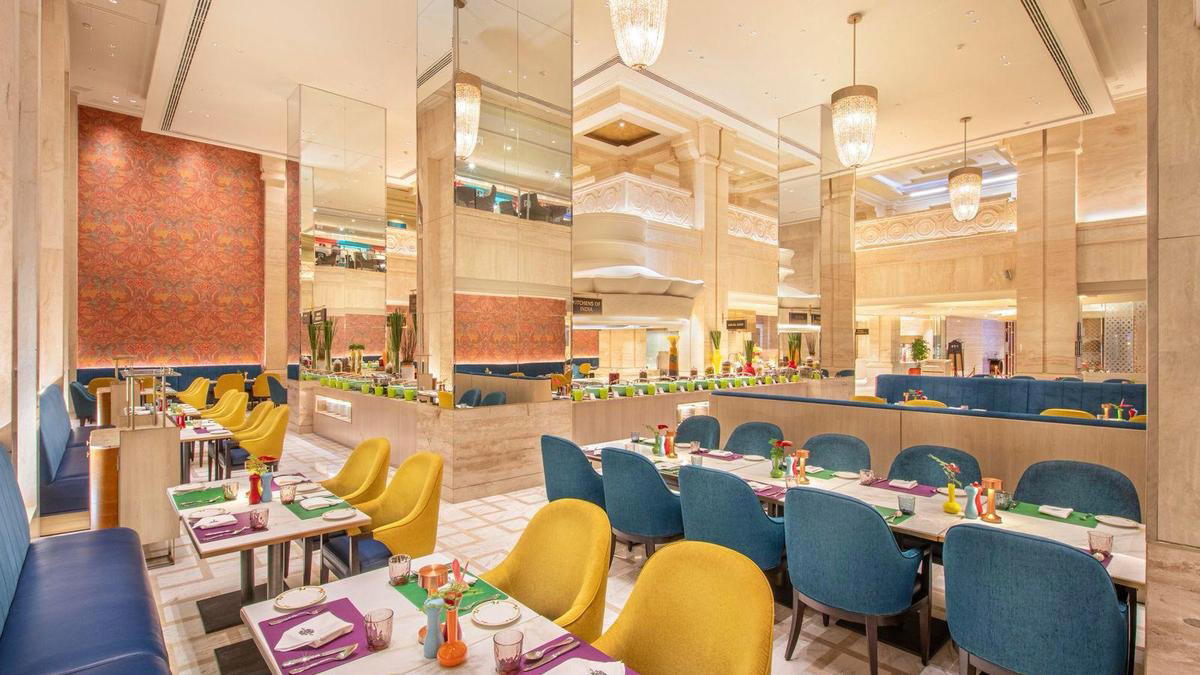
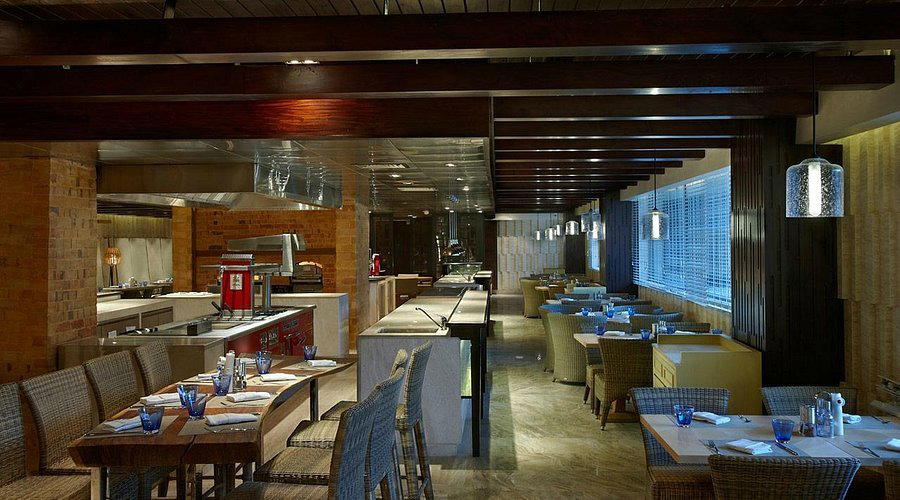
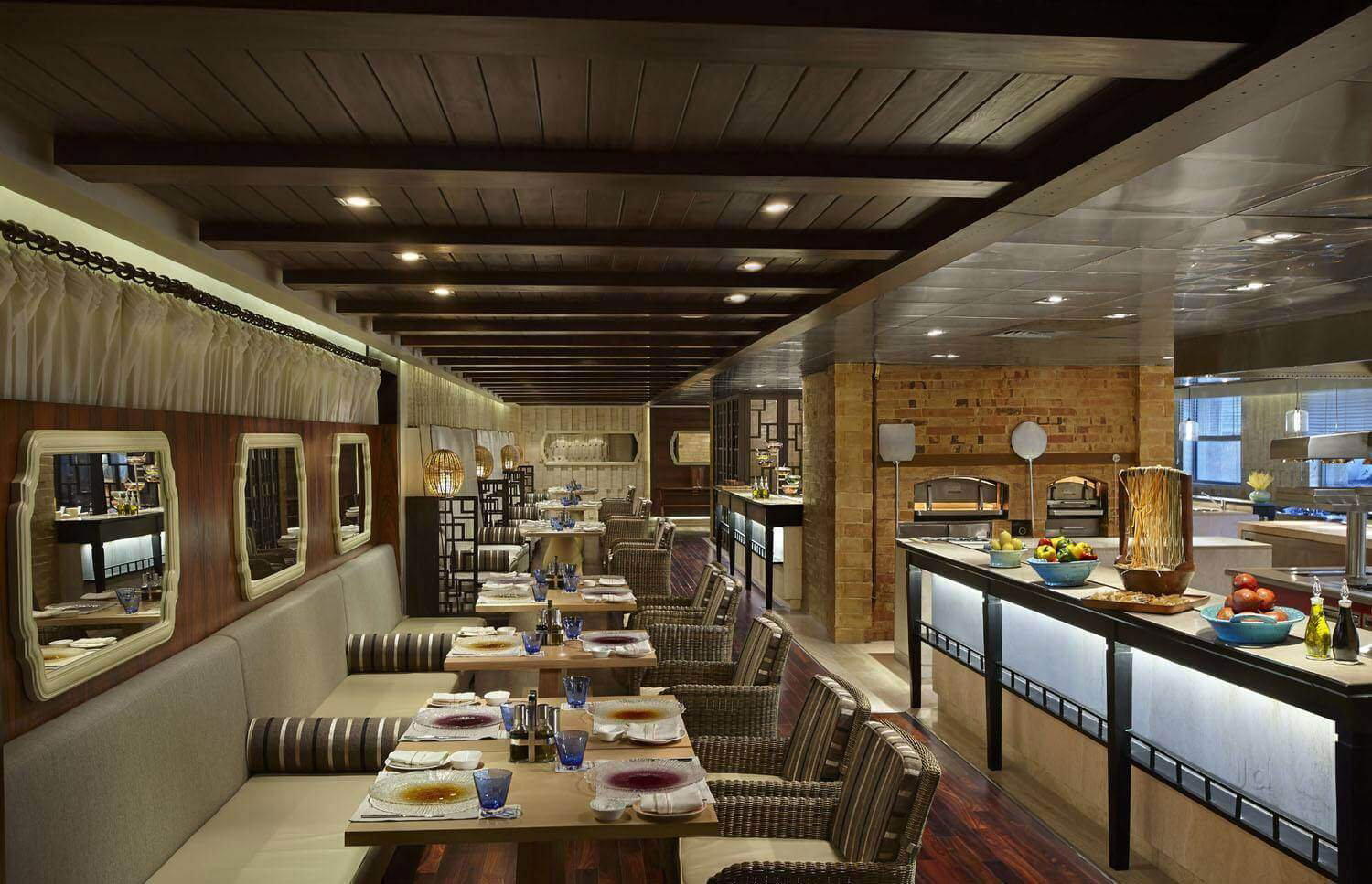
This is a residential neighbourhood restaurant in Gandhi Nagar, Adyar — a quieter part of Chennai compared to the busier dining corridors along Anna Salai. Expect a functional, community-facing atmosphere rather than anything oriented toward Chennai's urban dining scene. The address on 3rd Cross Street reinforces the local, repeat-visitor character of the place.
Quick Comparison
Comparable venues nearby, for context on price, style, and recognition.
| Venue | Cuisine | Price | Notes |
|---|---|---|---|
| Kailash Parbat- Pure Vegetarian RestaurantThis venue — the venue you are viewing | Pure Vegetarian North Indian & Chaat | $1–10 | Not listed |
| Anjappar Chettinad Restaurant | Authentic Chettinad | $10–20 | Nungambakkam |
| Southern Spice | Authentic Southern Indian Fine Dining | Not listed | Nungambakkam |
| Jamavar | Fine Dining North Indian | $50–100 | MRC Nagar |
| Dindigul Thalappakatti Restaurant | Authentic South Indian Biryani | $1–10 | Manapakkam |
| Lotus | Contemporary Pan-Asian | Not listed | Nungambakkam |
Continue exploring
More in Chennai
Restaurants in Chennai
Browse all →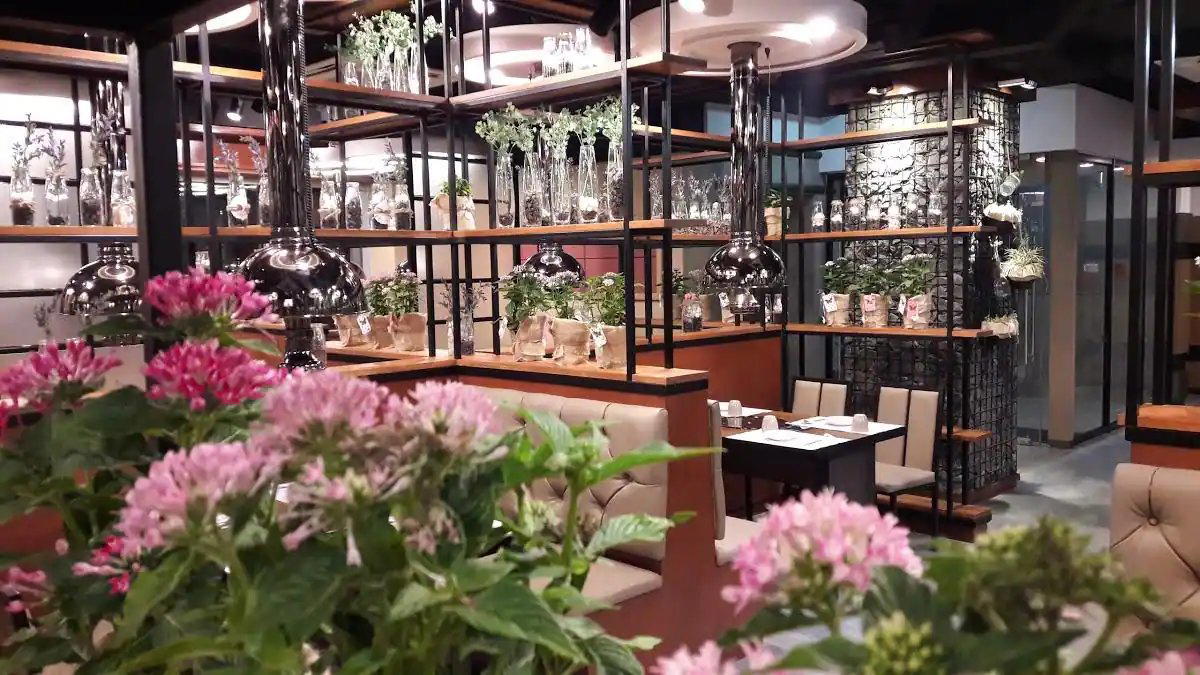


Details
- Lively
- Classic
- Family
- Casual Hangout
- Group Dining
- A La Carte
- Vegetarian Friendly
- Vegan Options
Current opening hours
- Monday
- 11 AM–11 PM
- Tuesday
- 11 AM–11 PM
- Wednesday
- 11 AM–11 PM
- Thursday
- 11 AM–11 PM
- Friday
- 11 AM–11 PM
- Saturday
- 11 AM–11 PM
- Sunday
- 11 AM–11 PM
Hours can change for holidays and private events. Last verified .
Casual and nice ambiance suitable for family lunches with a focus on familiar vegetarian comfort food.