Our verdict
Korean dining in Chennai occupies a small but committed niche, and Aeseo Korean Restaurant in Raja Annamalaipuram sits within that specialist tier. Located on East Avenue in one of the city's more residential southern neighbourhoods, it draws a crowd that takes the cuisine seriously — from fermented banchan to table-grilled proteins. For Chennai diners exploring beyond the subcontinent's own considerable range, it offers a structured alternative.

Pearl is the En Primeur Club membership app — saves, bookings, and concierge access live there. Same editors, same standards.
- Address
- 15, East Ave, Kesavaperumalpuram, Raja Annamalaipuram, Chennai, Tamil Nadu 600028, India
- Phone
- +914442371004
- Hours
- Daily 11:30 AM–3 PM, 5–10:30 PM
- Website
- swiggy.com
- Directions
- Get directions
- Booking
- Book on the venue's website
The menu
What to order
- Kimchi
- Pajeon
- Jeyuk-deopbap
- Bulgogi fried rice
- Barbecue duck
- Dak galbi
Korean Dining in Chennai: A Small but Serious Niche
Chennai's restaurant scene has long been defined by the depth of its own culinary traditions. Chettinad spice logic, the rice-forward grammar of Tamil meals, the slow braises of Kongu cooking — these anchor the city's dining identity in ways that leave little obvious space for Asian imports. Yet Korean food has quietly established a foothold across South India's major metros, carried partly by the Hallyu wave and partly by a generation of diners who eat widely and travel further. Aeseo Korean Restaurant, on East Avenue in Raja Annamalaipuram, sits inside that emerging pattern — a neighbourhood-scale Korean address in a city that has historically left such dining to a handful of specialists.
The location itself matters as context. Raja Annamalaipuram and the adjacent Kesavaperumalpuram pocket belong to Chennai's southern residential belt, quieter than Nungambakkam, less commercial than T. Nagar, and home to a resident demographic that includes professionals and long-term expatriates. Korean restaurants in Indian cities tend to cluster around IT corridors or expat-heavy zones, and this neighbourhood fits that logic reasonably well. It is a different register from the heritage-district placement of somewhere like Anjappar Chettinad Restaurant, or the refined hotel-dining positioning of Avartana, which applies contemporary technique to South Indian form. Aeseo operates at a more neighbourhood-facing register.
The Architecture of a Korean Meal
Korean dining has a structural logic that distinguishes it sharply from most subcontinental formats, and that distinction is part of what makes venues like this interesting in the Chennai context. A Korean meal is not sequential in the Western sense. It arrives as a distributed table, a central protein or stew, surrounded by banchan, the rotating roster of small fermented, pickled, and seasoned side dishes that anchor the meal's complexity. Kimchi, japchae, spinach namul, pickled radish: these are not appetisers or garnishes but essential counterweights to whatever sits at the centre of the table.
This communal, simultaneous format maps surprisingly well onto how South Indian diners already eat. The Tamil meals tradition, rice with multiple small accompaniments served together, shares the same spatial logic, even if the fermentation register and flavour profile are entirely different. Diners arriving from the Chettinad or Tamil meals tradition tend to adapt to Korean table formats more intuitively than those trained on a strictly sequential Western service model. What requires adjustment is the pacing: Korean meals reward slowness, the progressive return to side dishes, the negotiation of shared proteins at the grill.
Where table-grilling is part of the format, the meal becomes participatory in a way that shifts the social dynamic considerably. Proteins, beef bulgogi, galbi short ribs, pork belly samgyeopsal, are cooked at the table, wrapped in perilla or lettuce with fermented soybean paste and garlic. The diner becomes an active participant in the meal's construction, which produces a different relationship to the food than plated service allows. This is worth understanding before arrival, particularly for those encountering Korean table-grill formats for the first time.
Where Aeseo Sits in Chennai's Broader Dining Range
Chennai's international dining tier has expanded measurably over the past decade, though it remains smaller and more concentrated than Mumbai's or Bengaluru's equivalent cohorts. The city has reliable representation across North Indian formats, Jamavar brings a premium pan-Indian sensibility from the Leela group, while more casual options like Dindigul Thalappakatti Restaurant anchor the mid-range. The Korean and broader East Asian tier, by contrast, remains thin. A city of Chennai's scale and culinary sophistication arguably supports more depth in this segment than it currently has, which gives neighbourhood Korean addresses more relative significance than they might carry in Mumbai or Delhi.
For reference, Korean dining in India's metros has moved through distinct phases. The earliest wave centred on expat-facing restaurants with limited menu ambition. The current phase, visible in cities like Delhi and Bangalore, has begun to include more technically serious addresses, Korean BBQ formats with quality protein sourcing, fermentation programs that go beyond commercial kimchi, rice wine and soju pairings handled with some care. Whether Aeseo operates in that more demanding tier or in the earlier accessible-introduction register is something a prospective diner should investigate directly, since the venue's data profile does not confirm specific menu or sourcing details. For comparison, Atomix in New York City represents what Korean fine dining looks like at its most technically refined, a useful calibration point for understanding the full range of what the cuisine can encompass, even if the Chennai context is a different conversation entirely.
The broader Indian restaurant landscape offers useful peer comparisons across other cuisines. Farmlore in Bangalore demonstrates how a narrowly defined culinary brief, in that case, hyper-local ingredient sourcing, can build a coherent identity. Bukhara in New Delhi shows what sustained single-cuisine commitment over decades produces in terms of reputation. These are different categories and price tiers, but the underlying editorial point applies: restaurants that commit to a specific culinary tradition tend to earn more durable followings than those that spread across multiple cuisines without a clear identity.
Etiquette and Practical Orientation
Korean dining customs carry a few protocols worth noting, particularly for first-time visitors. The eldest at the table customarily begins eating first, a small gesture, but one that signals attentiveness to the format. Shared dishes are served from communal platters rather than plated individually, so the communal dynamic is built into the service structure from the start. Soup is consumed throughout the meal rather than at the beginning or end, used to pace the table between bites of heavier proteins or rice dishes. Pouring drinks for others at the table, rather than for yourself, follows standard Korean drinking etiquette, an easy convention to adopt once you know it.
For those planning a visit, the East Avenue address in Raja Annamalaipuram is accessible from central Chennai by auto or cab, and the residential neighbourhood character means parking is generally less constrained than in denser commercial zones like T. Nagar. Given the neighbourhood scale of the operation, walk-in availability is plausible during quieter midweek periods, though weekend demand for Korean restaurants in Chennai has grown enough to make advance confirmation sensible. For broader orientation on the city's dining range, from the Tamil meals traditions that define Chennai's culinary identity to international formats like this one, see our full Chennai restaurants guide.
Diners who approach Aeseo within the frame of what Korean food actually does, the fermented complexity of its banchan, the participatory energy of table-grill formats, the structured communality of the shared table, will find more in it than those who arrive expecting a generic pan-Asian menu. The cuisine has a distinct grammar, and the meal rewards understanding that grammar before sitting down. Other Chennai options worth knowing for comparison include Freshco Food Court for casual variety, while those interested in how Indian regional cuisines handle similar questions of depth and specificity might find Leela Kerala Terrace in Trivandrum or Esphahan in Agra instructive points of comparison, restaurants that have built coherent identities around specific culinary traditions in cities that also carry strong indigenous dining cultures.
Frequently asked questions
How would you describe the vibe at Aeseo Korean Restaurant?
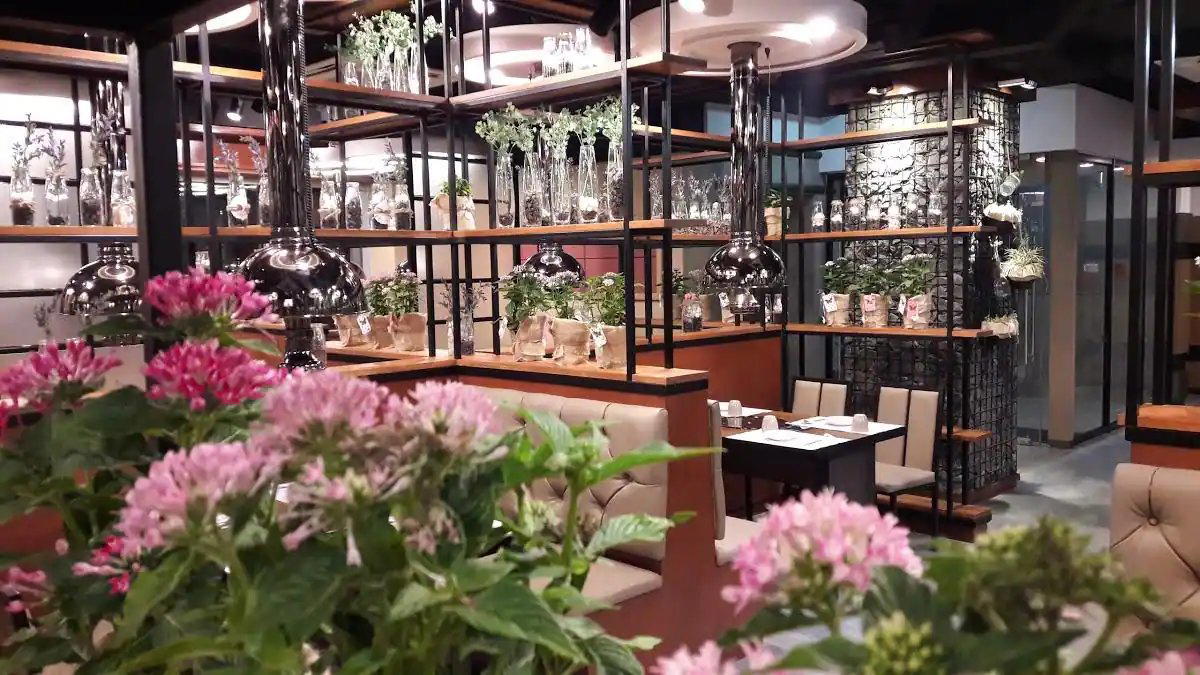
Aeseo occupies a residential address on East Avenue in Raja Annamalaipuram, a neighbourhood that tends toward quiet, mid-scale dining rather than high-footfall commercial strips. That location sets expectations: the atmosphere is likely closer to a focused, sit-down dining room than a casual canteen or a sprawling multi-concept space. For Chennai, where Korean restaurants remain a small and specialist category, Aeseo functions as a dedicated option rather than a scene destination.
What part of town is Aeseo Korean Restaurant in?
Aeseo Korean Restaurant is located at 15, East Ave, Kesavaperumalpuram, Raja Annamalaipuram, Chennai, Tamil Nadu 600028, India, Chennai.
Is Aeseo Korean Restaurant in Chennai suitable for first-time Korean food diners?
Chennai has a relatively small Korean dining scene, which means Aeseo on East Avenue, Raja Annamalaipuram, is likely one of few options in the city where newcomers can encounter the format. Korean meals arrive with multiple banchan (side dishes) served simultaneously rather than in sequential courses, which can feel unfamiliar without prior context. First-time diners should note that the Korean table custom is for the eldest present to begin eating first, and communal dishes are typically shared rather than plated individually.
What's the signature dish at Aeseo Korean Restaurant?
Specific menu data for Aeseo is not part of the public record, so naming a single dish as the signature would require a visit or direct confirmation from the restaurant. What the Korean dining format typically anchors around — fermented sides, grilled proteins, and rice or noodle bases — gives any Korean specialist in Chennai a structural starting point that differs sharply from the city's dominant Tamil and Chettinad traditions. For current menu details, contacting Aeseo directly via their East Avenue address in Raja Annamalaipuram is the most reliable route.
Cuisine and Recognition
Comparable venues nearby, for context on price, style, and recognition.
| Venue | Cuisine | Price | Notes |
|---|---|---|---|
| Aeseo Korean RestaurantThis venue — the venue you are viewing | Korean BBQ | $30–50 | Not listed |
| Dindigul Thalappakatti Restaurant | Authentic South Indian Biryani | $1–10 | Manapakkam |
| Kailash Parbat- Pure Vegetarian Restaurant | Pure Vegetarian North Indian & Chaat | $1–10 | Nungambakkam |
| Southern Spice | Authentic Southern Indian Fine Dining | Not listed | Nungambakkam |
| Kuuraku Chennai | Japanese Sushi Fusion | $20–30 | Vadapalani |
| Jamavar | Fine Dining North Indian | $50–100 | MRC Nagar |
Continue exploring
More in Chennai
Restaurants in Chennai
Browse all →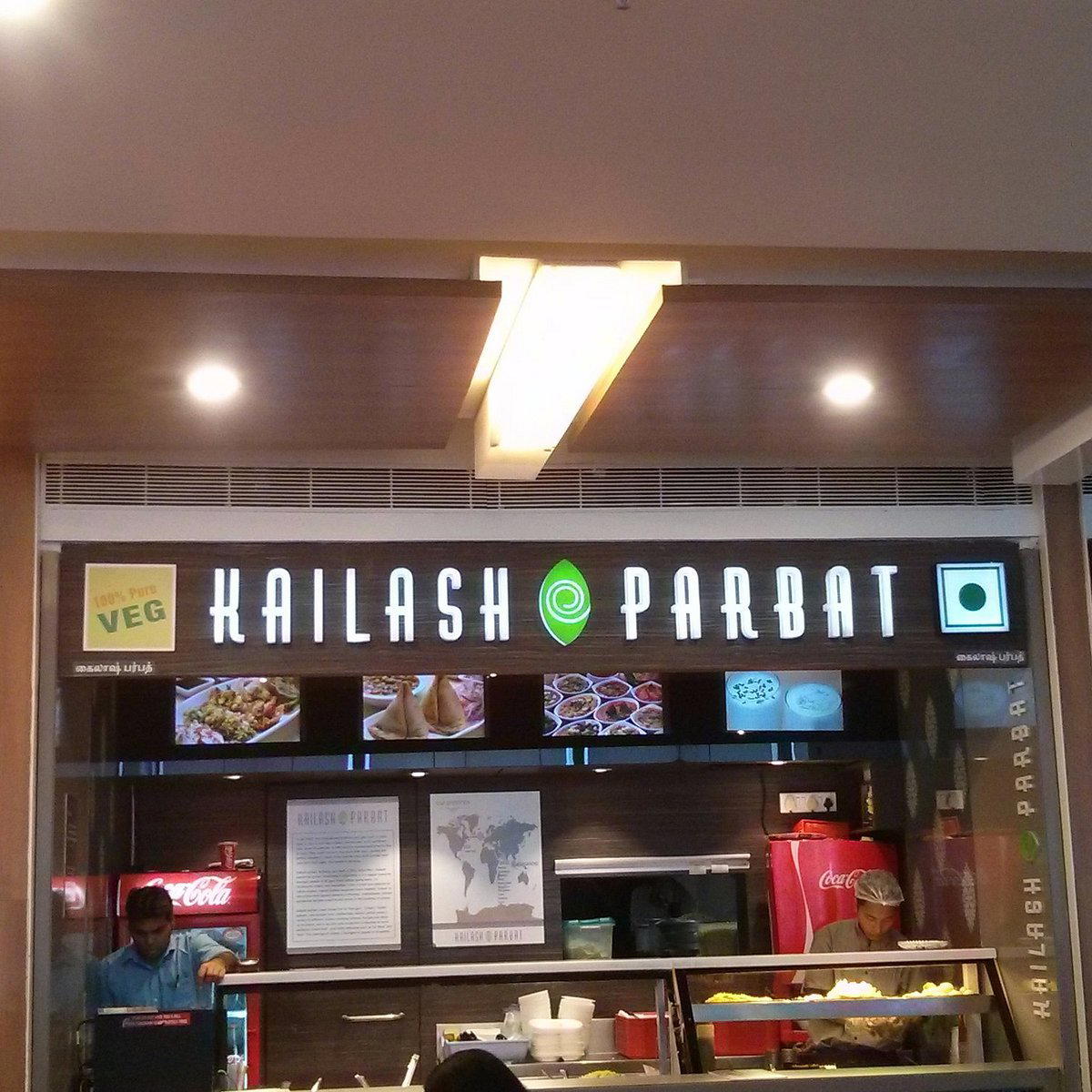
Details
- Cozy
- Classic
- Elegant
- Sophisticated
- Family
- Group Dining
- Celebration
- Business Dinner
- Casual Hangout
- Standalone
- Open Kitchen
- Zero Proof
- Beer Program
- A La Carte
- Soju
- Beer
- Mocktails
- Vegetarian Friendly
Current opening hours
- Monday
- 11:30 AM–3 PM, 5–10:30 PM
- Tuesday
- 11:30 AM–3 PM, 5–10:30 PM
- Wednesday
- 11:30 AM–3 PM, 5–10:30 PM
- Thursday
- 11:30 AM–3 PM, 5–10:30 PM
- Friday
- 11:30 AM–3 PM, 5–10:30 PM
- Saturday
- 11:30 AM–3 PM, 5–10:30 PM
- Sunday
- 11:30 AM–3 PM, 5–10:30 PM
Hours can change for holidays and private events. Last verified .
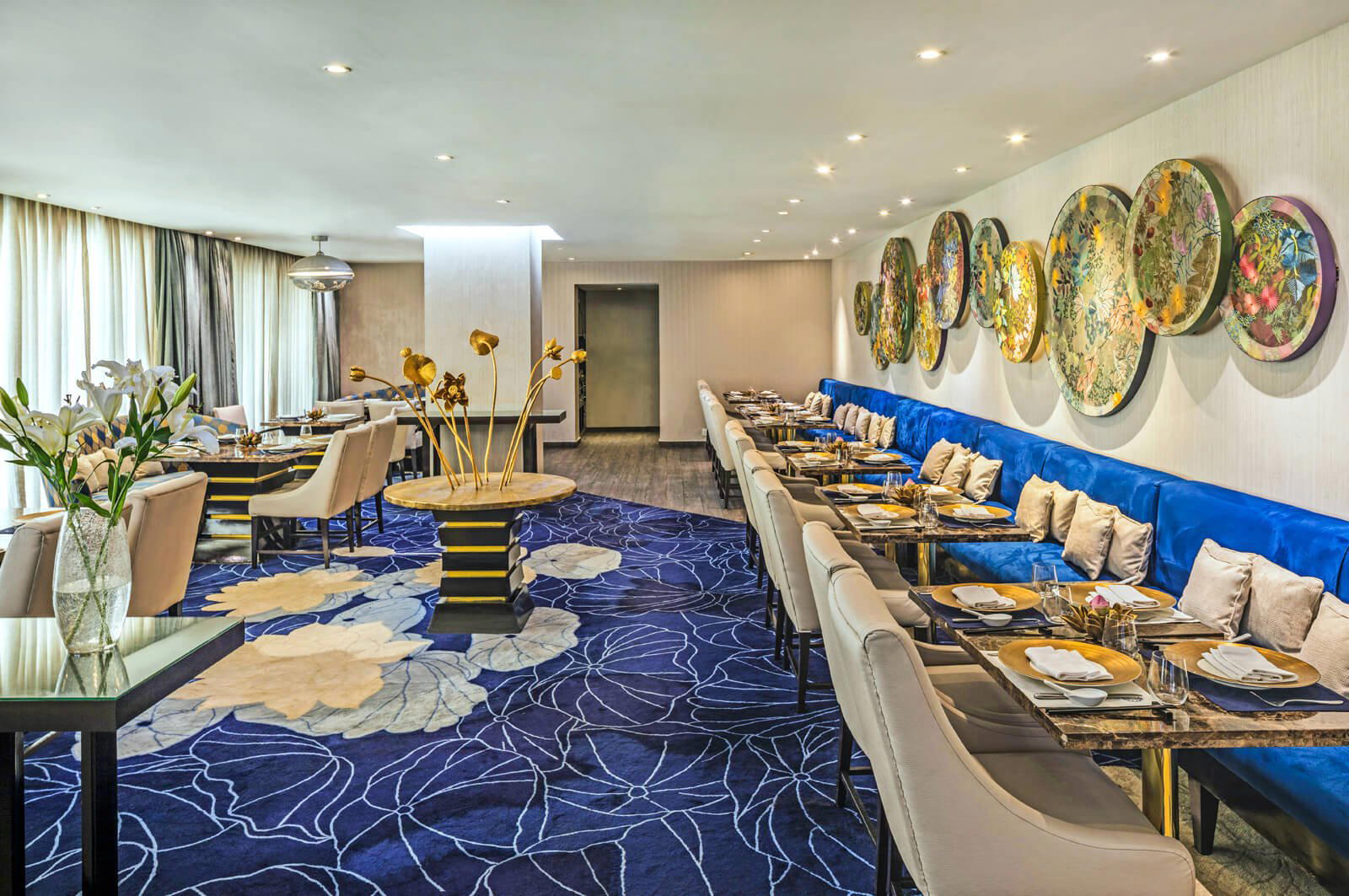
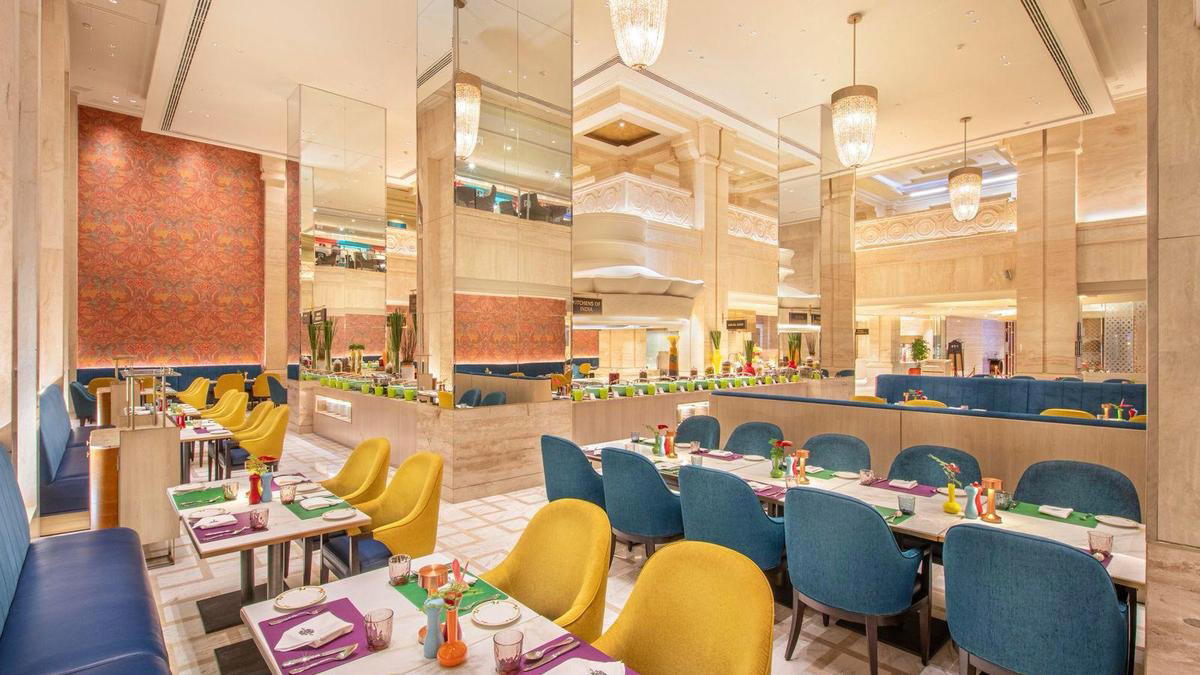
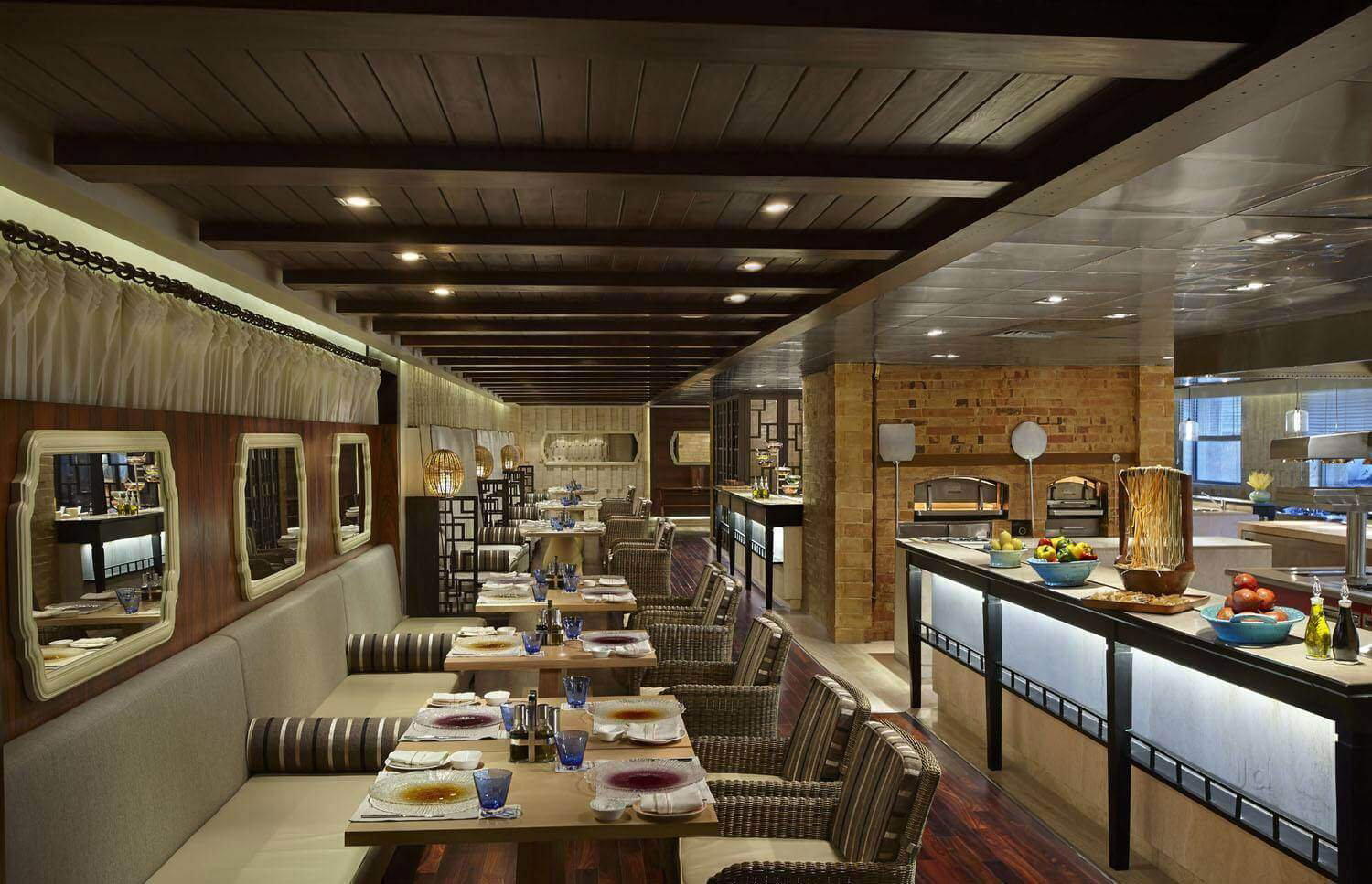
Authentic Korean dining with a polished, classy feel; reviews describe it as nicely spaced, beautifully decorated, and welcoming, with a room that feels like a Seoul-style barbecue venue.