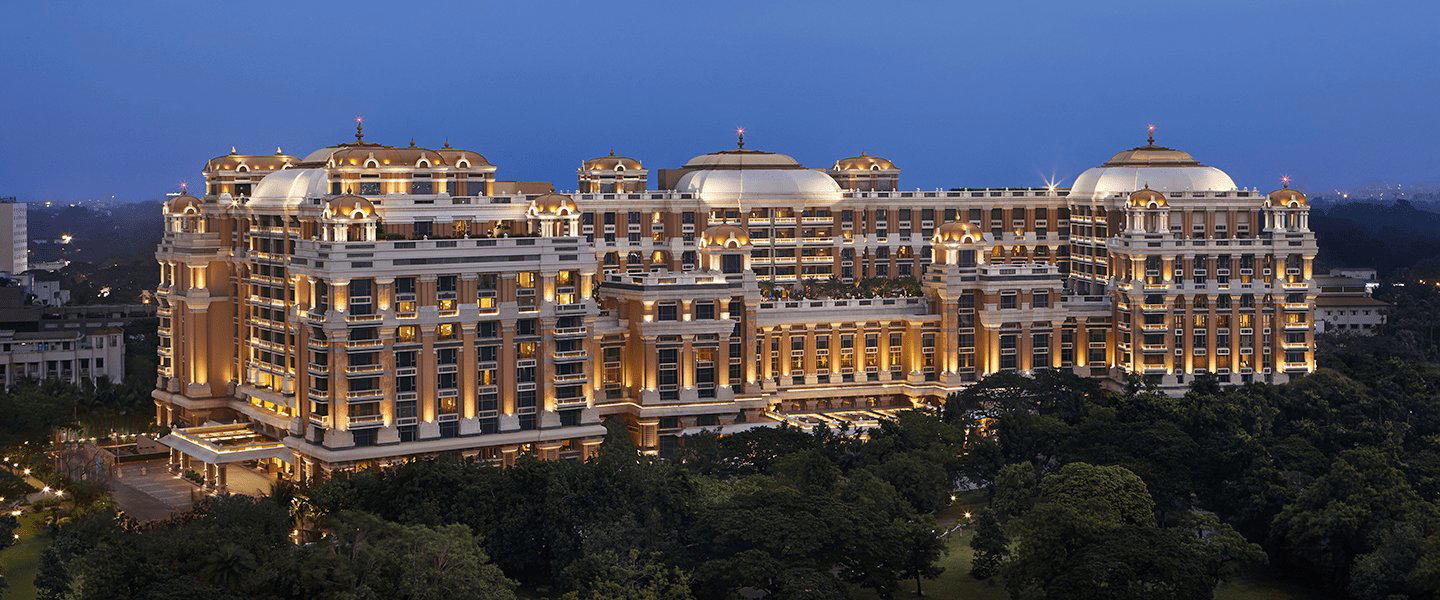
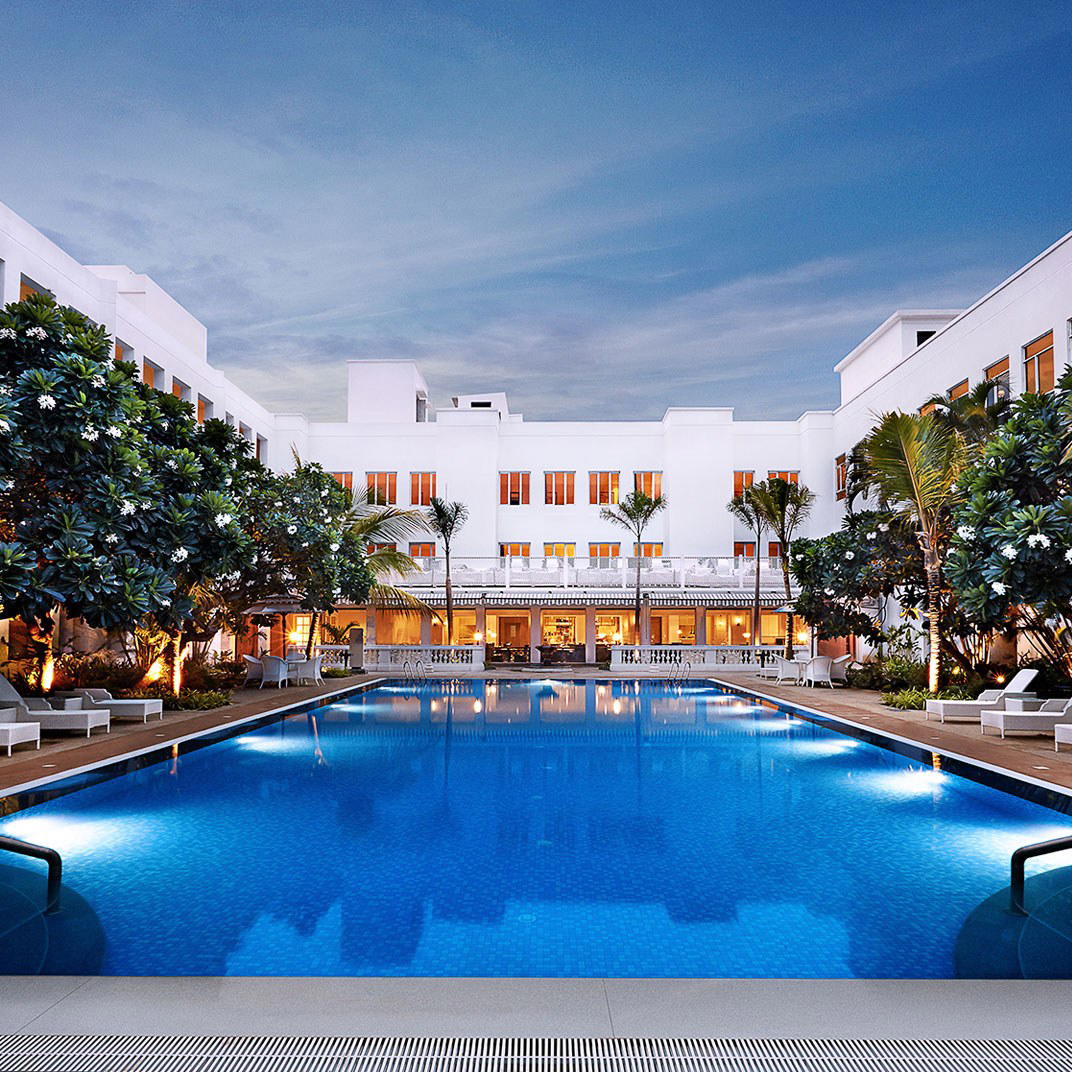
Kuuraku Chennai occupies the basement level of Green Park Hotel in Vadapalani, placing Japanese dining within one of the city's established hospitality addresses. The venue sits inside a broader Chennai shift toward East Asian cuisine gaining serious traction alongside the city's dominant South Indian and Chettinad traditions. Precise venue details on pricing and booking are best confirmed directly with the hotel.
Pearl is the En Primeur Club membership app — saves, bookings, and concierge access live there. Same editors, same standards.
- Address
- GREEN PARK HOTEL, Basement, Vadapalani, Chennai, Tamil Nadu 600026, India
- Phone
- +917358039450
- Website
- dineout.co.in
- Directions
- Get directions
 Saves & bookings on Pearl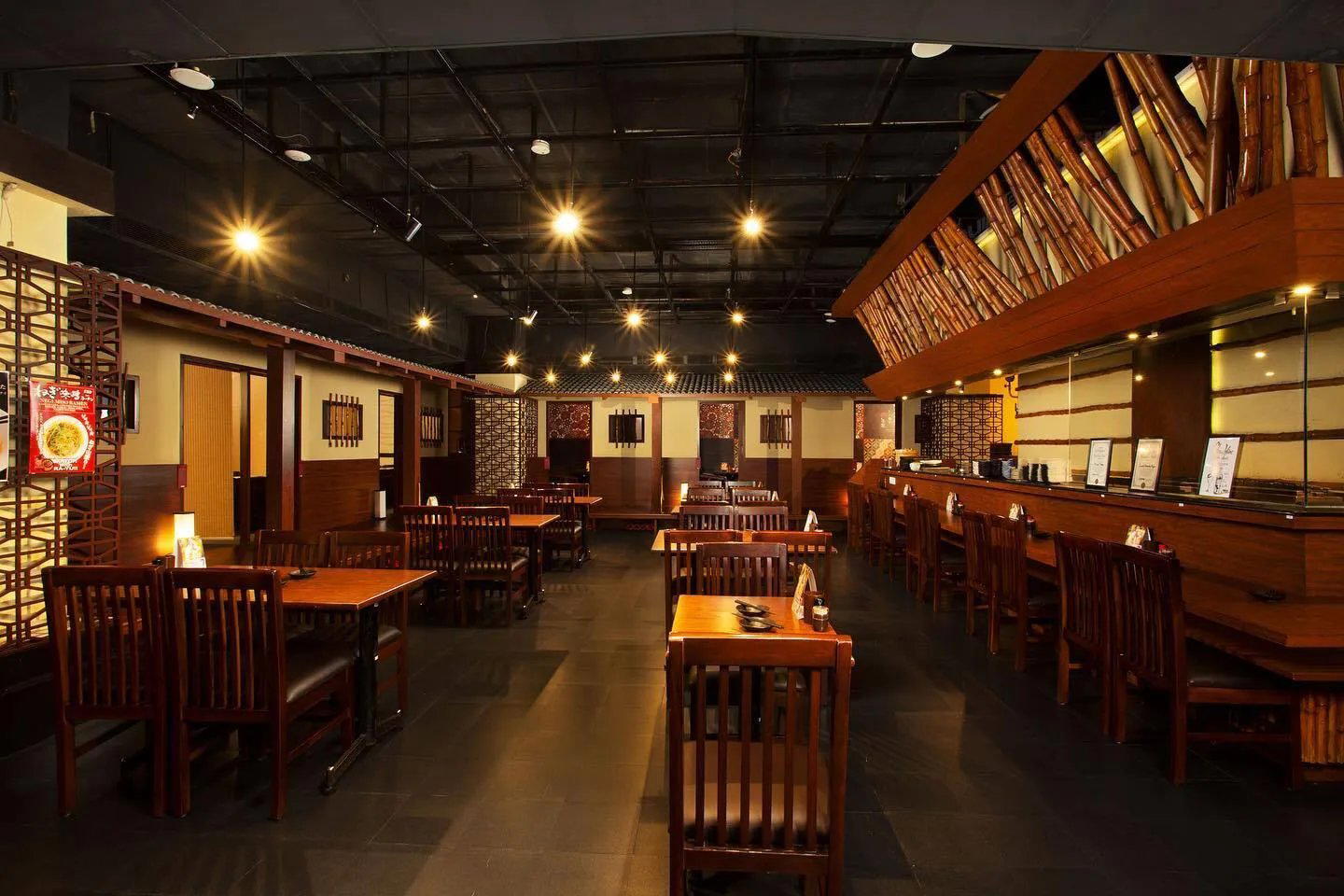
Japanese Dining in a City Built on Rice and Tamarind
Chennai's dining identity has long been anchored in the deep culinary logic of Tamil Nadu: fermented batters, slow-cooked Chettinad spice, temple-town vegetarian traditions, and the particular intensity of coastal seafood prepared without compromise. That foundation remains. But over the past decade, a secondary tier of international cuisine has taken root in the city's wealthier residential corridors and hotel basements, driven by a corporate population with regional and international exposure and a younger dining class that treats cuisine variety as a baseline expectation rather than a novelty.
Japanese food has arrived in Chennai later than it did in Mumbai or Bangalore, and more cautiously. Where Americano in Mumbai operates in a city with decades of exposure to international dining formats, and where Farmlore in Bangalore sits inside a restaurant culture shaped by a large tech-sector workforce, Chennai's international dining scene has grown from a narrower, more selective base. Japanese cuisine here has had to earn its audience differently, competing not just with peer international formats but with the sheer depth of local alternatives. Venues like Anjappar Chettinad Restaurant and Dindigul Thalappakatti Restaurant represent traditions with decades of institutional weight behind them. That is the competitive context any Japanese restaurant in Chennai enters.
The Hotel Basement Format and What It Signals
Kuuraku Chennai is positioned within the basement level of Green Park Hotel in Vadapalani, a mid-city location that places it away from the beachfront and high-end hotel corridors of Nungambakkam or Alwarpet. The hotel-basement format for international dining in Indian cities is a recognised tier: it offers a controlled environment, an existing hospitality infrastructure, and a pre-qualified footfall from hotel guests and nearby corporate visitors. It is not the same signal as a standalone address on a premium street, but it is also not an afterthought. Hotels like Green Park have functioned as reliable neutral territory for experimental cuisine formats in cities where standalone international restaurants face steeper adoption curves.
The broader pattern across India supports this reading. Bukhara in New Delhi built its reputation from within the ITC Maurya, and Esphahan in Agra operates from within the Amarvilas. Hotel-anchored dining in India carries different weight than it does in Western markets: the hotel's reputation becomes part of the restaurant's positioning, particularly in cities where standalone dining addresses are still maturing as a category.
The Korean Parallel: East Asian Cuisine Finding Its Chennai Register
The presence of Aeseo Korean Restaurant in Chennai's dining scene points to something the city's food market is working through: East Asian cuisine is no longer a single undifferentiated category in the minds of Chennai diners. Korean and Japanese formats, once grouped loosely together in the popular imagination, are increasingly understood on their own terms, with distinct preparation logics, flavour registers, and dining formats. That differentiation matters for a Japanese restaurant operating in this environment. Diners arriving at a Japanese venue in Chennai are, more often than a few years ago, arriving with genuine expectations about technique and authenticity, not just novelty.
Japanese cuisine at its structural core asks for a different kind of attention than most Indian dining formats. Where Tamil Nadu cooking rewards the diner who surrenders to the kitchen's pace and spice logic, Japanese preparation, particularly in formats built around precision and restraint, asks the diner to notice subtlety. That is a different contract. How well Chennai's current dining audience has been prepared for that contract, and whether a venue like Kuuraku is serving a broader public or a narrower specialist crowd, shapes everything from menu design to the physical layout of the dining room itself. The contrast with high-concept South Indian work being done at venues like Avartana is instructive: Avartana demonstrates that Chennai diners will engage seriously with restrained, technique-driven food when the frame is right. Japanese cuisine is making a similar argument from a different cultural origin point.
Vadapalani as a Dining Address
Vadapalani sits west of central Chennai, known primarily as a commercial and temple district rather than a dining destination in the way that Nungambakkam or Adyar function. Locating a Japanese restaurant in Vadapalani rather than in the city's premium dining corridors suggests a venue targeting hotel guests, local office workers, and nearby residents rather than destination diners willing to cross the city for a specific kitchen. That is a different operating logic, and it is worth understanding as context. It does not diminish the offering, but it does place the venue in a specific tier of the city's dining geography. For visitors staying in central or southern Chennai, the location warrants a deliberate decision rather than a spontaneous visit. Those already in the area, or staying at Green Park Hotel itself, are in the natural catchment.
What to Know Before You Go
Kuuraku Chennai sits within a hotel property, with hours, pricing, and reservations best checked directly with Green Park Hotel. Hotel-restaurant combinations at this tier in Indian cities typically run lunch and dinner services on most days of the week, with pricing structured around the hotel's broader positioning rather than against standalone premium Japanese benchmarks. At about $20 per person, it sits in a modest price band for the category. Venues like Naar in Kasauli and 5868 Restaurant in Gandhinagar illustrate how hotel-adjacent dining elsewhere in India calibrates itself to its local market rather than to national price benchmarks.
For the wider Chennai eating picture beyond East Asian formats, Freshco Food Court covers the casual end of the city's dining spectrum, while the references above to Anjappar and Avartana bracket the traditional and contemporary South Indian poles. The city's dining range is wider than its international reputation suggests.
A Pricing-First Comparison
Comparable venues nearby, for context on price, style, and recognition.
| Venue | Cuisine | Price | Notes |
|---|---|---|---|
| Kuuraku ChennaiThis venue — the venue you are viewing | Vadapalani, Japanese Sushi Fusion | $$ | Not listed |
| Aeseo Korean Restaurant | RA Puram, Authentic Korean BBQ | $$ | Not listed |
| Kailash Parbat- Pure Vegetarian Restaurant | Not listed | $$ | Nungambakkam, Pure Vegetarian North Indian & Chaat |
| Anjappar Chettinad Restaurant | Nungambakkam, Authentic Chettinad | $$ | Not listed |
| Jamavar | MRC Nagar, Fine Dining North Indian | $$$$ | Not listed |
| Kappa Chakka Kandhari | Nungambakkam, Authentic Kerala Cuisine | $$ | Not listed |
Continue exploring
More in Chennai
Restaurants in Chennai
Browse all →
At a Glance
- Sophisticated
- Date Night
- Business Dinner
- Hotel Restaurant
Current opening hours
- Monday
- 12–2:30 PM, 6–10:30 PM
- Tuesday
- 6–10:30 PM
- Wednesday
- 12–2:30 PM, 6–10 PM
- Thursday
- 12–2:30 PM, 6–10:30 PM
- Friday
- 12–2:30 PM, 6–10:30 PM
- Saturday
- 12–2:30 PM, 6–10:30 PM
- Sunday
- 12–2:30 PM, 6–10:30 PM
Hours can change for holidays and private events. Last verified .
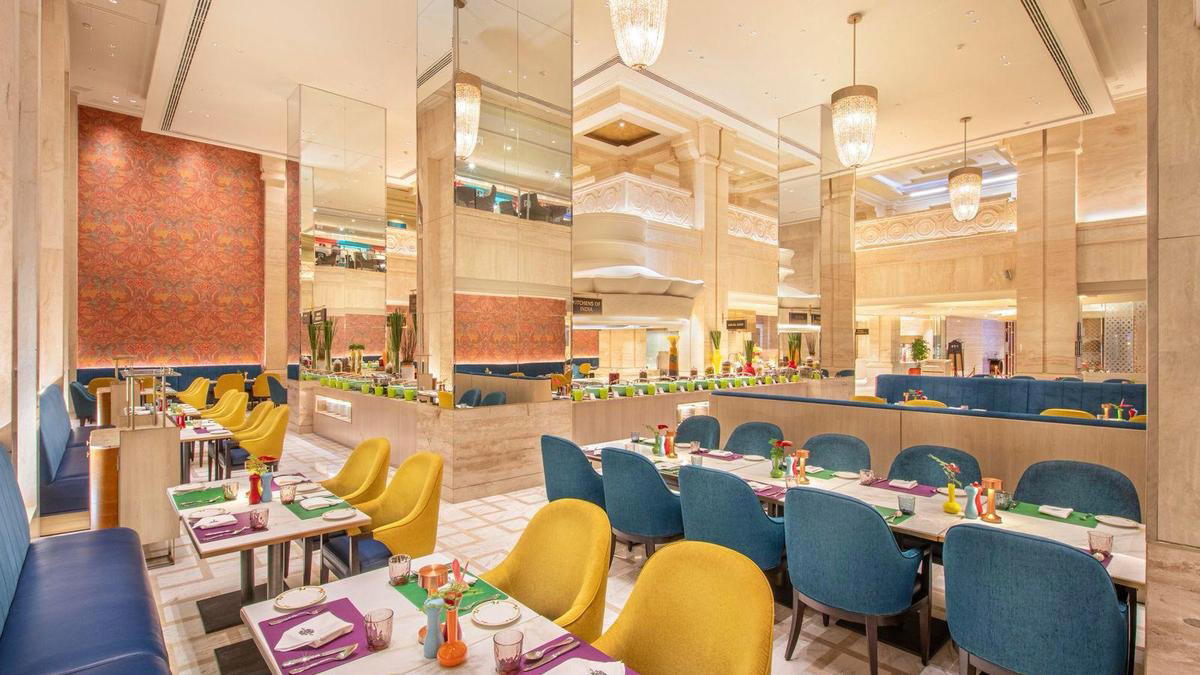
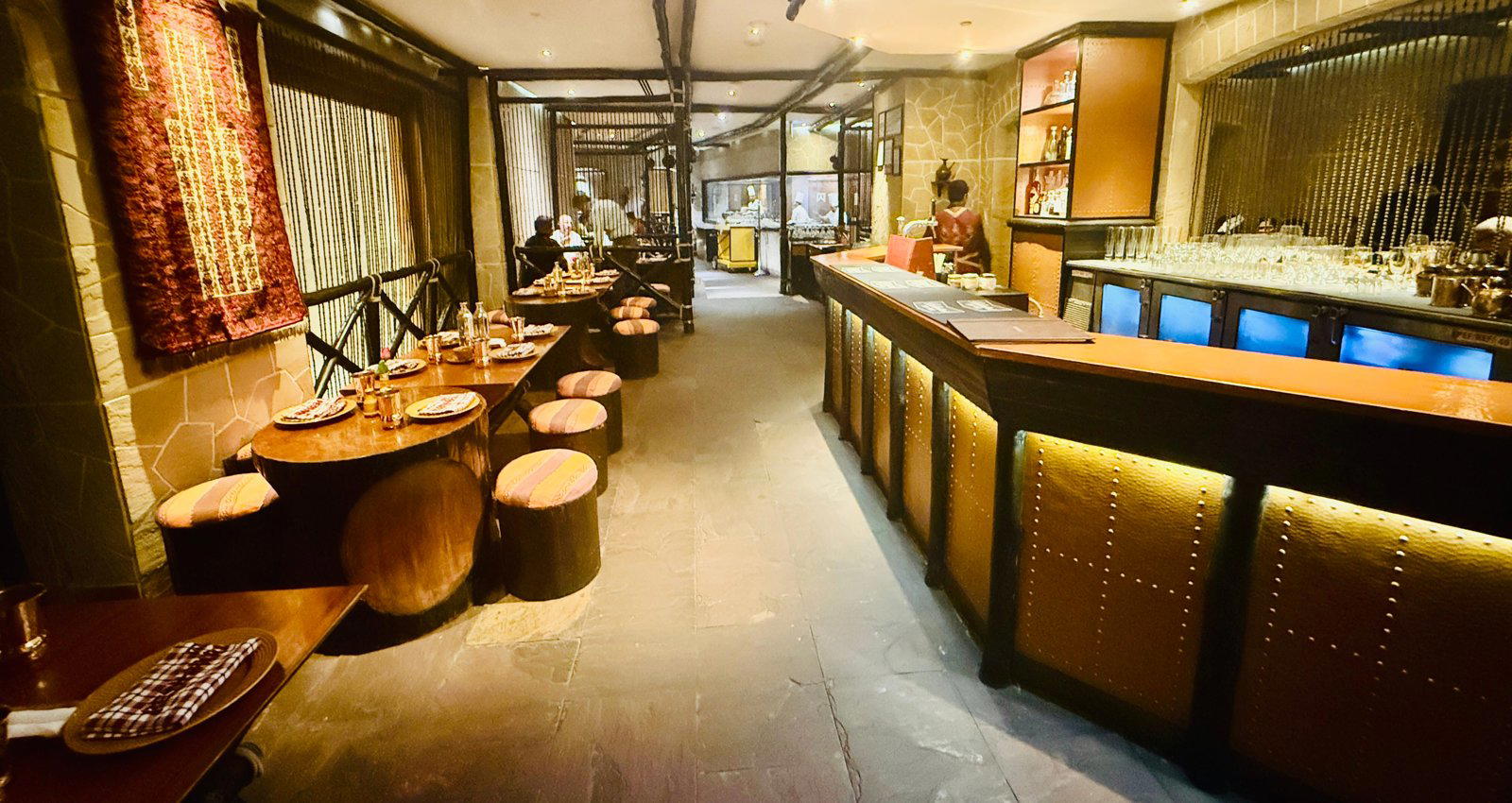
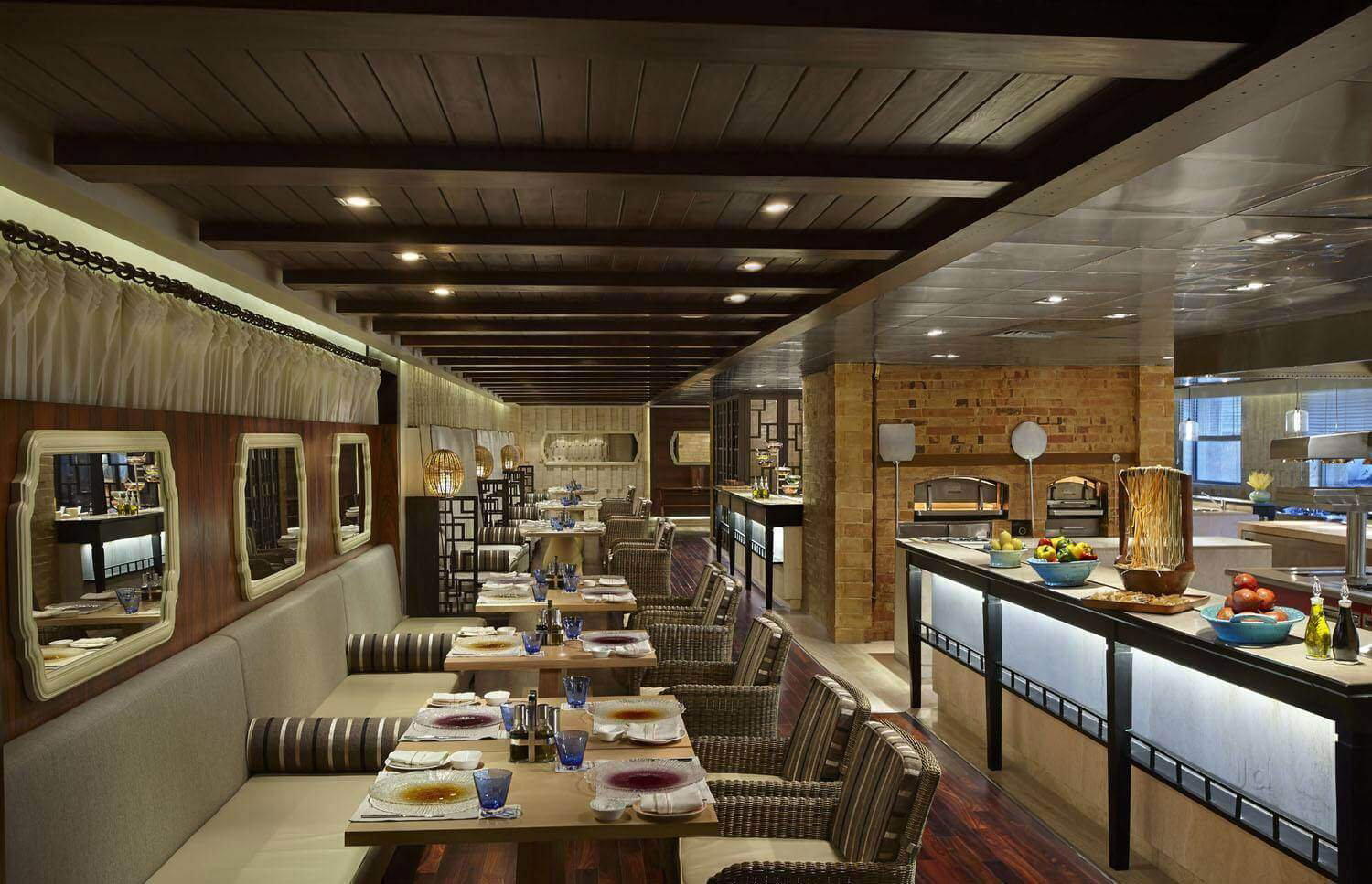
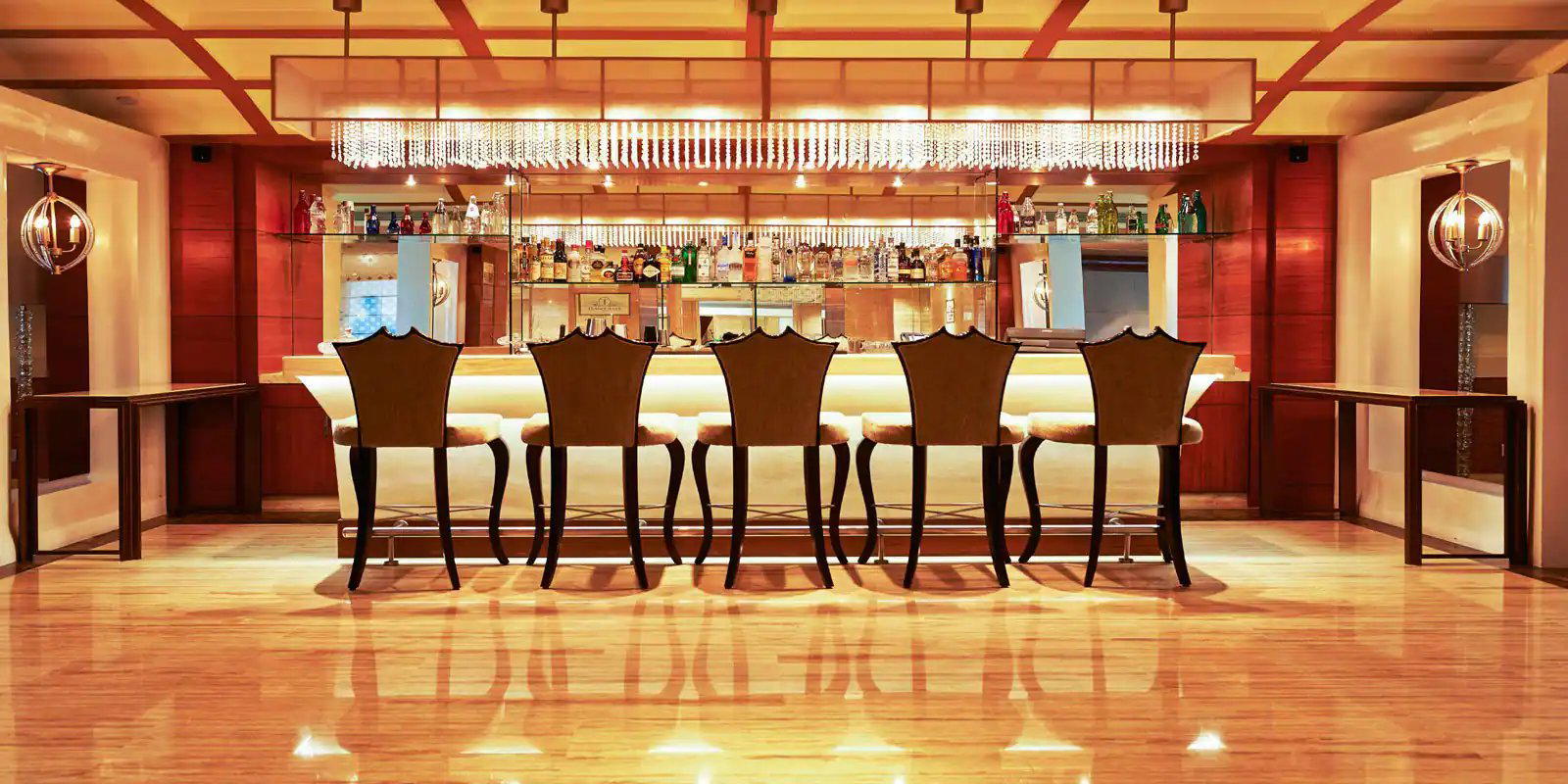
Sophisticated atmosphere with table service and full bar.